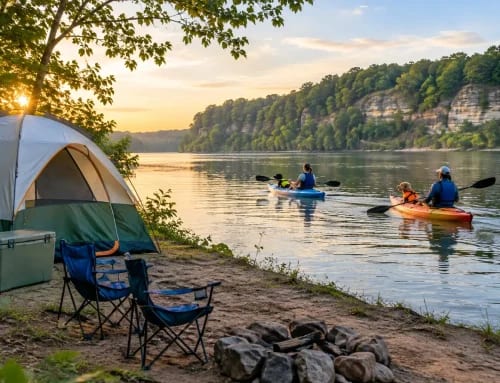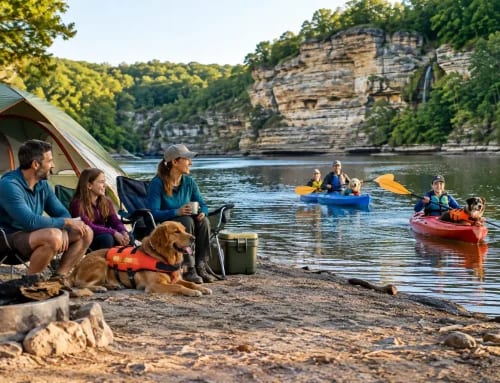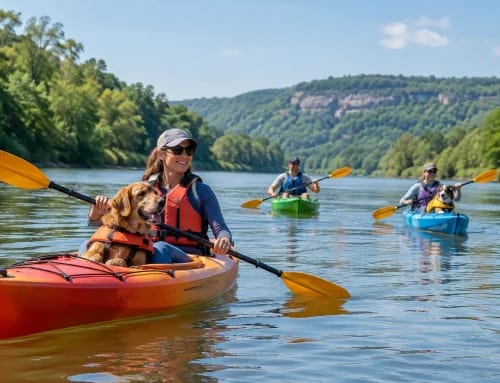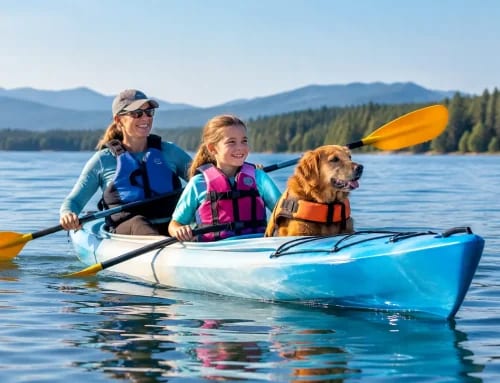
A free Saturday, a car full of snacks, and Starved Rock State Park across the river: that is a very good reason to get outside. But when you are deciding between a kayak tour vs canoe rental, the choice is not just about which boat looks more fun in photos. It is really a choice between having a guide lead the adventure or setting your own pace – and between the cozy independence of a canoe and the easy, confidence-building feel of a kayak.
For Chicago-area day trippers, couples, families, and first-time paddlers, both can make a great Illinois River outing. The right pick depends on who is coming, how much planning you want to do, and whether you would rather follow a guide to the good stuff or wander at your own speed.
Kayak Tour vs Canoe Rental: The Biggest Difference
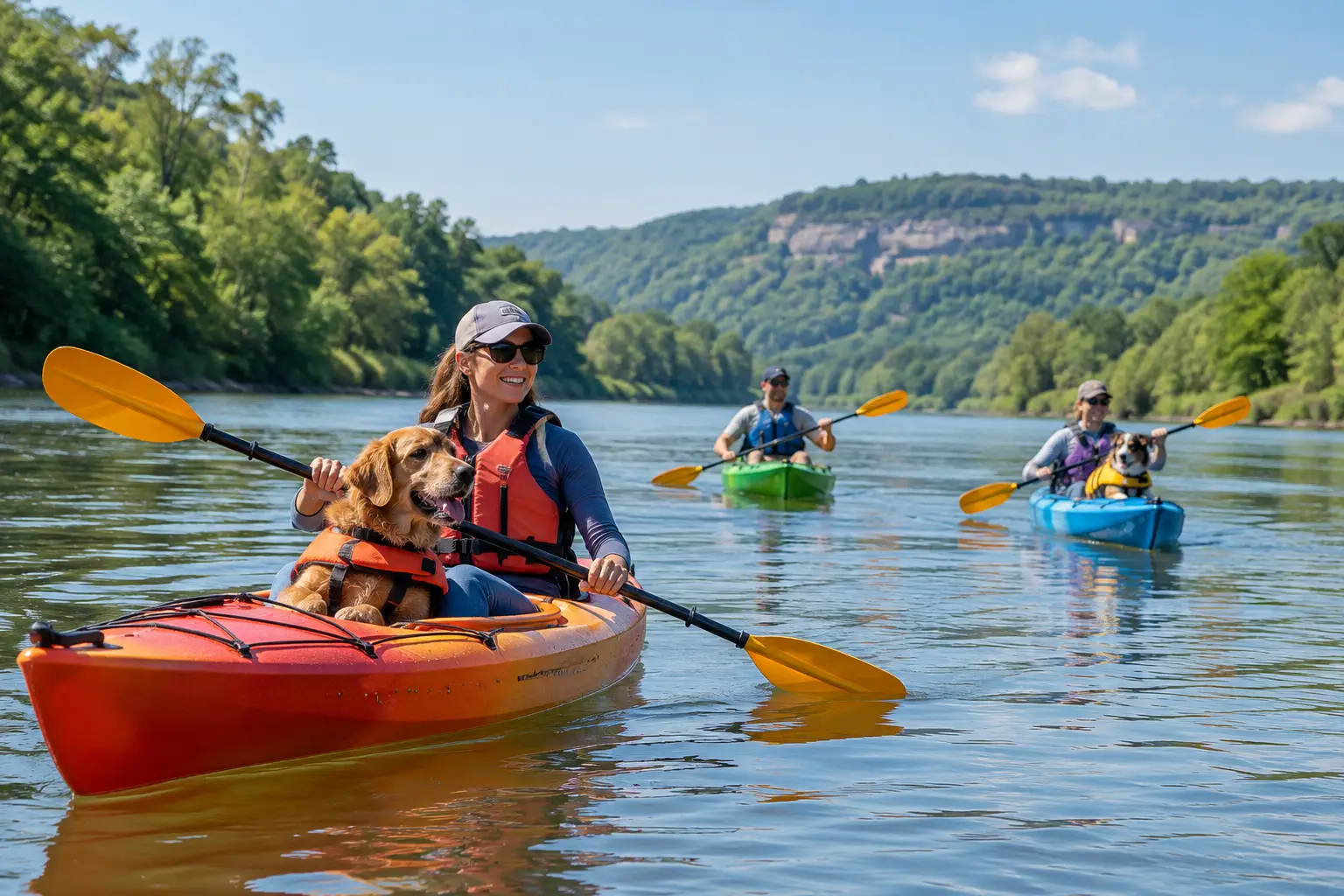
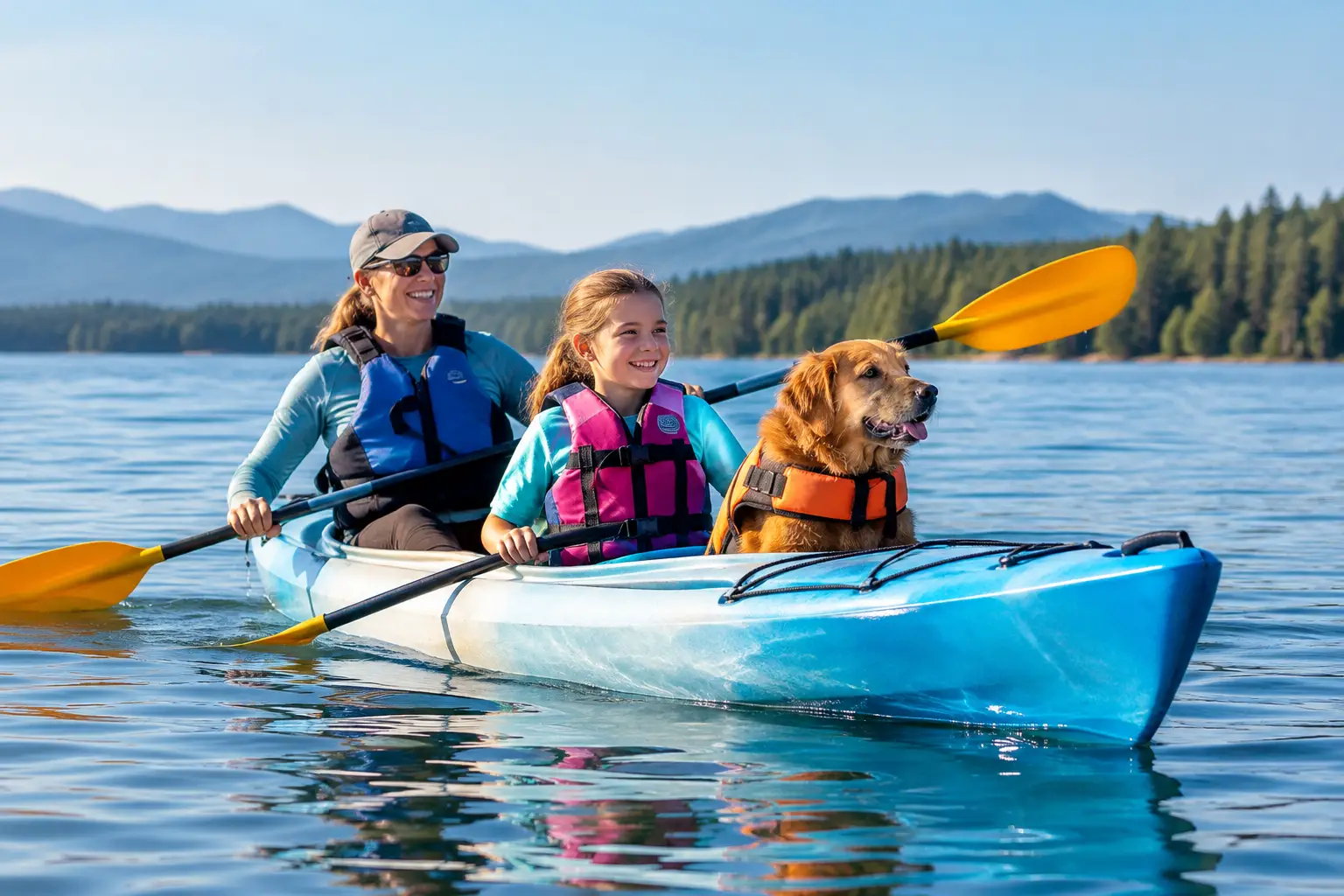
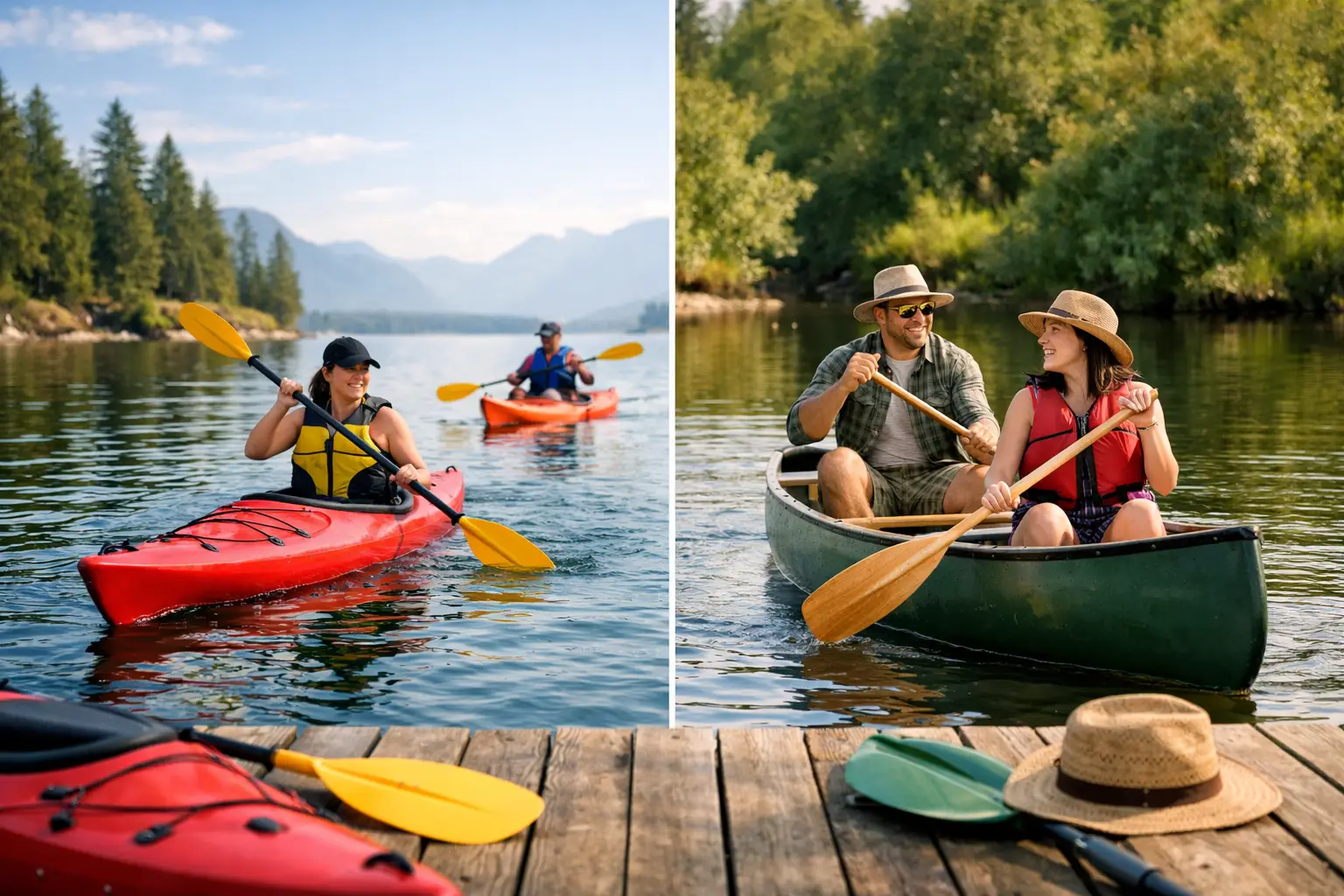
A kayak tour is a planned, guided experience. Your guide provides safety instruction, helps everyone get comfortable with the equipment, leads the group on the water, and brings local knowledge that turns a pretty paddle into a memorable outing. You generally paddle a kayak, either solo or tandem, while a professional handles the route, timing, and on-water leadership.
A canoe rental is typically self-guided. You receive the boat and required safety gear, get oriented to the launch area, then head out with your crew. Canoes are open, roomy boats usually paddled by two or more people with single-blade paddles. They are familiar, flexible, and especially appealing when you have a cooler, a child, a dog, or a pile of extra layers that somehow became necessary.
Neither option wins every time. The better question is: what kind of day do you want?
Choose a Kayak Tour When You Want the Easy Button
A guided kayak tour is made for people who want fresh air and a great story without spending the morning wondering whether they packed the right thing, chose the right route, or interpreted a map upside down. That is not cheating. That is vacation planning with good judgment.
You are brand new to paddling
First-timers often assume kayaking requires upper-body strength, athletic balance, or some mysterious outdoorsy gene. On calm, flatwater conditions, it is far more approachable than that. A good guide begins with the practical basics: how to wear and adjust your PFD, how to sit comfortably, how to hold the paddle, how to steer, and what to do if you need help.
That quick instruction can change the whole day. Instead of starting tense and tentative, you get the chance to settle into a rhythm early. You can ask questions as they come up, rather than trying to remember a five-minute briefing from the dock.
You want local stories and scenery you might miss
Starved Rock country has more going on than a line of trees along the bank. The sandstone bluffs, river views, seasonal wildlife, and park-side scenery give a paddle real character. A guide knows where to slow down, what you are looking at, and how to keep the group positioned for the best views.
Guides also help make the experience social. They keep the pace comfortable, make sure nobody gets accidentally left behind, and often add the kind of low-key humor that turns a group outing into something people talk about on the drive home.
You are organizing a group
For birthdays, friend groups, team outings, scout groups, and family get-togethers, a guided tour gives one person permission to stop being the unofficial event manager. A guide creates structure, sets expectations, and keeps the group moving together.
That matters when people have different confidence levels. The experienced paddler does not have to spend the whole outing coaching everyone else, and the nervous first-timer does not have to worry about slowing down the crew. Everyone gets to be a guest.
You want built-in safety support
PFDs are required on the water, and they should be properly fitted and worn, not treated like a boat accessory. On a guided experience, safety is not an afterthought added at the launch. It is part of the plan from the first instruction through the final landing.
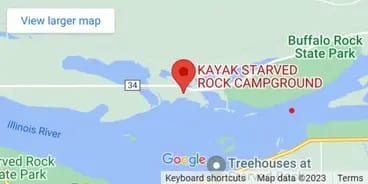
At Kayak Starved Rock Campground, flatwater on the dam-controlled Illinois River helps keep the experience beginner-friendly, with no current and shallow conditions. A guide adds another layer of reassurance by watching the group, giving clear direction, and adjusting the experience when needed. It is a strong fit for anyone whose goal is 100% fun and a lot less second-guessing.
Choose a Canoe Rental When Flexibility Is the Point
A canoe rental shines when your crew wants to set its own agenda. Maybe you want a slower afternoon, more time to chat, a floating snack break, or the freedom to turn around whenever the kids announce they are ready for ice cream. A rental leaves room for all of that.
You have a dog, kids, or extra gear
The open layout of a canoe is its superpower. A well-behaved dog can often settle between paddlers more comfortably than in a narrower boat, and younger kids may appreciate having space rather than being assigned their own cockpit. Always check the specific operator’s dog policy, passenger rules, and weight limits before booking, especially if your pup believes every outing is his personal expedition.
Canoes also have room for practical day-trip gear. Bring water, sunscreen, a dry bag for phones, a light layer, and a small snack. Keep items secured and avoid overloading the boat. The goal is comfortable and balanced, not a floating garage sale.
You have paddled before and prefer independence
If your group already understands basic paddling, steering, and on-water etiquette, self-guided time can feel wonderfully relaxed. You decide when to launch within the available schedule, how quickly to travel, and when to call it a day.
Independence does come with responsibility. You need to pay attention to weather, return times, launch cutoffs, boundaries, and the ability level of everyone in your boat. A rental is carefree only when you do the small bits of planning that keep it that way.
You want a lower-structure outing
A tour has a route and a group rhythm. A canoe rental lets you make the day more spontaneous. That can be perfect for a casual couple’s outing or a family that would rather explore quietly than stay on a set schedule.
Still, do not confuse self-guided with unsupported. Reputable outfitters should explain where to go, what to avoid, how long you have, and what safety rules apply. Ask those questions before you push off, not after you have paddled past your planned turnaround point.
Kayak Comfort vs Canoe Comfort
The physical feel of each boat can help settle the decision. A touring kayak tends to feel more connected to the water. You sit lower, use a double-blade paddle, and often find a smooth rhythm once you get going. Tandem kayaks let two people share the experience while still having a boat designed for efficient paddling.
A canoe feels more open and more communal. You can shift position more easily, carry more gear, and converse face-to-face or side-by-side without leaning around a cockpit. It can be the better choice for passengers who want space, but it also requires cooperation. If one paddler is powering ahead while the other is casually sampling the breeze, the canoe may have opinions about where it is headed.
For many beginners, a guided kayak tour feels easier because someone explains the mechanics and keeps the route simple. For a family with a small child or dog, canoe space may outweigh that advantage. Comfort is personal, so book the experience that suits your actual group – not the group you imagine appearing in a catalog.
What About Cost and Planning?
In general, a canoe rental may cost less than a guided kayak tour because you are paying for the equipment and access rather than a guide’s time and expertise. But value is not only the sticker price. A tour bundles instruction, leadership, route confidence, and an experience designed to run smoothly. If those things keep your group from feeling stressed or lost, they can be well worth it.
Rentals are often ideal for paddlers who need less hand-holding and want maximum flexibility. Tours are ideal for people who would rather arrive, get fitted for a PFD, listen to a clear briefing, and get on the water with a plan. Check reservation requirements, seasonal hours, last-launch times, age guidelines, and cancellation policies before making the drive from Chicago. A little logistical homework protects the fun.
Make It a Full Starved Rock Weekend
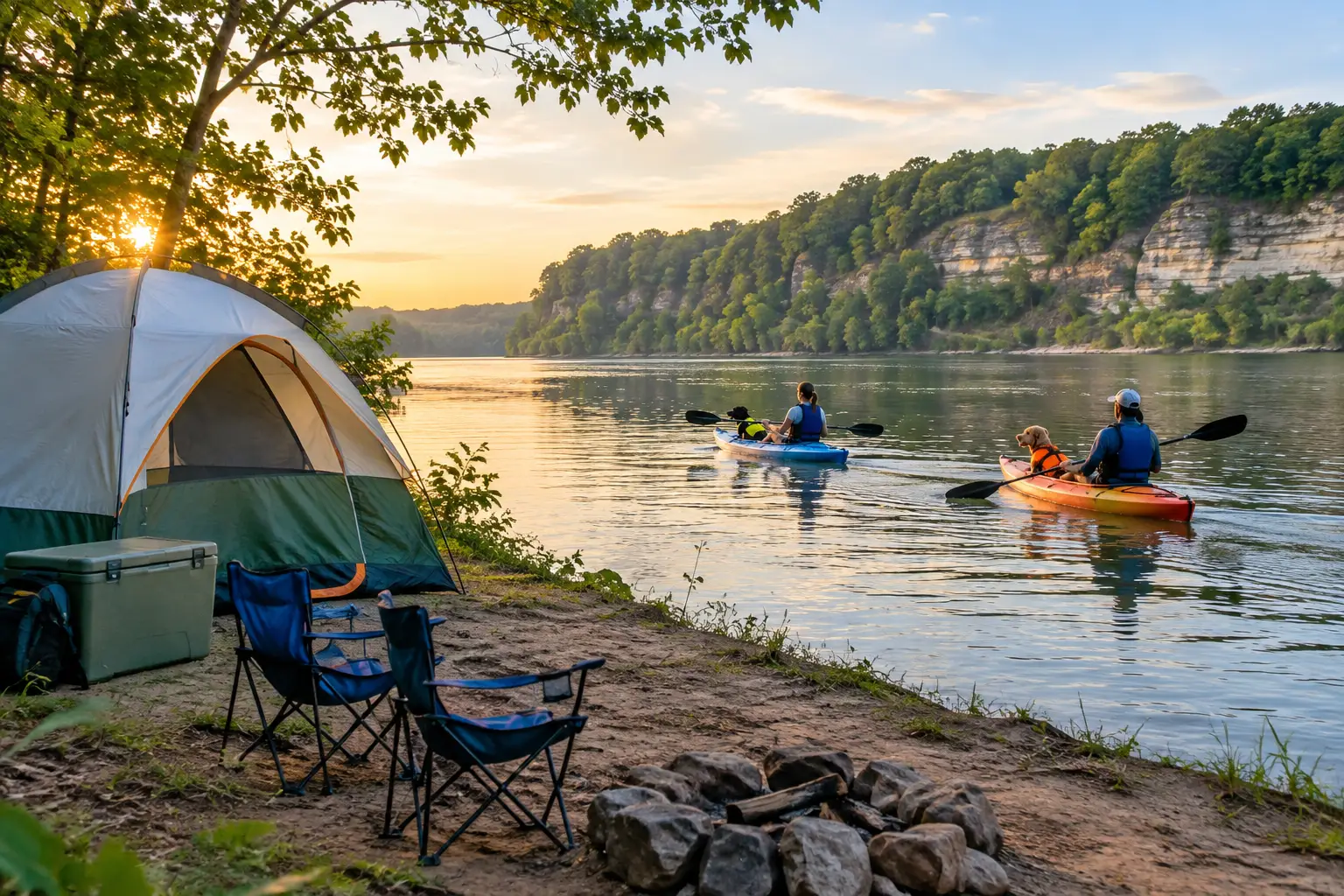
A paddle does not have to be the whole itinerary. Pair your time on the Illinois River with hiking near Starved Rock State Park, then trade the return drive for waterfront camping. Camping near Chicago is much more appealing when it feels like a real change of scenery instead of a complicated production.
Tent camping works beautifully for the classic campfire-and-s’mores crowd. Pop-up camping can make a quick weekend feel even easier, while teardrop camping offers a comfortable, compact base for couples or friends who want a little more shelter at the end of the day. For guests who like the idea of nature but not the idea of packing every single thing they own, glamping-style options and tent rentals can make the overnight plan feel pleasantly low effort.
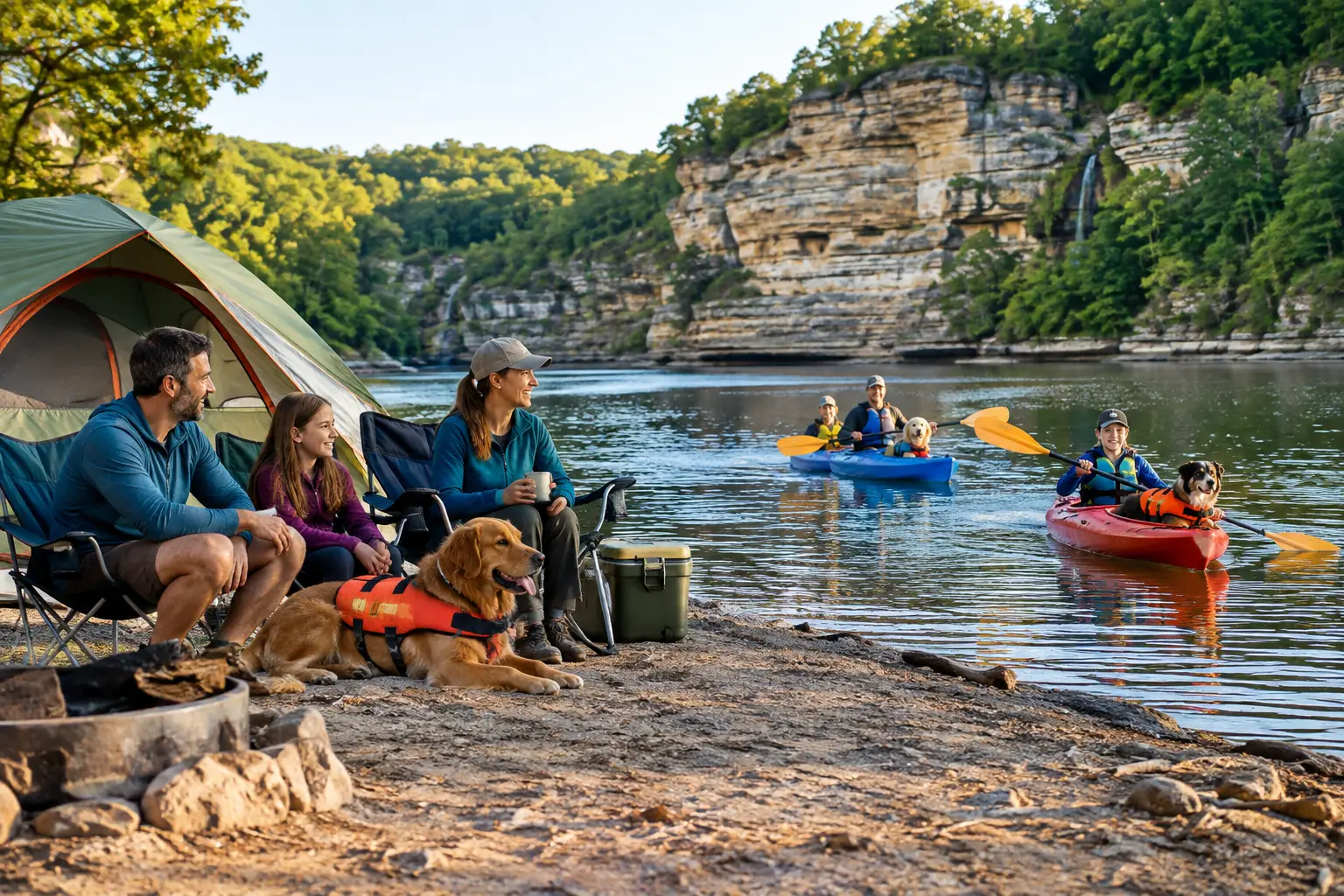
The same practical thinking applies to dog-friendly camping and kayaking. Confirm pet rules in advance, bring a leash, water bowl, waste bags, and your dog’s properly fitted flotation gear when they are on the water. A happy dog is great company. A thirsty dog with an unsecured leash is a much less relaxing travel companion.
A Quick Way to Decide
Choose a guided kayak tour if you are new to paddling, want expert instruction, are bringing a mixed-ability group, or want the scenery and route handled for you. Choose a canoe rental if your crew is comfortable being self-guided, needs more room for a child, dog, or gear, and wants to set its own pace.
Either way, wear your PFD, respect the launch and return times, bring water, and give yourself permission to put the phone away for a while. The best river day is rarely the one with the tightest schedule. It is the one where everyone ends up a little sun-kissed, pleasantly tired, and already asking when they can come back.