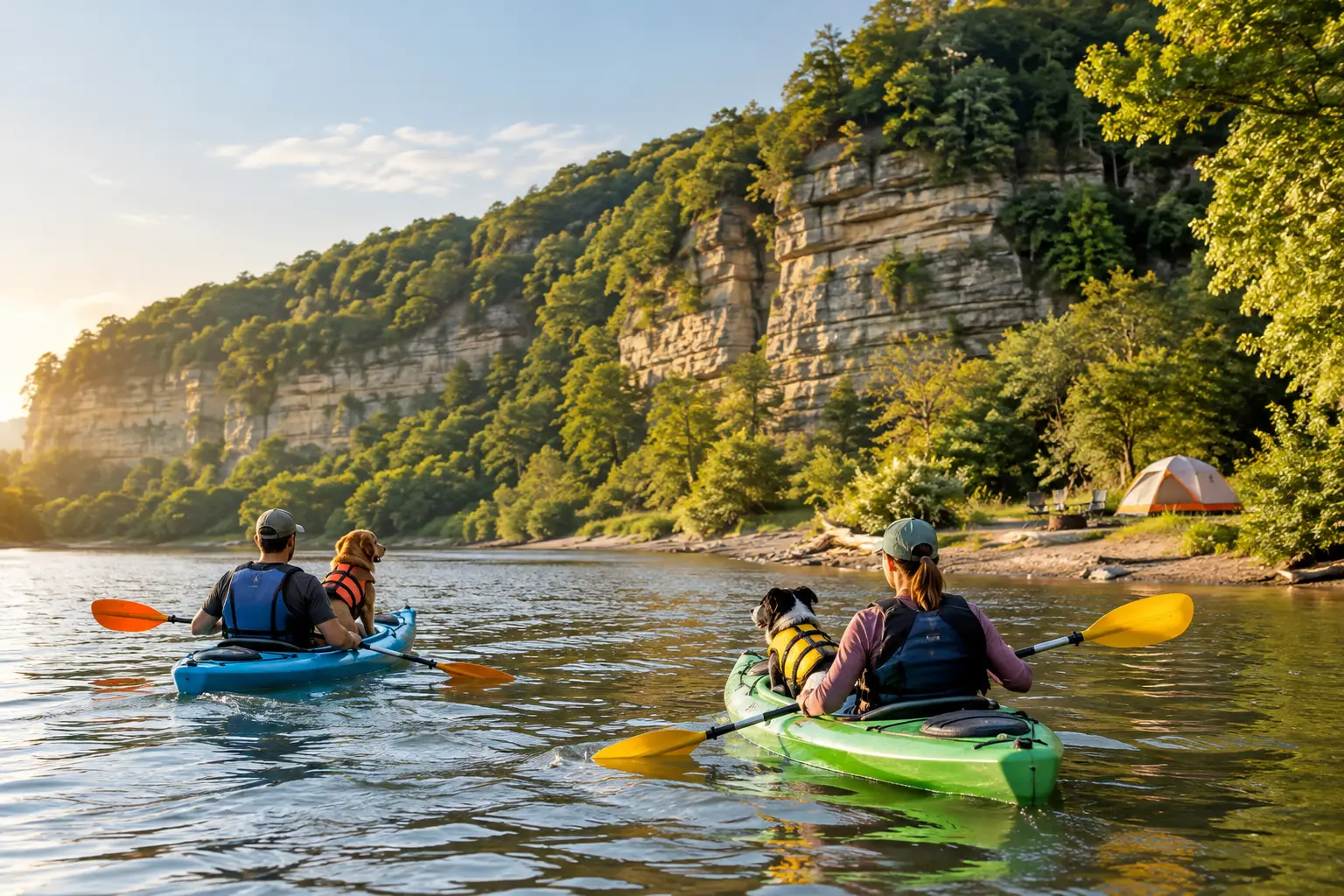
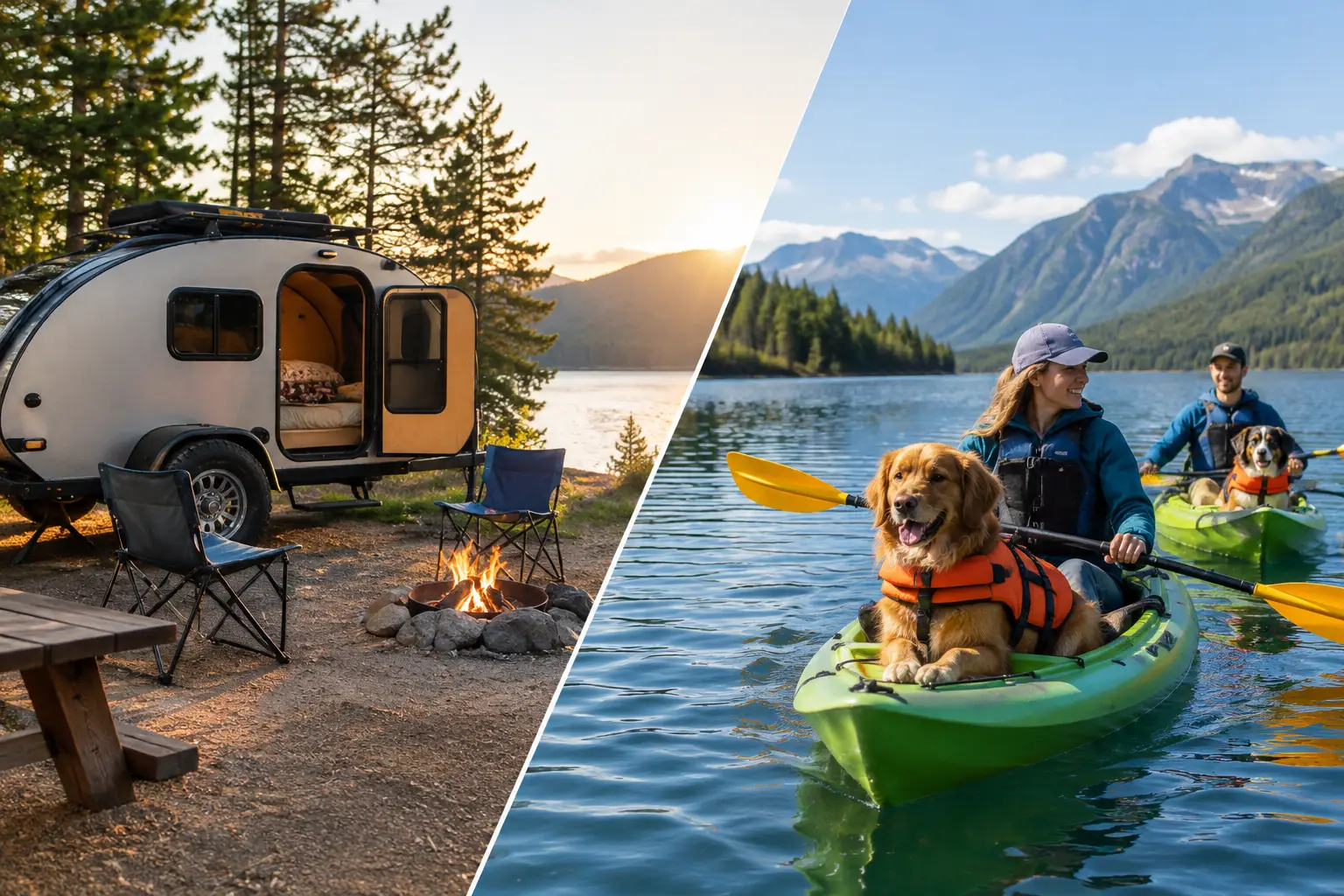
The difference between a great weekend outdoors and a weekend spent hunting for a dry sock usually comes down to one choice: teardrop camping vs tent setup. For a quick camping trip near Chicago, both can work beautifully. The better pick depends on how you like to sleep, how much gear you want to manage, whether the dog is joining, and how much time you want left over for paddling the Illinois River.
At a waterfront campground across from Starved Rock State Park, that choice matters even more. You are not just choosing a place to crash. You are building the home base for a weekend of kayaks, campfires, sandstone bluffs, easy mornings, and the kind of fresh air that makes Monday feel a little less rude.
Teardrop camping vs tent setup: the real difference
A tent gives you the classic camping experience: unzip the door, hear the birds, feel the cool morning air, and step straight into your campsite. It is flexible, affordable, and easy to make your own. If your group likes spreading out, bringing a bigger sleeping setup, or camping with kids and gear, a tent can be a smart fit.
A teardrop camper brings a little more structure to the adventure. You get a hard-sided sleeping space, a raised mattress, and less concern about wet grass or a surprise overnight shower. Many teardrop campers also make packing simpler because your bed, lights, and basic storage are already part of the setup.
Neither option wins every time. A teardrop is not automatically “better” camping, and a tent is not automatically roughing it. The right choice is the one that gets your crew outside with the least amount of stress.
Choose a tent when you want room and flexibility
Tent camping is the move for campers who want a bigger footprint without towing a trailer. Families often appreciate having room for sleeping bags, a pack-and-play, coolers, dog beds, and the random collection of kid treasures that somehow appears after every hike.
It also makes sense for groups. Two couples, a parent-and-kid crew, or friends planning a birthday weekend can set up nearby and still have room to hang out around the fire. A tent site feels more social because the campsite itself becomes part of the experience.
For first-time campers, the setup can sound intimidating, but it does not need to become a wilderness engineering project. A simple tent, sleeping pads or air mattresses, bedding, a lantern, and weather-ready layers go a long way. Pop-up tent camping can make arrival even easier if your goal is less pole sorting and more sunset watching.
The trade-off is weather. Even a quality tent feels different after a rainy night, a humid Illinois morning, or a chilly shoulder-season evening. You will need to pack thoughtfully, use a ground tarp correctly, and make sure the rain fly is secure before you head out for dinner or a paddle.
Choose a teardrop when comfort is the priority
A teardrop camper is a strong choice for couples, solo campers, and anyone who likes waking up rested enough to actually enjoy the next day. You are off the ground, your sleep space is already enclosed, and setup is usually much faster than pitching a tent after a Friday drive from Chicago.
That speed is a real benefit for a short getaway. Pull in, get settled, grab a camp chair, and start enjoying your waterfront camping weekend. No one wants to spend the first golden hour of the trip debating which pole goes where.
Teardrops can be especially appealing in uncertain weather. If rain moves in overnight, you are sleeping inside a solid shell instead of listening closely to every drop on nylon. They can also feel more comfortable for campers who love the outdoors but do not love sleeping directly on the ground.
Still, a teardrop asks more of your trip before you arrive. You need a tow-capable vehicle, comfort backing into a site, and an understanding of the camper’s power, storage, and sleeping layout. Space is cozy by design. That is charming for two people and considerably less charming if you are trying to fit two adults, two kids, and a big dog into one tiny camper.
Think about the whole weekend, not just bedtime
The best camping near Starved Rock State Park is not about choosing the fanciest sleeping setup. It is about building an easy weekend around the things you came to do.
If kayaking is the centerpiece, consider how you want to feel before and after time on the water. Tent campers may enjoy the lighter, more traditional camping feel and the chance to keep gear spread out at the site. Teardrop campers may appreciate having a dry, comfortable place to change after an afternoon on the Illinois River.
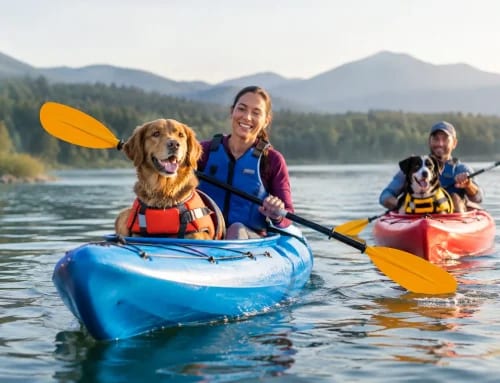
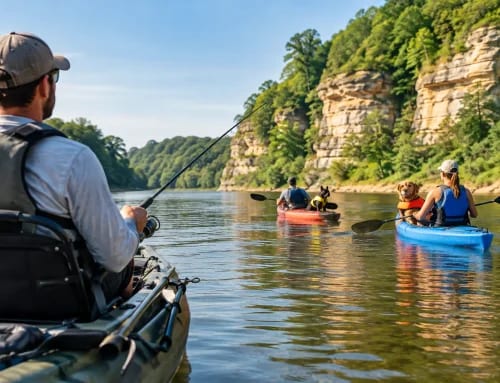
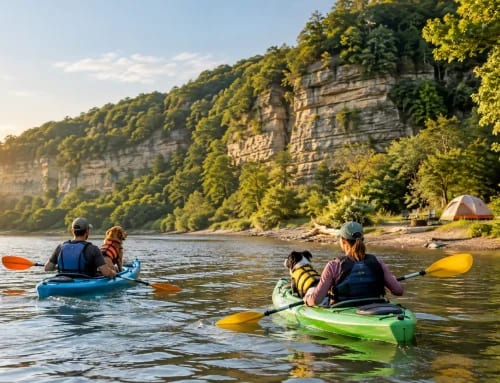
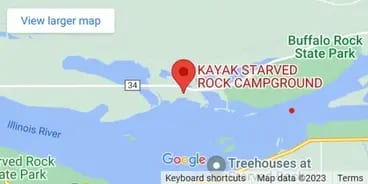
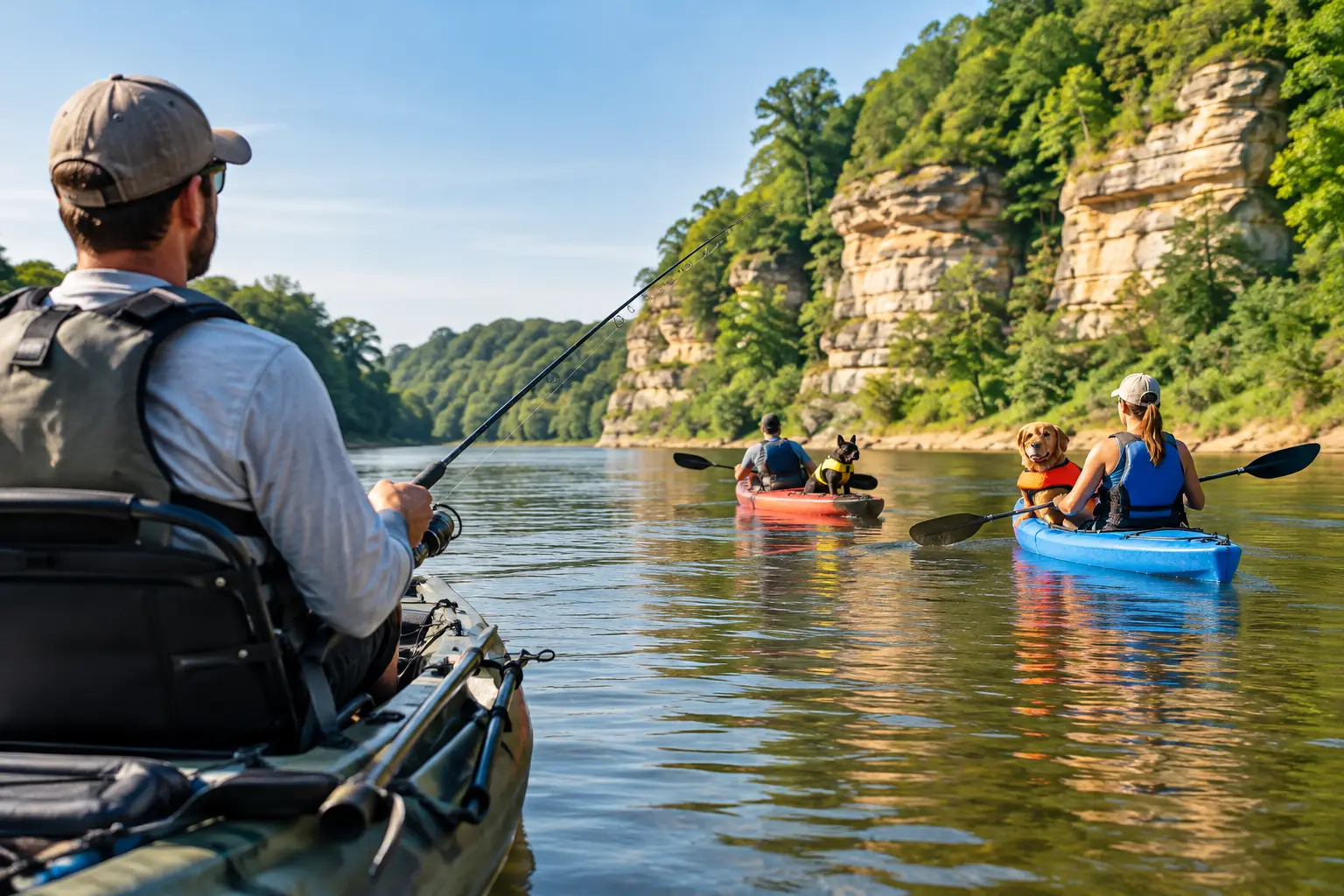
For beginner paddlers, a low-stress base camp makes a difference. Kayak Starved Rock Campground sits on calm, dam-controlled flatwater, with shallow conditions and no current to fight. That means you can spend less energy worrying about a technical river and more energy spotting bluffs, sharing snacks, and taking in the view. Every paddler needs a properly fitted PFD, whether you are on a guided tour or heading out with a rental.
If you are pairing a campground stay with a guided kayak tour, consider booking your paddle for the day after you arrive. That gives you time to settle in, sleep well, and show up ready for the fun part. It also keeps your arrival day relaxed if Chicago traffic decides to be dramatic.
Camping with dogs: tents usually offer more wiggle room
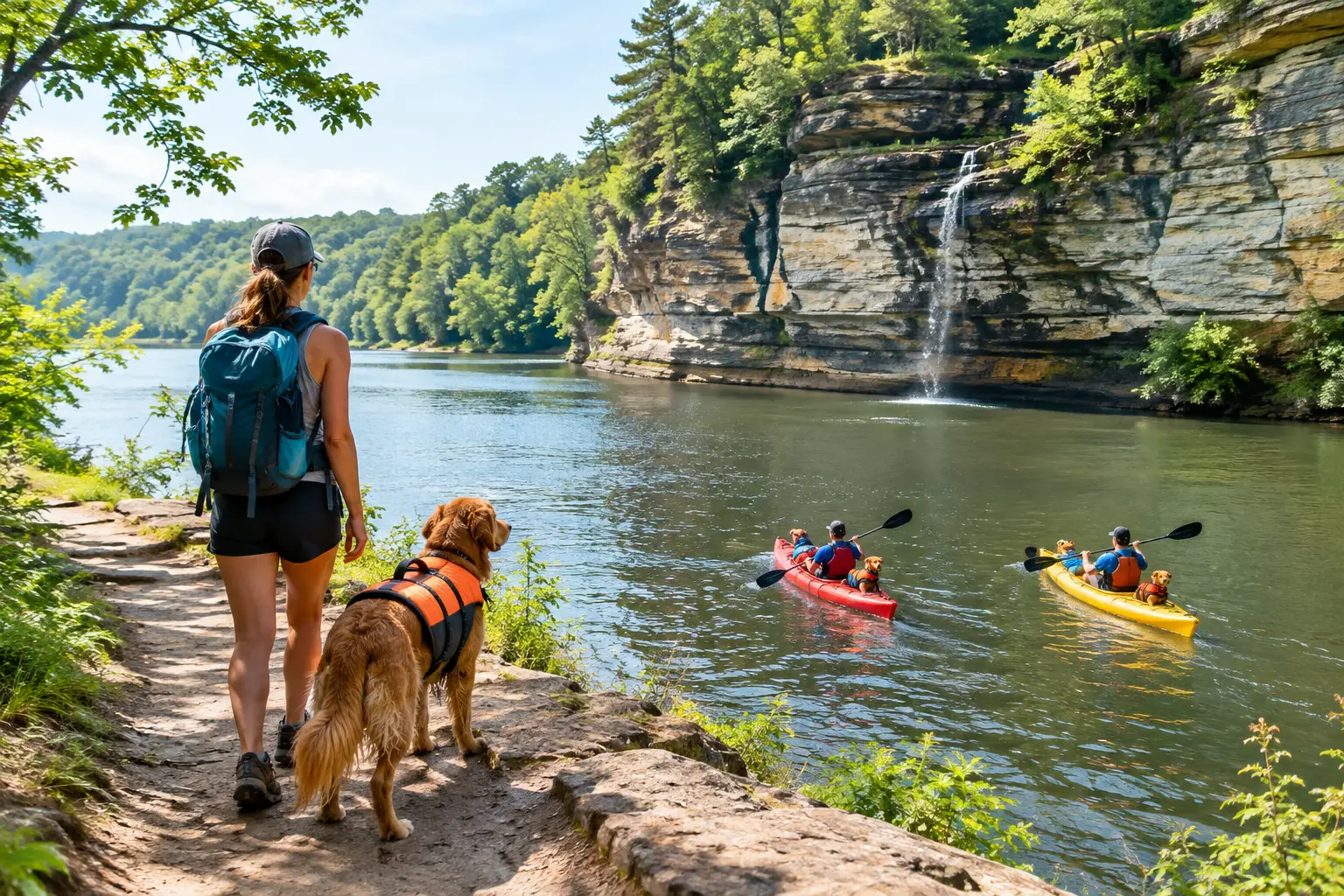
Dog-friendly camping is one of the easiest ways to turn a weekend plan into a full-family adventure. For many pet owners, a tent is the better answer because there is more floor space for a crate, blanket, water bowl, and an enthusiastic pup who insists on changing sleeping positions 14 times overnight.
A teardrop can work for a smaller dog that is comfortable sleeping in close quarters. The question is not whether your dog is allowed in the camper. It is whether everyone will still sleep well with the dog inside. Be honest. Your 12-pound terrier may be tiny, but he may also believe he owns 80 percent of the mattress.
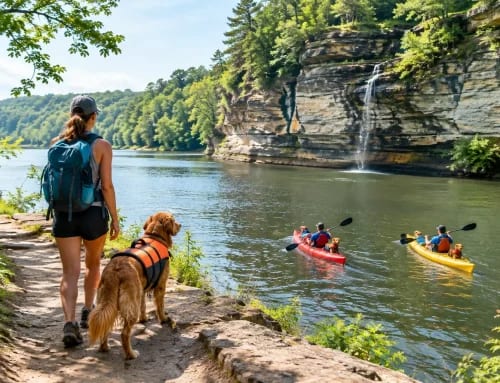
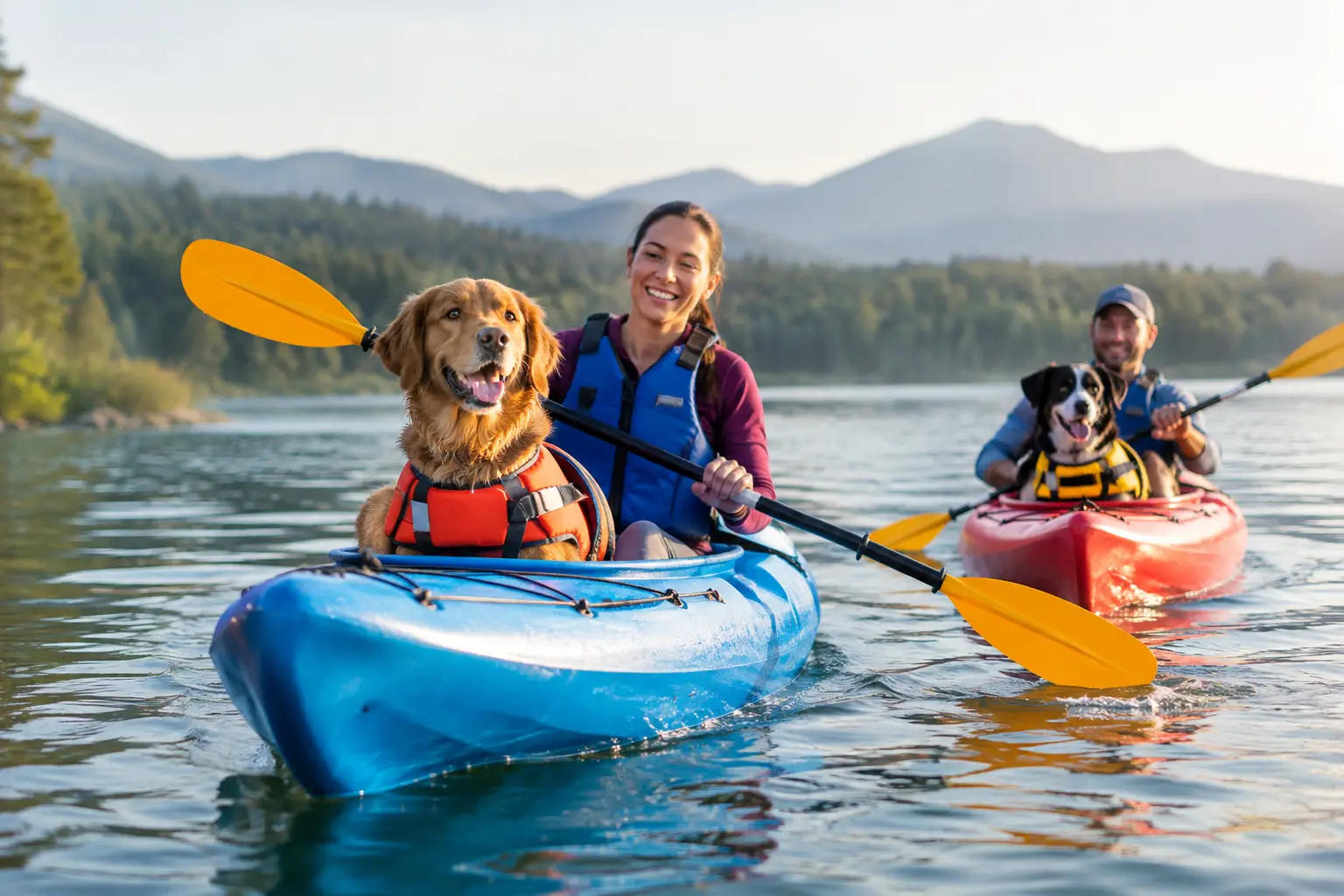
No matter where your dog sleeps, bring a leash, waste bags, water bowl, towel, and a familiar bed or blanket. A familiar item can help dogs settle in when new sounds, campfire smells, and exciting squirrels are happening in every direction. If your dog will be joining you near the water, a dog PFD is a smart extra layer of safety.
What each option costs beyond the campsite
Tent camping often has the lower starting cost if you already own basic gear. But new campers should price out the full setup, not just the tent. Add sleeping pads, bedding, a lantern, chairs, a cooler, a rain tarp, and cooking supplies, and the total can rise quickly.
A teardrop may cost more because of the rental or ownership expense, fuel, and towing needs. In return, it can reduce the amount of gear you need to buy and haul. For campers who take multiple weekend trips each season, that convenience can feel worth it.
There is also a middle path: a campground tent rental or a glamping-style setup. That option can be perfect when you want the campfire, waterfront atmosphere, and kayaking without storing camping bins in your apartment all year. It is a particularly easy choice for a first camping trip near Chicago.
Pack for Illinois River camping, whichever way you sleep
Weather changes quickly in Northern Illinois, especially near the water. Tent campers should prioritize a rain fly, ground cover, extra dry layers, and a way to keep bedding off damp ground. Teardrop campers should still pack warm layers, camp shoes, flashlights, and outdoor seating because most of the fun happens outside the trailer.
For either setup, bring bug spray, sunscreen, refillable water bottles, a cooler, and clothes you do not mind getting a little muddy. Add towels and a dry bag if kayaking is on the agenda. The point is not to overpack. It is to avoid turning a missing rain jacket or dead flashlight into the weekend’s main character.
Make the choice that gets you outside
Pick a tent if you want space, flexibility, a classic camp feel, and room for the dog or the whole crew. Pick a teardrop if you value a fast setup, a real mattress, and a little extra protection from weather. Pick a pop-up or glamping-style option if you want the outdoor escape without making camping gear your newest personality trait.
The sandstone canyons, river views, campfire conversations, and easy paddling do not care what you slept in. Choose the setup that makes it easiest to arrive, relax, and spend more of your weekend out in the good stuff.