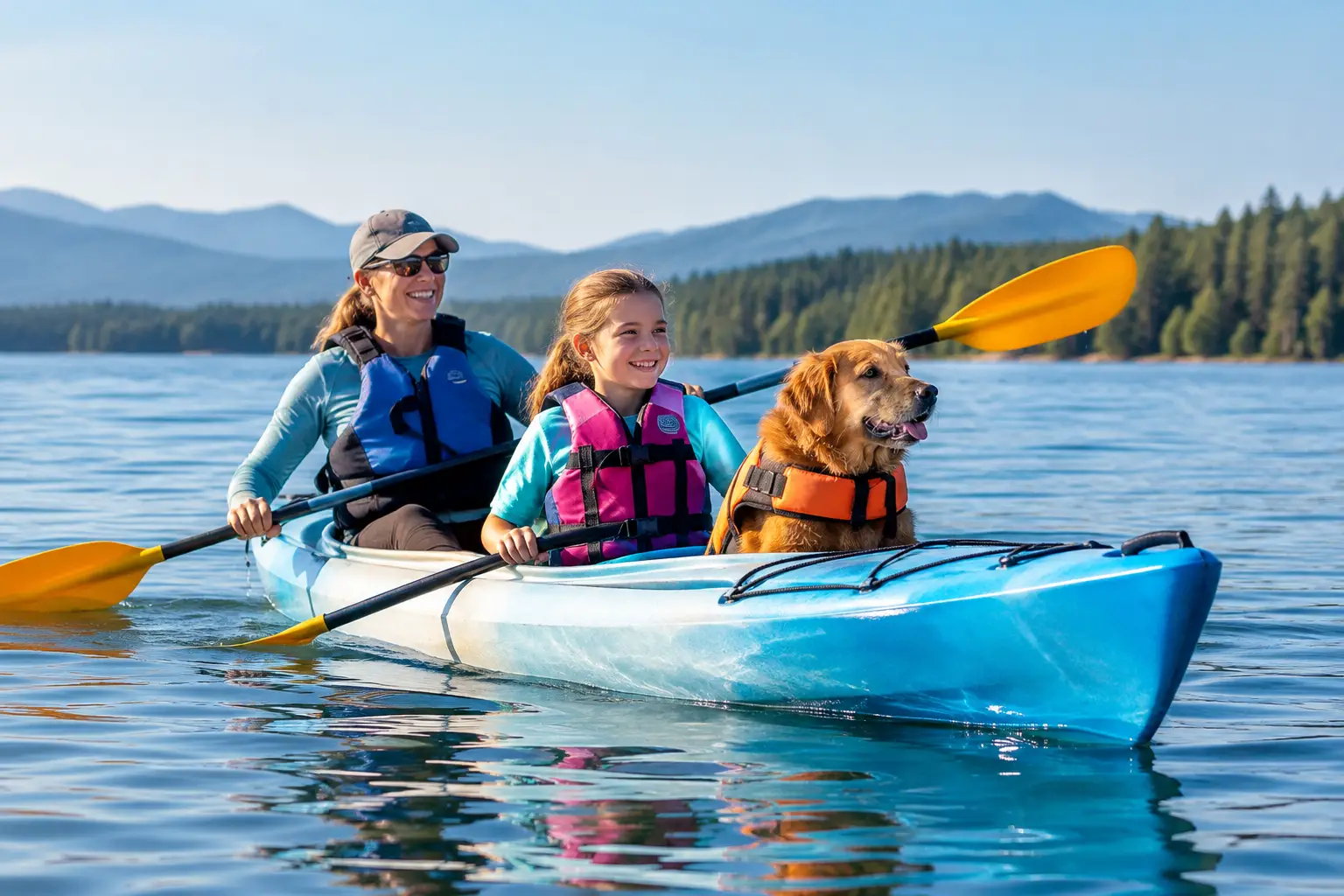
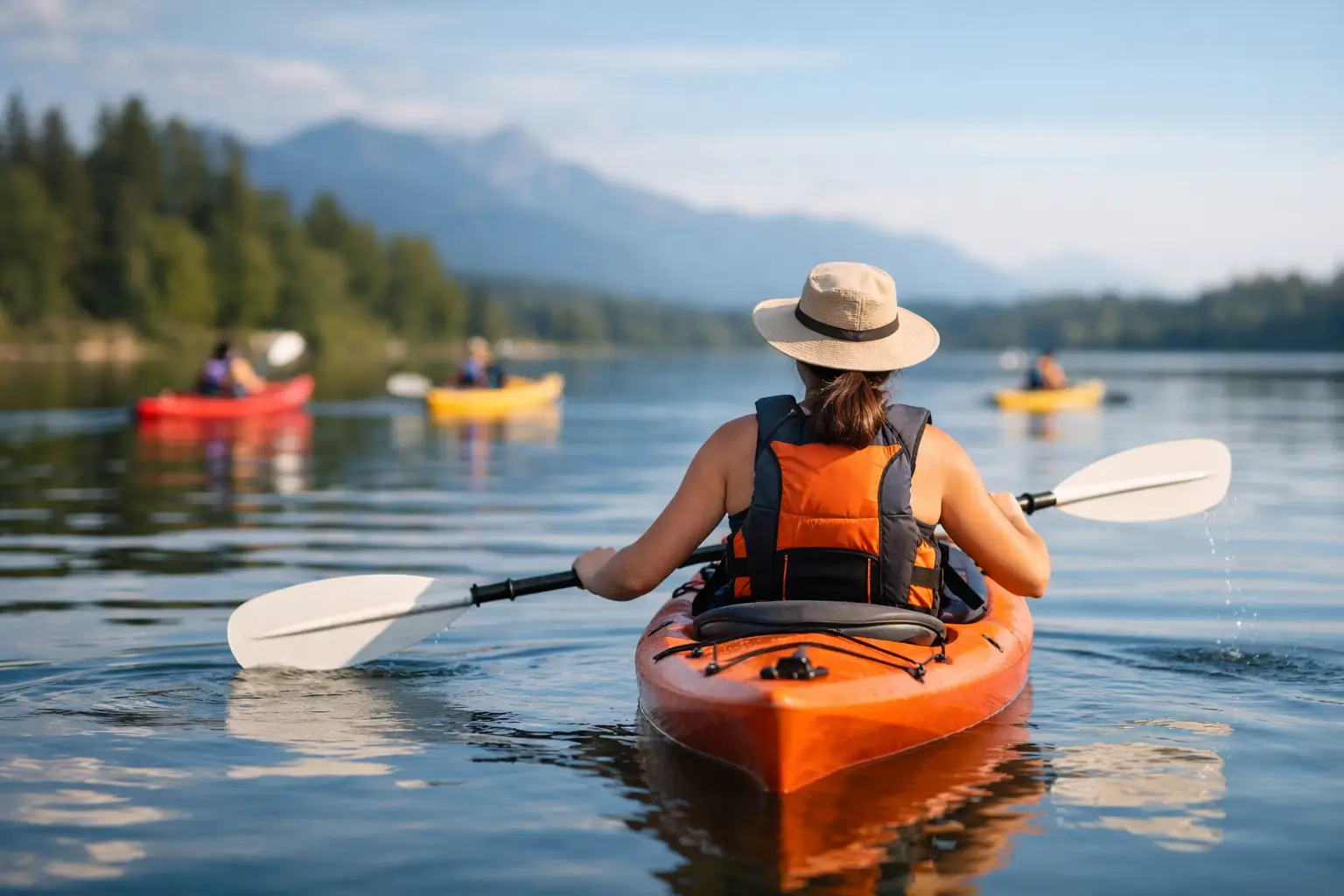
The first surprise for many new paddlers is that a kayak does not have to feel like an extreme-sports purchase. On the right water, it can feel more like taking a floating walk through the scenery. So, is flatwater kayaking safe for beginners? Yes – when beginners choose calm conditions, wear properly fitted life jackets, get a clear safety briefing, and make smart decisions about weather and timing.
That is why flatwater is such a strong starting point for Chicago-area families, couples, friend groups, and anyone whose paddling résumé currently reads: “I once sat in a canoe at summer camp.” You do not need to arrive as an athlete. You do need to respect the water, listen to the instructions, and pick an outing built for your experience level.
Why Flatwater Works for First-Time Kayakers
Flatwater means water without rapids or strong moving current. It gives a first-time paddler room to learn the basics without trying to steer, balance, and battle the river all at once. You can practice a forward stroke, make a gradual turn, pause for a photo, and laugh at your friend’s questionable steering choices without getting swept downstream.
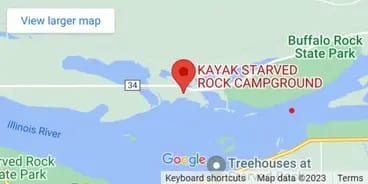
A dam-controlled section of the Illinois River near Starved Rock can offer especially approachable conditions for recreational paddling: no current to fight, shallow areas, and a manageable setting for learning. That does not mean the river is a bathtub. Wind, boat traffic, changing weather, and distance still matter. But a calm, structured flatwater route removes many of the challenges that make moving-water trips a poor fit for beginners.
The biggest safety advantage is time. On flatwater, beginners usually have time to think. If your kayak drifts a little off line, you can correct it. If you need a break, you can stop paddling. If a guide gives you a direction, you can follow it without the pressure of an approaching rapid.
What Actually Makes a Beginner Paddle Safe
Safety is not one thing. It is a stack of sensible choices that work together, starting before the kayak ever touches the water.
A PFD is not optional
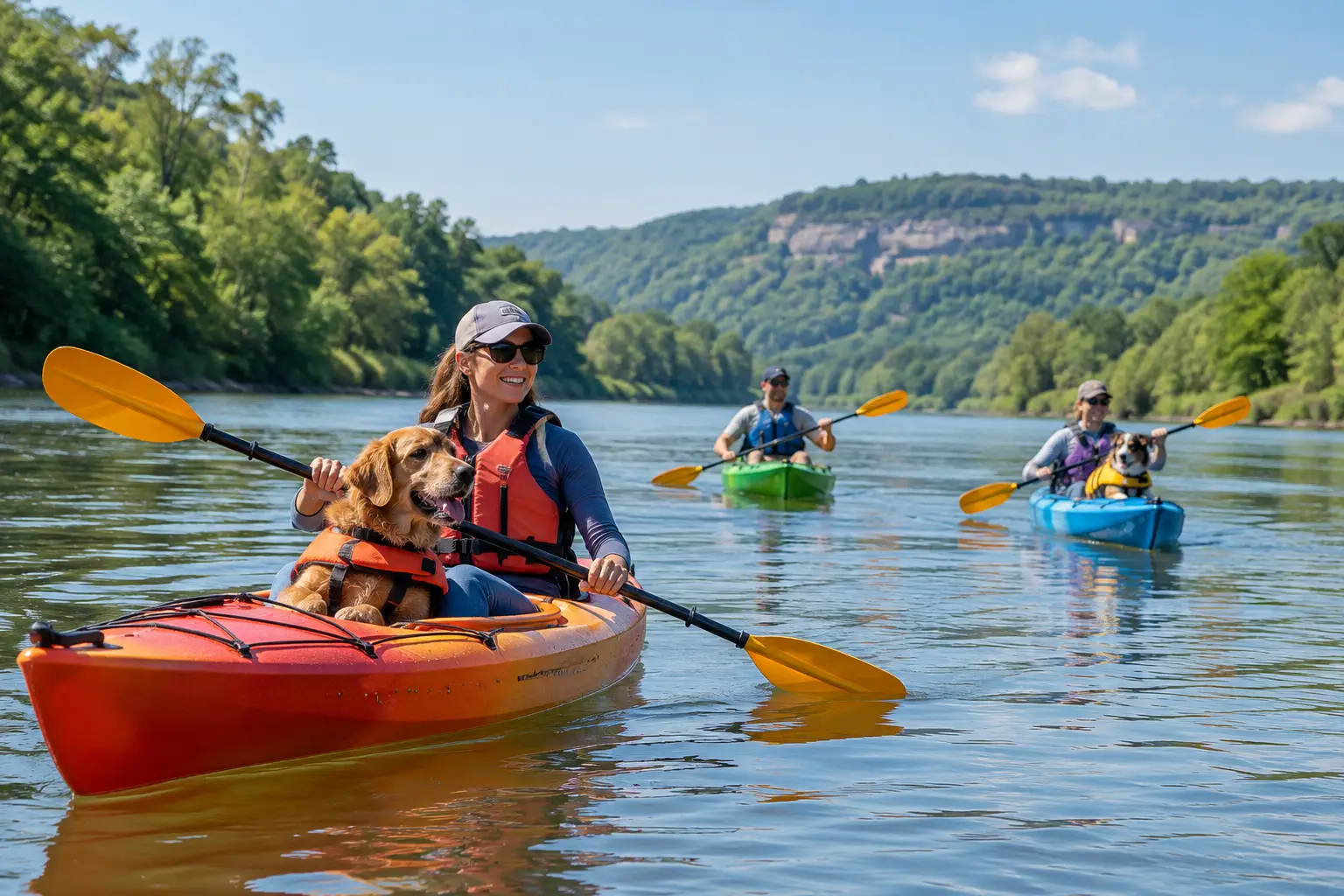
Every paddler should wear a properly fitted personal flotation device, or PFD, the entire time they are on the water. Not tucked behind the seat. Not clipped to the kayak “just in case.” Worn and secured.
A PFD gives you flotation if you unexpectedly enter the water, and it adds confidence while you learn. A good fit should feel snug enough that it will not slide up around your ears if lifted at the shoulders, while still allowing you to breathe and move your arms comfortably. Kids need a child-specific PFD sized for their weight, and adults should always check their own fit rather than borrowing whatever happens to be nearby.
Good equipment lowers the learning curve
A stable recreational or touring kayak is much more forgiving than a narrow performance boat. Beginners benefit from a cockpit that feels comfortable, a seat with supportive backrest, and a paddle sized for easy strokes. Premium rental equipment also means less guesswork over whether the boat is appropriate, damaged, or missing an essential piece.
Tandem kayaks can be a great choice for a first outing, especially for a parent and child or a pair where one person is nervous. They are not automatically easier, though. Tandem paddlers have to communicate. Decide who calls turns, keep a relaxed rhythm, and agree that blaming the front seat for every crooked line is part of the fun.
Instruction matters more than people think
A quick onshore lesson can prevent the most common rookie mistakes. Before launching, new paddlers should know how to sit properly, hold the paddle, move forward, turn, stop, and reenter the kayak if necessary. They should also know the route, the turnaround point, the boundaries of the paddling area, and how to get help.
Guided kayak tours are an excellent option for anxious first-timers because an experienced leader handles the on-water flow. You still do the paddling, but you are not left trying to interpret a map, judge every condition alone, or wonder whether that distant thunder is something to ignore. It is a confidence-builder with a safety net.
Weather can change the answer
Flatwater kayaking is safest in mild, predictable conditions. Strong winds can make calm water choppy and surprisingly tiring, particularly for smaller paddlers. Thunderstorms are a hard no. Cold water can be dangerous even when the air feels pleasant, and intense heat can lead to dehydration and fatigue faster than people expect.
If conditions change, there is no prize for pushing through. Head back, get off the water, and save the big adventure energy for another day. A well-run outfitter may delay, modify, or cancel a launch when weather makes an outing less safe. That is not a buzzkill. That is the plan working.
Is Flatwater Kayaking Safe for Beginners With Kids or Dogs?
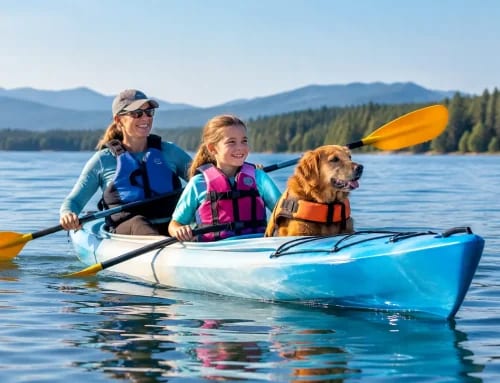
It can be, provided the outing is set up for them rather than simply hoping they will adapt. Children should be comfortable around water, wear fitted PFDs at all times, and ride with a capable adult when needed. Choose a shorter route for a first trip. Kids often have a wonderful time looking for birds, skipping small waves, and naming every log in sight – until they suddenly decide they are done.
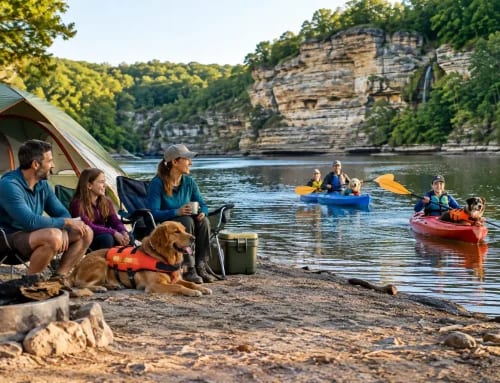
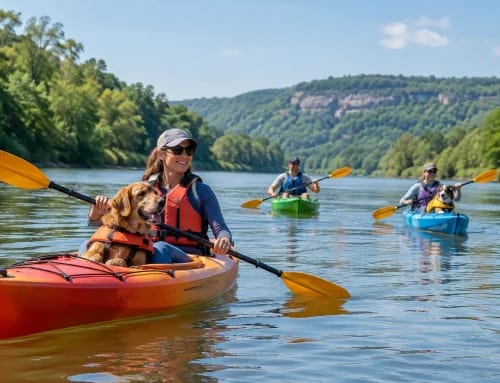
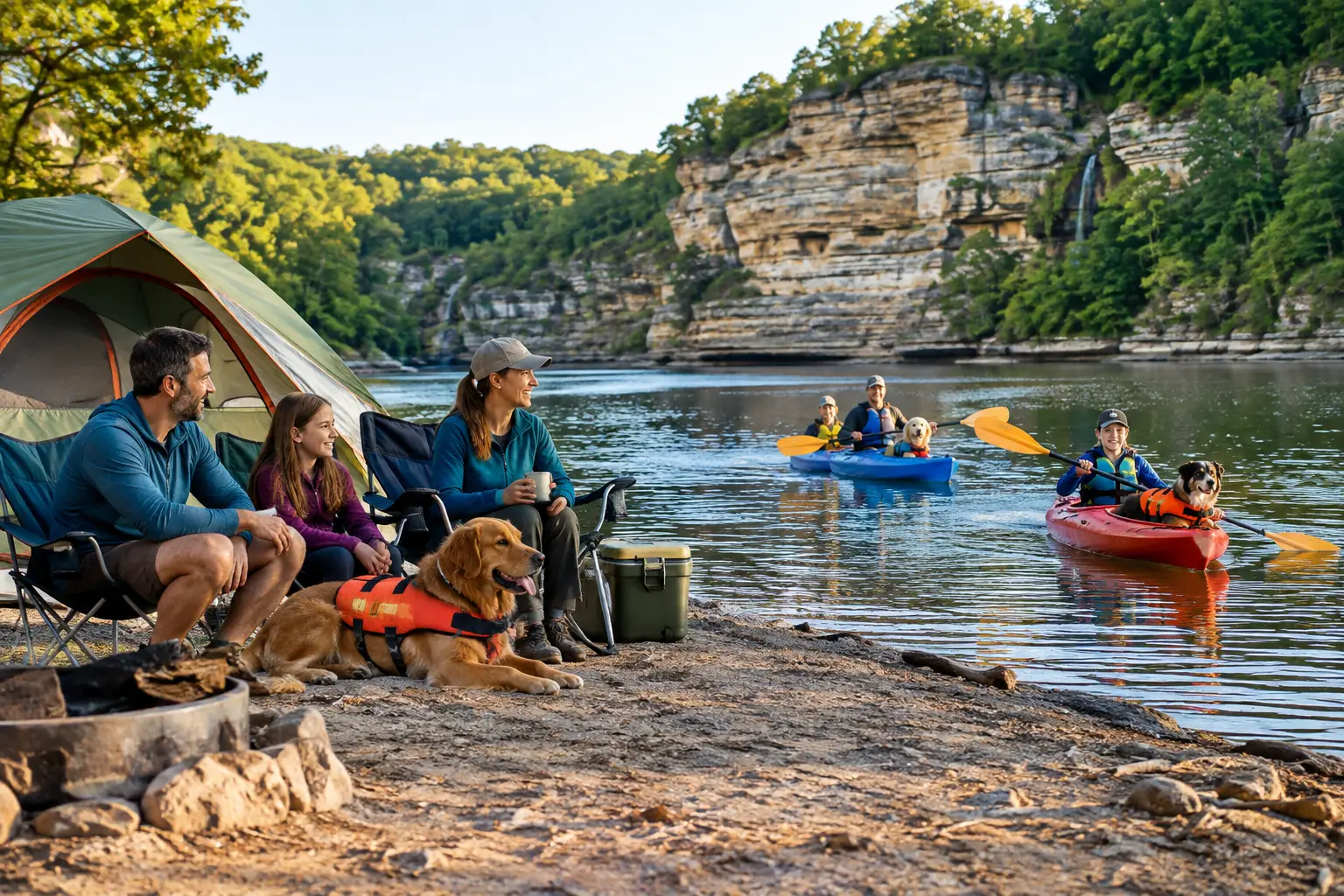
Dog-friendly kayaking follows the same common-sense rule: know your dog. A calm dog that can settle on a stable kayak may enjoy a short, low-stress paddle. A dog that panics at splashes, jumps after ducks, or cannot sit still may be happier at the campground. Dogs need a well-fitting canine PFD, fresh water, shade breaks, and an introduction to the kayak on land before launch.
For both kids and dogs, avoid treating the first paddle like an endurance test. A successful first trip is one that ends with everyone smiling, dry enough, and eager to go again.
The Mistakes Beginners Can Easily Avoid
Most first-time problems are predictable, which is great news. They are also easy to avoid with a little preparation.
Do not overdress in heavy cotton, which stays wet and chilly. Wear clothes that can handle a splash, secure footwear, and sun protection. Bring drinking water, especially on warm Illinois summer days. Leave valuables behind or store them in a waterproof bag.
Do not launch late in the day without checking the return time. Beginners paddle more slowly than they expect, and sightseeing near Starved Rock has a way of stretching the clock. Respect last-launch cutoffs so you have plenty of daylight and staff support.
Do not head far from shore just because the water looks peaceful. Stay within the designated area, watch for other watercraft, and keep the group together. If you are renting without a guide, follow the map and instructions exactly. A simple route is only simple when you use it.
Finally, do not assume swimming ability replaces a PFD. Strong swimmers wear life jackets, too. A surprise capsize, cold water, fatigue, or an injury can change the situation quickly. The PFD is the easiest safety decision you will make all day.
A Low-Stress First Paddle Near Chicago
For many people, the hardest part is not paddling. It is getting started. Pick a location within easy driving distance, reserve equipment ahead of time, arrive early enough to hear the briefing, and choose a guided tour if you want extra on-water support. Kayak Starved Rock Campground is designed around that low-friction first experience, with beginner-friendly flatwater, safety instruction, rentals, and the option to turn a paddle into a waterfront camping getaway.
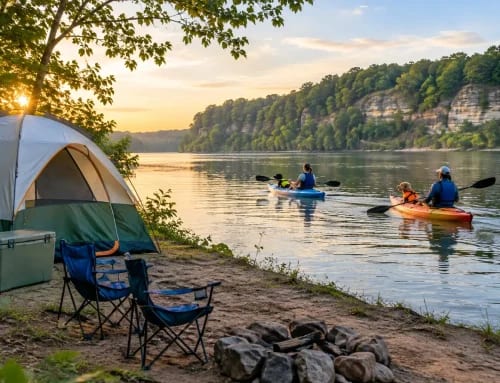
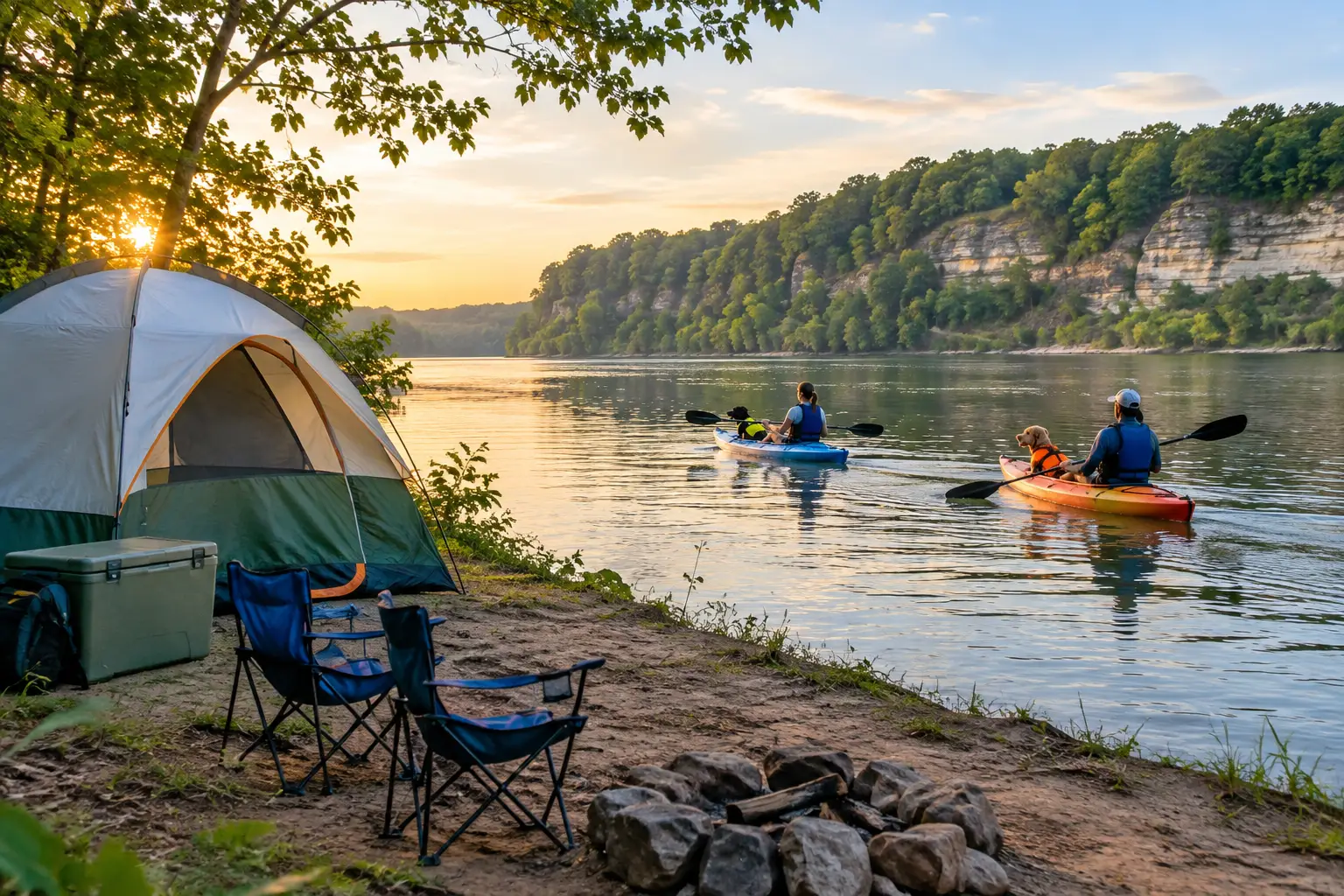
If you are planning a weekend, camping near Starved Rock State Park makes it easier to keep the pace relaxed. Paddle when conditions are best, then trade the car ride home for a campfire, a tent, pop-up camper, or teardrop setup by the Illinois River. Glamping-style add-ons can make the escape feel even more like a vacation and less like a gear-hauling contest.
The best first kayaking trip is not the longest route or the boldest story. It is the one where you learn that calm water, a good PFD, clear guidance, and a little curiosity are enough to get you out there – and make the next paddle feel even easier.