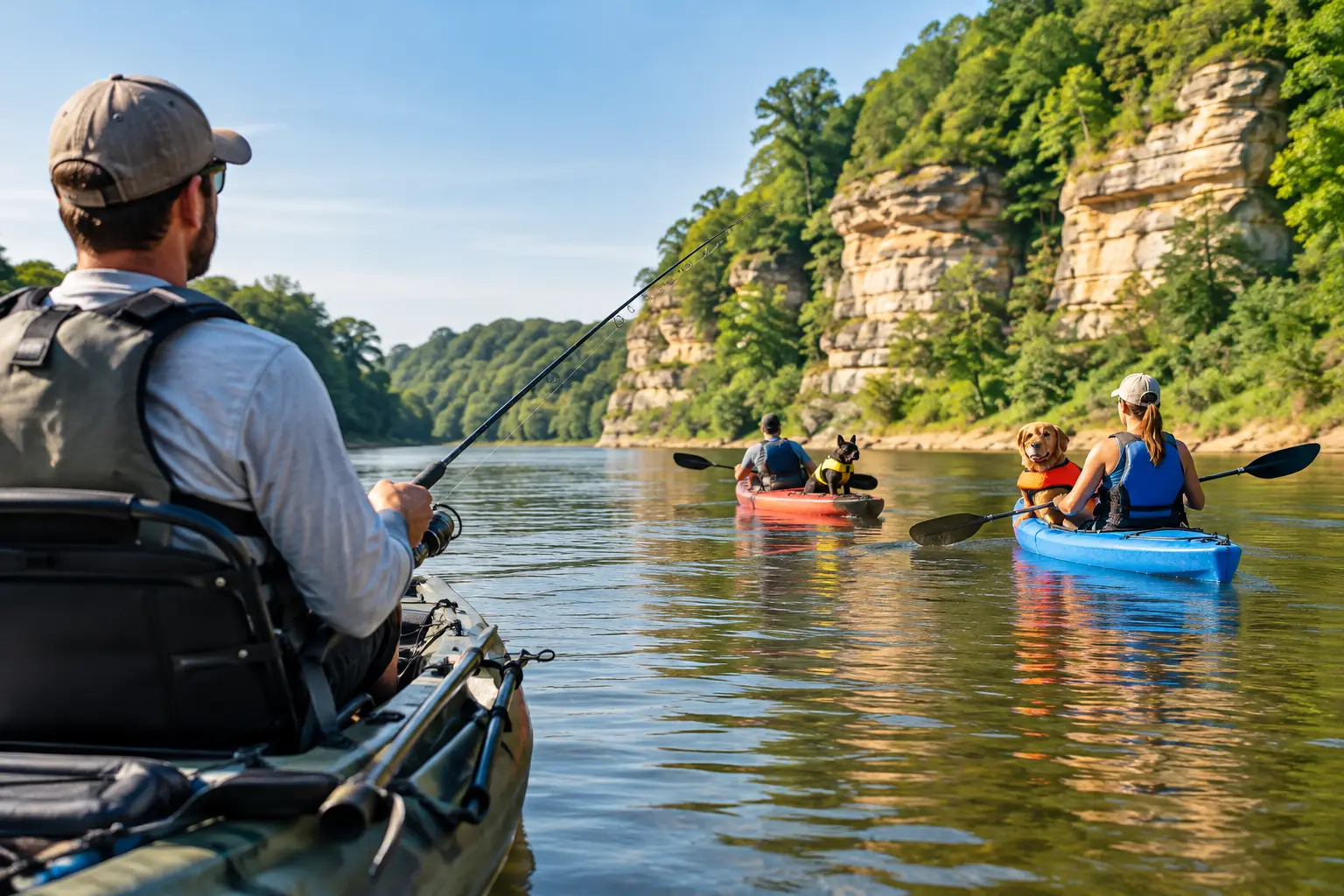
The first cast of a Starved Rock weekend can happen before the hiking boots come out. Fishing near Starved Rock State Park puts you close to the broad Illinois River, dramatic sandstone bluffs, quiet backwater edges, and a camping setup that makes it easy to slow down for a full day or an entire weekend. For Chicago-area anglers, it is the kind of escape that feels far away without turning Friday traffic into an expedition.
The river is not a stocked pond with guaranteed action on every cast. That is part of the fun. Conditions shift with the season, recent rain, water temperature, boat traffic, and where you can safely reach the bank. A little planning turns that uncertainty into a better fishing day.
Fishing near Starved Rock State Park starts with access
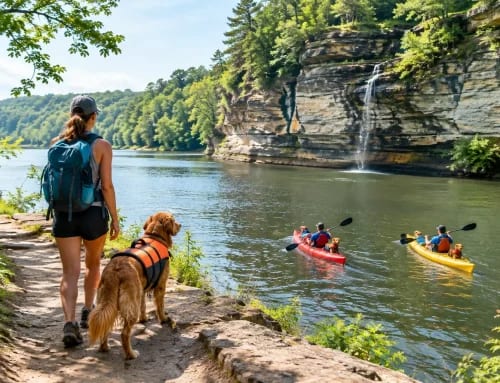
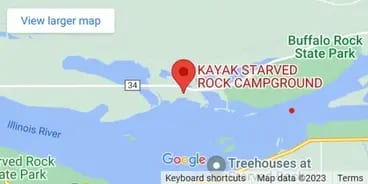
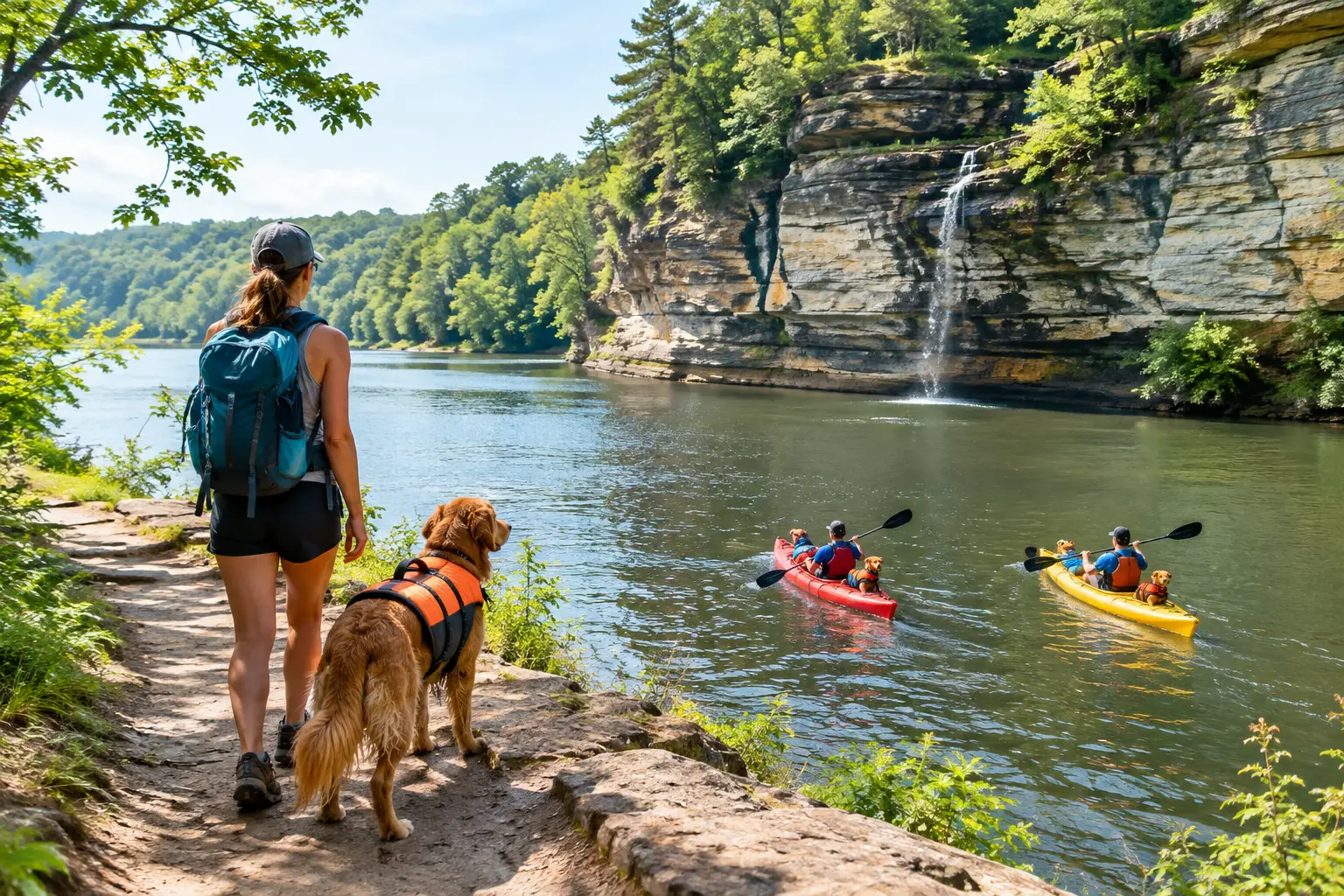
Starved Rock State Park sits along the Illinois River near Utica, Illinois, with public park areas, river views, and plenty of reasons to spend time outside of fishing. Anglers should begin by identifying a legal, safe access point rather than assuming every appealing stretch of shoreline is open for fishing. Some riverfront property is private, some areas are built for boats or pedestrians, and changing water levels can alter what feels like an easy bank spot.
The best approach is simple: arrive with a backup plan. A trail overlook may be perfect for scenery but not for casting. A busy launch area may be useful for getting on the water but not the calm, low-pressure fishing experience a family wants. If you are camping across from the park, ask on site where guests may launch a kayak, where shoreline access is appropriate, and what current river conditions look like.
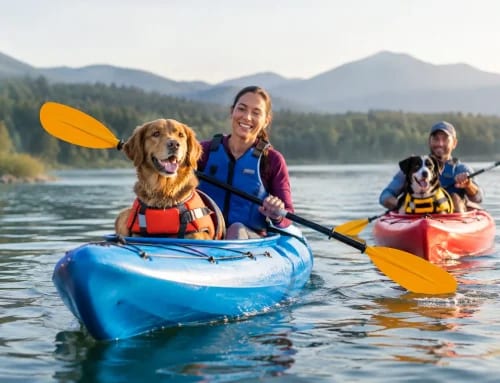
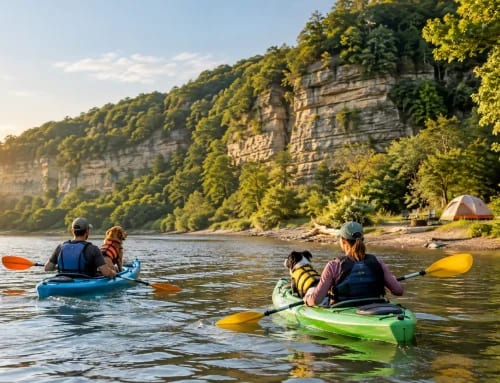
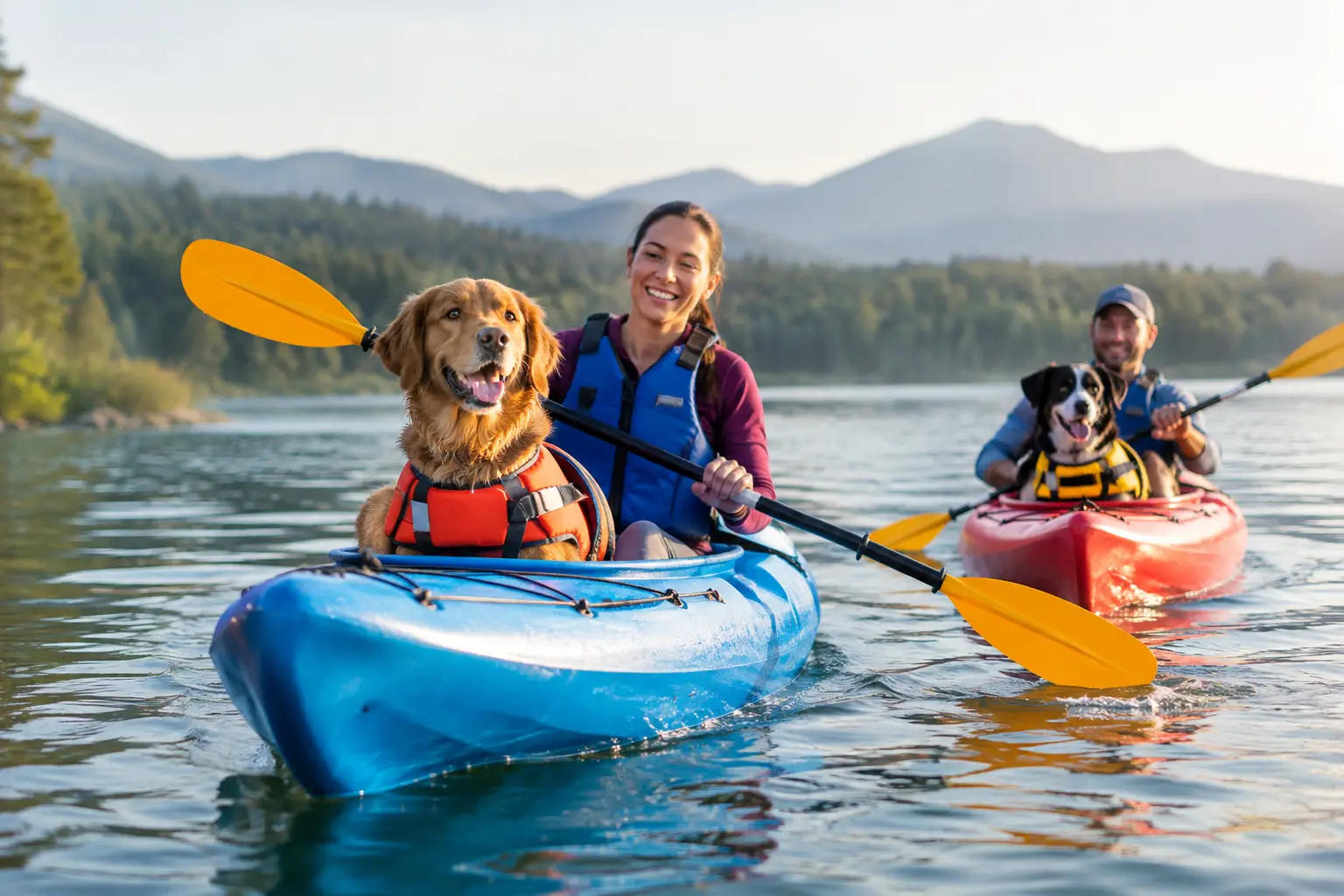
For visitors bringing a kayak, fishing from the water can open up quieter edges and give you a better angle on structure. It also demands good judgment. The Illinois River is a working waterway, so stay alert for larger boats, avoid navigation channels, watch the weather, and wear a properly fitted PFD at all times. A life jacket is not an optional accessory. It is standard gear, whether you are casting from a kayak, joining a guided paddle, or taking your first easy loop on flatwater.
What fish might you find on the Illinois River?
The Illinois River supports a mixed fishery, and local conditions matter more than a single magic lure. Anglers commonly pursue species such as largemouth bass around calmer cover, smallmouth bass in firmer and rockier areas, catfish in deeper or slower sections, crappie near cover, bluegill in protected water, and freshwater drum throughout the river system. Sauger and other seasonal opportunities can also draw attention when water and migration patterns line up.
That variety is great for a casual weekend, especially if one person wants to fish while another would rather paddle, hike, nap in a camp chair, or take the dog for a walk. It also means you should match your plan to the fish and the day instead of bringing one rod and declaring defeat after 20 minutes.
A compact tackle setup works well for a getaway. Bring a medium-light spinning rod for smaller jigs, soft plastics, and live-bait presentations, plus a medium or medium-heavy setup if catfish are your main target. A small selection of hooks, split shot, bobbers, jigheads, swivels, and replacement line covers a surprising amount of ground. Keep your tackle secured if you are paddling. A loose box in a kayak has a real talent for choosing the least convenient moment to go swimming.
Seasonal timing makes a difference
Spring can bring changing water levels, cooler temperatures, and muddy conditions after rain. It is a beautiful time to be near the bluffs, but it pays to fish patiently and use presentations fish can find in lower visibility. Focus on slower pockets, protected edges, and areas out of the strongest flow. Always check conditions before heading out, especially if your plan includes paddling.
Summer is prime time for combining fishing with a near-Chicago camping trip. Early mornings and evenings are usually more comfortable, with fewer people on the water and softer light on the river. Midday can still be enjoyable, but shade, water, sunscreen, and realistic expectations matter. This is a good season for a relaxed bobber setup with kids, a catfish session near camp, or a paddle to explore calm shoreline habitat.
Fall is hard to beat for a quieter escape. Cooler air, changing leaves, and fewer bugs make long hours outside feel easy. Fish behavior can shift as water temperatures drop, so adjust depth and retrieve speed rather than stubbornly throwing the same thing that worked in July. Bring layers, because an Illinois River morning can feel like a different season from the afternoon.
Winter fishing is for prepared anglers, not casual improvisation. Cold water raises the stakes on a boat or kayak, daylight is short, and access can be limited. If you go, keep it shore-based unless conditions and experience strongly support a safer plan.
Pair your fishing trip with waterfront camping
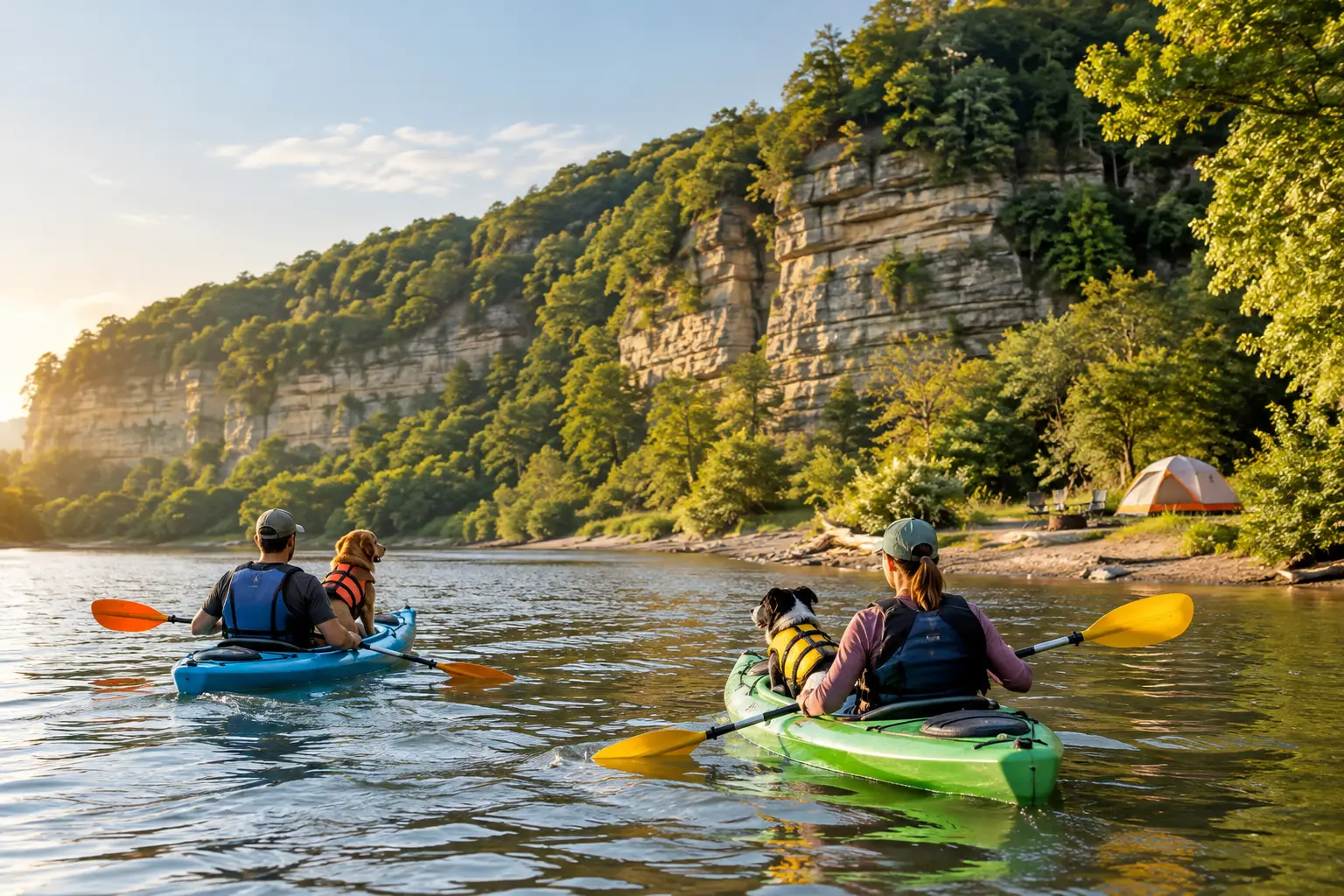
Fishing is more fun when you do not have to rush back to the city after the evening bite. A waterfront camping stay creates space for the good stuff: coffee by the river, a few casts before breakfast, a hike through Starved Rock country, and another shot at sunset. It is a simple way to stretch one activity into a full reset.
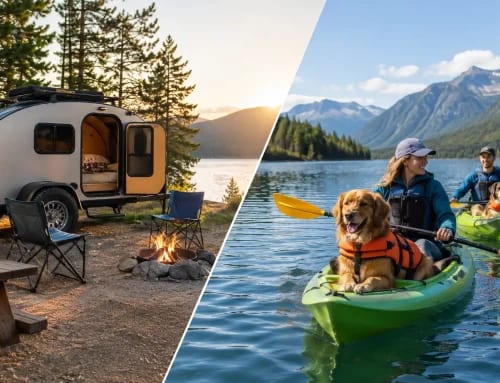
At Kayak Starved Rock Campground, the appeal is keeping the weekend low-friction. Campers can bring a tent, choose a pop-up or teardrop camping setup, or look into a more comfortable glamping-style stay when they want nature without the full gear-hauling operation. That flexibility matters for mixed groups. One friend may own every fishing gadget ever made, while another may be trying camping for the first time and would prefer an actual mattress.
A paddle-and-camp itinerary also works beautifully for families. Start with a beginner-friendly kayak rental or guided experience, then give the kids a simpler shoreline fishing window later in the day. The river does not need to produce a trophy fish for the trip to count. A bluegill on a bobber, a kid holding their own rod, and a campfire dinner can be the whole win.
Dogs can join the outdoor fun too, but anglers should plan for them thoughtfully. Keep dogs leashed where required, pack water and shade, and do not leave a curious pup unattended around hooks, bait, or tangled line. If your dog joins you on a kayak, make sure it has a properly fitted canine flotation device and that everyone onboard has a PFD.
Know the rules before you cast
An Illinois fishing license is generally required for anglers age 16 and older, subject to current state rules and exemptions. Regulations, catch limits, size limits, species rules, and access restrictions can change, so check the latest Illinois requirements before your trip. Do not rely on an old social post, a buddy’s memory, or a tackle-shop rumor as your legal reference.
Practice clean, respectful river fishing. Pack out line, hooks, bait containers, and every snack wrapper. Never leave monofilament behind, since it can injure wildlife and create trouble for other visitors. Give hikers, paddlers, campers, and shoreline neighbors room. If a spot is crowded, choose the better story over the better argument and move down the bank.
Build a better fishing weekend near Chicago
The most successful Starved Rock fishing trips are not overpacked. Choose one main goal: catch catfish after dinner, introduce a child to casting, fish from a kayak at sunrise, or simply spend a few peaceful hours watching a bobber. Then build the rest of the weekend around it.
Pack rain gear, extra drinking water, bug spray, sun protection, a small first-aid kit, and a cooler if you plan to keep legal fish. Wear shoes with good grip near muddy banks and uneven rocks. If storms are in the forecast, get off the water early. A fish can wait. Lightning cannot.
Fishing near Starved Rock State Park rewards the angler who leaves room for the unexpected: a surprise strike, an eagle overhead, a bluff glowing at sunset, or the moment a first-time paddler realizes the river is not intimidating after all. Bring your license, your PFD, and a plan loose enough to let the day become a story worth repeating.