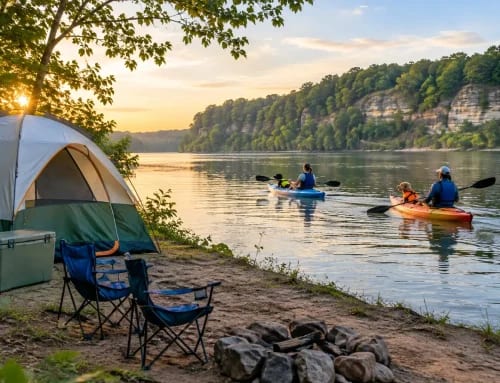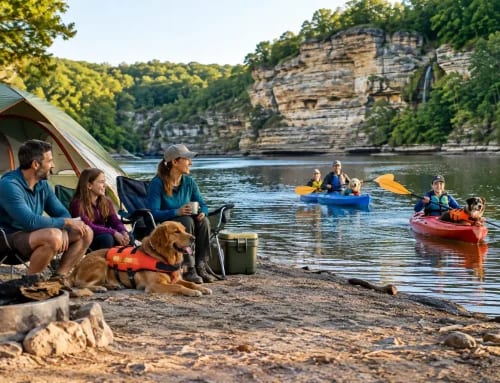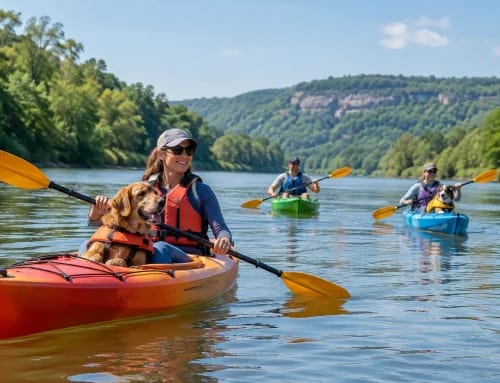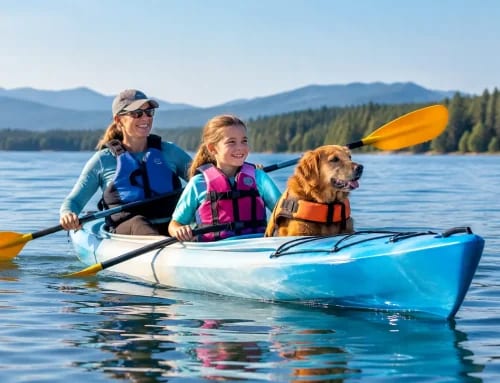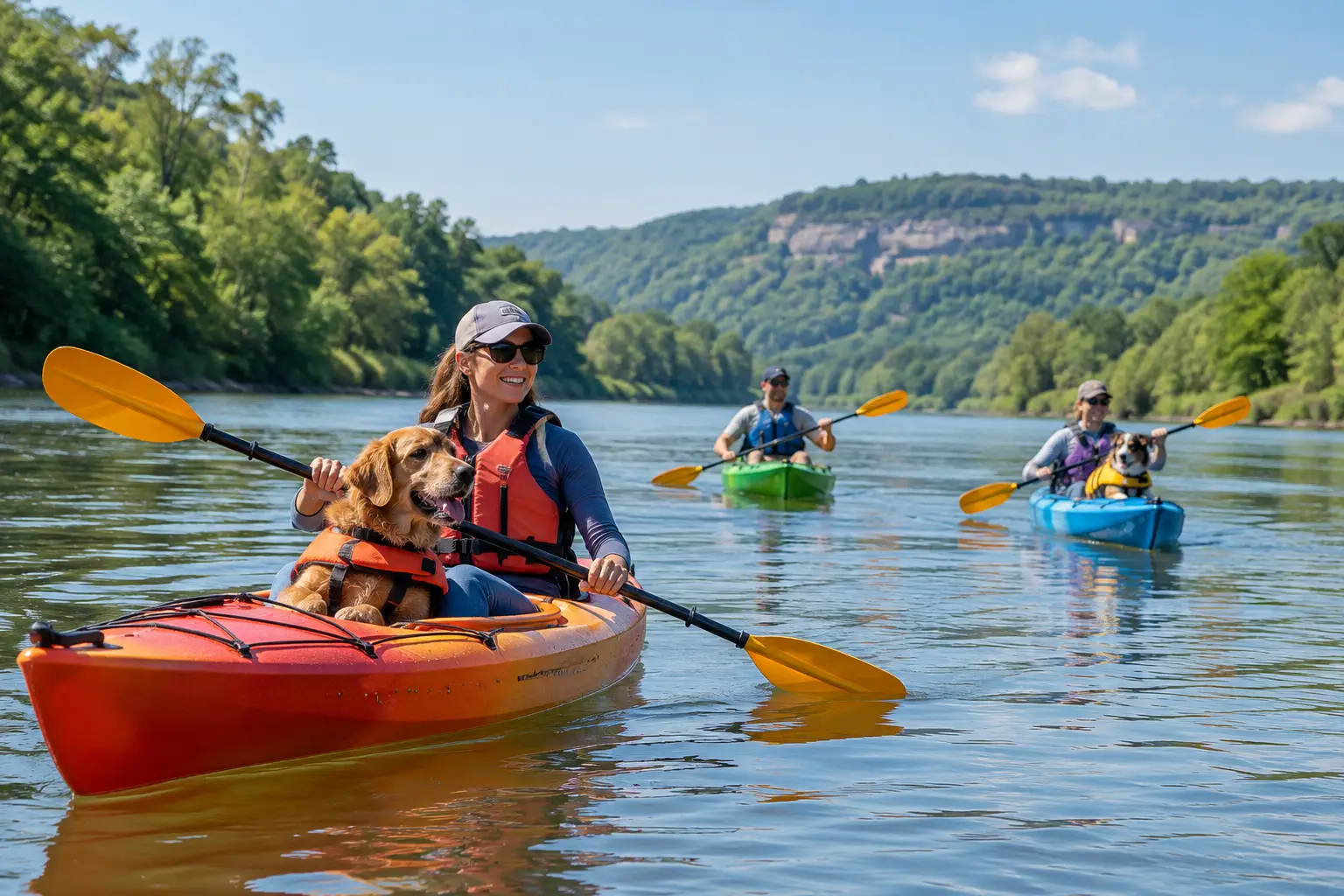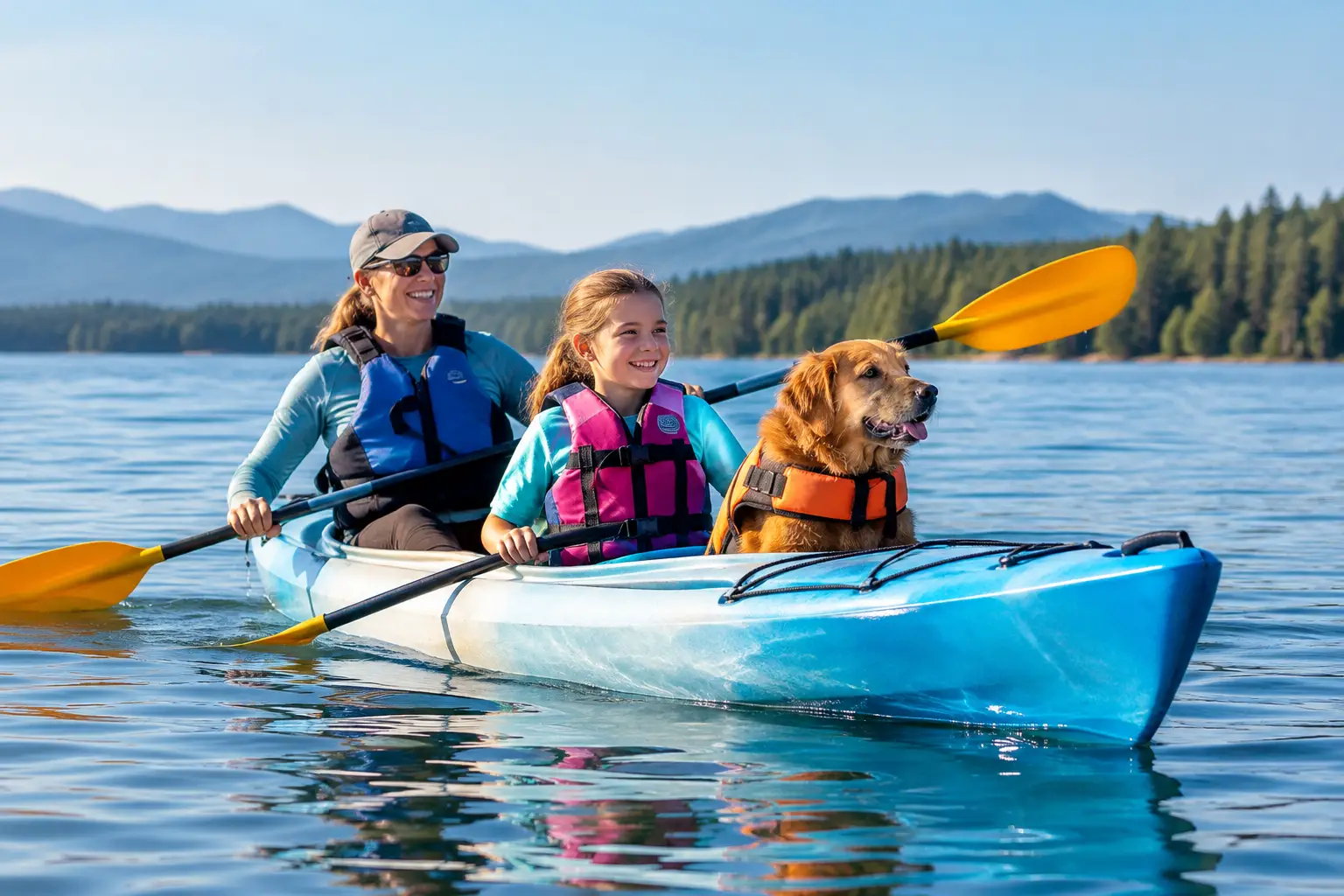
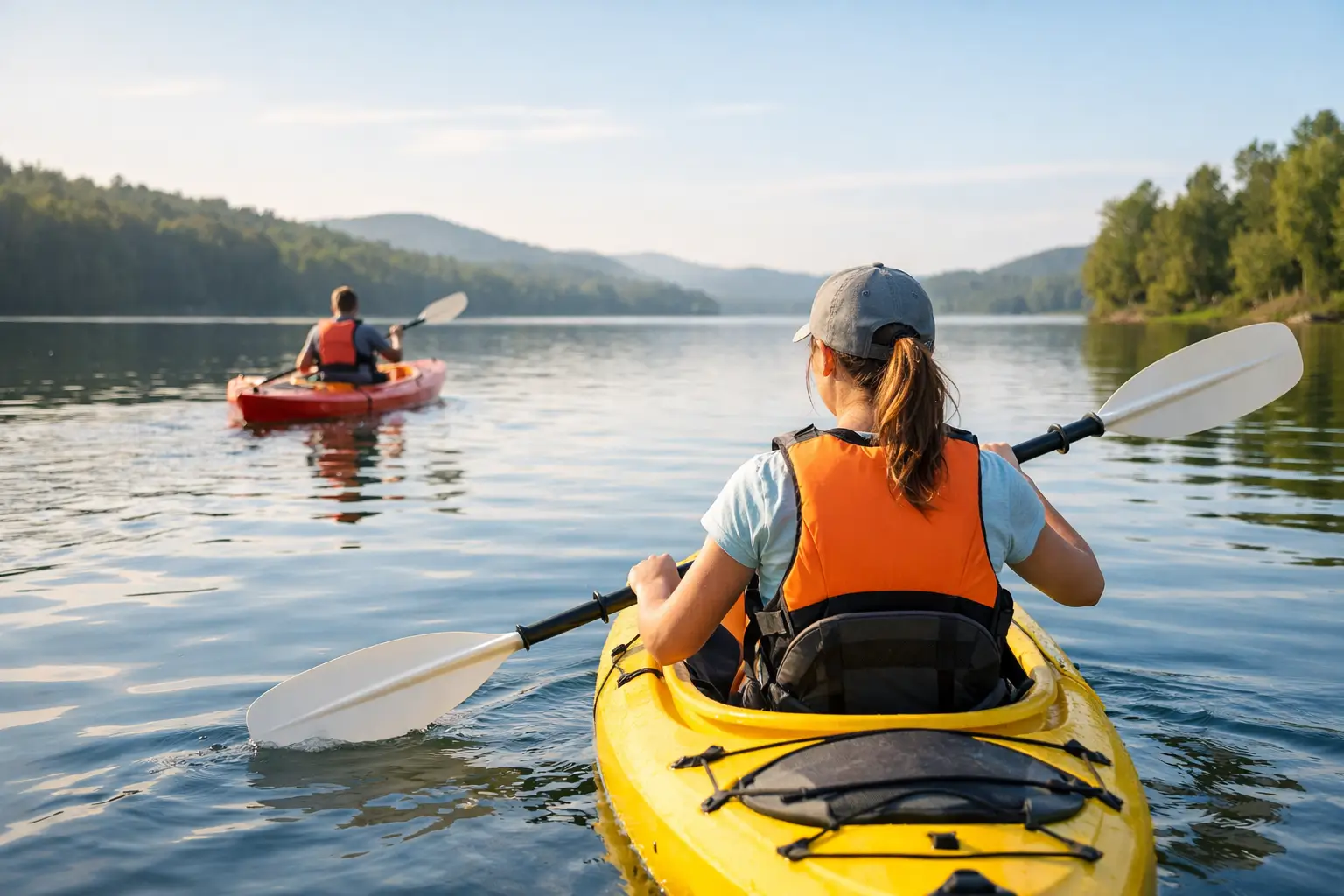
The first few minutes usually surprise people. You settle into the kayak, push gently away from shore, and realize the boat is not racing downstream or demanding expert moves. That is the short answer to what is flatwater kayaking like: calm, approachable, a little splashy, and much more relaxing than intimidating.
For Chicago-area families, couples, friend groups, and anyone whose outdoor résumé currently says “enjoys patios,” flatwater is a great place to start. You can paddle at your own pace, look up at the sandstone bluffs near Starved Rock State Park, laugh when a friend spins in a tiny circle, and still make it back in time for dinner. It is real adventure without requiring a helmet, a shuttle ride, or a heroic backstory.
What Is Flatwater Kayaking Like on the Water?
Flatwater kayaking happens on water with little to no current, such as calm sections of a river, lakes, protected bays, and reservoirs. Instead of constantly reacting to moving water, you are mostly choosing where to go and how fast to get there. Each paddle stroke moves the boat forward, and small adjustments help you turn.
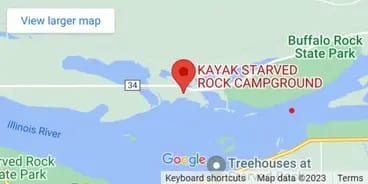
On the Illinois River across from Starved Rock, dam-controlled conditions help create a consistently runnable, beginner-friendly setting. The water is generally shallow, there is no current to fight, and there is no need for a complicated upstream shuttle. That changes the whole feel of the trip. You can focus on the scenery, your paddling rhythm, and who is most likely to accidentally splash the group.
Flatwater does not mean the water is always perfectly glassy. Wind can add chop, boat wakes can create small waves, and weather changes matter. But in the right conditions, flatwater offers a predictable environment where new paddlers can learn without the pressure of rapids or fast-moving current.
Expect a gentle learning curve
Most first-timers get the basic motion quickly: reach forward, place the blade in the water beside your feet, pull it toward your hip, then switch sides. The goal is not to paddle hard. Smooth, relaxed strokes work better and keep your shoulders happier.
You may zigzag a bit at first. Everyone does. After a few minutes, your body starts to understand the rhythm, and the kayak tracks straighter. A little coaching on posture, turning, and stopping can make a huge difference, which is why a guided kayak tour is a smart choice when you want an experienced person nearby from the start.
Why Flatwater Is So Friendly for Beginners
Fast water asks you to make quick decisions. Flatwater gives you time. If you want to pause and adjust your grip, take a photo, watch a heron, or let your child ask the same question about fish six times, you can do that.
The stable feel of a recreational or touring kayak also helps build confidence. Kayaks are designed to feel steady when you sit upright and keep your movements relaxed. The trick is to let the boat move naturally beneath you rather than gripping the sides and leaning away from every ripple.
A quality outfitter should make the beginning easy. That means a properly fitted PFD, paddle, kayak, launch guidance, and a clear explanation of where to go. At Kayak Starved Rock Campground, rental and guided-tour guests receive safety instruction before heading out, along with local direction and support. PFDs are required for every paddler, every time on the water. That is not the boring part of the adventure. It is what lets everyone enjoy it with confidence.
How Hard Is Flatwater Kayaking?
For most reasonably active people, a casual flatwater paddle is moderate, not exhausting. You are using your core, shoulders, arms, and back, but technique matters more than brute strength. A relaxed sightseeing paddle feels very different from trying to cover miles against wind.
Your experience depends on a few real-world factors: the weather, the distance, your boat, and the pace your group chooses. A short guided outing can be ideal for first-timers, families with younger kids, or anyone who wants the full experience without worrying about navigation. A longer rental paddle suits people who want more independence and time to explore.
Tandem kayaks can be especially fun for couples, parents and kids, or friends who prefer to share the work. They are also excellent at revealing which person in the relationship considers “left” a flexible concept. Good communication helps. One person sets a steady rhythm, and both paddlers agree on turns before attempting an impromptu U-turn.
What You Will See Near Starved Rock
Flatwater kayaking is not just exercise with a view. It puts you at water level, where the landscape feels closer and the pace changes. Along the Illinois River, you may see tree-lined banks, soaring birds, quiet coves, river traffic in the distance, and the distinctive bluffs that make the Starved Rock area such a favorite getaway from Chicago.
The scenery is a big reason a paddle near Starved Rock State Park feels like more than an afternoon activity. A 90-minute drive from the city can lead to a day that includes fresh air, river views, a paddle with friends, and a campfire later on. No elaborate road trip spreadsheet required.
For people who want a little more context, guides can point out the route, help keep the group together, and share the kind of local details you would miss while trying to figure out whether your paddle is backward. Guided trips add structure without making the day feel over-programmed.
What to Wear and Bring for a Comfortable Paddle
Dress for the water and weather, not for a fashion shoot. Quick-drying shorts or pants, a comfortable T-shirt or sun shirt, and shoes that can get wet are usually the right call. Avoid cotton layers on cooler days because they stay damp and chilly.
Bring a refillable water bottle, sunscreen, sunglasses with a strap, and a hat. A dry bag is useful for a phone, keys, and snacks, though you should always assume anything near water could get wet. Leave valuable items in the car when possible.
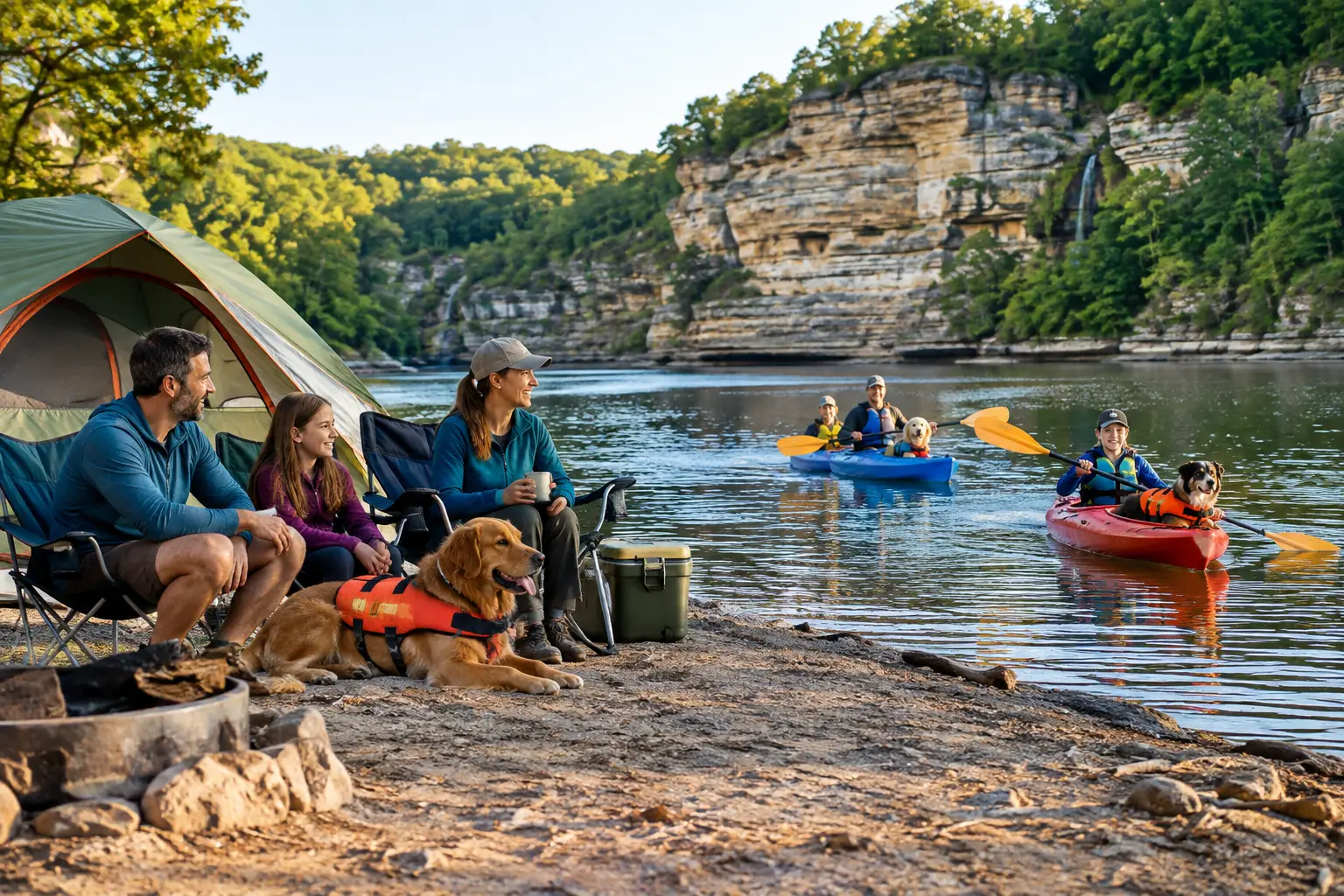
If you are bringing kids, a change of clothes is a parent-level power move. If you are bringing a dog, check the outing rules in advance and make sure your pup has a properly fitted canine life jacket. Dog-friendly kayaking can be a blast, but a dog who sees every duck as a personal invitation needs a little extra planning.
Can You Camp After Flatwater Kayaking?
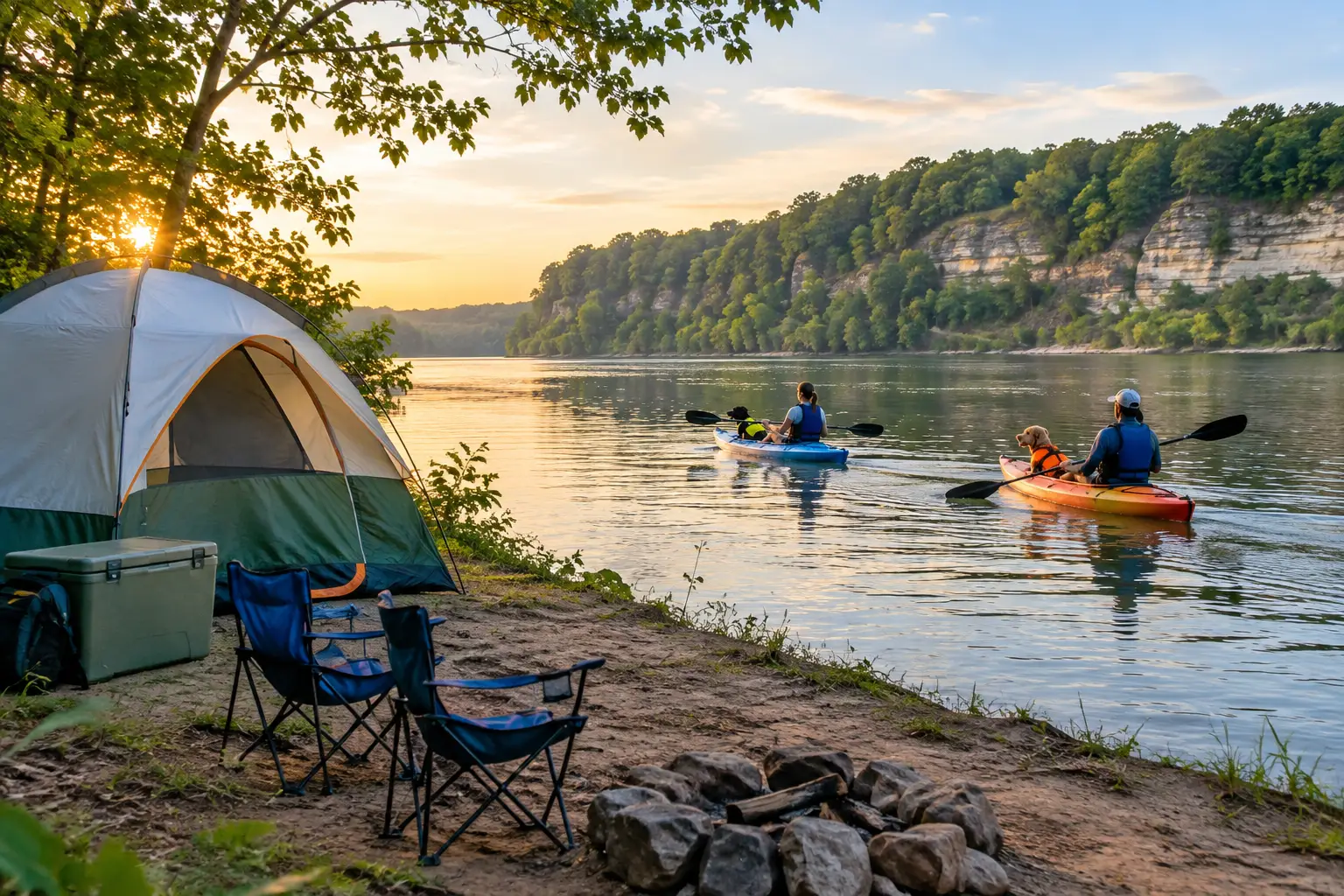
Absolutely. Pairing a paddle with waterfront camping turns a good day trip into a proper near-Chicago escape. After time on the river, it is hard to beat stepping onto shore, setting up camp, and trading notifications for firewood and snack duties.
Camping near Starved Rock works well for groups with different comfort levels. Traditional tent camping keeps things simple and close to nature. Pop-up camping offers an easier setup for people who would rather spend less time deciphering tent poles. Teardrop camping adds a compact, cozy option for campers who like a little extra comfort while staying close to the river.
For a more elevated weekend, glamping near Chicago can offer the outdoor setting without asking everyone to become wilderness logistics managers. It is a practical middle ground for couples, first-time campers, and friends who want the campfire, the stars, and the morning river view without hauling a carload of gear.
A Few Safety Habits Make the Fun Better
Flatwater is forgiving, but water deserves respect. Wear your PFD correctly, listen to the pre-launch instruction, and stay aware of weather conditions. Keep your group within sight, avoid standing in a kayak, and give other boats plenty of room.
If wind picks up, paddling close to shore and shortening the route can be the right move. If a guide or staff member gives a safety direction, follow it promptly. The best kayaking stories involve great views, good company, and maybe one harmless splash – not preventable trouble.
You do not need previous experience to enjoy flatwater kayaking. You just need a willingness to try, a properly fitted life jacket, and enough curiosity to trade a few hours indoors for a paddle beneath the bluffs. Start easy, take your time, and let the river do what a great weekend escape should do: make the rest of the week feel farther away.