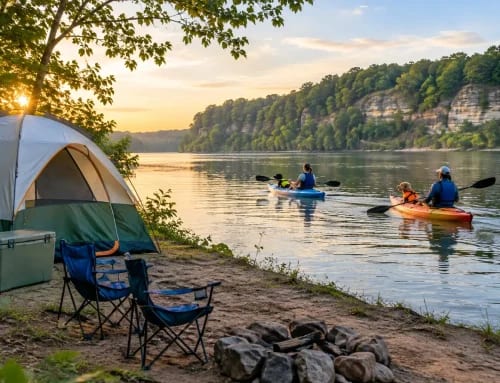
If your ideal weekend starts with less traffic, more fresh air, and zero guesswork, this Illinois river camping guide is for you. The sweet spot is finding a stretch of river that feels like a getaway without turning the drive into its own endurance sport. For a lot of Chicago-area campers, that means heading toward Starved Rock, where you can trade screens for sandstone bluffs, camp near the water, and add an easy paddle without needing expert skills.
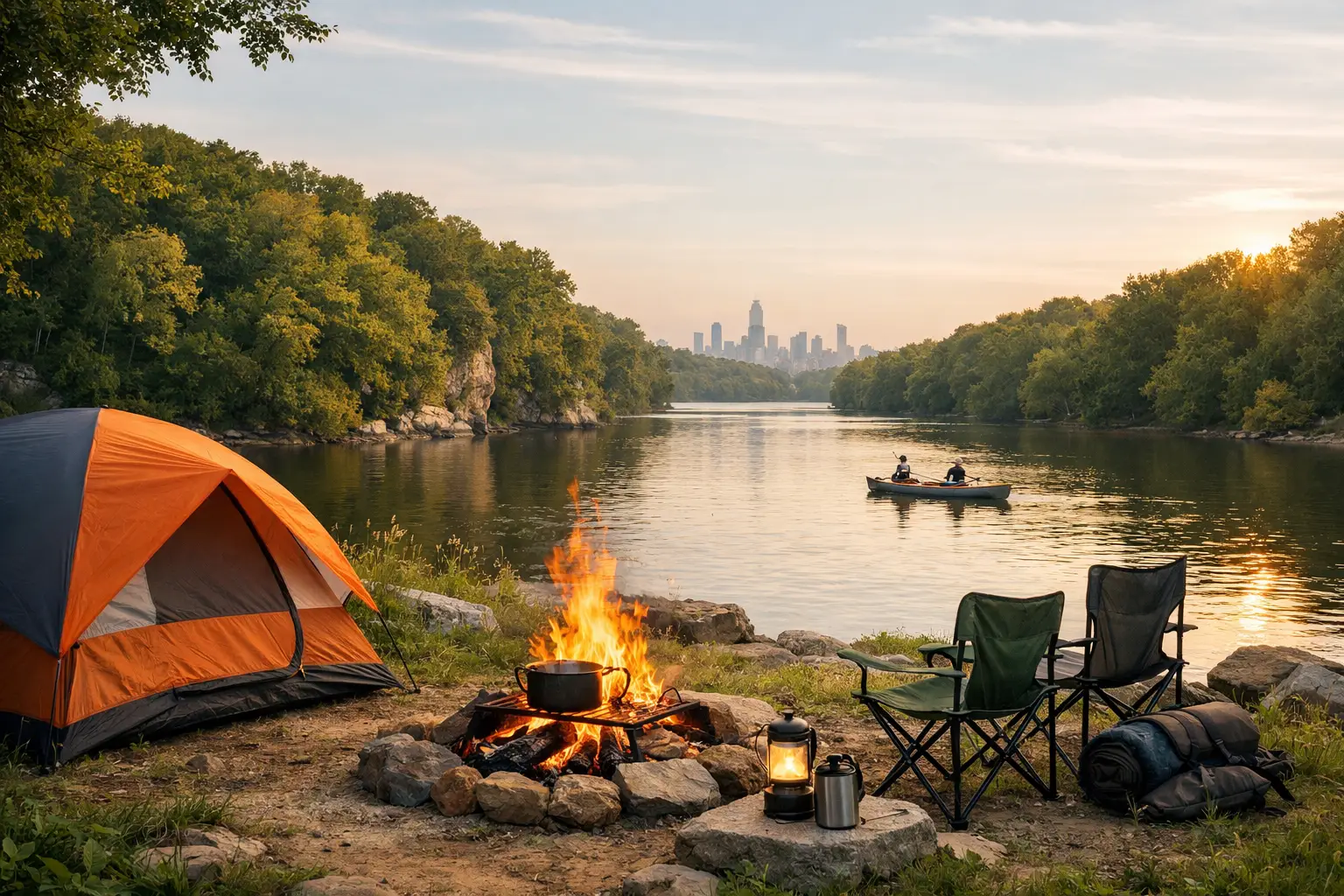
What makes Illinois River camping different from a lot of Midwest camping is the mix of scenery and simplicity. You get broad river views, wildlife, dramatic rock formations nearby, and the kind of open sky that makes dinner at a picnic table feel like the whole point of the trip. Better yet, some areas along the river are especially friendly for beginners, families, and anyone who wants to kayak without worrying about fast current or technical water.
Why this Illinois river camping guide starts with location
Not every river camping trip in Illinois feels the same. Some spots are more rugged and remote. Others are better for a quick weekend where you want nature, but you also want easy parking, clear directions, and a campsite that does not require a wilderness survival mindset.
If you are camping near Starved Rock State Park, you are in one of the most appealing zones in the state for a short outdoor reset. It works for couples trying to escape the city for a night, families testing out a first camping trip, and groups who want more to do than just sit around a fire ring. You can hike, paddle, relax by camp, and still be back home without burning a vacation day.
That convenience matters more than people think. A campsite can be beautiful, but if planning it feels complicated, many first-timers bail before they ever book. The best Illinois River trips remove that friction. You want a campground that makes arrival easy, water access obvious, and add-ons like kayak rentals or tent setups simple to figure out.
What to look for in Illinois River camping
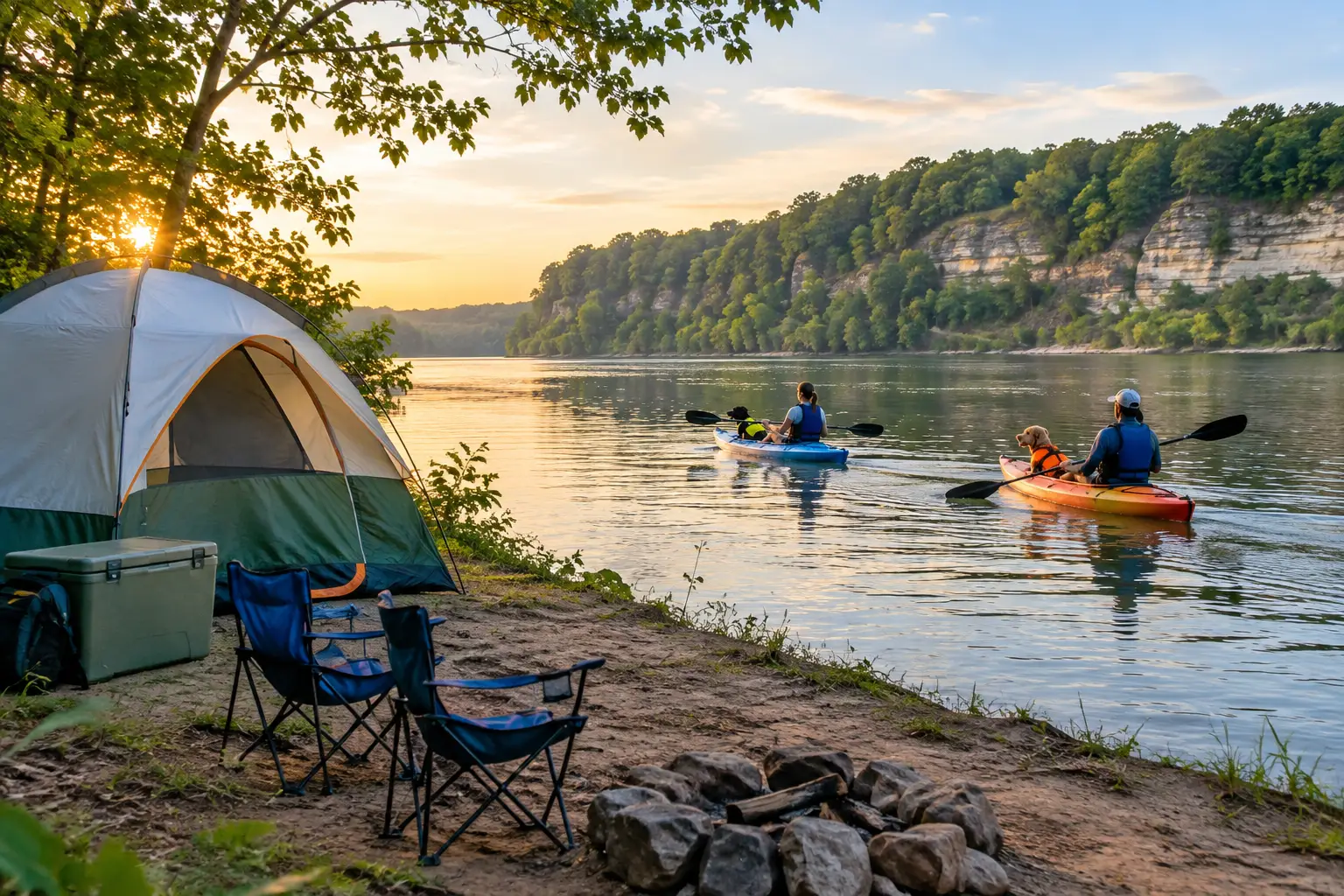
A good river campground is not just a patch of grass with a view. For most campers, especially beginners, the best setup balances comfort with a little adventure. Waterfront access is the big one. Being able to walk from your site to the river changes the whole feel of the trip. Morning coffee hits differently when you are looking at the water instead of a parking lot.
The next thing to consider is what kind of camping you actually want. Tent camping is the classic choice and usually the easiest entry point if you already have gear. Pop up camping gives you a little more structure and comfort without losing the campground feel. Teardrop camping can be a smart middle ground for couples or light packers who want something compact, cozy, and low-hassle.
There is also the question of how much work you want to do once you get there. Some campers love building the whole experience from scratch. Others want more of an all-in-one outdoor weekend where the site, paddling, and basic logistics are already handled. Neither approach is wrong. It just depends whether your idea of fun includes assembling gear for an hour before sunset.
Camping near Starved Rock State Park works for more than hikers
A lot of people search for camping near Starved Rock because they know the hiking reputation. That makes sense. The area is famous for canyons, bluffs, and seasonal scenery that can make a quick weekend feel surprisingly far from home. But the river side of the experience is what many first-time visitors underestimate.
When you camp on or near the Illinois River, you are not just using the campground as a place to sleep between hikes. The water becomes part of the trip. You can launch a kayak, take a guided paddle, let the kids watch boats drift by, or just enjoy the slower rhythm that comes with being near the shoreline.
For beginners, this is a big advantage. Flatwater paddling in a controlled area feels much more welcoming than a river trip with current, complicated shuttle plans, or unpredictable conditions. That is why this area appeals so strongly to first-timers and families. It offers the outdoor payoff without the kind of stress that scares people off from trying something new.
An Illinois river camping guide for first-time kayakers
If you are pairing camping with kayaking, the main question is usually the same: how hard is this going to be? Fair question. The answer depends entirely on where you launch.
Beginner-friendly sections of the Illinois River can be a great fit because they keep the fun part and remove a lot of the fear factor. Calm water, shallow depth, and clear launch procedures make a huge difference. If you have kids, have not paddled in years, or just do not want your relaxing weekend to become an accidental workout, choose a spot built around easy access and simple water conditions.
Guided paddles are especially useful if your group includes nervous first-timers. A good guide keeps things light, gives basic instruction, and helps everyone settle in quickly. That confidence boost is often the difference between “that was stressful” and “when can we do that again?”
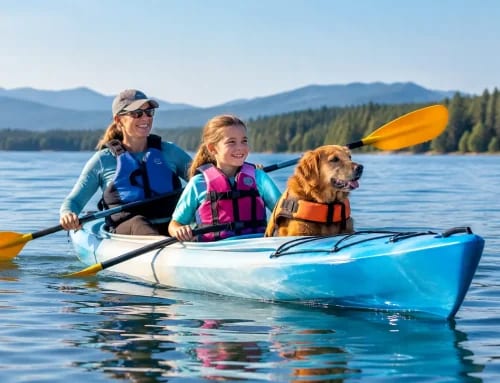
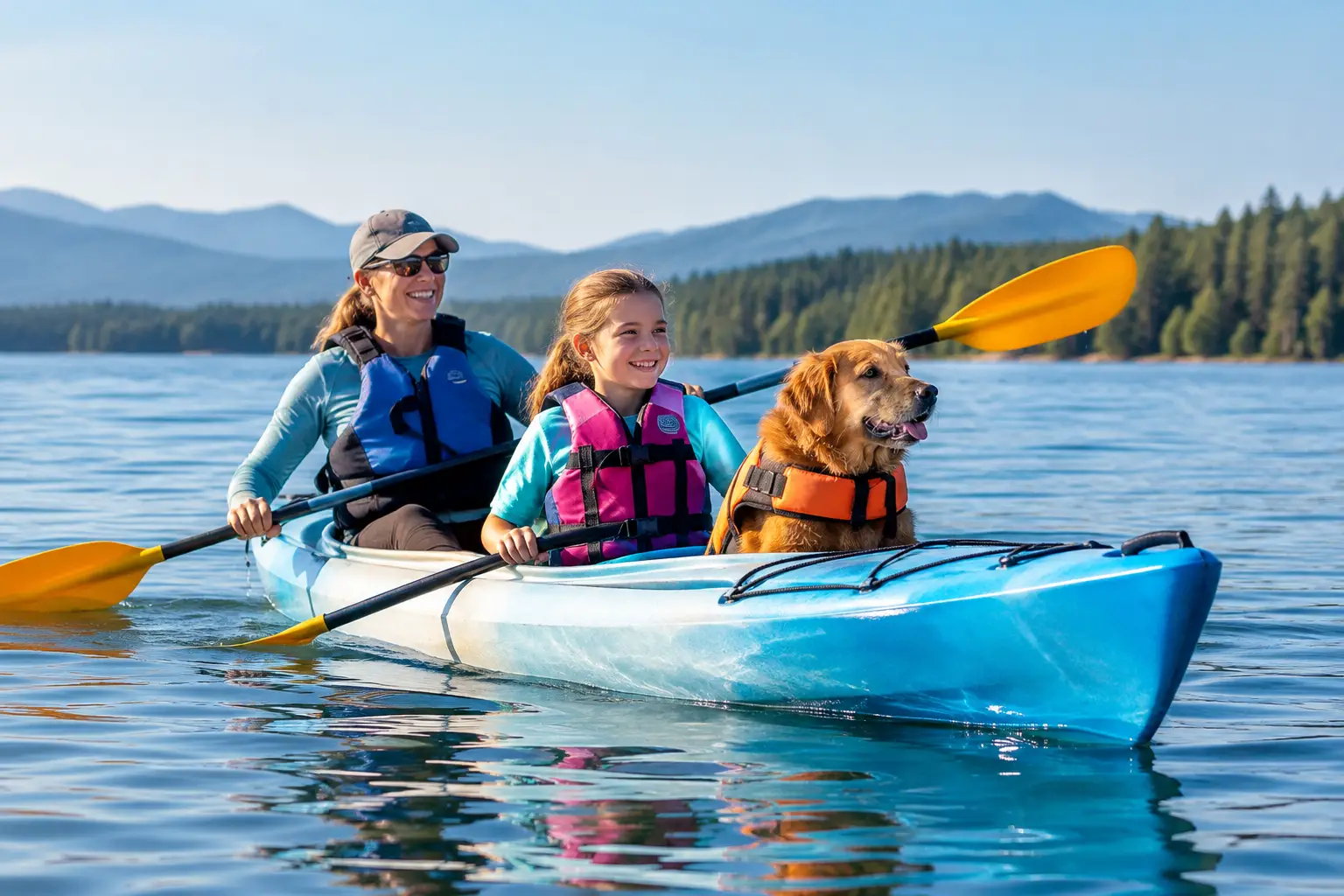
Safety still matters, of course. Everyone on the water should wear a life jacket or PFD, full stop. The best outfitters are friendly about it and firm about it, which is exactly how it should be.
Dog-friendly camping and kayaking on the Illinois River
A lot of weekend plans get derailed by one simple question: can the dog come? If the answer is no, some people skip the trip. Dog-friendly Illinois River camping solves that problem nicely.
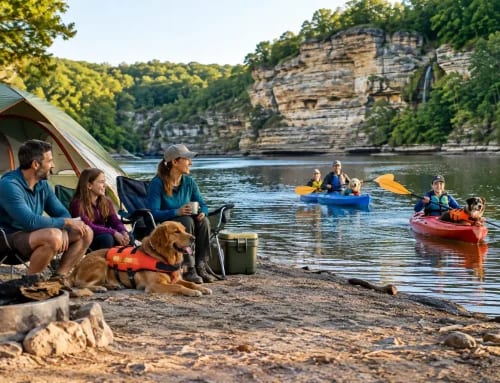
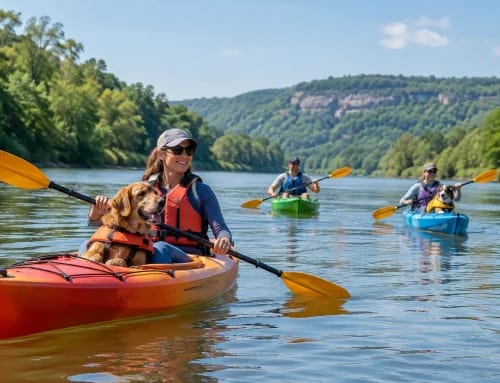
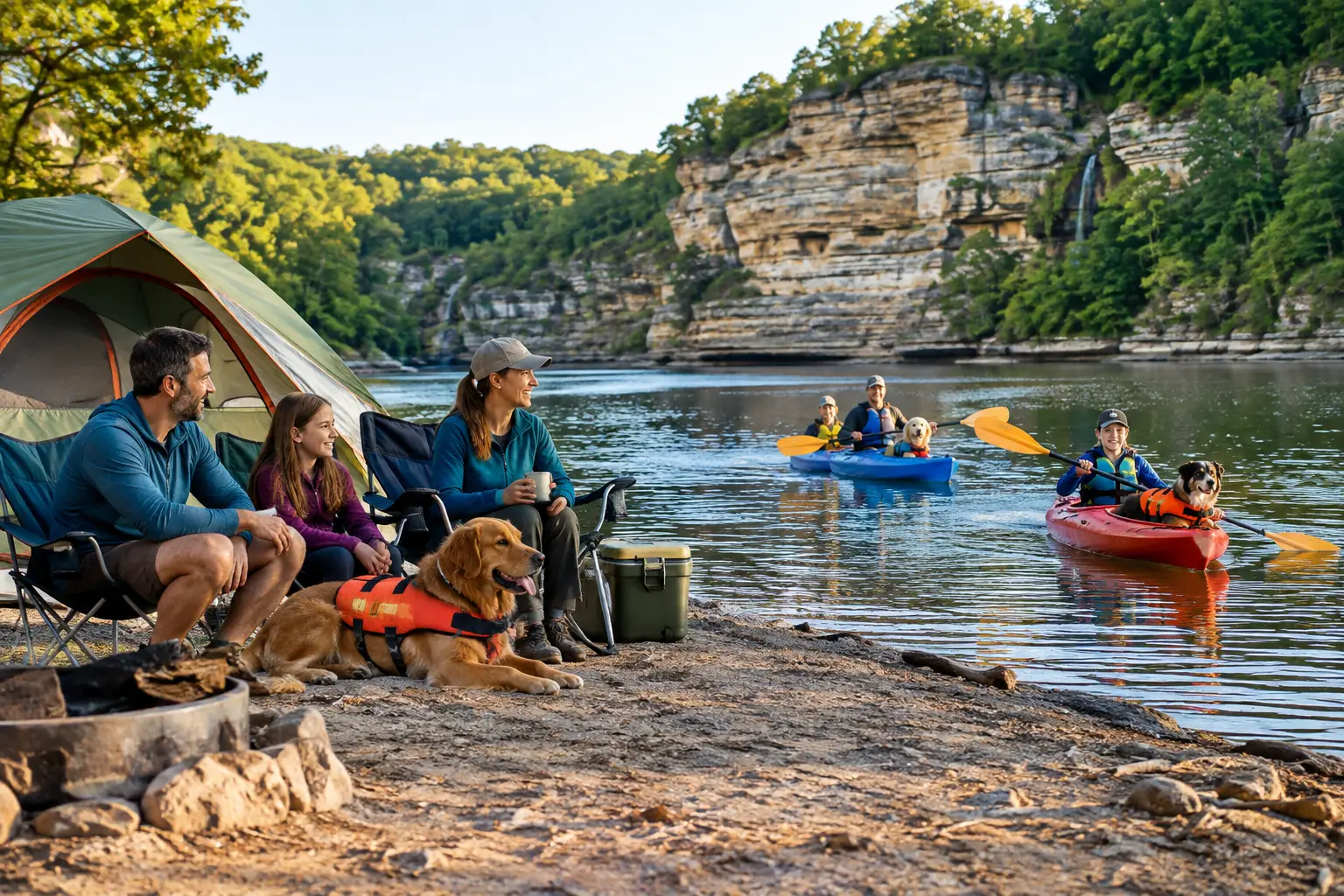
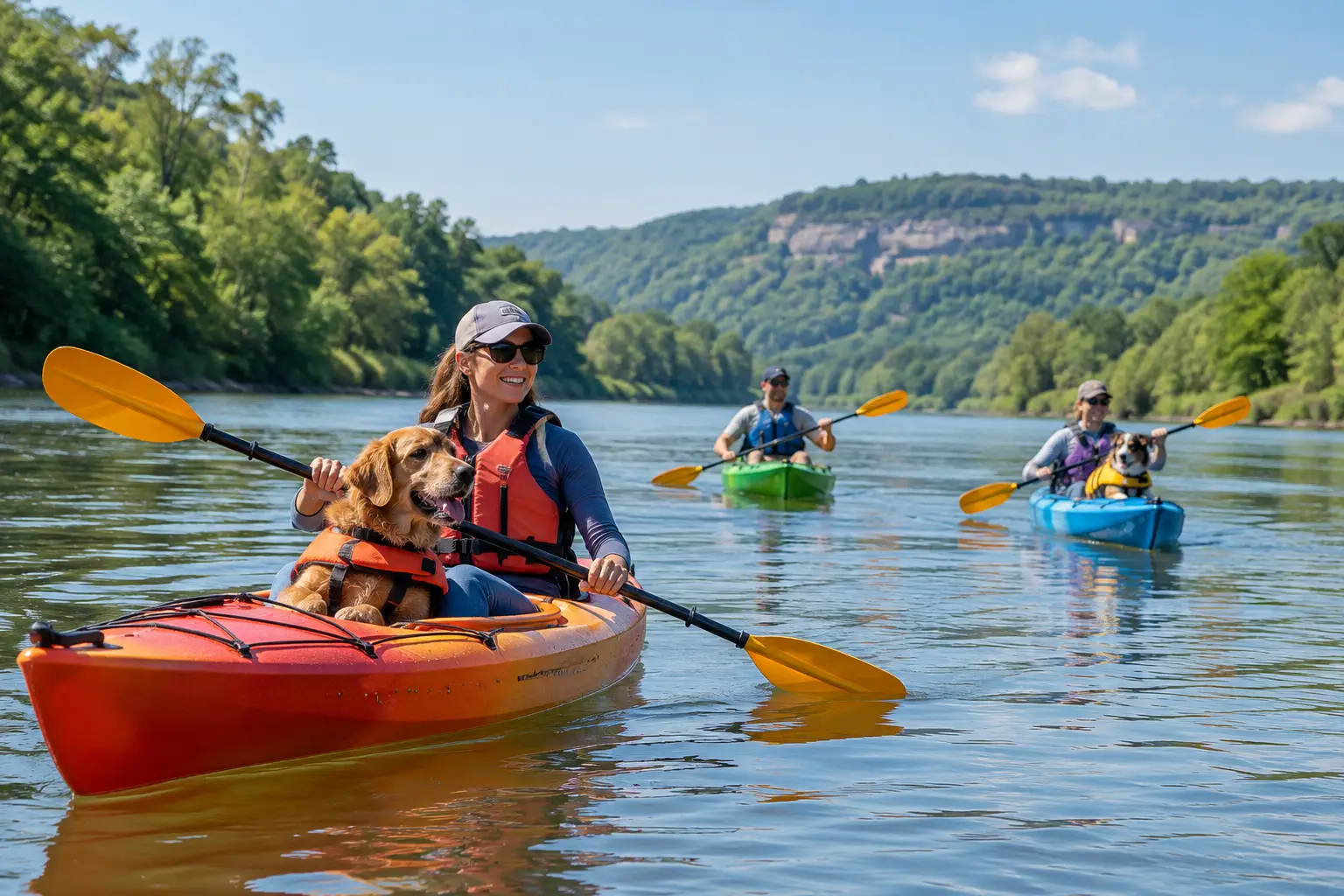
Camping with a dog near the river can be a blast, but it goes better when the setup is easy. You want room to walk, a campground with a relaxed outdoor atmosphere, and access to activities that do not force your pet to sit in the car while everyone else has fun. Some paddlers even bring their dogs along for calm-water kayak outings, which can be a great fit if your dog is comfortable around water and used to new environments.
The trade-off is that dog-friendly does not mean do-whatever-you-want. Bring a leash, water bowl, waste bags, and a realistic sense of your dog’s personality. Some dogs are adventure stars. Others hear one strange bird call and decide the whole campground is suspicious. Plan accordingly.
Tent, pop up, teardrop, or glamping?
This is where your trip starts to take shape. Tent camping is perfect if you want the classic feel and do not mind a little setup. It is usually the most flexible and budget-friendly option, especially for families or friend groups.
Pop up camping works well for campers who want more weather protection and a slightly easier sleep situation. If you have ever spent a windy night in a basic tent and thought, “there has to be a better way,” this might be your answer.
Teardrop camping is a strong choice for couples or weekenders who want comfort without hauling a huge RV. It feels a little more polished, a little less chaotic, and still close to the outdoors.
Then there is glamping near Chicago, which has become popular for a reason. Sometimes people want the campfire, river views, and stars overhead, but not the whole gear puzzle. A glamping-style setup can make outdoor weekends feel far more accessible, especially for people who are curious about camping but not ready to commit to buying all the equipment first.
Planning a low-stress weekend near Chicago
The best camping near Chicago is close enough to feel easy and different enough to feel worth it. That is the sweet spot. You do not need a five-hour drive to feel like you left the city behind.
For a smoother trip, think in layers. Pick your campsite first. Then decide whether kayaking is the centerpiece or just a nice add-on. If you are bringing kids, dogs, or friends who have never camped before, simplify wherever you can. Reserved sites, on-site rentals, and clear schedules are not boring details. They are what make the weekend actually relaxing.
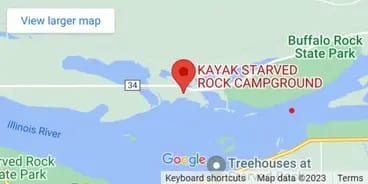
This is also where a place like Kayak Starved Rock stands out. Being able to camp on the waterfront and add a beginner-friendly paddle in the same place is exactly the kind of low-friction planning most people are looking for. You get the outdoorsy feeling without needing to coordinate a complicated multi-stop itinerary.
What to pack and what to leave at home
For Illinois River camping, pack for comfort more than heroics. Bring layers, because riverside mornings and evenings can cool off fast even after a warm day. Add bug spray, a flashlight, extra dry clothes, and shoes that can handle a little mud or a wet shoreline.
If you are kayaking, quick-dry clothing is better than denim, and a dry bag is smarter than pretending your phone is somehow waterproof today. Keep meals simple. Nobody wins a medal for trying to cook a five-course dinner at camp after a long paddle.
What should stay home? Too much stuff. Overpacking turns a short getaway into a moving project. If your campsite or campground offers rentals or simple add-ons, use them.
The nicest thing about Illinois River camping is that it does not need to be complicated to feel memorable. Pick a comfortable setup, choose a beginner-friendly place on the water, and give yourself permission to keep the weekend simple. A good campsite, a calm paddle, and a sunset by the river can do a lot for a tired brain.