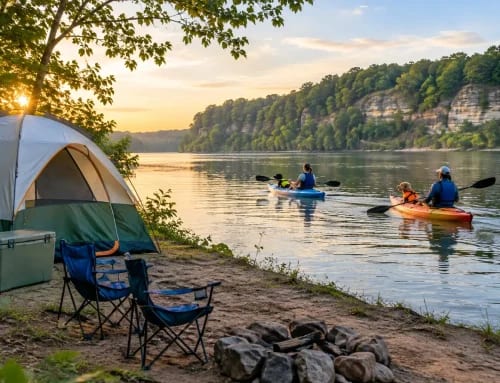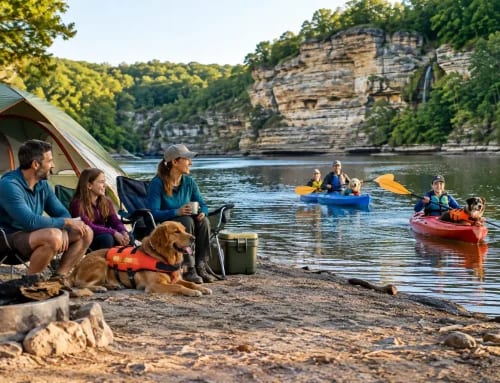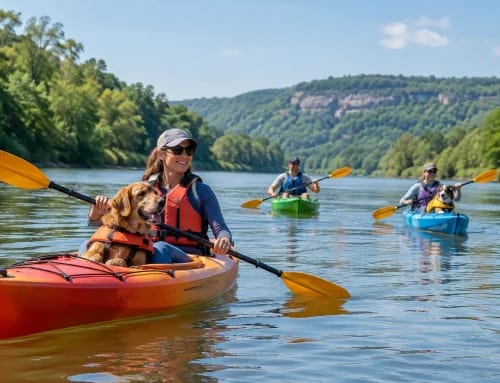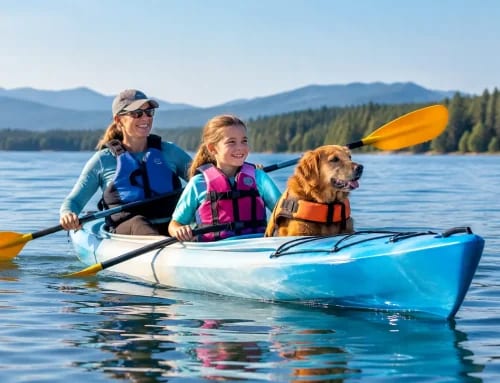
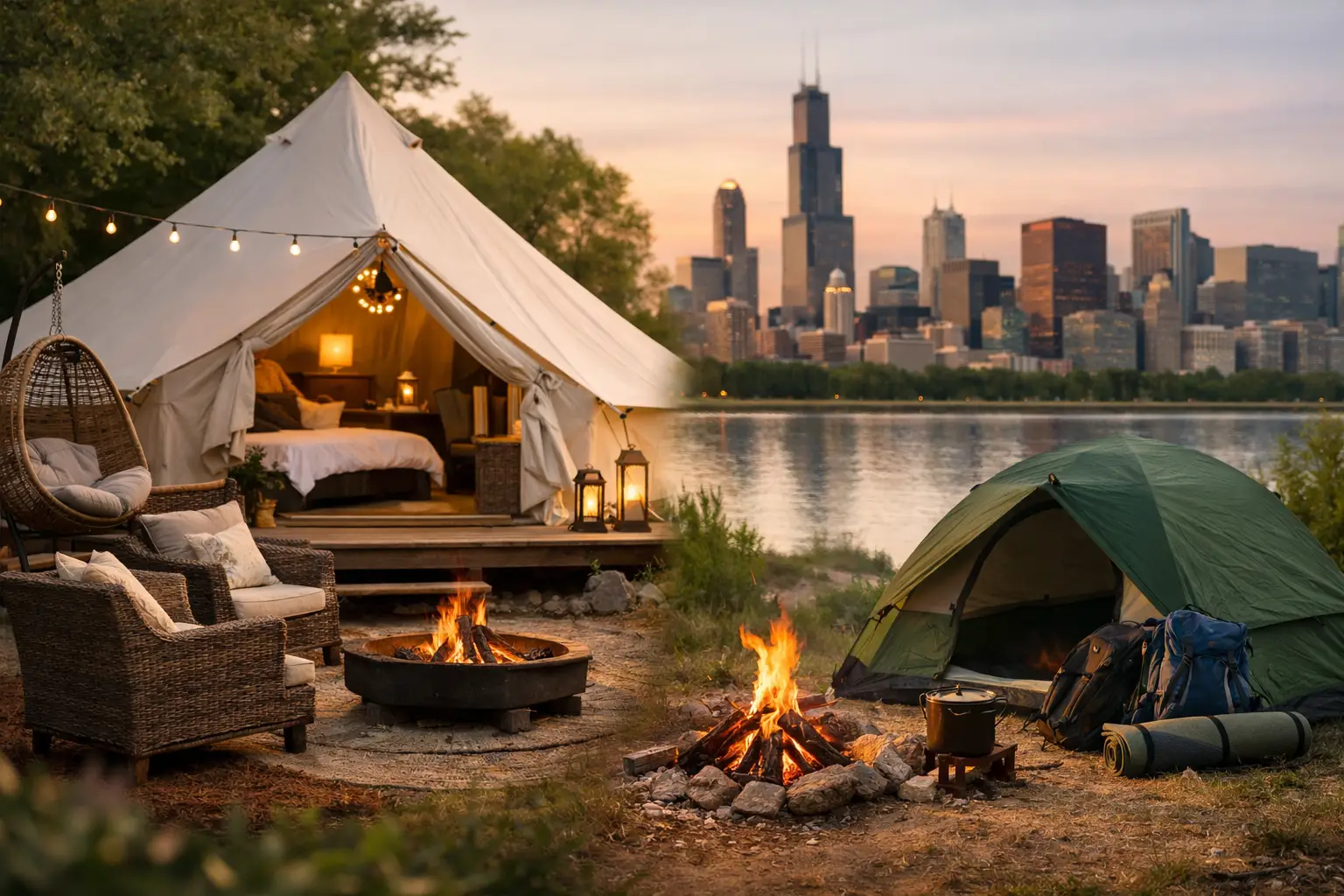
You do not need to summit a mountain or own a garage full of gear to get a real outdoor reset. For a lot of Chicago-area campers, the question is simpler and way more practical: glamping vs tent camping – which one actually gives you the weekend you want without turning your escape into extra work?
That choice matters even more when you are planning a quick trip near Starved Rock. Maybe you want river views, a campfire, and a quiet morning coffee outside. Maybe you also want a real bed, fewer things to pack, or a setup that does not test your relationship in a parking lot at sunset. Both styles can be great. They just deliver a different kind of fun.
Glamping vs tent camping: what changes the experience?
The biggest difference is not whether one option is more “outdoorsy.” It is how much effort you want to trade for comfort.
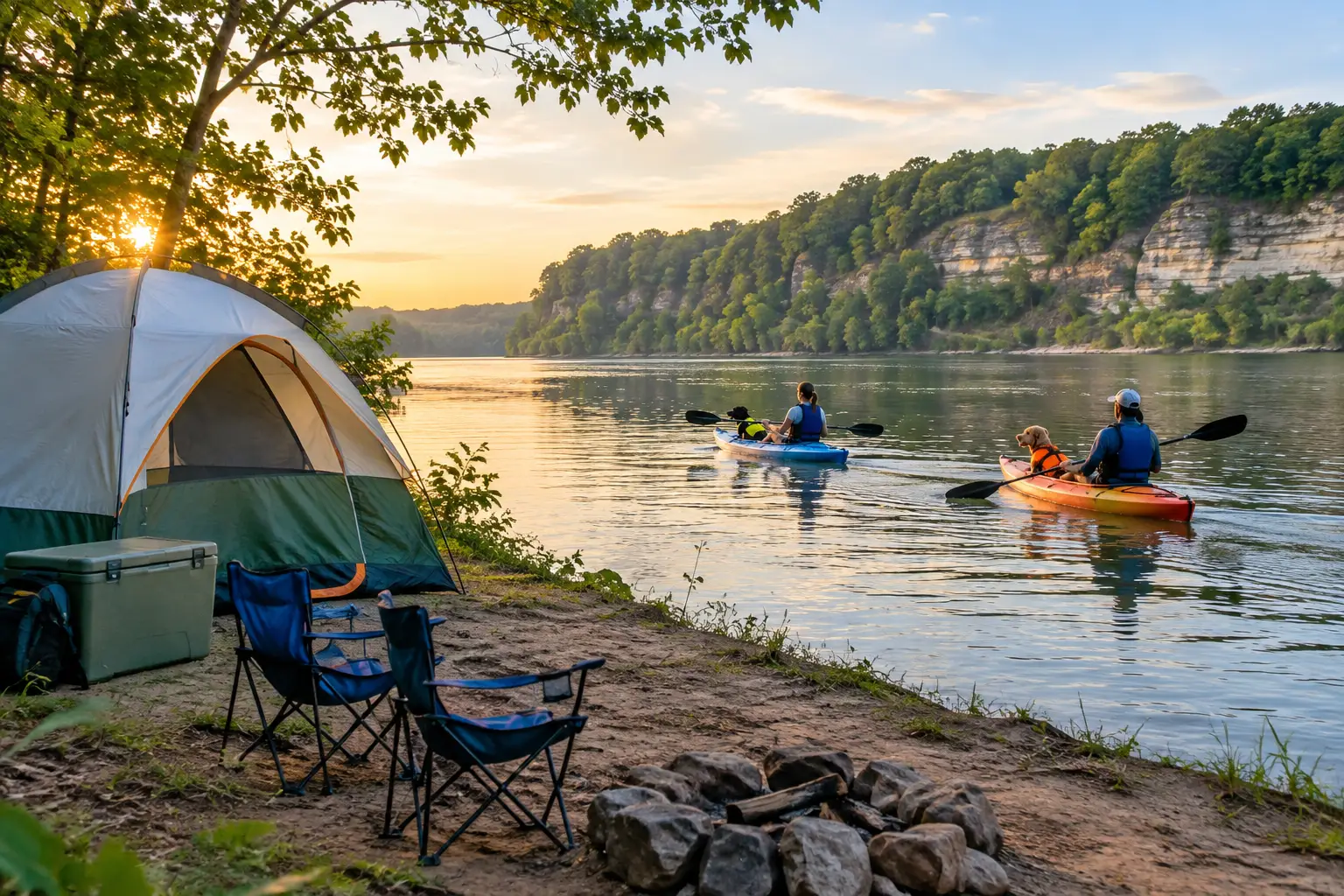
Tent camping puts you closer to the classic campground rhythm. You pack your sleeping gear, set up your site, organize your cooler, and settle in piece by piece. For some people, that is part of the reward. The campsite feels earned, and the routine itself slows you down in a good way.
Glamping trims down the setup and adds comfort right away. Instead of building your basecamp from scratch, you arrive to a space that already feels ready for you. That can mean a furnished tent, a pop-up camper, or a teardrop setup, depending on the campground. You still get fresh air, campfire nights, and that unplugged feeling. You just skip a lot of the hassle.
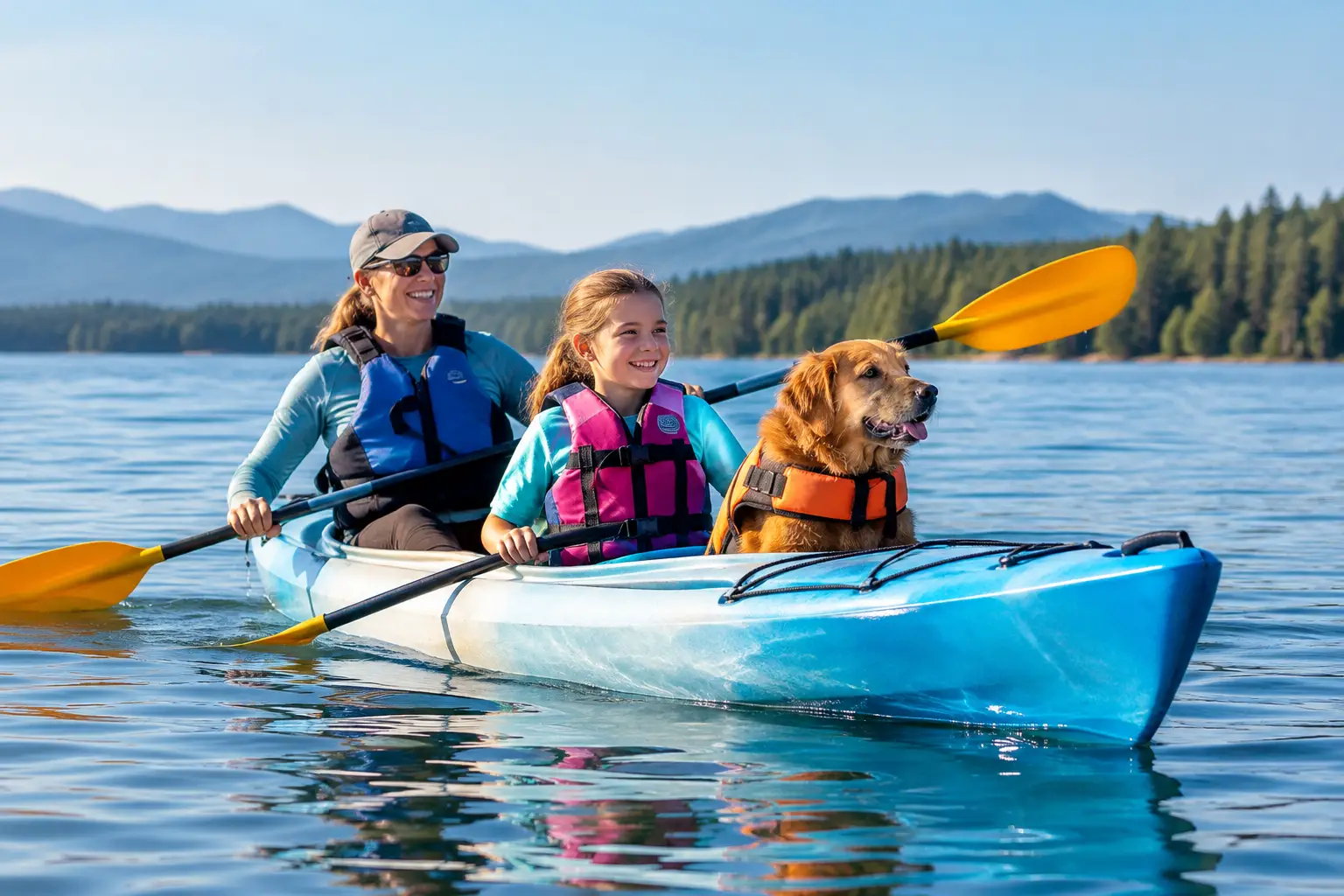
If your dream weekend includes kayaking, exploring Starved Rock, cooking dinner outside, and actually sleeping well, glamping can make that easier. If your dream weekend includes pitching your own tent, hearing the zipper close behind you, and keeping things simple and low-cost, tent camping still has a lot going for it.
Who usually loves tent camping?
Tent camping works best for people who enjoy the hands-on side of being outdoors. That includes seasoned campers, of course, but it also includes plenty of first-timers who want the classic experience without spending a fortune.
It is often the more flexible option for families and groups, especially if everyone already has basic gear. You can spread out, bring your own sleep setup, and choose how minimal or comfortable you want to be. Some campers love that kind of control. Others love that tent camping feels a little less polished and a little more memorable.
There is also a certain charm to it. You hear the wind more. You notice the temperature drop after sunset. You wake up with the light. That is not always more comfortable, but it can feel more connected.
The trade-off is that tent camping asks more from you. You need to pack smart, set up correctly, and prepare for weather changes. If rain shows up, your weekend depends a lot on how dry your gear stays and how patient your group is. For some campers, that is no problem. For others, it is exactly the part they are trying to avoid.
Tent camping is a strong fit if you want…
Tent camping tends to make sense when budget matters most, when you already own gear, or when the process of camping is part of the fun. It also works well for scout groups, kids who want the full campground experience, and dog owners whose pets are happiest with lots of room to roam and familiar routines.
Who usually loves glamping?
Glamping is for people who want the payoff of camping without every piece of camping labor attached to it. That is why it is so popular for couples, busy parents, friend groups, and anyone planning a near-Chicago weekend who does not want to spend half the trip packing bins and wrestling tent poles.
It is also a strong middle ground for beginners. If you like the idea of staying outdoors but feel unsure about gear, weather, or how comfortable you will be overnight, glamping lowers the pressure. You still get the campfire, the stars, the river atmosphere, and the morning air. You just start from a more comfortable baseline.
That matters more than people admit. A better night of sleep can change the whole trip. If you are also planning to kayak, hike nearby, or keep up with kids all day, comfort is not a luxury item. It can be the reason everyone is still smiling on day two.
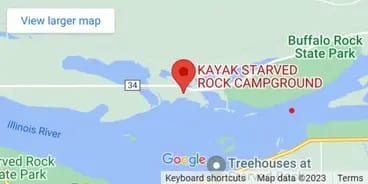
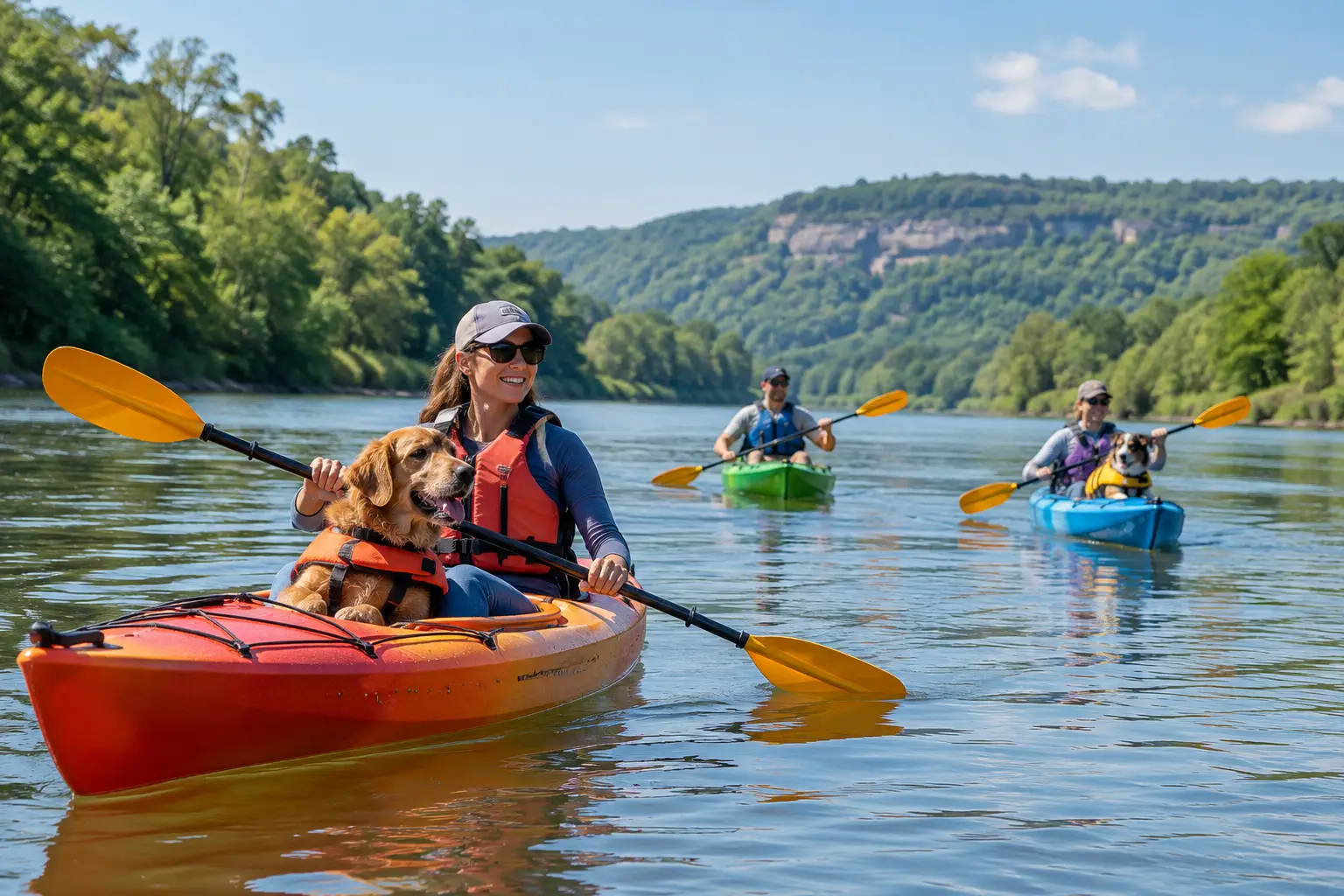
At a place like Kayak Starved Rock Campground, that comfort can pair especially well with an activity-based trip. You can spend the day on beginner-friendly flatwater, enjoy the Illinois River setting, and come back to a camping setup that feels relaxing instead of demanding.
Glamping is a strong fit if you want…
Glamping usually wins when convenience matters, when you are short on gear, or when one person in the group likes nature more than sleeping on the ground. It is also great for anniversary weekends, birthday trips, and first camping experiences that need to feel easy, not intimidating.
Cost matters, but value matters more
On paper, tent camping is usually cheaper. If you already own your tent, sleeping bags, chairs, lanterns, cookware, and everything else, the nightly cost can be hard to beat.
But there is a catch. If you are brand new to camping, the startup cost for tent camping adds up fast. Even a basic gear list can turn into a serious shopping trip. Then you still have to figure out what you forgot after your first night.
Glamping often costs more upfront, but it can be a better value for occasional campers. You avoid buying gear you may only use once or twice a year. You save time. You reduce the odds of a stressful setup. And if that means your group actually wants to go camping again, that value is real.
This is why glamping vs tent camping is not really a luxury-versus-budget debate. It is a use-case debate. If you camp often, tent camping can be the smarter long-term play. If you want a polished weekend getaway with less friction, glamping can earn its price.
Comfort, weather, and sleep are not small details
A lot of camping decisions get made based on image. People picture string lights, coffee mugs, and happy campfire photos. Fair enough. But the real test comes around 2 a.m. when the temperature drops, the ground feels harder than expected, or the air mattress starts acting suspicious.
Tent camping leaves more room for those variables. Good gear helps a lot, but weather and setup still play a huge role. If your rainfly is off, your sleeping pad is thin, or your site gets muddy, you feel it.
Glamping tends to buffer more of that discomfort. Depending on the setup, you may have better shelter, more insulation, actual furniture, or a mattress that does not feel like a compromise. That does not make it fake camping. It just makes it friendlier to people who want the outdoor atmosphere without being totally at the mercy of every temperature shift.
If you are camping with kids, this part becomes even more important. When children sleep badly, everyone sleeps badly. When parents sleep badly, even beautiful scenery can start to lose the argument by breakfast.
Glamping vs tent camping for different trip types
For a romantic weekend, glamping usually has the edge. Less setup means more time together, and better sleep usually makes everything nicer.
For families, it depends on the age of the kids and how much gear stress you can tolerate. Tent camping can be a blast if your crew enjoys the process. Glamping can be the smarter move if you want less chaos and faster bedtime.
For friend groups, both can work. Tent camping often feels more communal and budget-friendly. Glamping can be better if your group includes a mix of comfort levels or a few people who are camping-curious but not exactly camping-committed.
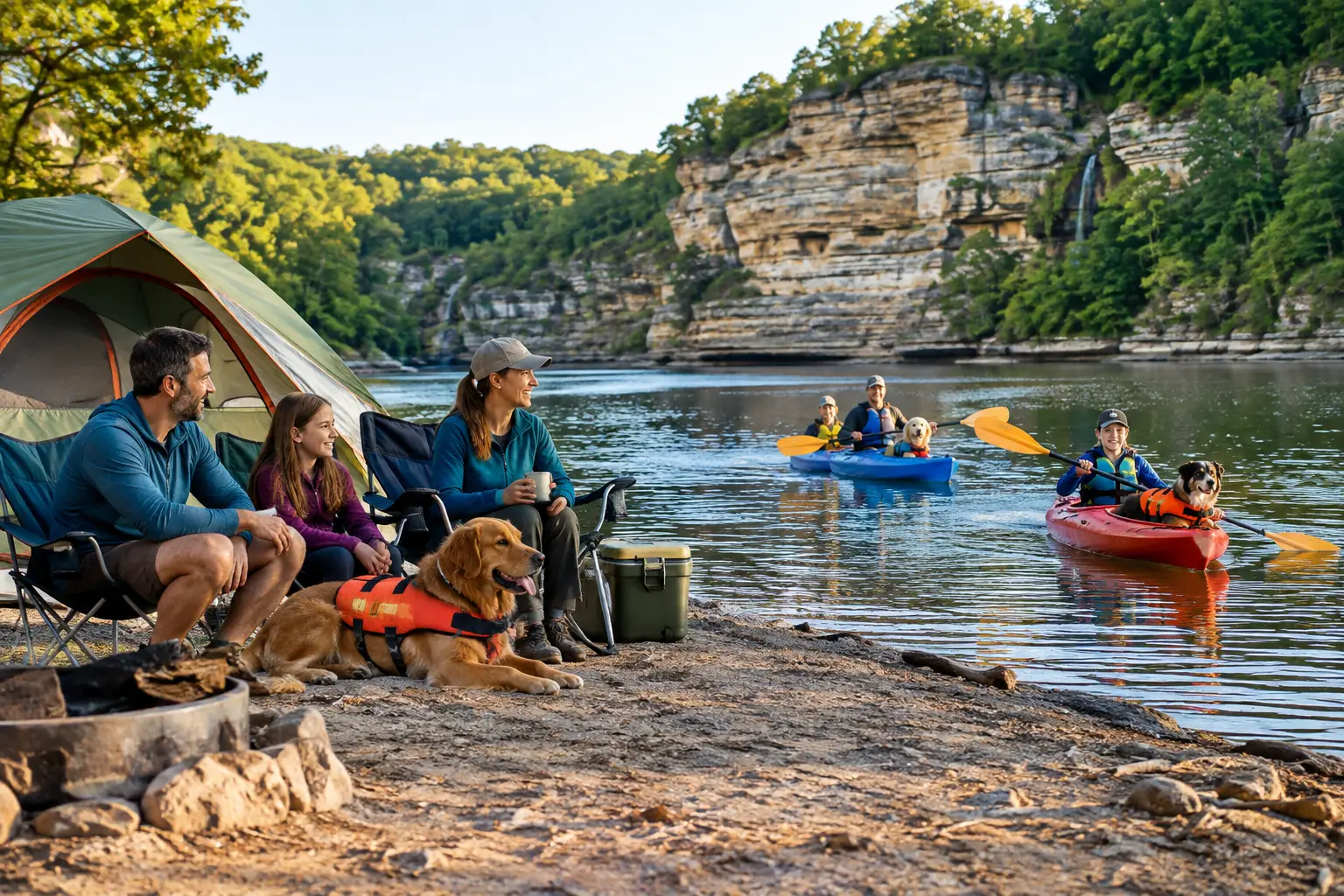
For dog-friendly camping, the best choice depends on your dog as much as your humans. Some dogs do great in a tent setup because it keeps the routine simple and gives them more familiar movement around camp. Others settle better when the sleeping setup is more structured. Either way, choose a campground that clearly welcomes dogs and keeps the logistics easy.
What makes sense near Starved Rock?
For quick getaways from Chicago, convenience carries extra weight. Most people are not planning a week in the wilderness. They are trying to turn one or two nights into a real break.
That is why glamping has grown so quickly around destinations like Starved Rock and the Illinois River. People want the views, the fresh air, the campfire, and the chance to paddle or explore nearby trails. They also want the trip to feel manageable after a workweek.
Tent camping still absolutely fits this area, especially for campers who enjoy a more traditional setup or want to keep costs down. But if your goal is a smooth, beginner-friendly, near-Chicago escape that mixes waterfront camping with easy adventure, glamping can remove a lot of the usual barriers.
The best choice is the one that matches the trip you will actually enjoy, not the one that sounds toughest or trendiest. If setting up camp from scratch makes you happy, own it. If pulling up to a ready-made setup means you finally book the weekend, that counts too.
Nature does not care whether you zipped your own tent or arrived to a glamping site with your bed already waiting. What you will remember is the campfire glow, the river air, the laugh you did not expect, and how good it felt to get out of town for a minute.