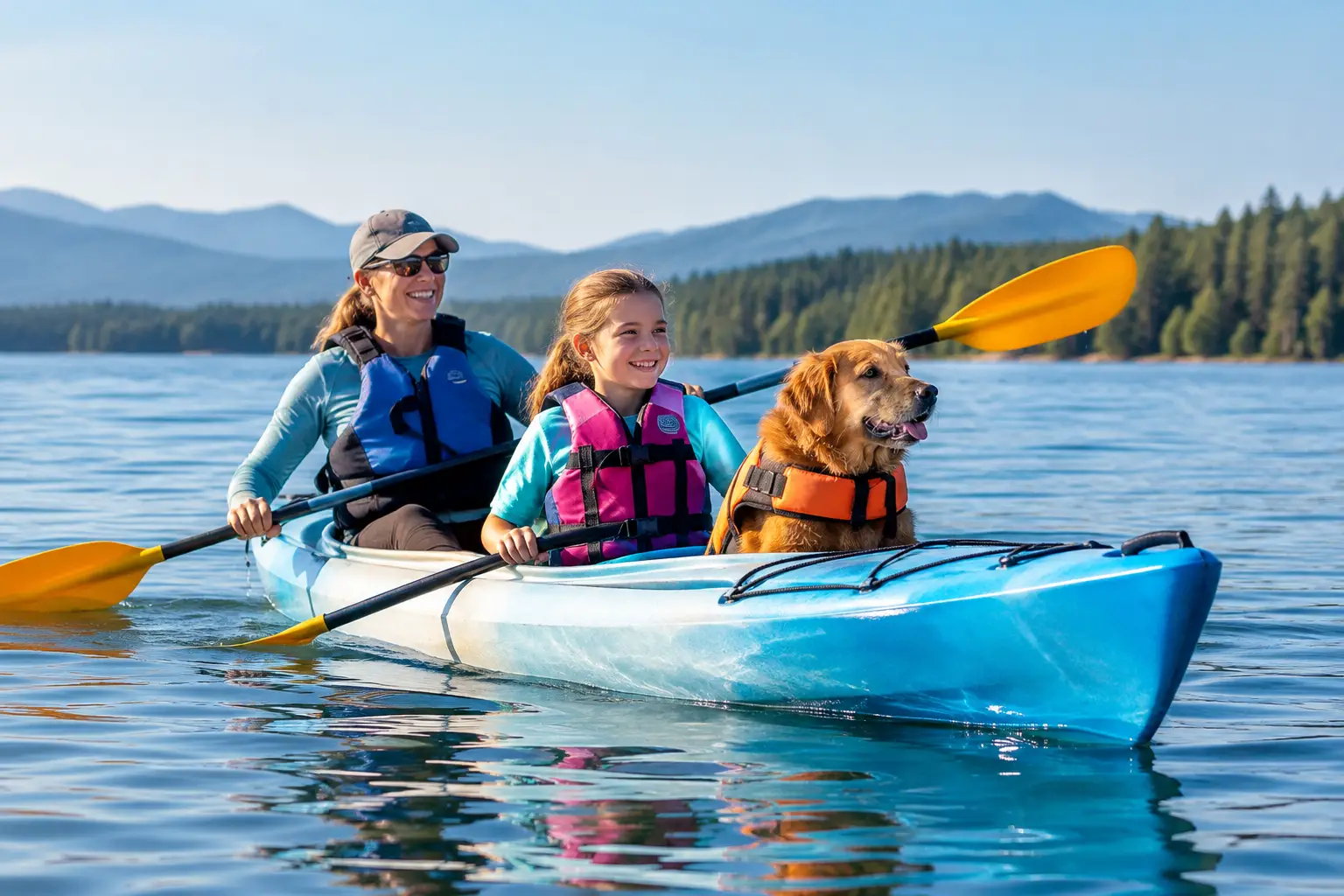
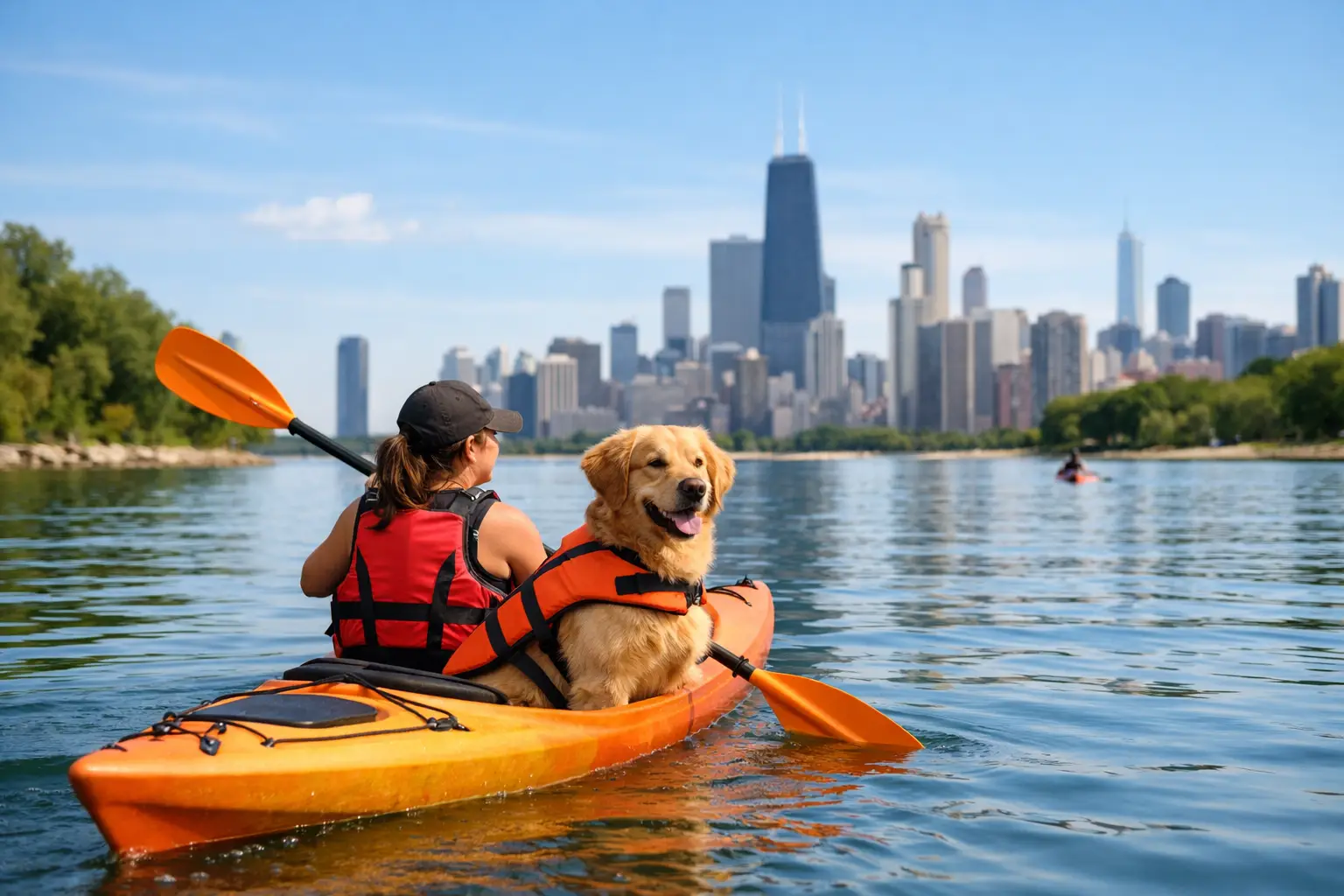
Your dog does not care whether your weekend escape has a perfect itinerary. They care that you packed the treats, opened the car door, and brought them somewhere new to sniff. That is exactly why dog friendly kayaking can be such a good reset for Chicago-area humans and their four-legged co-captains.
A paddle near Starved Rock turns a regular day out into the kind of story that starts with, “Remember when the dog thought they were the guide?” The Illinois River setting gives you wide-open water, fresh air, sandstone-bluff scenery nearby, and room to trade city noise for the soft tap of a paddle. For beginners, the best version of this adventure is not about covering miles. It is about choosing calm conditions, fitting a life jacket correctly, and giving everyone – including the furry passenger – time to settle in.
Why Dog Friendly Kayaking Works Near Starved Rock
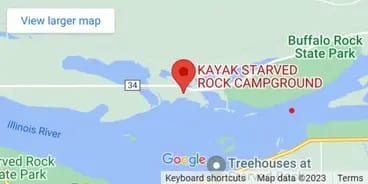
For many first-time paddlers, the biggest concern is not paddling technique. It is whether the day will feel stressful. Add a dog, and that question gets louder. A flatwater environment changes the equation. On the dam-controlled Illinois River across from Starved Rock State Park, paddlers can enjoy water without having to manage river current or arrange a complicated shuttle.
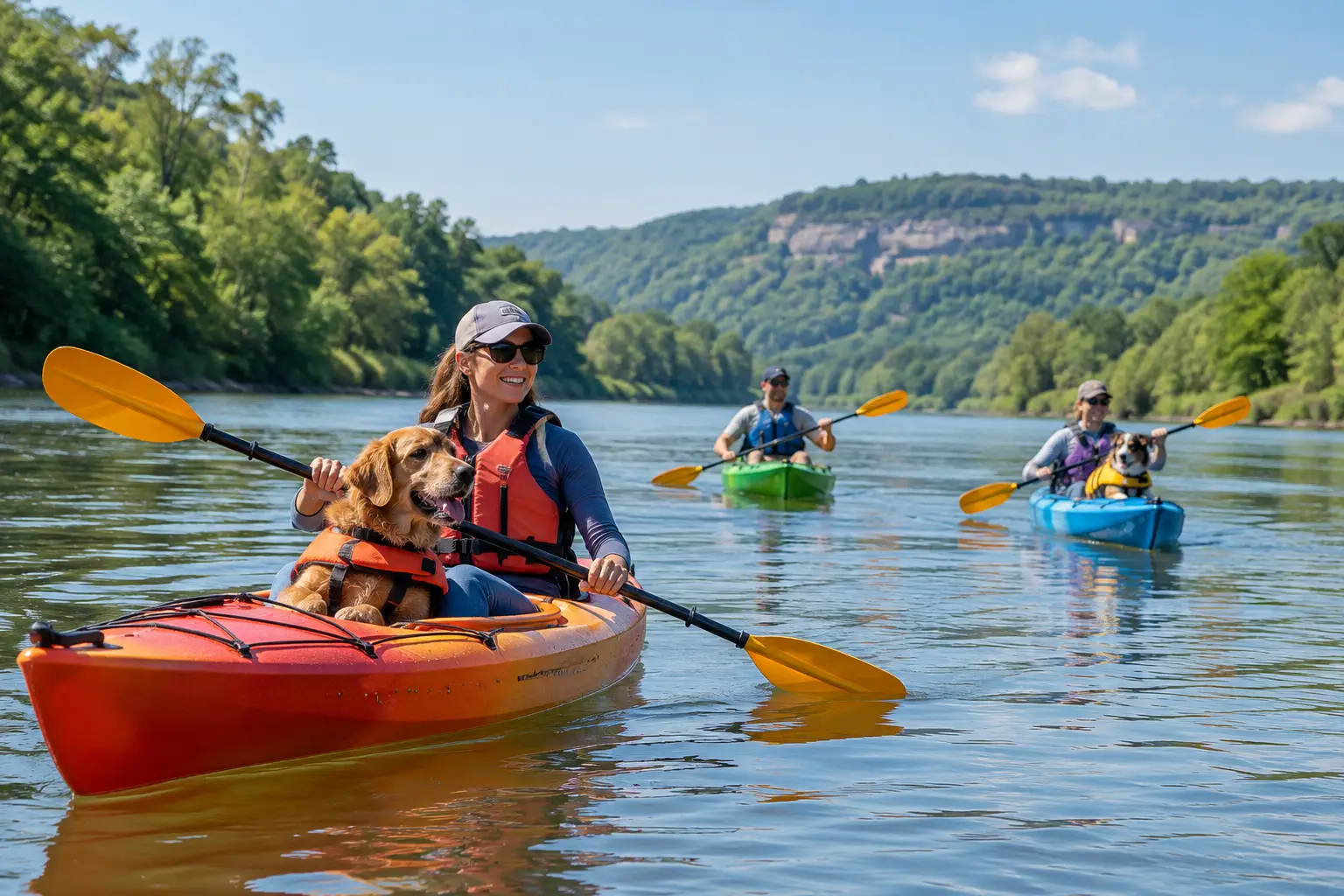
That makes this a strong choice for families, couples, and friend groups coming from Chicago or Northern Illinois. You can arrive, get oriented, launch from the same waterfront area, and focus on the fun part: being outside together. Shallow water and no current are reassuring features, but they do not replace smart decisions. Every person needs a properly fitted PFD, and your dog needs a canine life jacket too.
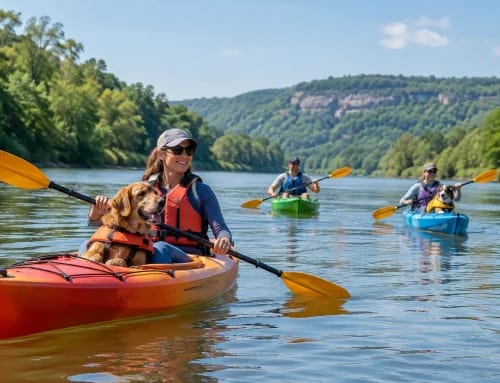
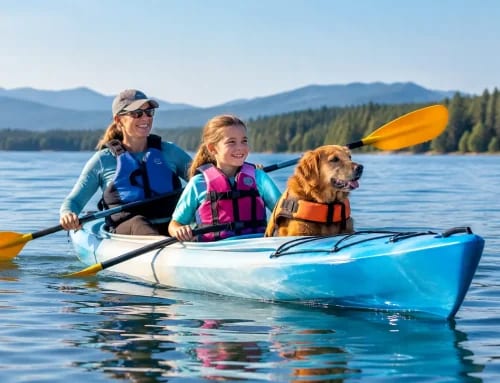
A dog PFD is not a costume for cute photos. It gives your dog flotation, a handle for helping them back into the kayak if needed, and better visibility on the water. Even confident swimmers can tire, get startled, or struggle to climb onto a boat. Put the vest on before launch, not after your pup decides the shoreline looks exciting.
Choose the Right Kayak Setup for Your Crew
A tandem kayak is often the easiest starting point for a person-and-dog outing. One paddler can sit in the rear and steer, while the other rides up front with the dog positioned in the open space that feels most secure. The exact setup depends on your dog’s size, temperament, and ability to stay settled.
Small dogs may ride comfortably on a non-slip towel or pad in the cockpit area. Medium and larger dogs need more room, which is why it is worth asking about the available kayak models and space before booking. A dog that has to perch awkwardly on gear or squeeze between two anxious humans is not set up for success.
Solo kayaking with a dog can work for experienced, calm pairs, but it has trade-offs. You are responsible for steering, paddling, managing gear, and responding if your dog shifts their weight at the wrong moment. If this is your first time bringing a dog on the water, a tandem gives you an extra set of hands and a better chance to relax.
A guided trip is another confidence-builder, especially if you have never launched with a dog before. Guides can cover the basics, help you get situated at the shoreline, and lead the group through a manageable route. Kayak Starved Rock Campground is built around beginner-friendly flatwater kayaking, with instruction and on-water support that keep the outing simple rather than technical.
Get Your Dog Ready Before Launch Day
The best dog-friendly paddles begin on dry land. A kayak is a wobbly, unfamiliar place, and even a normally laid-back dog may react to the motion, new sounds, or a passing bird with Olympic-level enthusiasm. Let your dog investigate the boat while it is on shore. Reward them for stepping in, sitting calmly, and staying put.
Practice a few useful cues before your trip: sit, stay, leave it, and come. You do not need military precision. You do need a dog who can pause when asked, particularly around a busy launch area, other paddlers, and wildlife. A standard leash is useful on land, but do not tie your dog to the kayak. If the boat tips or your dog jumps unexpectedly, a tether can create a dangerous entanglement.
Keep the first outing short. A 60- to 90-minute paddle is plenty for many dogs, particularly on a warm day. Watch for repeated shifting, heavy panting, whining, drooling, or attempts to climb onto you. Those are not signs that your dog is “being difficult.” They are useful feedback that it is time for a shoreline break or a return to the launch.
Pack Light, Pack Smart, Keep It Fun
You do not need to bring the entire pet aisle. You do need the basics that keep your dog comfortable, visible, and hydrated. Pack these five items in a small dry bag or secured tote:
- A properly fitted dog life jacket with a sturdy top handle
- Fresh water and a collapsible bowl
- Treats or a chew for calm breaks on shore
- A towel and a non-slip mat for the kayak floor
- Waste bags, plus a leash for the campground and launch area
Bring sunscreen for yourself, but avoid applying products where your dog can immediately lick them off. On hot days, plan for shade, water breaks, and an earlier launch. The river may feel refreshing, but dogs can still overheat while sitting in the sun. Check the weather before leaving Chicago, and respect operational guidance, launch cutoffs, and any day-of changes.
Turn a Day Paddle Into Waterfront Camping
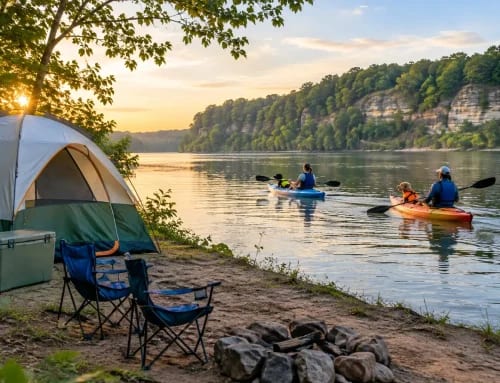
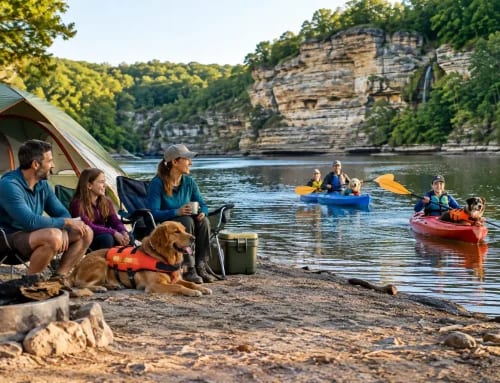
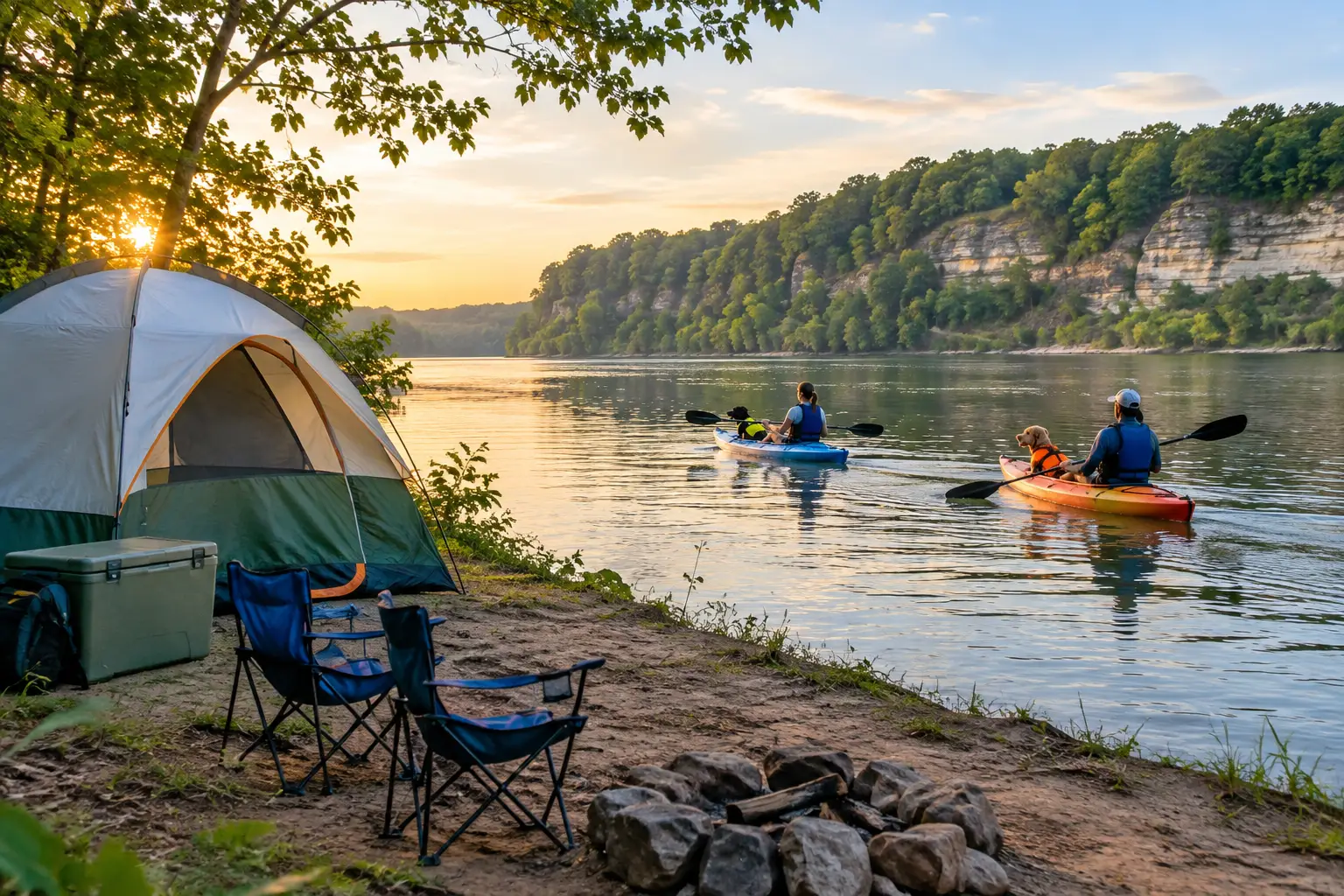
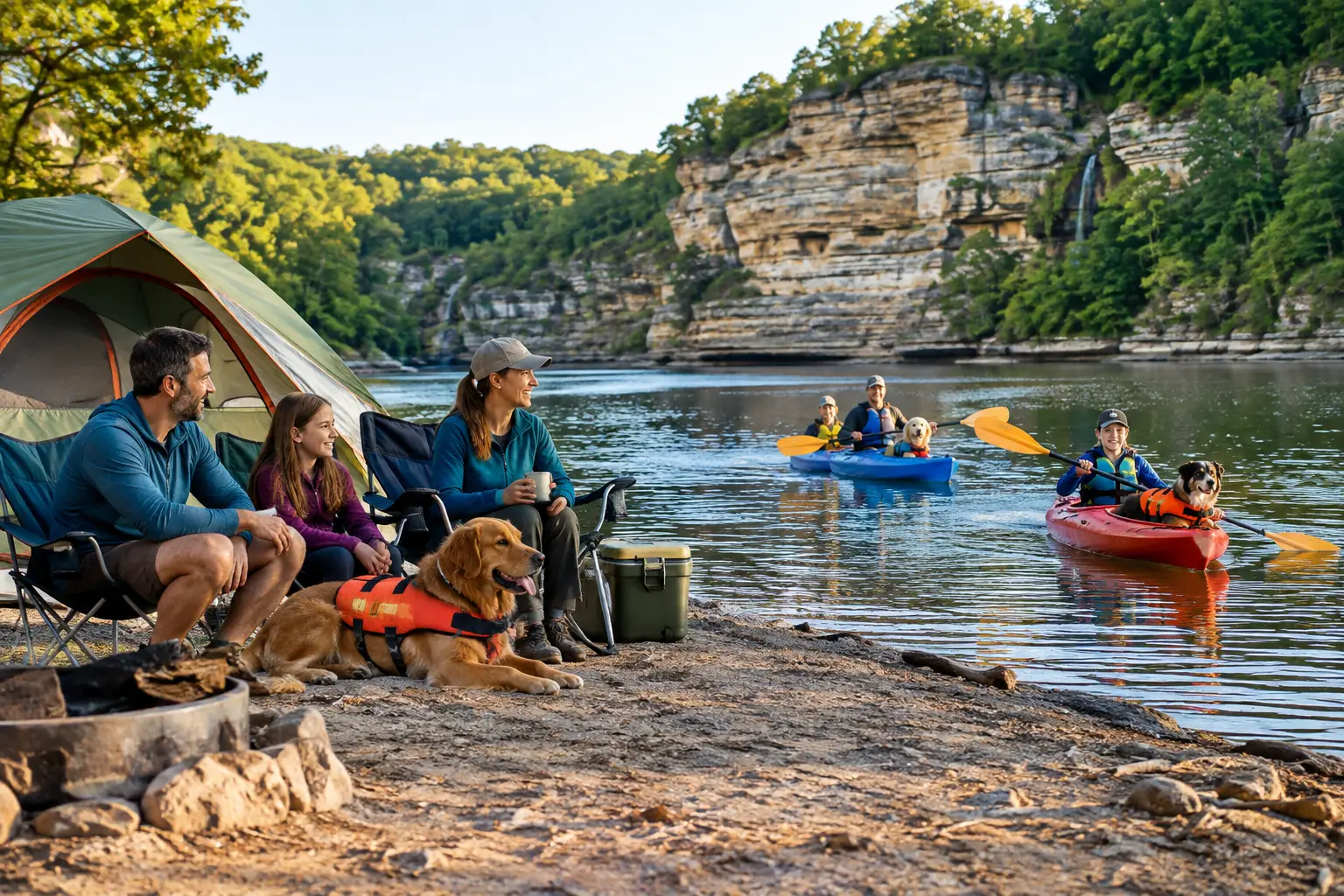
One of the best parts of kayaking near Starved Rock is that you do not have to rush home after getting off the water. A waterfront campsite makes room for a slower kind of weekend: paddle in the afternoon, make dinner as the light changes, then wake up close enough to the river to hear it before coffee.
Tent camping is a great fit for people who like keeping things simple and already have their own gear. Pop-up camping offers an easier path for a quick overnight, especially when you want more time outdoors and less time wrestling with poles. A teardrop camper setup can be the sweet spot for couples or small families who want a cozy sleeping space without giving up the campground feel.
If your idea of camping includes a comfortable bed, a little style, and less gear to haul, glamping near Chicago may be the better move. There is no prize for making a weekend harder than it needs to be. The right setup depends on your group, your dog’s sleeping habits, and whether you want a one-night reset or a fuller Illinois River camping getaway.
Wherever you stay, keep campground manners in the plan. Pick up after your dog, keep them under control around neighboring sites, and do not assume every camper or dog wants to say hello. A tired dog after a paddle is often a very happy campground dog, but a familiar blanket, water bowl, and quiet spot at your site can make the evening even better.
A Few Safety Calls That Make the Day Better
Dog friendly does not mean anything-goes. Skip the paddle if thunderstorms are moving in, if your dog is sick or recovering from an injury, or if they show real fear around the boat. Not every dog enjoys kayaking, and forcing it rarely turns into the feel-good memory you hoped for.
Do not plan on letting your dog swim freely around a launch area or chase wildlife. Keep a respectful distance from birds and other animals, avoid glassy-looking but questionable shoreline spots, and stay aware of boat traffic. Make a plan for how you will help your dog re-enter the kayak before you launch. The PFD handle is helpful, but lifting a wet, excited dog is harder than it looks.
Most of all, give yourself permission to keep the plan easy. A successful outing might mean a calm 30-minute paddle, a few treats, and a nap back at camp. That still counts as a full-strength prescription for fresh air, wagging tails, and a weekend that feels much farther from Chicago than it really is.