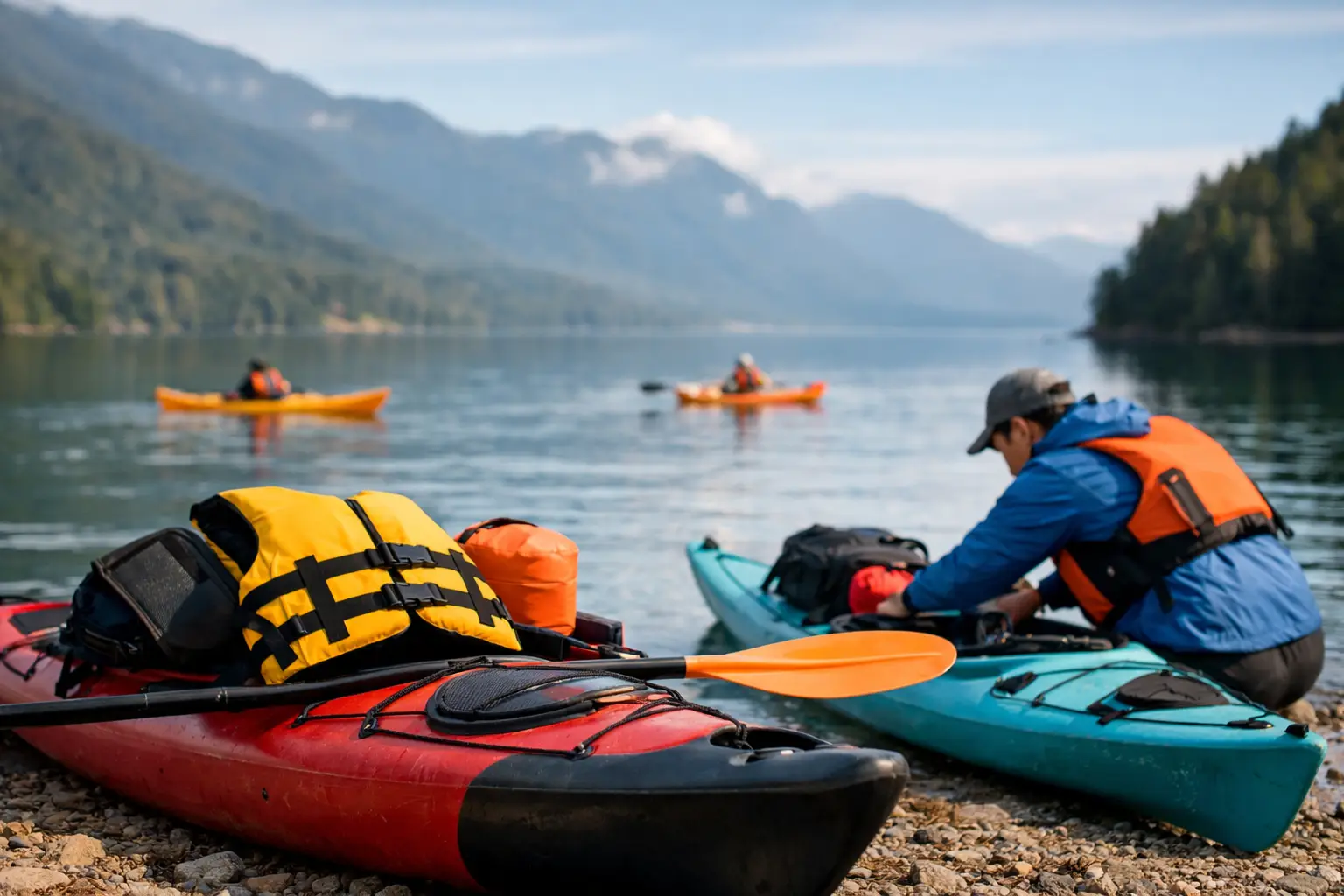
Your first kayak tour should not feel like an audition for an outdoor survival show. It should feel like a great day outside: a little fresh air, some laughs with your crew, sandstone bluffs in the distance, and the satisfying realization that yes, you can do this. Knowing how to prepare for first kayak tour plans takes the guesswork out of the day, especially if you are coming from Chicago for a quick escape near Starved Rock.
The good news is that you do not need a garage full of gear or a background in paddling. You need comfortable clothes, a few smart essentials, an open mind, and a willingness to follow your guide’s safety directions. The rest gets much easier once your boat is in the water.
Choose the Right Tour for Your First Time
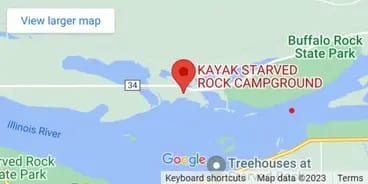
For a first paddle, conditions matter more than bravado. Flatwater is a much friendlier place to learn than a fast-moving river, choppy lake, or route that requires shuttling cars and reading technical water. On the dam-controlled Illinois River across from Starved Rock State Park, beginner paddlers can focus on the fun part: learning a few strokes, taking in the scenery, and settling into the rhythm of the water.
A guided kayak tour is often the easiest first move. You get safety instruction before launching, a guide leading the route, and someone nearby if your group has questions about steering, spacing, or where to look for wildlife. That structure is especially helpful for families, couples, and friend groups where not everyone arrives with the same confidence level.
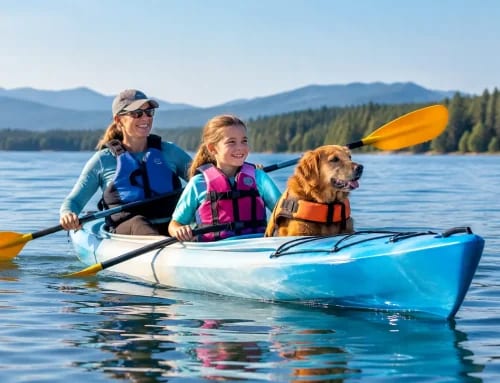
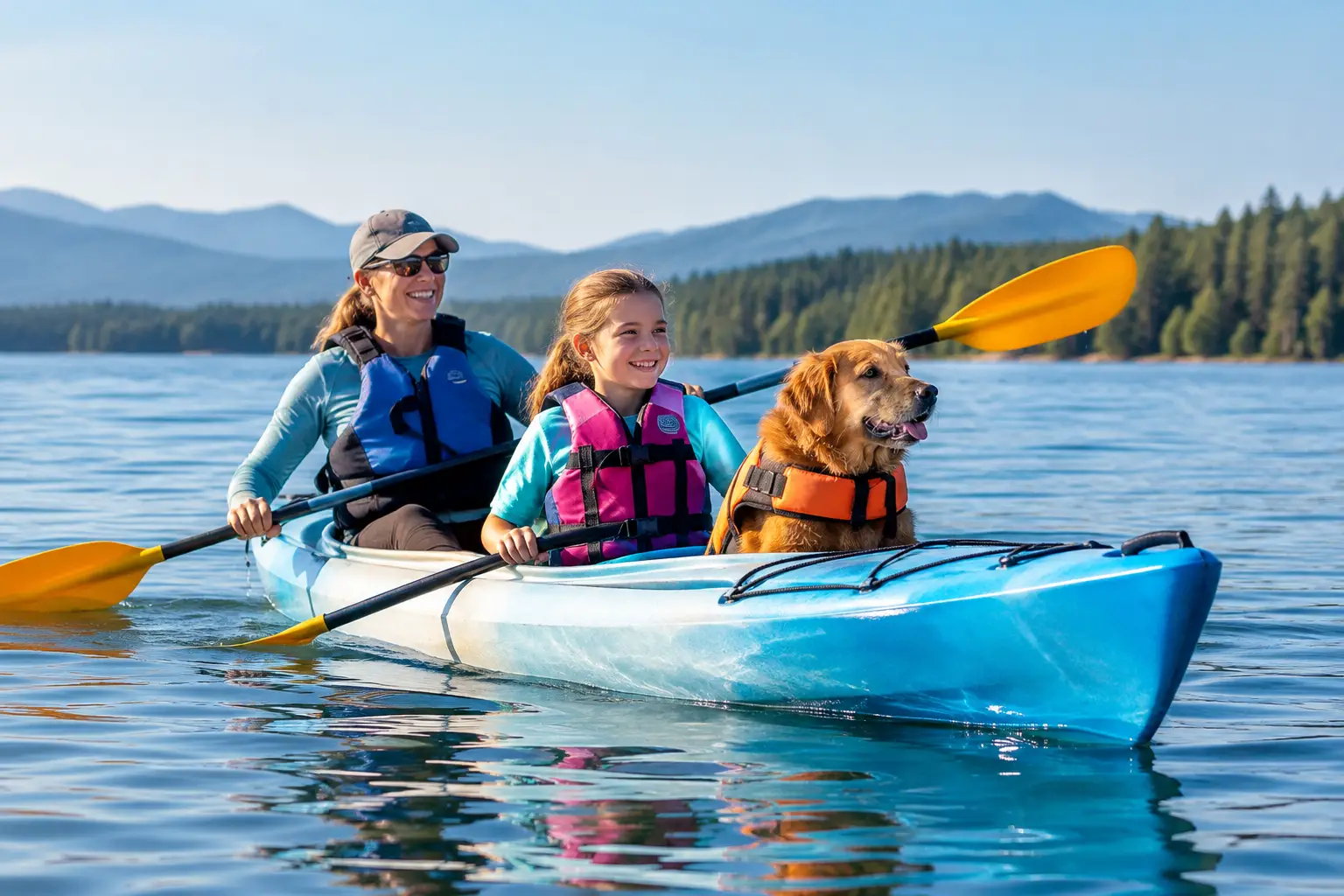
If you are choosing between a single and tandem kayak, be honest about your preferences. A single gives you full control and your own pace. A tandem can be a great option for a nervous first-timer, a parent paddling with a child, or a couple ready to practice communication before lunch. Tandems are fun, but they do work best when both paddlers agree on a simple rhythm. One person should avoid paddling hard while the other is taking a photo of every passing heron.
What to Wear on a Kayak Tour
Dress for the water, not just the temperature in the parking lot. Kayaking is an active experience, and even on a calm day, a paddle drip or wet seat is part of the deal. Quick-drying athletic clothes, a swimsuit, or lightweight layers are usually more comfortable than heavy cotton jeans or bulky sweatshirts.
In warm weather, wear sun protection you will actually use: sunscreen, sunglasses with a retaining strap, and a hat that stays put. A long-sleeve sun shirt can be more comfortable than repeatedly applying sunscreen, especially during a longer tour. On cooler days, bring a light windbreaker or insulating layer that can handle a little moisture.
Footwear should stay on your feet and handle getting wet. Water shoes, sport sandals with heel straps, or old sneakers are solid choices. Flip-flops are easy to lose, difficult to paddle in, and tend to become river souvenirs at exactly the wrong moment.
Every paddler needs a properly fitted personal flotation device, also called a PFD or life jacket. This is not optional gear or a photo prop. Wear it correctly, buckle it before launching, and keep it on while you are on the water. A comfortable, snug PFD is a major part of what lets beginners relax and enjoy the trip.
Pack Light, But Pack Smart
You do not need to bring everything you own. In fact, an overloaded kayak can make entering, exiting, and finding your essentials more annoying than it needs to be. Bring only what you are comfortable carrying and keeping dry.
A small dry bag is useful for your phone, keys, wallet, and medications. If you do not have one, ask about available storage options before you arrive, and do not assume your pockets will keep valuables dry. Water has a funny way of finding the one phone you thought was safe.
For most tours, the smart basics are simple:
- A filled reusable water bottle
- Sunscreen and lip balm with SPF
- Sunglasses and a hat
- A small snack for before or after your paddle
- A dry change of clothes for the ride home
- Any necessary medication, including an inhaler or allergy medication
Leave valuables, loose jewelry, and irreplaceable items at home when possible. If you bring a camera or phone, secure it. The best photos are not worth turning your afternoon into a search-and-rescue mission for electronics.
Arrive Ready to Listen
The most useful thing you can bring to a first kayak tour is a few extra minutes. Arrive early enough to check in, use the restroom, get fitted for your PFD, and hear the full safety talk without rushing. Showing up at the launch time instead of before it can put your whole group behind, and launch cutoffs exist for good operational and safety reasons.
During instruction, listen for the basics: how to hold the paddle, how to steer, what to do if you drift away from the group, and how to get help. You do not need to memorize a textbook. You simply need to know the plan and pay attention to your guide.
Your first few paddle strokes may feel awkward. That is normal. Keep your hands relaxed, sit upright, and use your torso rather than only your arms. Small, smooth strokes are more effective than wildly slapping the water. If your kayak turns when you want it to go straight, pause, take a breath, and ask for a tip. Guides have seen it all, including the classic first-timer move of paddling on one side for five minutes and wondering why the boat is circling.
Check the Day’s Details Before You Go
Weather can change what feels comfortable on the water. Check the forecast the night before and again before leaving home. A warm, sunny day calls for extra water and sun protection. A cooler morning may call for layers you can remove later. If storms, high winds, or unsafe conditions are in the forecast, follow the operator’s instructions rather than trying to force the day to happen.
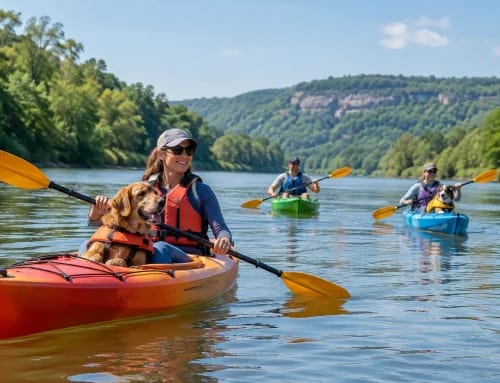
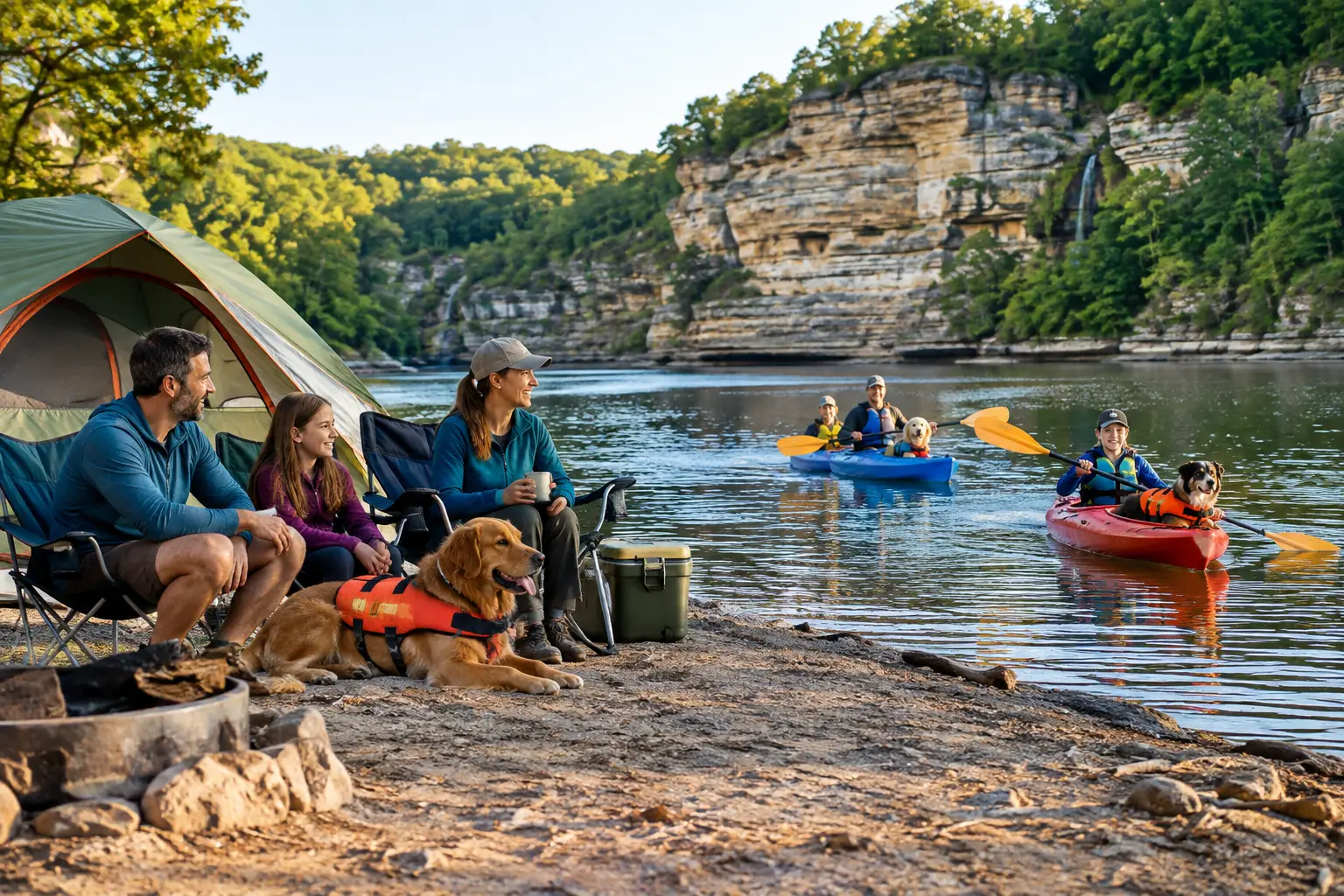
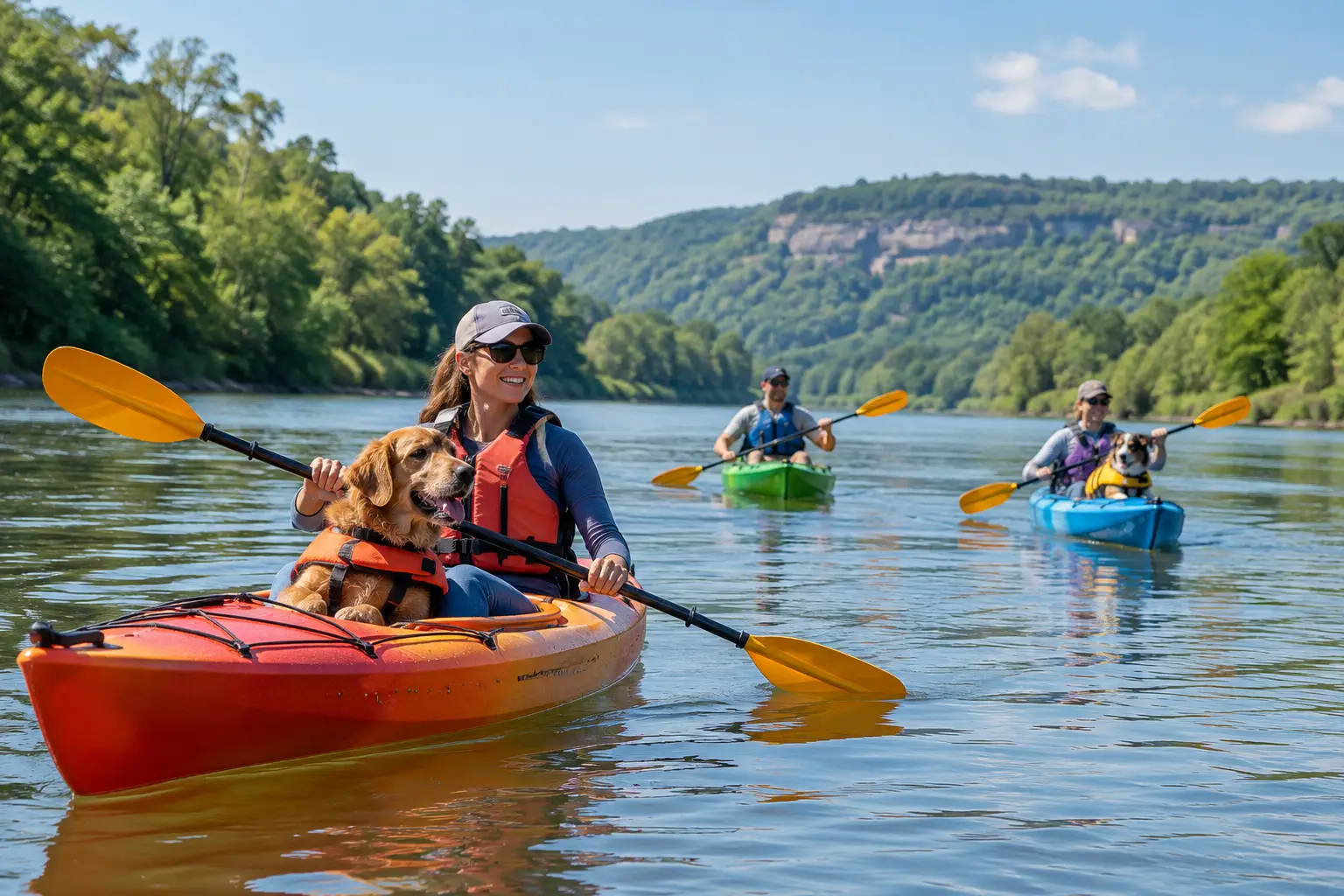
Also confirm your reservation time, meeting location, tour length, age requirements, and any rules for pets or children. Dog-friendly kayaking can be a fantastic outing, but it works best for dogs that are comfortable around people, PFDs, new sounds, and sitting calmly in a boat. Dogs should have their own canine life jacket, fresh water, and a plan for shade and breaks afterward.
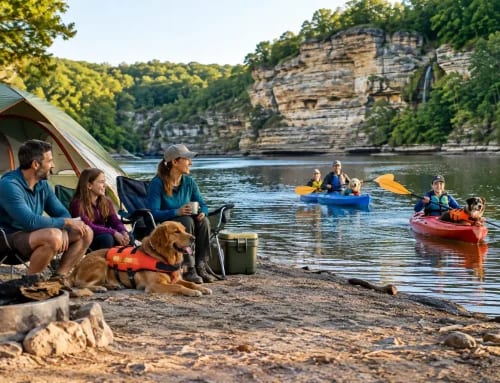
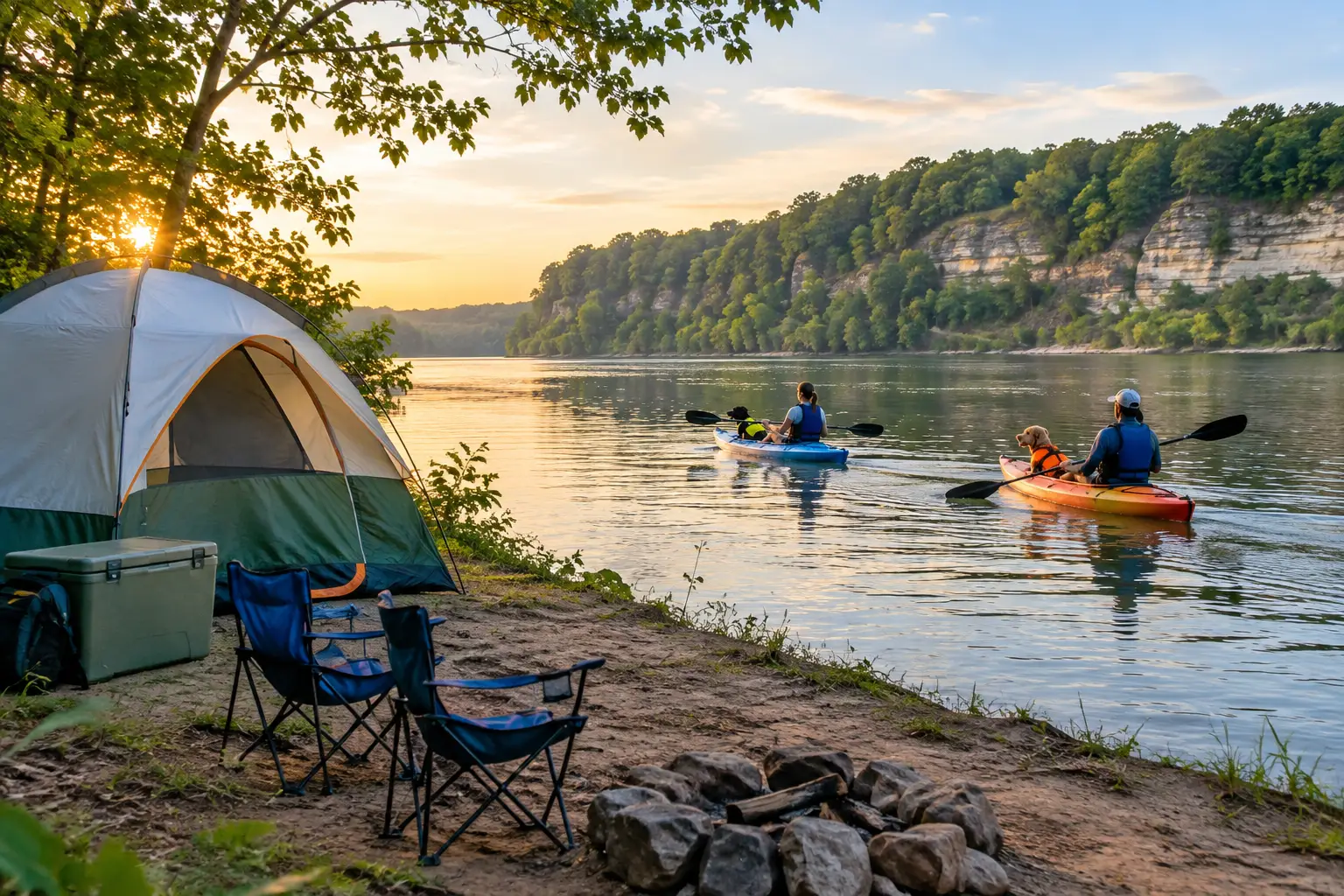
If you are planning a weekend getaway, turn the paddle into part of a bigger near-Chicago reset. Kayak Starved Rock Campground makes it easy to pair time on the river with waterfront camping, whether you bring a tent, set up a pop-up camper, or book a tear drop camping stay. After a day outdoors, a campfire and a night near the water beat fighting traffic home while still damp from sunscreen.
Know What to Do If You Feel Nervous
Almost every beginner has a moment before launching when they wonder whether they are about to tip over immediately. Usually, that feeling disappears once the kayak is moving. Sit low, keep your weight centered, and avoid sudden leaning or standing. Stable touring kayaks are designed to help newcomers feel secure, but they still respond best to calm movements.
If you need a break, say so. If your hands are tired, ease up. If you are unsure where to paddle, ask. A guided group is not a race, and there is no prize for pretending you are having more fun than you are. The goal is to build confidence at a pace that feels good.
Hydrate before you launch, eat a normal meal or snack beforehand, and let someone know if you have a medical concern that could affect your day. This is practical information, not something to be embarrassed about. A good guide would rather know how to support you than guess.
Make Room for the Good Stuff
Once the logistics are handled, stop trying to paddle perfectly. Look up from the bow of your kayak. Notice the cliffs, the trees, the birds, and the way your group gets quieter once everyone finds their rhythm. The first tour is not about proving you are an expert. It is about discovering that a few hours on calm water can make the rest of the week feel farther away.
Bring your PFD, your sense of humor, and enough time to enjoy the shoreline after you land. Your first kayak tour may be the start of a new favorite way to spend a weekend.