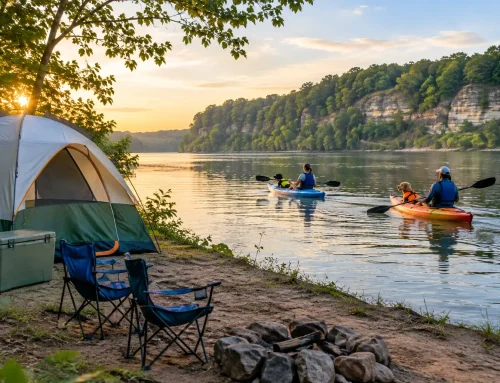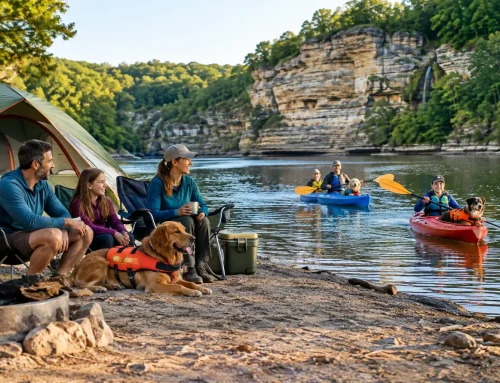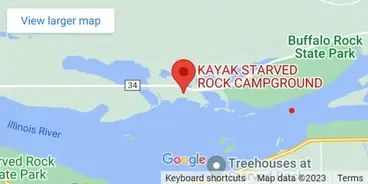
A good waterfront tent campsite review should answer one question before anything else: will this actually feel like a break from Chicago, or will it feel like hauling your apartment into the woods? For campers who want river views, an easy place to paddle, and a camp setup that does not require advanced wilderness skills, camping along the Illinois River near Starved Rock delivers the kind of weekend that starts relaxing before the tent stakes are in.
This is not remote backcountry camping, and that is the point. It is a close-to-home escape built for first-time campers, families, couples, friend groups, and dogs who believe every road trip should end with a new smell to investigate. The river, the sandstone bluffs, and nearby trails bring the scenery. A ready-made campsite and easy kayaking bring the low-stress fun.
What a Waterfront Tent Campsite Gets Right
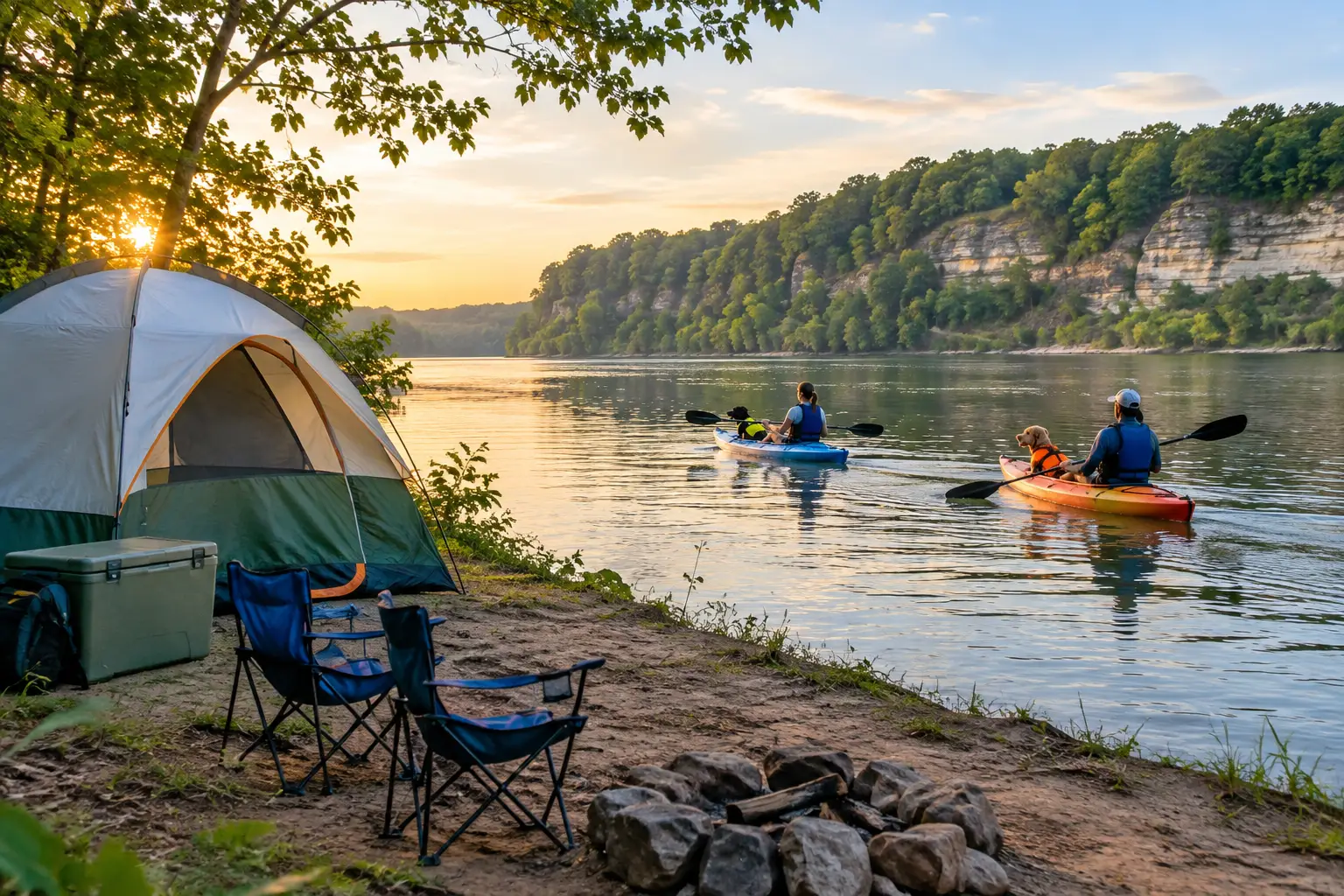
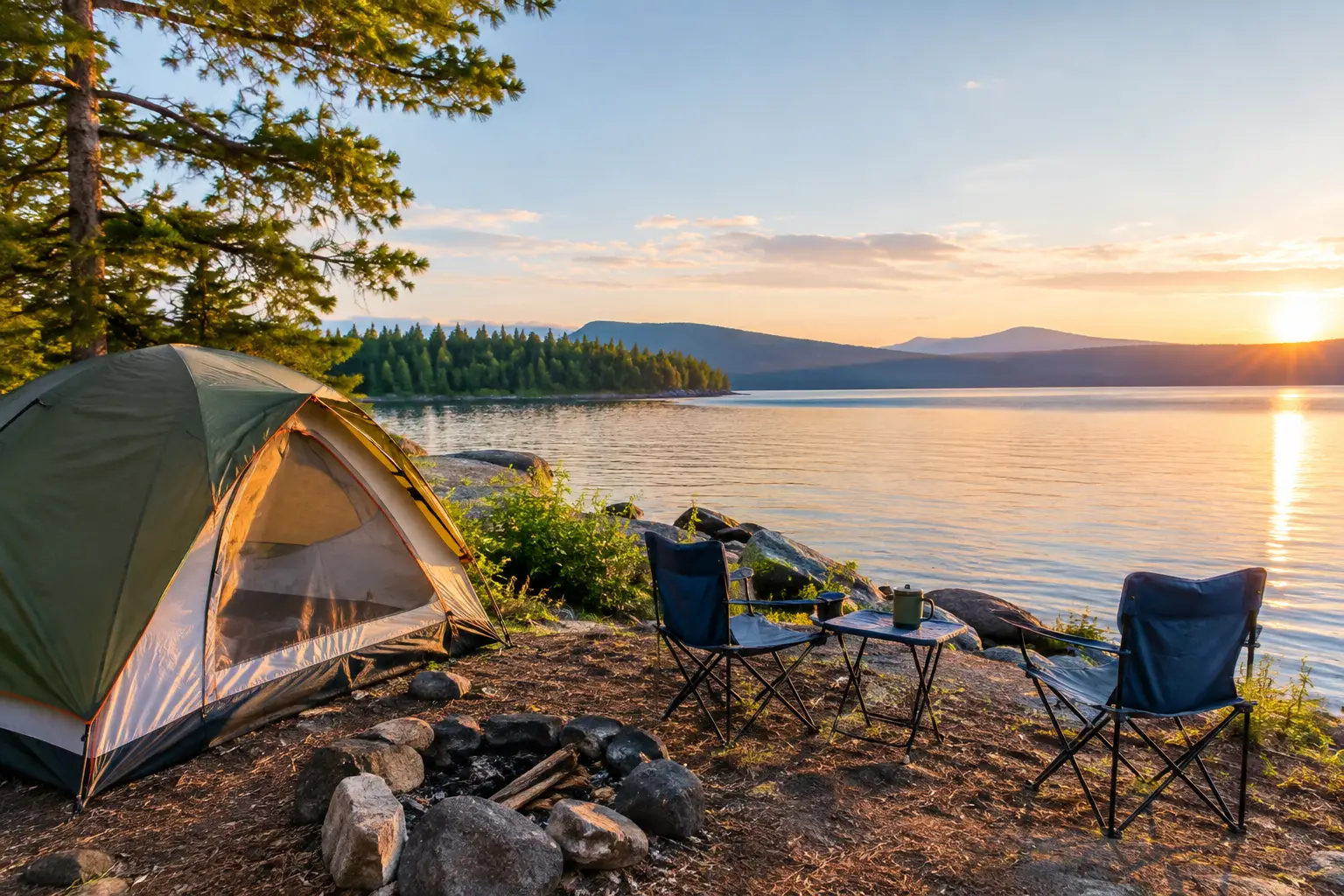
The biggest advantage of waterfront camping is simple: your view does not end at the tree line. Wake up, unzip the tent, and the Illinois River is right there. The water creates a calmer, more open feeling than a crowded campground loop, especially when the day starts quietly and the evening light hits the shoreline.
For a weekend near Starved Rock State Park, that setting also makes your itinerary easier. You can spend a morning on nearby trails, return to camp for lunch, and get out on the water without packing up the car and driving to a separate launch. That is a big win for anyone trying to fit a real adventure into one or two nights.
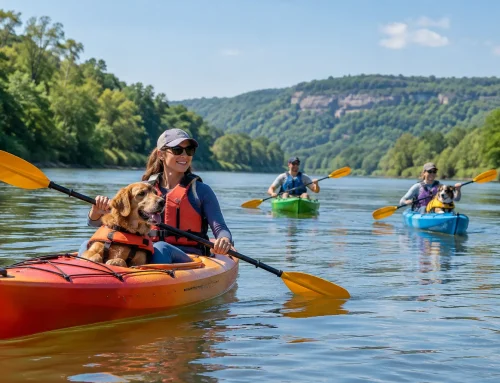
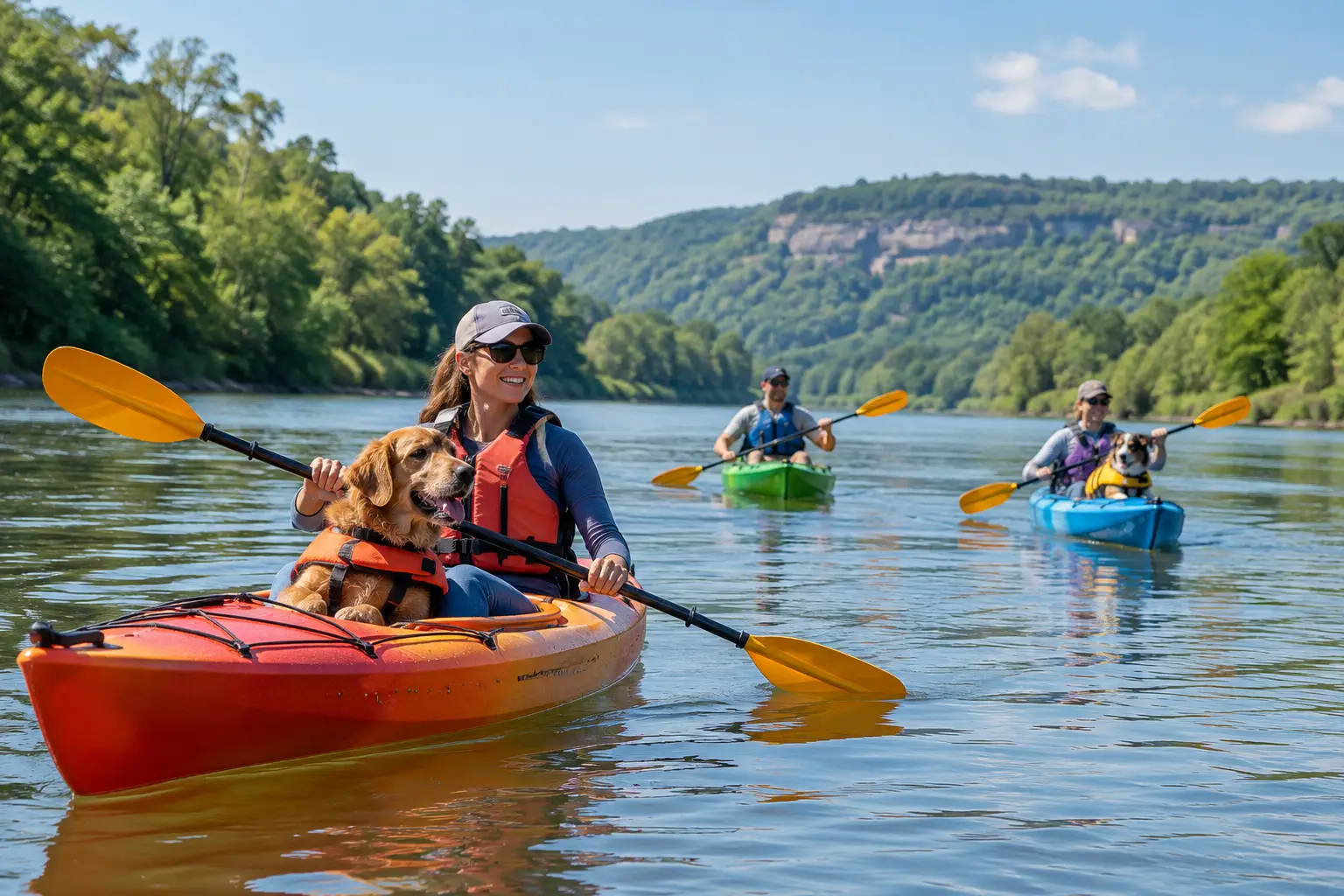
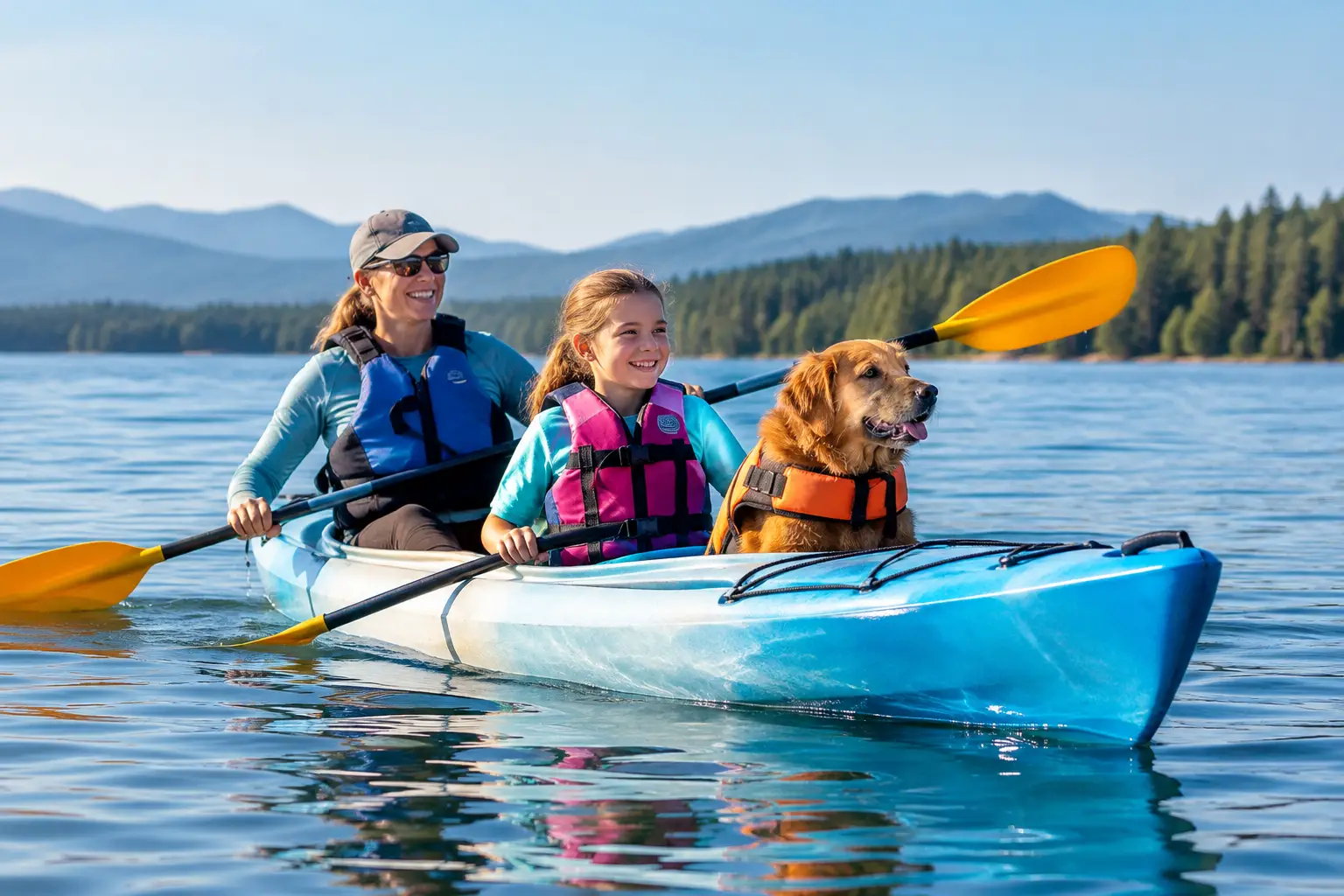
At Kayak Starved Rock Campground, the river is dam-controlled and flatwater, which means beginner paddlers are not signing up for a whitewater test. The water is generally calm and shallow, with no current to fight. It is a confidence-building place to learn the basics, whether you choose a guided paddle or rent a single or tandem kayak.
The trade-off is that this is a recreation-focused campground, not an isolated wilderness site. You may hear the normal sounds of people having fun nearby, particularly during busy weekends. Campers looking for complete solitude may prefer a more remote trip. Campers who want scenery plus an easy activity plan will likely see that energy as part of the experience.
Waterfront Tent Campsite Review: Who Will Love It?
This kind of campsite works especially well for the camper who wants a memorable weekend without spending Friday night searching for missing tent poles. If you are coming from Chicago or the northern suburbs, the drive is manageable enough for a Friday departure after work. You can arrive, settle in, and still have time to watch the river change color before dark.
It is also a smart choice for people who are tent-curious but not fully tent-committed. A traditional tent campsite gives you the classic campfire-and-sleeping-bag feeling, while a pop-up camping option can cut down on setup stress. Tear drop camping is a nice middle ground for guests who want a more contained, cozy place to sleep but still want the campground atmosphere outside their door.
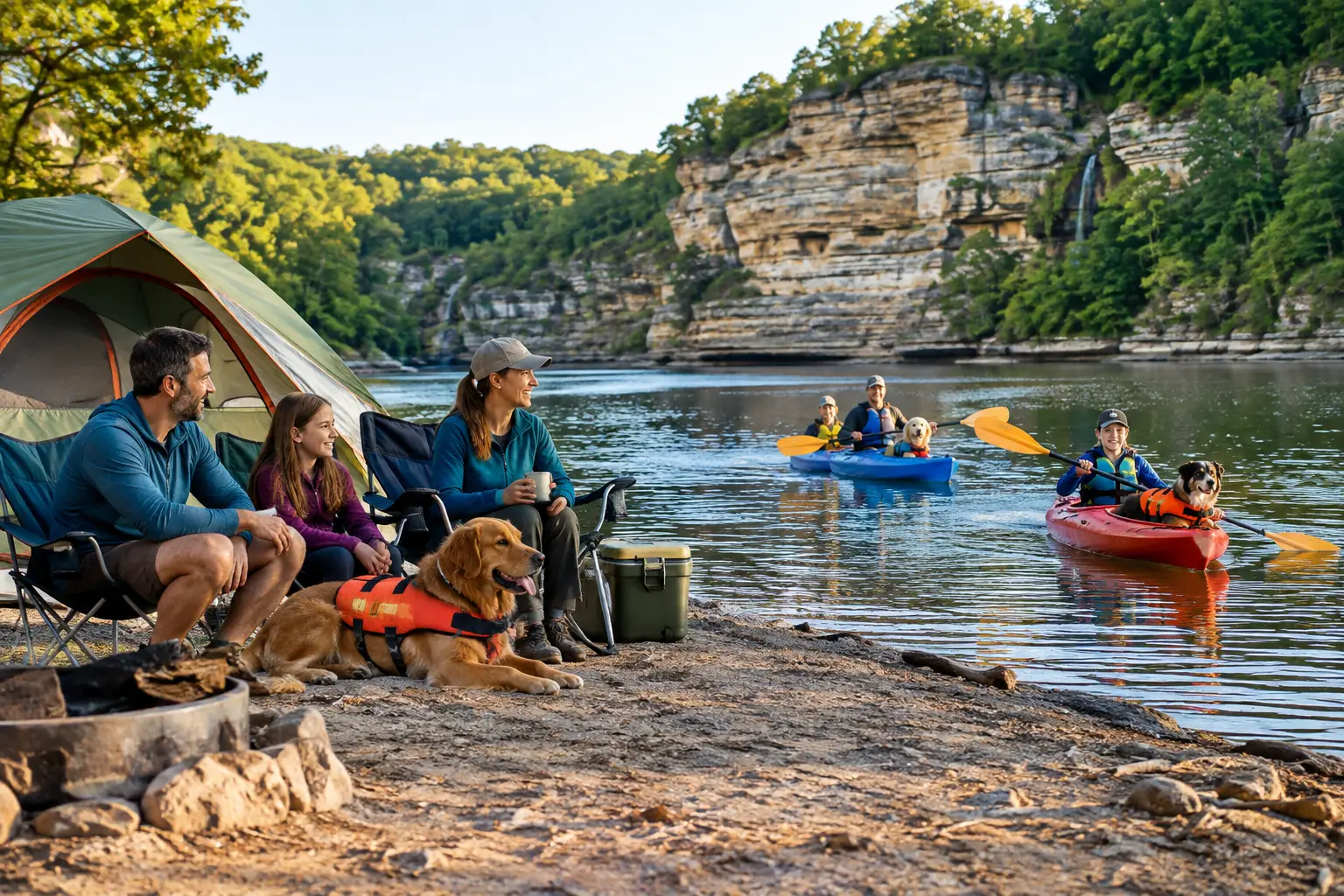
Families appreciate having an activity close by that does not demand expert skills. Couples get a weekend that feels more intentional than dinner and a hotel. Groups can kayak together, cook together, and then spend the evening telling the same story of who got splashed first. Everybody wins, except maybe the friend who forgot bug spray.
It is a particularly good fit for beginners
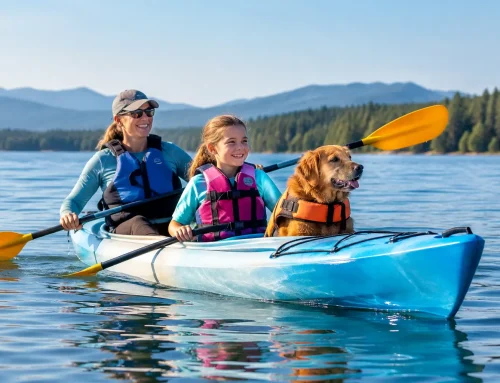
Flatwater kayaking has a friendly learning curve when someone gives you a proper introduction. Before launching, paddlers should receive safety direction, wear a properly fitted personal flotation device, and understand where to go on the water. PFDs are required, not optional. They are part of the plan, like sunscreen, snacks, and deciding who is in charge of the cooler.
Guided tours are a strong option for first-timers or anyone who wants local context along with their paddle. A guide can keep the group organized, cover basic technique, and help you spend less time wondering if you are heading the right way. More independent paddlers may prefer a rental after instruction and a quick look at the route map.
Camping Near Starved Rock Means You Can Do More, Not Rush More
Starved Rock State Park is known for wooded trails, seasonal waterfalls, canyons, and bluff views. Adding an Illinois River campsite turns a day visit into a fuller weekend. Instead of racing through the park and then driving home tired, you have a home base where the good part of the day can keep going.
A practical rhythm is to hike earlier, especially in warmer weather, then paddle later when you are ready to cool off. The reverse can work, too: get on the river while the morning is calm, return for a relaxed lunch, and hit the trails in the afternoon. Your best plan depends on the season, weather, and your group’s energy level.
Do not try to cram every trail, canyon, paddle route, and photo stop into one day. This is where waterfront camping earns its keep. You have permission to slow down. A short paddle followed by a long campsite dinner can be just as good as an ambitious all-day itinerary.
What to Pack for Tent, Pop-Up, and Tear Drop Camping
The exact packing list changes with your camping style, but comfort is what makes the weekend work. Tent campers should bring a sleeping pad or air mattress, warm bedding for cool nights, a headlamp, and a weather-ready layer even in summer. The river can make evenings feel cooler than expected.
For pop-up or tear drop camping, focus less on shelter hardware and more on the pieces that make camp feel easy: camp chairs, a lantern, easy breakfast food, refillable water bottles, and a small tote to keep essentials organized. Check the details of your selected camping package before arrival so you know what is included and what you need to bring yourself.
Four items deserve a place in nearly every camp bin:
- Sunscreen and bug spray for time on the shoreline and on the water.
- Closed-toe shoes or secure sandals that can handle a damp launch area.
- A dry bag or waterproof pouch for keys, phones, and medication while kayaking.
- A leash, waste bags, water bowl, and familiar bedding if your dog is joining.
Keep food storage tidy and dispose of trash properly. It is better for the campground, better for wildlife, and much better than finding out a raccoon has stronger opinions about your late-night snacks than you do.
Dog-Friendly Camping and Kayaking: Plan for the Pup
A dog-friendly camping trip near Chicago is a gift to people and pets alike, but it works best when everyone has a role. Some dogs love the excitement of a campsite and settle quickly once their bed is down. Others need a little more space, shade, and a quiet break after a busy drive or hike.
Bring fresh water for your dog even though you are camping beside a river. River water is for looking at and paddling on, not a substitute for a clean drinking bowl. Keep your dog leashed where required, be considerate of neighboring campers, and pack a pet PFD if your dog will be in a kayak. Not every dog enjoys boating, so there is no prize for forcing the issue. A shoreline walk and a campsite nap can be their perfect adventure.
The Details That Make a Weekend Feel Easy
The best near-Chicago camping packages remove common friction without pretending the outdoors comes with room service. Book ahead for busy weekends, especially if you want a particular lodging style or a guided kayak experience. Pay attention to seasonal hours and last-launch cutoffs. Missing the final launch is a quick way to turn “we’ll paddle after we set up” into “we’ll paddle next time.”
Bring a flexible attitude toward weather. A light rain can turn a tent trip into a cozy one if you have dry layers and a covered place to sit. A major storm is different, and safety instructions should always lead the plan. The same goes for the water: wear the PFD, follow staff direction, and choose the outing that matches the least experienced person in your group.
A waterfront tent campsite is at its best when you leave room for the unscheduled moments: coffee by the river, a dog shaking off after a shoreline walk, the first clean stroke in a kayak, and the quiet that shows up after the campfire conversation winds down. Pack the basics, book the experience that fits your crew, and let the river do the rest.