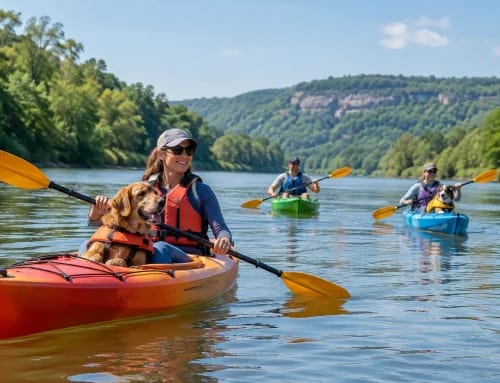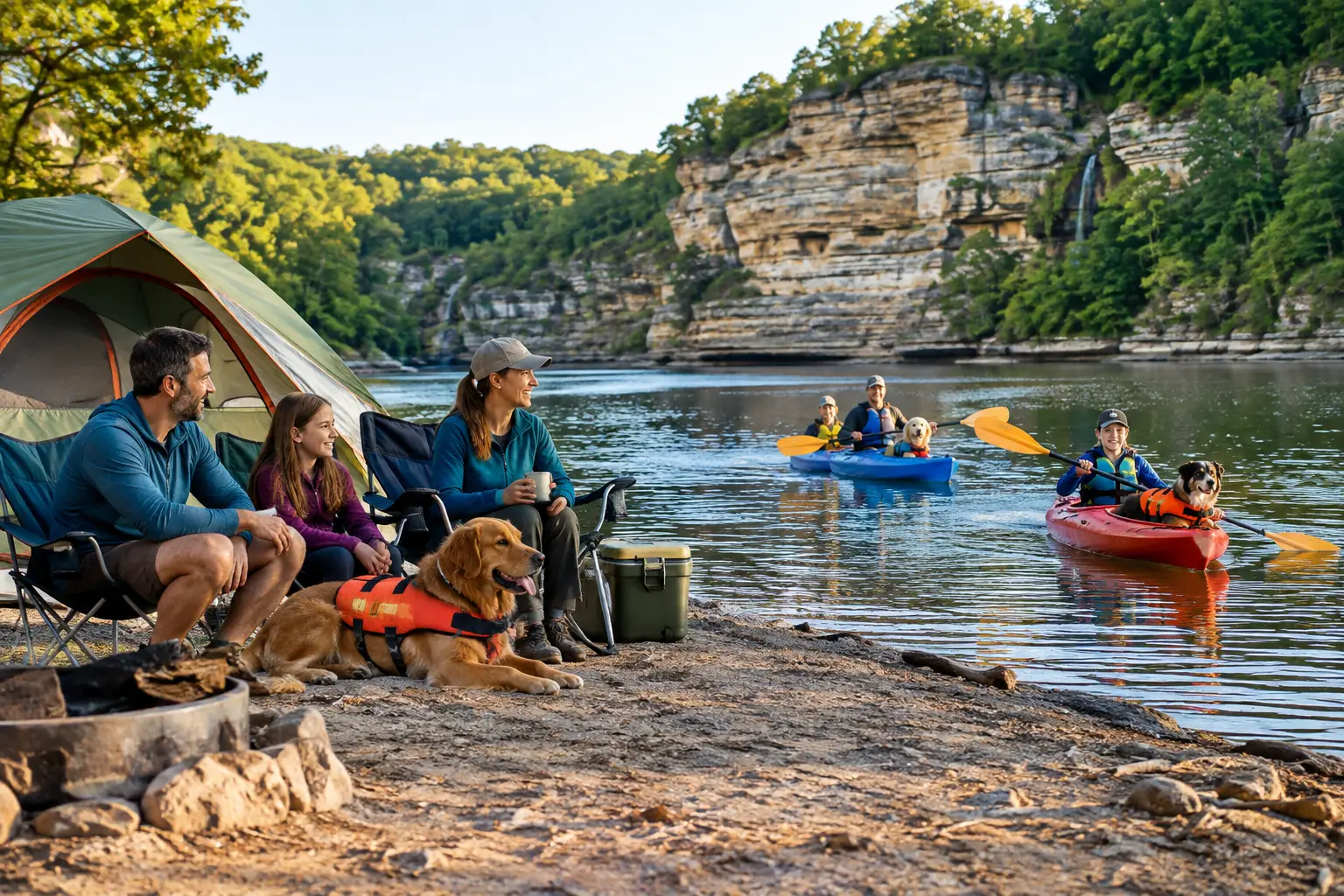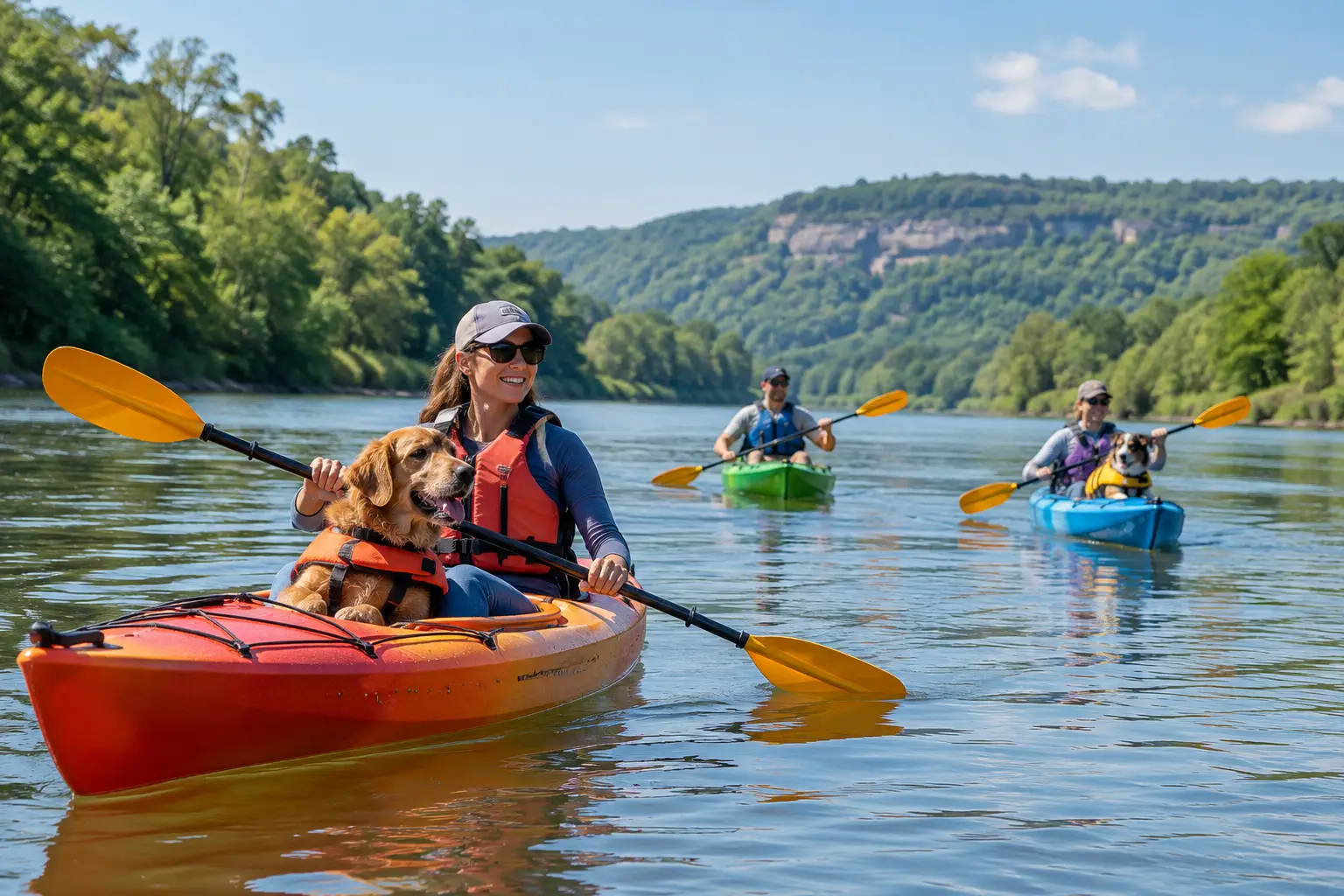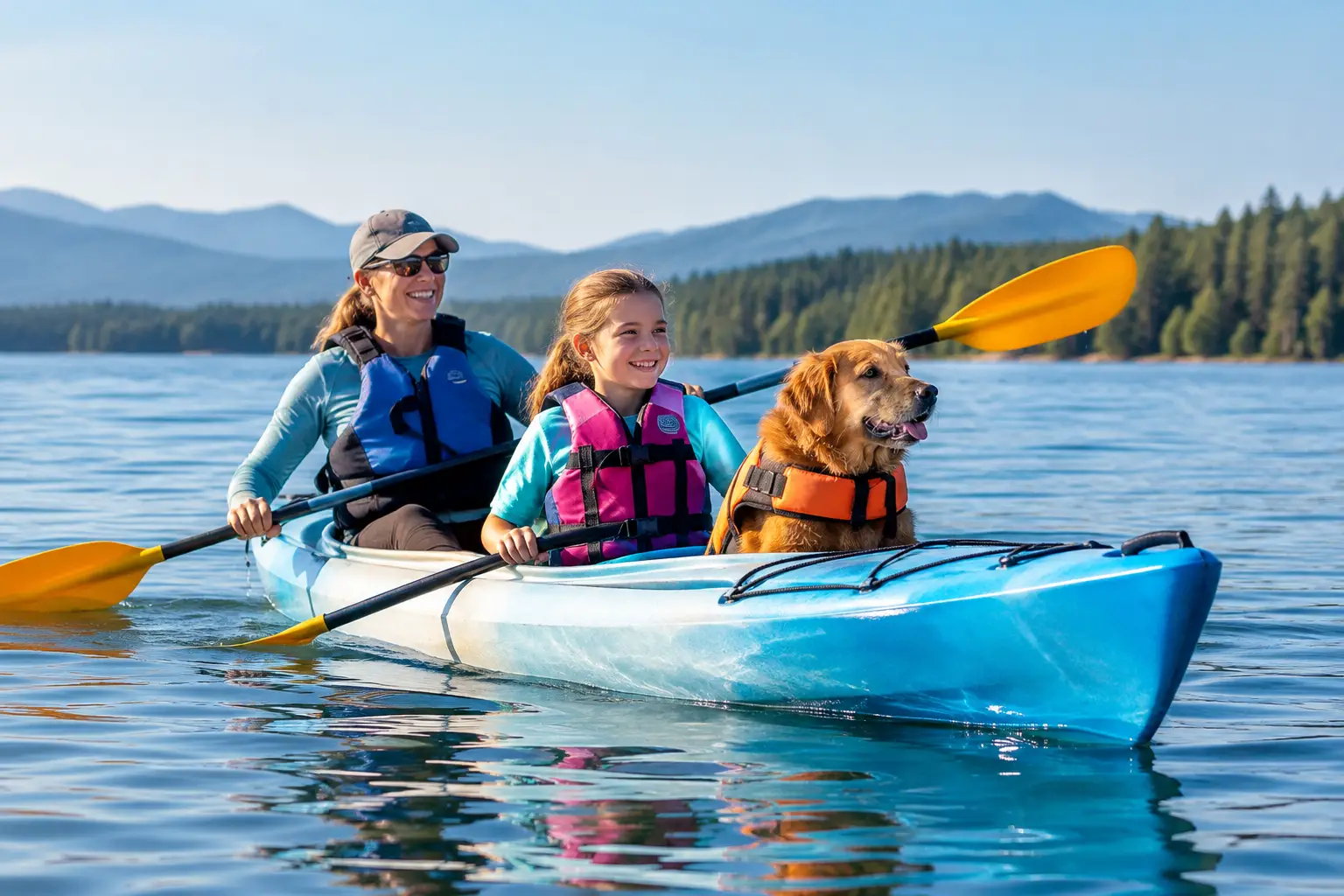
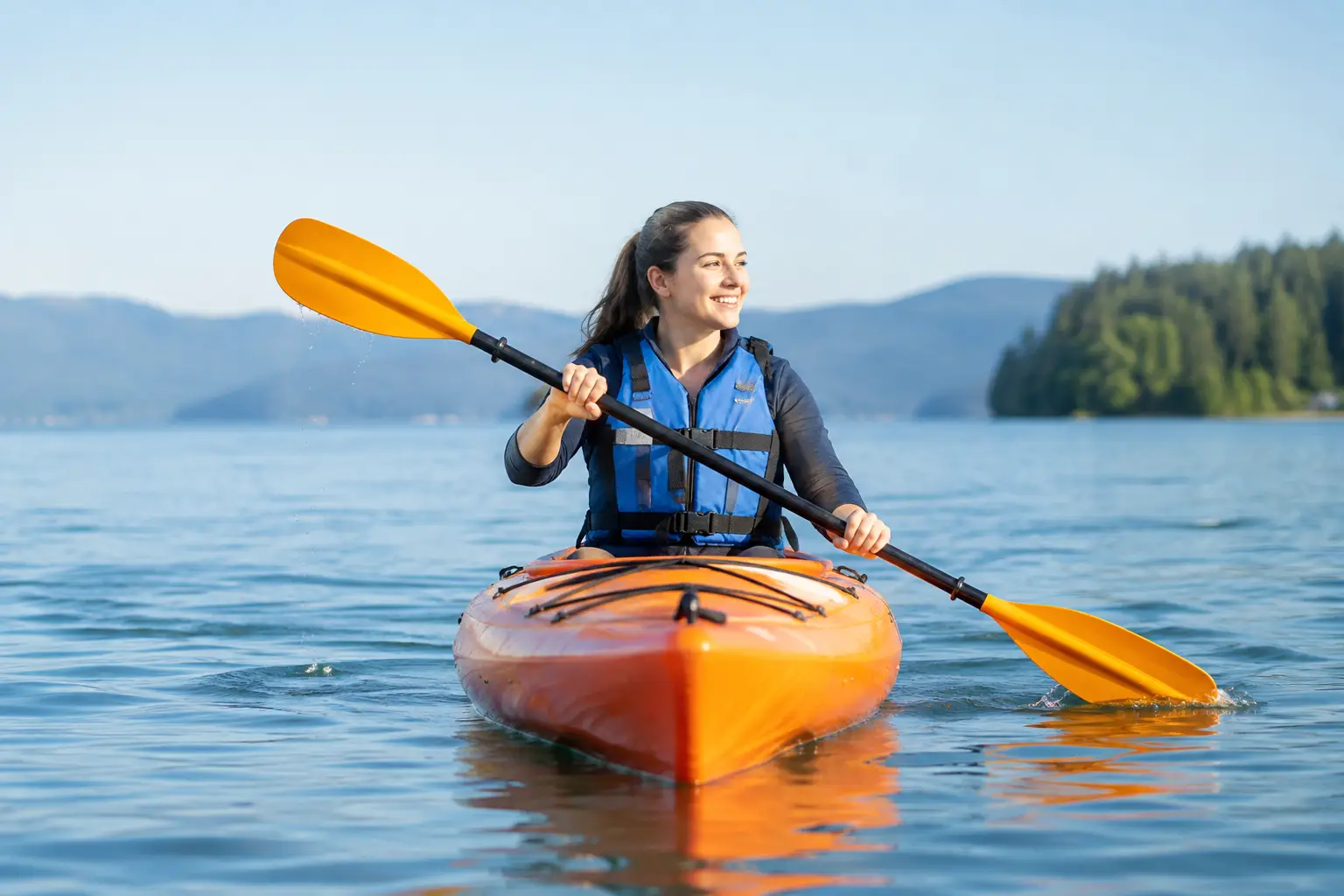
That little wobble when you first sit down is real. It is also usually the moment when first-timers ask, are kayaks stable? The honest answer: yes, especially the recreational and touring kayaks used on calm, protected water. They can feel tippy before your body relaxes, but a properly sized kayak on flatwater is designed to help ordinary people paddle, laugh, take photos, and make it back to shore with dry snacks.
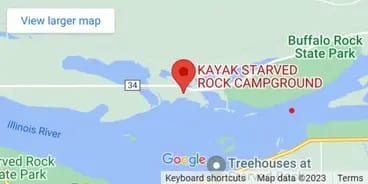
At Kayak Starved Rock Campground, the Illinois River setting is dam-controlled, shallow in many areas, and free of the rushing current that makes new paddlers nervous. Add a required life jacket, a clear safety talk, and a little guidance before launch, and kayaking becomes much less of a balancing act than it looks from the shore.
Are Kayaks Stable for Beginners?
Most beginner-friendly kayaks are very stable. The boats commonly used for casual rentals have a wider base and a roomy cockpit, which helps them resist side-to-side rocking. Think of the difference between standing on a wide bench and standing on a narrow curb. Both can support you, but one asks far less of your balance.
There are two kinds of stability worth knowing about. Primary stability is how steady a kayak feels while sitting flat on calm water. Wide recreational kayaks tend to have plenty of it, which is why they are a great fit for families, couples, and people who have never held a paddle before.
Secondary stability is how supported the boat feels when it starts to lean. Narrower, longer touring kayaks may feel a little livelier at first, but they can be very secure when edged properly. That is useful for experienced paddlers who want efficiency and responsiveness. For a first outing, though, a stable recreational or premium touring rental on quiet water is plenty of boat without turning your afternoon into a physics lesson.
A kayak is not a floating couch. It will move with your body, your paddle strokes, and small waves. But movement does not mean danger. Once you understand how to sit and paddle, that gentle motion starts to feel natural – and honestly, kind of fun.
What Makes a Kayak Feel Stable?
The boat matters, but your setting and technique matter just as much. A wide kayak with a broad, flatter hull generally feels more settled than a narrow racing-style boat. A longer kayak can track straighter and glide efficiently, while a shorter recreational boat is often easier to turn and manage close to shore.
Water conditions are the big mood-setter. Calm flatwater is friendlier than wind, boat wake, rapids, or a strong river current. That is why a flatwater paddle near Starved Rock State Park can be such a confidence-builder. You get the scenery – sandstone bluffs, river views, and that welcome break from Chicago traffic – without being asked to learn whitewater skills.
Your body position makes a surprising difference, too. Sit upright but relaxed, with your back supported and your feet comfortably braced. Keep your shoulders loose. New paddlers sometimes grip the paddle like it owes them money, then stiffen every time the boat wiggles. Loosen your hands, take easy strokes, and let your hips move naturally with the kayak.
Where you put your weight matters. Keep heavier items low and centered in the boat. Avoid leaning far over the side to grab a floating phone, inspect a turtle, or reach for a water bottle. If something lands in the water, tell your paddling buddy or guide and handle it calmly. The river will survive without your dramatic rescue maneuver.
Tandem Kayaks: More Stable, More Teamwork
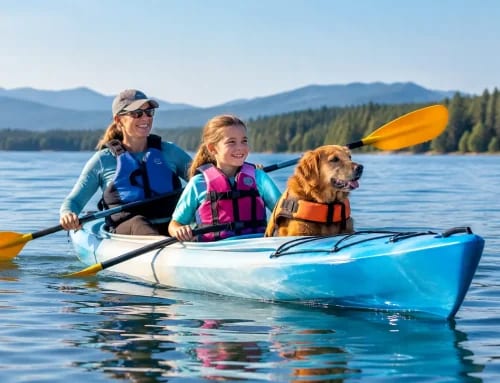
A tandem kayak can feel especially reassuring because it is longer, wider, and built to carry two people. It is a popular choice for couples, parents with children, and friends who want to share the experience. You also get twice the snack storage potential, which is not an official stability feature but certainly improves morale.
The trade-off is teamwork. Tandem paddlers need to communicate. The person in back usually helps steer, while the person in front sets a comfortable rhythm. If both people paddle hard on opposite sides at random times, the kayak may zigzag. That is not instability – it is just two captains attempting to drive one boat.
Start with easy, coordinated strokes. Call out if you need a break or want to turn. A quick “left side” or “easy paddle” goes a long way. On calm water, most pairs find their rhythm within the first few minutes.
How to Feel Steady in Your First Five Minutes
The launch is often the only part that feels awkward. The kayak is most likely to wobble when it is half on shore and half floating, so take your time. Keep your weight low, hold the dock, shoreline, or a staff member’s offered support if available, and lower yourself into the seat rather than stepping in upright.
Once afloat, pause. Let the boat settle. Put your paddle across the cockpit if you need a moment, then begin with slow, low strokes. There is no prize for sprinting away from the launch.
Keep your eyes on the horizon instead of staring at the water beside your boat. Looking ahead naturally improves posture and helps your brain stop treating every ripple like an emergency. If a small wake comes by, point the bow toward it rather than letting it hit directly from the side. Stay loose, keep paddling gently, and let the kayak rise and fall over it.
Most importantly, wear your PFD correctly. A life jacket is required for good reason, and it should fit snugly enough that it will not ride up around your ears. It is not a sign that you expect trouble. It is the simple, normal piece of gear that lets everyone focus on having fun.
Flatwater Near Starved Rock Is a Smart Place to Start
Not every river paddle is right for a first-timer. Fast current, busy powerboat traffic, exposed open water, and complicated put-ins can all add stress. A beginner should not have to spend their first kayaking experience wondering whether they launched in the right place or whether they are about to miss a takeout point.
A guided kayak tour removes much of that mental clutter. You get safety instruction, on-water leadership, route support, and someone nearby who knows the conditions. It is a great option for first paddles, family outings, group celebrations, and anyone who would rather enjoy the canyons and bluffs than debate navigation.
A rental can be a good fit, too, if you want more freedom and are comfortable following a map and the staff’s launch guidance. The best choice depends on your group. If one person is nervous, a tour provides extra reassurance. If everyone has paddled before and wants a relaxed, self-paced outing, a rental may be perfect.
For dog-friendly kayaking, the same steady approach applies. Bring a dog that is comfortable around water and willing to sit or lie down in the boat. A dog PFD is a smart addition, especially for dogs that are strong swimmers but not experienced boaters. Start with a short paddle, keep your pup centered, and do not be surprised if their first job is quality-control supervisor.
A Few Things That Can Make Kayaking Less Stable
Even stable kayaks have limits. High wind can push a lightweight boat around. Large boat wakes can create unexpected side waves. Standing up, sudden leaning, roughhousing, or overloading the kayak can turn a calm paddle into a wet one.
Dress for the water temperature, not just the air temperature, and bring drinking water, sun protection, and a secure way to carry your phone. Follow launch times and return instructions. If staff advises against launching because of weather or conditions, that is not the universe canceling your fun – it is the safety plan doing its job.
If you do feel nervous, say so before heading out. Good outfitters hear it all the time. A few extra minutes of instruction can turn “I am not sure about this” into “Can we go around one more time?”
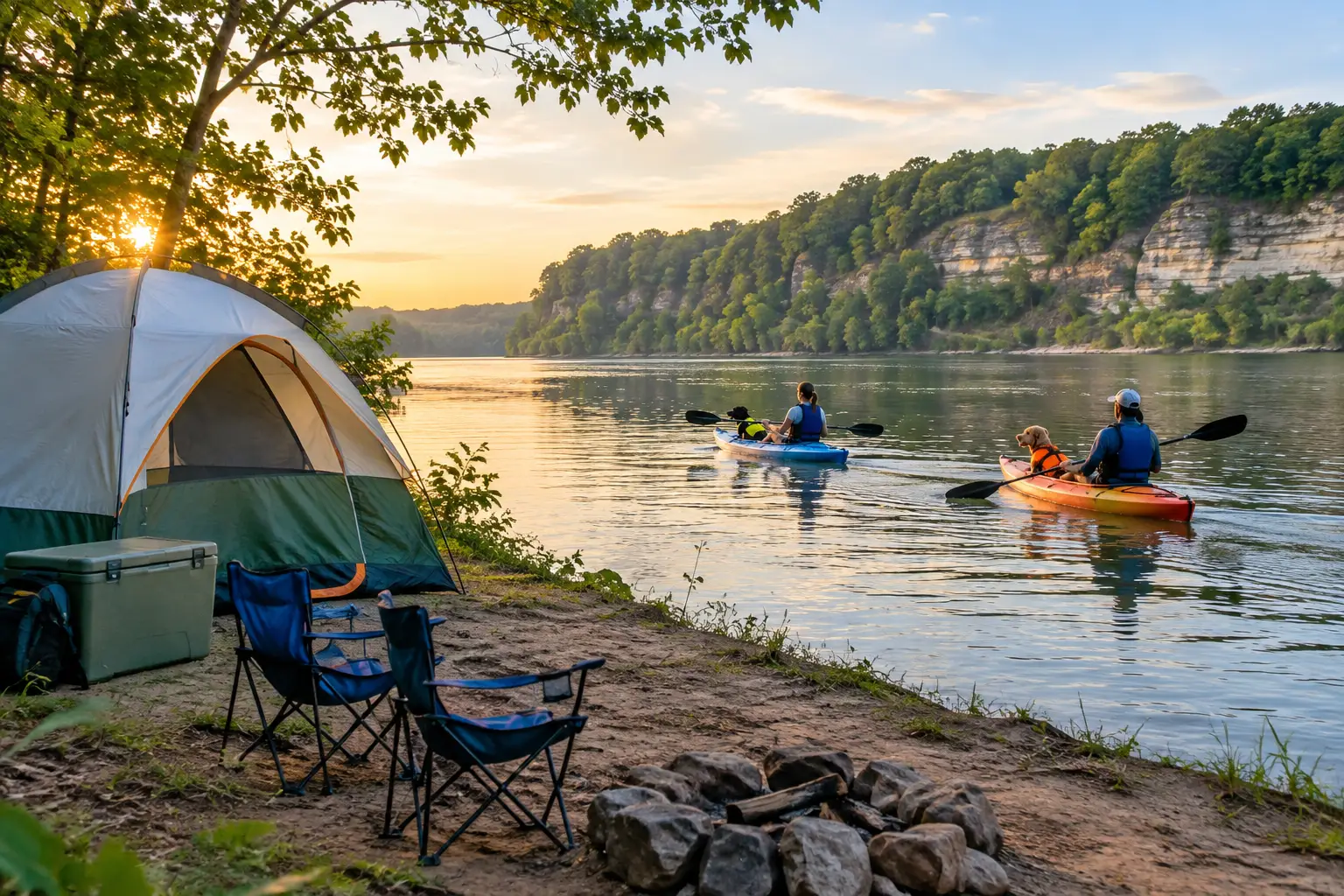
After your paddle, make the escape last a little longer. Set up a tent, pop-up camper, or teardrop camper at a waterfront campsite, trade paddle stories over dinner, and wake up close to the river instead of racing back toward the city. The best first kayak trip is not about proving you are fearless. It is about discovering that with calm water, the right boat, a properly fitted PFD, and a little support, you were capable all along.