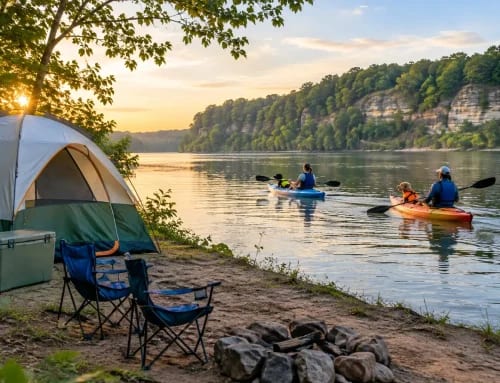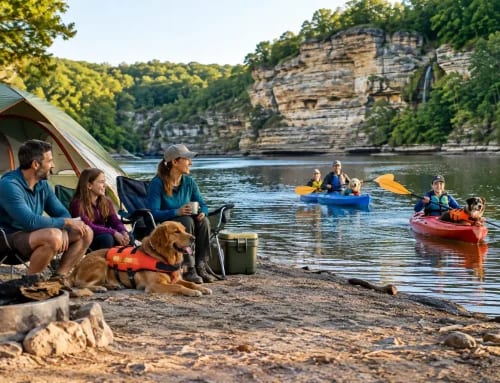
The best kayak trip starts before your boat touches the water. Kayak safety is not about turning a relaxed day near Starved Rock into a rulebook marathon. It is the simple stuff that lets you paddle farther, laugh louder, spot more eagles, and head back to camp with a great story instead of a soggy phone and a stressful rescue.
For first-timers, families, couples, and groups coming from Chicago for a quick outdoor reset, the goal is confidence. Flatwater kayaking can be wonderfully approachable, especially when you choose a well-managed launch, listen to the pre-paddle briefing, and make a few smart decisions before you go.
Kayak Safety Starts With a Proper PFD
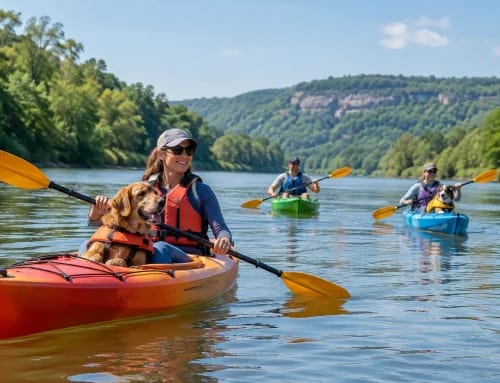
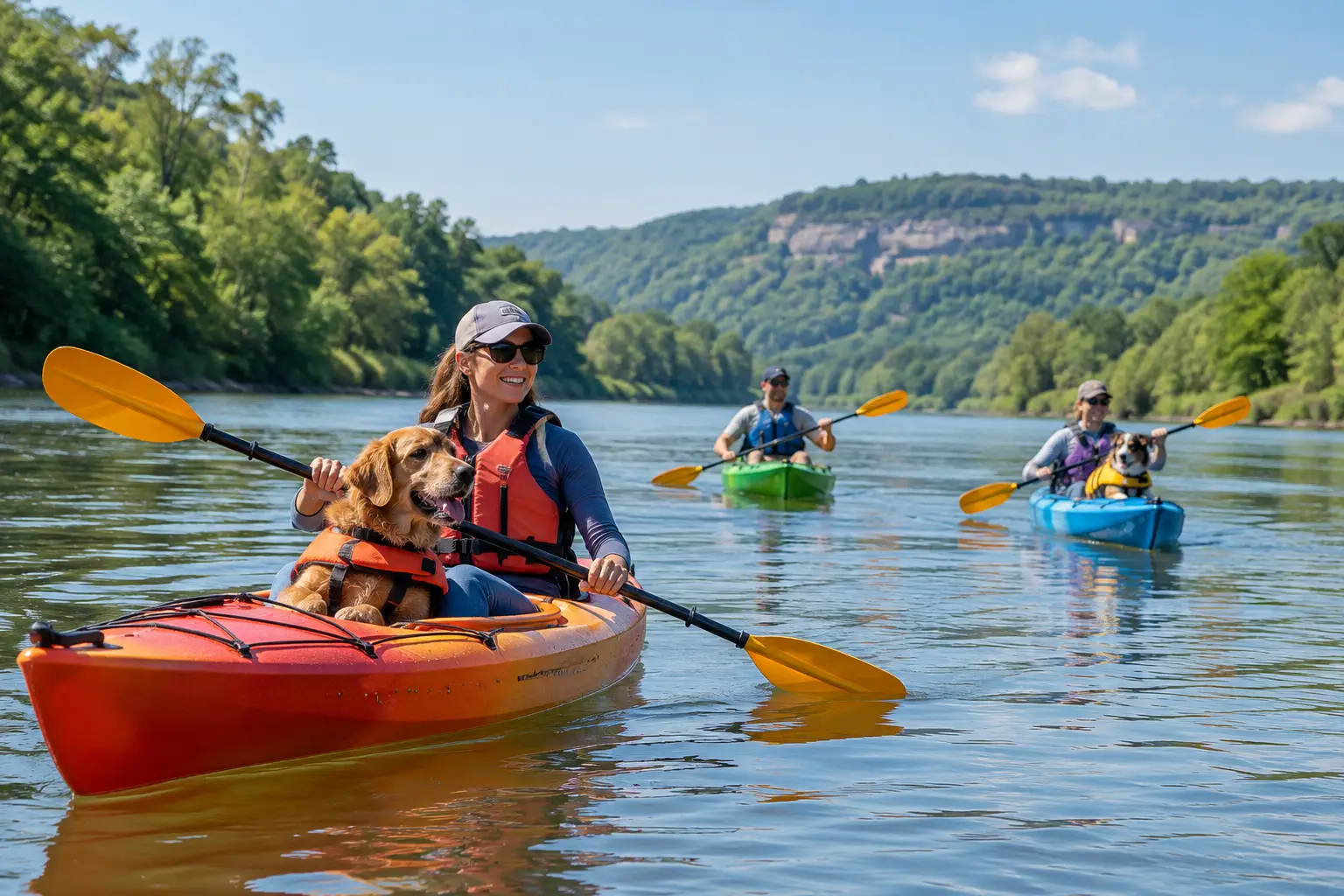
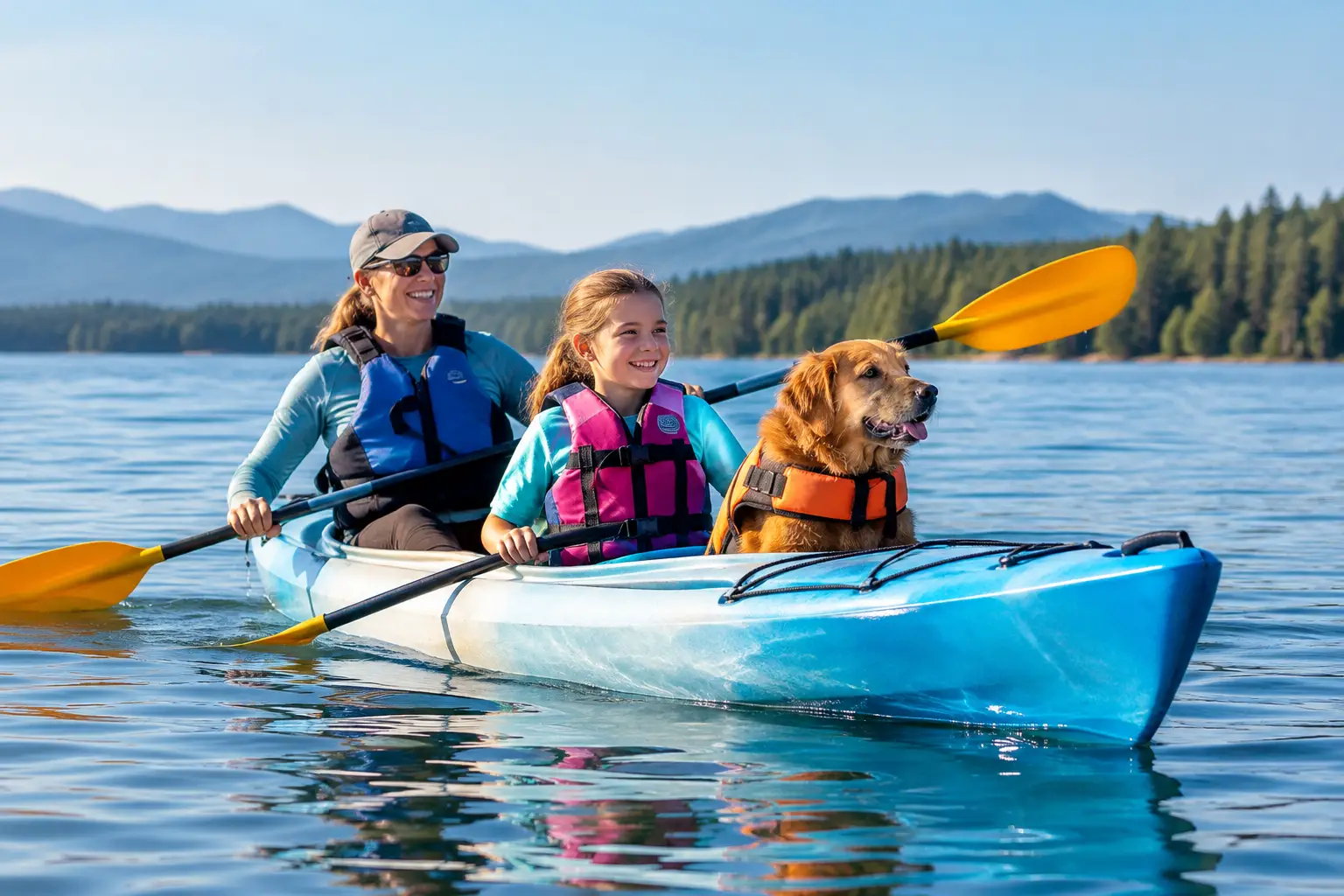
A personal flotation device, or PFD, is the one piece of gear that never gets a break. Wear it properly fitted and buckled from launch to landing. Do not stash it behind your seat, hang it on the kayak, or treat it as an emergency accessory. If you end up in the water, you may not have time to find it.
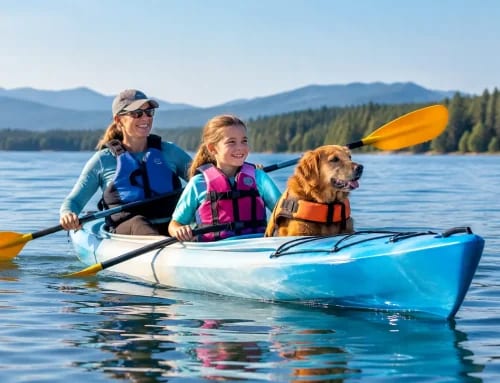
Your PFD should feel snug without making it hard to breathe or paddle. Tighten the straps, then have a friend gently lift at the shoulders. If the vest rides up toward your ears, it needs adjusting. Kids need extra attention here: an adult should check every buckle before the boat leaves shore.
A PFD also adds comfort in a surprising way. When you know you are prepared, you can relax and enjoy the scenery. That is a much better use of your energy than wondering whether your vest is close enough to count.
Choose Conditions That Match Your Group
A calm, dam-controlled flatwater setting is a friendly place to learn, but water is still water. Wind, thunderstorms, air temperature, boat traffic, and changing conditions all deserve respect. Check the forecast before leaving home and again before launching. If thunderstorms are predicted nearby, save the paddle for another time. Lightning and open water are a terrible pairing.
Wind is the sneaky one. A light breeze can feel refreshing on the way out, then become a steady workout when you turn around. Beginners should plan a shorter route when it is breezy, stay close to shore, and leave enough time to return without racing the clock.
Think about the least experienced person in your group, not the strongest paddler. A route that feels easy for one athletic friend may be exhausting for someone who is nervous, managing a child, or paddling a tandem for the first time. There is no prize for reaching the farthest point. Turning around early is good judgment, not quitting.
Dress for the Water, Not Just the Photo
Summer paddling near Starved Rock can mean bright sun, warm afternoons, and a cool splash when you least expect it. Wear quick-drying clothing, secure water shoes or sandals with heel straps, and sunscreen. A hat and sunglasses with a retainer help, too. Flip-flops are easy to lose in mud, on a dock, or during an awkward exit.
Cotton is comfortable at camp, but it stays wet and chilly on the water. Lightweight athletic fabrics are a better choice for paddling. Bring a dry layer for later, especially if you are pairing your kayak trip with waterfront camping. Even a warm day can feel different once the sun drops and you are sitting around the fire.
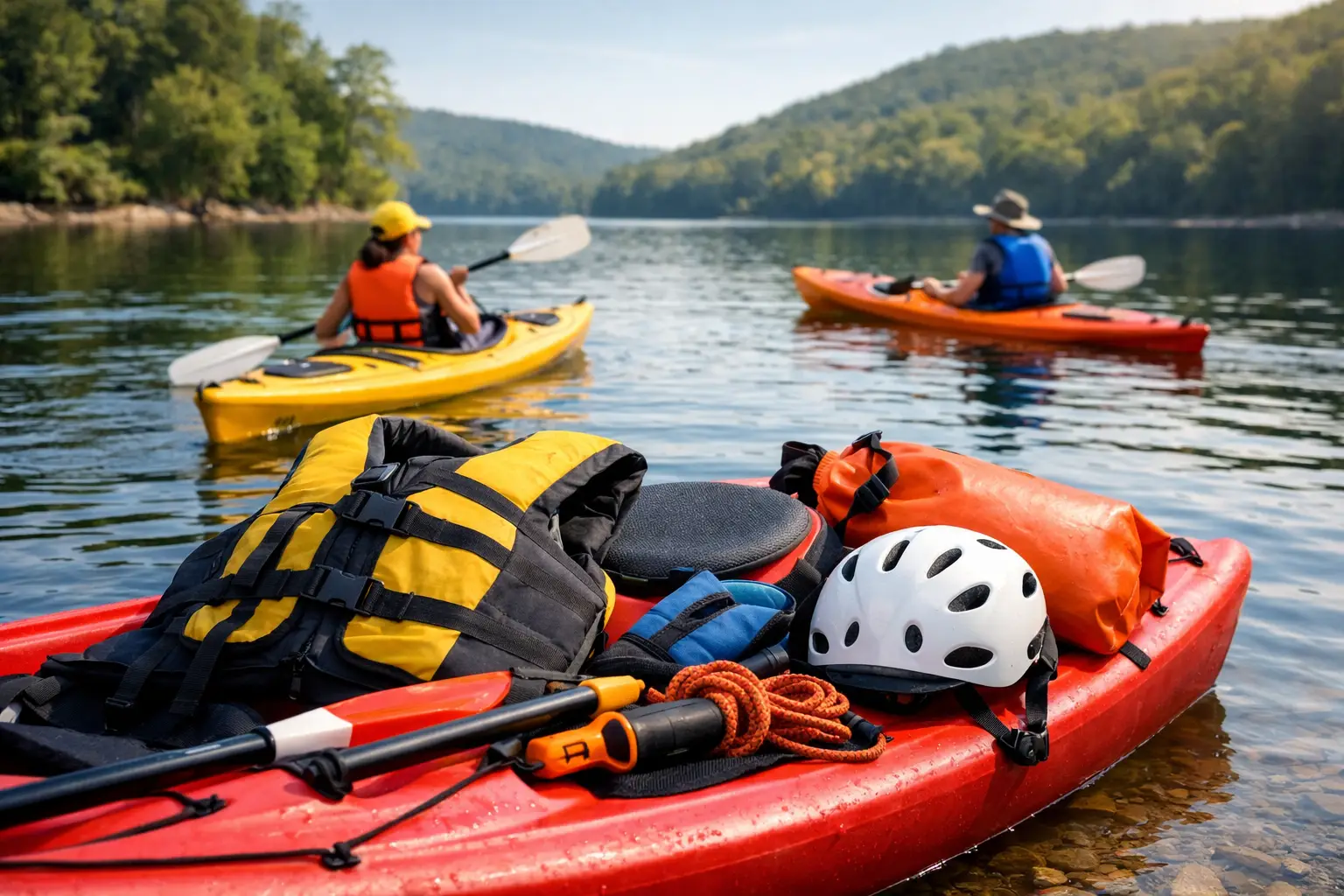
Keep your phone, keys, medications, and spare clothes in a dry bag or properly sealed waterproof container. Assume anything loose can get wet. If you bring a camera, use a float strap or secure it inside your boat between shots. The Illinois River does not need another phone.
Know Your Boat Before You Leave the Beach
You do not need a technical paddling résumé to get started, but a few minutes of instruction makes a major difference. Learn how to hold the paddle, how to stop, and how to make a basic turn. A relaxed grip helps prevent tired hands. Keep your hands about shoulder-width apart and let your torso help power each stroke rather than relying only on your arms.
Before launching, make sure your seat is adjusted, your PFD is on, and your gear is secured. Sit low and centered in the kayak. Sudden standing, leaning far outside the boat, or trying to grab every interesting thing floating by can make a stable kayak feel less stable very quickly.
Tandem kayaks require one extra ingredient: communication. Decide who is steering, agree on an easy pace, and call out when you need to stop. It is completely normal for tandem partners to bump paddles at first. Laugh, reset, and keep the strokes smooth. The boat will behave better when both paddlers are working together instead of conducting separate one-person expeditions.
Stay Aware Without Killing the Vibe
A good paddle feels peaceful, but do not zone out completely. Keep an eye on other boats, changing weather, and your distance from shore. Give anglers, wildlife, and fellow paddlers plenty of room. Avoid paddling directly behind larger vessels, and never assume a motorboat operator has seen you.
Stay with your group, particularly if children or first-time paddlers are along. Agree on a simple plan before launch: where you are going, how long you will be out, and what to do if anyone feels tired or uncomfortable. On a guided trip, follow the guide’s route and instructions. Their job is not to ruin the fun – it is to help everyone have more of it.
Alcohol and kayaking are another easy call. Save celebratory drinks for camp after paddling is done. Balance, reaction time, judgment, sun exposure, and water do not mix well with alcohol. The same goes for any substance or medication that causes drowsiness. A clear head is part of your gear list.
If You Tip Over, Focus on the Next Simple Step
Most beginner paddlers never capsize in calm conditions, but knowing what to do makes the possibility much less scary. First, stay calm and stay with your kayak. Your boat floats and is much easier for others to see than a person alone in the water.
Keep your PFD on, hold the boat if it is safe to do so, and signal for help if needed. In shallow water, you may be able to stand carefully and guide the kayak toward shore. In deeper water, do not try to muscle through a complicated self-rescue you have never practiced. Follow your guide’s instructions or wait for assistance while staying with the boat.
This is also why paddling with a properly fitted PFD and secure gear matters so much. A capsize can be a brief, chilly inconvenience rather than a big problem when you are prepared.
Bring the Same Safety Mindset to Camp
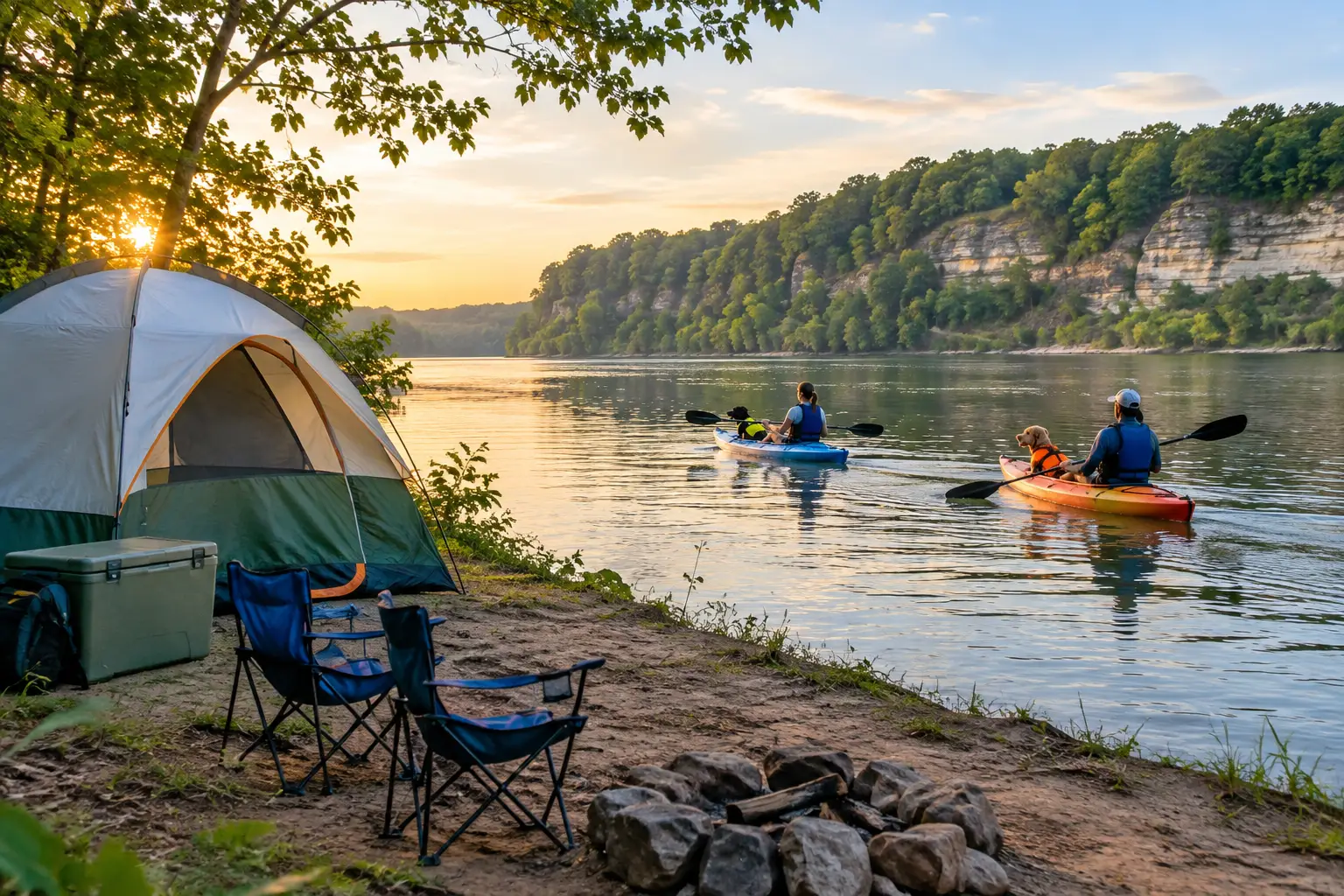
A paddle-and-camp weekend is one of the easiest ways to stretch a near-Chicago escape into something that feels farther away. It also means planning for the hours after the kayak is parked. Pack a headlamp, keep walkways clear, store food responsibly, and make sure everyone knows where the restroom, camp host, and emergency information are located.
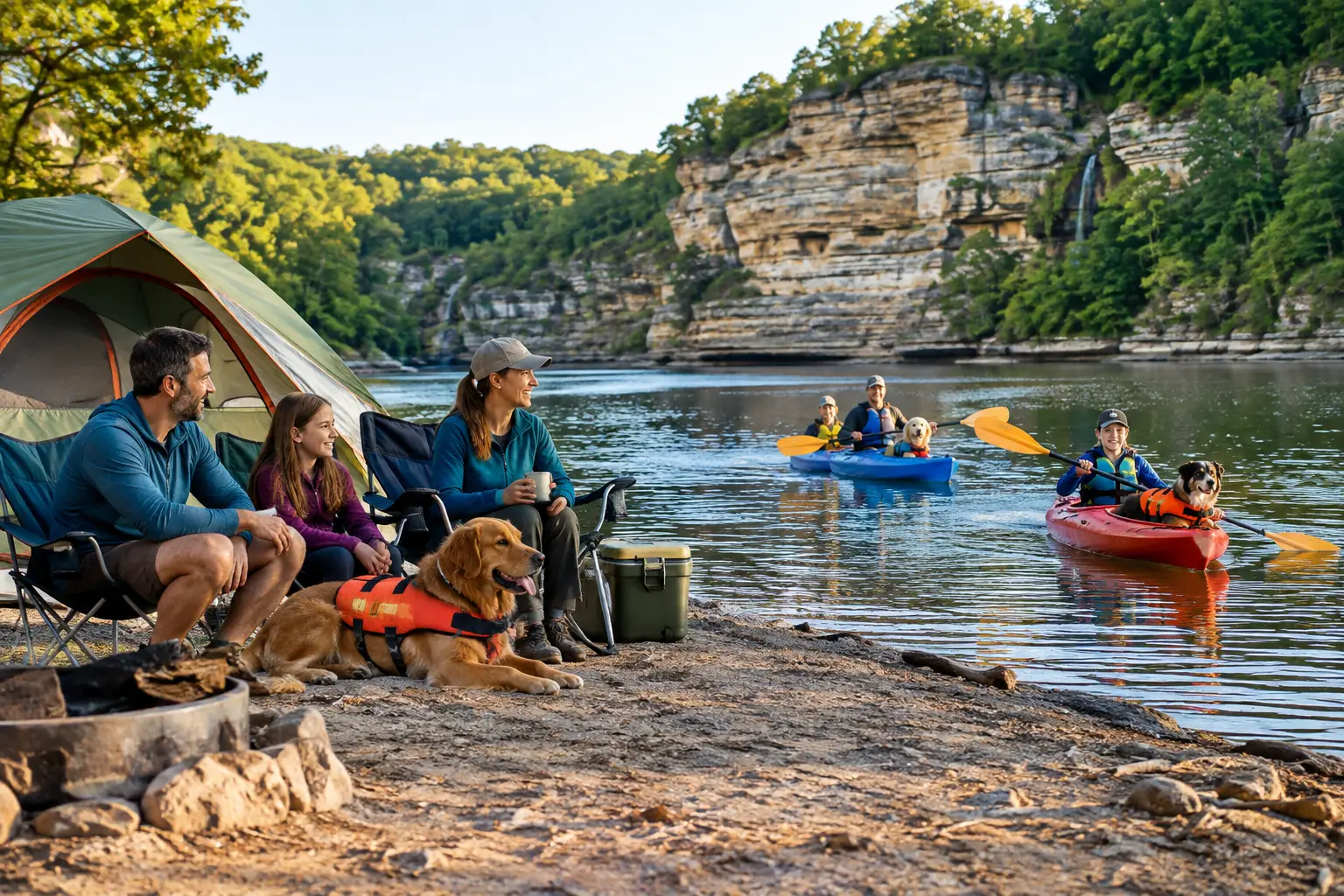
For tent, pop-up, or teardrop camping, choose footwear that works for both the campground and a wet shoreline. Keep a dry towel and extra layer ready at your site rather than buried beneath every snack, chair, and sleeping bag. If you are bringing a dog, use a secure leash, bring fresh water, and fit them with a dog PFD for time on or near the water. Not every dog is a natural swimmer, and even confident dogs get tired.
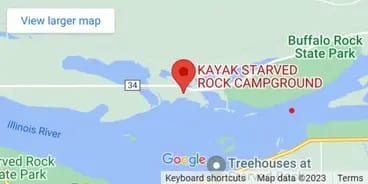
Kayak Starved Rock Campground makes the on-water side easier with instruction, maps, equipment, and a beginner-friendly environment, but every paddler still has a role to play. Arrive on time, respect launch cutoffs, ask questions, and speak up if something does not feel right. The staff would always rather help you adjust a plan before launch than hear you pushed past your comfort level.
The sweet spot is simple: wear the PFD, watch the weather, choose a route that leaves energy for the return, and keep your group together. Then put the phone in the dry bag for a while, take in the bluffs and river sounds, and let the good kind of tiredness earn its place around the campfire.