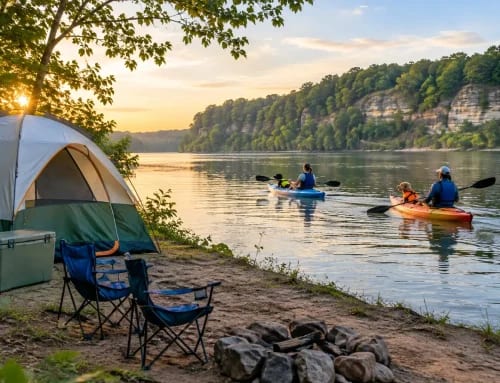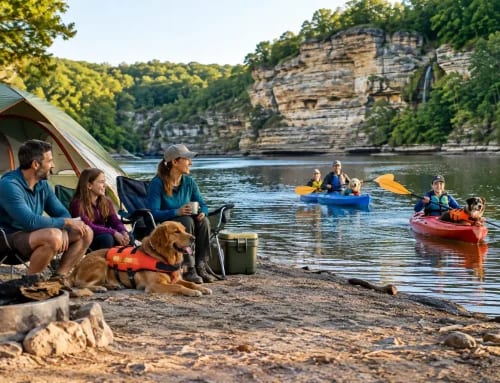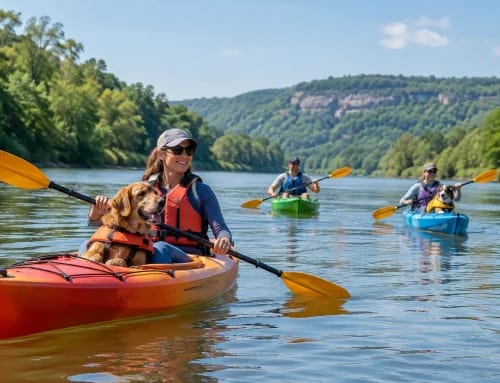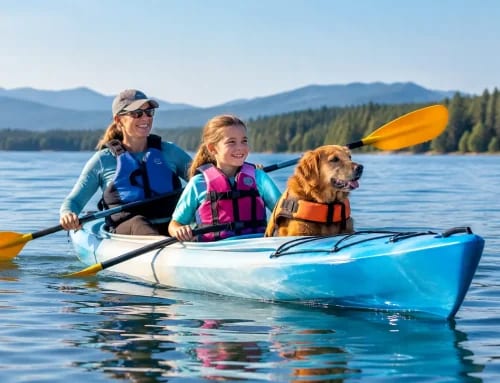
A good weekend outdoors should not begin with a complicated launch plan, a long gear haul, or a debate about whether the water is too much for beginners. Illinois River campground access near Starved Rock can be wonderfully simple when your campsite, boat launch, and day on the water all live in the same place. Set up camp, get a quick orientation, put on your PFD, and trade Chicago traffic for sandstone bluffs and open water.
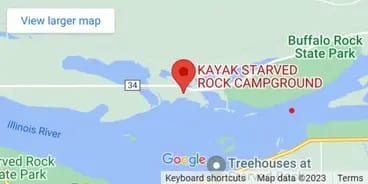
For campers coming from Chicago and Northern Illinois, the big win is convenience. You can arrive for a one-night reset or stretch the trip into a full weekend without spending half the day moving between a campground, a rental shop, and a public boat ramp. At Kayak Starved Rock Campground, the Illinois River sits right outside your camping plans, directly across from Starved Rock State Park.
What Illinois River Campground Access Should Feel Like
“Access” can mean very different things at different campgrounds. Sometimes it means you are close to a river but still need to drive to a separate launch. Sometimes it means carrying a boat down a steep bank, finding parking, or figuring out where you are allowed to return after paddling.
The better version is waterfront access that supports the whole outing. You can camp near the river, launch a rented kayak or your own boat, and return to the same familiar basecamp. That matters if you are bringing kids, planning a casual couples’ trip, or simply want more relaxing and less logistical gymnastics.
The Illinois River near Starved Rock offers a particularly approachable setting for flatwater kayaking. This dam-controlled section is known for consistent runnable conditions, shallow water, and no river current to fight. That does not mean water safety takes the day off. Everyone should wear a properly fitted PFD on the water, follow the on-site safety briefing, and respect weather, operating hours, and last-launch cutoffs. It simply means first-timers can focus on learning, looking around, and having fun instead of trying to become whitewater experts before lunch.
Camp First, Paddle When You’re Ready
A waterfront camping trip gives your group room to choose its own pace. Early birds can get coffee going and launch while the morning is quiet. Families can take a slow start, pack snacks, and paddle after everyone is actually awake. Friends can paddle, come back for lunch, and head out again if time and conditions allow.
That flexibility is especially useful for a short getaway near Chicago. A rushed day trip can still be great, but camping changes the rhythm. You do not have to squeeze a hike, a paddle, dinner, and the drive home into one afternoon. After a day exploring the water and nearby Starved Rock State Park trails, you can return to camp, swap wet shoes for dry ones, and let the evening do its thing.
Tent camping for the classic reset
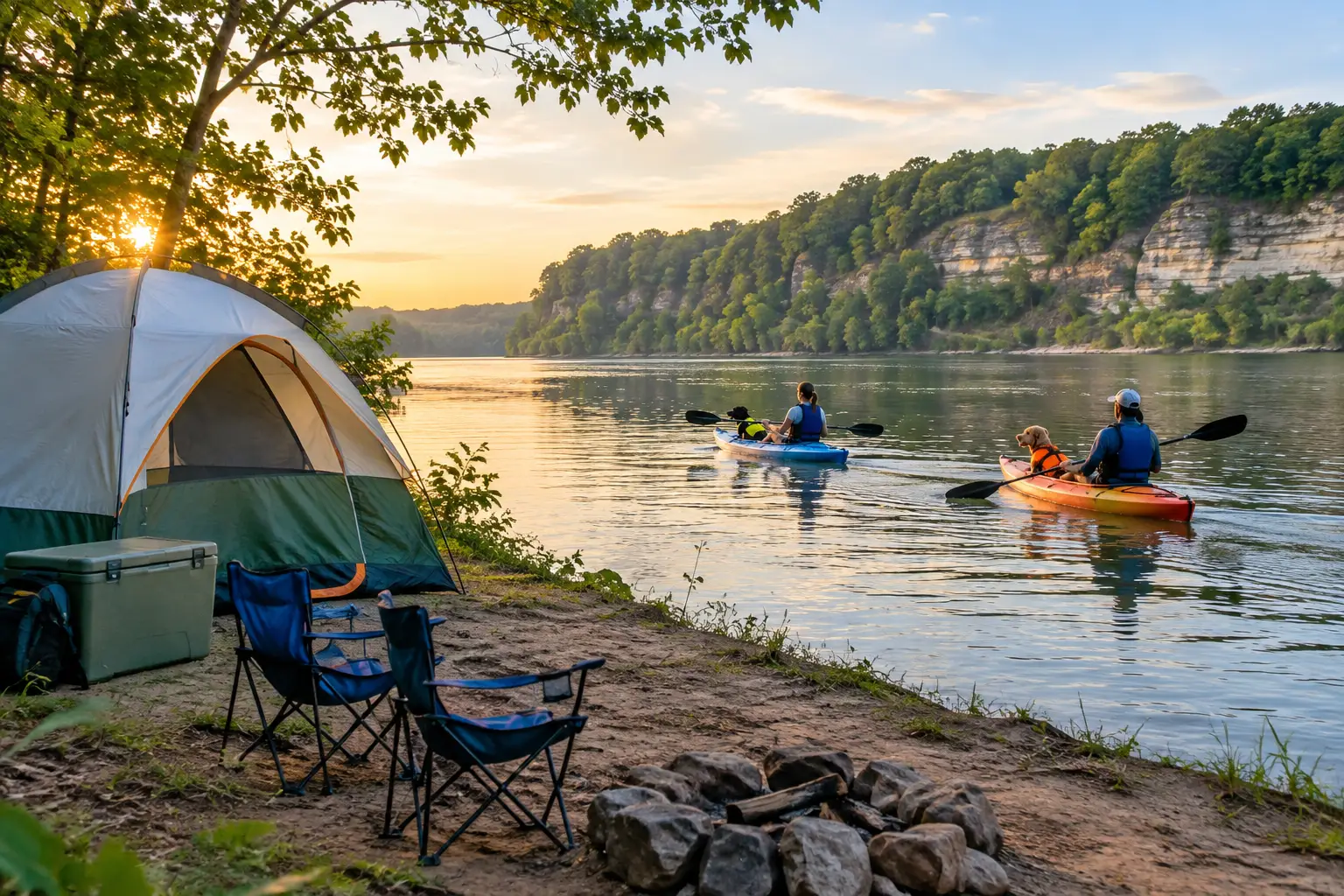
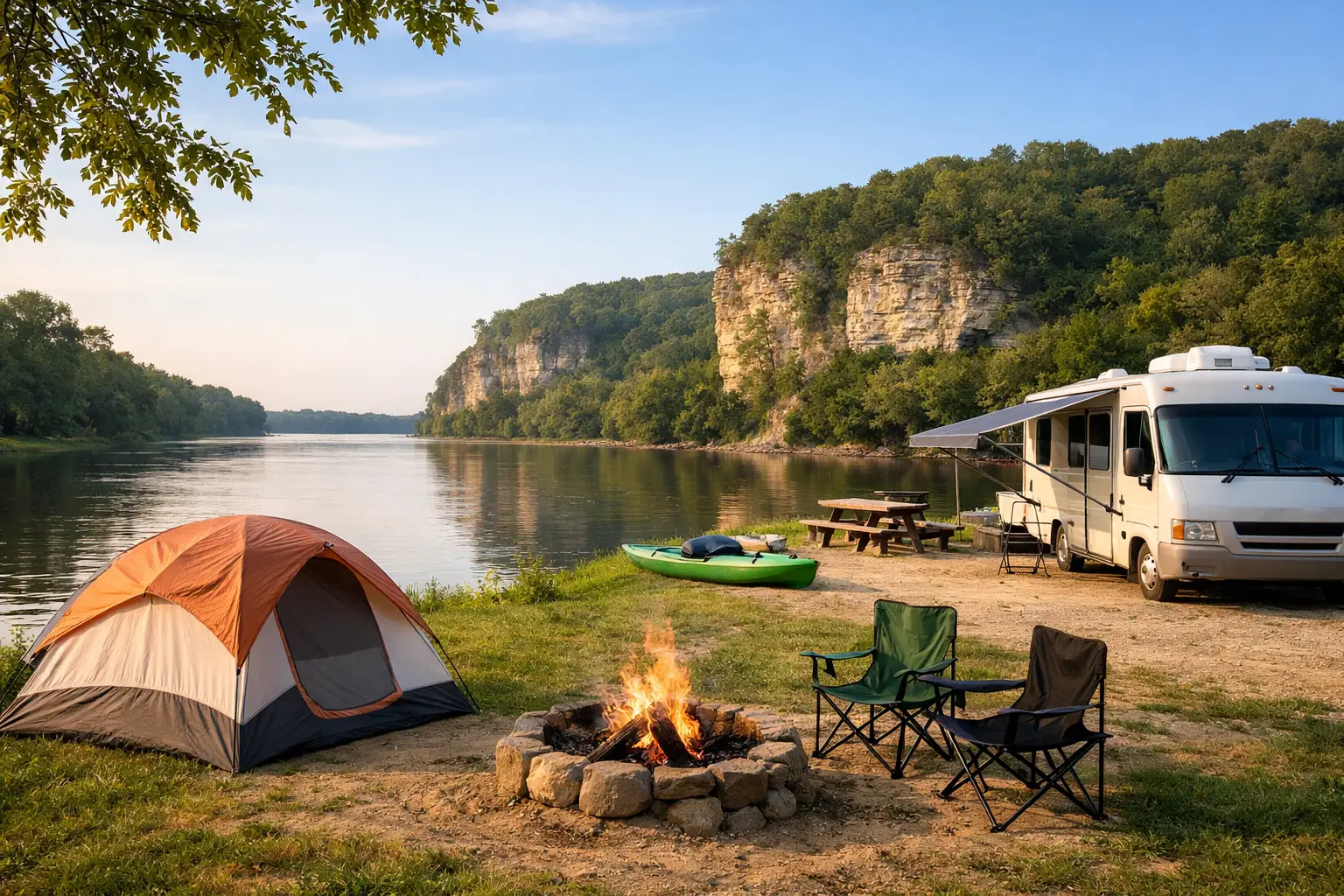
Tent camping is the easy choice for people who want the most outdoorsy version of the weekend. Bring your own tent and favorite camp setup, or look into a tent rental when you want to pack lighter. A tent site works beautifully for families introducing kids to camping, couples who want a low-key escape, and friend groups who would rather spend on experiences than complicated accommodations.
The practical move is to pack for changing river weather. Bring layers for cool evenings, a rain layer, a flashlight or headlamp, camp chairs, reusable water bottles, and a dry change of clothes for after kayaking. Keep your PFD on while paddling, then let it dry at camp before the next launch.
Pop-up camping with less setup stress
Pop-up campers are a sweet spot for campers who want a little extra comfort without turning the weekend into an RV logistics project. You still get the fresh air, the campfire feeling, and an easy connection to the river, but you can sleep off the ground and keep the packing process more organized.
Before booking, confirm your camper’s dimensions and the campground’s current site rules. Access is about more than being near the river. It also means knowing your site fits your setup, your vehicle can get in easily, and you have enough room for the people and gear coming with you.
Teardrop camping for a small, cozy basecamp
Teardrop campers make sense for couples, solo travelers, and anyone who likes a compact setup with a real mattress waiting after a day outside. They are also a fun option for glamping near Chicago without giving up the campground atmosphere.
The trade-off is space. A teardrop trailer is wonderfully efficient, but it is not designed to hold a whole group indoors during a rainy afternoon. If you are traveling with children, dogs, or lots of friends, a larger tent area or a different camping setup may work better. For two people who want to paddle, hike, eat well, and sleep comfortably, though, it is hard to beat.
Bringing Your Own Boat or Renting On Site
Your choice of kayak setup depends on how much gear you want to manage. Bringing your own kayak can be ideal if you already have a boat you love and want simple launch and day-access options. It is also a practical choice for experienced paddlers who have their own safety gear and know how to transport it.
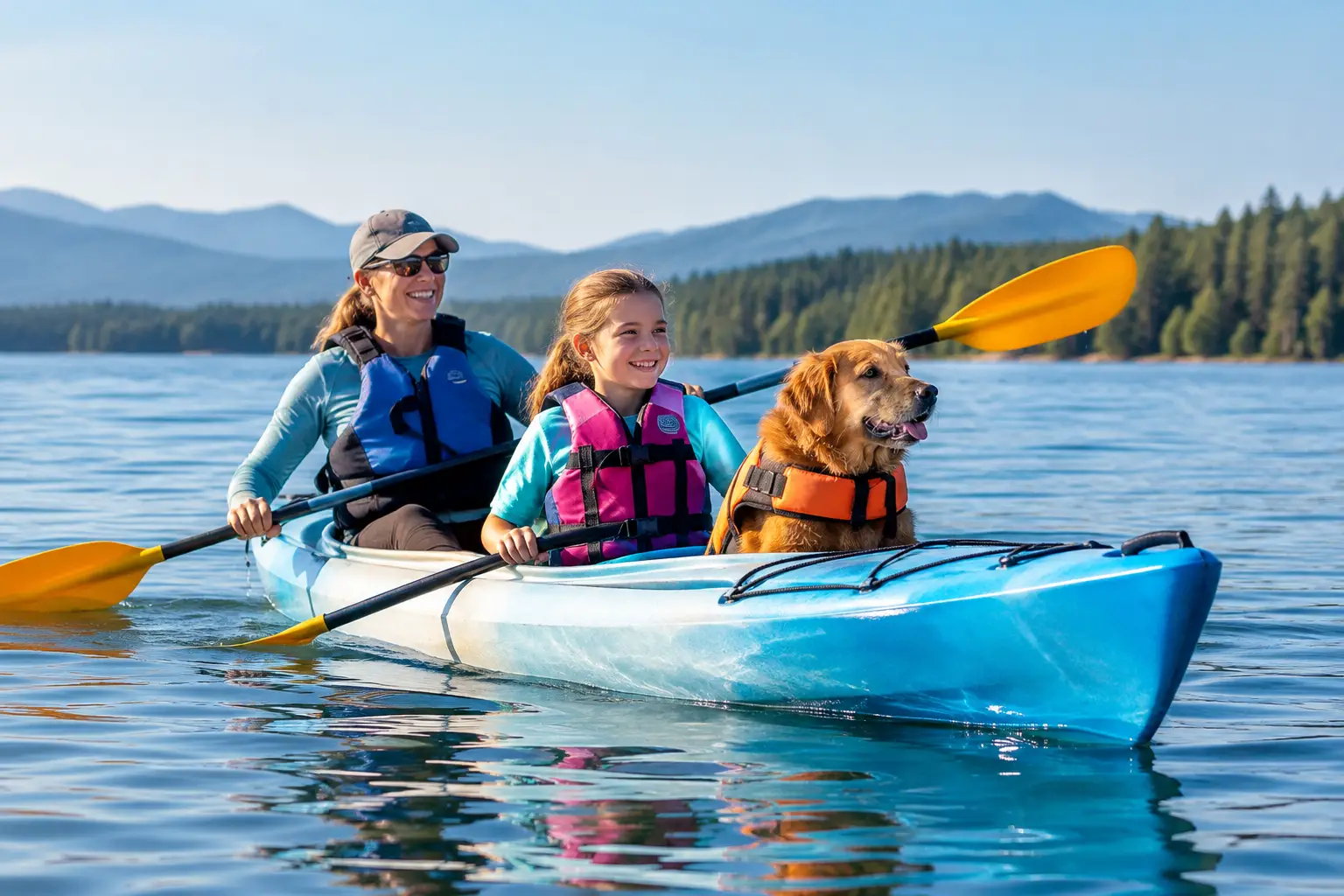
Renting on site is often the better call for beginners, visitors coming from the city, and groups with mixed experience levels. No roof rack, no strapping down boats, no wondering whether everyone’s gear is usable. Single and tandem kayak options let you choose between independent paddling and sharing the job with a partner, friend, or older child. A tandem can be great for a nervous first-timer, but it does require communication. The front paddler sets a rhythm, the back paddler helps steer, and both people get credit for every accidental splash.
A guided tour adds another layer of confidence. You get safety instruction, on-water leadership, and someone who knows how to help the group settle in quickly. This is a smart pick for first-timers, family groups, and anyone more interested in scenery than navigation. If you prefer independent time, follow the launch process, stay within the designated paddling area, and be back before the posted cutoff.
Dog-Friendly Camping and Kayaking: A Few Smart Rules
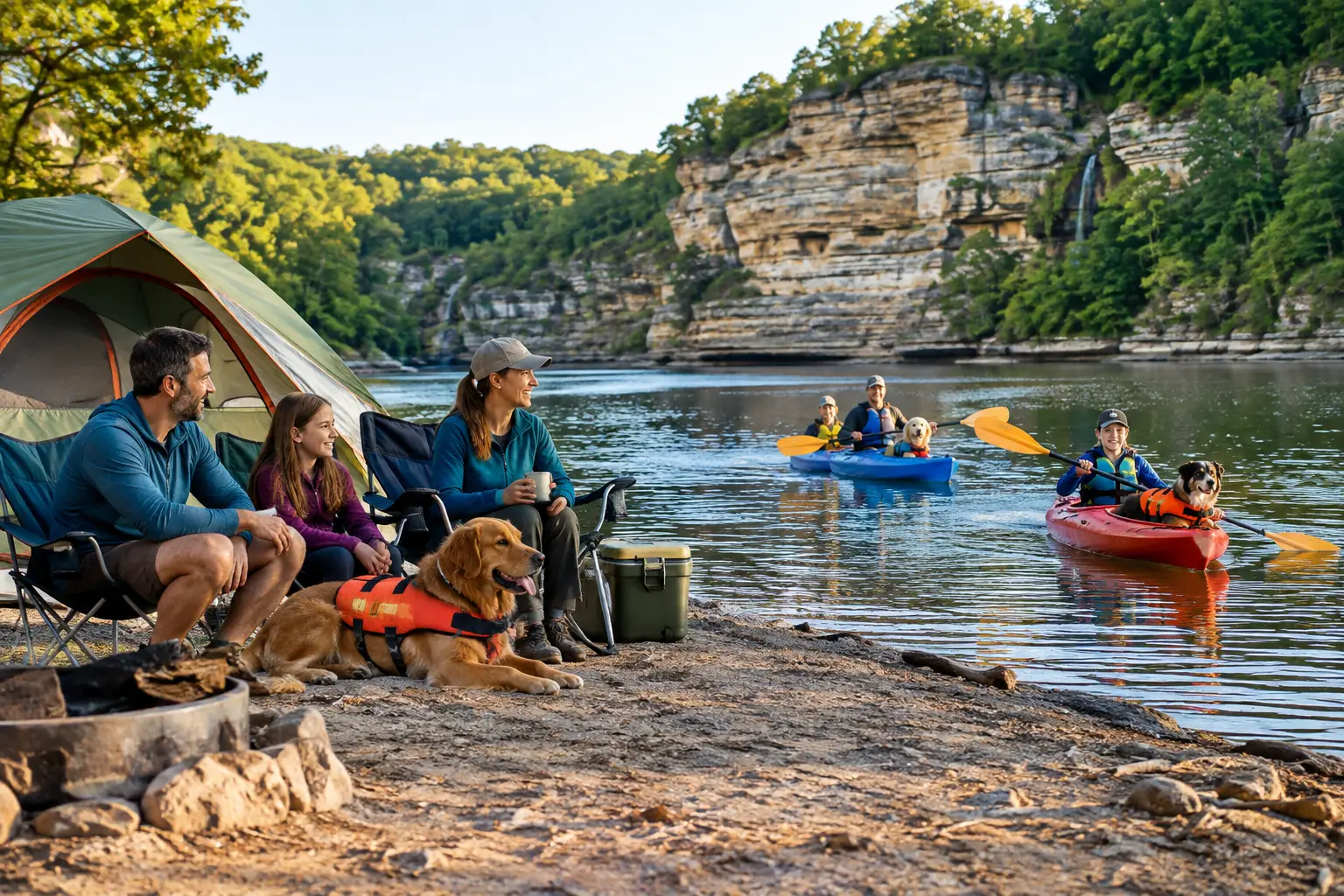
A river camping weekend is better when the dog gets to come along, provided your pup enjoys new places and handles people, boats, and campground sounds well. Dog-friendly camping does not mean zero planning. Bring a leash, water bowl, waste bags, a tie-out only where permitted, bedding, food, and a way to keep your dog comfortable during warm weather.
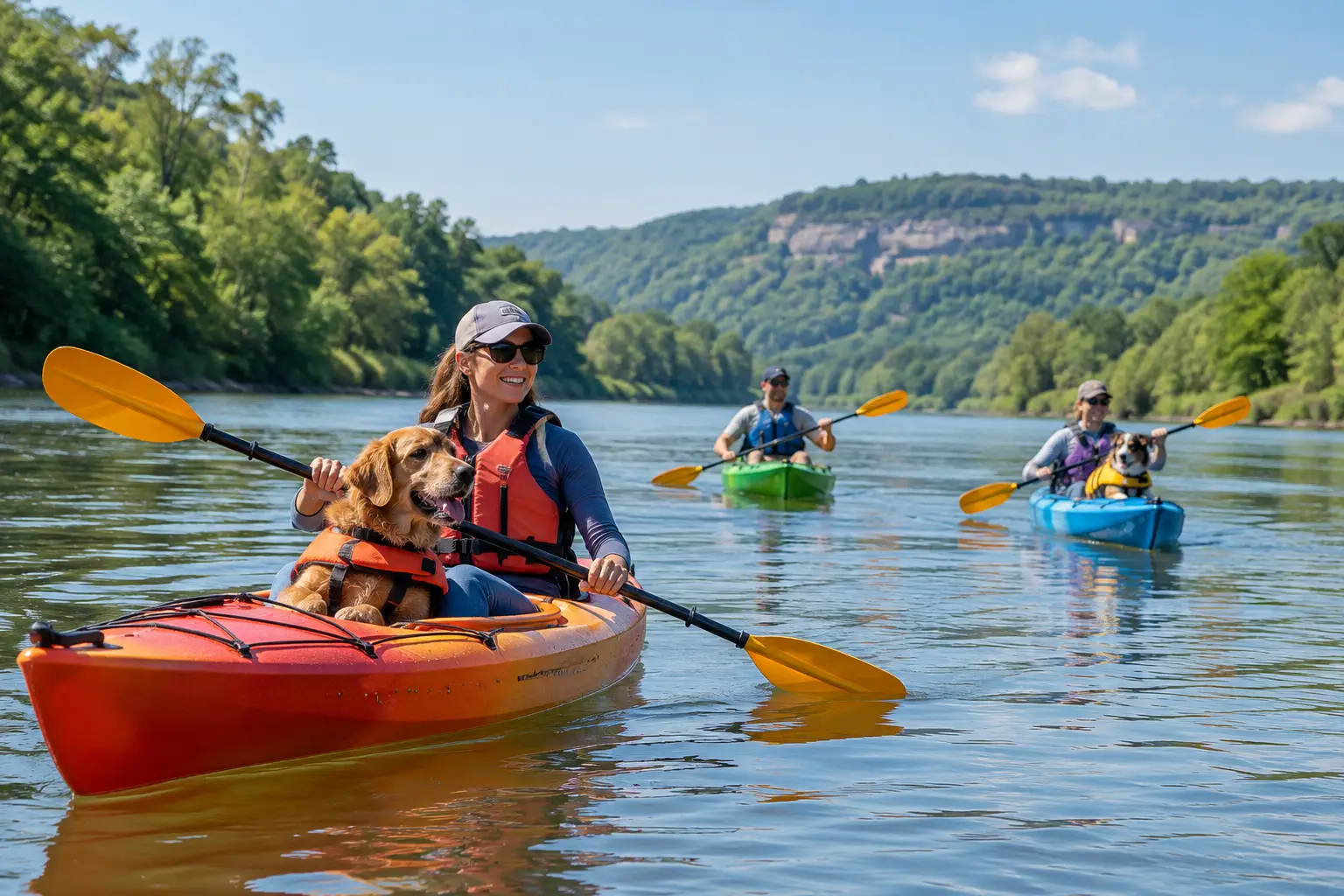
For kayaking, the right dog is calm around water, able to follow basic commands, and comfortable sitting still in a stable boat. Start with a short paddle rather than assuming your dog wants a three-hour expedition on day one. Your dog needs a properly fitted canine flotation device, too. Human PFDs are required for paddlers, and a dog life jacket is a very good idea even for strong swimmers.
Be honest about your pet’s temperament. If your dog barks nonstop at other campers, panics around boats, or cannot relax on a leash, a campground weekend may not be their favorite vacation. A happy dog-friendly trip is one where your neighbor gets to enjoy their coffee in peace, too.
Plan Around the Moments That Matter
The best Illinois River camping trips are not overplanned, but they are planned enough. Reserve your campsite and kayak experience ahead of time, especially for weekends and popular seasonal dates. Check current arrival information, quiet-hour policies, pet rules, weather guidance, launch fees for personal boats, and last-launch times before leaving home. These details can change by season, and knowing them protects the fun part of the trip.
Give yourselves a little margin on arrival day. Set up camp before you are hungry, pick up any rentals with time to spare, and do not treat the final launch window like a finish line. If your group has young kids or first-time paddlers, a shorter paddle with lots of smiles beats a long route that ends in tired grumbling.
You may also want to divide the weekend between water and land. Starved Rock State Park is nearby for hiking, canyon views, and the kind of trail day that makes a camp chair feel earned. The balance depends on your crew. Some groups want maximum kayaking. Others want one easy paddle followed by a long dinner at camp. Both count as getting away.
A Better Weekend Is Closer Than It Looks
Waterfront camping near Starved Rock is not about proving how rugged you are. It is about making room for the good stuff: a first successful paddle, kids spotting birds from the shoreline, your dog snoozing after a busy day, and a campsite that feels far from the city without being difficult to reach. Pack the PFDs, book the setup that fits your crew, and leave enough room in the schedule for one more quiet hour by the river.