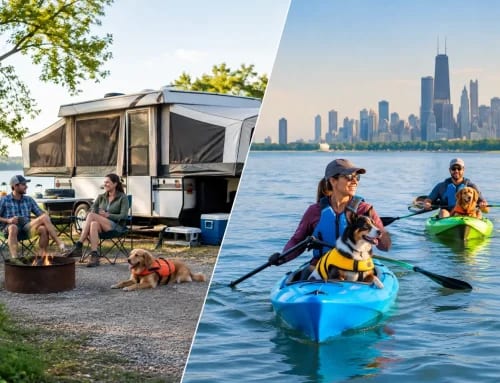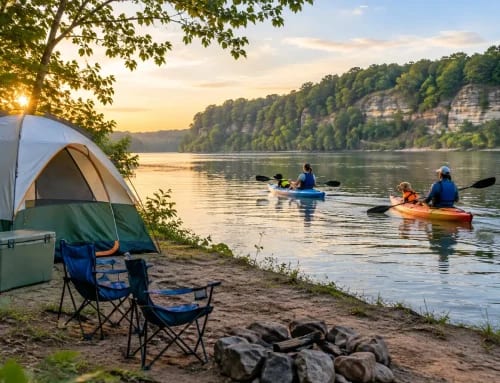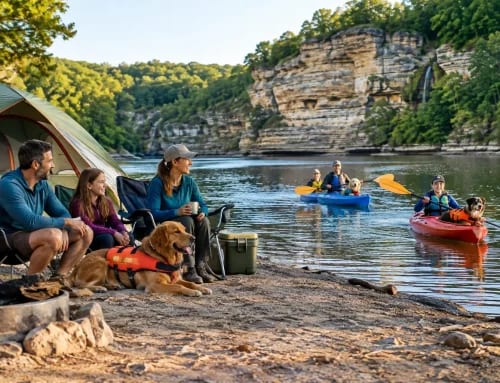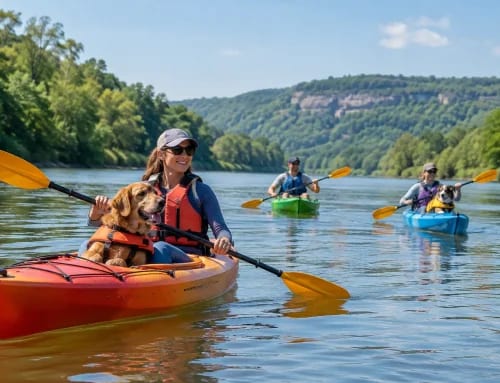
A great weekend outdoors should not begin with an argument over tent poles in a dark parking lot. When you know how to plan pop up camping, you can trade most of the setup stress for campfire time, river views, and an actual chance to relax. That is especially true for a quick camping near Chicago escape, where arriving prepared means you can make the most of your time near Starved Rock State Park.
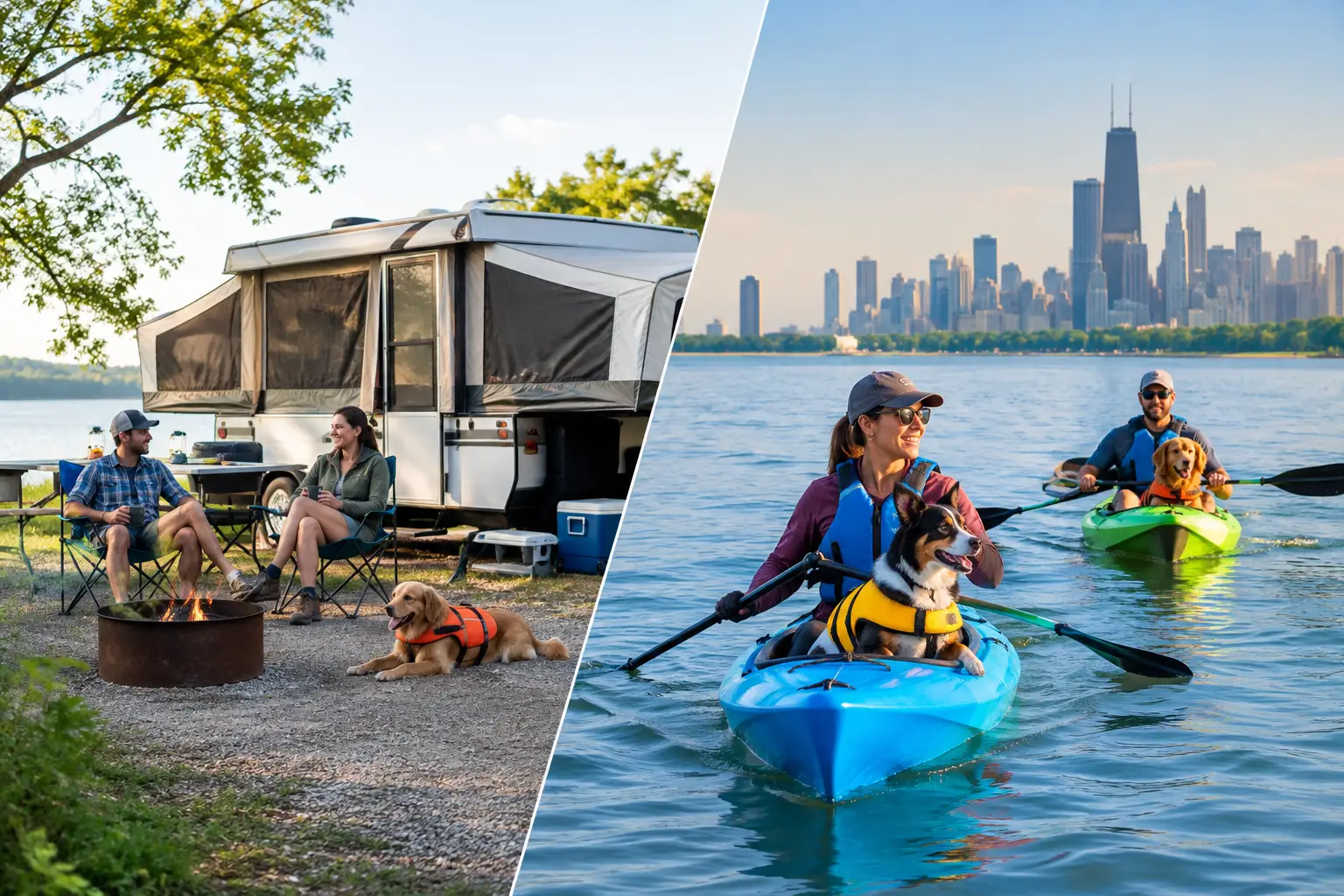
Pop-up camping is the sweet spot for people who want more comfort than a tent but do not need a giant RV. Your camper gives you a dry place to sleep, a simple home base for meals, and a much easier exit when Sunday afternoon arrives. Pair it with waterfront camping on the Illinois River, and you have a weekend that feels far away without requiring a cross-country drive.
Start With the Weekend You Actually Want
Before choosing gear or mapping your route, decide what kind of trip you are planning. A couple looking for a quiet night, a family with energetic kids, and a friend group hoping to kayak all day will pack differently and need different campsite features. Pop-up camping works best when the camper supports the experience instead of becoming the whole experience.
For a one- or two-night stay near Starved Rock, keep the plan simple: arrive with daylight left, set up your camper, eat an easy dinner, and leave room for a slow morning or a paddle. Trying to squeeze a long hike, elaborate campsite cooking, a big group arrival, and a first-time trailer setup into one afternoon can turn a fun getaway into a logistics drill.
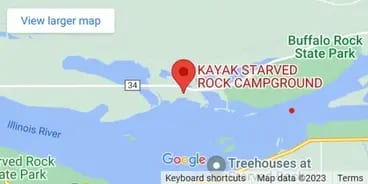
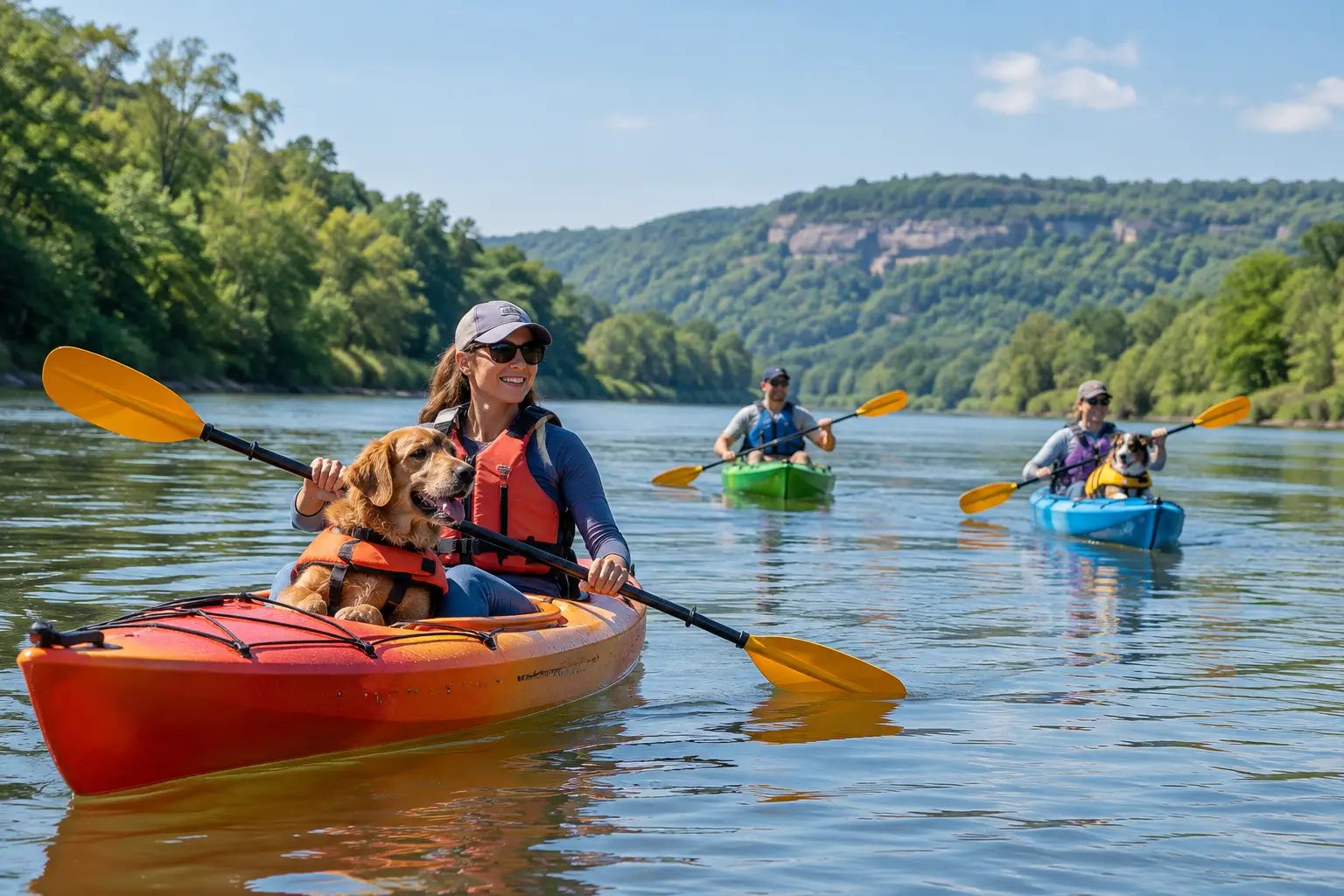
If kayaking is part of the plan, reserve your paddle time before finalizing the rest of the itinerary. Launch times, weather, and seasonal schedules matter. At Kayak Starved Rock Campground, the dam-controlled Illinois River offers calm, shallow, no-current conditions that feel approachable for beginners, but every paddler still needs to wear a properly fitted PFD. Fun comes first. Safety comes with it.
Choose a Pop-Up Camper That Fits Your Crew
Pop-up campers range from compact models that tow behind many everyday vehicles to roomy fold-outs with multiple sleeping areas. Bigger is not automatically better. A larger camper can be comfortable for a family, but it also takes longer to tow, level, set up, and pack down.
Check your vehicle’s towing capacity, hitch setup, trailer brake requirements, and tire condition before booking a site. Do not guess based on what a friend towed once. Your owner’s manual and trailer documentation are the right places to start. If you are renting a pop-up, ask exactly what comes with it and what you need to bring, including bedding, cookware, power adapters, leveling blocks, and water containers.
Think about sleeping honestly, too. A pop-up can sleep several people on paper, but close quarters are close quarters. Families with small kids may love it. Four adults who all snore may want a larger site, a teardrop trailer, or a mix of camper sleeping and tents.
Confirm Your Campsite Details Early
Not every campsite is designed for every trailer. Before you go, confirm the maximum trailer length, site surface, parking arrangement, and whether your reservation includes electrical service. Ask about quiet hours, fire rules, pet policies, and check-in timing as well. These are not boring details when you arrive at sunset with hungry passengers.
Waterfront sites can be especially memorable, but they also call for a little extra awareness. Keep your camper and chairs well back from the water’s edge, secure loose gear before bed, and make sure kids understand that the shoreline is not a playground without an adult nearby. River views are better when everyone can enjoy them safely.
Pack for Quick Setup, Not a Garage Sale
The best pop-up camping packing list is built around the things you will use first. Put leveling blocks, wheel chocks, a flashlight or headlamp, work gloves, a basic tool kit, and your camper setup instructions where you can reach them immediately. You do not want to unload every bag just to find one crank handle.
Bring bedding that is ready to go, easy meals for the first night, drinking water, bug spray, sunscreen, and layers for cool evenings. Illinois weather can be warm at lunch and hoodie-worthy after dark, particularly beside the river. A rain jacket is more useful than optimism.
For a weekend with kids, include low-effort entertainment for downtime: cards, binoculars, a nature scavenger hunt, or a book for the quieter moments. The goal is not to recreate your living room outdoors. It is to make the gaps between adventures feel easy.
Here are a few items that earn their space on almost every pop-up trip:
- Wheel chocks, leveling blocks, and a small bubble level
- Headlamps, a lantern, and backup batteries
- A first-aid kit, insect repellent, sunscreen, and rain layers
- Refillable water bottles and a cooler packed with simple meals
- Camp chairs, a tablecloth, and trash bags for a tidy site
- PFDs if you are bringing your own boat or paddling gear
Keep food in sealed containers and clean up after every meal. It protects your supplies, respects neighboring campers, and makes the site more pleasant for everyone.
Set Up Your Pop-Up Camp in the Right Order
Once you arrive, resist the urge to start opening the camper immediately. First, walk the site. Look for the flattest position, overhead branches, soft ground, puddling, and the best way to line up your tow vehicle. If the site is uneven, take a few extra minutes to level the camper before raising the roof. Your doors, sleeping platforms, and appliances will work better, and you will sleep better too.
Chock the wheels before unhitching. Then follow your camper’s manual step by step: stabilize, raise the roof, pull out bunks, support the ends, and secure canvas. Check that canvas is fully clear of moving parts before lowering or lifting anything. This is one of those moments where slow is fast.
Once the camper is up, create a simple outdoor living area. Put chairs where you can see the river, set a lantern near the walkway, and designate one spot for wet shoes, paddles, and life jackets. A little organization prevents your camper from becoming a pile of towels, snack wrappers, and mystery socks by Saturday evening.
Plan for Rain and Temperature Swings
Canvas-sided campers feel wonderfully close to nature, but they are not the same as a hard-sided trailer. Check the forecast and pack accordingly. In rain, keep windows zipped as needed, avoid touching wet canvas from the inside, and use a canopy only if conditions and campground rules allow it.
On chilly nights, warm sleeping bags and dry layers matter more than a complicated setup. On hot days, shade, water, and a relaxed pace matter most. If the forecast calls for serious storms or high winds, follow campground instructions and do not treat the trip like a toughness contest. Rescheduling beats spending a night worrying about weather.
Make It a Paddle-and-Camp Weekend
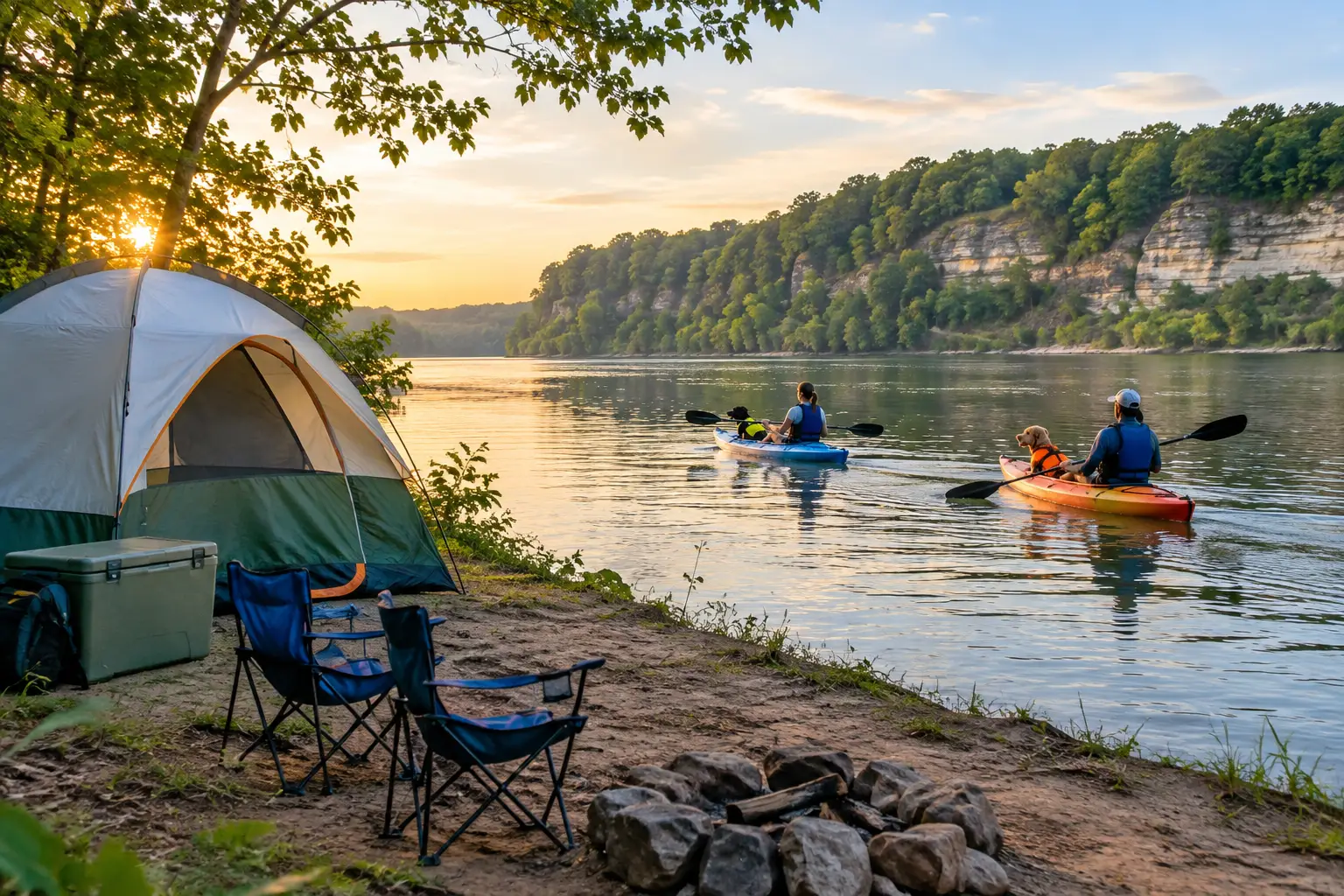
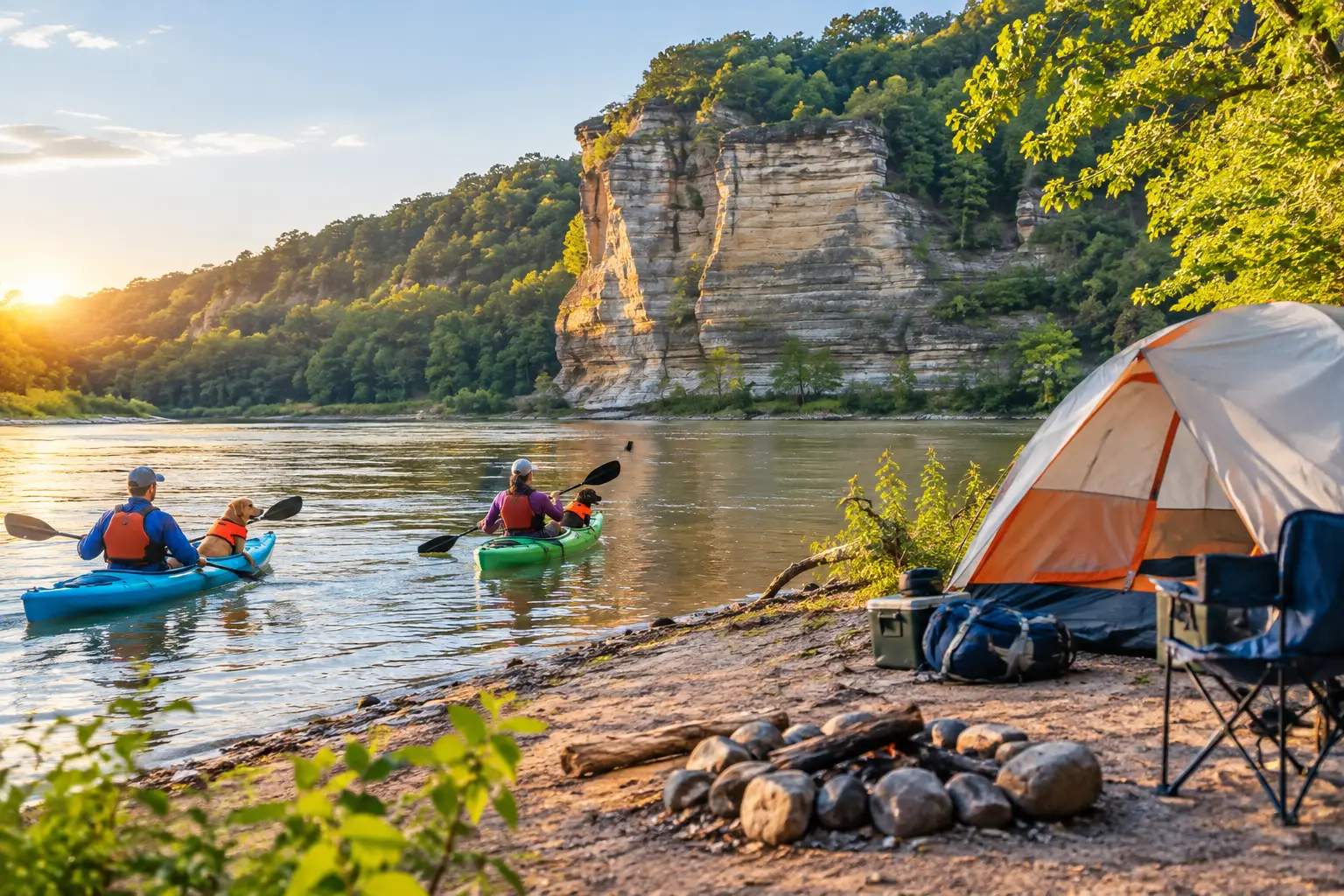
Camping on the Illinois River gives your weekend a built-in adventure. Instead of driving from a hotel to a separate activity, you can wake up near the water, enjoy coffee at camp, and head out for a guided tour or rental with less rushing around.
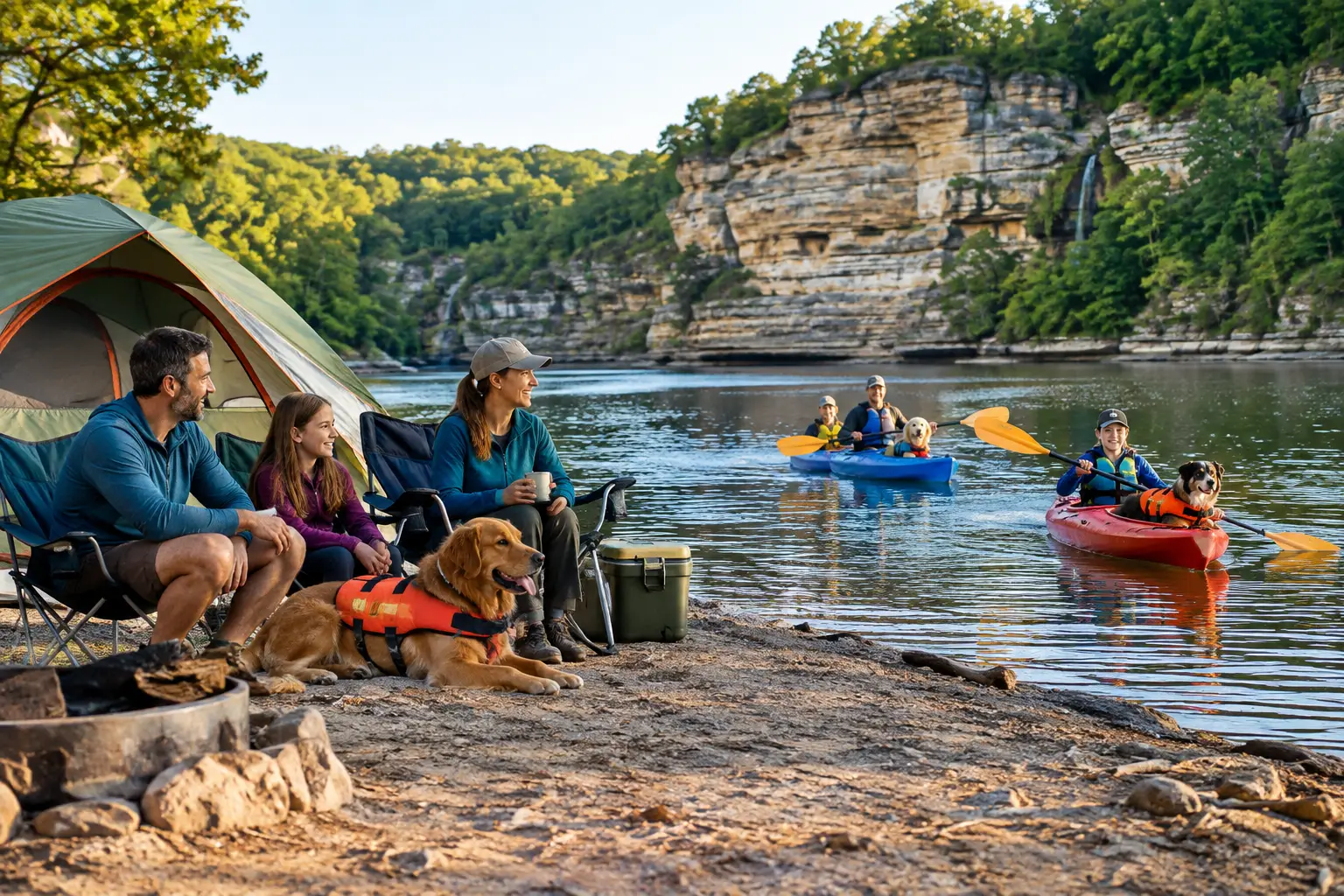
First-time kayakers do not need to show up as experts. They do need to listen to the safety talk, wear their PFD from launch to landing, and choose an outing that matches their group. Families may prefer a shorter, relaxed paddle. Couples and friend groups may want extra time to explore sandstone bluffs and the scenery across from Starved Rock State Park. Either way, dress for getting a little wet and leave valuables secured at camp or in your vehicle.
Bringing a dog? Dog-friendly camping can be a huge win for the whole crew, provided your pup is comfortable around new sounds, people, and water. Pack a leash, bowl, food, waste bags, towel, and a familiar bed. Confirm current pet rules before arrival, and do not assume every dog enjoys kayaking. Some love the bow of a tandem kayak; others would rather supervise from shore.
Leave Yourself One Unplanned Hour
A pop-up camping trip near Starved Rock does not need a minute-by-minute schedule to feel full. Leave an hour after setup for a riverside walk. Leave room after your paddle for a nap, a campfire, or the kind of conversation that does not happen between Chicago traffic lights.
Bring the basics, set up safely, respect the water, and let the weekend breathe. That is usually where the best part of the trip shows up.