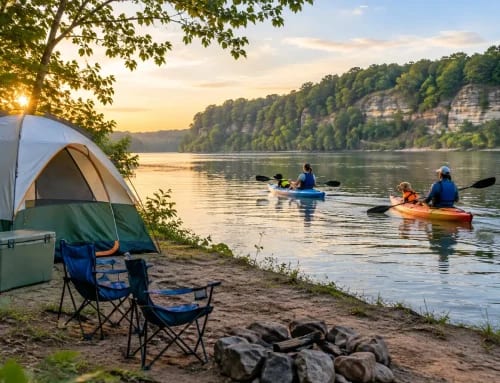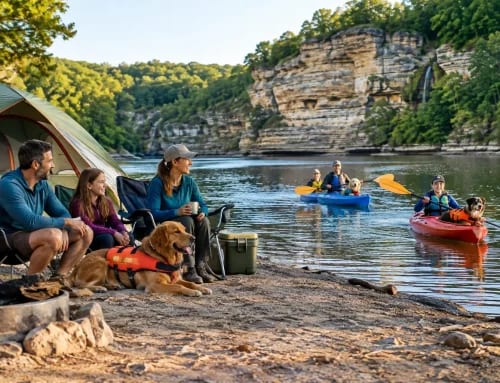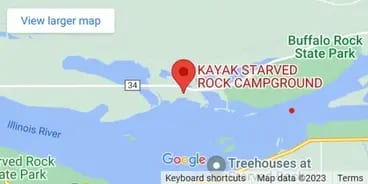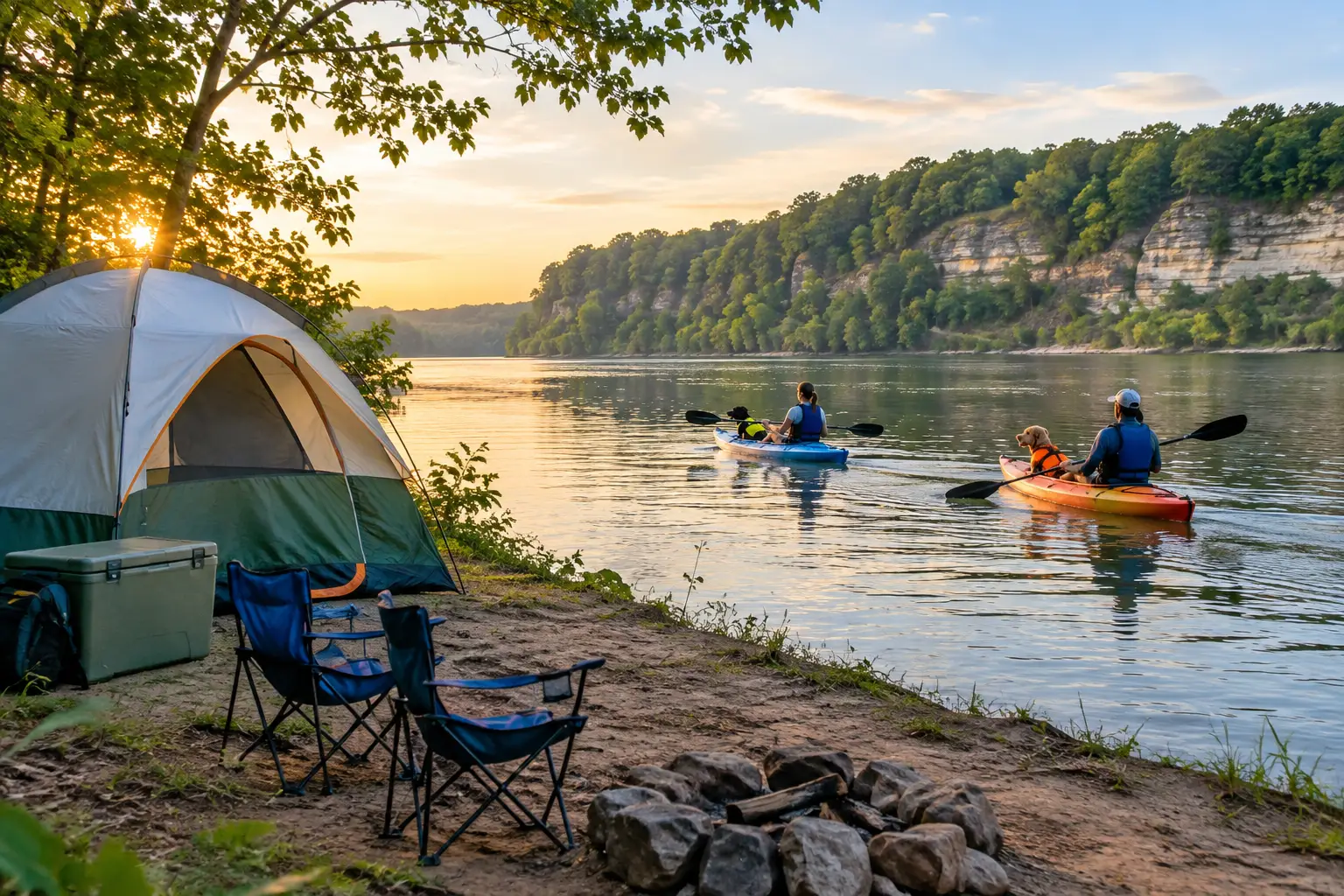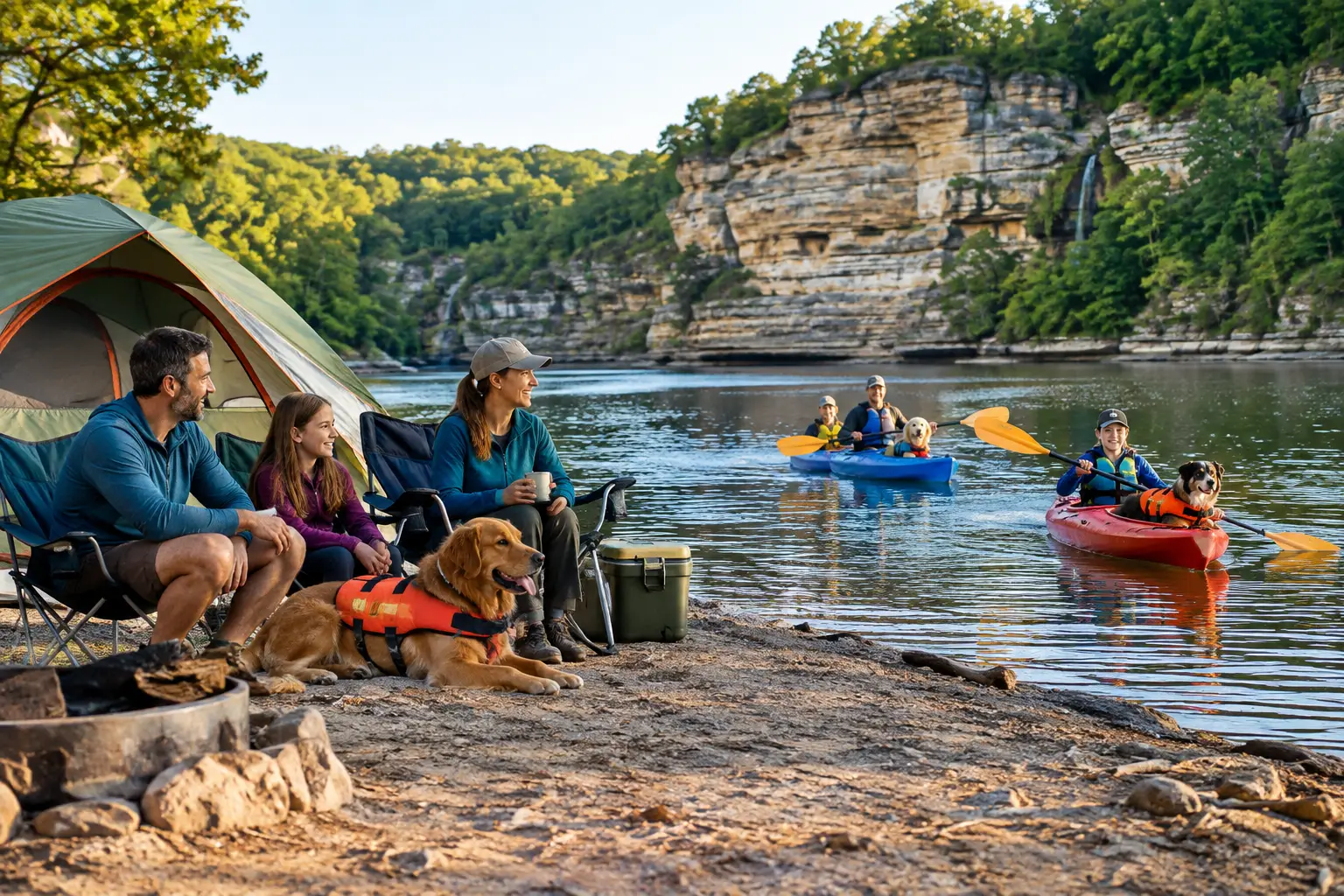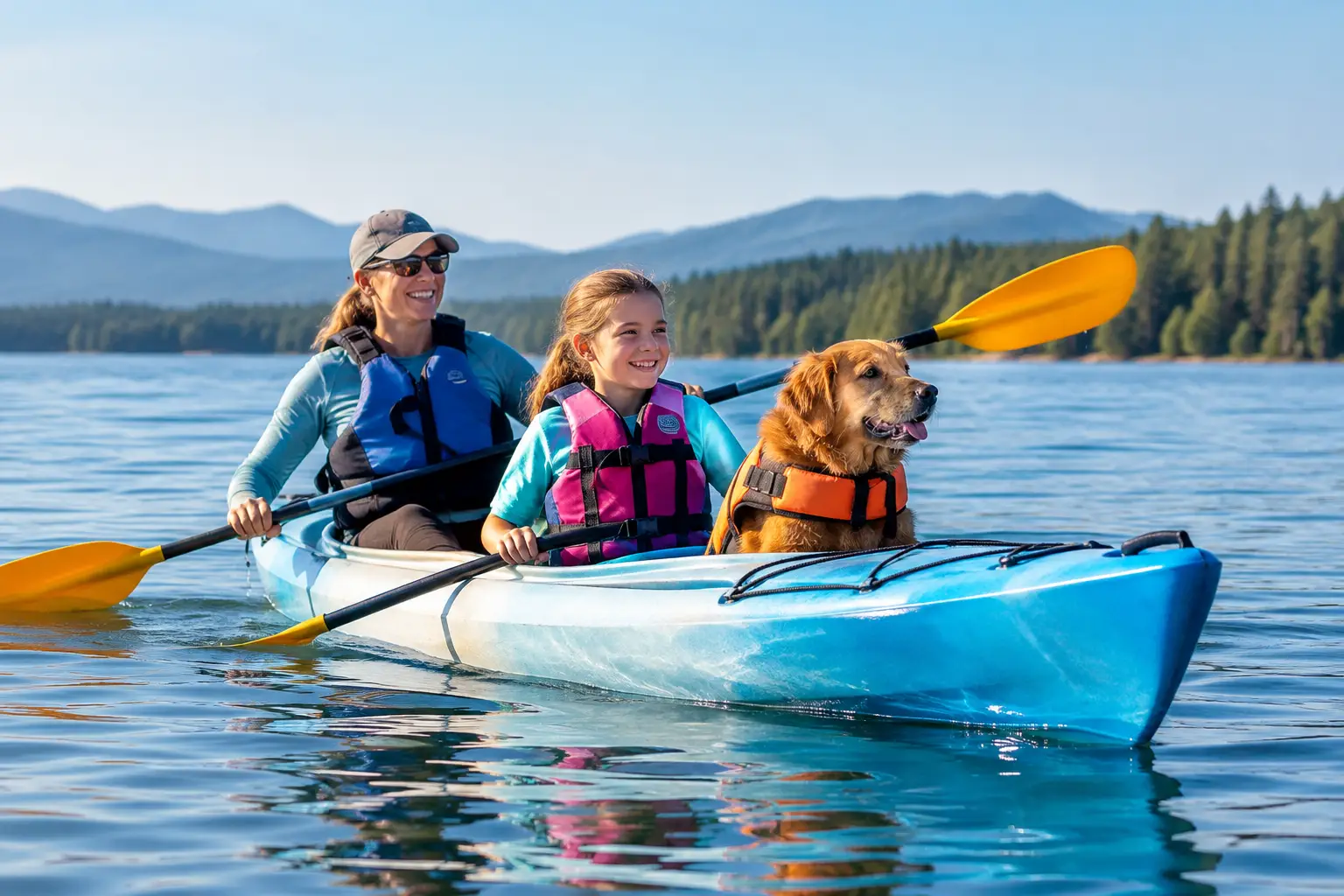
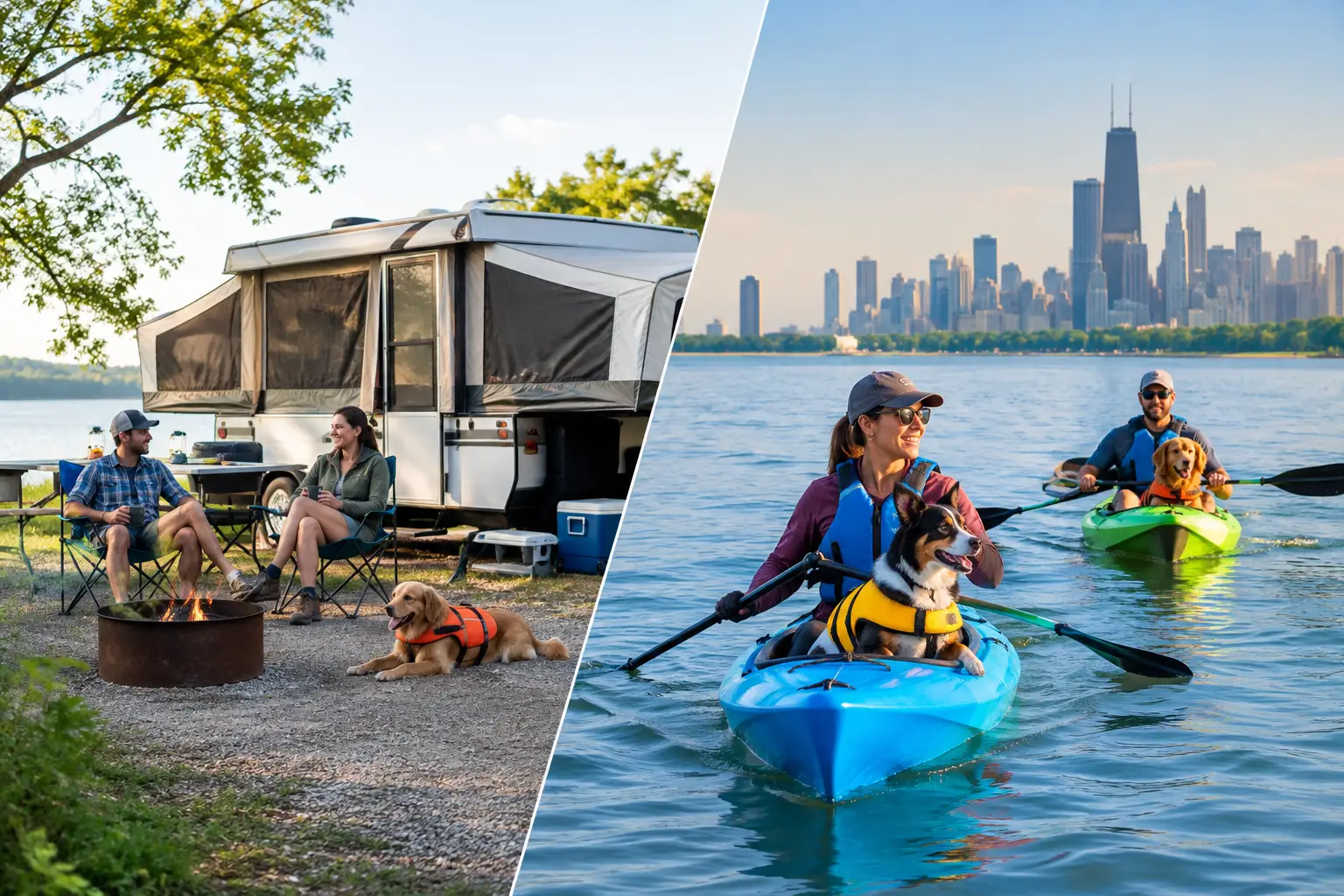
You finally escape Chicago traffic, pull up near the Illinois River, and see the bluffs across the water. The only question left is whether you want to spend your first 20 minutes outside wrestling tent poles or getting settled with a cold drink. That is the real choice in pop up camping vs tent camping: more convenience up front, or more flexibility in how you camp.
For a weekend of kayaking, campfires, dogs, and sandstone scenery near Starved Rock State Park, either option can be a great fit. The better choice depends on your group, your comfort level, the weather, and how much gear you want in the car. Here is how to choose without overthinking it.
Pop Up Camping vs Tent Camping: The Quick Difference
Pop up camping generally means using an instant or pre-set-up shelter designed to get you camping quickly. Depending on the package, that may mean a tent is ready when you arrive, or it may mean you bring an instant tent that opens in minutes. Traditional tent camping usually means you bring your own tent, stake it out, assemble poles, organize your sleeping setup, and pack it all back down when the weekend is over.
Neither one earns more outdoor points. The best campsite is the one that gets your crew outside, well-rested, and ready for a paddle.
Pop up camping is especially appealing when you are planning a short getaway near Chicago. If you are arriving after work on Friday, coordinating friends, or bringing kids who are already asking when the s’mores happen, less setup can feel like a luxury. Tent camping is ideal for campers who already own gear, enjoy dialing in their site, or need a particular size and layout for their group.
Choose Pop Up Camping When Time Is the Luxury
A pop up setup removes some of the friction that keeps people from booking a camping trip in the first place. You do not need to become a knot expert, watch six setup videos, or discover at sunset that a key tent pole is still in the garage.
For first-time campers, that simplicity matters. You can focus on the good stuff: picking a waterfront campsite, taking a beginner-friendly kayak trip, spotting birds on the Illinois River, and sitting around the fire after dark. A ready-to-go setup is also a solid move for couples planning a low-stress date weekend or friends who want a little outdoors without turning the trip into a gear expedition.
It can be a practical choice for families, too. Children do not usually care whether you earned your shelter through a 27-step assembly process. They care about sleeping outside, having room for snacks, and waking up close to the water. Parents tend to appreciate having one less job on the arrival checklist.
Pop up camping can also work well for dog-friendly camping. Dogs bring plenty of enthusiasm to a weekend outside, plus bowls, food, leashes, towels, and possibly a suspicious amount of mud. Saving time on shelter setup gives you more room in the schedule for walks, settling your pup, and enjoying camp rather than managing camp.
There is a comfort angle as well. A campground tent rental or glamping-style setup may reduce the amount of gear you need to own and transport. That makes camping near Starved Rock more realistic when your vehicle is already full of people, cooler space, and kayaking clothes.
What Pop Up Camping Does Not Solve
Convenience is not magic weather control. You still need to pack for overnight temperatures, bring bedding appropriate for the season, and respect campground rules. A pop up tent also may offer less interior space, storage, or weather performance than a high-quality traditional tent, depending on the model.
Ask what is included before you arrive. Is the shelter set up? Are sleeping pads, cots, lights, or bedding part of the package? What should you bring for rain, bugs, meals, and your dog? Clear expectations make a simple camping trip stay simple.
Choose Tent Camping When You Want More Control
Traditional tent camping gives you options. You can choose a larger tent for a family, a smaller tent for two, a screened shelter for bug season, or a familiar setup you have already tested in your backyard. Campers who spend several weekends outside each year often prefer using their own equipment because they know exactly how it fits their sleeping style.
It is also typically the more budget-friendly option over time if you already have the gear. Bring your tent, sleeping bags, chairs, kitchen kit, and favorite camp mug, then make the campsite your own. For scouting groups, experienced campers, and friends who like a hands-on weekend, setting up camp can be part of the fun.
Traditional tents may offer stronger rain protection and better ventilation, particularly when they are properly pitched with a rainfly, ground cloth, and taut stakes. That matters during Illinois weather swings. A warm sunny afternoon near the river can turn into a chilly evening, and occasional rain is part of outdoor life.
The trade-off is time and effort. A first-time tent setup can be frustrating when daylight is fading or when several people are offering very confident but conflicting advice. Do a practice run at home. Make sure every pole, stake, rainfly, and zipper is accounted for before you leave.
The Gear Reality Check
Tent camping is easier when you pack with purpose. At a minimum, think beyond the tent itself: sleeping pads or air mattresses, sleeping bags or blankets, pillows, a lantern, weather-ready clothes, bug spray, water, food storage, and a way to keep wet shoes out of the sleeping area.
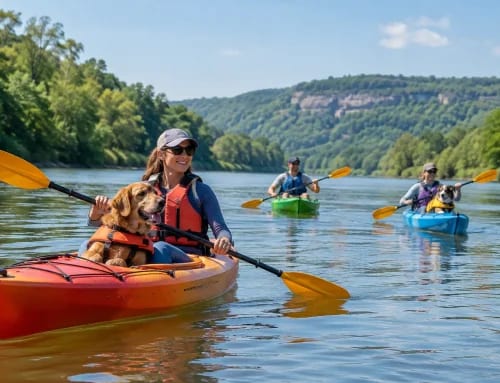
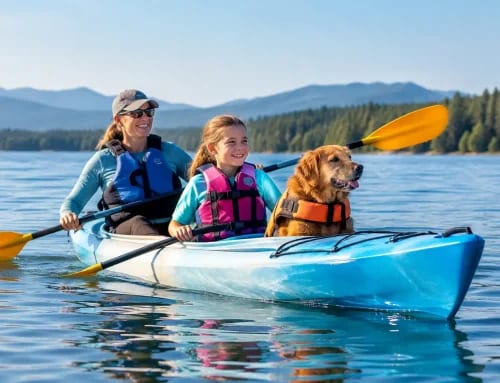
If you plan to kayak, add dry clothes and towels to the list. On the water, everyone should wear a properly fitted PFD. Back at camp, keep life jackets and wet gear where they can dry without turning the inside of your tent into a damp laundry pile.
Weather Changes the Answer
For a fair-weather overnight, either setup works beautifully. For a weekend with rain in the forecast, tent quality and setup technique matter more. A well-pitched traditional tent with a proper rainfly may give experienced campers extra confidence. A pop up option can still be comfortable, but check how it handles rain and wind before you assume every instant tent performs the same way.
Choose a site thoughtfully. Avoid low spots where water may collect, keep tent doors facing away from the strongest wind when possible, and never place a tent directly under dead branches. Keep your campfire area clear and follow all campground fire guidance.
In summer, ventilation is a big deal. In spring and fall, warmth is the priority. Bring layers instead of relying on one bulky item. River camping can feel cooler at night than a forecast from the city suggests.
A Better Weekend Plan: Paddle First, Camp Easy
One reason camping on the Illinois River works so well for Chicago-area groups is that you can combine an outdoor activity with an overnight stay without a complicated road trip. Kayak during the day, then return to camp instead of packing up and driving home tired.
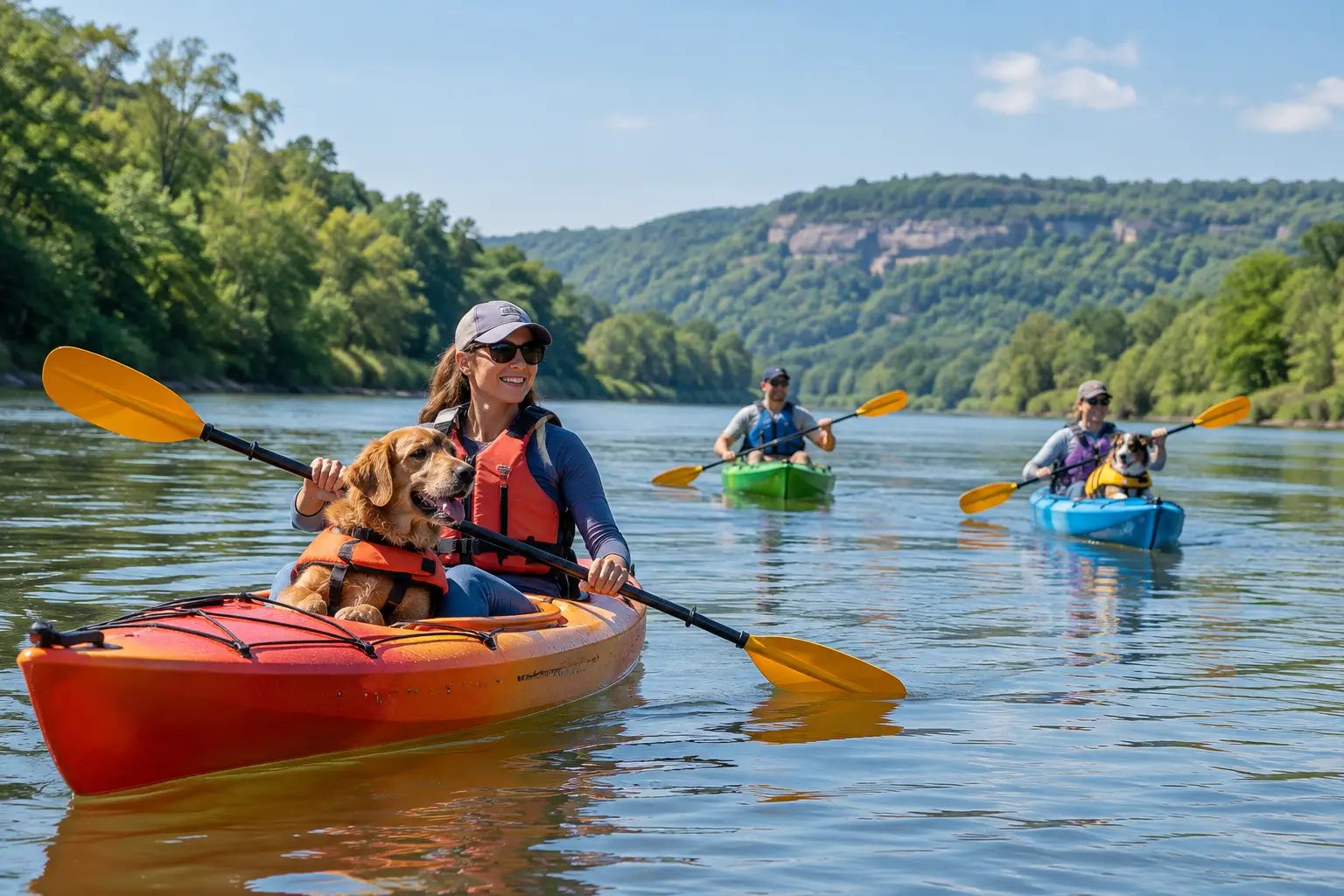
At Kayak Starved Rock Campground, the flatwater, dam-controlled setting is built to help beginners feel comfortable, with clear direction and support for getting on the water. Book your paddle timing with enough daylight to return, get settled, and enjoy camp before evening. Pay attention to launch cutoffs, wear your PFD from launch to landing, and choose a guided option if your group would rather learn the basics with a leader nearby.
This is where pop up camping has an edge for active weekends. If kayaking is the main event, a pre-arranged tent setup means you can spend more of the trip paddling and less of it sorting gear. If the campsite itself is your main event, traditional tent camping gives you more freedom to build out your perfect little basecamp.
Which One Fits Your Group?
Pop up camping is usually the easy win for first-timers, quick overnights, couples, families with a full car, and anyone who wants a more glamping-near-Chicago feel without a complicated itinerary. It is also a smart choice when the goal is simple: arrive, relax, kayak, sleep outside, repeat.
Tent camping is often better for experienced campers, groups with specialized gear, larger families needing more room, and people who genuinely enjoy setting up camp. It can offer more customization and long-term value, but it asks more of you before the fun starts.
For either option, do not try to bring your entire house outdoors. Pack what keeps you dry, comfortable, fed, and safe. Leave room for the things you came for: river views, campfire stories, sleepy dogs, and that rare weekend where nobody has to be anywhere early.
The right campsite setup is the one that makes you say yes to the trip. Pick the shelter that matches your crew, reserve your time on the water, and let a night near Starved Rock do the rest.