A family camping trip can go sideways fast when the tent goes up after dark, someone cannot find their flashlight, and the kids are already asking when the fun starts. The best family river camping tips solve that problem before you leave home: choose an easy campground, keep the plan simple, and build in one big memory-maker. For Chicago-area families, Illinois River camping near Starved Rock is a pretty sweet answer – close enough for a real weekend without spending half of it in the car.
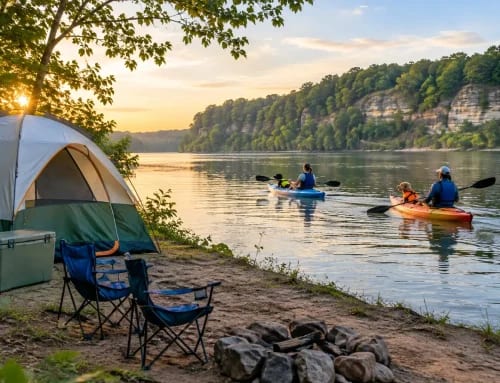
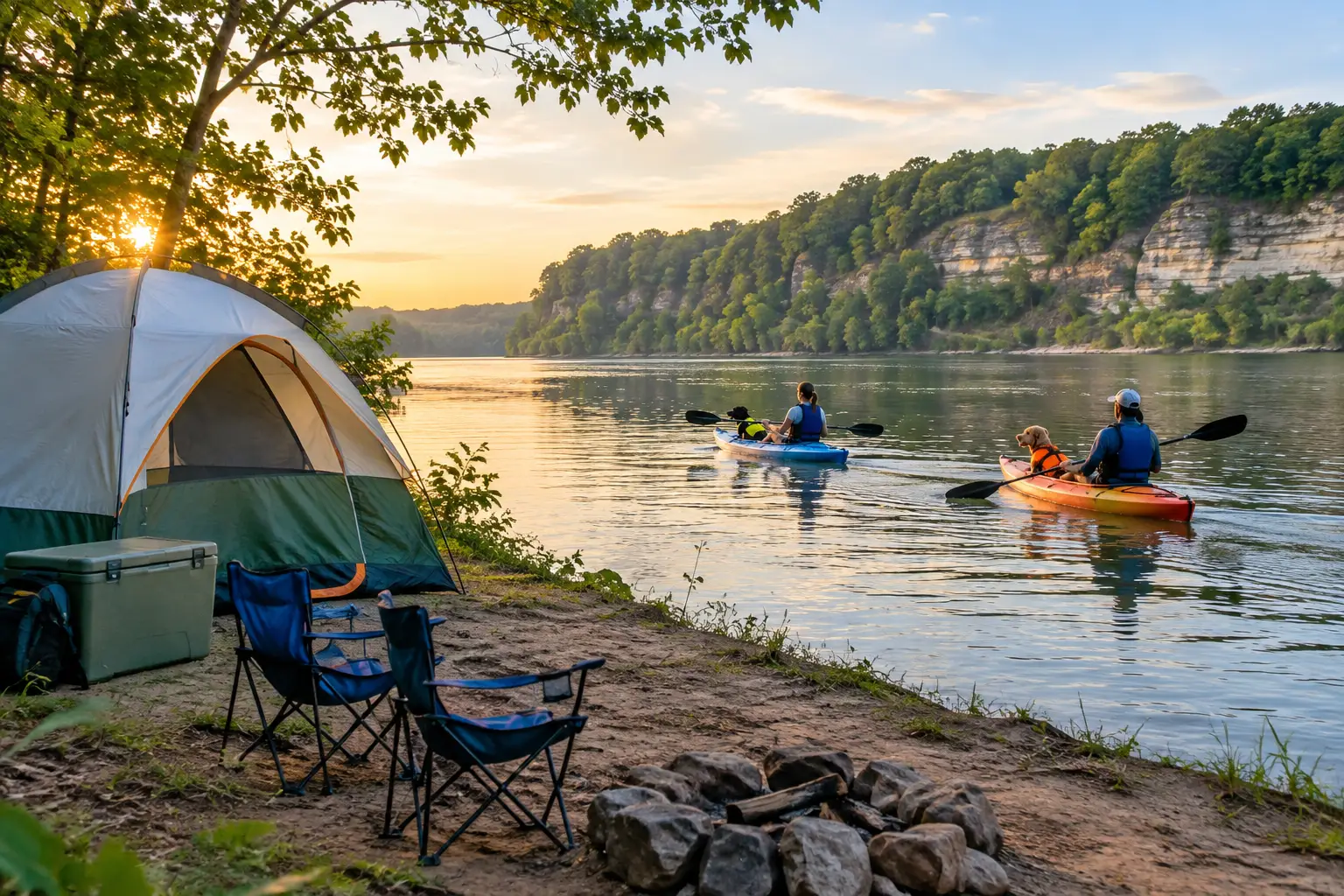
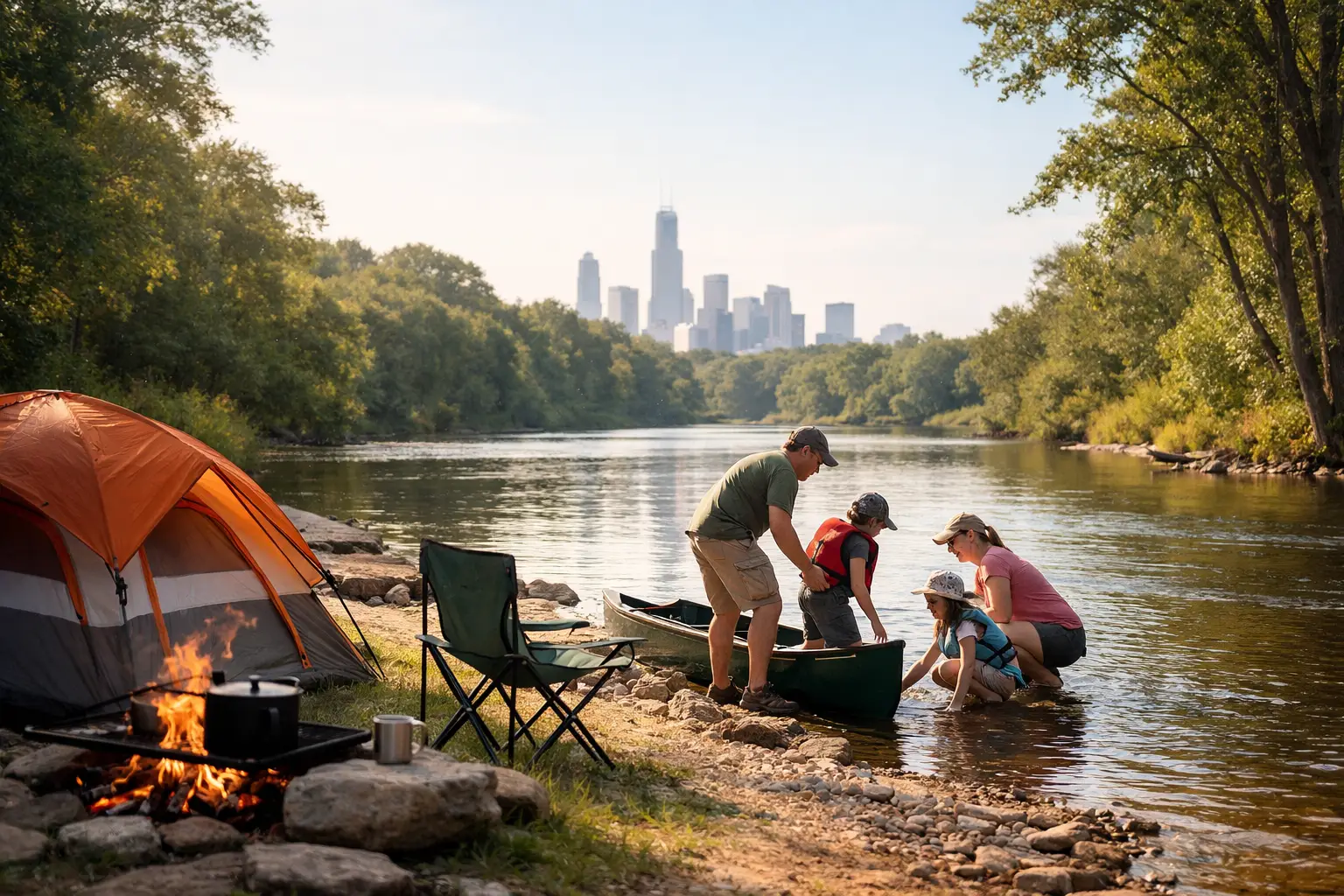
A waterfront campsite gives everyone a reason to look up from the snacks and screens. Add a beginner-friendly paddle, sandstone bluffs nearby, and a campfire dinner, and you have the kind of reset that feels bigger than a one- or two-night trip. No wilderness survival audition required.
Start With a Campground That Makes Family Camping Easier
The best campground for your family depends on your crew. Families with toddlers may value a short walk from the car and a simple tent setup. Families with older kids may want room to explore, paddle, and stay up a little later telling dramatic stories about a fish that was definitely this big.
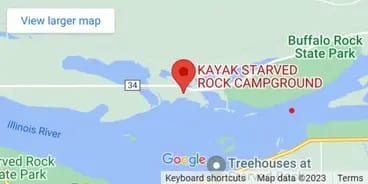
For camping near Starved Rock State Park, look for a waterfront setting with clear site directions, easy access to bathrooms, and staff who can answer the questions that pop up when you arrive. A campground should feel like a starting point for fun, not a puzzle you have to solve at check-in.
If packing, poles, and ground tarps sound like a lot before your vacation has even started, consider a camping package. Tent camping is the classic choice for families who want the full outdoors experience. Pop-up camping can reduce setup time, which is a serious win when children are hungry. A teardrop camper offers a more sheltered, cozy option for people who like camping but prefer a real mattress and a little more structure. Glamping near Chicago can still include campfire smoke in your hair and frogs singing at night. It just asks less of your trunk-packing skills.
Plan One Main Adventure, Not Six
The fastest way to tire out a family is trying to make every hour “special.” Pick one anchor activity for each day, then leave room for snacks, wandering, and doing absolutely nothing in a camp chair.
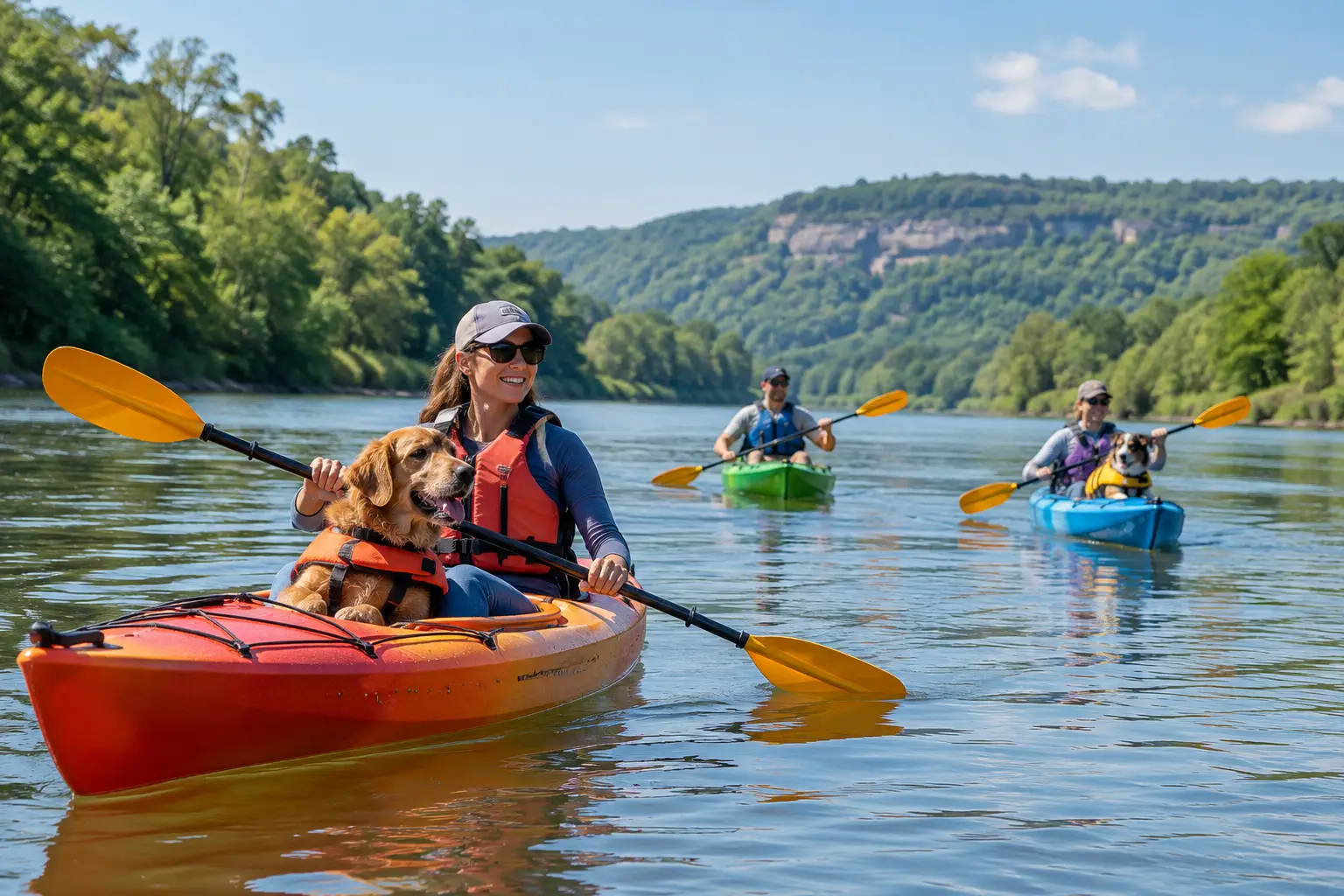
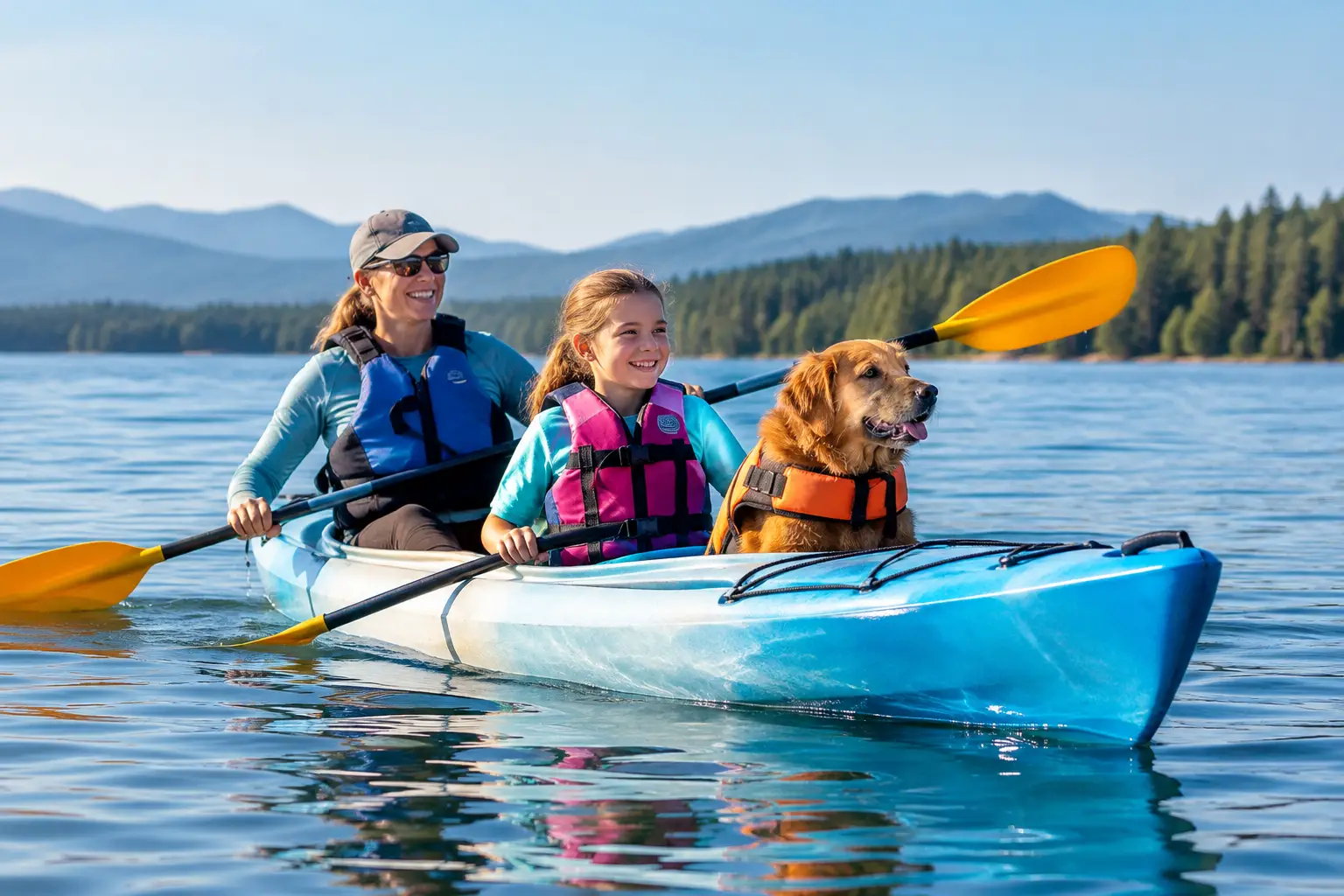
At an Illinois River campground, kayaking makes an excellent main event because it is active without needing everyone to be an expert athlete. Flatwater conditions are especially welcoming for first-time paddlers and families. On a dam-controlled, shallow-water stretch with no current, beginners can focus on the fun part: learning to paddle together, spotting birds, and trying not to spin their tandem kayak in circles.
A guided kayak tour is often the easiest choice for a first family outing. The guide handles the on-water leadership and safety instruction, while you get to be the parent who planned something cool. If your family is ready to paddle independently, rentals can work beautifully too, as long as everyone listens to the safety briefing and follows the launch schedule.
Keep your paddle time realistic. Younger children may be thrilled for an hour and completely done at hour two. That is not a failed adventure. It is good planning. Return while everyone is still having fun, then head back to camp for cold drinks and a snack.
Life Jackets Are Part of the Fun
Every person on the water needs a properly fitted PFD, also called a life jacket. That includes confident swimmers, adults, and kids who insist they “totally know how.” PFDs are required for kayaking, and they should be worn, not tucked under a seat for later.
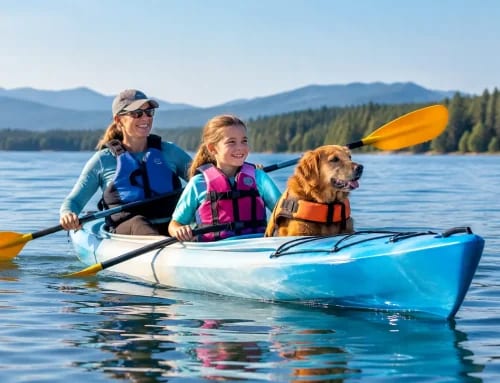
Make the fit check part of the ritual. Buckle it, tighten it, and have your child raise both arms while you gently lift at the shoulder straps. If the jacket slides up over their chin or ears, tighten it or get another size. Choose comfort where you can, but never trade fit for comfort.
A few simple water rules keep the mood light: stay with your group, listen to the guide or staff instructions, keep hands inside the kayak, and tell an adult if you feel tired, cold, or nervous. The goal is confidence, not pushing through discomfort.
Pack for the River, Not Just the Campsite
Camping lists can get enormous. Family river camping calls for a slightly different approach: bring the basics, then protect the things you truly do not want wet.
Start with quick-dry layers, sun hats, sunscreen, and water shoes or sandals that stay on feet. Cotton is fine around camp, but it is less comfortable when wet. Bring a warm layer for the evening, even after a hot Illinois afternoon. River breezes and post-sunset temperatures can surprise people who packed only shorts.
Use a dry bag or a reliable waterproof container for phones, car keys, medications, and a small first-aid kit. Pack extra drinking water and easy snacks for the paddle, such as fruit, crackers, or granola bars. A hungry kid in a kayak is a tiny, highly effective complaint generator.
For camp, focus on items that make bedtime work. Bring sleeping bags appropriate for the forecast, sleeping pads, pillows, flashlights or headlamps, and one familiar comfort item for younger campers. A favorite stuffed animal has saved more family camping trips than any fancy piece of outdoor gear.
If you are bringing four or more people, this quick checklist helps prevent last-minute scavenger hunts:
- Weather-ready sleeping gear, including an extra blanket for chilly nights
- Refillable water bottles, snacks, simple meals, and a cooler
- PFDs for every paddler, plus sun protection and water shoes
- Flashlights, bug spray, a first-aid kit, and a waterproof phone case
- Dog supplies if your four-legged family member is coming along
Make Meals Easy Enough to Enjoy
Camp food does not need to become a cooking show. The best meals for a family trip are familiar, low-mess, and forgiving when timing gets weird. Think breakfast burritos prepared ahead of time, sandwiches after a paddle, hot dogs or foil-packet dinners around the fire, and a breakfast that can be handed out before coffee has fully done its job.
Bring more snacks than you think you need, especially after kayaking. A simple snack station lets kids grab something without opening the cooler every eight minutes. Keep food secured and follow campground rules for food storage and fires.
S’mores are still a great idea, but they do not have to be the only campfire moment. Let kids help choose one campfire job, such as passing out roasting sticks, telling a story, or helping gather approved firewood. Tiny responsibilities make the trip feel like their adventure too.
Camp With Kids Without Scheduling Every Minute
Kids remember the small things: a flashlight walk, a card game under the awning, a raccoon-shaped cloud, or the moment they helped paddle a kayak. You do not need to manufacture every memory.
Set a few boundaries early. Decide where children can roam, establish a buddy system for walking around camp, and name a visible meeting spot. At night, headlamps are easier than handheld flashlights because they leave hands free for zippers, snacks, and holding little hands on the path.
Give older kids some ownership. They can fill water bottles, help set up chairs, choose a trail near Starved Rock, or learn the basics of reading a river map. A little responsibility makes them feel capable, and it gives parents a few minutes to breathe.
Dog-Friendly Camping Takes One Extra Layer of Planning
Dog-friendly camping and kayaking can be a fantastic family move, especially if leaving your pup behind would create more stress than bringing them. Still, a camping dog needs a plan, not just a cute bandana.
Confirm pet policies before booking, then bring a leash, waste bags, a water bowl, food, a secure sleeping setup, and a towel for muddy paws. Keep your dog close at camp and be honest about their temperament around strangers, kids, wildlife, and water.
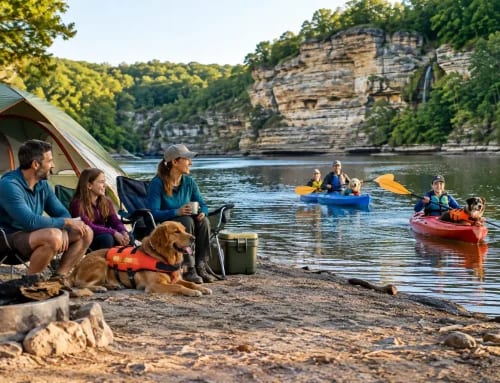
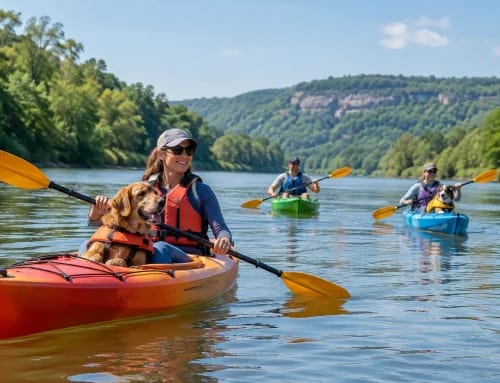
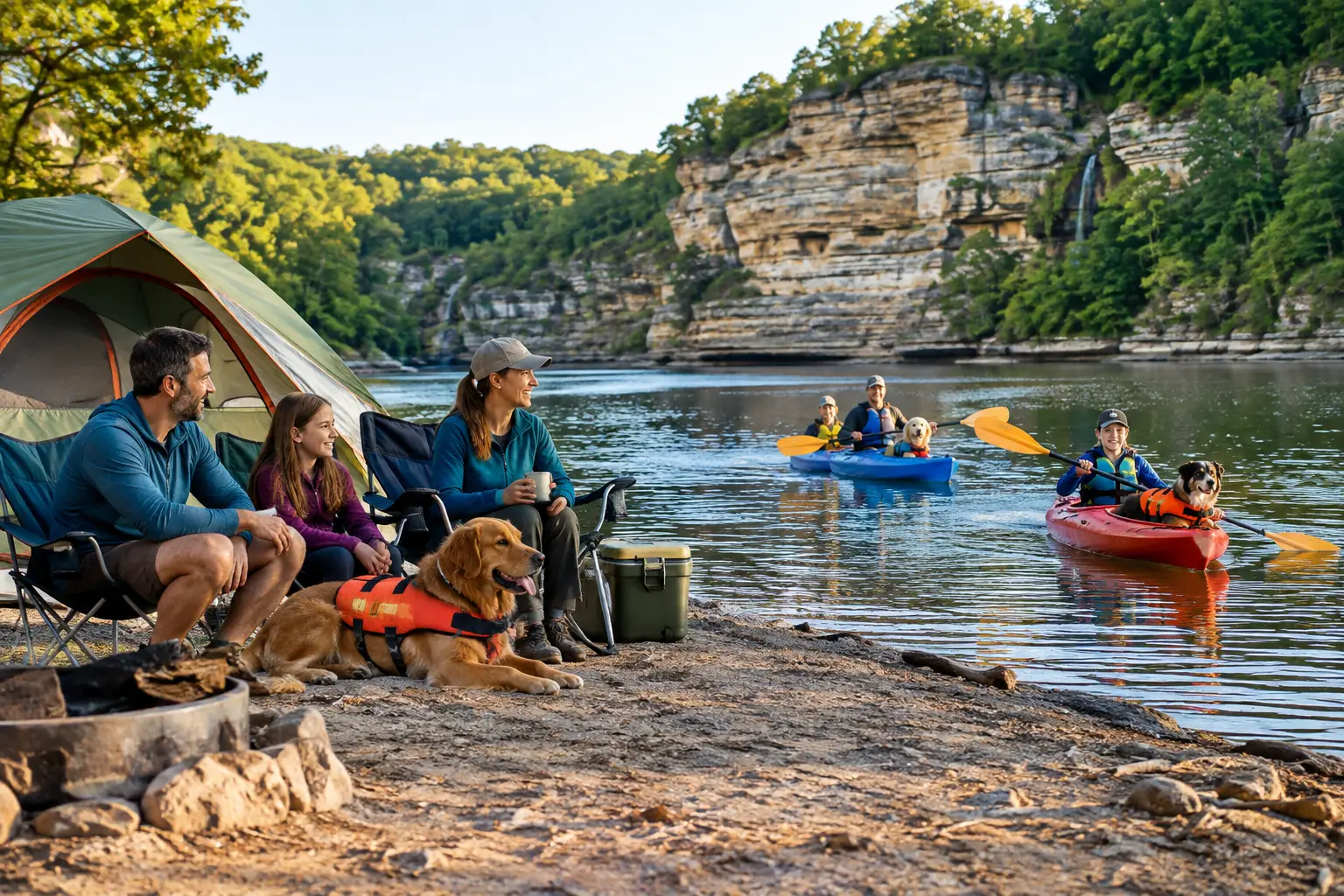
For kayaking, only bring a dog that is comfortable around boats and able to settle. A dog PFD is a smart addition, particularly for smaller dogs or dogs that may jump in after something interesting. Start with a short paddle and never force the experience. Some dogs are born river companions. Others would rather supervise from shore, which is also a respectable career path.
Use the Nearby Park as a Bonus, Not a Marathon
Starved Rock State Park is nearby, and its canyons, trails, and sandstone scenery can make your camping weekend feel like a bigger escape. But hiking plus kayaking plus camp setup can be a lot in one day. Choose a shorter trail or save the hike for the morning after your paddle.
Check conditions, bring water, and choose footwear with grip. If rain is in the forecast, trails can be muddy and schedules may need to shift. A flexible plan is not settling. It is how families keep having fun when the weather decides to freelance.
When you book your weekend, leave a little blank space between the tent setup, the paddle, and the next activity. That open time is where kids skip rocks, parents finish a warm cup of coffee, and the river gets to do what it came to do: slow everybody down.