The wrong kayak size can turn a relaxing day on the Illinois River into a lot of shifting, squeezing, and wondering why your lower back is filing a complaint. Knowing how to choose kayak sizes makes the whole experience more comfortable from the first push off the beach. The good news for first-timers: you do not need to become a boat-design expert. You just need a kayak that fits your body, your plans, and the people or pups coming along.
At Kayak Starved Rock Campground, we see this all the time. A tall paddler may assume they need the longest boat available, while a couple may grab a tandem without considering how differently two people paddle. Size matters, but not in just one way. Length, width, cockpit room, weight capacity, and the type of water all work together.
How to Choose Kayak Sizes: Start With the Trip
Before comparing measurements, decide what kind of paddle day you are planning. A quick, scenic float near Starved Rock calls for something different than an all-day trip with camping gear. A family outing has different needs than a solo paddler hoping to cover a little more water.
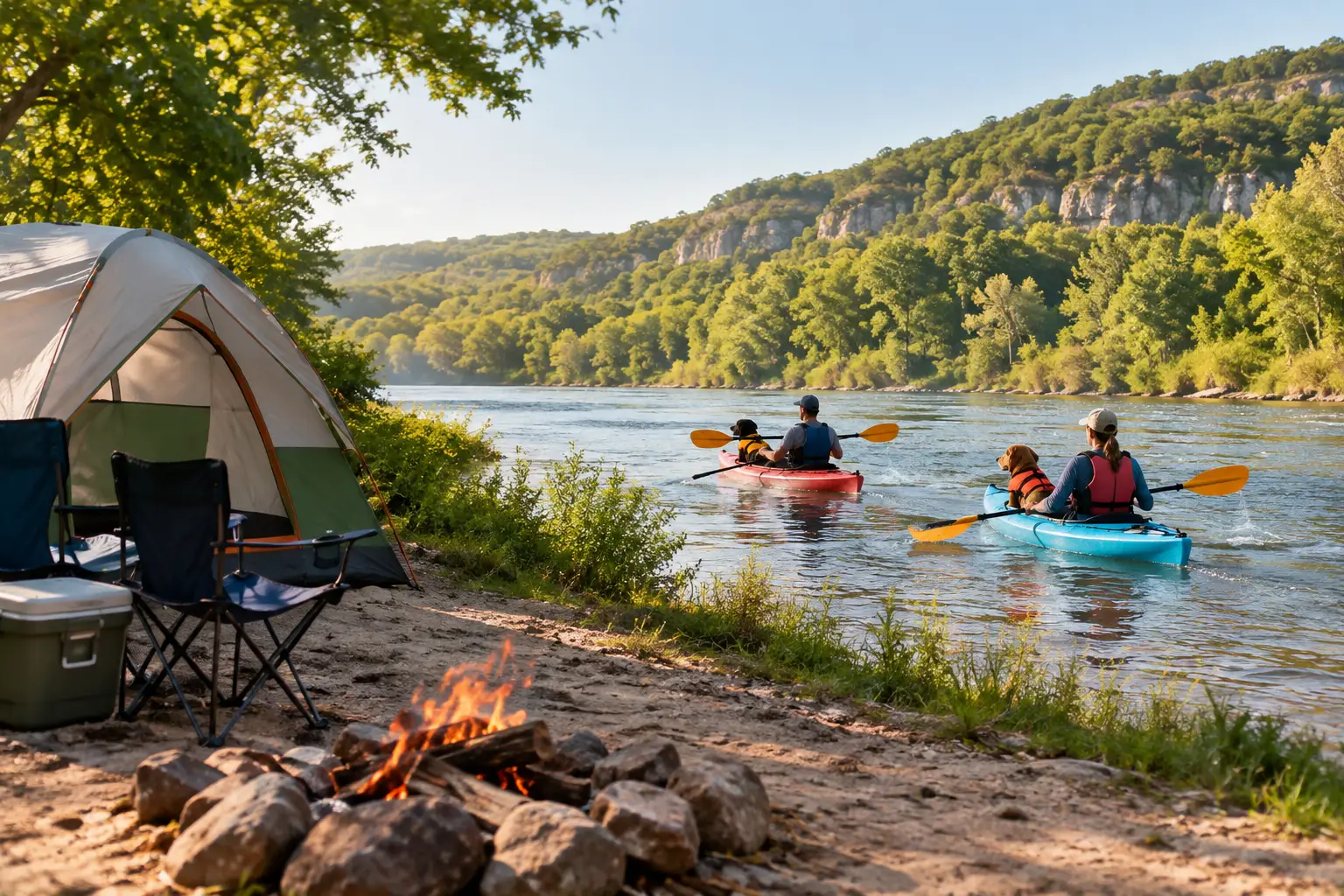
For calm, dam-controlled flatwater, beginner-friendly recreational kayaks are often the happy place. They favor stability, easy entry and exit, and a relaxed ride over pure speed. That is a very good trade for a first paddle, a social afternoon, or a dog-friendly kayaking outing. You want to look around at sandstone bluffs and laugh with your crew, not spend the day correcting a twitchy boat.
A longer, narrower kayak generally moves more efficiently and tracks straighter. It can be a great fit for experienced paddlers or anyone planning longer distances. A shorter, wider kayak usually feels more stable and turns more easily, which is why it is such a favorite for casual river paddling. Neither is automatically better. Match the boat to the day rather than buying into a bigger-is-better idea.
The Measurements That Actually Matter
Length affects speed and maneuverability
Recreational kayaks commonly fall around 9 to 12 feet long. Shorter boats are easier to turn and handle on shore. They are a practical choice for beginners, kids, and paddlers who want a simple day on calm water.
Longer kayaks tend to glide farther with each stroke and hold a straighter line. That can feel smooth and satisfying on an extended paddle, but they can also be heavier and less nimble around a busy launch area. For a first-time rental, comfort and confidence usually matter more than squeezing out extra speed.
Width affects stability and paddling effort
Width is one of the reasons a kayak feels steady or sporty. Wider boats offer more initial stability, meaning they feel reassuring when you climb in, shift your weight, or reach for a water bottle. That confidence is especially valuable for families, nervous beginners, and anyone bringing a well-behaved four-legged first mate.
The trade-off is that a very wide kayak can take a little more effort to paddle efficiently because you have to reach farther around the sides. Narrower boats are often quicker through the water, but they may feel less forgiving at first. On quiet flatwater, most casual paddlers will appreciate a stable platform more than a racing-style hull.
Cockpit fit affects comfort and control
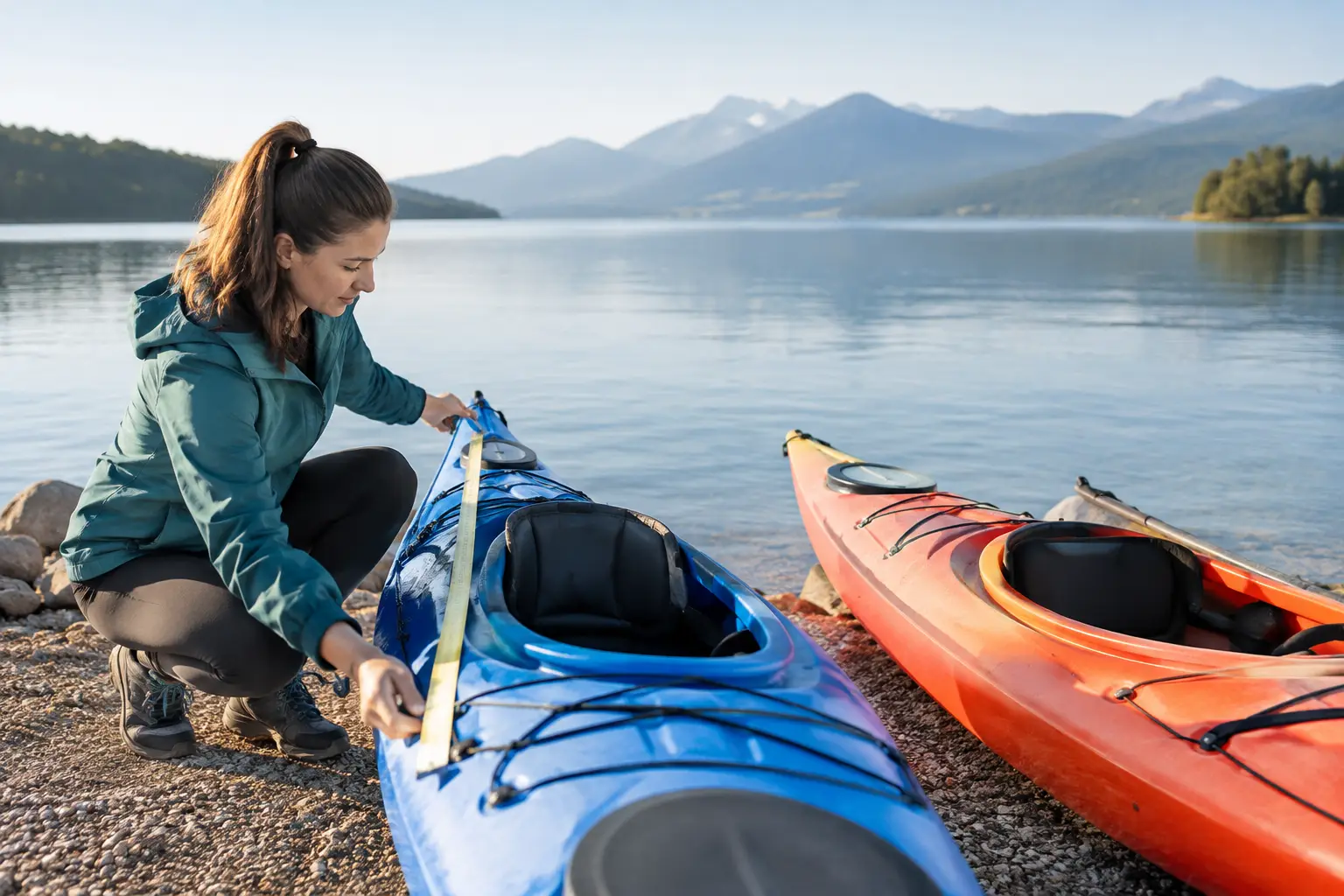
Do not judge a kayak only by whether you can physically get inside. You should be able to sit down and get out without a gymnastics routine. Your legs need room to bend naturally, your feet should reach the foot braces, and your knees should not be jammed against the deck.
A properly adjusted foot brace matters more than many new paddlers expect. When your feet have something firm to press against, your torso can rotate with each stroke instead of making your arms do all the work. You will feel more balanced, more comfortable, and less tired.
Taller paddlers often need extra legroom and a longer cockpit opening. Smaller adults and older children may feel more secure in a kayak with a narrower seating area and reachable foot braces. Try the fit before launching whenever possible. A few minutes on shore is much better than spending two hours sliding around in a seat that does not suit you.
Check Weight Capacity, Not Just Body Weight
Every kayak has a maximum weight capacity, and that number includes everything aboard. Count the paddler, PFD, water bottles, dry bags, snacks, fishing gear, camera equipment, and any dog joining the adventure.
Staying under the maximum is a safety basic, but staying comfortably below it is usually better for performance. A kayak loaded right to its limit sits lower in the water, can feel sluggish, and may take on water more easily if conditions change. If you are bringing overnight gear for waterfront camping, a larger boat or a carefully packed setup can make a real difference.
For a day trip, use this simple approach: add up your body weight and all expected gear, then choose a kayak with plenty of room to spare. Do not forget the cooler. Coolers have a funny way of gaining ten pounds between the grocery store and the launch.
Choosing Between a Single and Tandem Kayak
A single kayak gives each paddler independence. You set your own pace, choose your own line, and do not have to negotiate who is splashing whom. Singles are often the easiest option for friends with different energy levels or experience levels.
A tandem kayak puts two people in one boat, which can be a blast for couples, parents and kids, or a beginner paired with a more confident paddler. It also requires a little teamwork. The person in back usually has more influence over steering, while the person in front helps establish a comfortable rhythm.
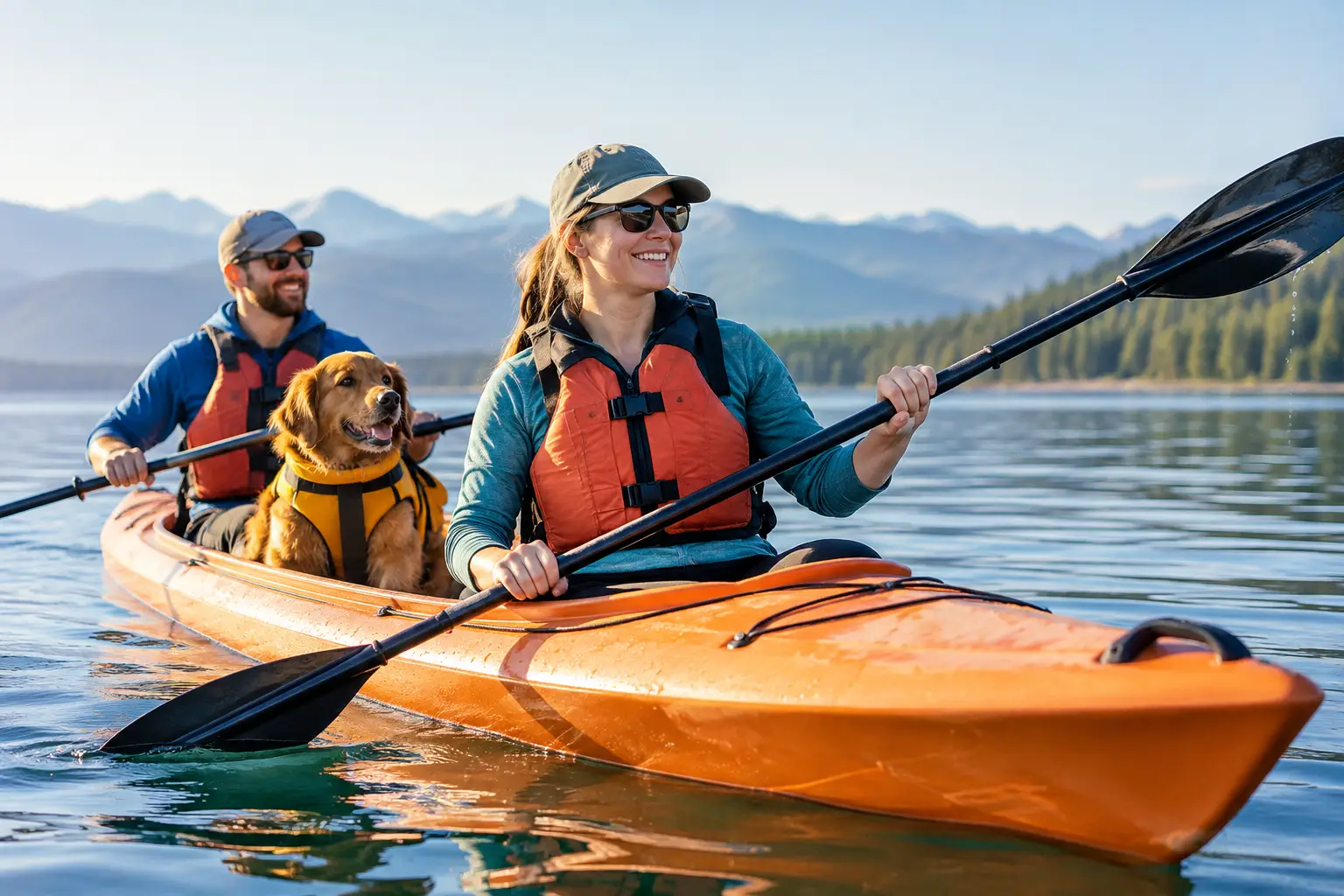
Tandems work best when both paddlers understand that communication is part of the gear list. Call out when you need a break, agree on a pace, and avoid the classic move where both people paddle hard on opposite sides because neither has said where they are going. If you are bringing a child or dog, make sure there is a secure, comfortable place for them to sit without crowding the paddlers or affecting the boat’s balance.
Kids, Dogs, and First-Time Paddlers
For children, kayak sizing is about fit, supervision, and maturity, not just age. A child who cannot comfortably reach the foot braces or control a paddle may be happier riding with an adult in a tandem. Older kids who can follow instructions and fit the boat properly may enjoy their own smaller, stable kayak in calm conditions.
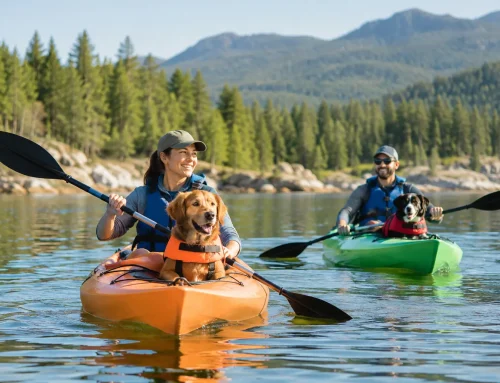
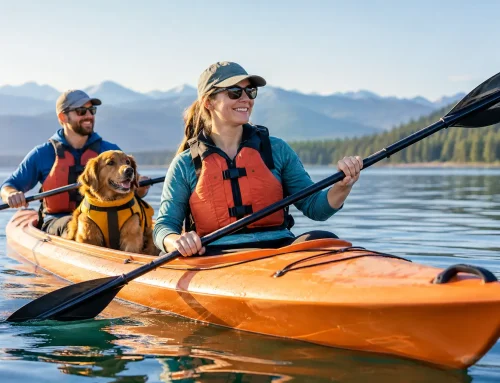
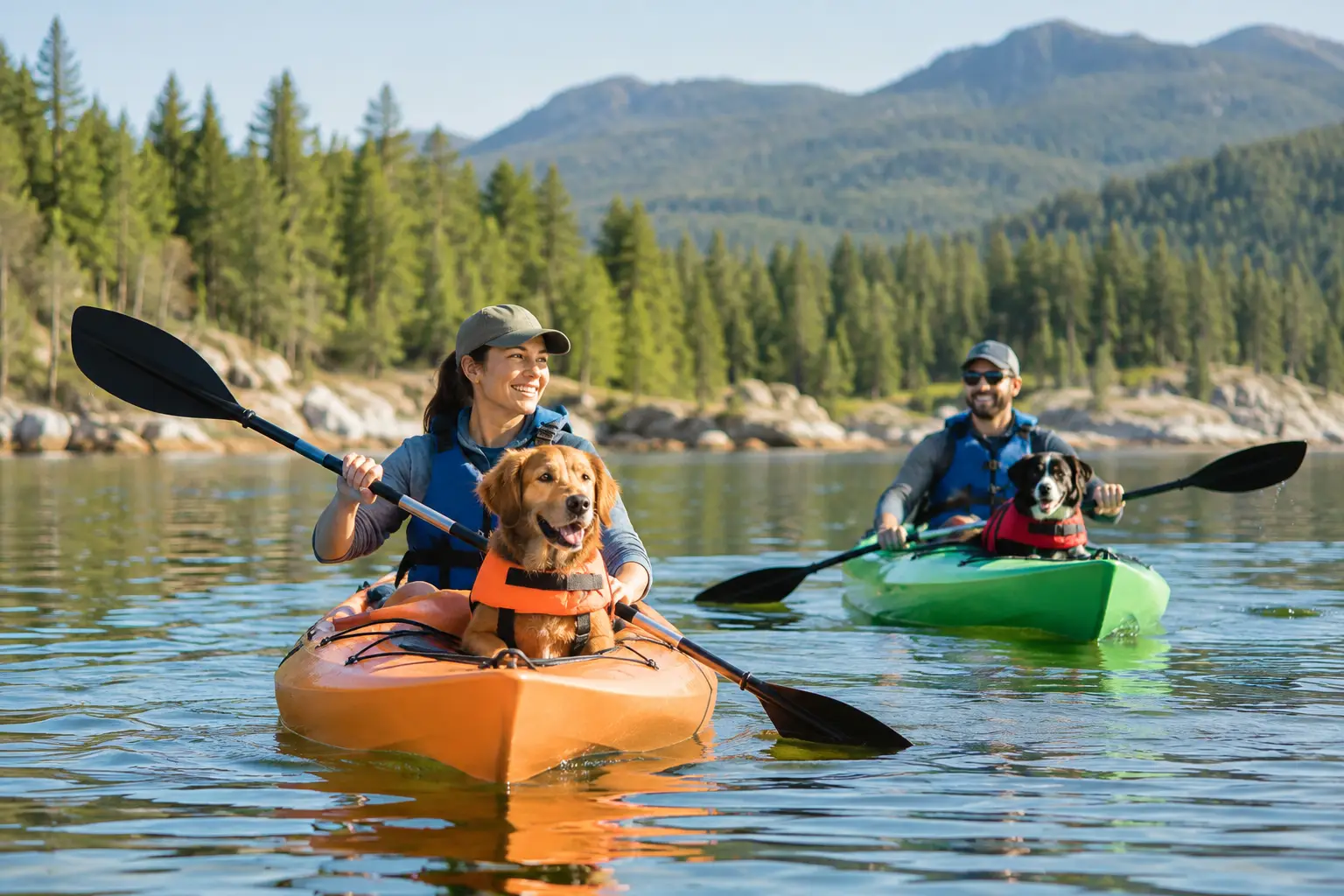
Dogs need their own planning, too. A dog-friendly kayak trip is most enjoyable when your pup is calm around water, comfortable wearing a canine flotation device, and able to settle instead of constantly switching sides. A wider, open recreational kayak is generally easier for dogs than a tight cockpit. Bring fresh water, keep the load balanced, and give your dog a shore break before they start campaigning for the front seat.
Every person on the water needs a properly fitted PFD, and it should be worn, not used as a seat cushion. Make sure the jacket is snug enough that it will not ride up, while still allowing normal breathing and movement. For first-timers, this is one reason guided instruction is so valuable: you get clear help with fit, setup, and the basic strokes that make a kayak feel friendly fast.
Test the Fit Before You Commit
If you are renting, ask the staff to help match you with a boat. Share your height, approximate weight, paddling experience, whether you have gear, and whether you are bringing a child or dog. That is not an interrogation. It is how a good outfitter helps you start the day in the right seat.
Once you are in the kayak, check a few practical details. Can you reach the foot braces with a slight bend in your knees? Can you rotate your torso without pinching? Is the seat supporting you comfortably? Can you get in and out safely at the launch? If the answer is no, switch boats before heading out.
For buyers, demo days and rental experiences are even more useful than reading a spec sheet. Two kayaks with nearly identical measurements can feel completely different because of seat shape, hull design, deck height, and where the weight sits. Paddle one in the kind of conditions you actually plan to enjoy.
The best-size kayak is the one that lets you relax enough to notice the river, enjoy your people, and want to paddle again tomorrow. Choose stable over flashy when you are starting out, leave room for gear and comfort, wear your PFD every time, and let the adventure be the hard part of your decision – not the seating arrangement.