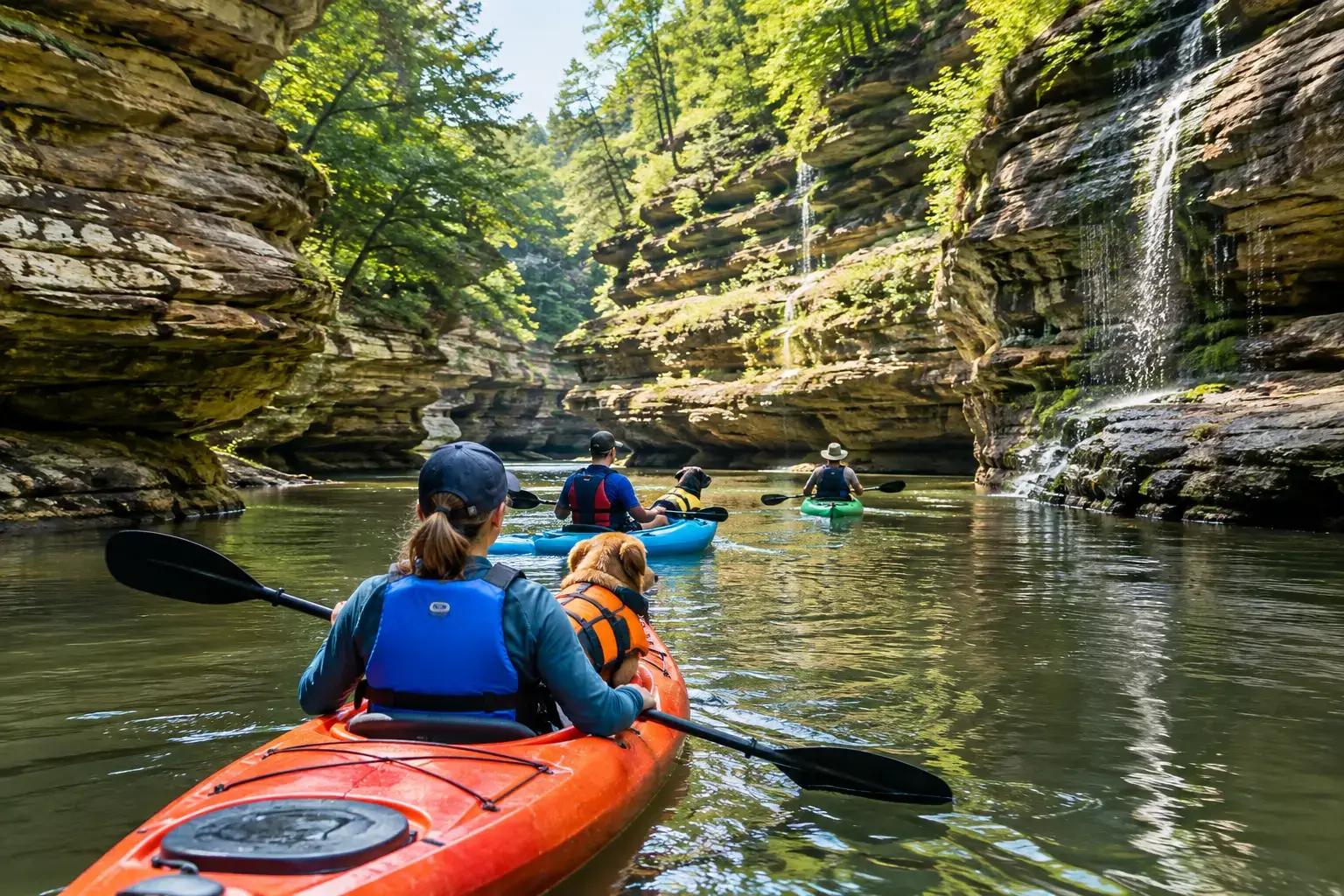
The top 5 canyons at Starved Rock State Park are where a regular Illinois hike turns into something that feels wildly bigger than a day trip. One minute, you are walking through woods and along sandstone bluffs. The next, you are standing beneath towering rock walls, listening to water drip after a rain, or watching a winter waterfall turn to ice.
That switch-up is the whole magic of Starved Rock. It is close enough for an easy escape from Chicago, but the canyons give the day a real away-from-it-all feeling. Pick your route based on recent weather, how much walking your crew enjoys, and whether you want the biggest waterfall payoff or a quieter sandstone hideout.
How We Picked These Starved Rock Canyons
Starved Rock State Park has more canyons than most first-time visitors expect. Choosing only five is less about declaring a permanent winner and more about helping you make the most of one day. These picks balance scenery, waterfall potential, trail experience, and that satisfying “we came all this way and wow” factor.
Water changes everything here. After rain or snowmelt, seasonal waterfalls can turn a good canyon into a showstopper. During dry stretches, you may find a beautiful sandstone corridor with only a trickle or no flowing water at all. That does not make the hike a bust, but it does mean waterfall-chasers should set expectations accordingly.
Trail conditions can also change with weather, maintenance, and erosion. Wear shoes with grip, bring water, and check current park information before heading out. Sandstone steps and wet rock are not the place for flip-flops or a rushed schedule.
The Top 5 Canyons at Starved Rock State Park
1. French Canyon
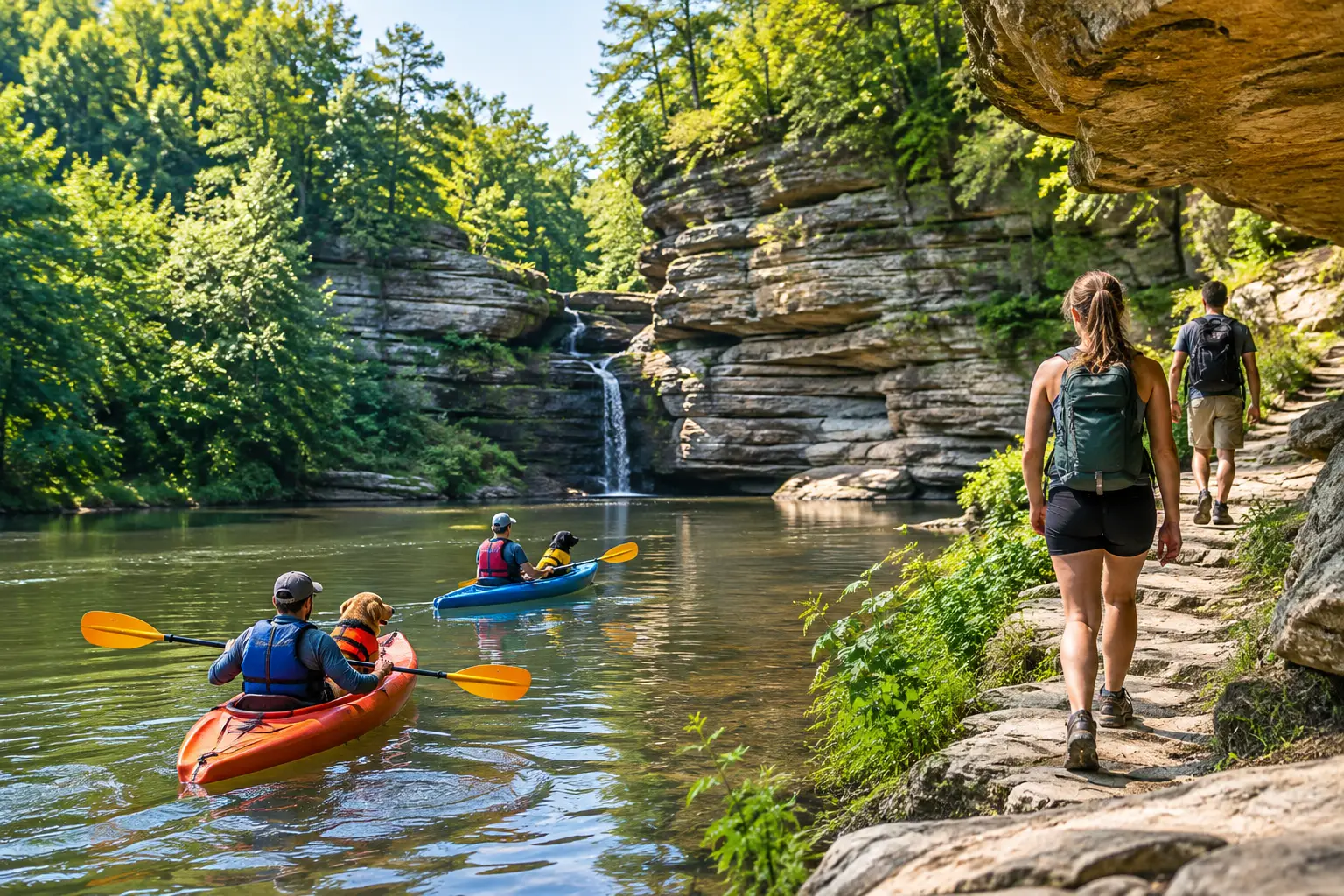
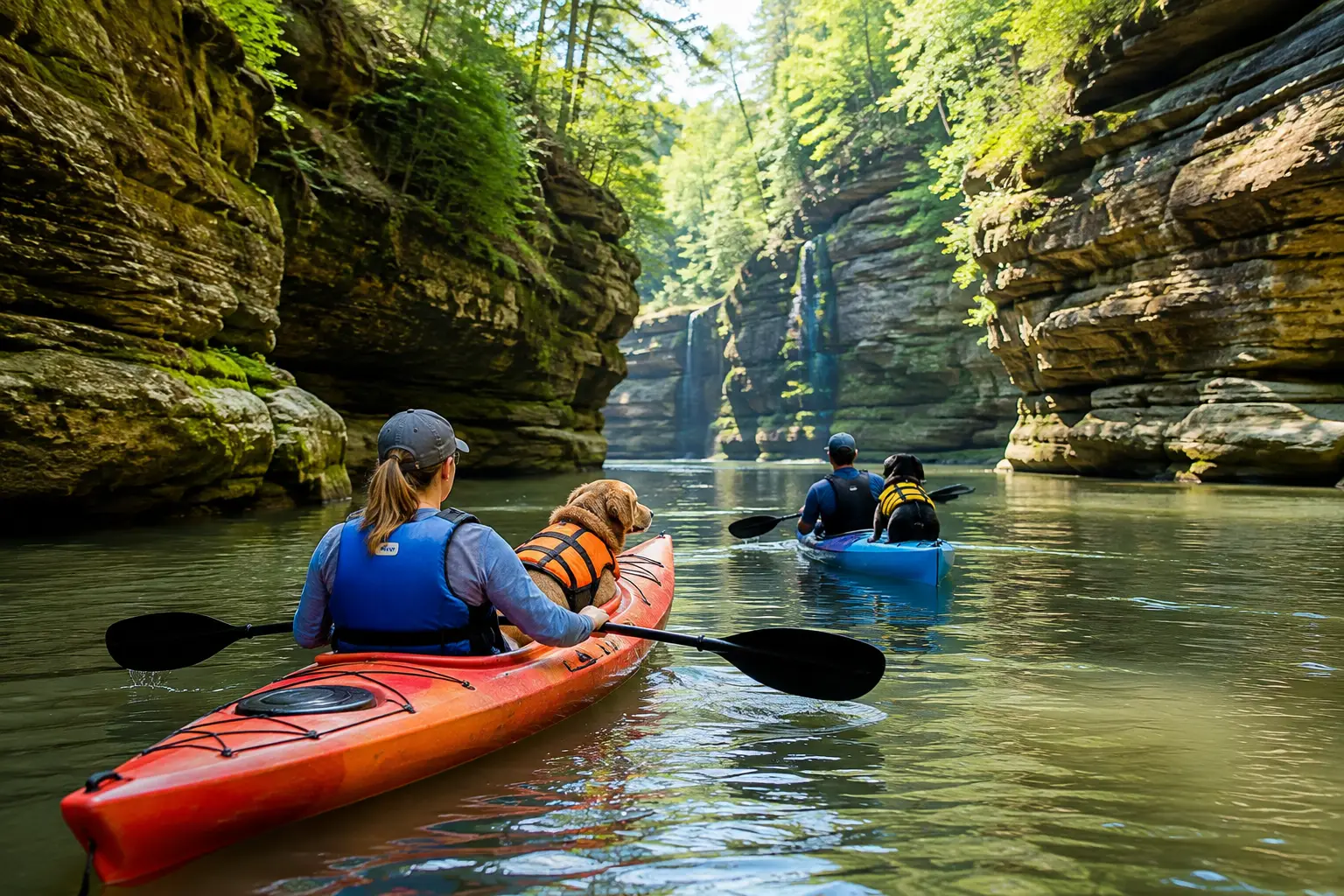
French Canyon is the classic first choice because it delivers the look people picture when they hear “Starved Rock canyon.” Tall, narrow sandstone walls frame the trail, and the canyon feels cooler and more enclosed than the open bluff paths above it. If water is running, the waterfall at the end gives the hike a proper finish.
It is popular for good reason, so an early start pays off, especially on sunny weekends. French Canyon works well for couples, first-time park visitors, and families with kids who need a scenic reward to stay excited about the walk. It is not a wilderness solitude experience at peak times, but it is one of the most reliable crowd-pleasers in the park.
2. St. Louis Canyon
St. Louis Canyon earns its spot for pure waterfall drama. Its sandstone walls rise around a broad amphitheater, creating one of the most photogenic destinations in the park when water is flowing. After a good rain, the waterfall can be the kind of scene that makes everyone in the group stop talking for a minute.
The trade-off is that it takes more commitment than a quick overlook stop. Plan for a longer hike and allow time to move carefully through uneven areas. For visitors who want one memorable canyon rather than trying to check off every trail, St. Louis Canyon is a strong bet. In colder months, icy formations can be spectacular, but winter footing calls for extra caution and appropriate gear.
3. Wildcat Canyon
Wildcat Canyon brings the drama. The rock walls feel steep and close, and its waterfall is often one of the most exciting to see when conditions are right. This is a great pick for hikers who want a canyon that feels less like a stroll and more like an actual destination.
Because the setting is rugged, Wildcat is best enjoyed at a relaxed pace. Keep children close, stay on marked trails, and resist the temptation to climb or step onto unstable rock for a better photo. The best photo is never worth a bad landing. Go after rainfall if you are chasing a stronger waterfall, but expect muddy or slick conditions and choose footwear that can handle them.
4. LaSalle Canyon
LaSalle Canyon is a favorite for people who want a little more breathing room. It has dramatic sandstone walls, a seasonal waterfall, and a rewarding sense of being tucked away from the busiest areas of the park. The hike can feel like a mini expedition without requiring a full weekend backpacking plan.
This one is especially good for visitors returning to Starved Rock who have already seen the headline canyons. It is also a solid choice when your group wants to slow down, take photos, and enjoy the forest as much as the final waterfall. Like the other canyons, its water flow depends on the season. The rock formations remain worth the trip even when the falls are quiet.
5. Tonty Canyon
Tonty Canyon is the sleeper pick. It may not always get the same first-timer attention as French or St. Louis, but that is part of its appeal. The canyon has beautiful rock walls and a more tucked-away character that rewards hikers willing to venture beyond the obvious stops.
Choose Tonty if your group likes discovering a place that feels a little less expected. It fits nicely into a longer canyon day, especially if you begin early and leave room for breaks. Be realistic about energy levels, though. Trying to rush five canyons in one afternoon can turn a fun outing into a tired march. Two or three well-chosen stops usually make a better day than a frantic checklist.
When to See Waterfalls in Starved Rock
The biggest canyon question is usually, “Will there be water?” The honest answer is: it depends. Spring snowmelt, rainy periods, and the days immediately following steady precipitation generally offer the best chance of active waterfalls. In late summer or during dry weather, many falls can slow to a trickle.
Winter has its own appeal. Frozen waterfalls and ice formations can look incredible, but cold-weather hiking requires more planning, traction, and good judgment. Do not go beyond closed areas or ignore icy trail warnings. The canyons are beautiful because they are natural, not because they are risk-free.
If waterfalls are your priority, build flexibility into your plan. A forecast that includes rain may not sound like perfect hiking weather, but a day or two afterward can create some of the park’s most memorable scenes.
Turn a Canyon Hike Into a Near-Chicago Weekend
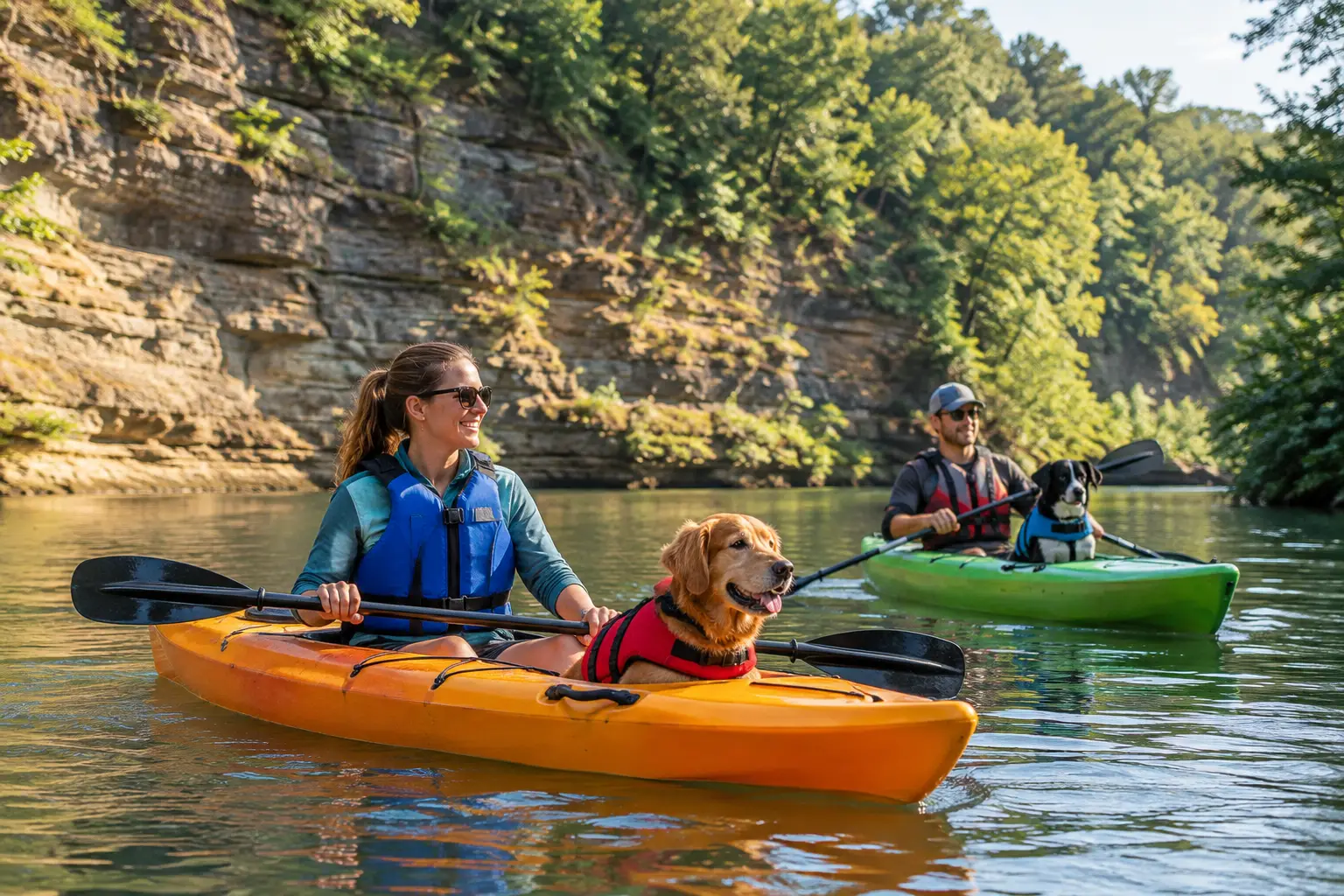
A canyon hike and a paddle on the Illinois River make a pretty great two-part escape. The views from the water give you a different perspective on Starved Rock’s bluff country, while the trails give you the close-up sandstone experience you cannot get from a kayak.
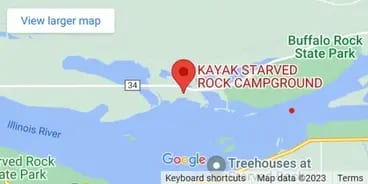
For beginners, flatwater kayaking is a friendly way to add adventure without needing whitewater skills. At Kayak Starved Rock Campground, rentals and guided options are designed to keep the logistics simple, with safety instruction and required PFDs helping first-timers feel ready before they launch. If you are camping nearby, it is easy to make the hike your morning plan and save your paddle for later when you are ready to trade trail dust for river views.
Camping also solves the biggest problem with a popular day trip: feeling rushed. Instead of trying to beat traffic back to Chicago immediately after the hike, you can settle in, cook dinner, swap canyon photos, and wake up ready for another round. Tent camping, pop-up camping, teardrop setups, and glamping-style stays all work for different comfort levels. The best choice is the one that gets your group outside without turning setup into a second job.
Dogs can be part of the fun, too, when they are welcome and prepared for the conditions. Bring water, a leash, waste bags, and a plan for warm trails. If your pup joins you on the water, a properly fitted canine flotation vest is a smart addition to the packing list.
A Better Way to Plan Your Canyon Day
Start early, especially on weekends and during peak fall color. Pick two main canyons and one backup rather than trying to conquer the whole park. That gives you space for parking, snack breaks, trail conditions, and the inevitable moment when someone wants to take 47 photos of the same waterfall.
Pack light but smart: water, snacks, layers, rain protection, a small first-aid kit, and shoes that grip. Keep your phone charged, but do not let it become the only reason you notice the scenery. The best canyon days have a little room for wandering, laughing, and taking the slower trail when it looks interesting.
Whether French Canyon delivers a roaring waterfall or Tonty Canyon gives you a quiet sandstone pause, give yourself enough time to enjoy the surprise. That is when Starved Rock feels less like a stop on the map and more like your favorite kind of near-Chicago escape.
Key Takeaways
- French Canyon is the classic first choice, with tall, narrow sandstone walls and a waterfall at the end when water is running.
- St. Louis Canyon delivers the strongest waterfall drama, with broad amphitheater-like sandstone walls and icy formations in colder months.
- Wildcat Canyon feels steep and close, and it rewards hikers who go after rainfall while staying on marked trails and avoiding unstable rock.
- LaSalle Canyon offers dramatic sandstone walls, a seasonal waterfall, and more breathing room for visitors who want a quieter canyon day.