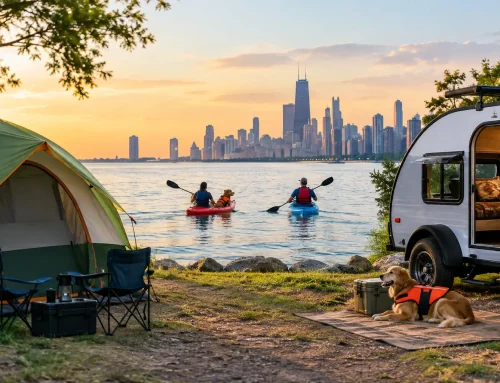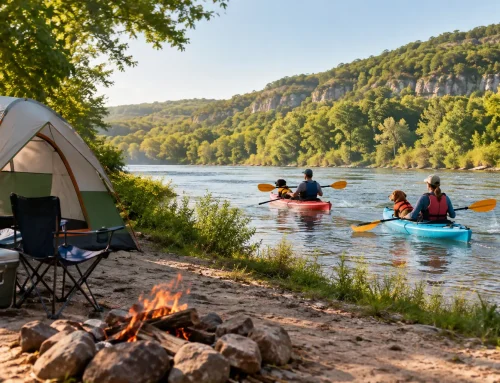
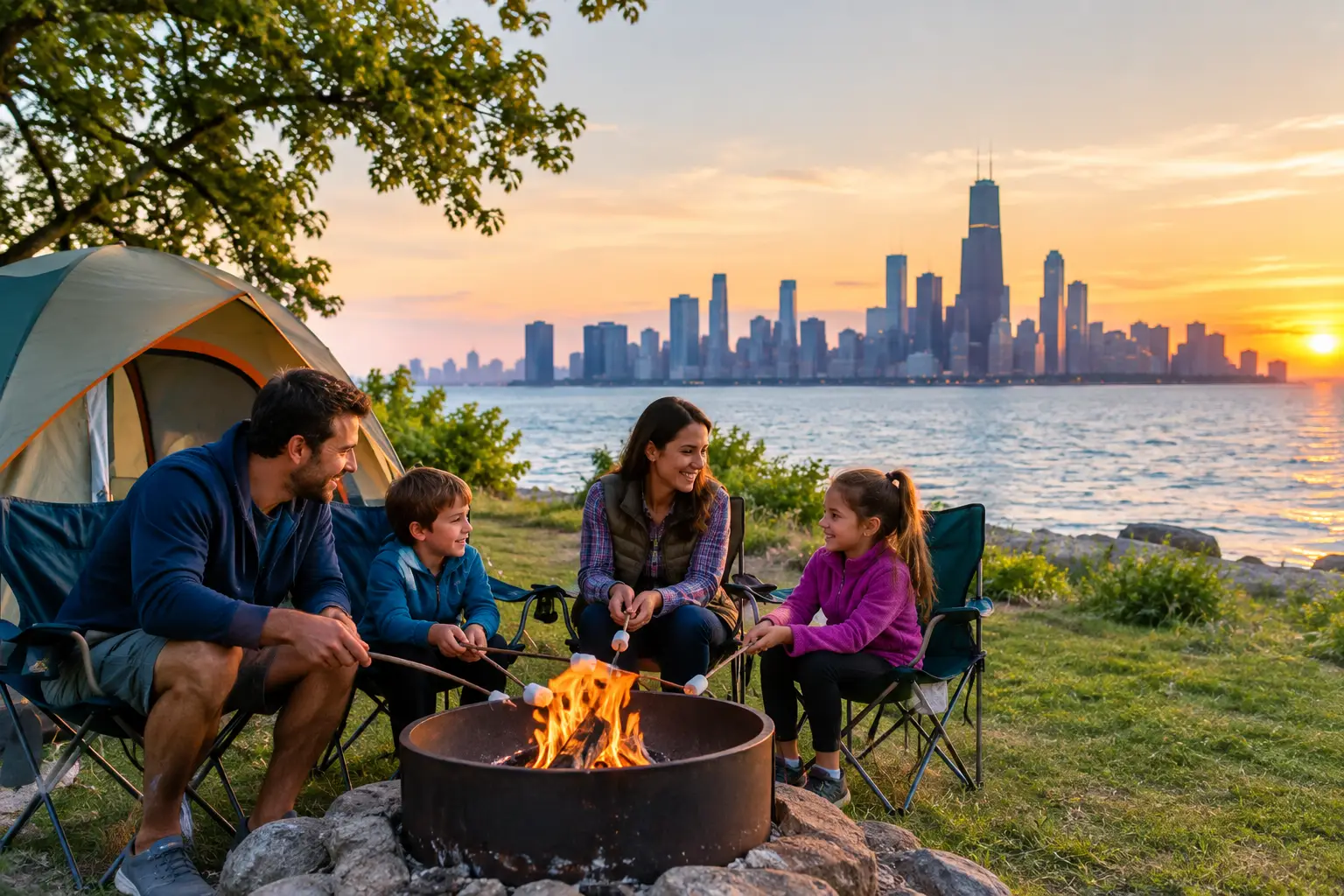
Chicago families are not looking for a three-day logistics project disguised as a weekend away. The biggest family camping trends near Chicago point to something much better: short drives, easy setup, room for dogs and kids to roam, and one memorable activity that gets everybody off their screens. A waterfront campsite near Starved Rock can turn a simple overnight into the kind of story the kids retell on the ride home.
For many families, the sweet spot is a one- or two-night stay with a paddle on the Illinois River, dinner at camp, and enough time to explore the sandstone bluffs and trails near Starved Rock State Park. No cross-state hauling. No expert-level wilderness skills. Just fresh air, a campfire, and a very good excuse to leave the group chat unanswered for a while.
Family Camping Trends Near Chicago Are Getting Easier
The old idea of family camping involved packing half the garage, arriving after dark, and debating tent poles while someone’s toddler announced they were hungry again. Families still love a classic tent weekend, but they increasingly want the fun parts of camping without the complicated setup.
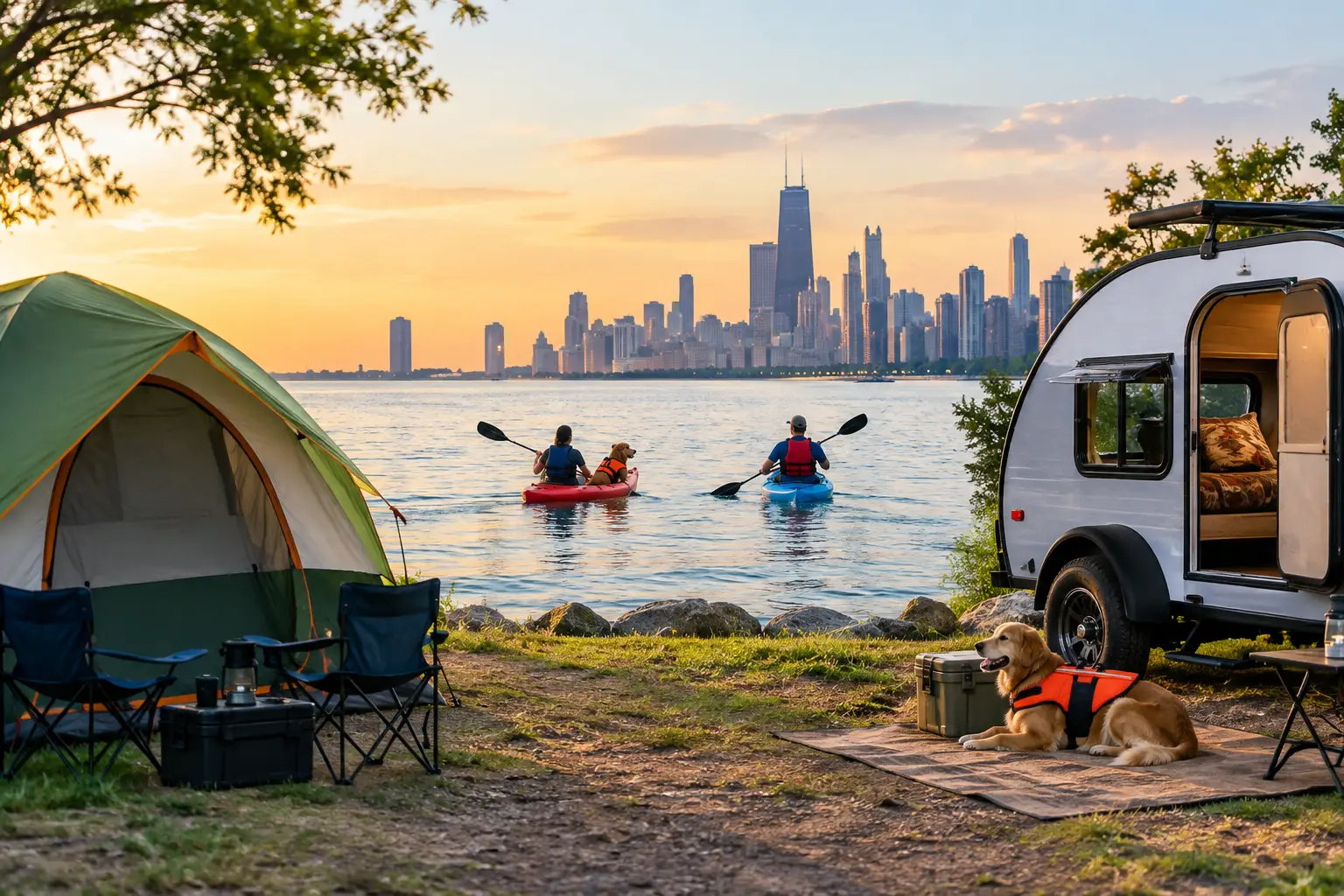
That is why ready-to-camp options are gaining ground. A tent camping package is a great fit for families who want the real campfire-and-sleeping-bag experience but do not own every piece of gear. Pop-up campers offer another comfortable middle ground, with quick setup and a little more shelter from unpredictable Illinois weather. Teardrop camping appeals to families and couples who like the compact, cozy feeling of a camper while keeping the getaway simple.
The trend is not that everyone wants to “glamp.” It is that people want to spend their limited weekend time outside instead of troubleshooting equipment. For a first camping trip with kids, choosing a setup that feels manageable can be the difference between making camping a family tradition and declaring the tent permanently retired to the basement.
One destination, more to do
Campgrounds that pair an overnight stay with an activity are especially appealing near Chicago. A campsite is the home base, but kayaking, hiking, wildlife watching, and exploring the Starved Rock area give the weekend shape. Parents do not have to invent a new game every 20 minutes, and kids get a little adventure with their marshmallows.
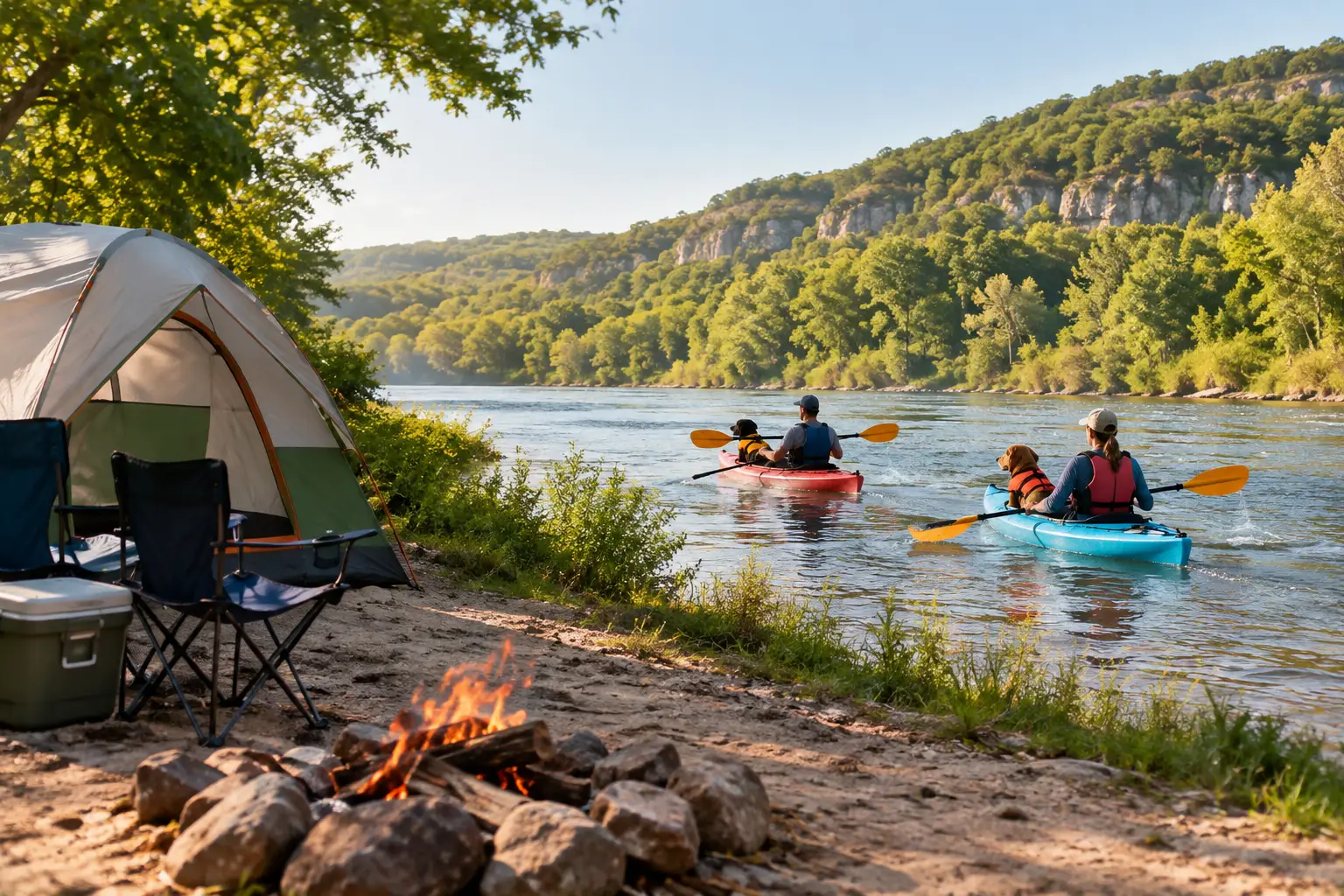
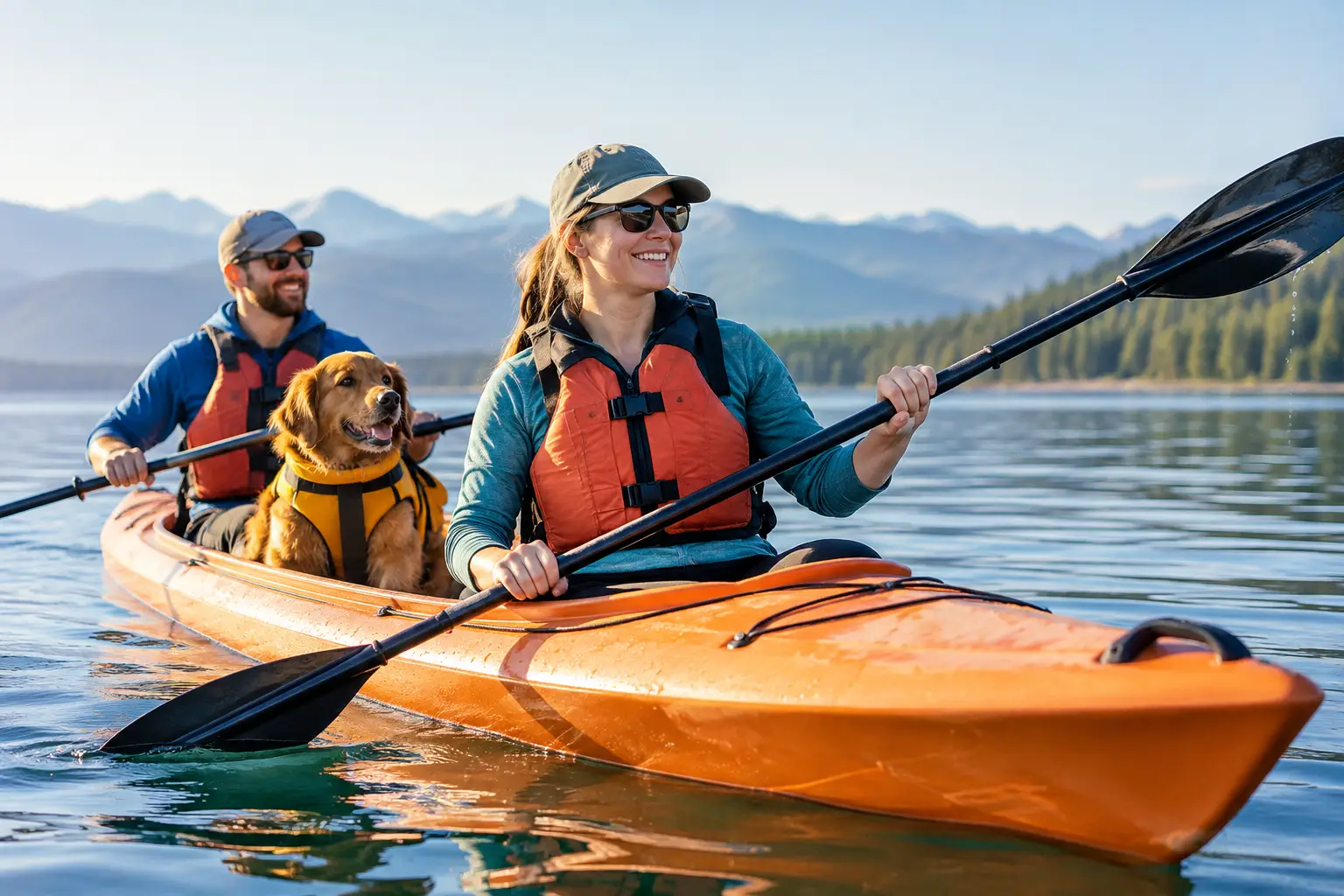
Paddle-and-camp weekends are a natural fit here. The Illinois River offers big-sky scenery, shoreline views, and a calm-water experience that feels adventurous without requiring a technical paddling background. Kayak Starved Rock Campground is built around that easy combination: waterfront camping, beginner-friendly kayaking, and the nearby scenery that makes Starved Rock a favorite escape from the city.
Waterfront Camping Is Replacing the Long Drive
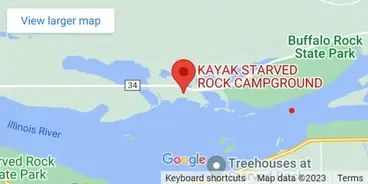
A big part of the camping near Chicago trend is geographic: people want a destination that feels removed from daily life but does not consume the whole weekend getting there. For Northern Illinois families, a trip near Starved Rock State Park can deliver that shift in scenery in about 90 minutes from Chicago, depending on where you start.
Waterfront camping adds an extra layer that a standard field campsite cannot always provide. Morning coffee has a view. Kids can watch boats and birds from camp. An afternoon kayak trip begins close to where everyone is already sleeping. At night, the sounds of the river make even a modest campsite feel like a proper getaway.
There is a trade-off, of course. Waterfront sites are popular, especially on warm weekends and holidays, so spontaneous plans may not always get the best availability. Booking ahead lets families choose a campsite and build the weekend around launch times, meals, and bedtime rather than racing the sunset.
Flatwater paddling makes family trips more approachable
Parents often love the idea of kayaking right up until they picture strong current, confusing routes, or a child deciding halfway through that they are done. The best family-friendly paddling environments remove those worries before the boat leaves shore.
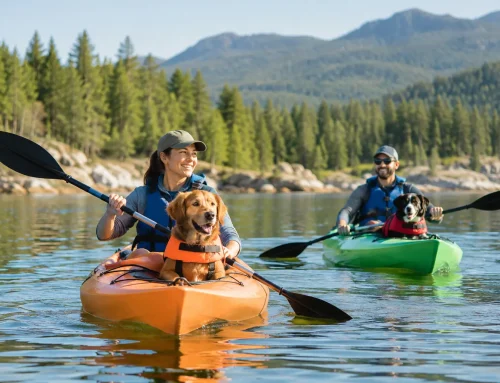
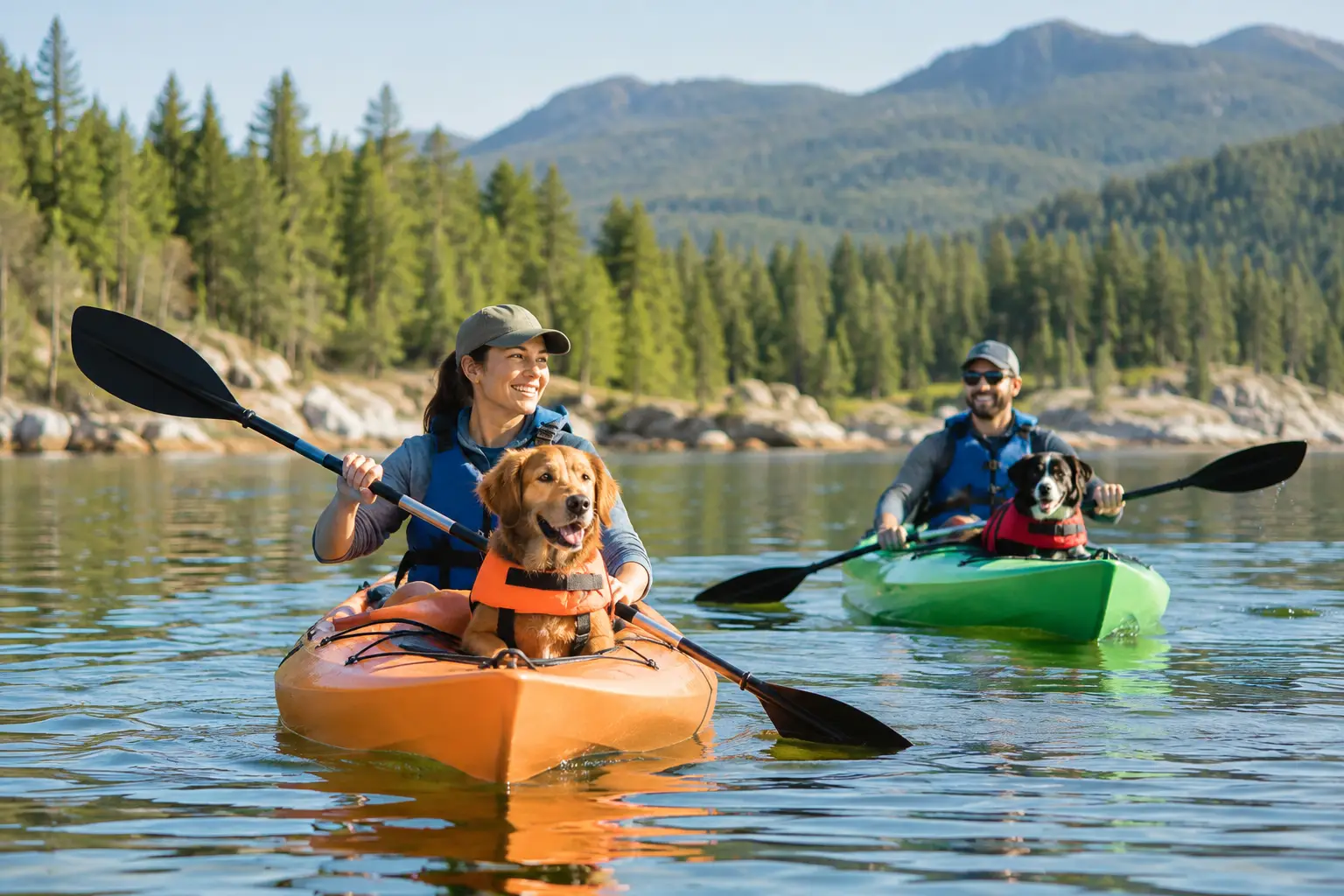
On a dam-controlled section of the Illinois River, consistently runnable water and no current make the experience far more approachable for first-timers. Shallow, calm conditions let families focus on paddling together, spotting wildlife, and laughing at Dad’s first attempt at steering straight. Tandem kayaks can be a smart choice for younger children or anyone who wants a more reassuring ride, while single kayaks suit older kids and adults ready for a little independence.
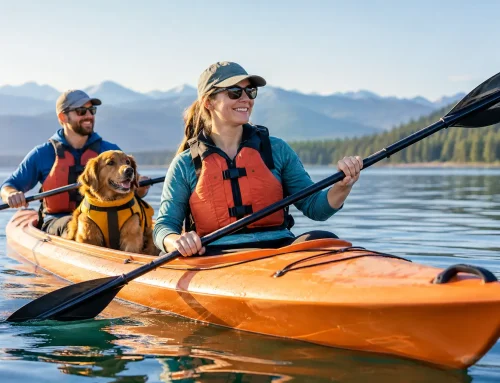
Safety is part of the fun, not a buzzkill interrupting it. Every paddler should wear a properly fitted PFD, follow the launch instructions, and respect the last-launch cutoff. A guided kayak tour is often the easiest first experience because instruction, route knowledge, and on-water leadership are already handled. Families can ask questions, learn the basics, and spend less energy wondering whether they are doing it right.
Dog-Friendly Camping Is No Longer a Nice Extra
For many Chicago-area families, the dog is not an afterthought. The dog is part of the travel party, has opinions about car rides, and will absolutely notice if everyone leaves without them. That is one reason dog-friendly camping and kayaking continue to grow.
A dog-friendly campsite makes a short weekend escape more realistic because there is no need to arrange boarding or ask a neighbor for favors. Dogs tend to love the smells, open space, and opportunity to nap beside a campfire after a busy day. The humans tend to love the photo evidence.
But dog-friendly does not mean rule-free. Bring a leash, water bowl, waste bags, a secure sleeping arrangement, and a dog PFD for any time your pup joins you on the water. Not every dog enjoys kayaking, and that is fine. A relaxed dog at camp is better than a stressed dog in a boat. Consider your pet’s temperament, the weather, and how comfortably they handle new environments before making them first mate.
The Return of the Short, Social Campout
Another of the strongest family camping trends near Chicago is the rise of the shared weekend. Families are inviting cousins, grandparents, close friends, and other families to camp nearby rather than trying to coordinate a big vacation far away. It is easier to plan, less expensive per person, and much more forgiving when schedules are packed.
This is where a campground with different accommodation styles shines. One family may bring a teardrop camper. Another may want a traditional tent site. A couple might choose a pop-up setup. Everyone can meet for breakfast, paddle together in the afternoon, and gather around the fire later without needing identical gear or identical camping experience.
Scouting groups and family reunions can benefit from the same model. A guided group paddle gives everyone a shared activity, while camping creates the slower, more social time that hotels rarely offer. The key is not overpacking the itinerary. Leave room for skipping rocks, card games at the picnic table, and the important debate over whose s’more technique is objectively best.
How to Plan a Low-Stress Camping Weekend
The best weekend plans have a little structure and plenty of breathing room. Reserve your camping setup first, especially if you want a waterfront spot or a ready-to-camp option. Then choose whether kayaking will be a guided tour or a rental. Families new to paddling often appreciate a morning tour, when everyone is rested and the day still has room for hiking or relaxing afterward.
Pack for comfort, not survival-show bragging rights. Layers are useful near the river, even after a hot day. Bring bug spray, refillable water bottles, a flashlight or headlamp, easy meals, and dry clothes for after paddling. For kids, a favorite blanket, small camp chair, and familiar bedtime item can make sleeping outdoors feel exciting rather than unfamiliar.
Check operating hours and launch cutoffs before arriving. Getting to the site with time to settle in is a small decision that prevents a lot of unnecessary stress. If you bring your own kayak, confirm access details and safety requirements in advance. If you rent, listen to the orientation, wear your PFD from launch to landing, and ask every question you have. There are no bonus points for pretending you already know the answer.
The best family camping trip is not the one with the fullest schedule or the fanciest gear. It is the one where your crew comes home a little tired, pleasantly smoky, and already talking about the next river weekend.