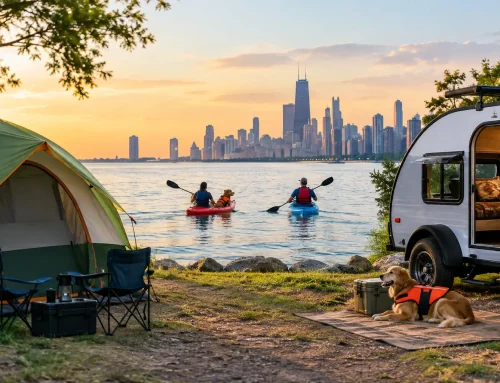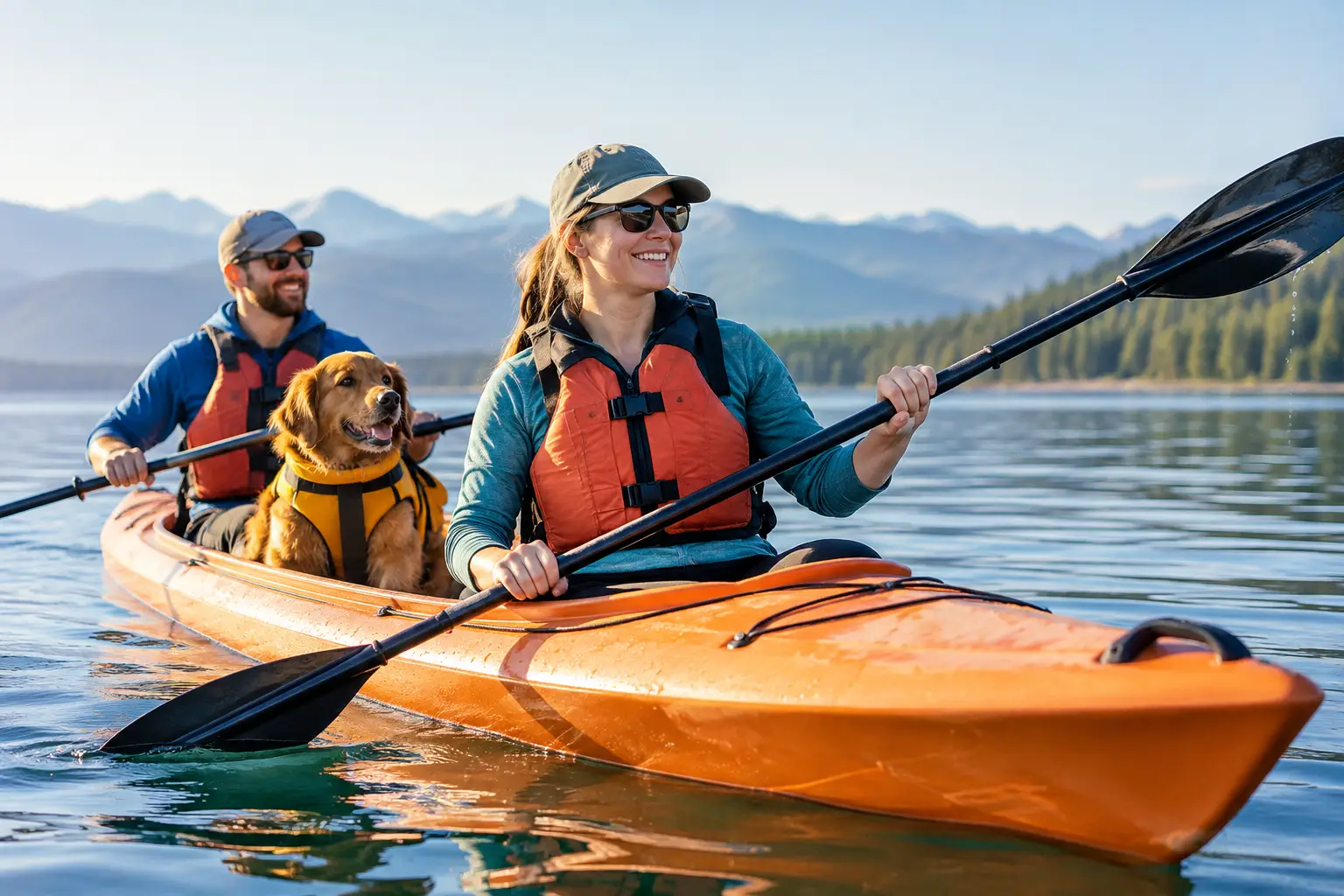
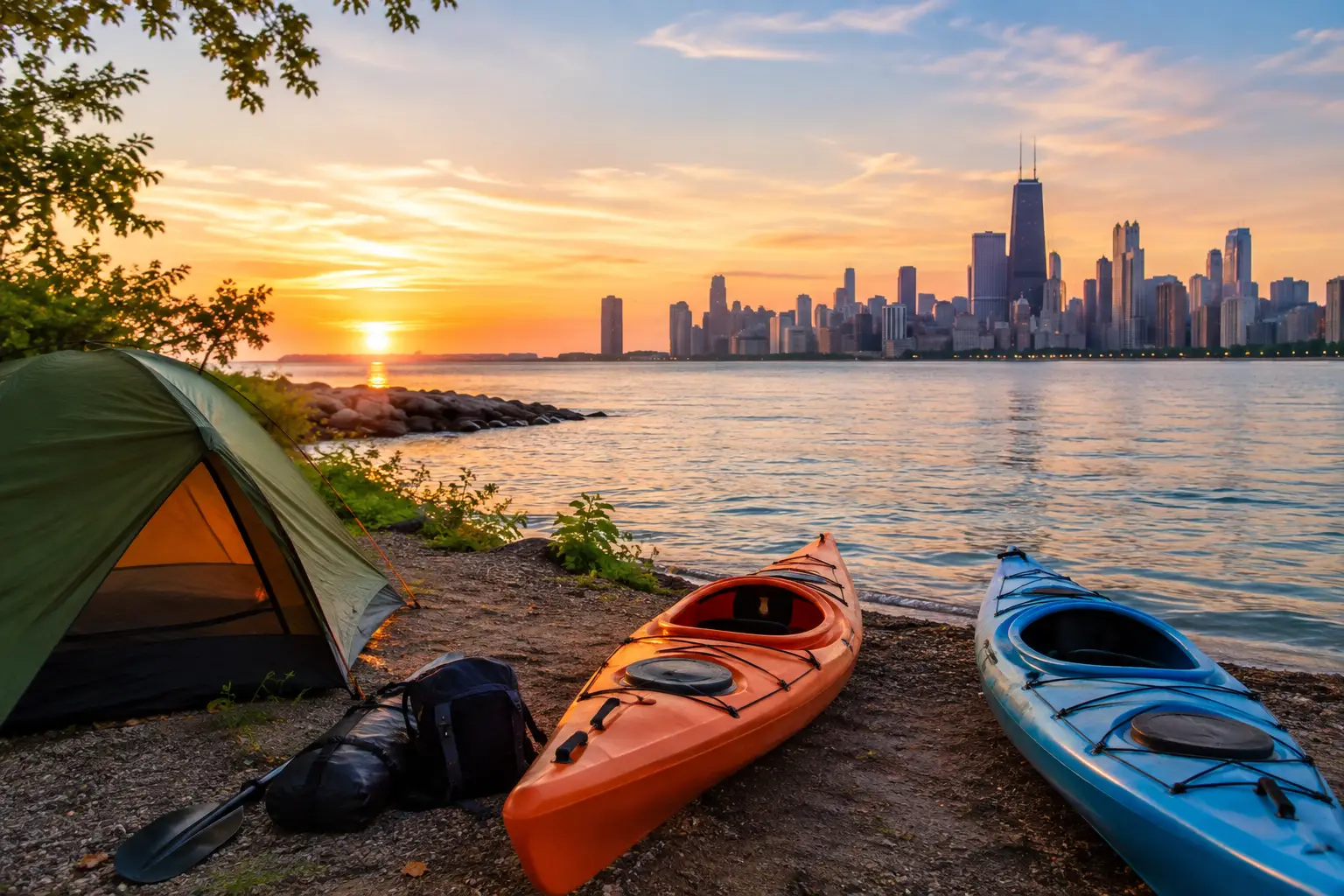
The biggest story behind kayak camping trends 2026 is refreshingly simple: people want a real break from Chicago without turning a weekend away into a logistics project. They want to sleep near the water, paddle somewhere calm, make dinner outside, and wake up with a plan that does not involve a four-hour drive or an expert-level packing list. That is why waterfront camping near Starved Rock State Park is having a moment.
For first-time paddlers, families, couples, and friend groups, the new version of kayak camping is less about proving how tough you are and more about getting outside with confidence. Think premium kayaks, clear safety instruction, comfortable camp setups, and enough free time to actually enjoy the sandstone bluffs, river views, and campfire snacks.
The 2026 trend: camping gets easier, not rougher
Traditional backcountry kayak camping will always have its fans. There is a certain satisfaction in loading every last item into dry bags and traveling far from roads and crowds. But that style asks a lot of people: strong paddling skills, careful route planning, changing water conditions, specialized gear, and a tolerance for sleeping very light.
In 2026, more campers are choosing a middle ground. They still want the water, the stars, and the feeling of being away from the city. They just do not want a stressful expedition standing between them and a good weekend.
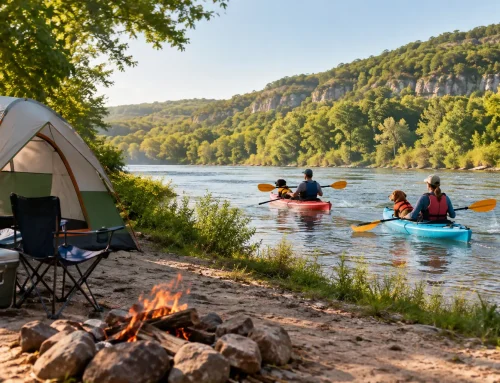
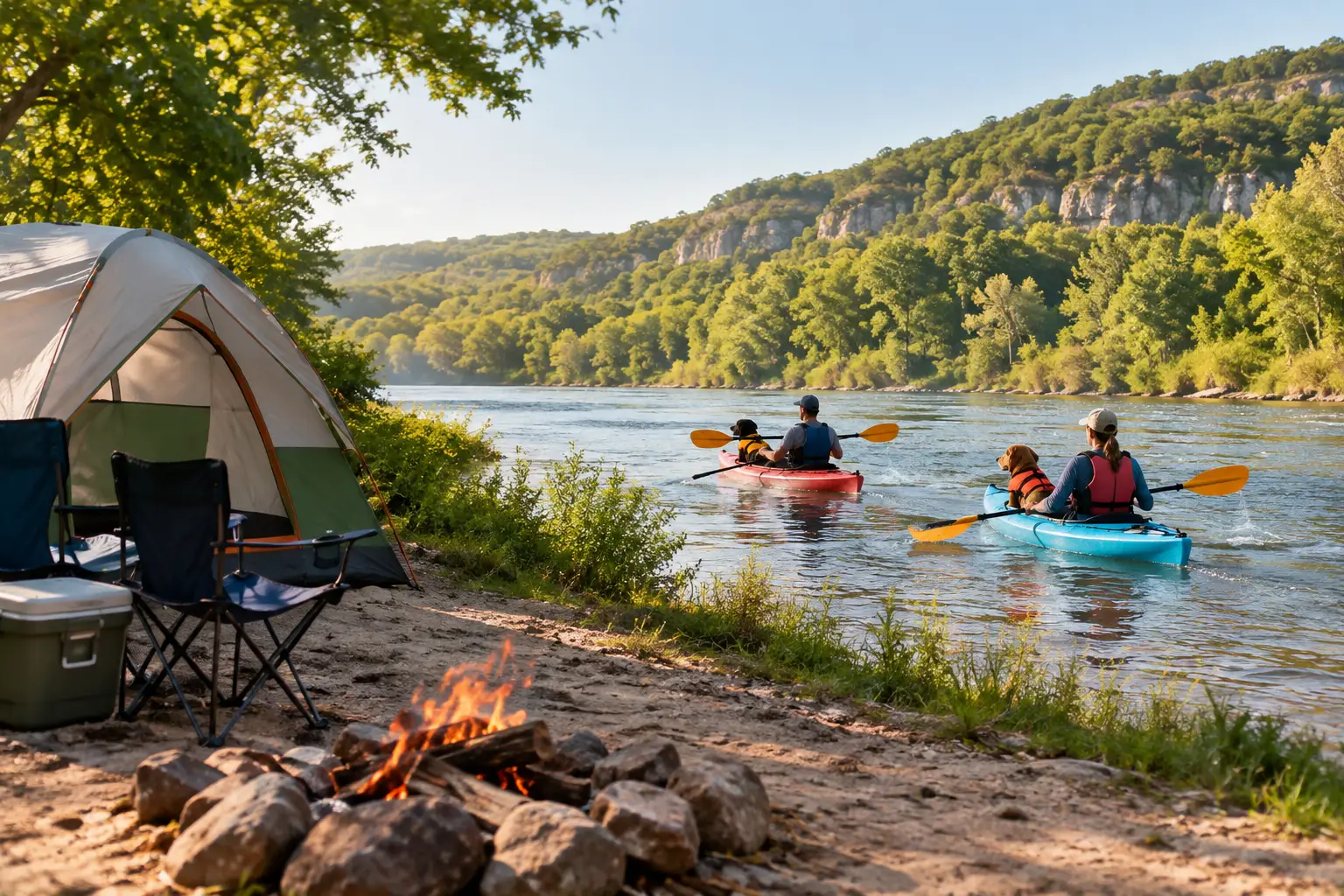
Waterfront campgrounds with easy kayak access answer that need. Set up camp first, get comfortable, then head out for a paddle without needing to pack your entire campsite into a boat. On a dam-controlled, flatwater section of the Illinois River, beginners can focus on enjoying the experience rather than fighting current or worrying about technical river skills. It is the kind of setup that makes a first kayak camping trip feel exciting for the right reasons.
Camp first, paddle when you are ready
The old approach was often route-first: choose a river, calculate mileage, launch, then hope the campsite is open when you arrive. The new approach is basecamp-first. Campers reserve a waterfront spot, unload once, and build a weekend around short, relaxed outings on the water.
That flexibility matters. A couple may want a peaceful sunset paddle followed by dinner at camp. A family may paddle for an hour in the morning, return for lunch and a nap, then head back out when everyone is ready. A group of friends may spend more time laughing at the launch than covering distance. All of those count as a great kayak camping trip.
Kayak camping trends 2026 put beginners in the picture
Kayaking is becoming a more inclusive outdoor activity, and camping is following along. The fastest-growing audience is not made up only of seasoned paddlers. It includes people who have never held a kayak paddle, parents introducing kids to the outdoors, and Chicago-area professionals who need a reset but do not own a garage full of gear.
That means instructions are part of the experience, not an afterthought. A good rental or guided paddle should begin with the basics: how to wear and adjust a PFD, where to place your feet, how to hold the paddle, how to turn, and what to do if you feel unsteady. Nobody should be expected to figure it out halfway across the river.
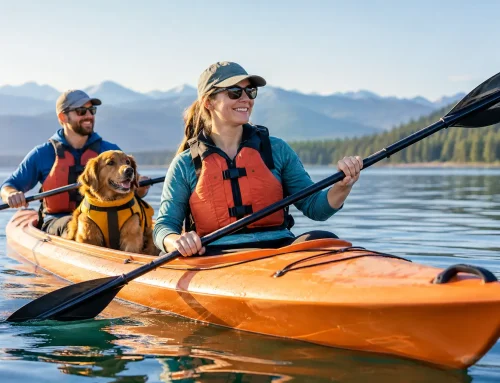
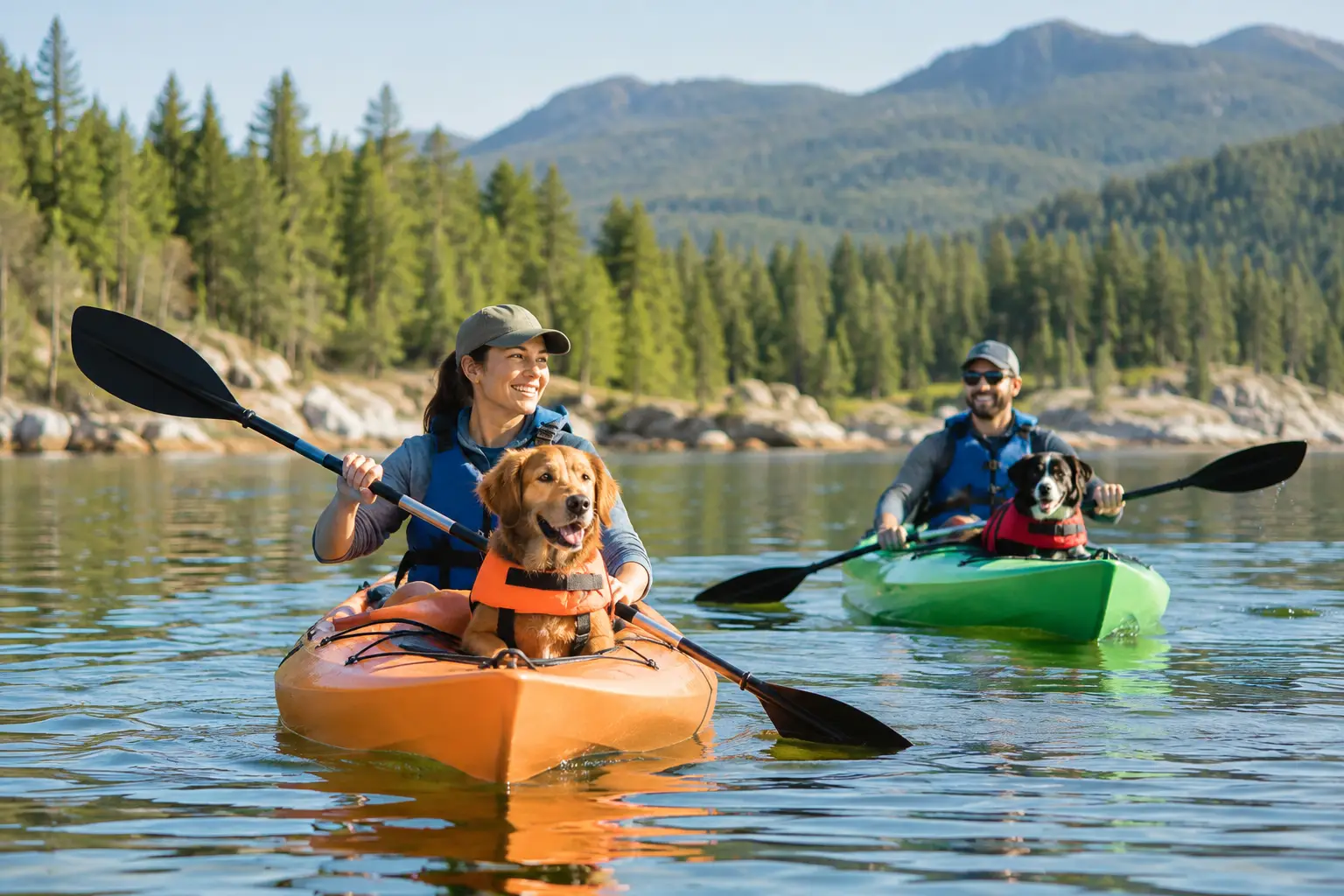
PFDs are required on the water, and that is not a buzzkill. It is how the whole group stays relaxed. When everyone is wearing a properly fitted life jacket and understands the route, the nervous first five minutes turn into the fun part quickly. Flatwater conditions, shallow areas, on-site support, and clear launch cutoffs add structure without taking away the adventure.
Guided paddles are becoming a group favorite
For groups with mixed experience, guided kayaking has become one of the smartest add-ons to a camping weekend. One person might be ready to paddle all day while another is still wondering whether kayaks tip over. A guide keeps the group together, handles the on-water leadership, points out local scenery, and helps everyone find their rhythm.
It also makes planning easier for birthdays, scouting groups, family weekends, and friend getaways. Instead of appointing the most outdoorsy friend as unpaid expedition leader, everyone gets to participate. That friend can finally relax too.
Comfortable camping is not cheating
Another major shift is the rise of choose-your-own-comfort camping. Some guests genuinely love pitching a tent, hearing the zipper at night, and waking up close to the ground. Others want the waterfront setting but would prefer to arrive with fewer poles, fewer instructions, and fewer opportunities to discover they forgot the tent stakes.
Tent camping remains the classic option for people who want a simple, affordable campsite and room to make it their own. It works well for families, friend groups, and anyone bringing their favorite camp chairs, coolers, and card games.
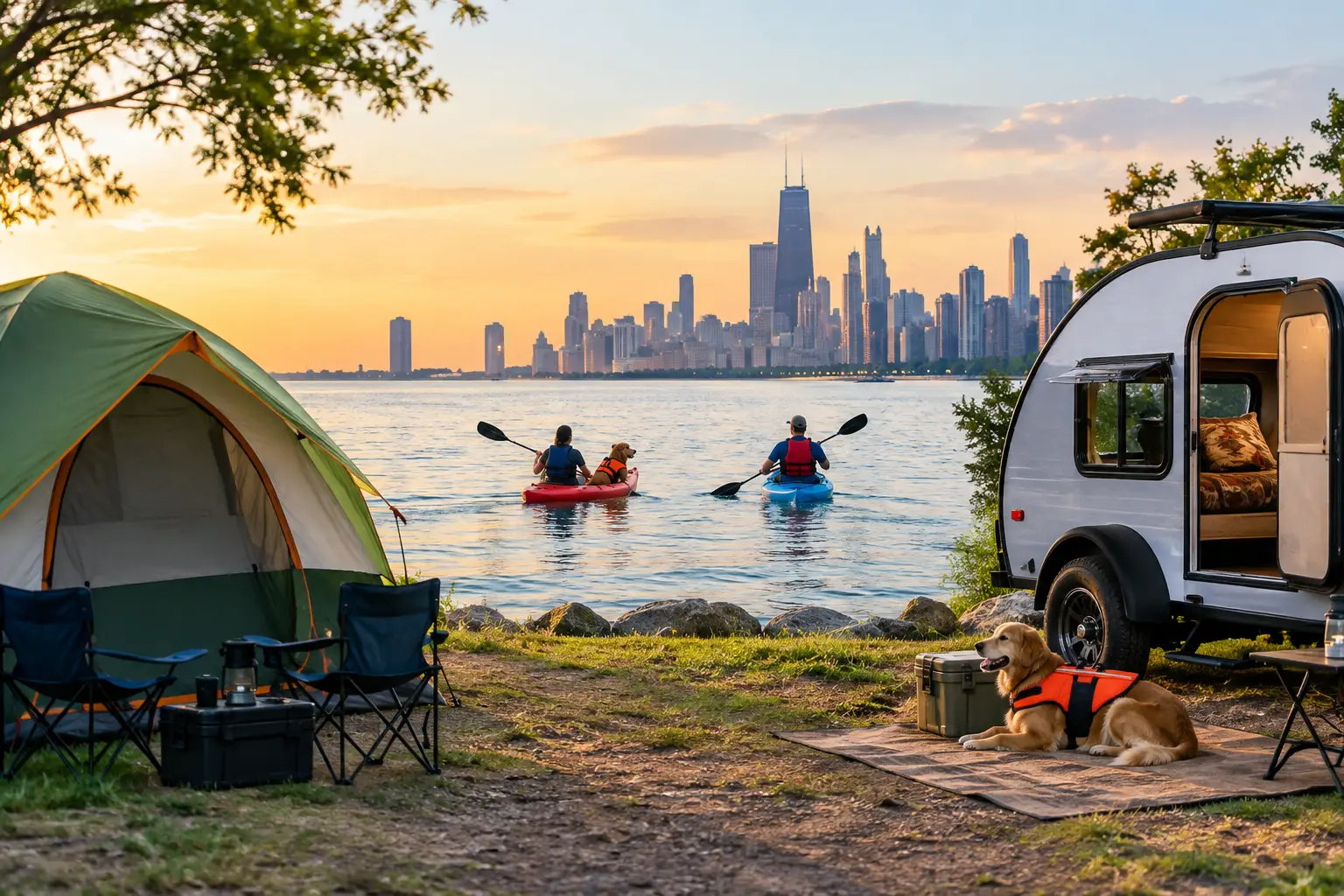
Pop-up camping is gaining traction because it removes the setup barrier. It is a great fit for a quick weekend near Chicago, especially when Friday traffic is involved and nobody wants to spend the last hour of daylight deciphering fabric loops. Teardrop camping appeals to guests who want a compact, cozy setup with more shelter and less fuss.
Then there is glamping near Chicago, which is no longer just for people who dislike camping. It is for people who like good sleep, simple arrivals, and having more energy for the kayak tour, hike, or campfire. Glamping can be the better choice for a first overnight trip, a date weekend, or anyone who wants nature with a few more comforts built in.
The trade-off is personal. A tent gives you the most hands-on camp experience. A pop-up or teardrop setup saves time and effort. Glamping makes the weekend feel nearly turnkey. There is no gold medal for the least comfortable sleep system.
Dog-friendly adventures are shaping trip plans
People are not leaving the dog at home as often, and 2026 camping trips increasingly include four-legged co-pilots. Dog-friendly camping and kayaking lets pet owners make the weekend feel complete instead of arranging a sitter or cutting a trip short.
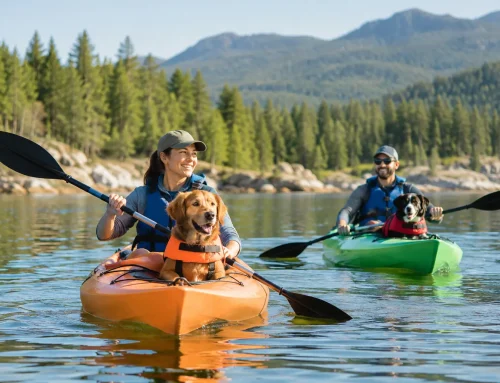
That said, a dog-friendly paddle works best when it is planned honestly. Calm, comfortable dogs tend to enjoy sitting low and secure in an appropriately sized boat, while anxious dogs may be happier hanging out at camp. Bring fresh water, a leash, waste bags, a towel, and a dog PFD sized for your pup. A canine life jacket is especially wise around water, even for dogs that appear to be strong swimmers.
A waterfront campground is helpful because it gives dogs breaks between activities. They can settle into the campsite, take walks, and avoid being asked to paddle for hours. The goal is not to turn your dog into an Instagram athlete. The goal is a weekend where everybody has fun, including the one who sheds on the sleeping bag.
Short escapes are beating long itineraries
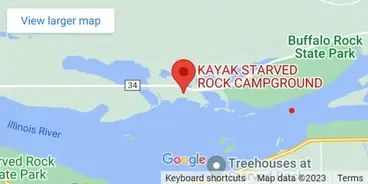
The near-Chicago weekend is one of the clearest kayak camping trends of 2026. People have less patience for spending half their time off traveling, but they still want a change of scenery that feels meaningful. An Illinois River camping trip near Starved Rock offers a practical answer: water, bluffs, trails, and a campsite close enough for a one- or two-night escape.
This is especially appealing for people who want to combine activities without overbooking themselves. Paddle in the afternoon. Cook dinner by the water. Visit Starved Rock State Park for hiking. Sleep outside. Repeat as needed. No airport, no complicated shuttle, no heroic vacation planning spreadsheet.
Kayak Starved Rock Campground fits that basecamp style well, with waterfront camping, kayak rentals, guided options, and camping setups that help guests choose the level of comfort that suits their group. The key is to plan around the posted schedule, arrive early enough to launch, and treat the river conditions and safety guidance with respect.
What a better kayak camping weekend looks like
The best 2026 trips are not necessarily the biggest. They are the ones that remove the little points of friction that keep people indoors. Reserve the campsite before the weekend fills up. Decide whether you want a tent, pop-up, teardrop, or glamping setup. Pack layers for cool river evenings, closed-toe shoes, sunscreen, water, and food that is easy to cook.
For the paddle, wear your PFD, listen to the safety talk, and start with a route that matches the least experienced person in your group. Bring a dry bag for phones and essentials, but leave the pressure to document every second at home. The bluff views will still be there when you put the phone down.
A good kayak camping trip should leave you a little tired, a little smoky from the campfire, and much less starved for fresh air. For a weekend near Chicago, that is a pretty full-strength prescription.