If your idea of a reset involves less traffic, more trees, and maybe a campfire by the water, this guide to camping near Chicago is for you. The sweet spot is not a five-hour haul that turns a weekend into a driving contest. It is finding a place close enough to feel easy, but scenic enough to feel like you actually left.
That is why so many Chicago-area campers end up looking southwest toward Starved Rock country. You get sandstone bluffs, river views, wooded trails, and that rare thing for beginners and busy families – an outdoor trip that does not have to be complicated.
What makes camping near Chicago actually worth it?
Distance matters, but not in the way people think. A campground can be technically close to the city and still feel crowded, noisy, or more like a parking lot with picnic tables than a getaway. The better question is whether the trip gives you enough payoff for the planning it takes.
For most people, the best camping near Chicago has three things going for it. It is close enough for a one-night trip without regret, simple enough for first-timers to pull off, and scenic enough that you remember why you came. That is exactly why the Illinois River and Starved Rock area keep showing up on short lists.
You can leave after work, get set up before it gets too late, and wake up somewhere that feels a lot bigger and calmer than the drive suggested. For couples, that means an easy weekend with actual downtime. For families, it means fewer meltdowns and less gear chaos. For friend groups, it means you can camp and still do something fun the next day besides stare at a cooler.
A practical guide to camping near Chicago for real people
A lot of camping advice assumes you are either an ultralight backpacker or somebody who already owns half an outdoor store. Most campers near Chicago are neither. They want a clean, simple setup, a good location, and a plan that does not fall apart if one person forgets the lantern.
Start by deciding what kind of camping trip you actually want. If you love the ritual of setting up your own site, a tent spot is the classic move. If you want some comfort without going full cabin, pop up and teardrop camping can be a very smart middle ground. If your group includes kids, dogs, or people who are “not really campers,” having a more structured setup can be the difference between a fun trip and a long story about how nobody slept.
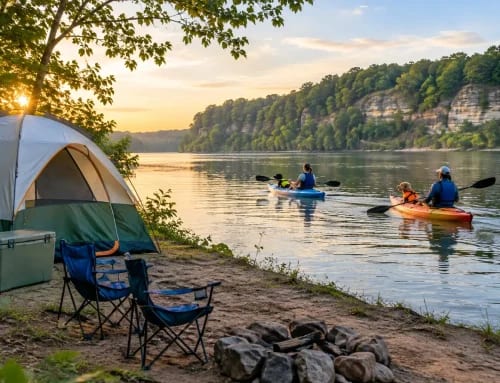
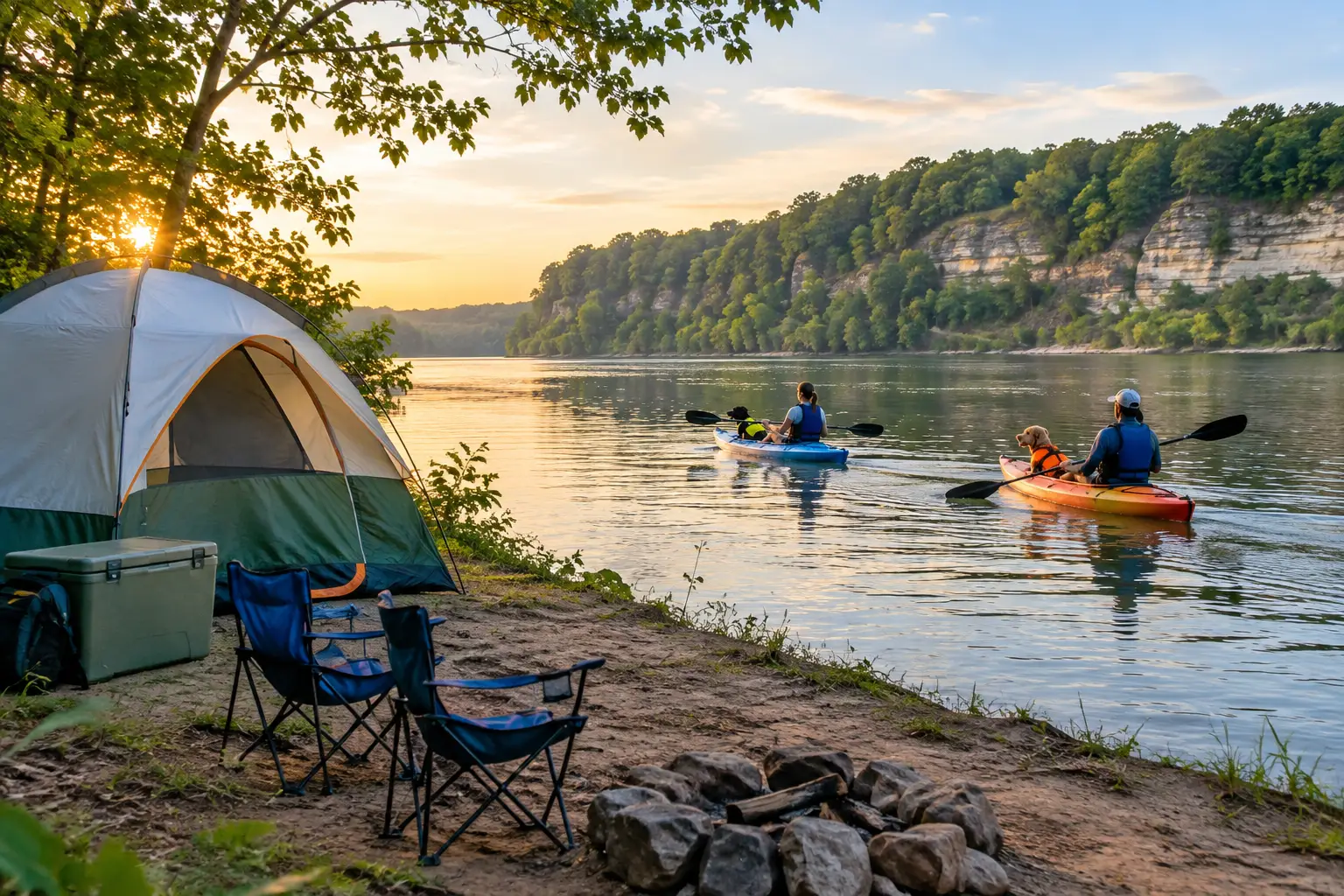
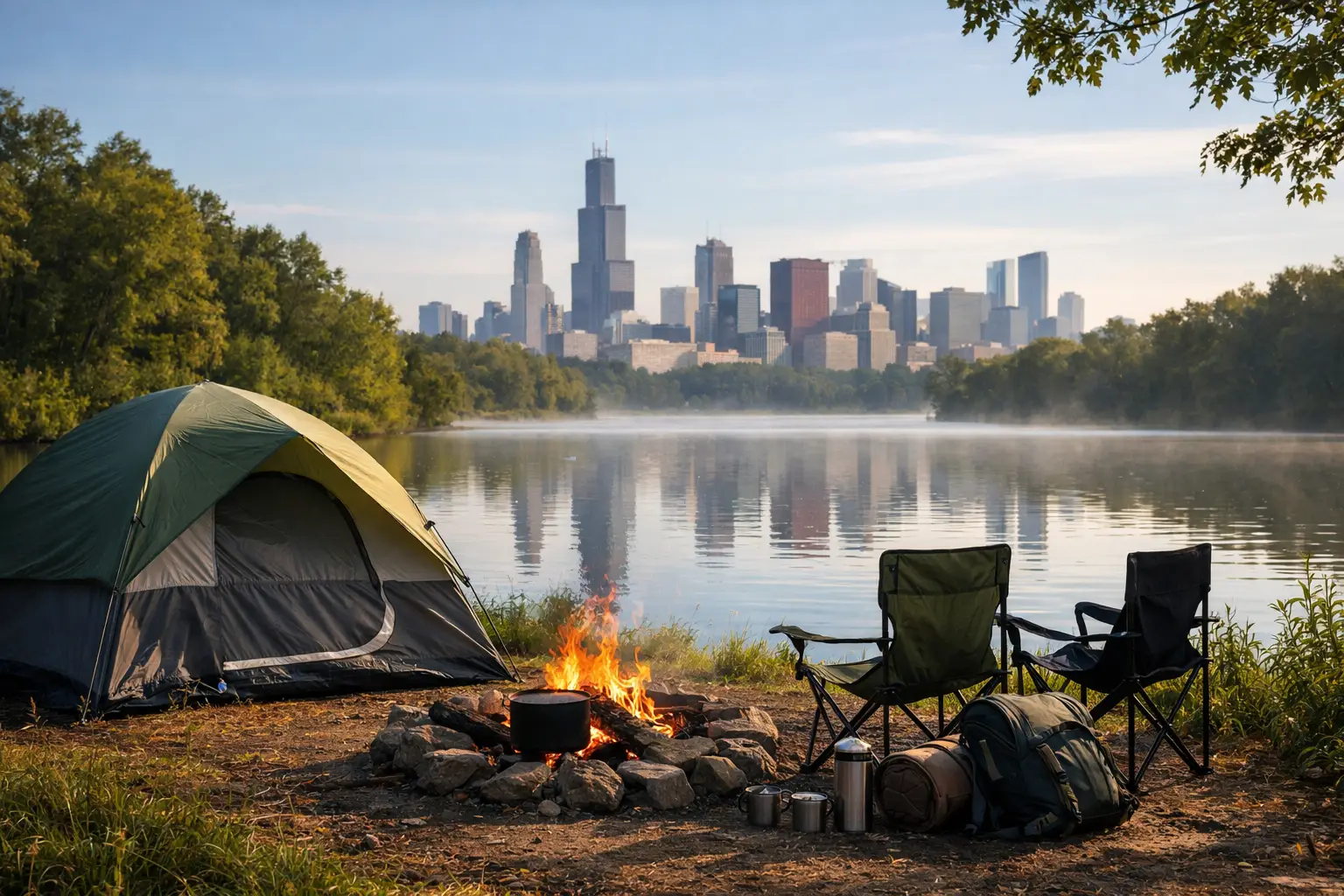
Waterfront camping is especially good for short getaways because the experience starts the minute you arrive. You are not driving somewhere pretty and then driving again to do the fun part. You can set up, walk to the river, watch the light change, and let the pace drop on its own.
That convenience is a big deal near Chicago. People are busy. They are squeezing trips between workweeks, school schedules, and sports calendars. The easier the campground makes things, the more likely you are to go again.
Why the Starved Rock area works so well
Camping near Starved Rock State Park gives you a mix that is hard to beat this close to the city. You have iconic hiking nearby, dramatic rock formations, and access to the Illinois River, which adds a whole second layer to the trip. Instead of just camping near the scenery, you can get out on the water and see it from a different angle.
That matters because not everybody wants a campground that is only about sitting still. Some people want a basecamp feel – a place where you can camp, paddle, explore, then come back for dinner and a fire. The Starved Rock area is great for that kind of weekend.
It also tends to be a better fit for beginners than people expect. The right river setup can feel much more approachable than open lake conditions. Flatwater paddling, especially in a controlled environment, gives first-timers room to relax and learn without feeling like they signed up for an extreme sport.
For a lot of Chicago campers, that is the breakthrough. They realize an outdoor weekend does not have to be rugged to be memorable. It can be easy, structured, and still feel adventurous.
Tent, pop up, or teardrop?
If you are choosing between camping styles, think less about identity and more about energy. Tent camping is great if you enjoy the full outdoor experience and do not mind a little setup time. It is flexible, affordable, and still the favorite for people who want the classic camp feel.
Pop up camping is a nice upgrade when you want more shelter and a little less hassle. It can make shoulder-season trips much more comfortable, and it tends to work well for families who need a better sleep setup but still want that campground atmosphere.
Teardrop camping is often the winner for couples and weekenders who want simplicity with a touch of comfort. It feels tidy, efficient, and a little more premium without losing the outdoorsy part. If you are the type who likes camping but does not love wrestling poles and rainflies in low light, teardrop camping starts to look pretty brilliant.
The trade-off is easy enough to understand. The more comfort and structure you want, the less raw and DIY the trip feels. For most near-Chicago campers, that is not a downside. It is the reason they book.
Dog-friendly camping and kayaking near Chicago
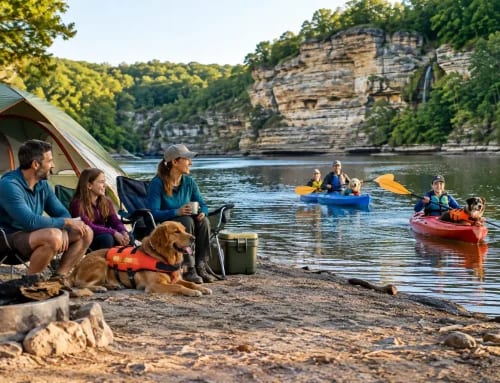
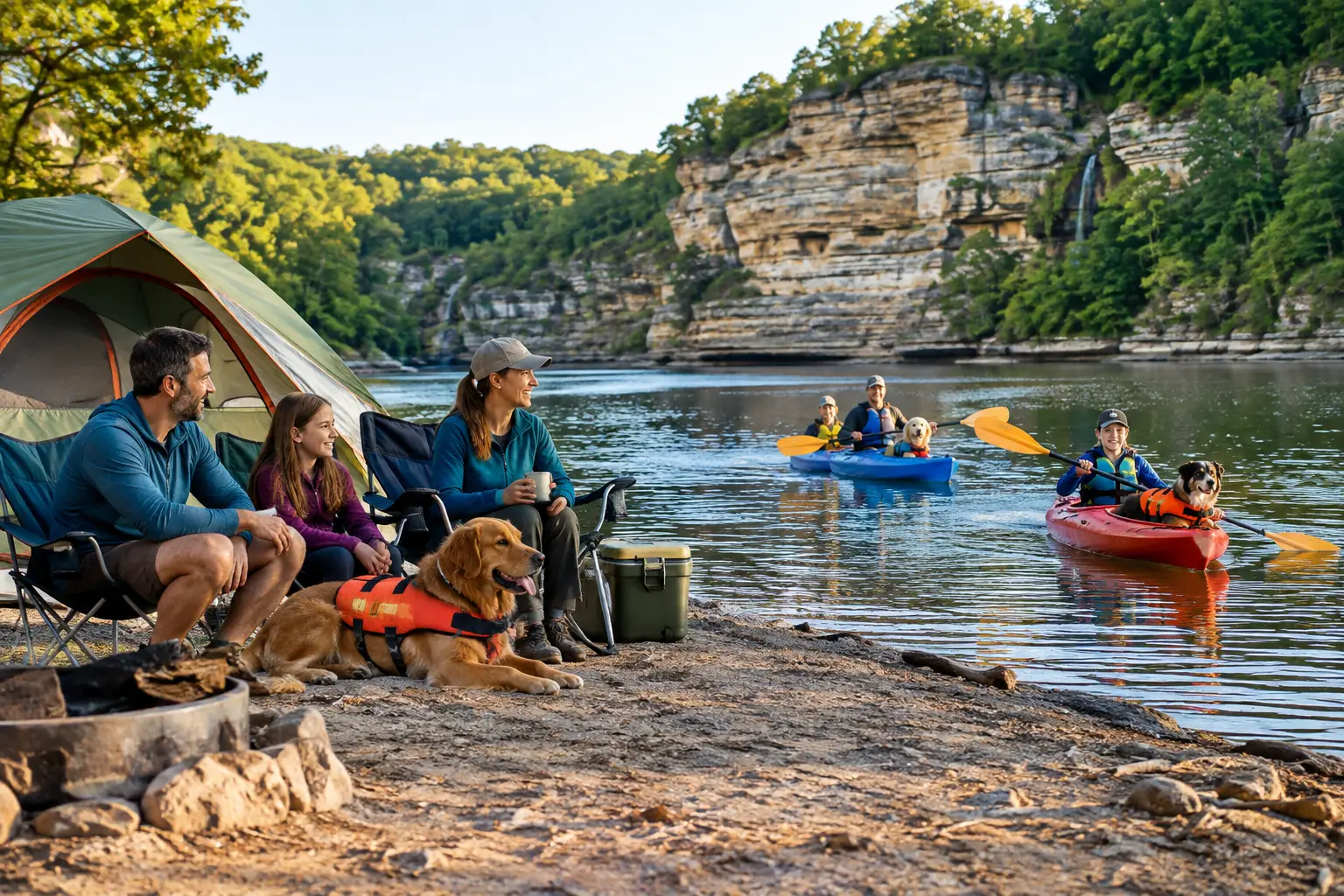
If your dog is part of the family, leaving them home can take some shine off the weekend. Dog-friendly camping near Chicago is not just about allowing pets on paper. It is about choosing a place where bringing your dog feels normal, manageable, and fun.
That usually means having space to walk, a calm setting, and activities that do not force you to leave your dog behind all day. Camping near the Illinois River can be a strong option because the environment is naturally more relaxed than a packed suburban park scene.
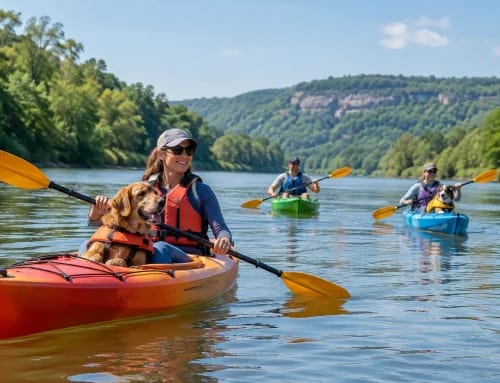
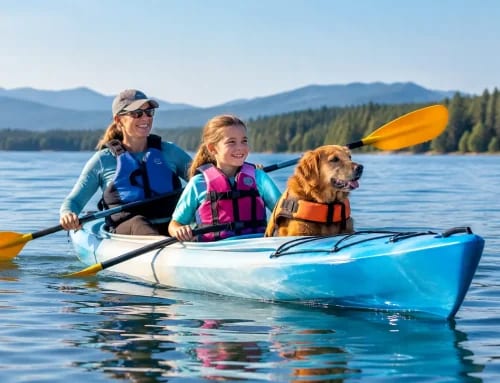
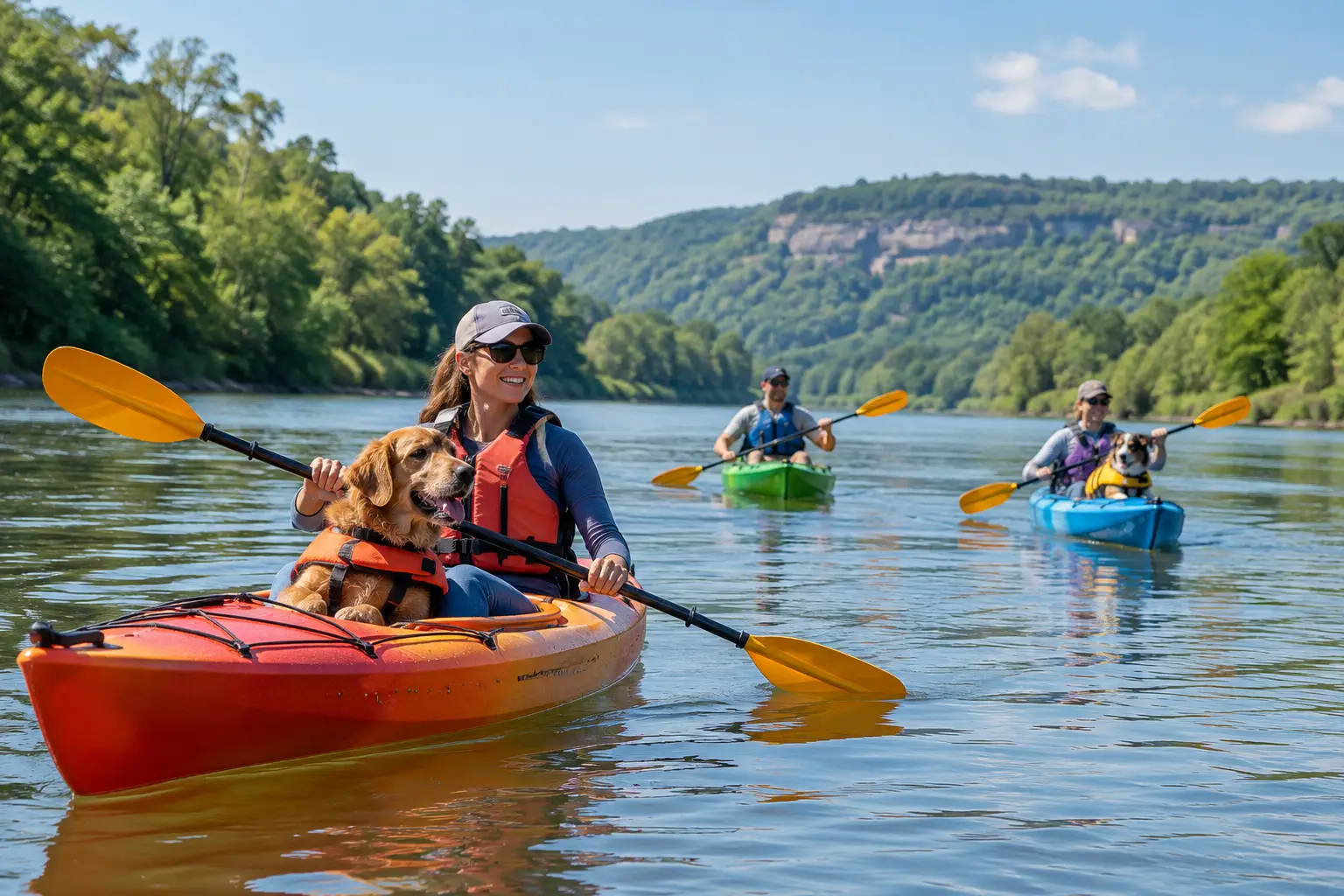
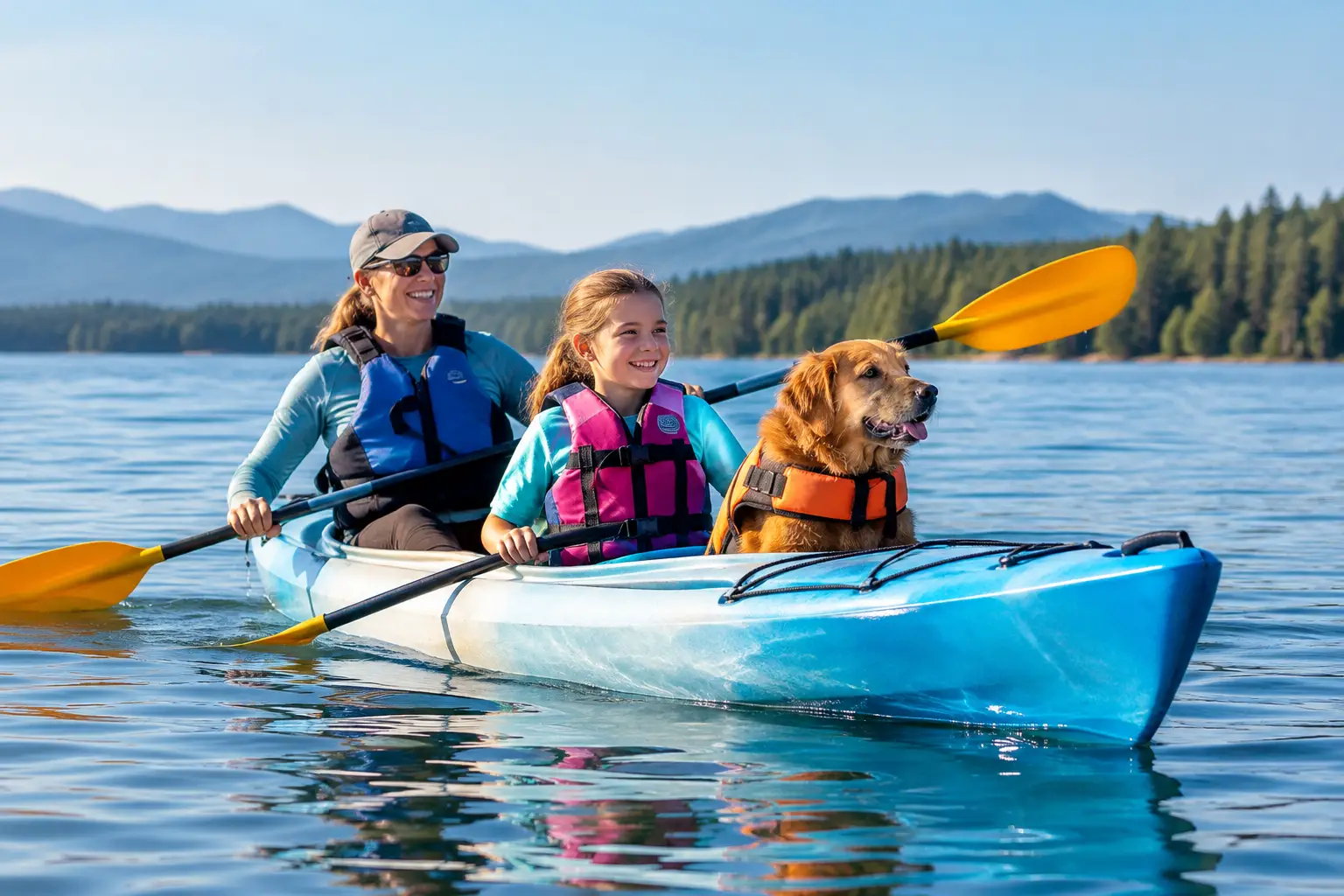
The same goes for dog-friendly kayaking, with one obvious caveat – the conditions matter. Beginners with dogs usually do best in calm, shallow, beginner-friendly water where the experience feels controlled rather than chaotic. Safety still comes first, for people and pets. A trip is a lot more fun when everyone, including the nervous first-time paddler, feels supported from the start.
Add kayaking if you want the trip to feel bigger
A lot of campers ask the same question once they book a site: what are we actually doing all day? Hiking is the obvious answer around Starved Rock, and it is a good one. But adding a paddle can turn a nice camping trip into the kind of weekend people talk about on Monday.
That is especially true for beginners. A guided or structured kayak experience removes a lot of uncertainty. You do not have to figure out route logistics, wonder if the water is too advanced, or spend half the day trying to coordinate gear. You just show up, get oriented, put on your PFD, and go have fun.
For families and first-timers, that support matters more than fancy terminology or bragging rights. People want to feel safe, looked after, and free to enjoy the scenery. A good paddle on calm water gives you that mix of confidence and novelty that makes the whole weekend feel fresh.
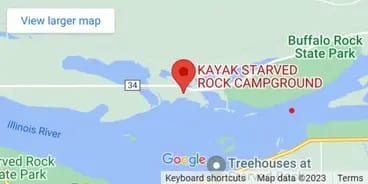
Kayak Starved Rock Campground is one of the clearest examples of this near-Chicago setup done right, because it combines waterfront camping with easy river access, beginner-friendly kayaking, and an all-in-one feel that cuts down on planning friction.
How to plan without overplanning
The best near-Chicago camping trips usually have a little structure and a little room to breathe. Book your campsite first. Then decide whether your anchor activity is hiking, kayaking, or a mix of both. After that, keep it simple.
If you are camping for one night, do not pack like you are crossing a continent. Bring a sleeping setup you trust, layers for cool evenings, simple food, and one or two comfort items that make camp nicer. For some people that is a better camp chair. For others it is coffee that does not taste sad.
If you are new to camping, renting gear or choosing a more turnkey option can be smarter than buying a pile of equipment before you know what you like. There is no prize for making your first trip harder than it needs to be.
The same common sense applies to timing. Spring and fall can be beautiful in northern Illinois, but temperatures swing. Summer is easier for first-timers, though it is also busier. If your group values quiet over peak warmth, weekdays and shoulder-season weekends can be the sweet spot.
The best camping near Chicago feels easy on purpose
There is a certain kind of outdoor trip people keep trying to force – too much driving, too much gear, too many moving parts. Then they wonder why it felt like work. The better version is closer, simpler, and built around actual fun.
Camping near Chicago should feel like relief, not a production. A waterfront site, a good night outside, maybe a morning paddle or a hike through the canyons nearby – that is enough to change the whole rhythm of your weekend. You do not need epic mileage. You need a place that makes it easy to show up, settle in, and enjoy being out there.
If you have been waiting for the perfect time to plan a quick escape, this is it. Pick the trip that fits your energy, not somebody else’s camping résumé, and let the easy weekend win.