Friday at 5:30 p.m. is where most family weekend plans go sideways. Someone is still packing socks, someone else is asking if there will be Wi-Fi, and the dog has already claimed the sleeping bags. A good family paddle and camp weekend example itinerary fixes that before you even leave home. When the plan is simple, the weekend actually feels like a break instead of a part-time job.
That is especially true for families looking for camping near Starved Rock State Park or an easy outdoor weekend near Chicago. The sweet spot is a trip that feels adventurous but does not require expert paddling skills, a roof rack engineering degree, or a three-hour setup in the dark. A paddle-and-camp weekend works best when the water is beginner-friendly, the campground is close to the launch, and the schedule leaves room for snacks, wildlife spotting, and the occasional kid-sized meltdown.
A realistic family paddle and camp weekend example itinerary
This itinerary is built for a two-day, one-night escape with beginners in mind. It works well for families with grade-school kids, first-time paddlers, grandparents who want comfort over chaos, and even a dog that insists on being part of every photo. You can adjust the pace, but the basic idea is to front-load the easy wins and leave a little breathing room.
Friday evening: arrive, settle in, keep it easy
If you are coming from the Chicago area or Northern Illinois, aim to arrive before sunset rather than squeezing every possible minute out of the workday. That one choice changes the whole mood. You will have enough light to check in, get your tent, pop-up, or teardrop setup handled, and let kids explore the campground without feeling rushed.
For most families, Friday night should be about low effort. Bring a simple dinner you can reheat, or pack sandwiches and fruit so nobody is trying to cook an ambitious camp meal while also looking for flashlights. Once camp is set, take a short walk to the waterfront, point out the river, and build some excitement for the next morning.
This is also the right time to set expectations. PFDs go on for all on-water time. Closed-toe shoes or secure sandals beat flip-flops. Phones stay dry or stay packed. Kids usually respond well when paddling gets framed as a real adventure with clear rules rather than a free-for-all.
If your family is brand new to camping, this is where camping packages can make the weekend much smoother. A tent rental, a pop-up camper, or a teardrop setup can remove the hardest part for first-timers, which is often the gear pile and setup stress. Glamping near Chicago sounds fancy, but for a lot of parents it really just means fewer chances to forget something important.
Saturday: paddle first, then enjoy camp
Saturday is your main event, and mornings are your friend. Families tend to have the best on-water experience before the day gets too hot and before younger kids hit the wall.
7:30 a.m. to 9:00 a.m.: breakfast and launch prep
Keep breakfast simple and familiar. Bagels, fruit, oatmeal, yogurt, and plenty of water are better than anything greasy or slow. You want everyone fueled, not sluggish.
After breakfast, get dressed for the water even if you are not launching right away. That means quick-dry clothes, hats, sunscreen, and PFDs ready to go. Parents should handle a dry bag with the basics – water, snacks, sunscreen, a towel, and one full change of clothes for the youngest paddler. If you are bringing a dog, pack water and a leash for shore time.
For beginners, this is where a guided experience or a very clear launch process matters. Families usually have more fun when somebody else has already thought through the route, the safety talk, and the little details that first-timers do not know to ask about.
9:00 a.m. to 11:30 a.m.: family paddle time
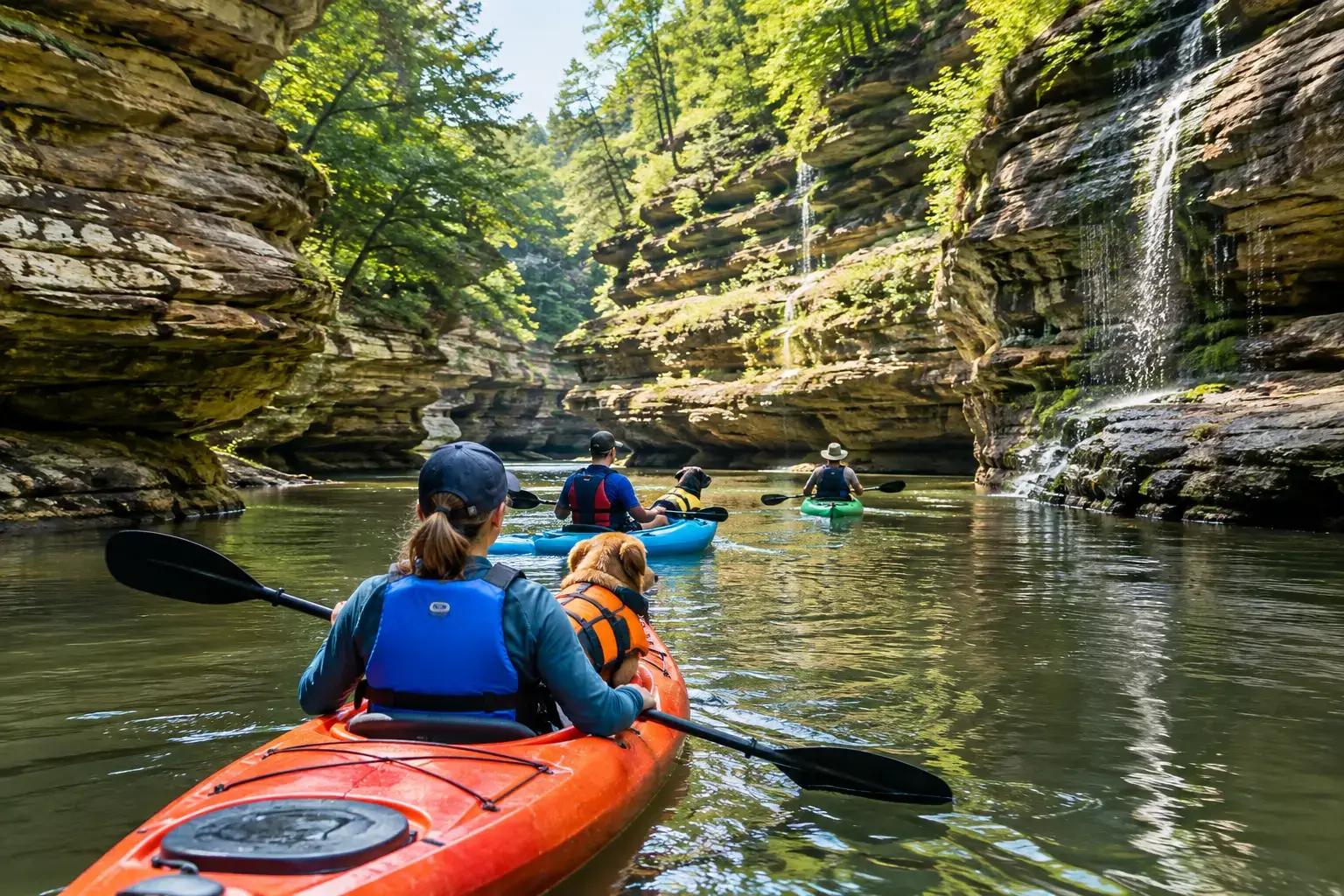
The best family paddle is not the longest one. It is the one where everyone gets off the water smiling. On flatwater, beginner-friendly sections of the Illinois River, the goal is confidence, not mileage. A shorter paddle with easy scenery, calm conditions, and time to point out birds, turtles, and bluff views will beat a too-long outing every time.
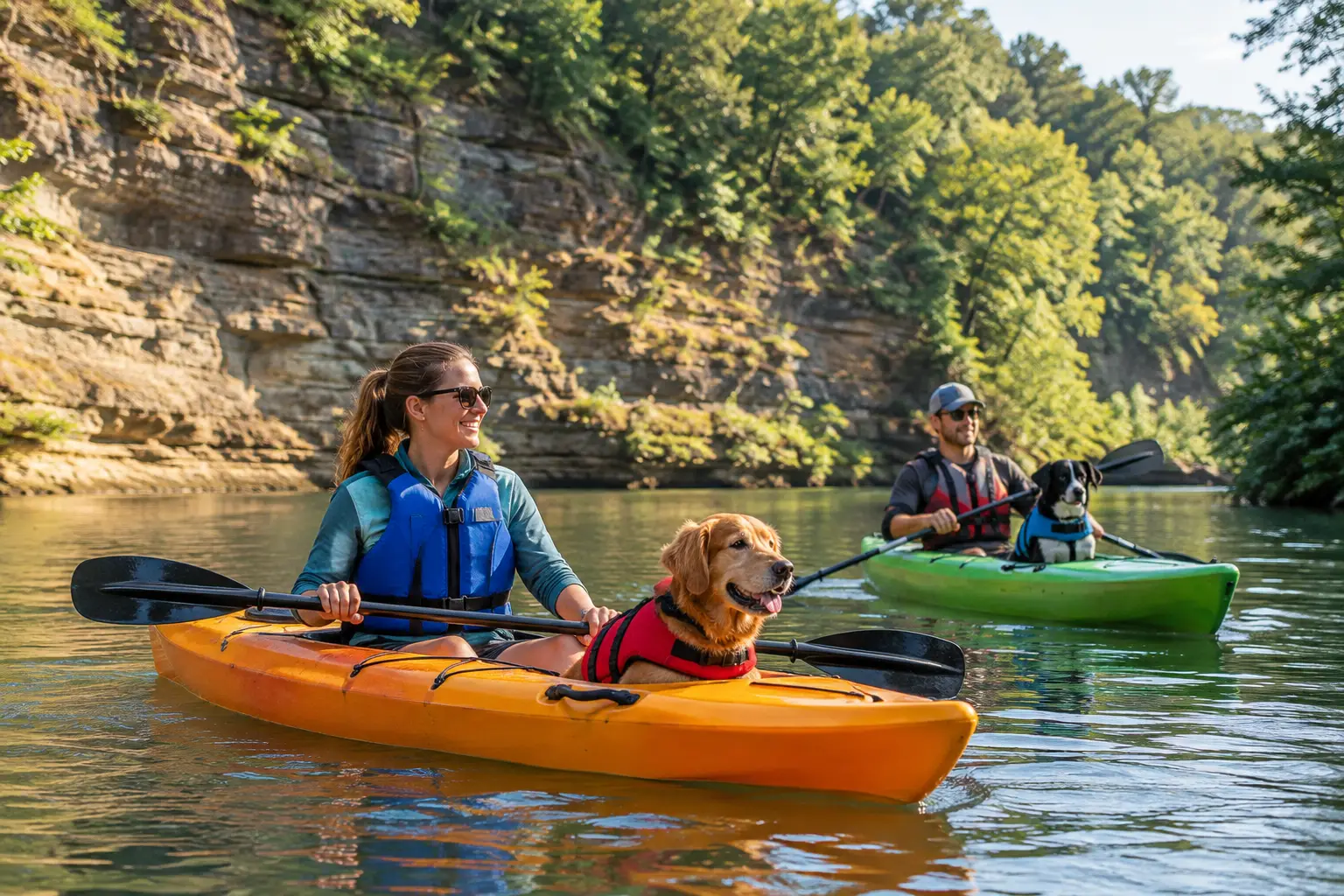
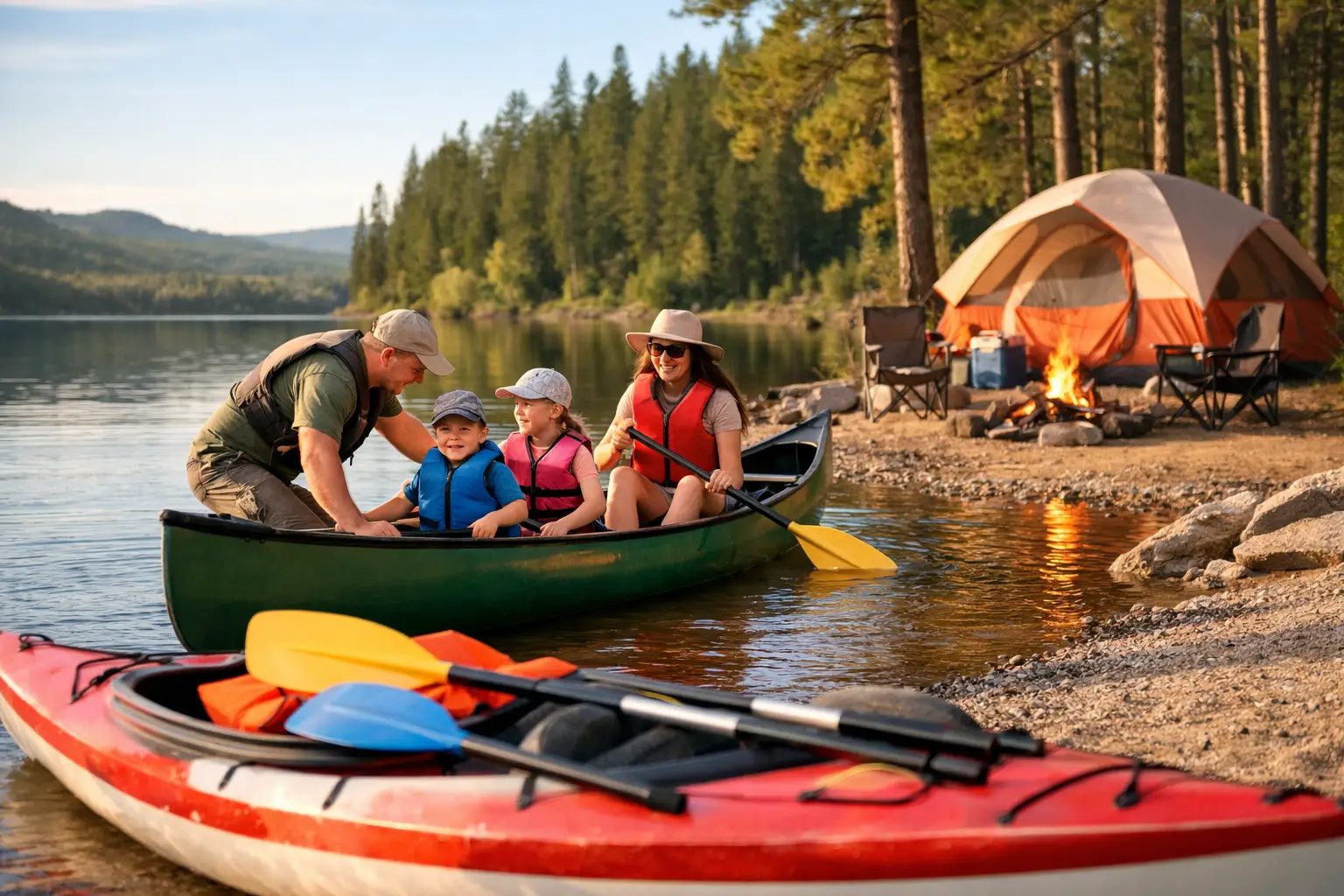
If you have younger kids, tandem kayaks are usually the easiest call. They let an adult control the rhythm while still giving kids the fun of “helping.” Older kids and teens may love having their own boat if they are ready, but it depends on attention span and comfort level. There is no prize for pushing independence too early and spending the next hour towing somebody who is over it.
Families looking at Illinois River camping often worry about current, depth, and whether the trip is too technical. That is a fair concern. Beginner-friendly, dam-controlled water changes the equation because it removes a lot of the uncertainty. You still need to listen to safety instructions and wear your PFD, but you do not need expert skills to have a great morning.
11:30 a.m. to 2:00 p.m.: lunch, rest, and reset
After paddling, lunch should be easy and generous. This is not the moment for a tiny snack and a promise of dinner later. Think wraps, chips, fruit, and lots of cold drinks. Kids who seemed angelic on the water can turn feral fast if lunch is delayed.
Then give everyone some downtime. That might mean hammocks, card games at the campsite, reading in camp chairs, or a quick nap in the tent or teardrop. This quiet window is what keeps the rest of the day pleasant. Families often try to stack hike, paddle, sightseeing, and a campfire all into one nonstop sprint. It sounds great on paper and feels less great by 3:00 p.m.
Saturday afternoon: keep the fun loose
2:00 p.m. to 5:30 p.m.: choose your energy level
This part of the itinerary should stay flexible. If the morning paddle was the big adventure, the afternoon can be lighter. Some families like exploring the area near Starved Rock, walking easy trails, or hanging around the campground and waterfront. Others are happiest staying put and letting kids play while adults finally drink a coffee while it is still hot.
It depends on your crew. If you have little kids, one anchor activity per day is often enough. If you have older kids or a mixed group with cousins, grandparents, or friends, an afternoon walk and a second round of waterfront time may work well.
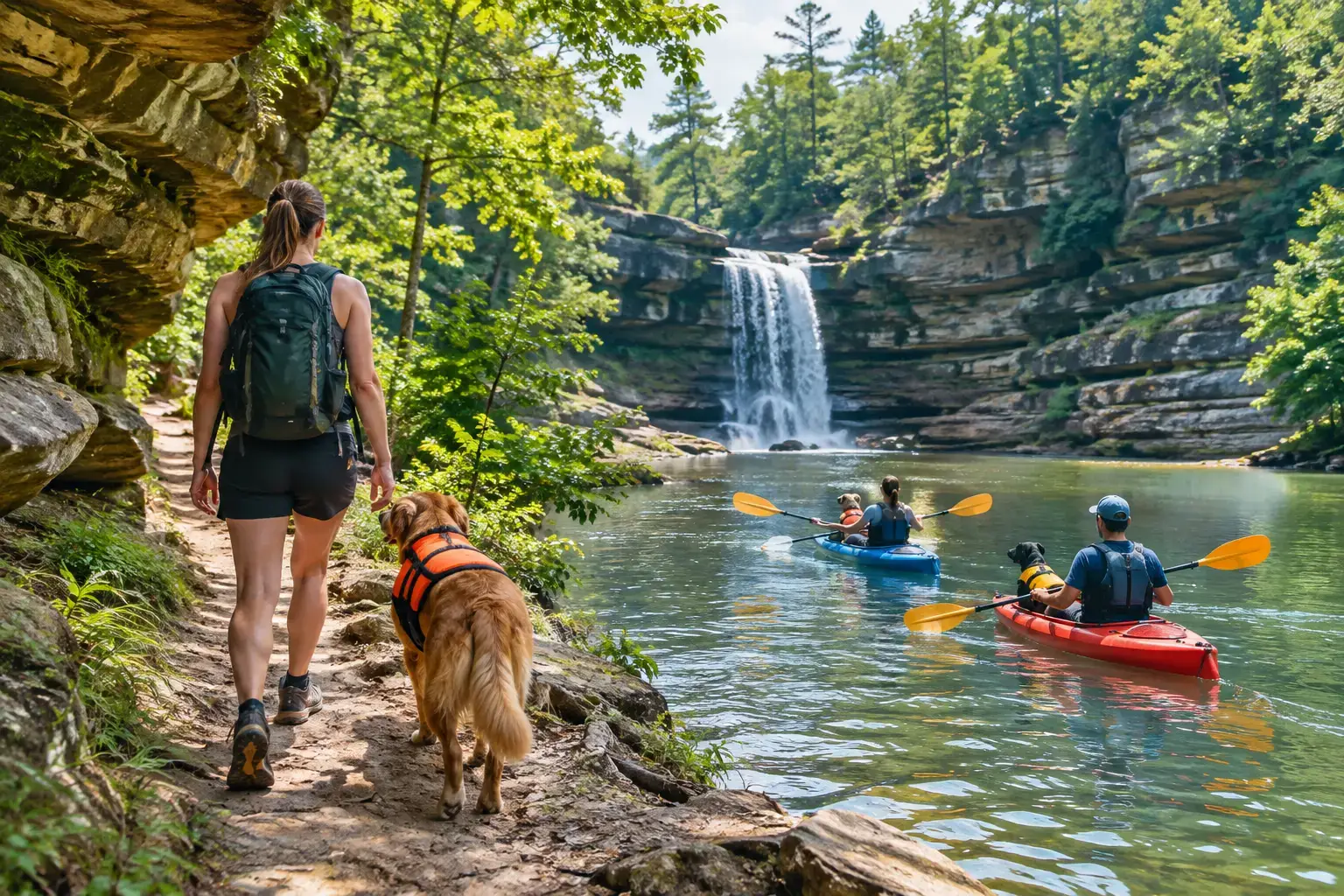
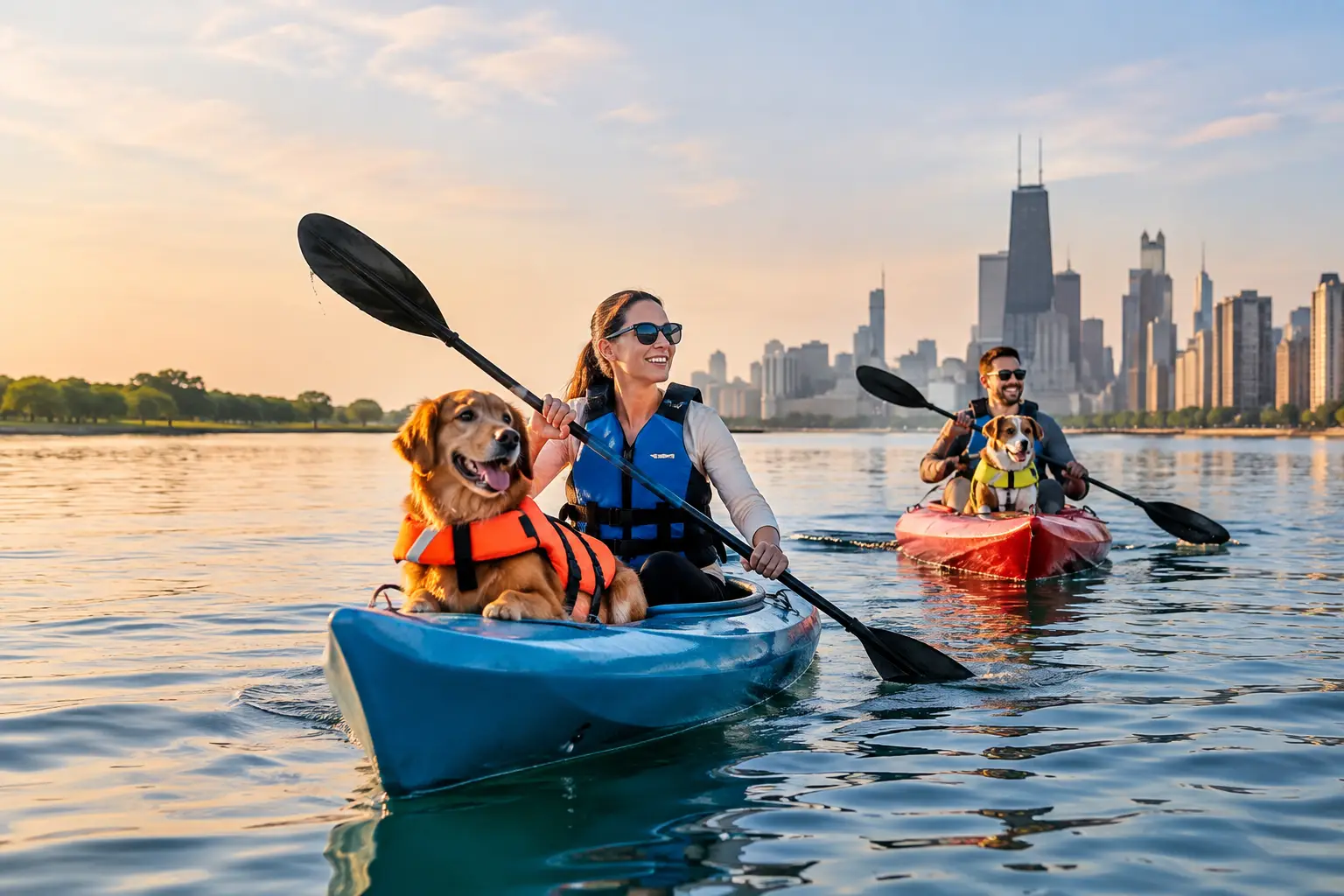
Dog-friendly camping and kayaking trips also benefit from this slower stretch. Dogs usually love the excitement, but they need breaks too. Shade, water, and a calmer afternoon pace can make the weekend better for everyone, including the four-legged family member.
6:00 p.m. onward: camp dinner and the good part
Dinner is where the weekend starts to feel like a memory instead of a schedule. Go classic if you want – hot dogs, burgers, foil packets, tacos, or simple campfire meals that do not create a mountain of cleanup. If you booked a more comfortable setup, lean into that. There is nothing wrong with choosing the version of camping that leaves enough energy for actual fun.
After dinner, this is your golden hour. Walk by the water. Let kids tell the story of their paddle like they crossed an ocean. Watch the sky change. Roast marshmallows. If your family is always half-looking at a clock back home, this is the part that usually makes the trip worth it.
Sunday: one last easy win before heading home
Sunday should not feel like a second full production. A good family paddle and camp weekend example itinerary leaves room for one more enjoyable moment without turning checkout into chaos.
7:30 a.m. to 10:30 a.m.: breakfast, light activity, pack up
Keep breakfast easy again, then choose one last low-stress activity. That might be a short shoreline walk, a little photo time by the river, or just letting the kids toss a ball around while camp comes down. If your family packed into a traditional tent, start breakdown early. If you used a pop-up or teardrop, your morning may be much easier.
This is one of the biggest trade-offs in planning. Traditional tent camping is often the most budget-friendly and can feel the most classic. Pop-up and teardrop camping are easier on comfort, quicker to manage, and often a better fit for families trying camping for the first time. There is no morally superior way to sleep outside. There is only the version that helps your family want to do it again.
10:30 a.m. to noon: leave before everyone is cooked
One of the smartest family moves is leaving a little earlier than you technically could. Head home while spirits are still high, grab lunch on the road if needed, and keep the weekend ending on a good note. That makes it much easier to plan the next one.
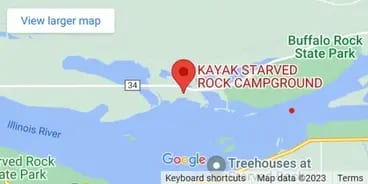
For families wanting a near-Chicago escape that feels outdoorsy without being overwhelming, a paddle-and-camp weekend hits a rare sweet spot. You get waterfront camping, beginner-friendly kayaking, real scenery, and enough structure to avoid the usual planning mess. At places like Kayak Starved Rock Campground, that mix is exactly what helps first-timers feel like they can do this.
The best itinerary is not the one that squeezes in everything. It is the one that gets your family outside, on the water, and back home already talking about next weekend.
Frequently Asked Questions
What is the best family paddle and camp weekend itinerary for beginners near Starved Rock?
What should families do if they arrive late on Friday for a camping trip near Starved Rock?
Are tandem kayaks better for families with younger kids?
What should you pack for a family kayak and camping weekend?
Is glamping or a pop-up camper easier than traditional tent camping for first-time families?
Last reviewed: 11/12/2026
Key Takeaways
- Kayak Starved Rock Campground fits a two-day, one-night family escape with beginners, grade-school kids, grandparents, and a dog that wants to be part of every photo.
- Friday evening works best when families arrive before sunset, set up a tent, pop-up, or teardrop, and keep dinner simple with sandwiches or reheated food.
- Saturday morning centers on a 9:00 a.m. to 11:30 a.m. family paddle on beginner-friendly sections of the Illinois River, where the goal is confidence, not mileage.
- Tandem kayaks are usually the easiest choice for younger kids because an adult controls the rhythm while kids still get to help.
- Sunday stays low-stress when families eat an easy breakfast, do one short activity, and leave by noon before everyone is cooked.
About the Author
Equal parts adventure seeker and fresh-air enthusiast, I’m happiest when there’s a paddle in my hands, a campfire nearby, and absolutely no cell service. Whether kayaking across a peaceful lake, pitching a tent under the stars, or exploring somewhere new, I’m always up for a little adventure. I believe the best stories come with muddy boots, unforgettable views, and maybe a few questionable decisions involving a campfire meal. Life’s too short to stay indoors!