The best part of riverside camping is waking up to water moving past your tent, coffee in hand, and nowhere you need to be except outside. The trick to learning how to camp beside rivers is keeping that peaceful view without putting your tent, gear, kids, or dog too close to a changing shoreline. Around Starved Rock, a little smart setup turns an easy near-Chicago getaway into the kind of weekend people keep talking about on the drive home.
Pick a River Campsite With a Little Breathing Room
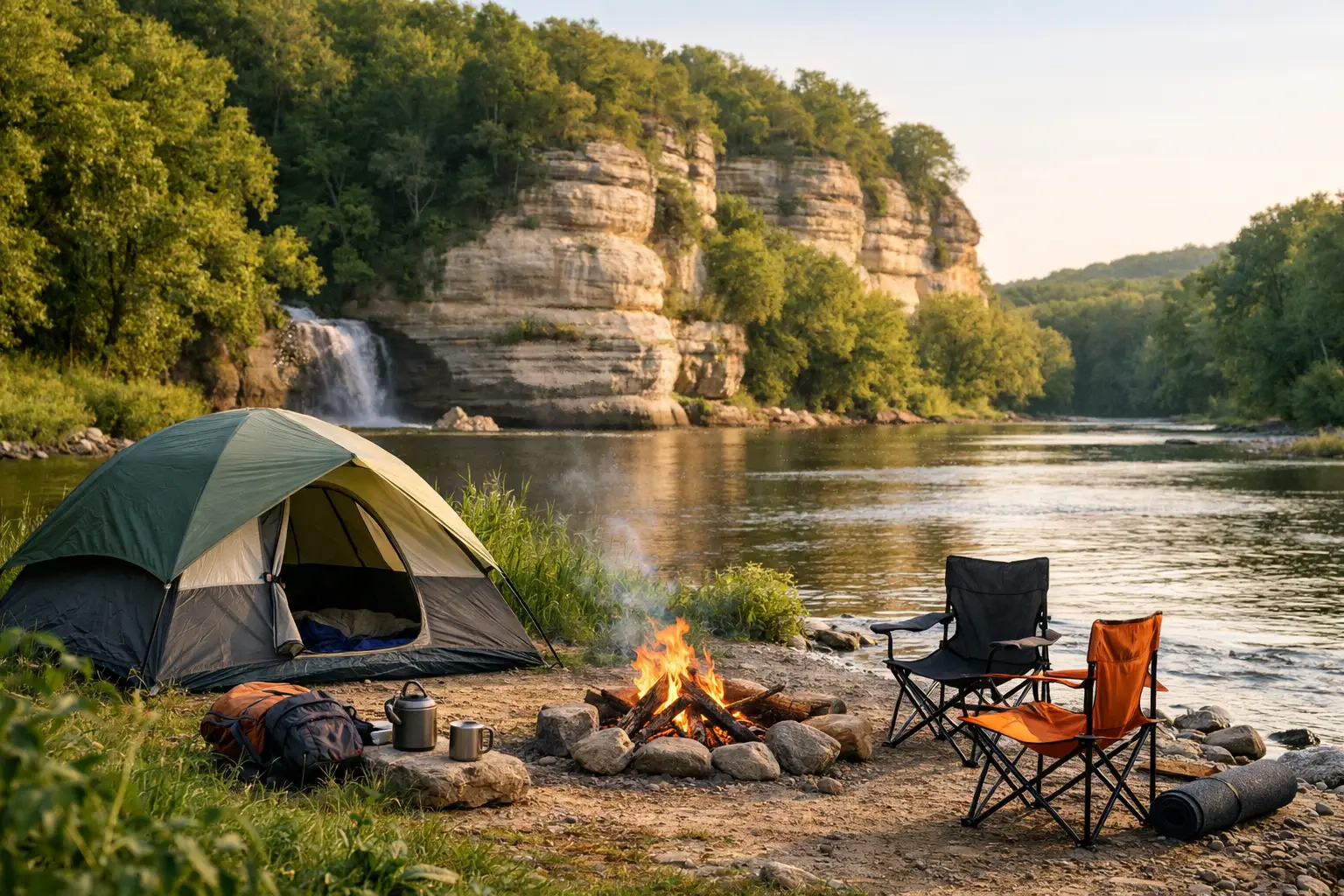
A riverbank can look calm at sunset and feel very different after overnight rain, a dam release, or wind pushing water toward shore. Never pitch your tent right at the waterline, even if the ground is flat, sandy, and begging for a camp chair. Choose a designated campsite on higher, level ground with a clear path to the water rather than a site directly on it.
Look for clues that tell you where water has been before: flattened grass, driftwood caught in branches, mud lines on rocks, or a strip of bare soil along the bank. Those are nature’s way of saying, “The river visits here sometimes.” Give it room.
At a waterfront campground, the easy answer is to use the established sites and follow staff direction. They are planned around access, drainage, fire safety, and the realities of the river. That means less guesswork for first-timers and more time for the good stuff – camp snacks, sunset paddles, and trying to identify every bird call you hear.
Stay Back From Steep or Soft Banks
Riverbanks can crumble, especially after rain. Avoid setting up beneath an undercut bank, near loose roots, or where the ground slopes sharply toward the water. Keep tents, sleeping bags, and especially kids’ play areas away from edges.
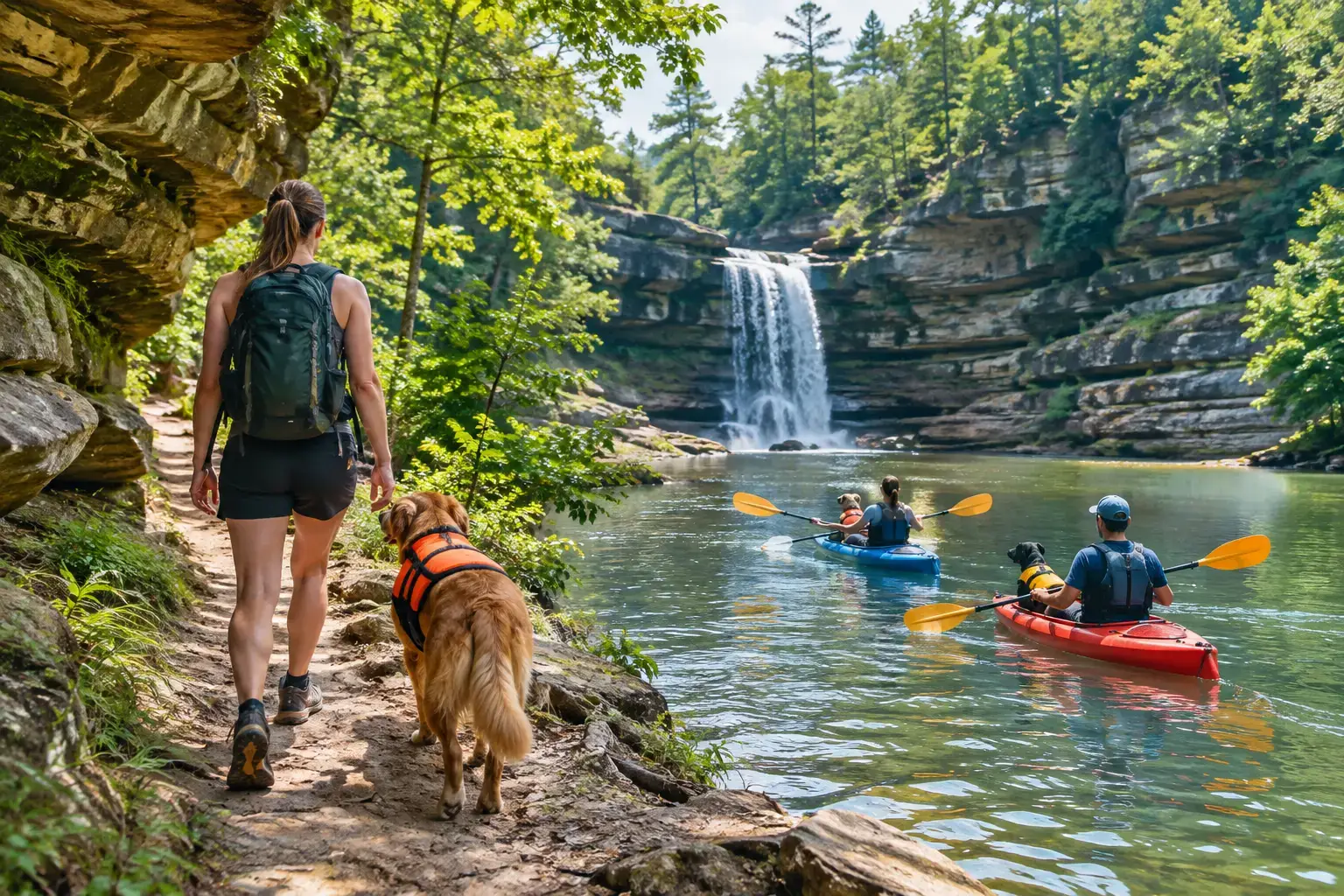
This matters for dogs, too. A dog-friendly camping trip is much more relaxing when your pup has a long lead, shade, water, and a safe hangout spot well back from the bank. Bring waste bags, keep them close around other campers, and check campground rules before arrival.
Check the Water and Weather Before You Leave Home
Camping beside a river is not the time for a “we’ll figure it out when we get there” plan. Check the forecast for your campsite and the surrounding watershed. Rain that falls upstream can affect river conditions even when your own campsite has blue skies.
Pay attention to overnight lows, wind, thunderstorms, and rainfall totals. A waterproof tent is helpful, but campsite selection does most of the heavy lifting. Avoid low pockets where cold air and water collect, and make sure your tent rainfly is fully attached before you head out for dinner or a paddle.
If thunderstorms are expected, know your shelter plan. A tent is not lightning protection. Move away from open water, isolated tall trees, and metal structures, then follow campground instructions or head to a proper enclosed building or vehicle when needed. It may interrupt the fun for a few minutes, but it is the kind of boring decision that keeps a great trip great.
Set Up Your Tent for Rain, Dew, and Mud
Even a dry forecast can produce heavy river dew by morning. Start with a groundsheet that is slightly smaller than the floor of your tent. If it sticks out, it can collect rain and funnel it underneath you. That is a very rude wake-up call.
Face your tent door away from the strongest expected wind, stake it securely, and use the rainfly. Keep shoes and wet gear outside under a vestibule or in a designated dry bin. Inside the tent, store clothes in sealed bags or a tote so one damp corner does not take out everyone’s socks.
For pop-up camping, do a quick practice run in the yard first. Pop-up tents save setup time, but they still need stakes, a rainfly if included, and thoughtful placement. A tear drop camper gives you a cozy, raised sleeping setup, but it still needs level ground, chocked wheels when appropriate, and a plan for keeping damp gear outside the sleeping area.
Glamping near Chicago can make the overnight part feel beautifully simple, especially for campers who would rather skip the gear puzzle. The same riverside basics still apply: use the designated area, respect quiet hours, secure food, and prepare for changing weather.
Keep Campfires and Cooking Away From the Water’s Edge
Use established fire rings where they are provided, and follow local fire restrictions. River rocks are not automatically safe for fire rings. Some rocks can hold moisture and crack or pop when heated, and building new fire sites damages the shore.
Keep your fire small enough to manage, never leave it unattended, and put it completely out with water before bed. Ashes should be cool to the touch. If conditions are dry or windy, skip the campfire and lean into lantern light, a warm layer, and an aggressively competitive card game instead.
Store food in sealed containers and clean up promptly. Rivers attract wildlife because they provide water, and crumbs turn a peaceful campsite into a late-night snack bar for creatures you did not invite. Keep food out of tents, including dog food and treats.
Bring Gear That Makes River Camping Easier
You do not need an expedition-sized packing list for a weekend near Starved Rock State Park. You do need the right few things. Dry bags or waterproof bins protect phones, extra clothes, and snacks from wet grass, rain, and splashy launches. A headlamp makes hands-free nighttime trips much easier, and an extra tarp can create a comfortable cooking or sitting space when used safely and without blocking drainage.
Pack layers rather than relying on one bulky jacket. River evenings can cool off quickly, even after a warm day. Bring insect repellent, sunscreen, refillable water bottles, a basic first-aid kit, and camp shoes that can handle mud. Closed-toe footwear is a smart choice around rocky banks and while setting up camp.
For families, give every kid a simple job: carry pillows, help roll sleeping bags, fill water bottles, or locate the headlamps before dark. Small responsibilities make camp setup faster and turn “Are we done yet?” into part of the adventure.
If You Kayak, Treat the River Like Part of the Campsite
A paddle-and-camp weekend is hard to beat. You can spend the afternoon on the Illinois River, return to camp, and still have plenty of daylight for food and fireside stories. But the river is not a backyard swimming pool, even when it looks calm.
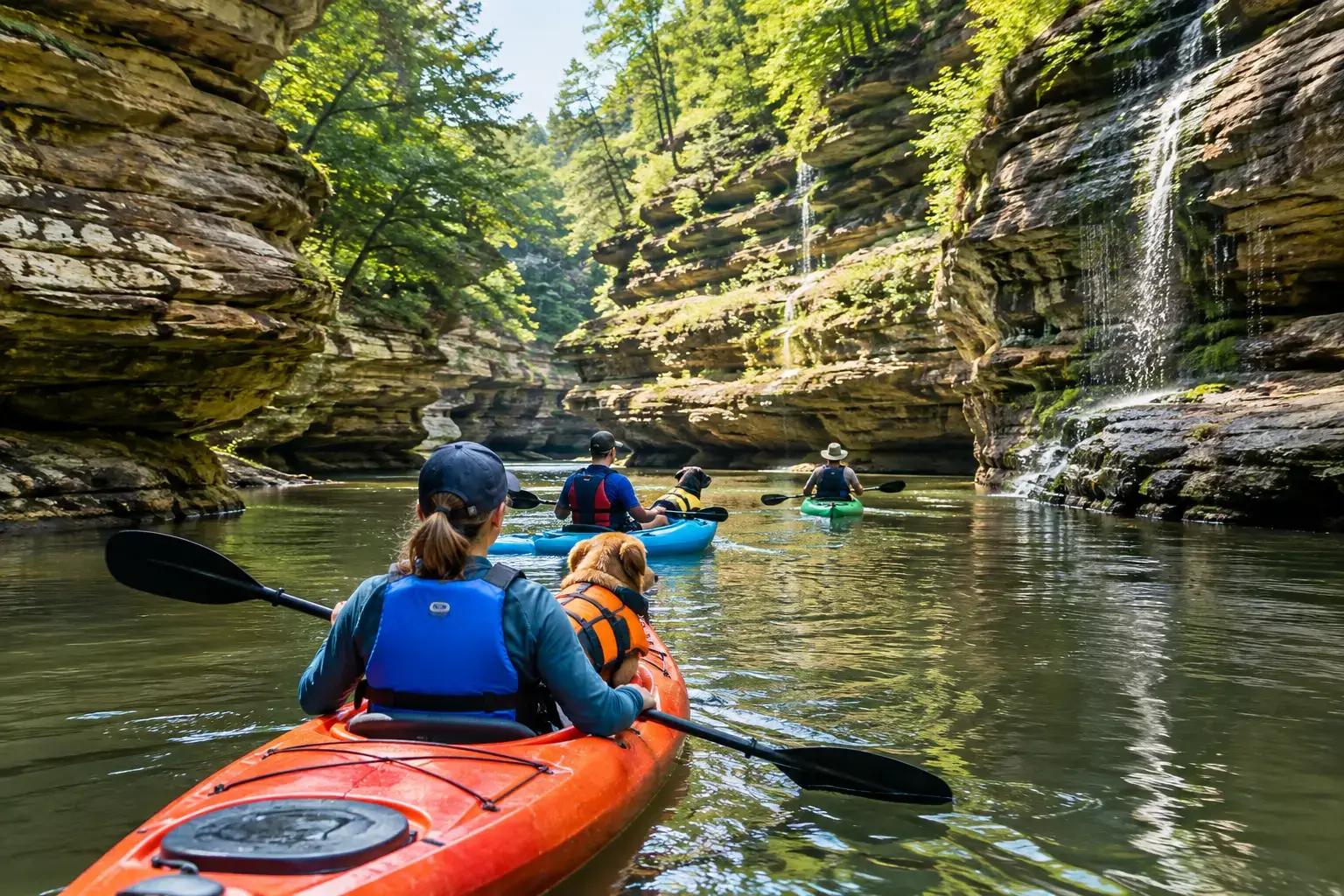
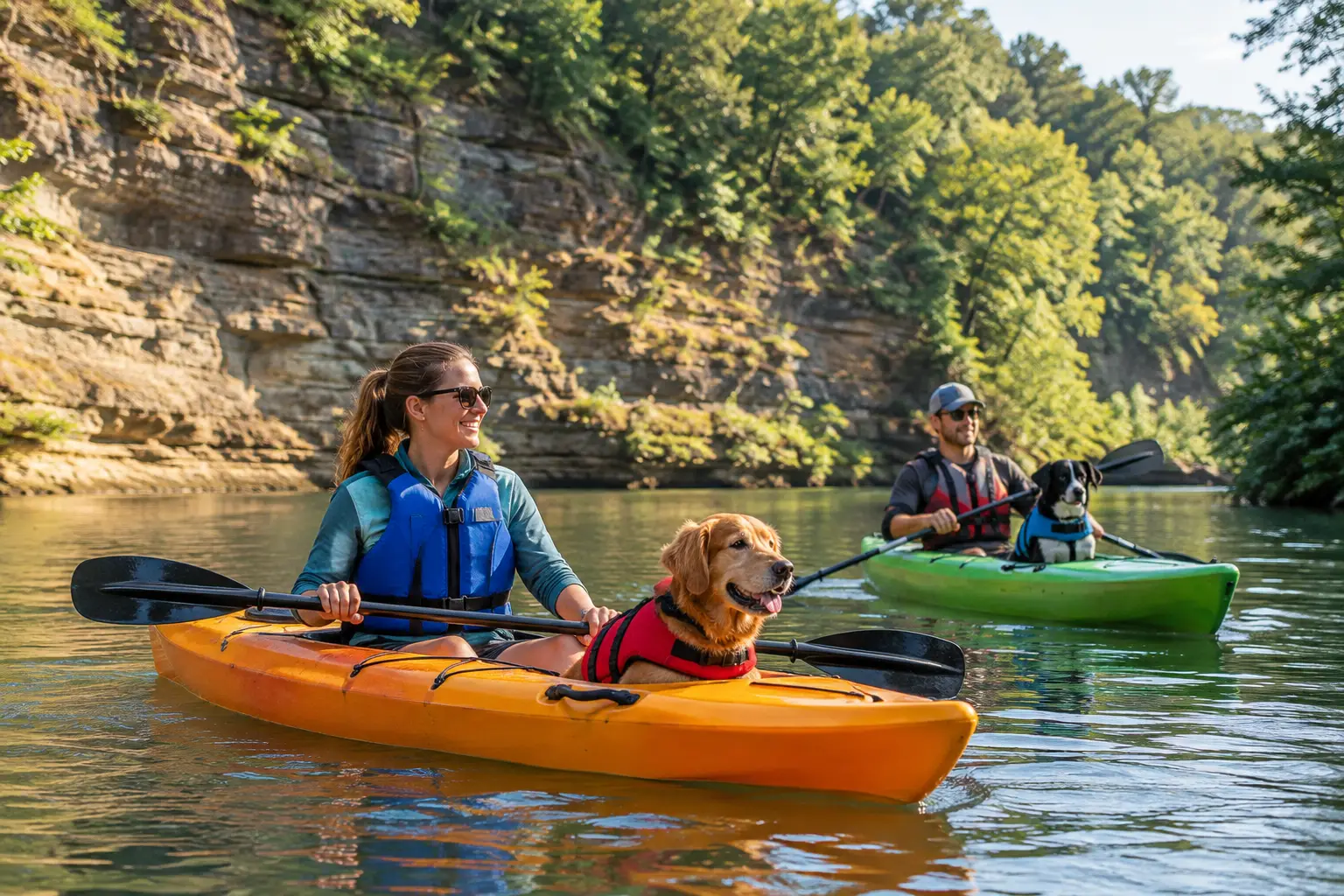
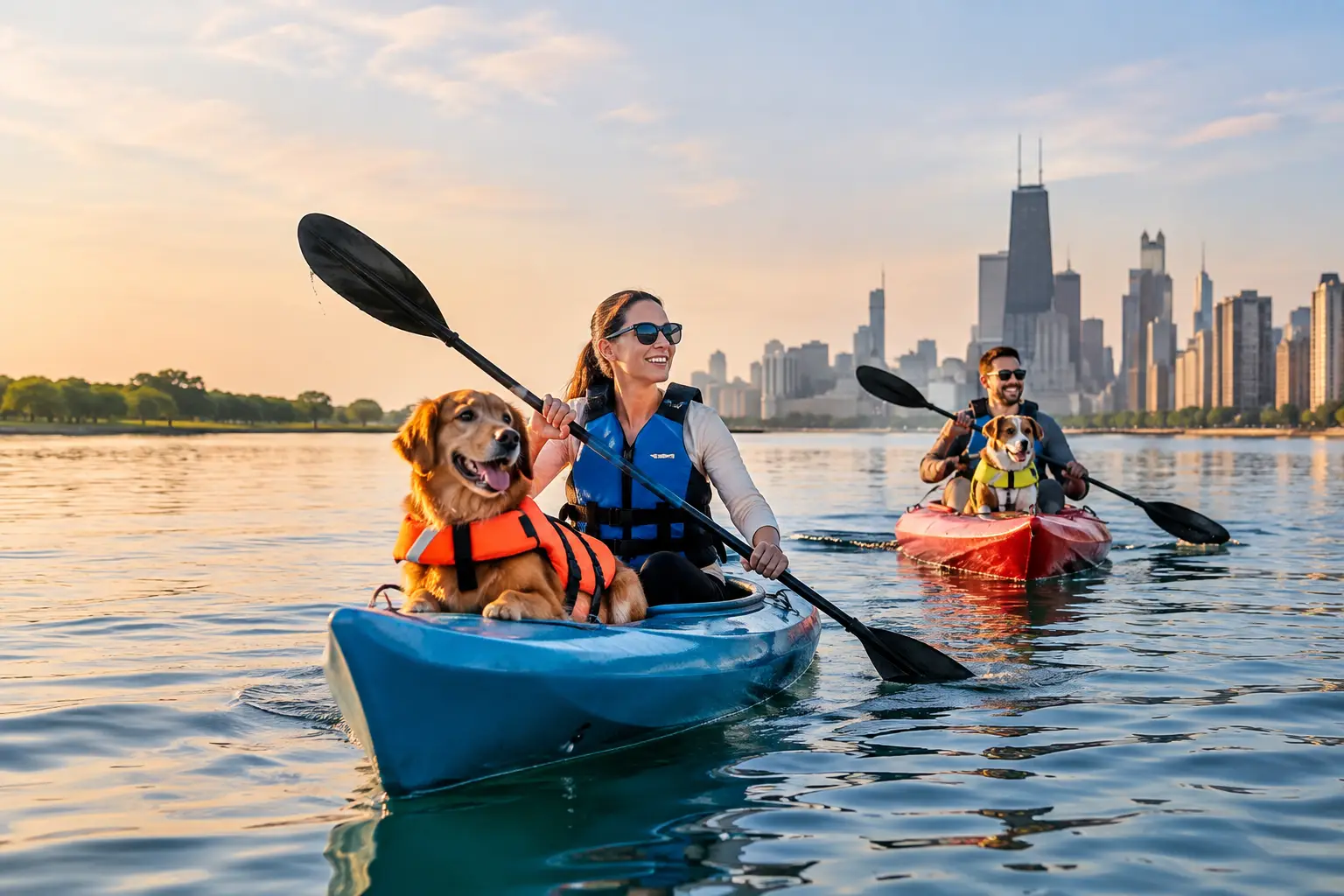
Wear a properly fitted life jacket or PFD whenever you are on the water. This is non-negotiable for every paddler, including confident swimmers. Keep an eye on launch times, weather, and campground guidance, and use a route that matches your group’s experience level. Beginners are often happiest on flatwater with clear instruction, easy launching, and no pressure to perform like a kayak influencer on day one.
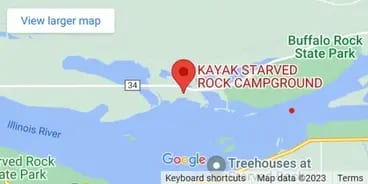
At Kayak Starved Rock Campground, campers can pair a waterfront stay with beginner-friendly Illinois River kayaking across from Starved Rock State Park. That combination is especially good for Chicago-area groups who want a real outdoor reset without spending half the weekend driving, hauling gear, or figuring out a complicated shuttle.
When you return from the water, keep wet PFDs, paddles, and shoes organized outside your tent or camper. Hang what you can to dry, but do not block walkways or tie gear to trees. A tidy camp is safer, easier to pack up, and much more pleasant when someone is looking for their flashlight after sunset.
Respect the River So the Next Campers Get the Same View
Riverside sites are special because they are shared by campers, paddlers, fish, birds, and plenty of wildlife that does not care about your weekend itinerary. Leave no trash behind, including bottle caps, fishing line, food scraps, and dog waste. Pack out what you bring in, and use designated restrooms rather than treating the shoreline like an option.
Keep noise reasonable, particularly after dark. Sound carries over water surprisingly well. Your friends may love the full play-by-play of the day, but the family in the next site probably came for the same quiet you did.
The goal is not to camp perfectly. It is to set up thoughtfully enough that the river can do its job: slow the pace, make the coffee taste better, and give your crew a weekend that feels much farther from Chicago than it really is.
Frequently Asked Questions
Why should I avoid pitching a tent right at the riverbank when camping near Starved Rock?
What is the safest way to camp with kids or a dog beside a river?
What should I check before camping beside a river if rain is in the forecast?
How do I keep my tent dry from dew and mud at a riverside campsite?
When should I skip a campfire by the river and use another setup instead?
Last reviewed: 11/12/2026
Key Takeaways
- Starved Rock riverside campsites stay safer on higher, level ground, not at the waterline, because overnight rain, dam releases, and wind can change the shoreline fast.
- Riverbanks near Starved Rock can crumble after rain, so tents, sleeping bags, kids' play areas, and dog hangouts stay well back from undercut banks, loose roots, and steep slopes.
- Kayak Starved Rock Campground pairs a waterfront stay with beginner-friendly Illinois River kayaking across from Starved Rock State Park for Chicago-area groups.
- Campfires near the river use established fire rings only, because river rocks can crack or pop when heated and new fire sites damage the shore.
About the Author
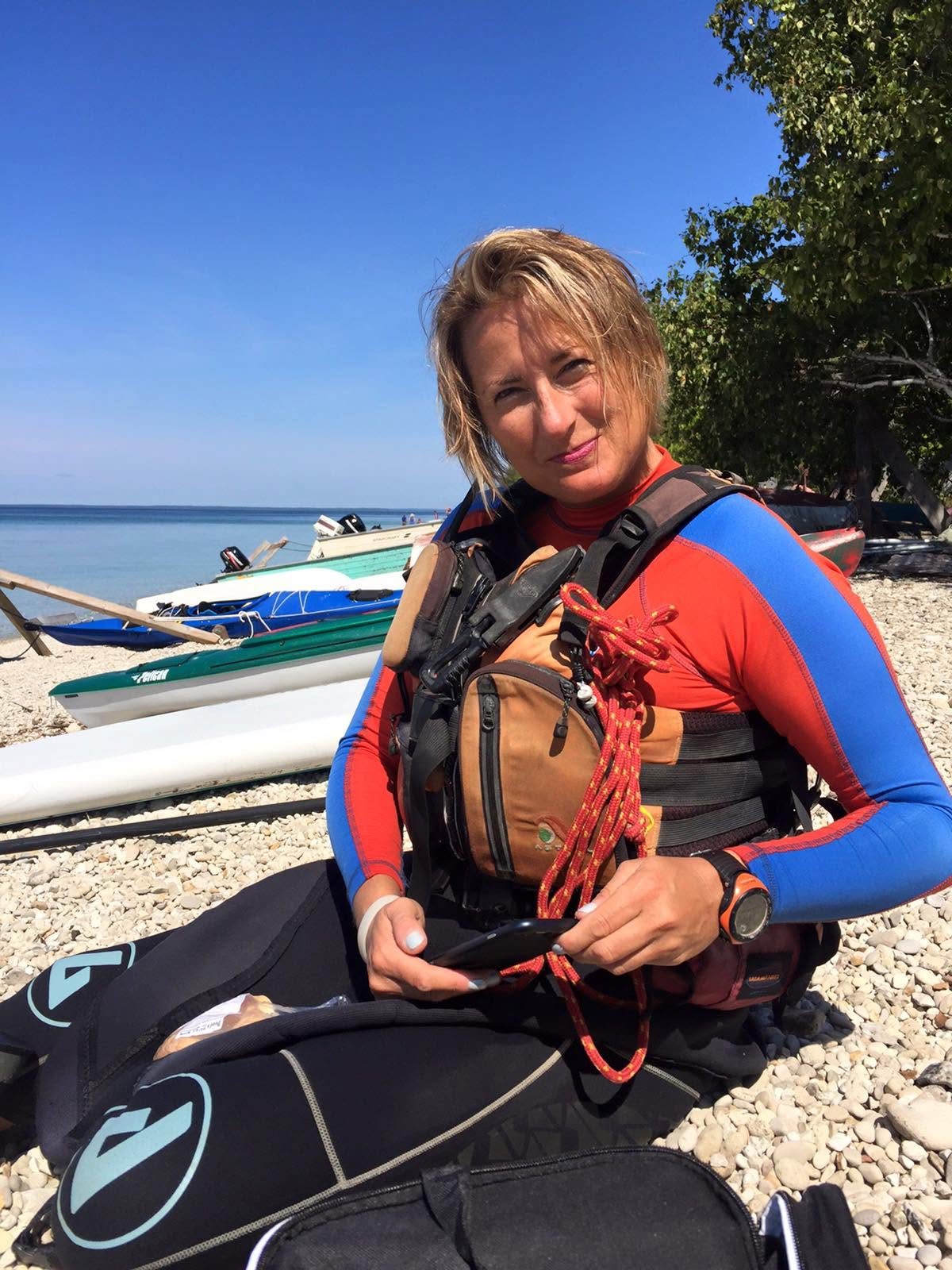
Equal parts adventure seeker and fresh-air enthusiast, I’m happiest when there’s a paddle in my hands, a campfire nearby, and absolutely no cell service. Whether kayaking across a peaceful lake, pitching a tent under the stars, or exploring somewhere new, I’m always up for a little adventure. I believe the best stories come with muddy boots, unforgettable views, and maybe a few questionable decisions involving a campfire meal. Life’s too short to stay indoors!