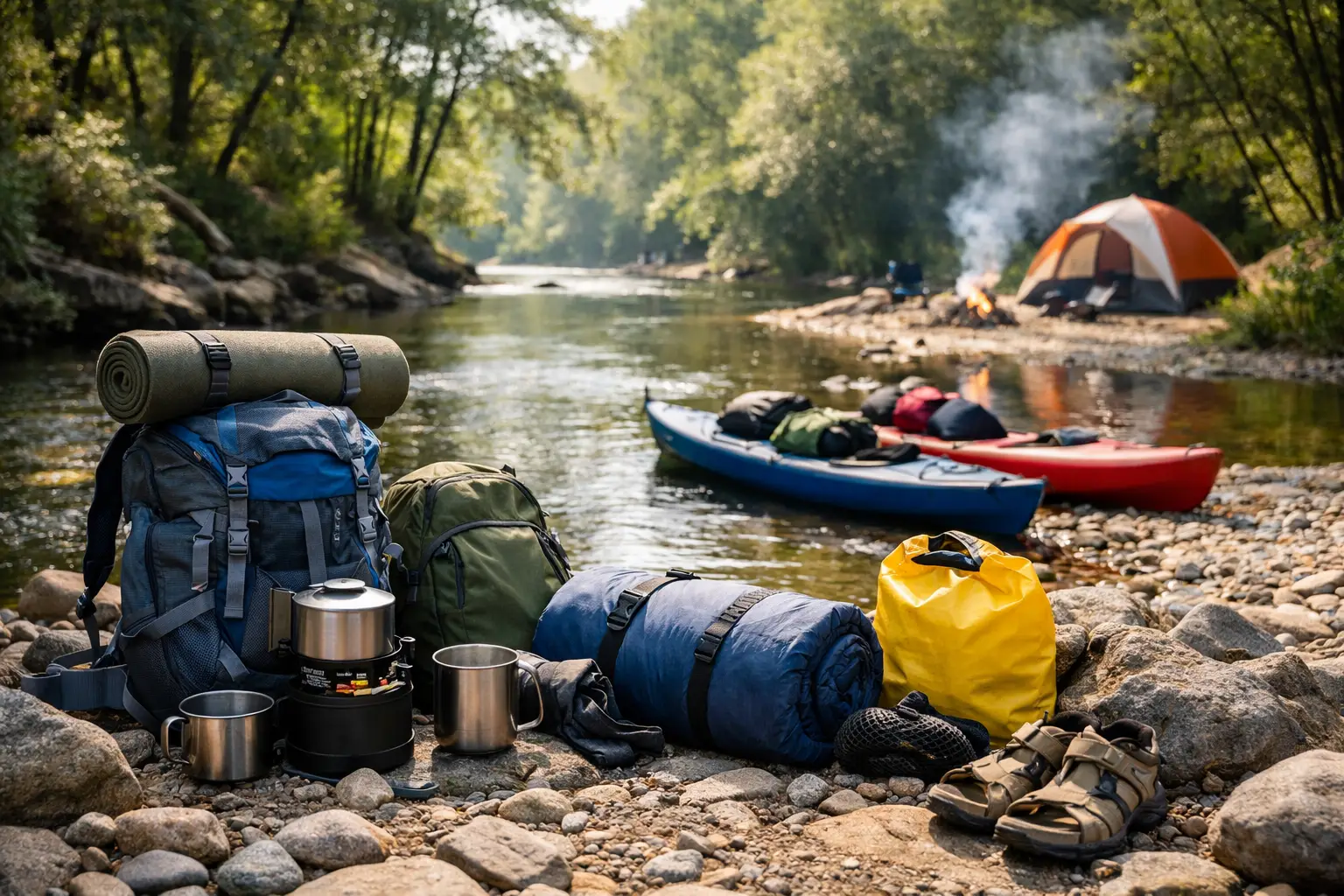
The best answer to how to pack for river camping is not “bring everything.” It is “bring the things that keep you dry, fed, comfortable, and ready to have fun.” A waterfront weekend near Starved Rock should feel like a quick reset from Chicago, not a trunk-emptying contest where you realize your camp chair, tent bag, and cooler all somehow weigh 900 pounds.
River camping asks you to think differently than a drive-up campground. Water is part of the experience, so your gear needs a plan for splashes, damp towels, muddy shoes, and the very real possibility that someone puts a wet life jacket on top of the clean sleeping bags. Pack with zones, protect the essentials, and leave room for the good stuff: kayaking, campfire conversation, sandstone-bluff views, and a morning that does not begin with rushing back to the city.
Start With Your Camping Setup
Before you pack clothes or snacks, decide where you are sleeping. This one choice determines most of the space you need and how much gear you can reasonably bring.
A traditional tent is great for campers who like their own setup and already have the basics. Pack the tent, rainfly, poles, stakes, ground tarp, sleeping pads, sleeping bags or blankets, and a small lantern. Check that all tent parts are actually in the bag before you leave. “We definitely have the poles” is a famous first-night camping sentence, usually followed by unnecessary problem-solving.
A pop-up camping setup works well for couples, families, and first-timers who want less assembly and more time by the river. You can travel lighter because your shelter is already handled, then focus on bedding, clothing, food, and the personal items that make camp feel like yours.
A teardrop camper is a solid choice for people who want the outdoor experience with a little extra comfort and weather protection. You may not need a full tent kit, but you still need bedding, a lantern or headlamp, outdoor layers, and a simple camp organization system. Glamping near Chicago can still be wonderfully low-maintenance. The goal is not to recreate your bedroom outdoors. It is to make sleeping under the trees easy.
Pack for River Camping in Three Zones
The easiest way to stay organized is to pack by where an item belongs: on the water, at camp, or in the car. This keeps your kayak gear from taking over your sleeping area and keeps your clean clothes away from wet river stuff.
Your on-water bag
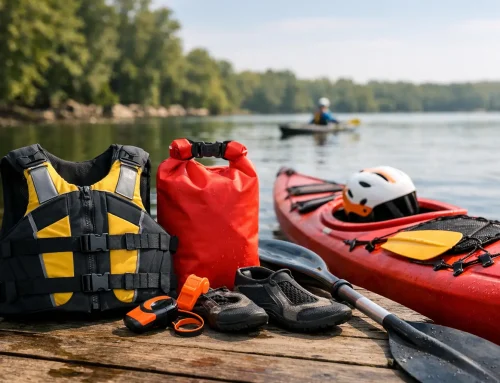
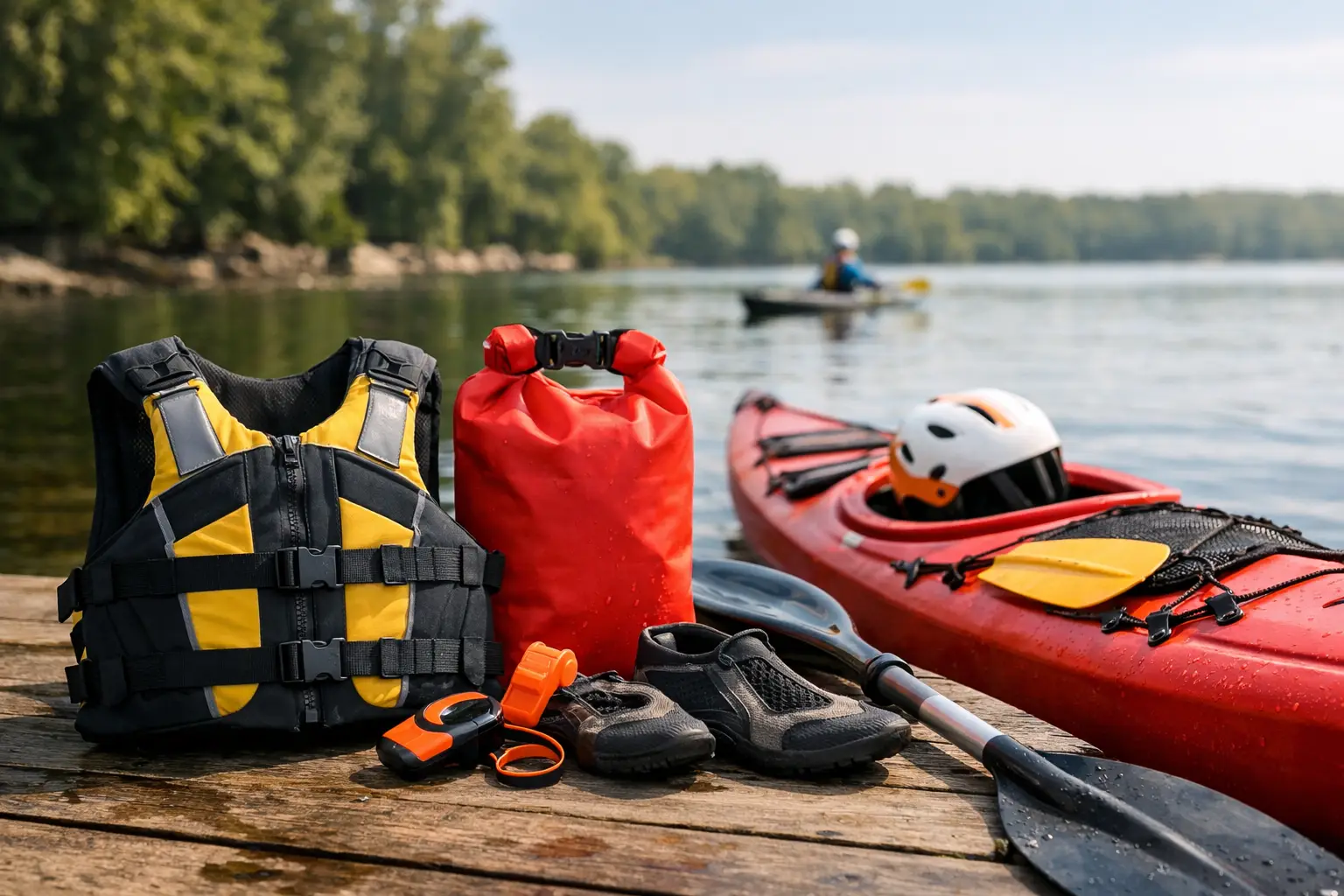
Use a small dry bag or waterproof bag for the few things you may need while kayaking. Bring your phone in a waterproof case, keys, sunscreen, lip balm, sunglasses with a retainer, a refillable water bottle, and any necessary medication. Add a small snack if you are planning a longer paddle.
Do not bring your entire wallet, favorite oversized towel, or a loose paperback you will be sad to see floating away. River days are better when you have what you need and nothing you have to babysit.
Every paddler should wear a properly fitted PFD, also called a life jacket, on the water. It is not an accessory to stash in the kayak. It is part of the activity, like the paddle. For beginner-friendly flatwater kayaking on the Illinois River, a PFD gives new paddlers confidence while they learn the basics and enjoy the scenery.
Your camp bag
This is your dry, clean, after-the-paddle bag. Pack sleeping gear, pajamas, toiletries, a change of shoes, camp clothes, and a lightweight jacket. A separate tote or duffel works well because you can set it directly inside your tent, pop-up, or teardrop without sorting through wet gear first.
For a one- or two-night trip, two outfits are usually plenty: one for paddling and one dry set for camp. Add an extra shirt, underwear, socks, and a warmer layer for evenings. Riverfront weather can feel different after sunset, even after a hot Illinois afternoon.
Choose quick-dry shorts, a T-shirt or sun shirt, and secure water shoes or sandals with heel straps for kayaking. Save cotton hoodies and heavy jeans for camp, not the boat. Cotton stays wet, gets chilly, and turns a small splash into a full-time inconvenience.
Your food and comfort tote
Keep food, cooking items, and camp comforts together. A cooler with ice packs, water, easy breakfasts, snacks, and dinner ingredients is usually enough for a weekend. Bring plates, cups, utensils, napkins, a trash bag, a bottle opener if needed, and a small camp stove only if your campsite allows it and you know how to use it safely.
Simple meals win at camp. Think sandwiches, wraps, grilled favorites, fruit, trail mix, and coffee supplies. A full kitchen production can be fun for experienced campers, but it can also pull you away from the actual reason you came: a relaxed camping and kayaking getaway near Starved Rock State Park.
Keep Wet Gear Out of Your Sleeping Space
The biggest river-camping mistake is treating wet gear like it will politely dry itself. It will not. It will gather in a damp pile and mysteriously touch every clean item you own.
Pack one large mesh bag, laundry bag, or plastic bin specifically for wet swimsuits, water shoes, towels, and damp PFD layers. When you get back from kayaking, put those items there first. Hang what you can to air out, but do not count on everything drying before bedtime.
A spare towel makes a big difference. Use one for the river and keep one clean and dry for your shower or bedtime routine. Microfiber towels pack small and dry quickly, while a regular towel can feel more comfortable if you are camping from your car and have the space.
A small doormat or old towel outside the tent entrance also helps. It sounds minor until four people walk in wearing riverbank dust and you are suddenly sleeping in a sandbox.
What to Bring for an Illinois River Weekend
Camping near Starved Rock can deliver sunny paddle weather, cool evenings, bugs, and a surprise sprinkle all in the same trip. Pack for that reality instead of trusting the forecast with your happiness.
Bring sunscreen, insect repellent, a hat, sunglasses, and a rain jacket or poncho. A headlamp is more useful than a phone flashlight because it keeps both hands free for tents, snacks, and the important work of finding the missing marshmallow stick. Include a basic first-aid kit with bandages, blister care, pain reliever, and any personal medications.
For nighttime comfort, bring a camp chair, a blanket for sitting outside, and a small battery pack. You do not need a giant speaker system to enjoy the river. You do need a way to see your way back from the restroom after dark.
If you are paddling with children, pack extra dry clothes and more snacks than you think they will eat. Kids often do great on calm water when they are comfortable, hydrated, and not suddenly hungry. For first-time adult paddlers, an extra layer and a secure water bottle can offer the same magic.
Dog-Friendly River Camping Needs Its Own Bag
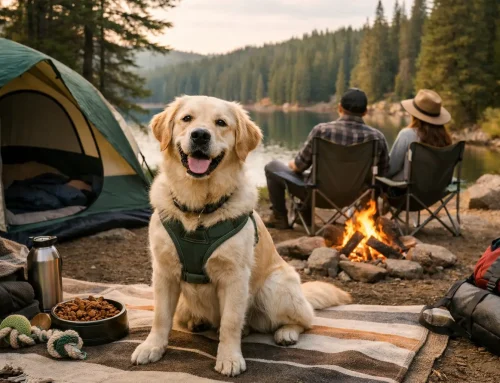
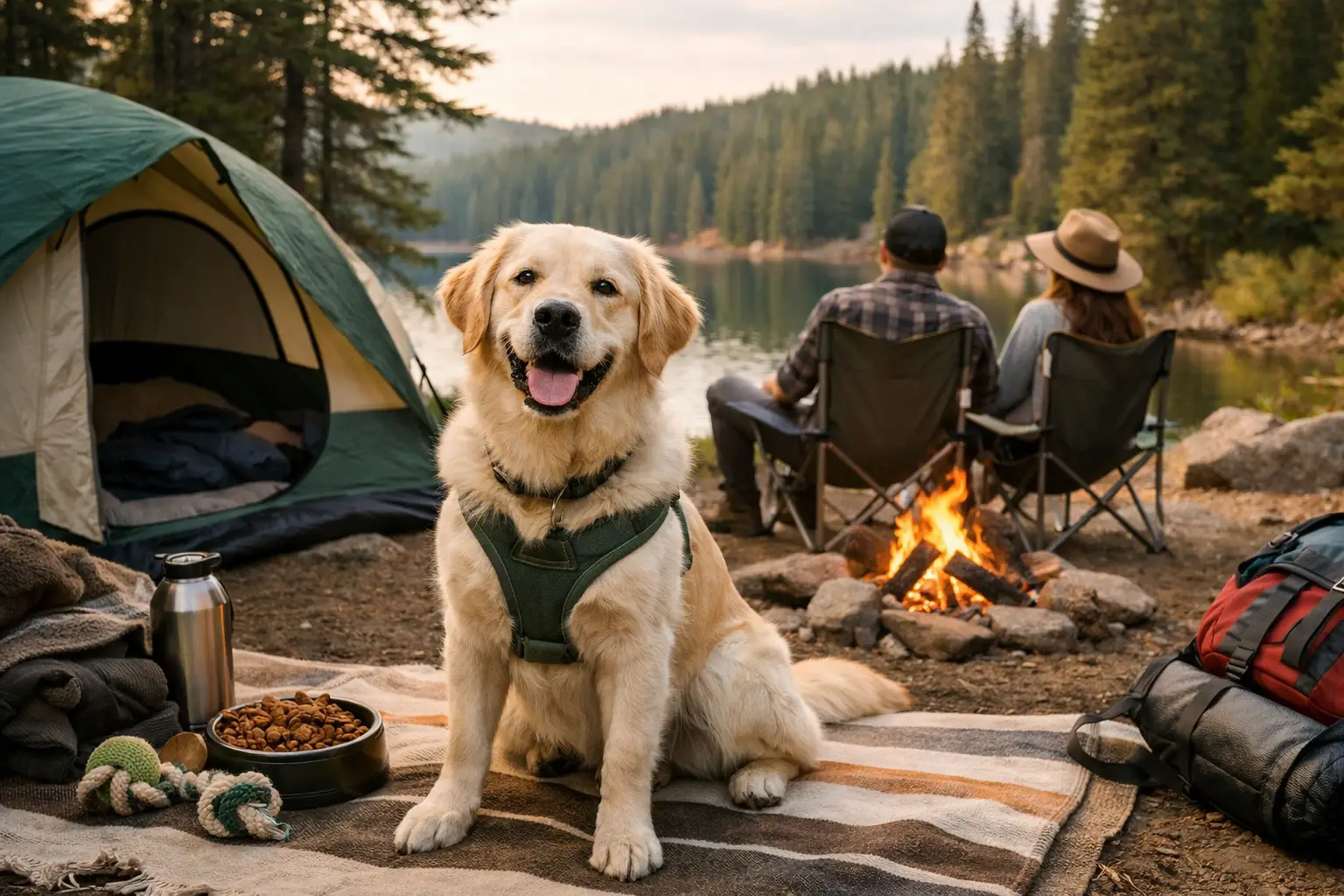
Dog-friendly camping is more fun when your pup has a setup as organized as yours. Pack a leash, water bowl, food, treats, waste bags, a towel, bedding, and any medications. A long line can be useful at camp where permitted, but always follow campground rules and keep your dog under control around other guests.
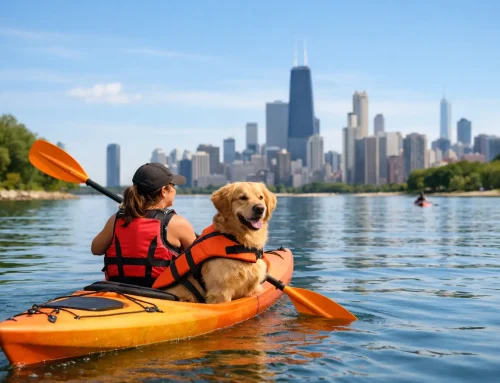
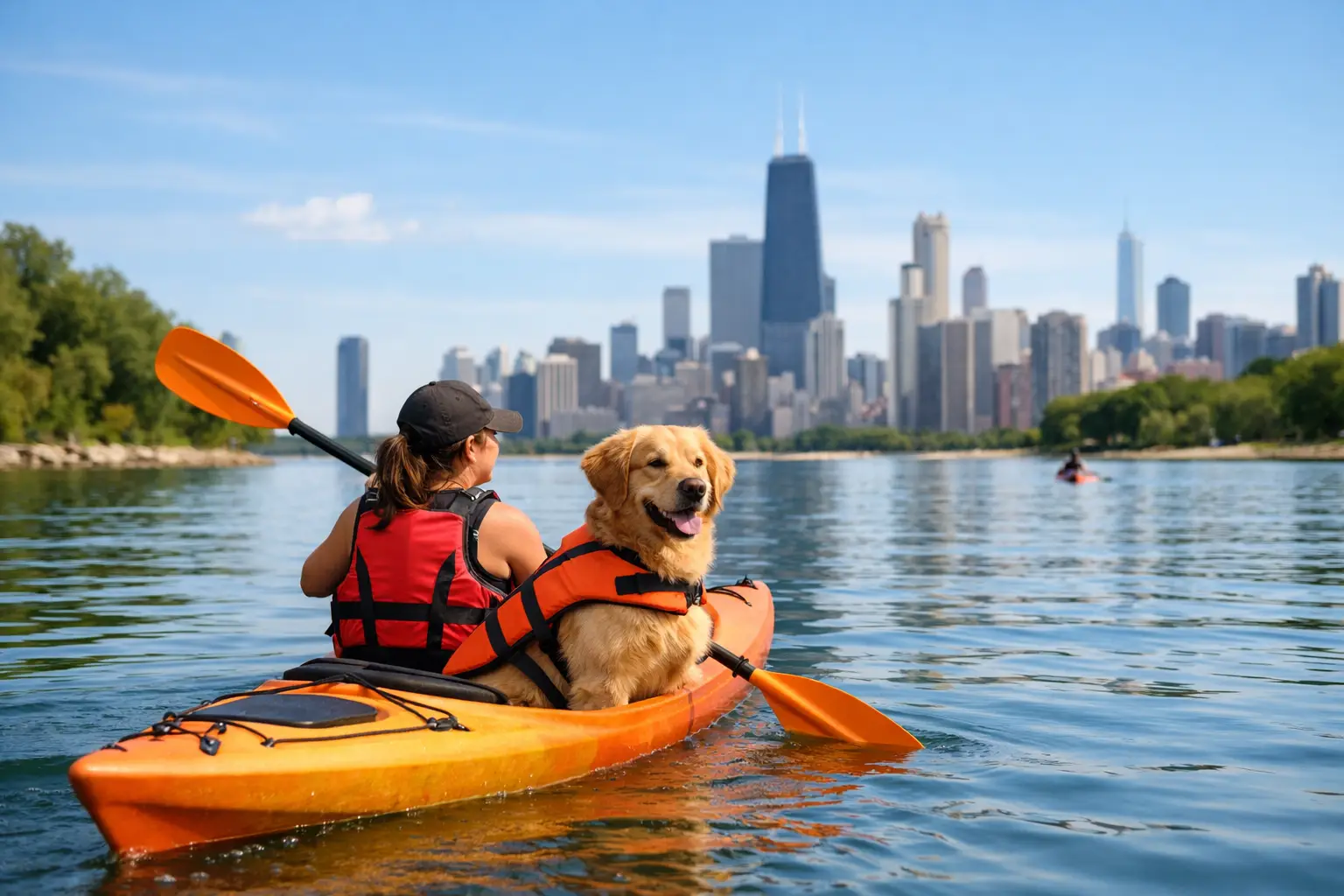
For kayaking, make sure your dog is comfortable near water and wears a properly fitted dog life jacket. Not every dog enjoys being in a kayak, and that is okay. A short, calm introduction is better than forcing a nervous pup into a full paddle. Bring a towel for muddy paws and an extra water supply so they are not tempted to drink river water.
Leave Room in the Car and in the Plan
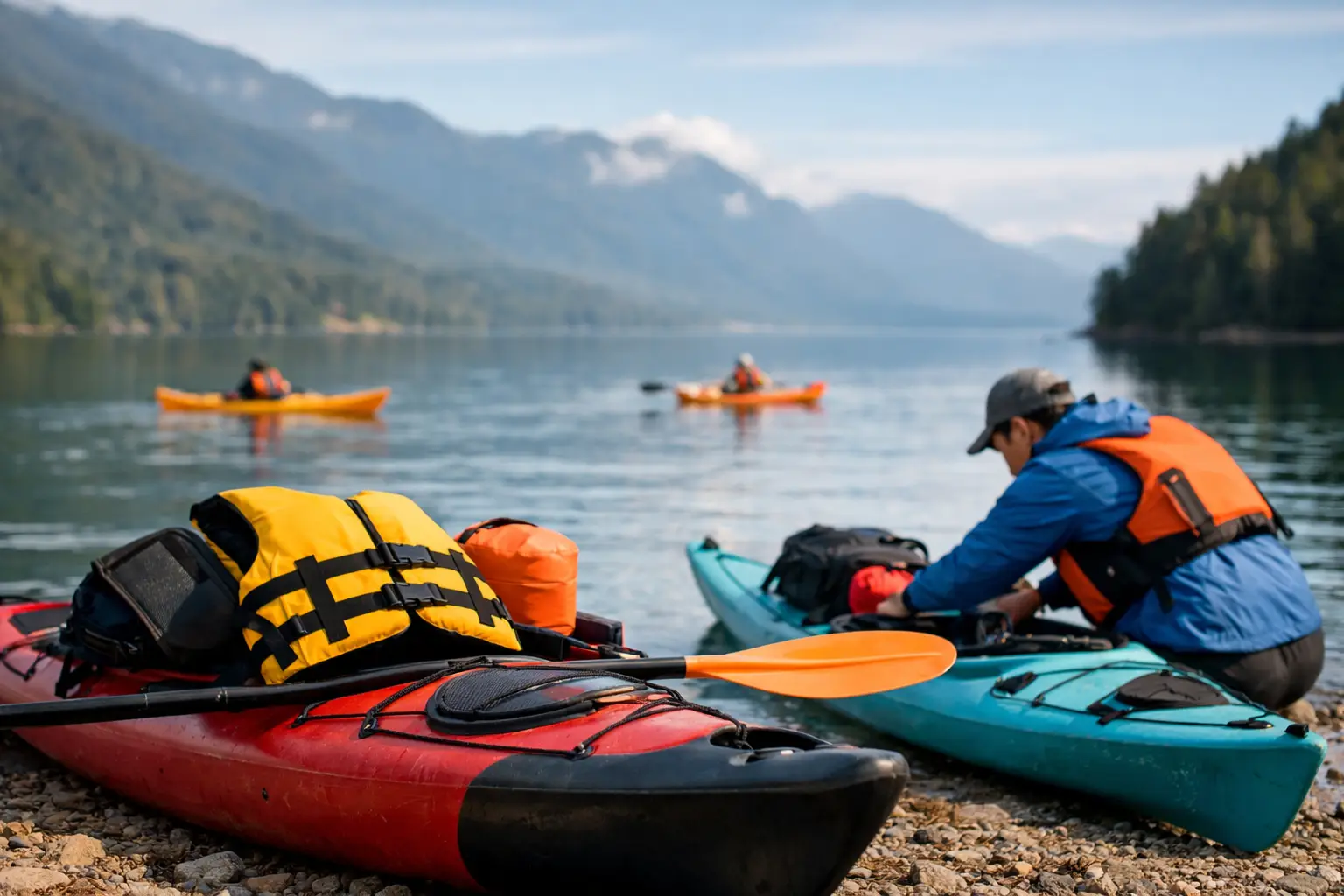
Overpacking is often less about too much gear and more about no system. Load the car in the order you will use things. Keep the on-water bag and PFDs easy to reach. Put the tent or sleeping setup where it can come out first. Keep the cooler accessible, but secure enough that it does not become a rolling snack avalanche on the drive.
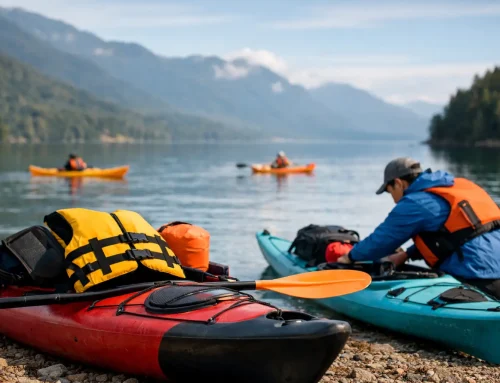
If you are renting kayaks or joining a guided outing, you do not need to haul your own boat, paddle, or every imaginable piece of water gear. That is one of the perks of choosing a paddle-and-camp trip at Kayak Starved Rock Campground: spend your energy picking snacks and making memories, not strapping boats to the roof rack.
Check your reservation details before leaving, especially arrival times, launch cutoffs, what is included with your camping package, and what is available on-site. A little planning protects the relaxed feeling you came for.
Pack light enough that setup feels easy, dry enough that bedtime feels cozy, and smart enough that the river stays the adventure – not the gear. Then let the Illinois River, the campfire, and that first quiet morning outside do the rest.