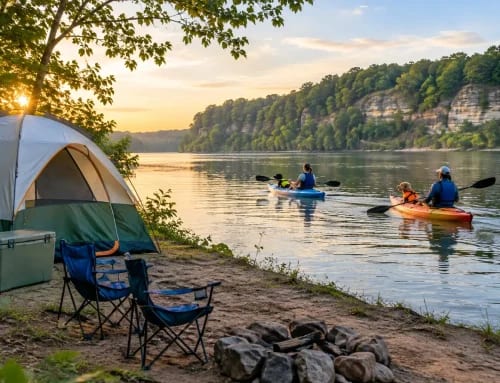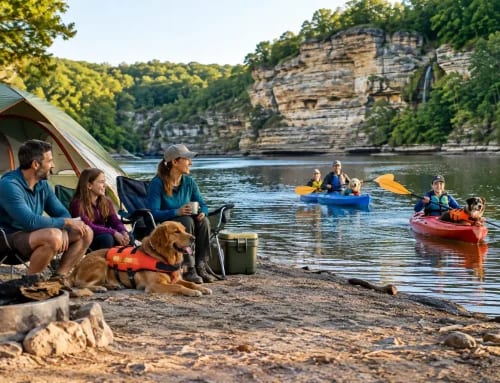
Your dog knows when the weekend plans are getting good. The tent comes out, the cooler gets packed, and suddenly there is a furry shadow following you from room to room. These dog friendly camping tips help turn that excitement into an easy, low-stress escape near Chicago – with more sniffing, less scrambling, and room for everyone to relax.
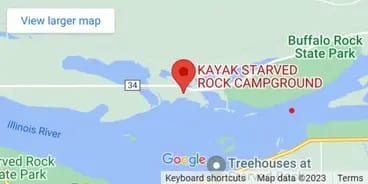
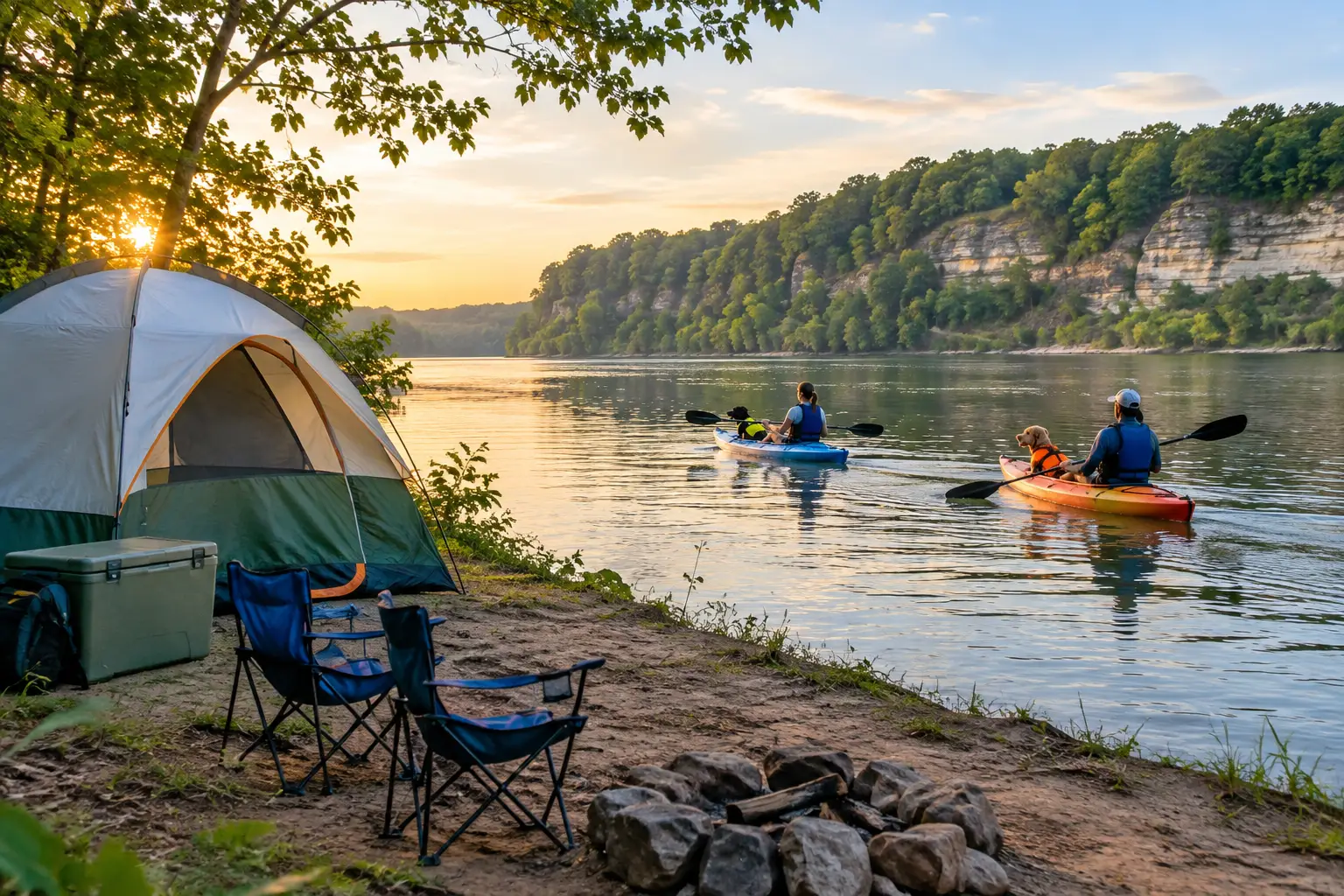
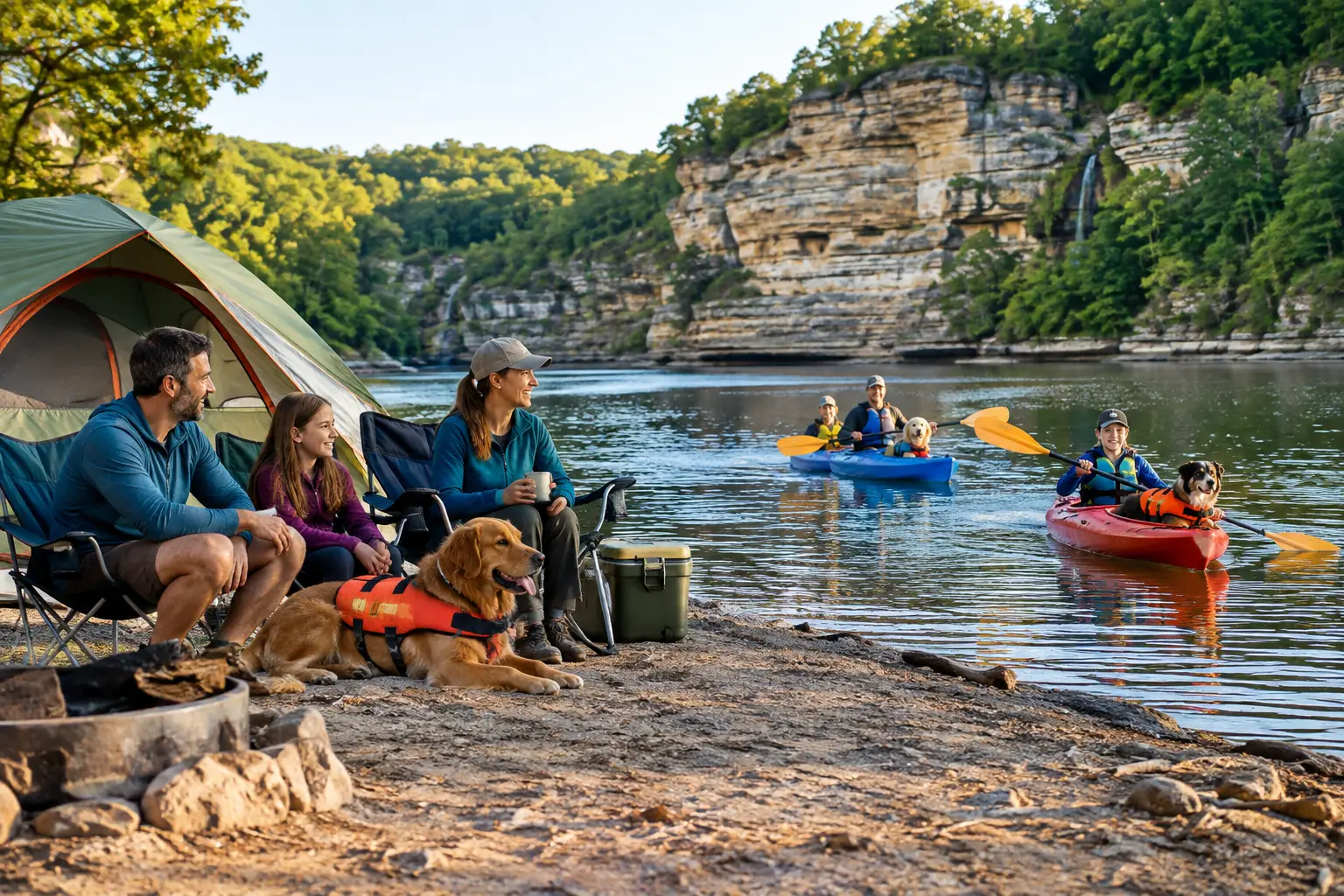
Camping near Starved Rock State Park gives you a fine mix of big scenery and simple adventure. You can spend the day hiking around sandstone bluffs, settle into a waterfront campsite, and even add a flatwater paddle on the Illinois River. The secret is not packing your entire house. It is planning for your dog’s comfort, safety, and usual routine before you leave the driveway.
Dog Friendly Camping Tips Before You Go
1. Choose a campsite that fits your dog’s personality
A social dog may be perfectly happy near other campers, kids on bikes, and the occasional campfire conversation. A nervous dog may do better with a quieter spot and more space from the campground action. Think beyond whether a campground allows dogs. Consider shade, walking space, proximity to the water, and how close neighboring sites may be.
For a waterfront weekend, also check the current pet rules for your specific campsite and any trails or public areas you plan to visit. Policies can change, and a quick confirmation before booking prevents an awkward change of plans later.
2. Practice the tent at home
A tent can feel like a giant crinkly mystery to a dog who has never slept in one. Set it up in the yard or living room first, toss in their bed or blanket, and let them investigate on their own terms. A few treats inside help make it clear that this strange little fabric house is actually excellent.
This matters even more if you are trying a pop-up tent or camping in a teardrop trailer for the first time. Your dog should have a designated sleeping spot that stays dry and out of the nighttime foot traffic.
3. Pack for your dog, not just for your own itinerary
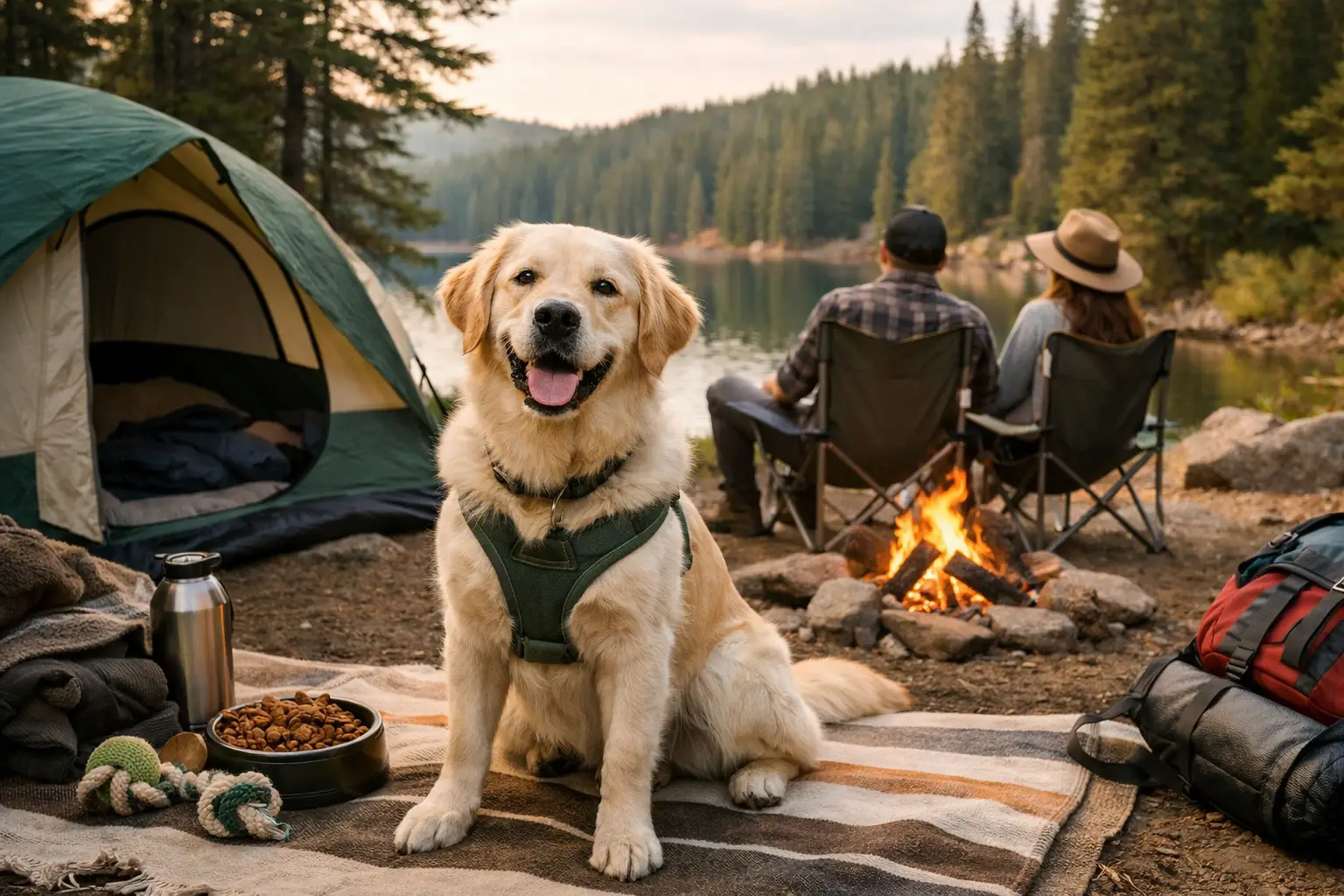
Your dog does not need a tiny suitcase, but they do need their own essentials. Bring enough regular food for the trip plus a little extra, a water bowl, a long lead, waste bags, a towel, medications, and proof of vaccinations if your campground requires it. Add a favorite chew or familiar blanket for dogs that take a little time to settle in.
A basic pet first-aid kit is smart, too. Include items for small cuts, tick removal, and paw care. Camping is supposed to feel wild in the fun way, not in the “why is there a burr in every toe?” way.
Set Up Camp With Safety and Comfort in Mind
4. Give your dog shade before you need it
A sunny Illinois River campsite can feel fantastic until the afternoon heat starts working overtime. Set up a shaded resting area as one of your first camp chores, whether that means using your tent vestibule, a canopy, or natural shade from trees. Keep a full water bowl nearby and refresh it often.
Dogs can overheat faster than people, especially after a hike, swim, or excited round of greeting everyone at camp. Watch for heavy panting, slowed movement, or an unwillingness to leave the shade. The best camp schedule often includes active mornings and evenings, with a slower midday reset.
5. Keep the campfire zone boring
To you, the campfire is peak vacation. To a curious dog, it is a warm, flickering object surrounded by dropped hot dogs. Set up your dog’s bed or tethered resting area well away from the fire, cooking equipment, and busy chairs. Do not leave food unattended, and skip feeding scraps from the grill.
Some human campfire favorites are not dog favorites at all. Corn cobs, cooked bones, chocolate, alcohol, onions, and heavily seasoned food can all create a problem far from your usual vet. Bring a few dog-safe treats so your pup still gets to enjoy snack time without sampling the chili.
6. Use a leash with purpose
Even the friendliest off-leash dog can surprise another camper, chase wildlife, or disappear after an extremely interesting squirrel. A standard leash for walks and a longer tie-out for your site give your dog room to enjoy camp while respecting the people and animals around you.
Never attach a tie-out where your dog can reach the fire ring, cooking table, road, or water’s edge. Check the clip and line regularly, especially if your dog is a determined digger, chewer, or escape artist with a graduate degree in loopholes.
Make Hiking and Water Time Dog-Smart
7. Build in sniff breaks on the trail
Camping near Starved Rock is a chance to trade screen time for trail time, but dogs do not hike at human speed. Let them stop, smell, drink, and cool down. Keep walks realistic for their age, fitness level, and the weather, and check paws after rocky or muddy routes.
Use a leash wherever required, keep your dog out of sensitive natural areas, and pack out every waste bag. It is a small move that keeps trails pleasant for the next family, dog, and slightly overconfident toddler in brand-new hiking boots.
8. Do not assume every dog wants to kayak
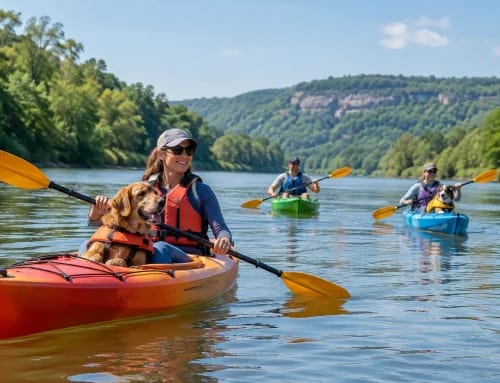
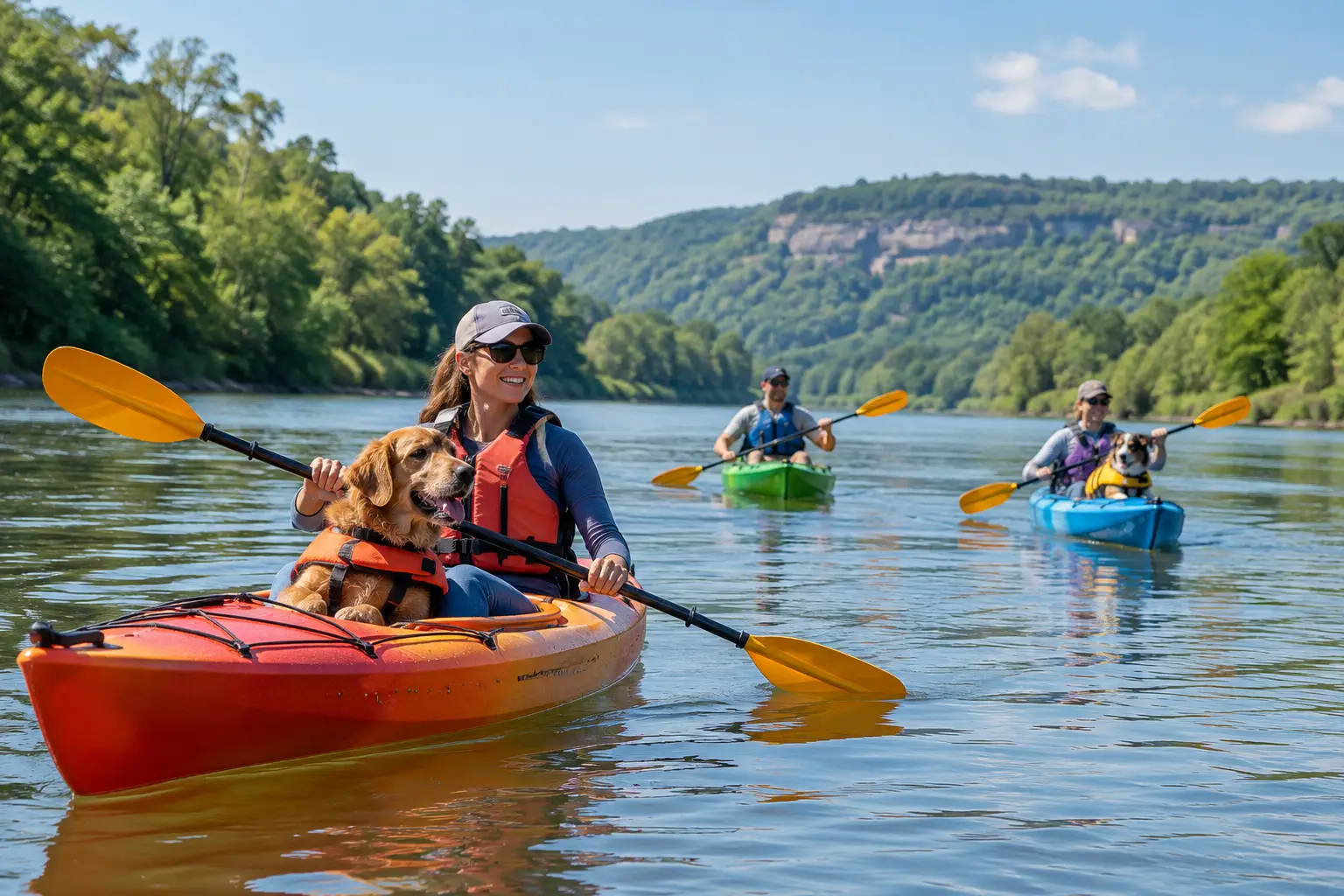
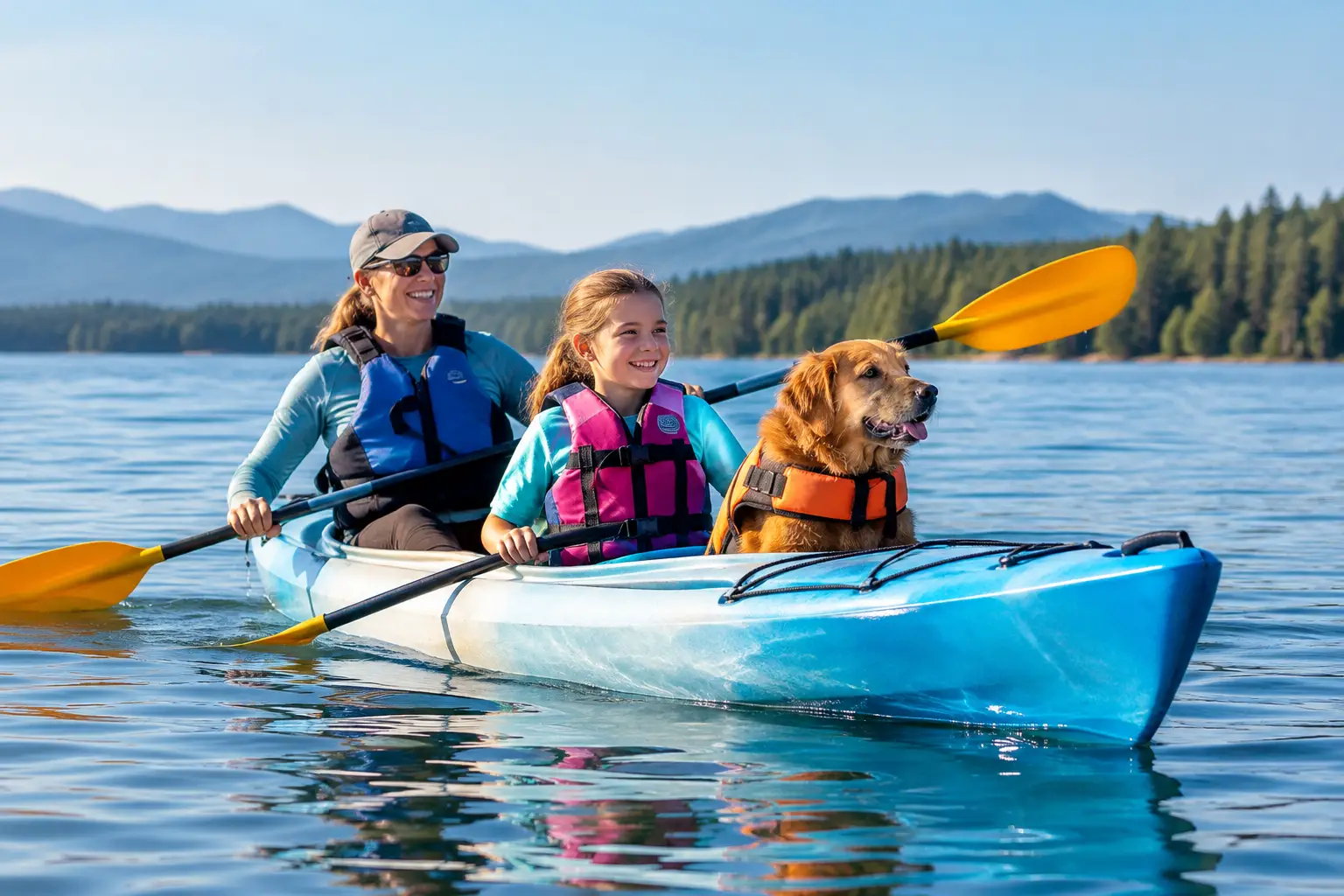
Some dogs love riding in a kayak. Others would rather supervise from shore and judge your paddle technique. Both are valid. Before planning a dog-friendly kayaking outing, consider whether your dog can stay calm around water, sit or lie down in a small space, and follow basic cues when something exciting happens.
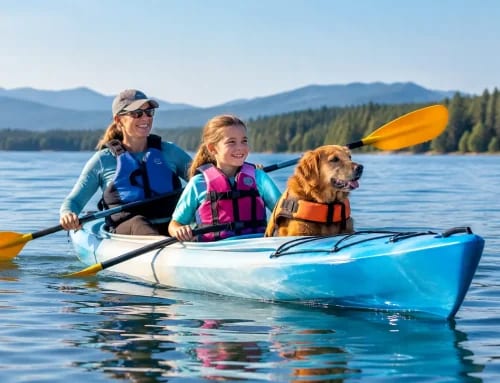
If you bring your dog on the water, a properly fitted canine life jacket is a must, even for strong swimmers. People should wear their PFDs at all times, too. Flatwater conditions can make kayaking approachable for beginners, but everyone needs the right safety gear and a plan for getting back in if a kayak tips.
9. Start with a short paddle
A first paddle with a dog should be a short, easy session, not an endurance test. Let your dog get comfortable with the kayak on land, then near the shoreline, before heading farther out. Bring water, avoid the hottest part of the day, and keep your expectations flexible.
At Kayak Starved Rock, the dam-controlled Illinois River offers calm, beginner-friendly flatwater, which can make a paddle-and-camp weekend feel much more doable for first-timers. Still, check ahead about pet participation, trip requirements, and the best option for your group before arriving.
Keep Nights Peaceful for Everyone
10. Plan for the campground soundtrack
A campground after dark has a completely different soundtrack: zippers, laughter, headlights, owls, and the person three sites over who believes every story needs a louder ending. If your dog reacts to unfamiliar noises, bring a familiar blanket and settle them before the evening gets busy.
A final walk and potty break before bed can prevent the 2 a.m. tent-door shuffle. Keep a flashlight, leash, and waste bags where you can reach them quickly without waking the whole campsite.
11. Watch the weather, not just the forecast
Illinois weather can shift quickly, particularly around the river. Check conditions before leaving and again before heading out for a hike or paddle. Bring a towel for wet paws, a rain layer for your dog if they tolerate one, and a dry sleeping setup that stays off damp ground.
If storms roll in or temperatures climb, adjust the plan. The best weekend memories rarely come from forcing one more activity. Sometimes the winning move is a nap in the tent followed by a calmer evening walk.
12. Leave your campsite better than your dog found it
Pick up waste promptly, sweep up spilled food, and check the site carefully before leaving. Look under picnic tables, around tent corners, and near the water for toys, leash clips, or food wrappers. A clean campsite protects wildlife and helps keep dog-friendly camping available for everyone.
It also means your dog gets to return to a place where people are genuinely happy to see them, muddy paws and all.
A great camping weekend does not need a packed schedule. Give your dog a safe place to nap, a few good trail miles, fresh water, and time with their favorite people. Then let the river views, campfire glow, and happy tiredness do the rest.