A lot of parents are not looking for “more summer.” They are looking for a few days when their kids come home tired, happy, and talking about something other than a screen. That is why youth camps keep earning a spot on the family calendar, especially when they mix fresh air, structured activity, and just enough adventure to feel exciting without feeling risky.
For families around Chicago and Northern Illinois, the sweet spot is usually closer than people think. You do not need a long drive, a complicated packing list, or a wilderness survival mindset to give kids a real outdoor experience. The best camps feel accessible from the start – clear schedules, beginner-friendly activities, adult supervision, and a setting that helps kids build confidence fast.
What makes youth camps actually worth it
Not every camp experience lands the same way. Some are heavy on logistics and light on fun. Others sound adventurous but leave parents guessing about safety, supervision, or whether a first-timer will be overwhelmed by day one.
The strongest youth camps strike a better balance. They give kids room to try something new, but they do it with structure. That might mean guided paddling, set activity times, straightforward gear expectations, and staff who know how to teach beginners without making them feel behind. For parents, that balance matters. For kids, it is usually the difference between nervous at check-in and proud by pickup.
Outdoor camps have another advantage that is hard to fake indoors. Nature creates built-in momentum. A morning paddle, a walk along the river, setting up a tent, eating outside, and winding down around camp all feel different from the regular routine. Kids notice that. Even the ones who claim they are “not outdoorsy” usually respond well when the environment is welcoming and the activity is broken into manageable steps.
Why water-based youth camps stand out
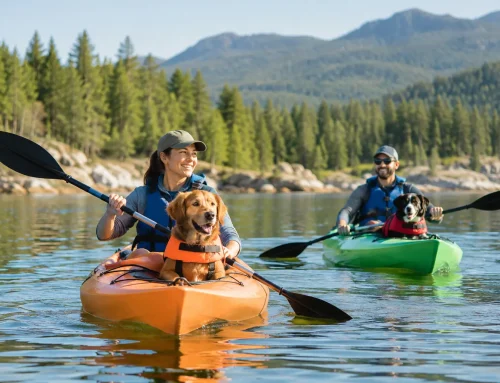
There is something about being on the water that gets kids fully present. Kayaking, especially on calm flatwater, asks for attention in a way that feels fun instead of forced. You are learning a real skill, but it does not feel like a lesson in the classroom sense.
That said, water-based youth camps are not all created equal. Conditions matter. A river with strong current is a very different experience from a dam-controlled flatwater area with shallow depths and no current. For beginners, those details are everything. They shape how quickly kids feel comfortable, how easy it is for staff to teach basic paddling, and how much of the day can be spent enjoying the experience instead of managing stress.
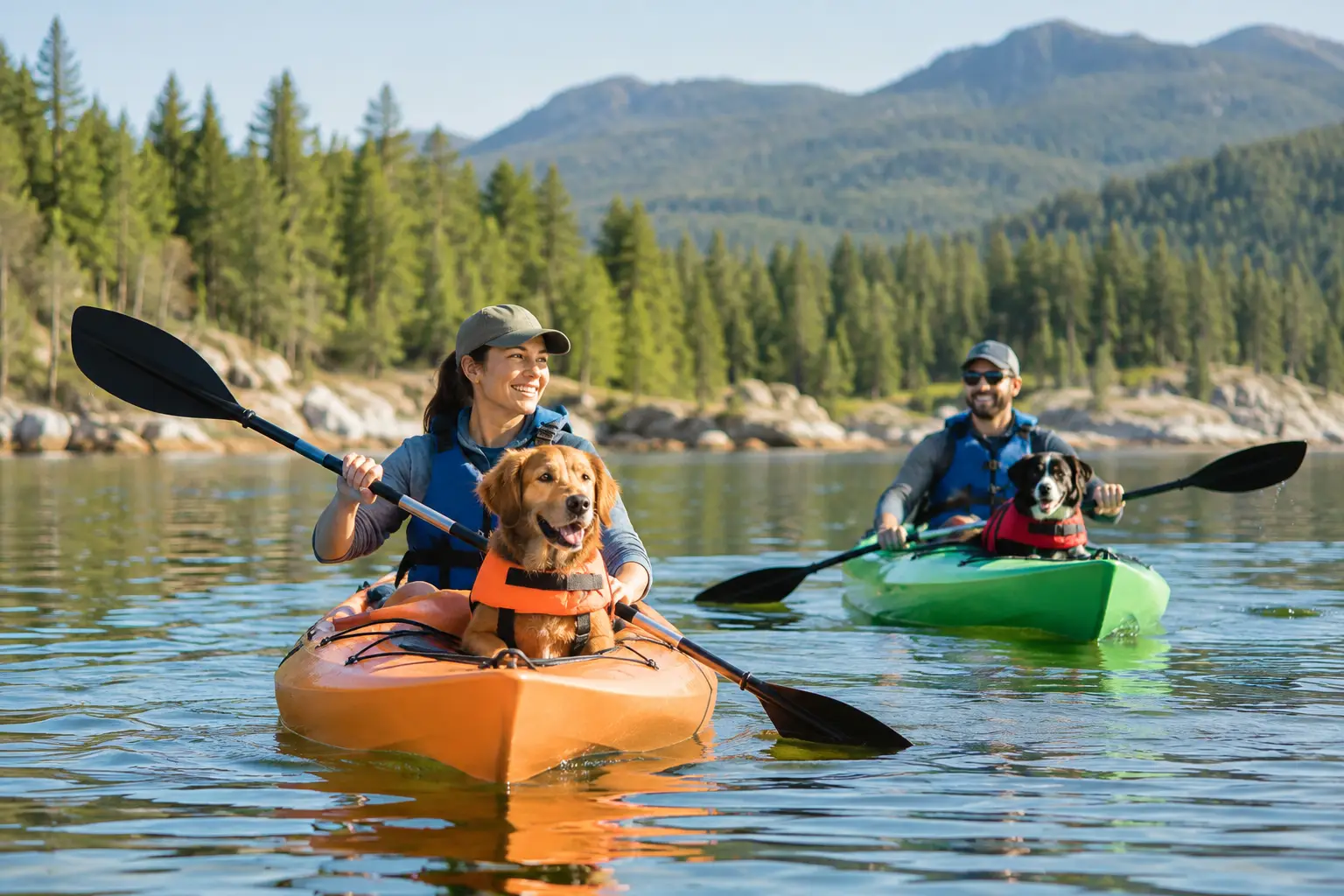
This is where parents should be picky. “Kayaking camp” can sound great in a brochure, but the real question is how beginner-friendly the environment is. Calm water, fitted PFDs, staff-led instruction, and clear launch rules are not extras. They are the reason a first paddle can feel exciting instead of intimidating.
What parents should look for in youth camps
The best camp setups make planning feel easy before you even arrive. Parents should be able to understand what is included, what the schedule looks like, what kind of supervision is provided, and whether the experience is built for first-timers.
Skill level is one of the biggest filters. Some youth camps quietly assume prior experience, especially when the activity involves outdoor gear or team-based adventure sports. Others are designed for kids who are starting from zero. If your child has never been in a kayak, slept in a tent, or spent much time outside, that is not a problem – as long as the camp is built with beginners in mind.
Safety language also tells you a lot. Look for camps that speak plainly about life jackets, instruction, boundaries, and staff support. If the tone is all thrill and no specifics, that is a red flag. Good camps can be fun and safety-focused at the same time. In fact, that is usually what makes them fun. Kids relax faster when expectations are clear.
Parents should also think about energy level. Some children love a packed schedule. Others do better with a few core activities and enough downtime to reset. Neither approach is wrong. It just depends on your kid. The key is choosing a format that fits their personality, not the one that looks most impressive online.
Youth camps and camping go together for a reason
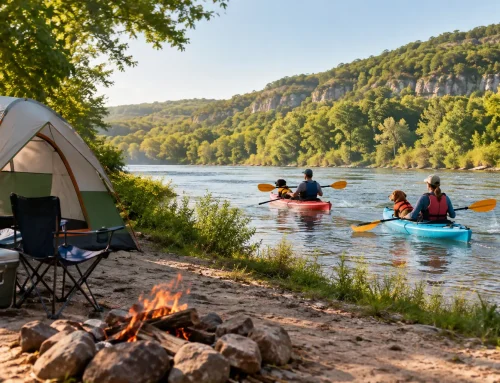
Camping changes the rhythm of a camp experience in the best way. Instead of one activity squeezed into one afternoon, the whole trip starts to feel like an adventure. Kids wake up outside, spend the day moving, and settle in with the group at night. That extra time outdoors tends to deepen the whole experience.
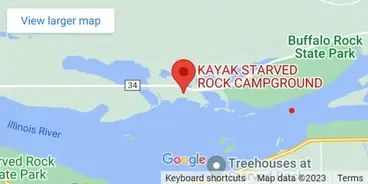
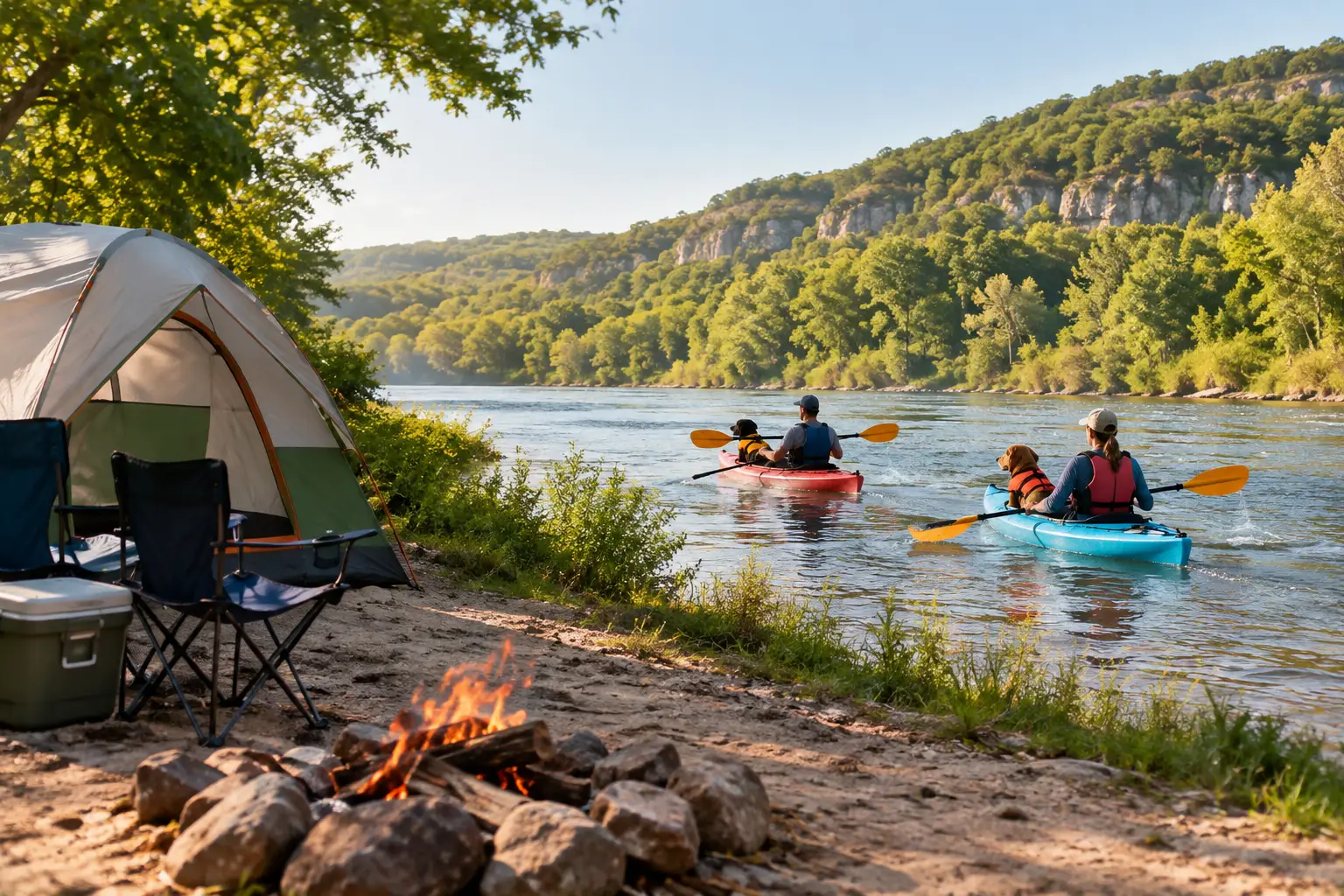
For many families, camping also makes youth camps feel more memorable without making them more complicated. A waterfront campground near Starved Rock, for example, can give kids the outdoorsy feeling they want while still keeping them close to support, bathrooms, organized activities, and easy access from the Chicago area. That is a much easier sell for parents than a remote setup with lots of unknowns.
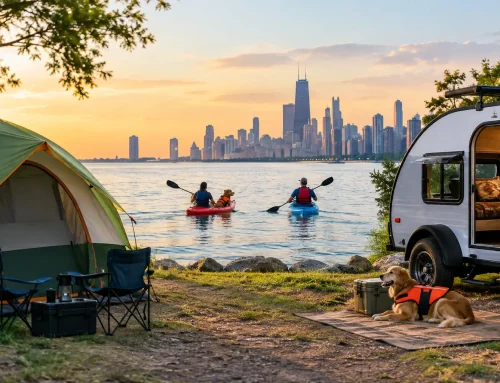
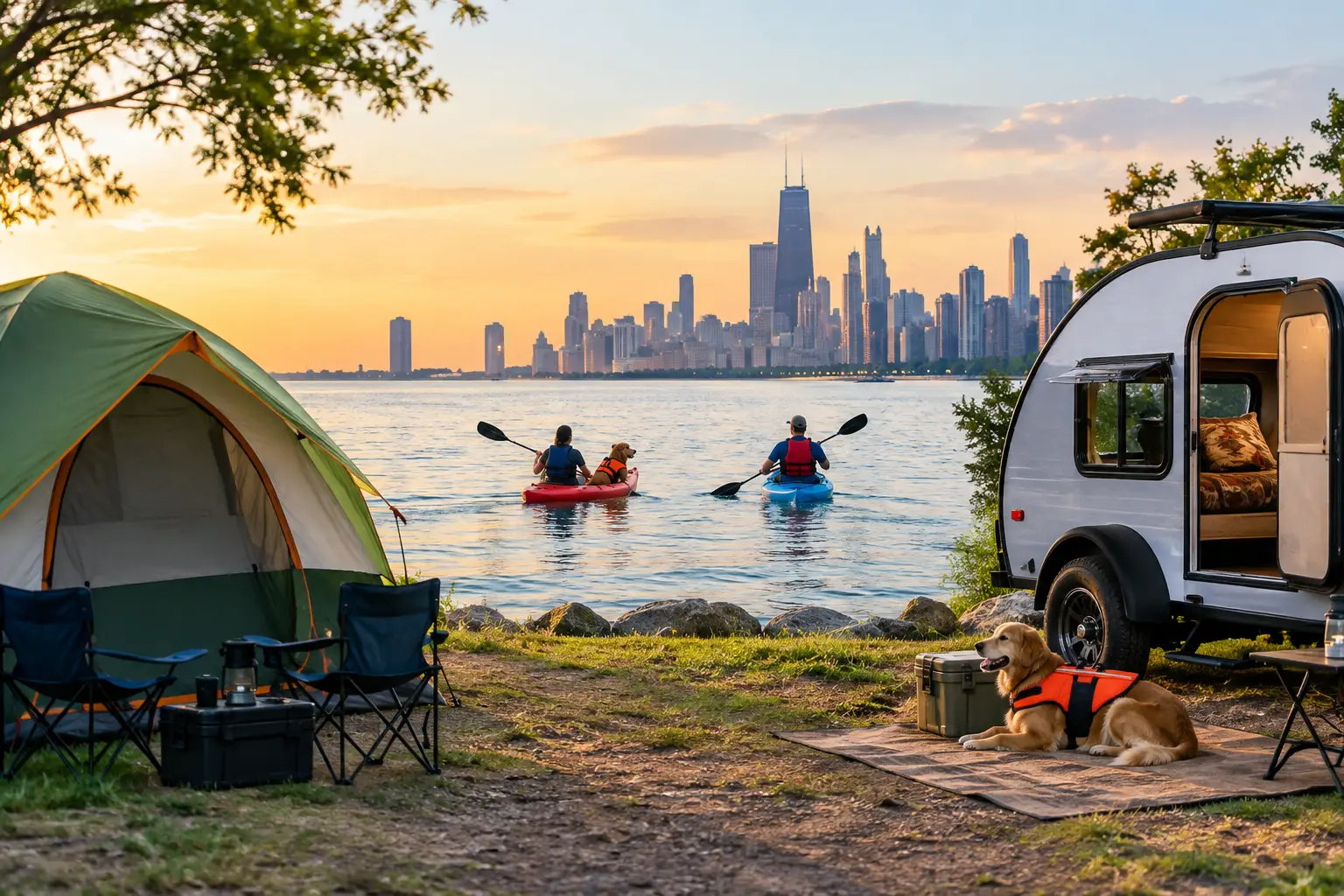
There is also flexibility in the type of camping. Some groups are happy in tents. Others may prefer pop-up or teardrop camping because it keeps things simpler and a little more comfortable. The right choice depends on the group, the weather, and how experienced the kids are with overnight stays. There is no prize for making things harder than they need to be.
Why the Starved Rock area works so well
Families looking at youth camps near Chicago often want scenery, but they also want convenience. That is why the Starved Rock area works. It feels like a real escape – sandstone bluffs, river views, room to breathe – without turning the trip into a major travel project.
It also lends itself well to all-in-one outdoor plans. A youth group can paddle, camp, explore the area, and still keep the schedule manageable. That matters for scout leaders, parents organizing group outings, and anyone trying to create a fun weekend without writing a ten-page itinerary.
For beginners, the Illinois River setting can be especially appealing when the paddling area is calm and well managed. Kids get the excitement of being on the water with a lot less of the uncertainty that makes adults nervous. That means more confidence, better participation, and fewer pep talks needed on shore.
Group outings, scouts, and first-time paddlers
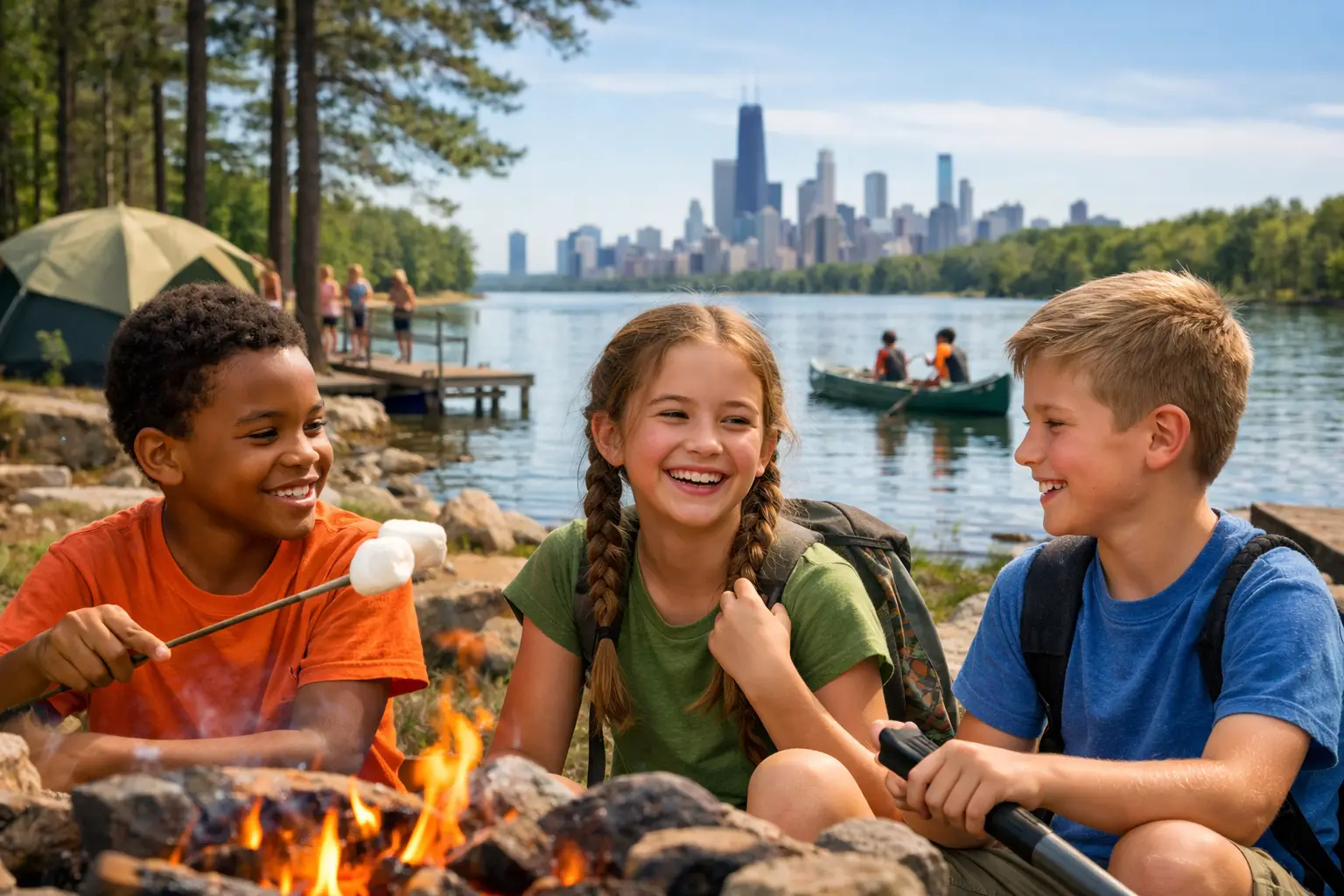
Youth camps are not only for traditional camp programs. They also make sense for scouting groups, church groups, friend groups, and family-organized outings where the goal is part bonding, part outdoor fun. In those cases, turnkey logistics matter even more.
A good youth experience should not require every adult in the group to become an amateur outfitter. Clear check-in, available gear, on-site support, and guided options can make a huge difference. When staff handle the paddling basics and the operational side stays organized, adults get to enjoy the day too.
That is one reason beginner-friendly kayak and camping setups are such a strong fit for youth groups. They create a shared challenge without making the day feel extreme. Kids get to try something new together. Leaders get structure. Parents get reassurance.
If the trip includes an overnight, comfort matters more than some planners expect. A child who feels good about the sleeping setup, knows where things are, and has a straightforward plan for the next day is much more likely to settle in and enjoy the trip. Little details affect the whole mood.
The best youth camps leave kids more confident
The real win with youth camps is not just that kids had fun. It is that they come away feeling a little more capable. They learn how to follow safety rules, try a new skill, help with camp setup, and be part of a group outside their normal routine.
That confidence tends to stick because it is earned. A child who was nervous about kayaking and then finishes the day smiling has a different story about themselves after that. The same goes for sleeping outdoors, navigating a campground, or simply unplugging for a while and realizing they liked it.
At Kayak Starved Rock Campground, that kind of first-timer confidence is exactly what makes outdoor trips work so well for families and youth groups. The setting feels adventurous, but the experience stays approachable – which is a pretty great combo when you are planning for kids.
If you are weighing options for youth camps near Chicago, look for the place where fun is real, safety is clear, and beginners are treated like they belong there from the start. That is usually the trip kids talk about all the way home.