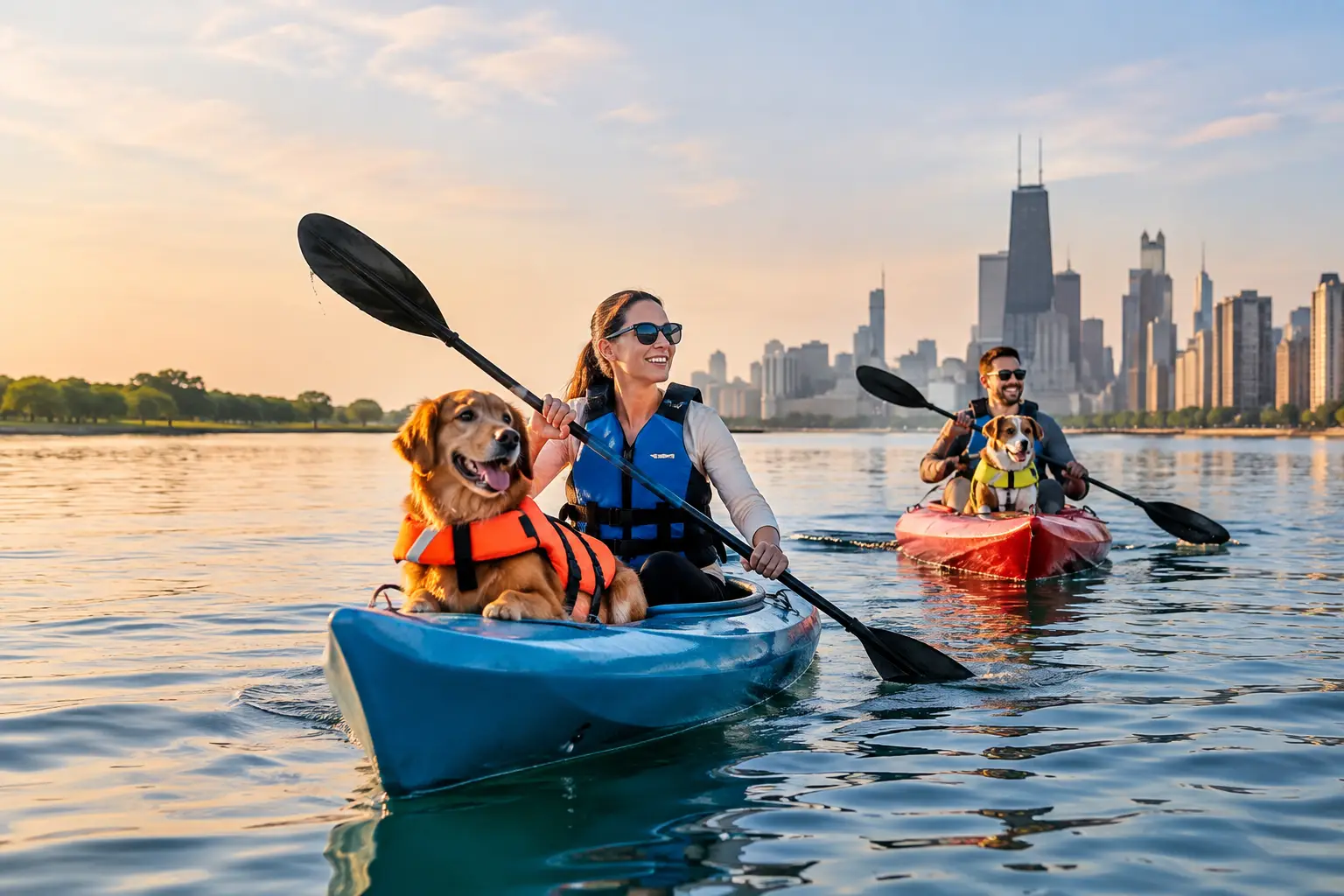
Nobody remembers the conference room trust fall. They do remember the coworker who was nervous to get in a kayak, laughed five minutes later, and ended the day asking when the team could do it again.
That is the real appeal of wellness team building. When it is done well, it does not feel like a mandatory morale exercise. It feels like fresh air, a reset button, and a shared experience people actually want to talk about on Monday. For teams near Chicago, that matters. Most groups are not looking for a three-day retreat with matching journals. They want something close, easy to plan, beginner-friendly, and worth leaving the office for.
Outdoor experiences check those boxes better than most corporate wellness ideas because they get people moving without turning the day into a fitness test. A calm paddle, a guided outing, or a waterfront overnight gives people space to loosen up, talk naturally, and do something a little different together. That is usually where the good stuff happens.
Why wellness team building works better outdoors
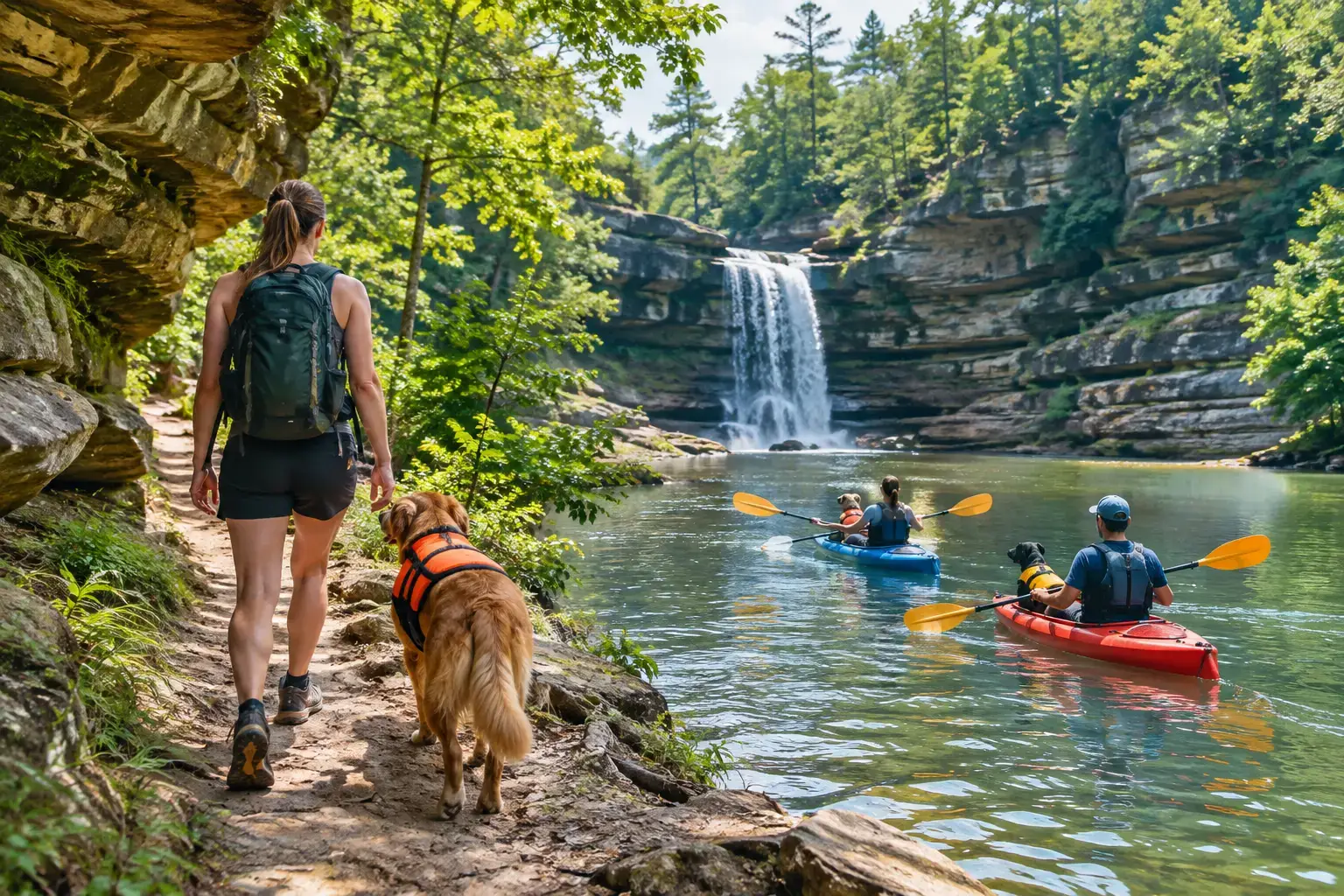
The biggest reason outdoor team days work is simple – people relax faster outside than they do under fluorescent lights. You can almost feel the group exhale when the phones go away, the schedule gets simpler, and the only real job is to show up, listen to the guide, put on a PFD, and enjoy the water.
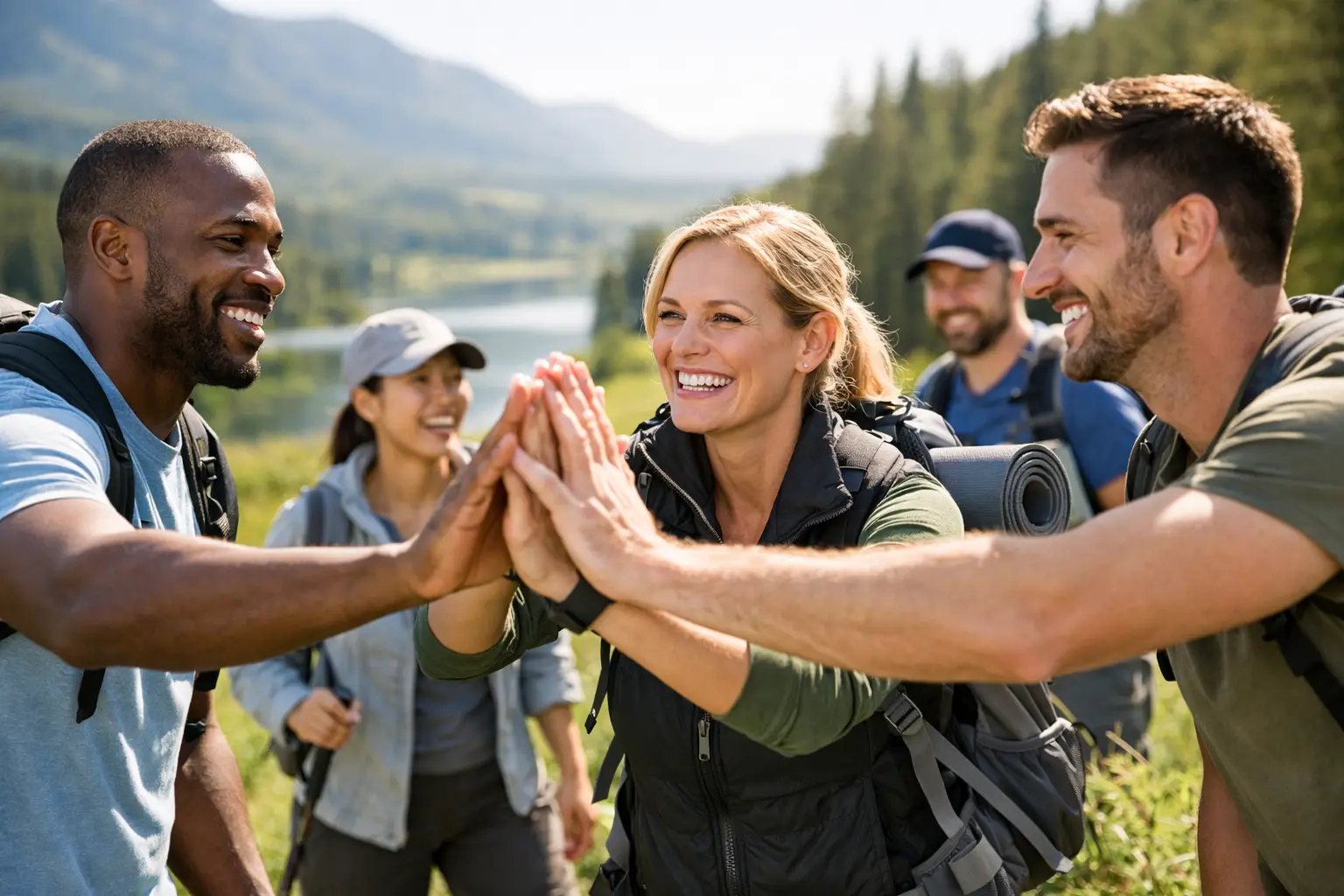
That shift matters for team dynamics. In the office, people often stay in role. Managers manage. Quiet employees stay quiet. New hires hang back. Outside, the dynamic changes. Someone who barely speaks in meetings suddenly becomes the funniest person on the trip. A nervous first-timer gets encouragement from a teammate they never work with directly. People see each other as people again, not just job titles.
There is also a practical wellness angle here. Time outside tends to lower the intensity level. Light activity helps. So does a setting that does not ask anyone to perform. Flatwater paddling, especially in beginner-friendly conditions, is a good example of movement that feels accessible. It is active enough to shake off stress, but not so intense that half the group ends up watching from the sidelines.
What makes a good wellness team building activity
Not every group activity counts as wellness team building just because it happens outdoors. The best options have a few things in common.
First, they need to be approachable. If the activity sounds intimidating, competitive, or overly technical, part of the group will check out before the day even starts. That is why beginner-friendly paddling works so well. It invites participation instead of rewarding experience.
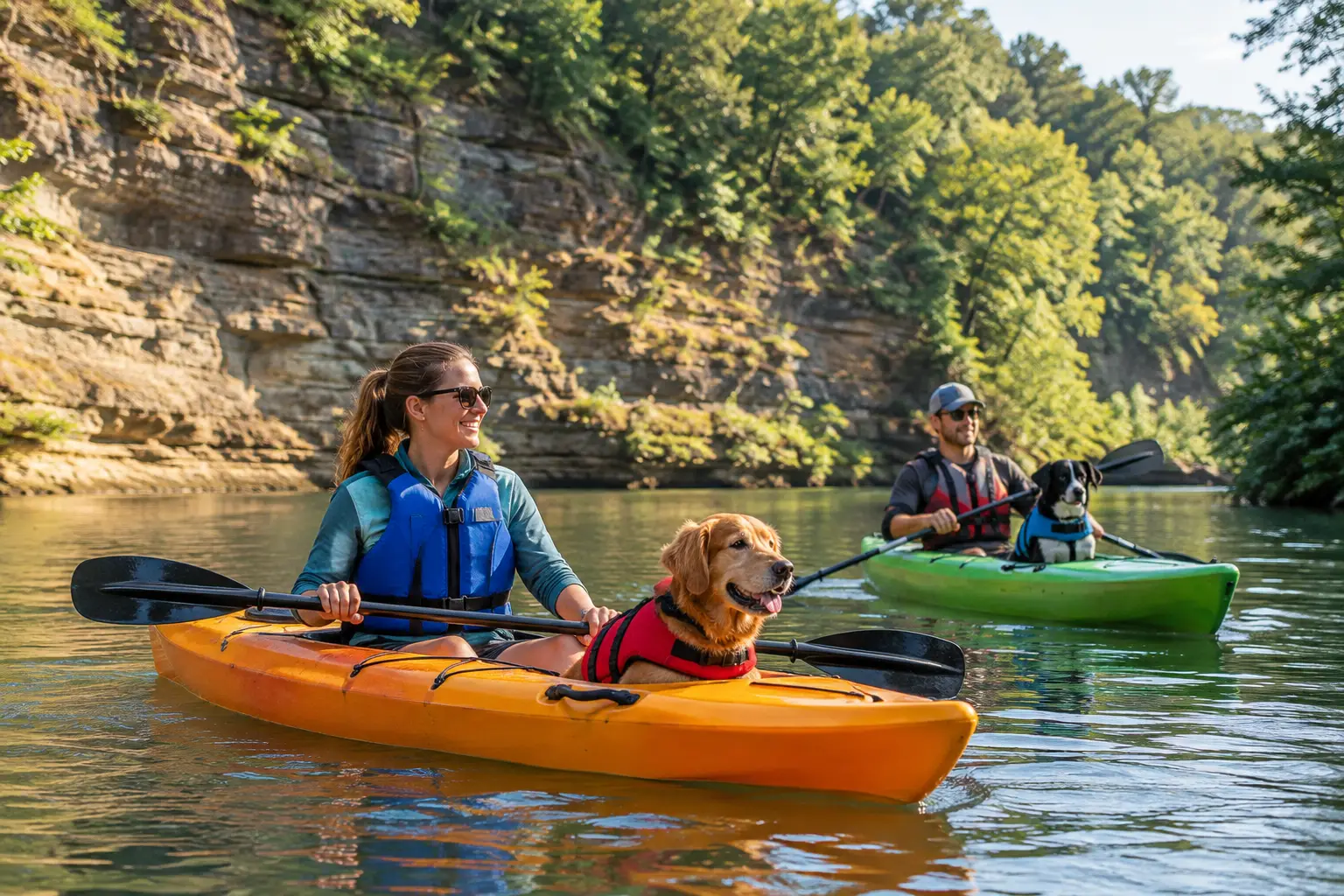
Second, it should create natural interaction. A good team event does not need forced icebreakers every 15 minutes. It needs a setting where conversation happens on its own. Tandem kayaks, guided stops, a waterfront camp setup, and post-paddle downtime all give people room to connect without making it awkward.
Third, logistics matter more than people admit. If getting there is a headache, if nobody knows what to bring, or if the plan feels fuzzy, the event starts with stress instead of relief. Teams tend to respond best to an experience that feels turnkey. Clear timing, simple safety instruction, quality gear, and an easy launch matter just as much as the scenery.
Why kayaking fits wellness team building near Chicago
For Chicago-area companies, convenience is part of the decision. If a team can get out of the city, feel like they escaped, and still be home without burning an entire weekend, that is a win.
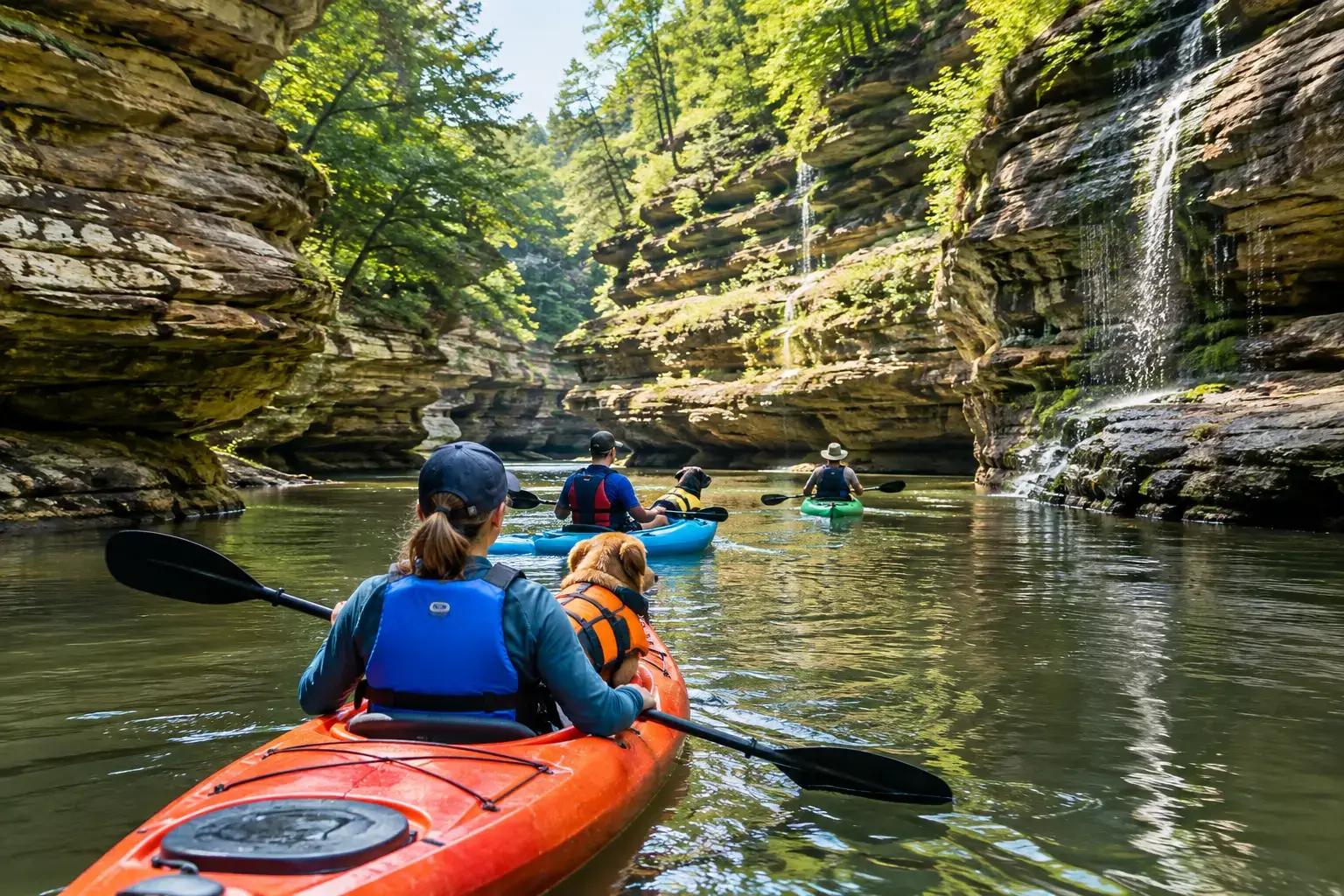
Kayaking near Starved Rock makes sense because it feels like a real break, not a half-step from work. You get river views, sandstone bluffs, open sky, and that rare feeling that everyone has finally stopped checking the time. But the strongest selling point for many teams is not dramatic scenery. It is that the experience can be welcoming even for complete beginners.
That is where conditions matter. A dam-controlled, flatwater environment with shallow depths and no current is very different from sending a mixed-skill group onto a river that feels unpredictable. For wellness-focused outings, ease beats intensity almost every time. People are more likely to enjoy themselves when they are not worried about keeping up or looking silly.
Guided tours are especially helpful for workplace groups because they remove a lot of uncertainty. Safety instruction, route leadership, and on-water support keep the day structured without making it stiff. Teams can focus on having fun instead of figuring everything out themselves.
Wellness team building does not need to be all business
Some companies make the mistake of over-programming a team day. Every hour has a goal. Every activity has a takeaway. Every break somehow becomes another exercise.
That can backfire.
The point of wellness is not to hide more work inside a different setting. The point is to create a better state of mind. A paddle-and-camp outing, a guided kayak trip, or even a half-day on the water works because it gives people enough structure to feel comfortable and enough freedom to enjoy themselves.
There is a real trade-off here. If your team needs strategy sessions and whiteboard planning, an outdoor day may not be the place for deep work. But if your team needs energy, connection, and a break from the usual pace, an experience-first outing is often more valuable than another meeting in a nicer room.
That is especially true for groups dealing with burnout, hybrid-work disconnect, or the usual after-busy-season fog. People rarely need another motivational speech. They need a setting where they can breathe, laugh, move a little, and come back lighter than they left.
Adding camping changes the pace in a good way
If you want wellness team building to feel more memorable, adding waterfront camping can make a big difference. It turns a few active hours into a proper reset.
This does not have to mean roughing it. That is an important distinction for workplace groups. Some people love the idea of tents. Some prefer the easier comfort of a pop up or tear drop setup. Others are open to a glamping-style experience if it means less packing, less guesswork, and a better night of sleep. The right format depends on the team.
For a casual company outing, a same-day paddle may be enough. For leadership groups, close-knit departments, or teams celebrating a milestone, an overnight stay gives people more time to settle in. Conversations get better around camp. People are less rushed. The event feels less like a calendar block and more like a shared getaway.
That said, overnight trips are not automatically better. They ask for more commitment, more planning, and more buy-in from the group. If your team has parents racing back for evening pickup or employees joining from different schedules, a half-day trip may be the smarter choice. Good wellness planning is not about choosing the biggest option. It is about choosing the easiest yes.
Planning for mixed comfort levels
This is where many organizers either win the group or lose it.
Most teams are mixed. You have the outdoorsy person who owns more gear than the rest of the office combined. You also have the person who wants to know, very specifically, whether they will tip over, what the bathroom situation is, and whether this will turn into an accidental survival show.
The answer is not to build the day around the most adventurous person. It is to make the experience comfortable for the least certain one. That usually means choosing beginner-friendly conditions, keeping instructions clear, and being upfront about what is included.
It also helps to frame the event the right way. Sell the ease, not the challenge. Talk about the scenery, the fresh air, the laughs, and the break from routine. Mention that people will wear PFDs, get guidance, and have support from start to finish. Reassurance is not boring. For first-timers, it is what gets them to say yes.
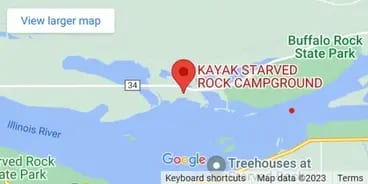
For groups in Northern Illinois, Kayak Starved Rock Campground is a strong fit for this kind of outing because the experience is built for beginners, families, casual paddlers, and people who want a simple outdoor escape without a lot of friction.
The best team wellness days feel easy afterward too
A good event should not just be fun in the moment. It should leave something behind.
Sometimes that is stronger team rapport. Sometimes it is a new tradition. Sometimes it is just the fact that people came back happier, a little sun-tired, and with something real to talk about besides deadlines. That counts more than many organizations realize.
Wellness team building works when people feel cared for, not managed. It works when the activity meets them where they are. And it works best when nobody needs outdoor experience to enjoy it.
If you are planning a team day near Chicago, keep it simple. Pick something scenic, structured, and beginner-friendly. Give people room to relax. Let the water do some of the work. The teams that connect best are usually the ones that stop trying so hard to manufacture connection in the first place.
Frequently Asked Questions
Why does outdoor wellness team building work better than doing it in a conference room?
What makes a good wellness team building activity for mixed personalities?
Is kayaking a good fit for wellness team building near Chicago?
What should I choose if my team has people who are nervous about kayaking?
Does adding camping make a team wellness day better or just longer?
Last reviewed: 11/12/2026
Key Takeaways
- Kayak Starved Rock Campground fits Northern Illinois groups because the experience is built for beginners, families, casual paddlers, and people who want a simple outdoor escape without a lot of friction.
- Flatwater paddling in beginner-friendly conditions gives teams movement that feels accessible, with enough activity to shake off stress without turning the day into a fitness test.
- Guided kayak trips reduce uncertainty with safety instruction, route leadership, and on-water support, so workplace groups can focus on having fun instead of figuring everything out themselves.
- Waterfront camping changes the pace by turning a few active hours into a proper reset, and options like a pop up, tear drop setup, or glamping-style experience fit different comfort levels.
- Wellness team building near Chicago works best when it stays scenic, structured, and beginner-friendly, because people relax faster outside than under fluorescent lights and come back with stronger rapport.
About the Author
Equal parts adventure seeker and fresh-air enthusiast, I’m happiest when there’s a paddle in my hands, a campfire nearby, and absolutely no cell service. Whether kayaking across a peaceful lake, pitching a tent under the stars, or exploring somewhere new, I’m always up for a little adventure. I believe the best stories come with muddy boots, unforgettable views, and maybe a few questionable decisions involving a campfire meal. Life’s too short to stay indoors!