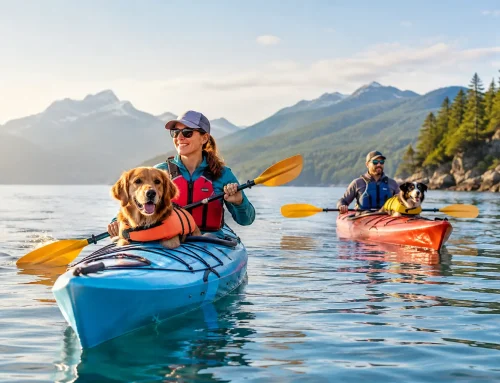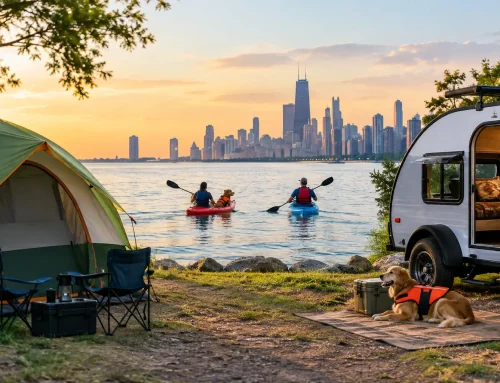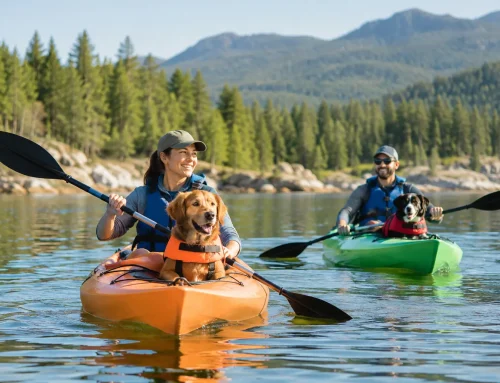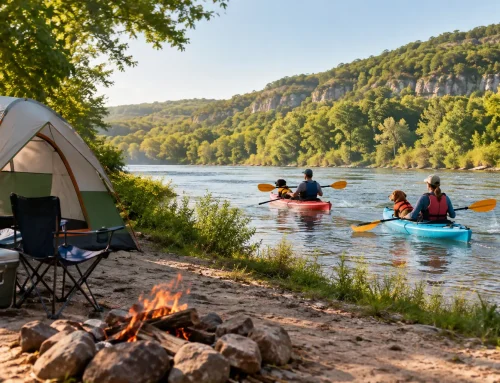
The fastest way to ruin a kayak day with your dog is to assume they will “just figure it out.” A good dog friendly paddling guide starts earlier than the launch – with the right boat, the right expectations, and a plan that works for beginners, kids, and one very excited four-legged passenger.
That is the good news for near-Chicago paddlers. You do not need whitewater skills, a roof-rack engineering degree, or a dog who acts like a wilderness influencer. You need calm water, simple logistics, and enough structure that your outing feels fun instead of chaotic. When you get those pieces right, paddling with your dog can turn into one of the easiest weekend wins of the season.
What makes a dog friendly paddling guide actually useful
A lot of advice about kayaking with dogs sounds like it was written for expert paddlers with ultra-disciplined dogs. Most people planning a day trip near Starved Rock are not that. They are couples, families, or friends looking for a low-stress outdoor plan that is close enough to Chicago to do in a day and good enough to turn into a weekend.
That changes the checklist. A truly useful dog friendly paddling guide should focus on three things – calm conditions, easy entry and exit, and realistic trip length. Flatwater matters because dogs feel every wobble. Shallow, controlled water helps nervous paddlers relax. And shorter trips are often better than ambitious ones, especially for a first outing. Your dog does not care whether you paddled six miles. Your dog cares whether they felt steady, cool, and included.
Start with your dog, not your gear
Before you think about paddles and dry bags, think about temperament. Some dogs hop into a boat like they have been waiting all year for this moment. Others treat the kayak like a suspicious floating bathtub. Neither reaction is wrong, but it does affect your plan.
If your dog is young, reactive, or easily overstimulated, a crowded launch on a busy holiday weekend may not be the best first test. A calmer time of day usually helps. The same goes for older dogs. They may love being outside but need more help getting in and out of the boat comfortably.
Size matters too, but not in the way people assume. Small dogs are not automatically easier, and large dogs are not automatically too much. The bigger question is whether your dog can settle. A sixty-pound dog who lies down is often easier than a fifteen-pound dog who insists on standing on the edge like a pirate lookout.
The gear that matters most
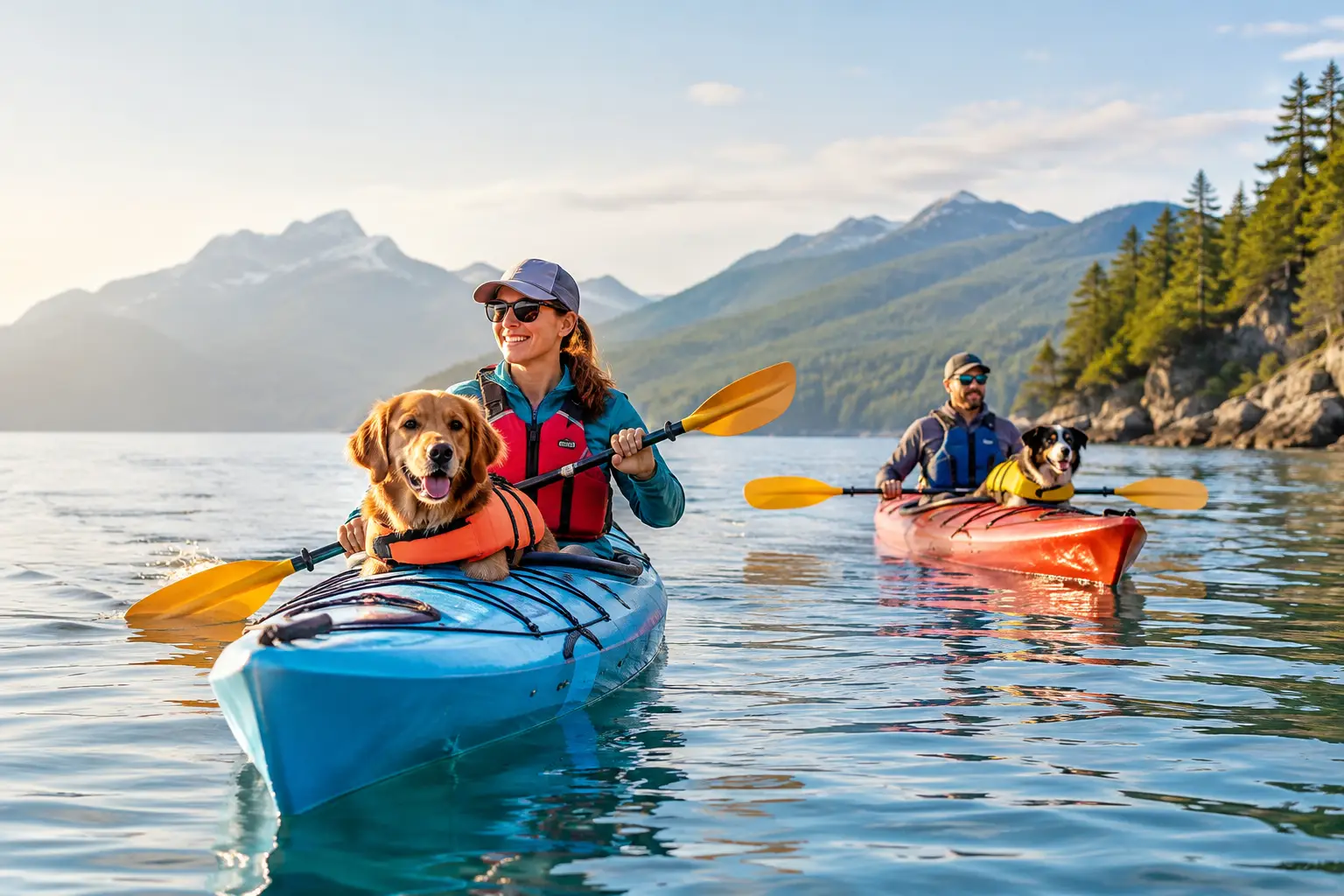
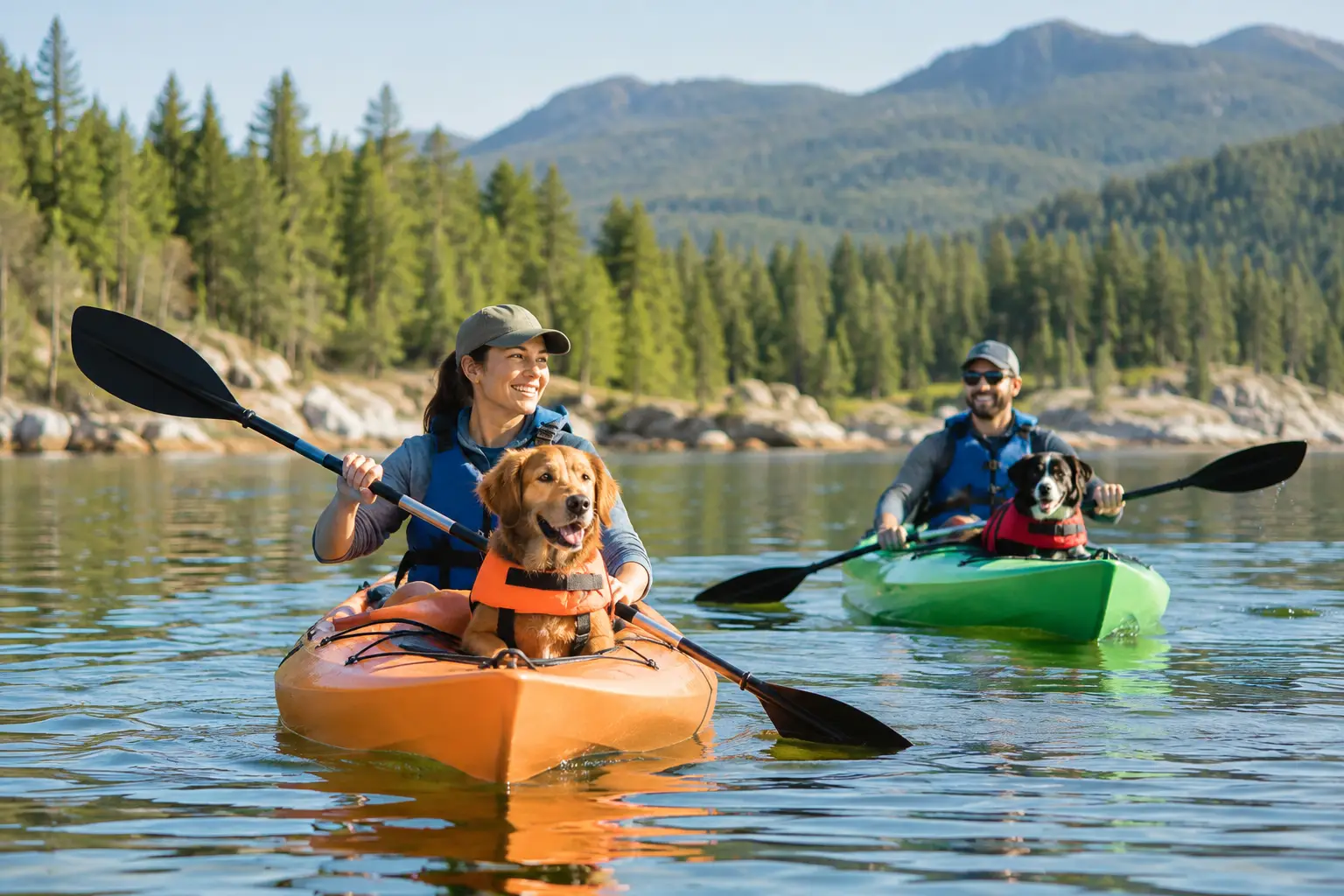
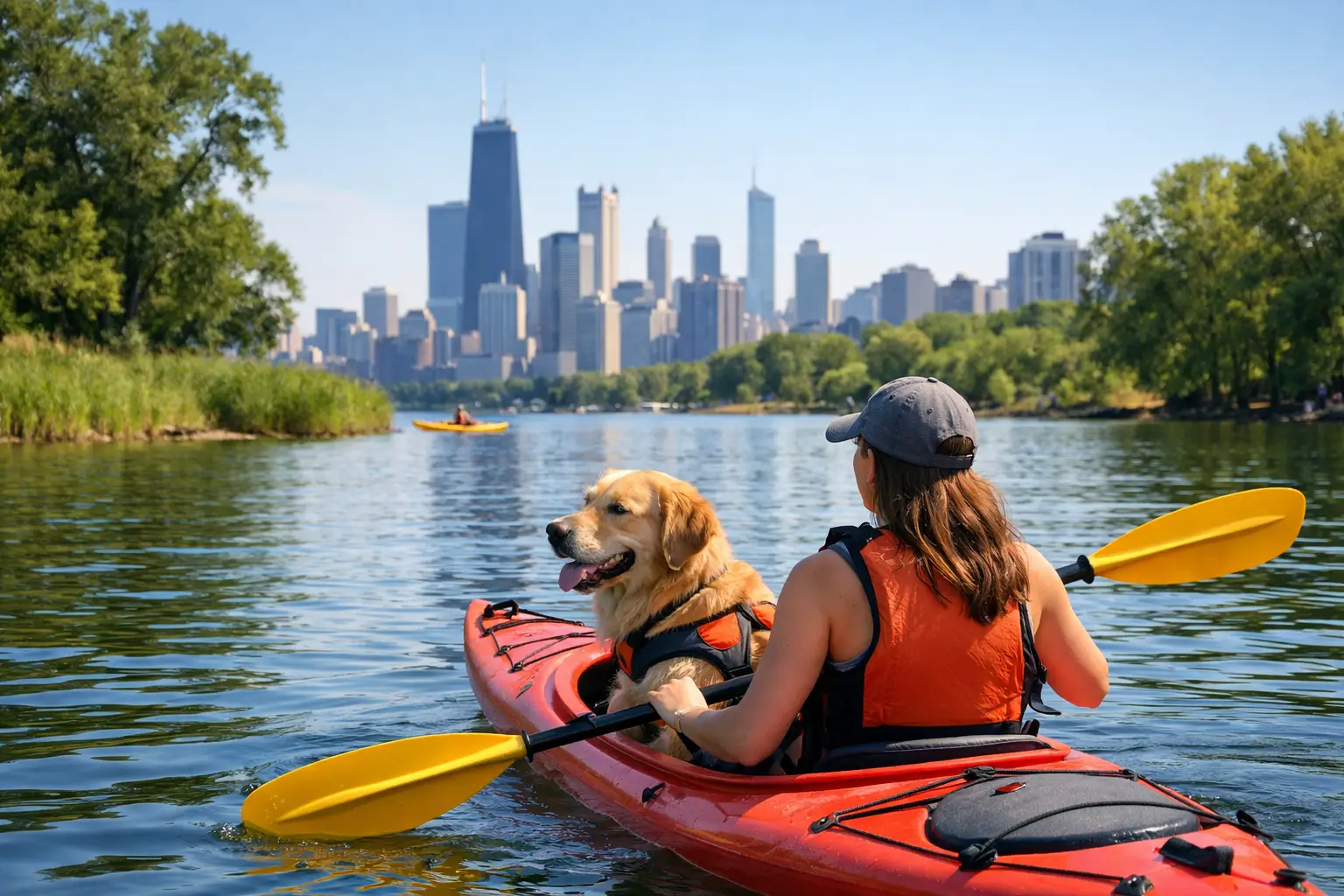
Your dog needs a properly fitted life jacket. Not optional. Even good swimmers get tired, startled, or disoriented, and a handle on top makes it much easier to help them back into the boat or guide them to shore. Human paddlers need PFDs too, and on any reputable outing, everyone on the water is wearing one.
Beyond that, keep it simple. Bring water for your dog, a collapsible bowl, a leash, waste bags, and a towel for the ride home. If the weather is hot, pack more water than you think you will need. Dogs overheat faster than people, and they cannot tell you when they are getting uncomfortable until they are already struggling.
One trade-off here is packing light versus packing smart. You do not want your kayak cluttered with extras, but you also do not want to be halfway through the paddle wishing you had a towel, a snack, or a dry place to stash your keys. Aim for practical, not overprepared.
Choosing the right boat for a dog friendly paddling trip
For many first-timers, stability beats speed every time. A wider, beginner-friendly kayak gives both you and your dog a better shot at relaxing. If you are paddling with a medium or large dog, a tandem kayak can make a lot of sense even if you are not bringing a second person. The extra room helps your dog settle in one spot instead of shifting constantly around your legs.
That said, it depends on your dog and your comfort level. Some solo paddlers do great with a small dog in a single kayak. Some couples prefer a tandem with the dog riding between them. If you are renting, this is where a staff recommendation can save the day. A quick conversation about your dog’s size and personality is often more helpful than guessing from photos online.
Why calm water changes everything
If your dog is trying paddling for the first time, conditions matter more than ambition. Flatwater is friendlier for everyone. Less current means fewer surprises, easier steering, and a much lower chance that your dog gets rattled by sudden movement.
That is one reason beginner paddlers love the Illinois River area near Starved Rock when the setup is controlled and approachable. You get the scenery people want – bluffs, open water, that real outdoor reset – without turning the day into a test of technical skill. It feels like an adventure, but a manageable one.
A simple dog friendly paddling guide for first-timers
Your first trip should feel almost boring in the best possible way. Arrive with enough time that you are not rushing. Let your dog walk around, sniff, and settle before launch. If they can step into the kayak on land first, even better. That little bit of familiarity helps.
Once you are on the water, keep your first outing short. Think confidence-building, not endurance. Praise your dog when they stay calm. If they seem unsure, stop paddling for a moment and let the boat settle. Dogs take cues from your energy, so acting relaxed is not just nice – it is useful.
It also helps to avoid making the trip too social at first. A dog who loves patios and parks may still get overwhelmed by lots of boats, kids splashing, and new sounds echoing over the water. Start easy. Build from there.
Pairing paddling with camping makes the day easier
This is where a lot of dog owners accidentally make things harder than they need to be. They plan the paddle, the drive, the meals, and the dog breaks as separate missions. A campground by the water simplifies almost all of it.
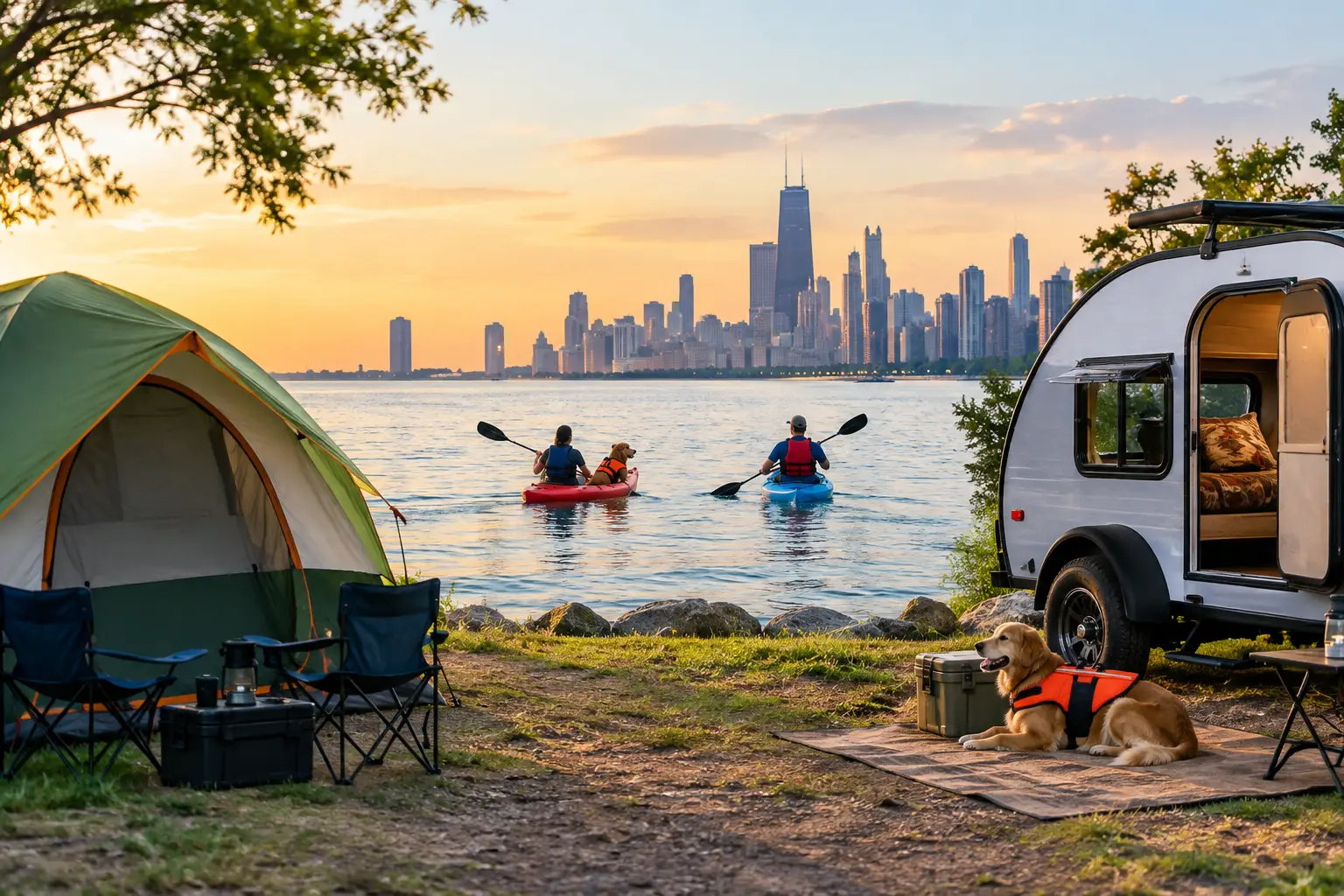
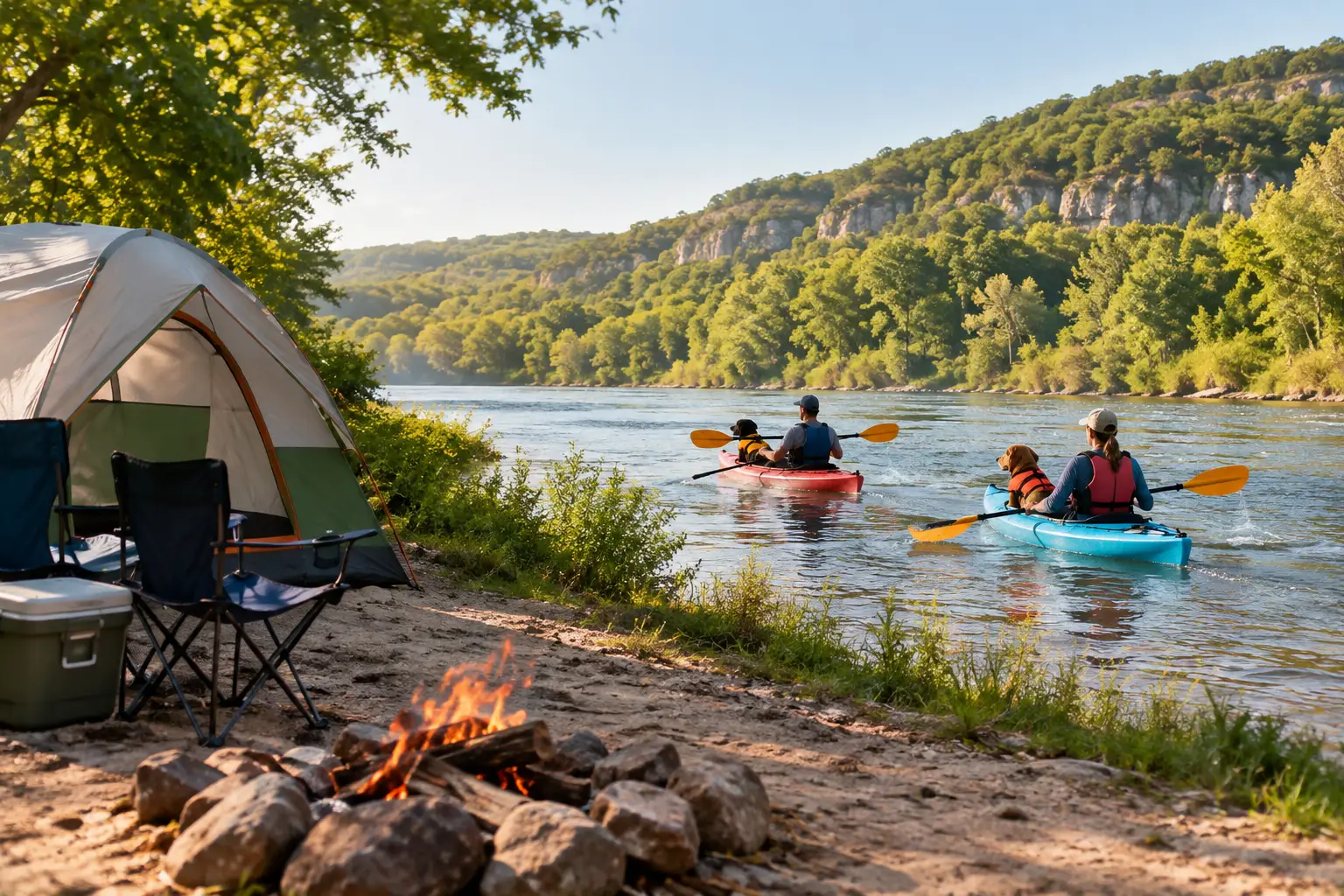
If you are turning your outing into an overnight, waterfront camping gives your dog more time to decompress before and after the paddle. You can walk, rest, and settle in without racing back to the city. That is especially helpful for families and couples who want the trip to feel like a real escape, not a tightly packed itinerary.
Tent camping is often the easiest, most flexible option for dog owners. Pop up camping gives you a little more comfort and speed on setup. Tear drop camping can be a sweet spot for couples who want a simpler overnight with less gear spread everywhere. The best choice depends on how much space your dog needs, how light you want to pack, and whether your idea of fun includes camp setup or avoiding it.
Safety rules that are worth being firm about
This is the unglamorous part, but it matters. Not every dog is ready for every paddle. If your dog panics around water, snaps when stressed, or cannot tolerate other dogs and people nearby, more practice on land may be the right call before booking a busy outing.
Heat is another real issue. Summer paddling can be fantastic, but midday sun on open water gets intense fast. Early or later launches are often more comfortable. Watch for heavy panting, slowing down, glazed eyes, or frantic behavior. If your dog seems off, shore break beats pushing through.
And yes, last-launch times exist for a reason. Beginner-friendly paddling works best when everyone has enough daylight, support, and margin for a relaxed trip. The goal is fun with structure, not a sunset sprint back to the dock.
Making it easy for beginners near Starved Rock
For a lot of Chicago-area dog owners, the best trip is the one that does not require a stack of complicated decisions. That is why beginner-focused, near-Chicago paddling spots stand out. When the water is approachable, the gear is ready, and the route is straightforward, you can spend more energy enjoying the day and less energy troubleshooting it.
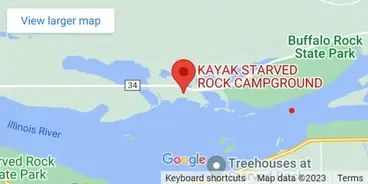
Kayak Starved Rock Campground fits that kind of trip well because it is built around exactly what casual paddlers want – easy water, clear guidance, and the option to turn a paddle into waterfront camping without adding a ton of friction. For dog owners, that simplicity is a big part of the appeal.
A better goal than the perfect paddle
If you are planning your first outing, forget perfect photos and focus on one thing – a calm, happy experience your dog would gladly repeat. That is the real win. Pick the easy route, keep the trip manageable, and let the day be a little playful.
When your dog hops back into the car tired, damp, and completely pleased with life, you will know you got it right.