
What to Bring Camping: The Ultimate Camping Checklist for a Comfortable Outdoor Adventure
Camping is one of the best ways to reconnect with nature, unwind from the digital world, and create unforgettable memories with friends or family. Whether you’re a seasoned outdoor enthusiast or a first-time camper, knowing what to bring camping is essential for a safe, comfortable, and enjoyable experience. This comprehensive guide will walk you through all the camping gear essentials you’ll need for your next trip.
1. Shelter and Sleeping Essentials
Having the right shelter and sleeping gear ensures a good night’s rest and protection from the elements.
- Tent: Choose a tent appropriate for the number of campers and the expected weather. Don’t forget stakes and guylines.
- Ground tarp or footprint: Placed under your tent to protect against moisture and abrasions.
- Sleeping bag: Select a sleeping bag rated for the temperatures you expect.
- Sleeping pad or air mattress: Adds insulation and comfort.
- Pillow: A small camping pillow or inflatable one can greatly improve your sleep.
2. Cooking and Food Supplies
Good meals are part of the joy of camping. Make sure you have everything to prep, cook, and store your food.
- Camping stove or portable grill
- Fuel for stove
- Cookware: Pots, pans, spatula, tongs
- Eating utensils and plates
- Biodegradable soap and sponge
- Cooler with ice packs
- Reusable water bottles or hydration system
- Food storage containers and resealable bags
- Trash bags: Leave no trace!
3. Clothing and Footwear
Packing the right clothes is vital for staying comfortable and prepared for changing weather.
- Weather-appropriate clothing: Layers are key
- Rain jacket and waterproof gear
- Hiking boots or trail shoes
- Extra socks and underwear
- Hat and gloves (if camping in cooler climates)
- Sleepwear
- Swimsuit (if near a lake or river)
4. Personal Items and Toiletries
Don’t forget the basic hygiene and personal items to stay clean and healthy during your trip.
- Toothbrush and toothpaste
- Biodegradable soap and shampoo
- Towel and washcloth
- Toilet paper or wipes
- Hand sanitizer
- First aid kit
- Sunscreen and insect repellent
- Medications
5. Navigation and Tools
Stay safe and prepared with proper navigation and utility tools.
- Map and compass or GPS device
- Multi-tool or pocket knife
- Headlamp or flashlight with extra batteries
- Lighter, waterproof matches, or fire starter
- Rope or paracord
- Duct tape and repair kits
6. Comfort and Entertainment
Make your campsite cozy and your downtime enjoyable.
- Camping chairs
- Folding table
- Lantern
- Books, cards, or games
- Notebook or journal
- Camera or binoculars
- Portable speaker (if permitted)
7. Safety and Emergency Items
Being prepared for emergencies is crucial.
- Whistle
- Bear spray (if camping in bear country)
- Weather radio
- Emergency blanket
- Extra food and water
8. Extras for Special Trips
Depending on your destination or activities, you may want to bring:
- Fishing gear
- Bikes and helmets
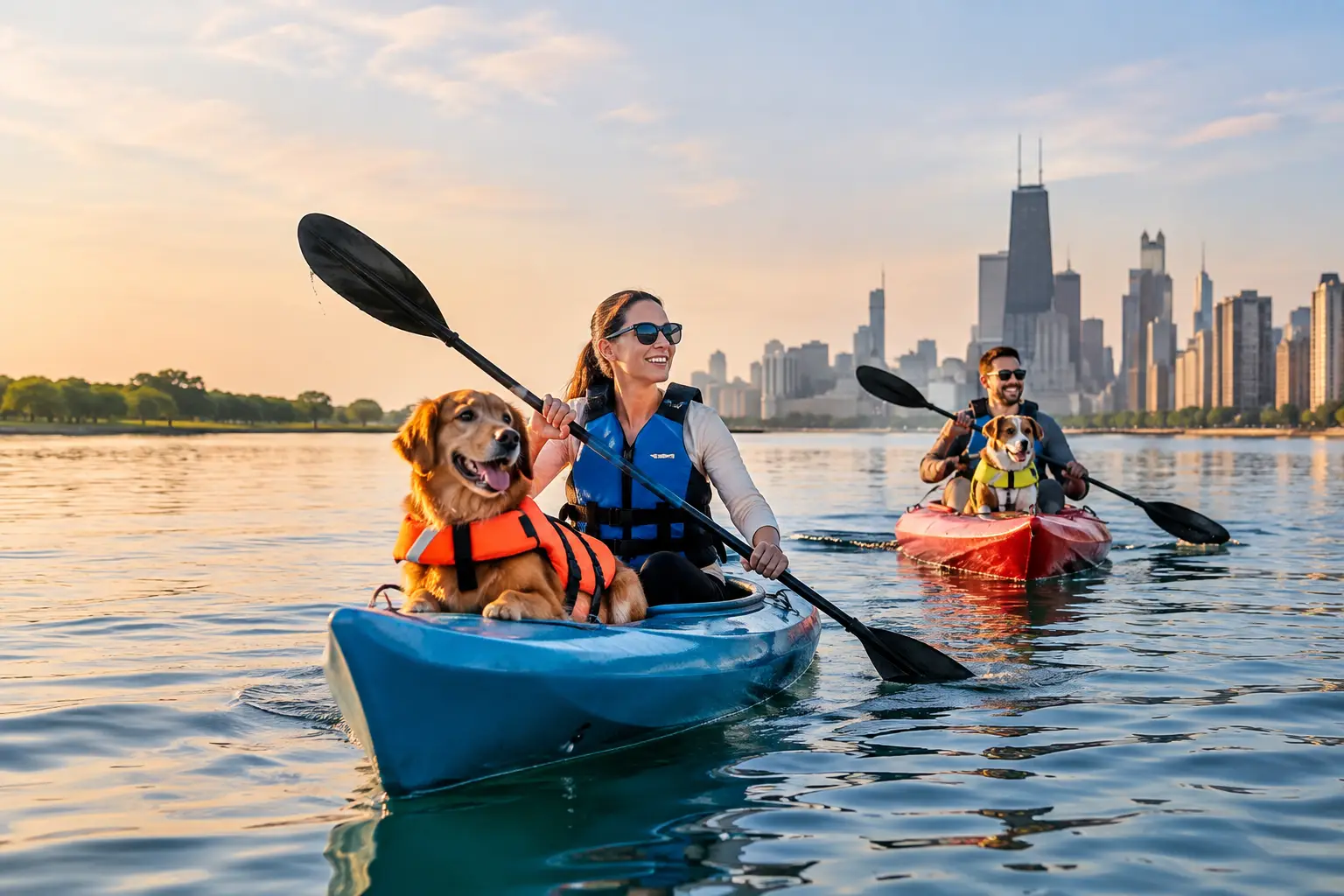
- Kayaks or paddleboards
- Climbing gear
- Snow gear (for winter camping)
Final Tips for Camping Success
- Check the weather forecast before packing
- Make a checklist and double-check before leaving
- Practice setting up your tent at home
- Label and organize your gear
- Store food properly to avoid wildlife encounters
Conclusion
Bringing the right camping gear can make all the difference between a stressful trip and a successful one. With this ultimate checklist on what to bring camping, you’ll be well-equipped for your next outdoor adventure. From shelter to snacks, remember to pack smart, stay safe, and most importantly—have fun in the great outdoors!
Keywords: what to bring camping, camping checklist, camping gear essentials, camping supplies, camping gear list, what do I need for camping, beginner camping gear
Frequently Asked Questions
What camping gear do I actually need for a comfortable first trip?
How do I pack for camping if the weather might change?
What should I bring camping near a lake or river?
What are the most common camping mistakes people make when packing food?
What should I bring for safety on a camping trip?
Last reviewed: 11/12/2026
Key Takeaways
- Shelter and sleeping essentials include a tent, stakes and guylines, a ground tarp or footprint, a sleeping bag rated for expected temperatures, and a sleeping pad or air mattress.
- Cooking and food supplies include a camping stove or portable grill, fuel, cookware, eating utensils and plates, a cooler with ice packs, reusable water bottles or hydration system, and trash bags.
- Safety and emergency items include a whistle, bear spray if camping in bear country, a weather radio, an emergency blanket, and extra food and water.
About the Author
Equal parts adventure seeker and fresh-air enthusiast, I’m happiest when there’s a paddle in my hands, a campfire nearby, and absolutely no cell service. Whether kayaking across a peaceful lake, pitching a tent under the stars, or exploring somewhere new, I’m always up for a little adventure. I believe the best stories come with muddy boots, unforgettable views, and maybe a few questionable decisions involving a campfire meal. Life’s too short to stay indoors!