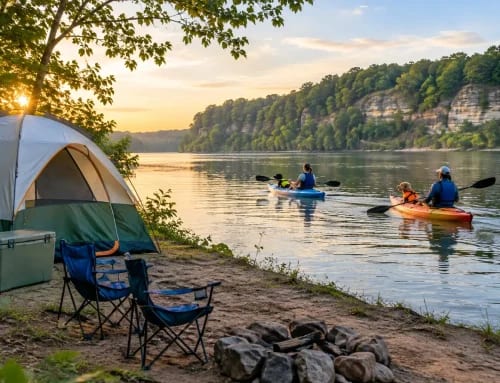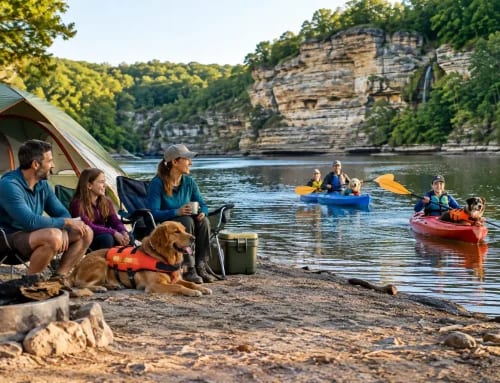
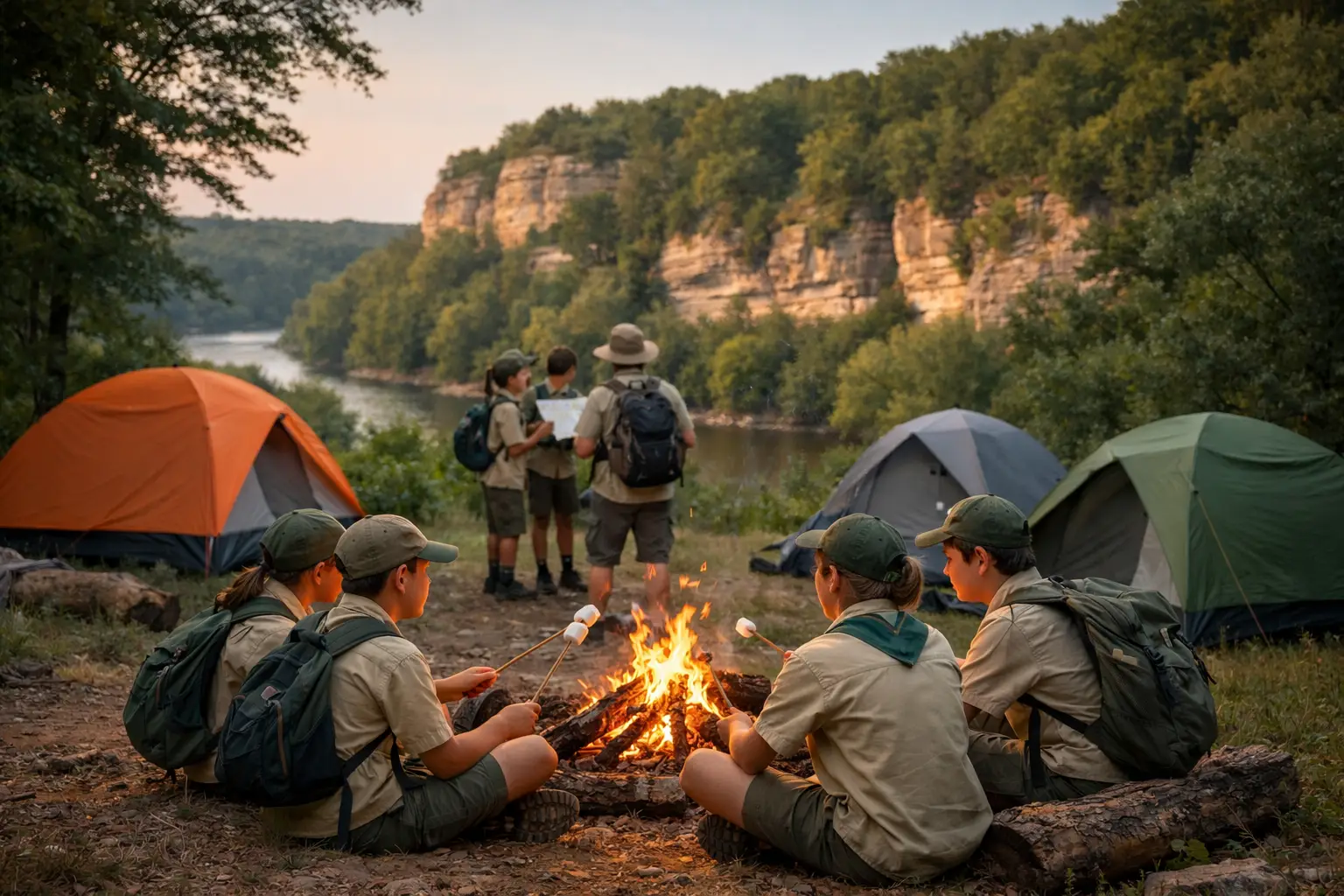
Getting 12 kids, a few adults, sleeping gear, meals, and a weekend schedule to all work together is a minor miracle. That is exactly why scout group camping works best when the destination keeps things simple. Near Starved Rock, the right setup turns a packed agenda into a weekend that feels organized, active, and genuinely fun instead of one long exercise in logistics.
For scout leaders, the sweet spot is a campground that gives your group enough structure to stay on track and enough adventure to make the trip memorable. Waterfront camping adds that extra spark. The kids are outside, moving, learning, and sleeping under the stars, but you are not fighting complicated river conditions or trying to invent activities from scratch.
Why scout group camping works so well here
A lot of scout trips sound great in theory and get harder in the planning stage. Long drives wear people out before the trip even starts. Remote sites can mean more gear hauling, more uncertainty, and more room for little problems to become big ones. For Chicago-area and Northern Illinois groups, camping near Starved Rock makes a lot more sense because it feels like a real getaway without requiring a full expedition.
That matters for leaders, parents, and kids. A shorter drive helps everyone arrive with energy. Being near one of Illinois’ best-known outdoor destinations gives the trip a sense of occasion. And when your campground is on the Illinois River, the setting does a lot of the heavy lifting. You do not need to oversell the weekend when the backdrop already includes waterfront views, fresh air, and easy access to paddling.
There is also a practical reason this area fits scouting so well. It works for mixed experience levels. Some kids will show up ready to paddle all day. Others may be trying kayaking or tent camping for the first time. A beginner-friendly environment keeps the trip inclusive, which is usually the difference between a good outing and one that only works for your most outdoorsy families.
The best scout group camping plans are easy to run
Scout leaders do not need more complexity. They need a trip that feels manageable from the first parent email to the final tent breakdown. That usually means choosing a place where your sleeping setup, activity options, and arrival logistics all fit together.
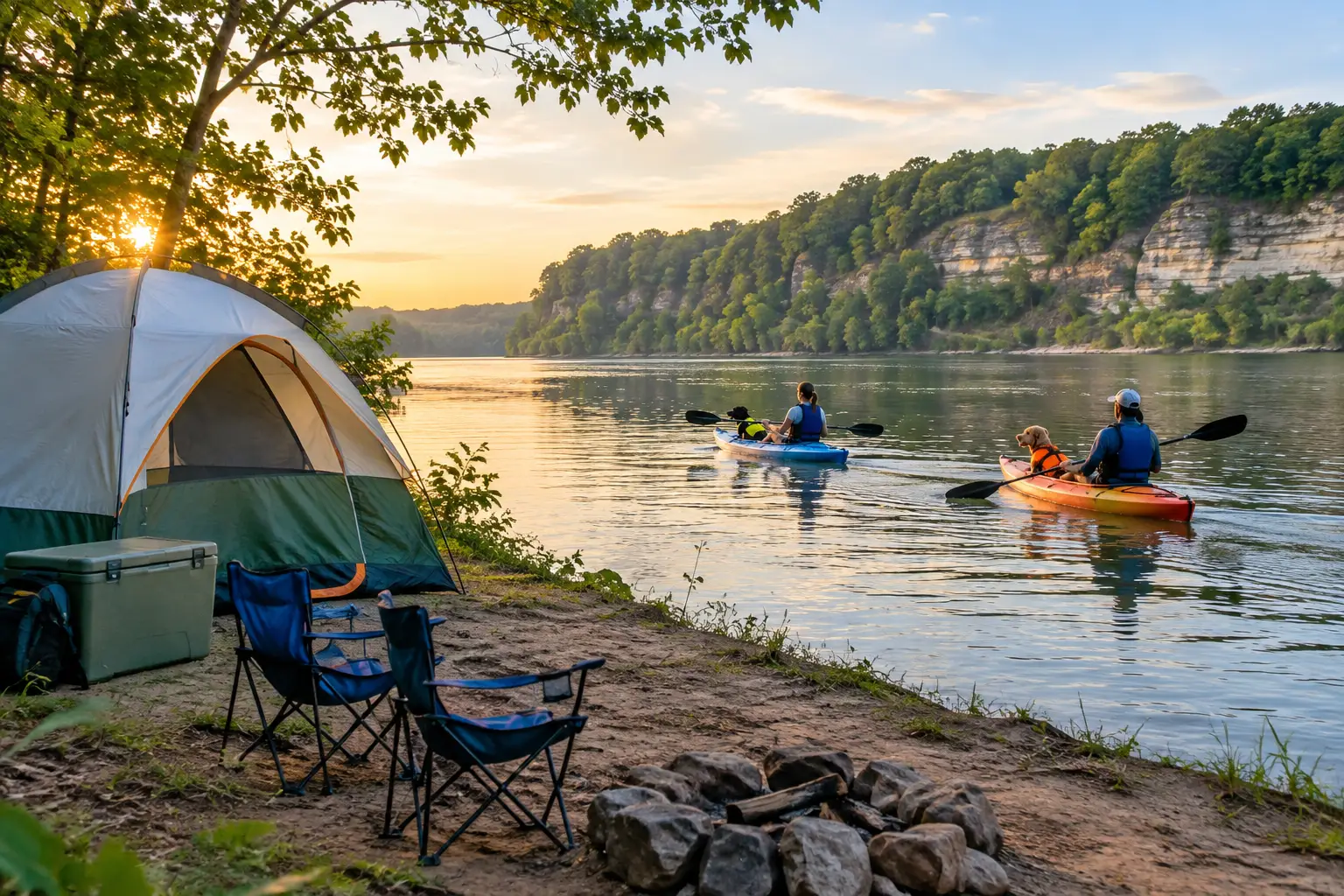
Waterfront camping packages can make a real difference here. If your troop has families with different comfort levels, having options like traditional tent camping, pop-up camping, or teardrop camping helps more people say yes. Some families love the classic sleeping-bag-on-the-ground experience. Others are much more likely to join if they can bring a pop-up or choose a more comfortable small camper setup. More flexibility usually means better turnout.
This is also where location matters. Scout weekends are often short. You may be arriving Friday evening after work and school, then heading home Sunday with tired kids and muddy shoes. A place near Chicago that lets you get right into camp mode is better than a site that burns half your weekend on travel and setup.
Adding kayaking to scout group camping
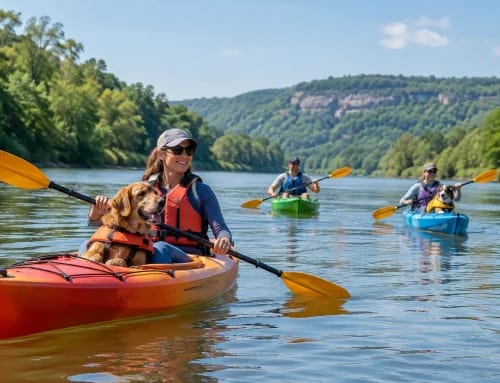
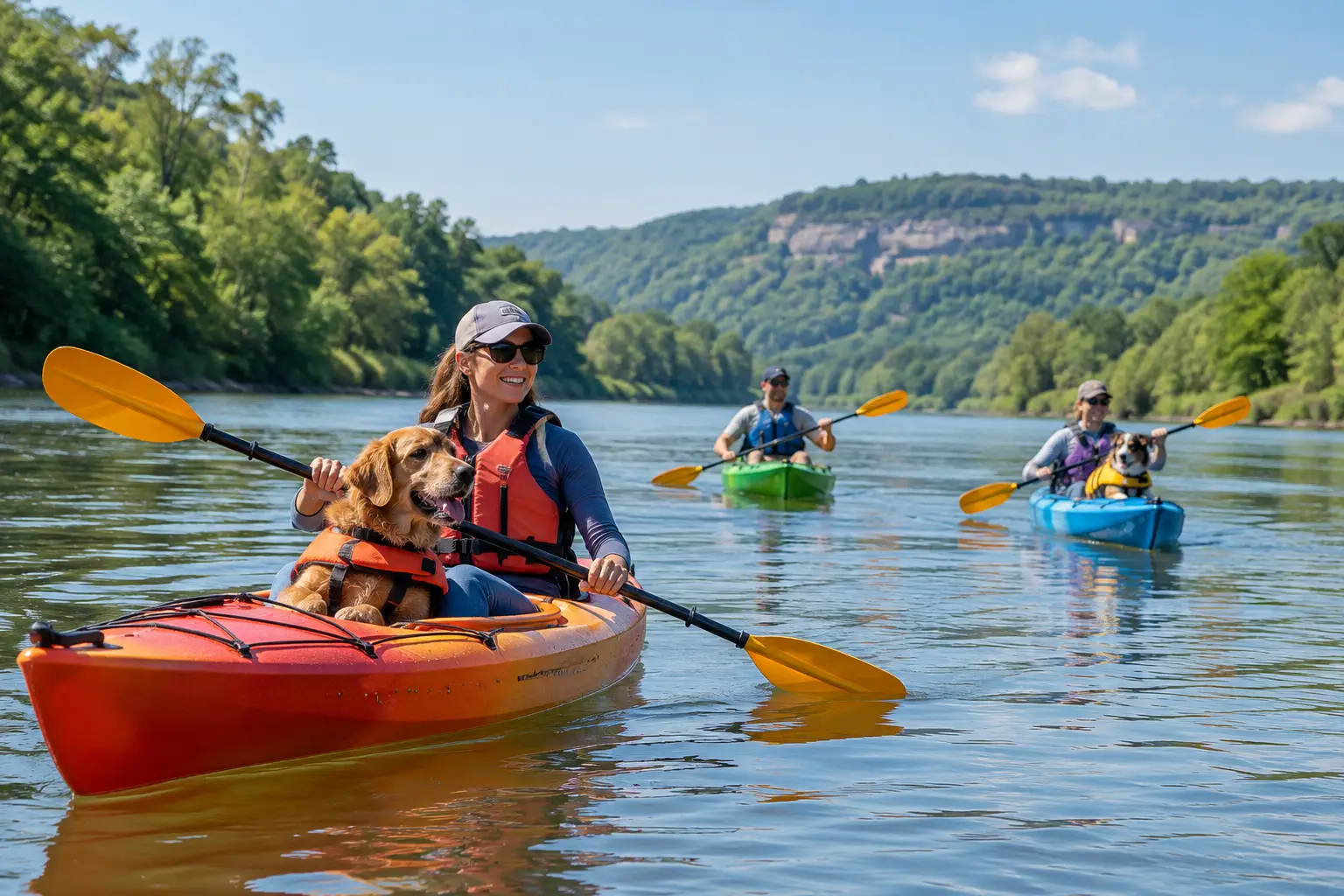
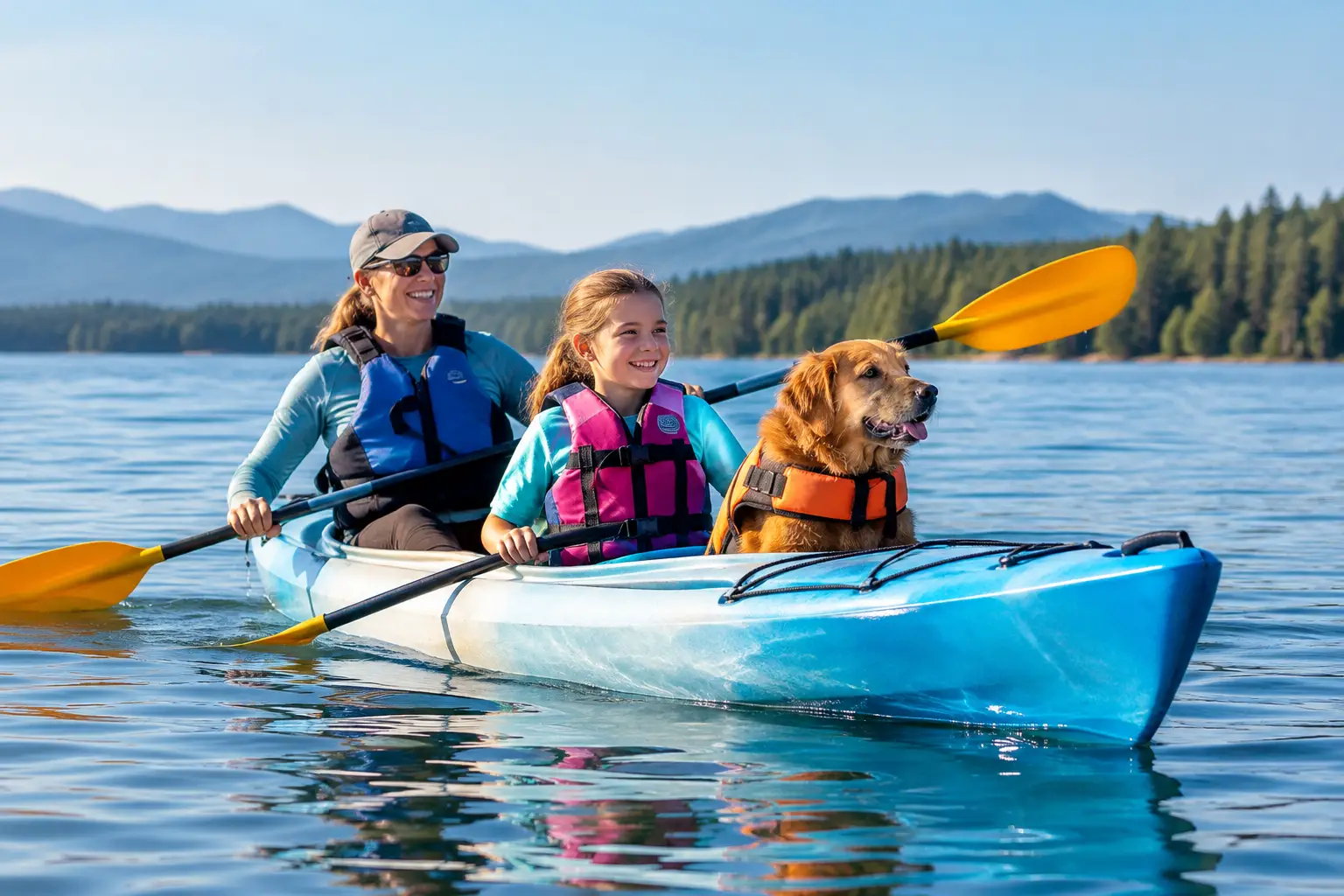
If you want one activity that gets nearly everyone interested, kayaking is hard to beat. It feels like an adventure, but in the right setting it is still approachable for beginners. That balance is what makes it such a strong fit for scouting groups.
The biggest win is that kayaking gives the trip a shared experience. Hiking can spread people out. Free time can break the group into cliques. But when a scout group heads out on the water together, the whole weekend gets a centerpiece. Kids talk about it at the campfire later. Parents remember it. Leaders get an activity that feels special without having to build an entire program around it.
Of course, not every river setup is right for a youth group. That is where controlled, beginner-friendly water really matters. Flatwater conditions with shallow areas and no current are much easier for first-timers than a route that feels unpredictable. You want fun, not panic. You want confidence-building, not a survival story.
Guided trips can be especially useful for scout groups because they add structure without killing the fun. A good guide keeps things moving, teaches the basics, reinforces safety, and helps everyone feel more comfortable on the water. That support is valuable when your group includes a wide age range, brand-new paddlers, or adults who are great chaperones but not exactly kayak experts.
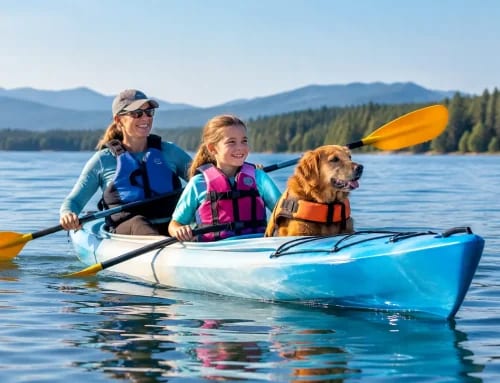
Safety expectations should stay simple and firm. Life jackets are not optional. Clear launch timing matters. Basic instruction matters. That kind of structure is not the boring part of the trip. It is what makes the fun part possible.
What scout leaders should look for in a campground
Not all group-friendly campgrounds are actually group-friendly once you arrive. Some sound flexible online but get awkward when you try to coordinate multiple tents, vehicles, meals, and activities. For scout group camping, the best campgrounds make it easy to understand where people sleep, where the group gathers, and how the day will flow.
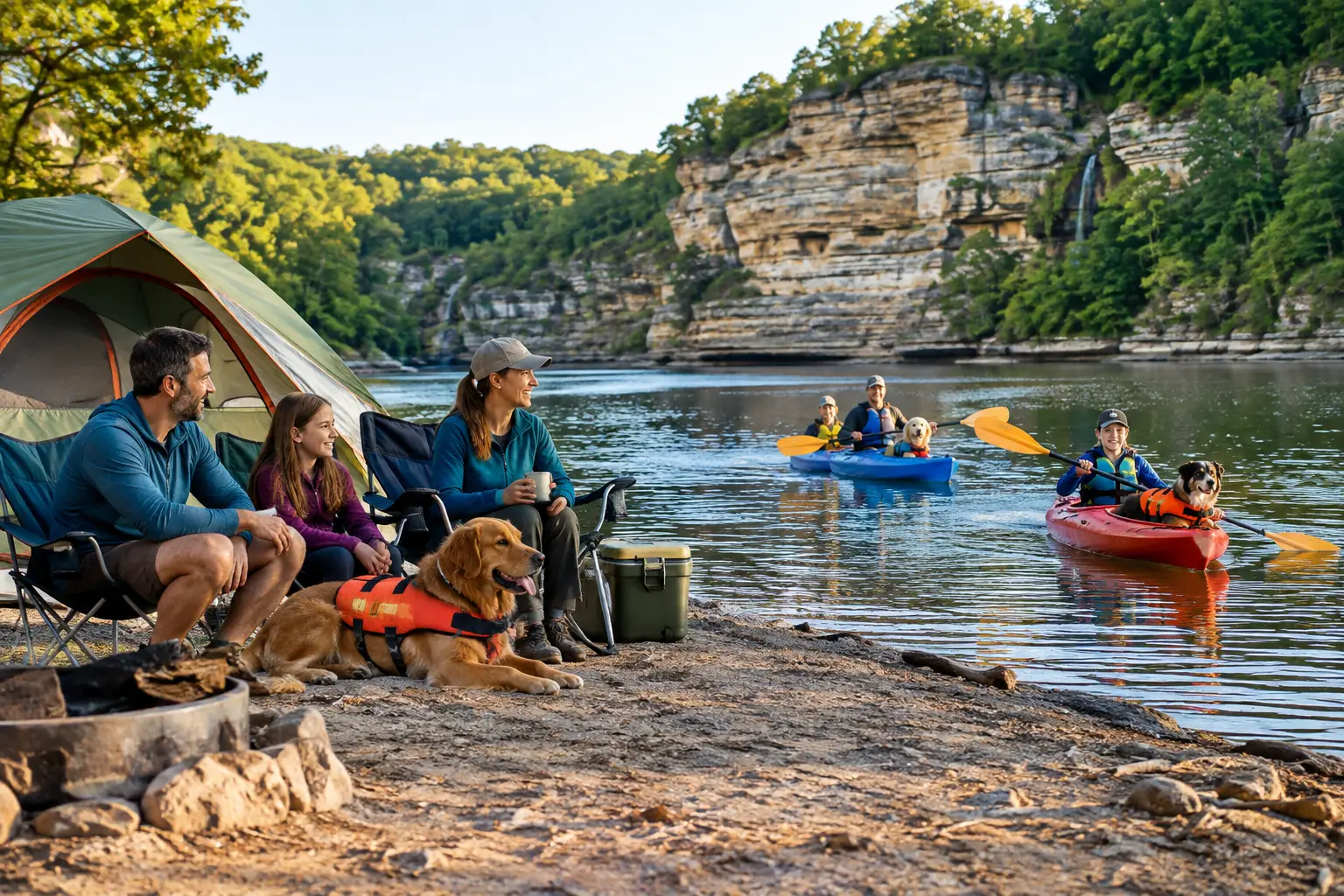
Look for a setup that supports both movement and downtime. Scouts need room to be active, but they also need a clear place to regroup. Waterfront sites are great for this because the setting naturally encourages both. One hour the group is paddling or exploring. Later everyone is back at camp eating, laughing, and winding down.
It also helps when the site feels welcoming to families and first-timers. That changes the whole mood of the weekend. New campers do better when the environment feels accessible instead of intimidating. The same goes for parents who may be deciding whether this is a one-time experiment or the first of many outdoor trips.
If your group includes dogs on a family-style outing, make sure the campground is explicitly dog-friendly. That can be a real plus for certain troops or family camping events, but only if the rules are clear and the environment can handle it well.
Scout group camping near Starved Rock can fit different troop styles
One of the best things about this area is that it does not force every group into the same kind of trip. Some troops want a simple overnight with one main activity and a campfire. Others want a fuller weekend with paddling, cooking, hiking, and time to explore the area. Both can work.
A younger group may do better with a shorter kayaking session and a relaxed evening at camp. An older troop may want more independence, more gear, and more of that classic outdoors challenge. Neither style is better. It depends on the age of the scouts, the experience level of the adults, and the goal of the weekend.
That flexibility is part of the appeal of Illinois River camping. You can keep the agenda light and fun, or you can use the trip as a more structured outdoor learning experience. Either way, the environment supports it.
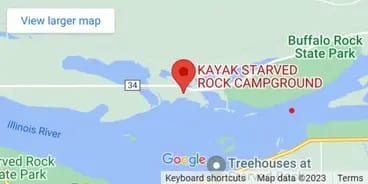
For groups that want an easier planning process, Kayak Starved Rock Campground is the kind of setup that checks a lot of boxes at once – waterfront camping, beginner-friendly kayaking, and a location that feels like a real escape without being a marathon drive from the Chicago area.
Planning tips that keep the weekend fun
The best scout trips usually feel a little less ambitious on paper than they do in memory. That is not a bad thing. Packing too much into the schedule can leave everyone rushed and cranky. A strong plan has just enough structure to keep the group moving and enough breathing room for the trip to feel enjoyable.
Build your weekend around one anchor activity, then let the rest support it. If kayaking is the headline, great. Keep meals straightforward, arrival instructions clear, and expectations easy to follow. Scouts do better when they know what is happening next, but they do not need every minute scripted.
It also helps to be honest about your group. If half the scouts are new to camping, choose convenience over complexity. If your adults are experienced and your troop loves outdoor skills, you can layer in more challenge. There is no prize for making a weekend harder than it needs to be.
Communication with families matters just as much as the campground choice. Let parents know what the sleeping setup looks like, what activities are planned, and what safety rules are non-negotiable. That kind of clarity builds trust fast.
A good scout camping weekend should leave kids pleasantly tired, a little dirtier than usual, and very proud of themselves. It should leave leaders feeling like the trip was worth the effort. When you choose a destination near Starved Rock with easy water access, beginner-friendly paddling, and flexible camping options, the whole thing starts to feel less like a scheduling puzzle and more like what it should be – a really good weekend outside.