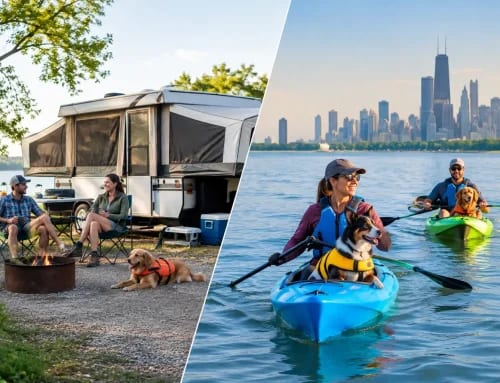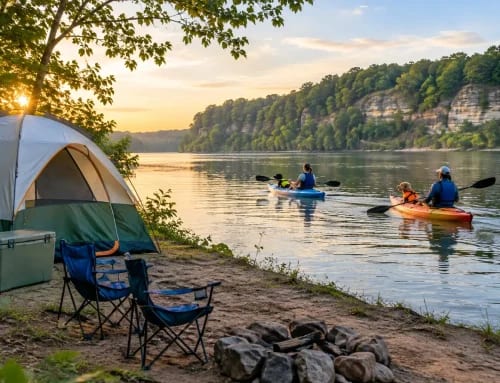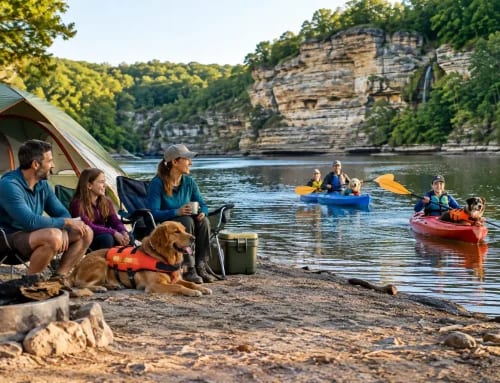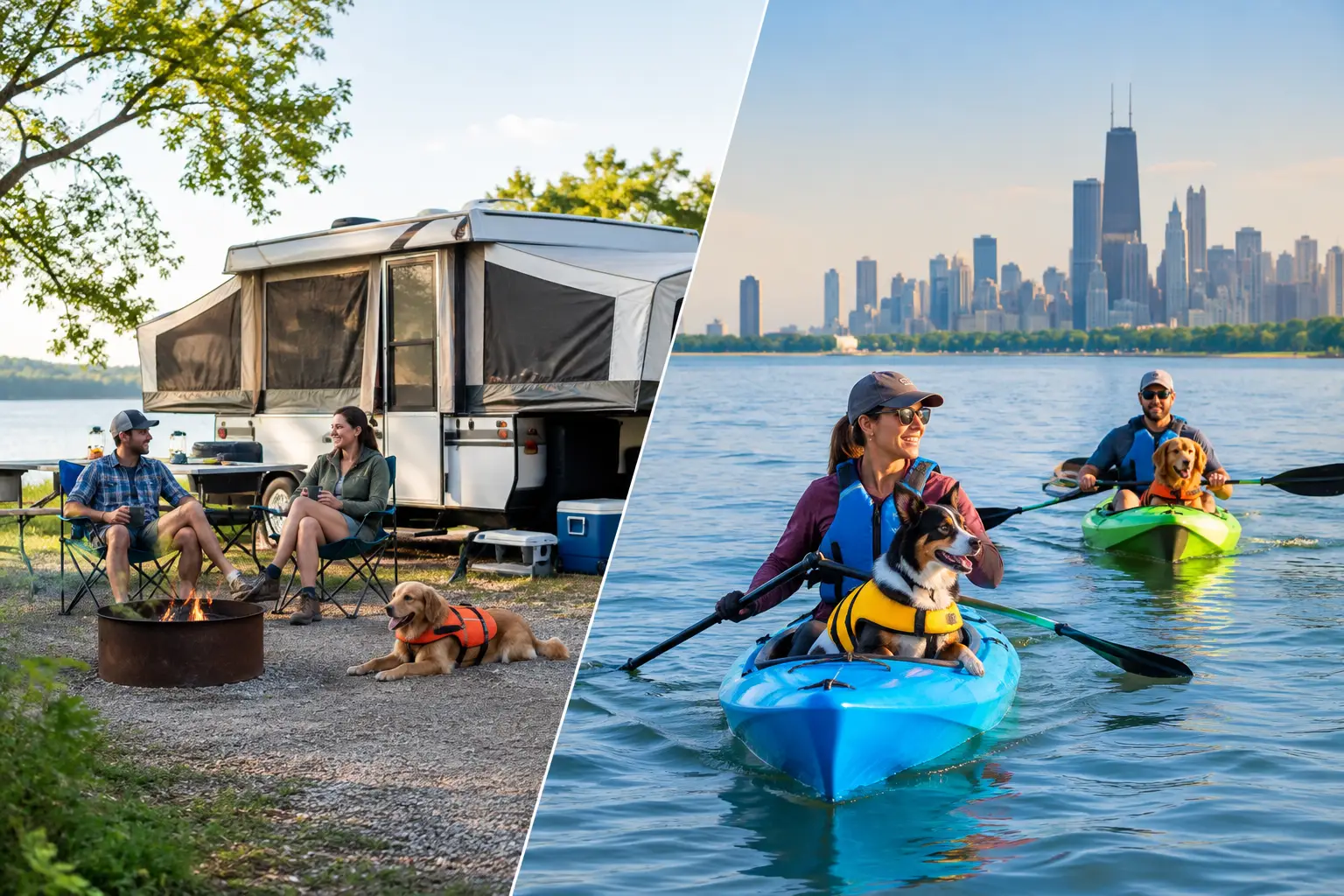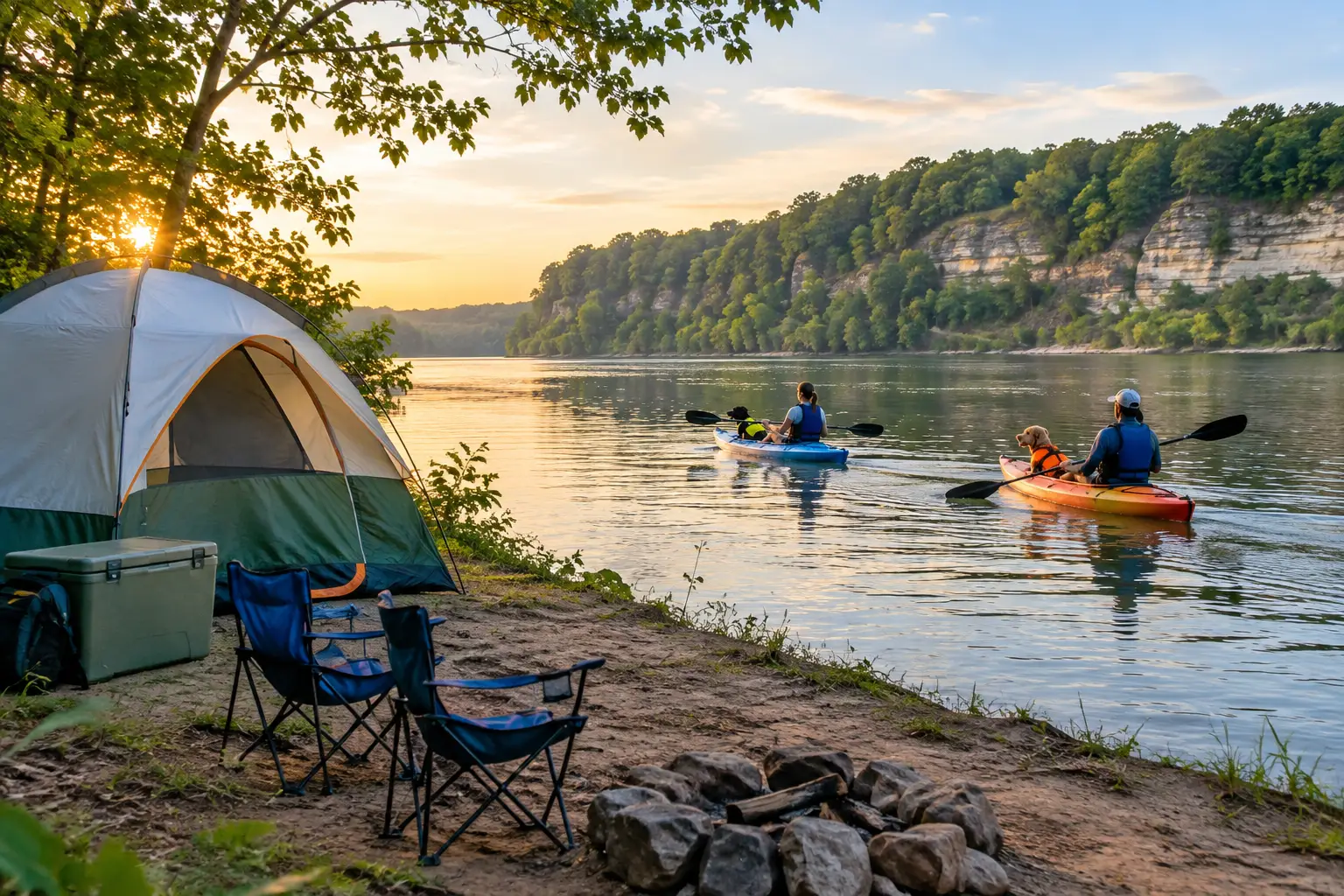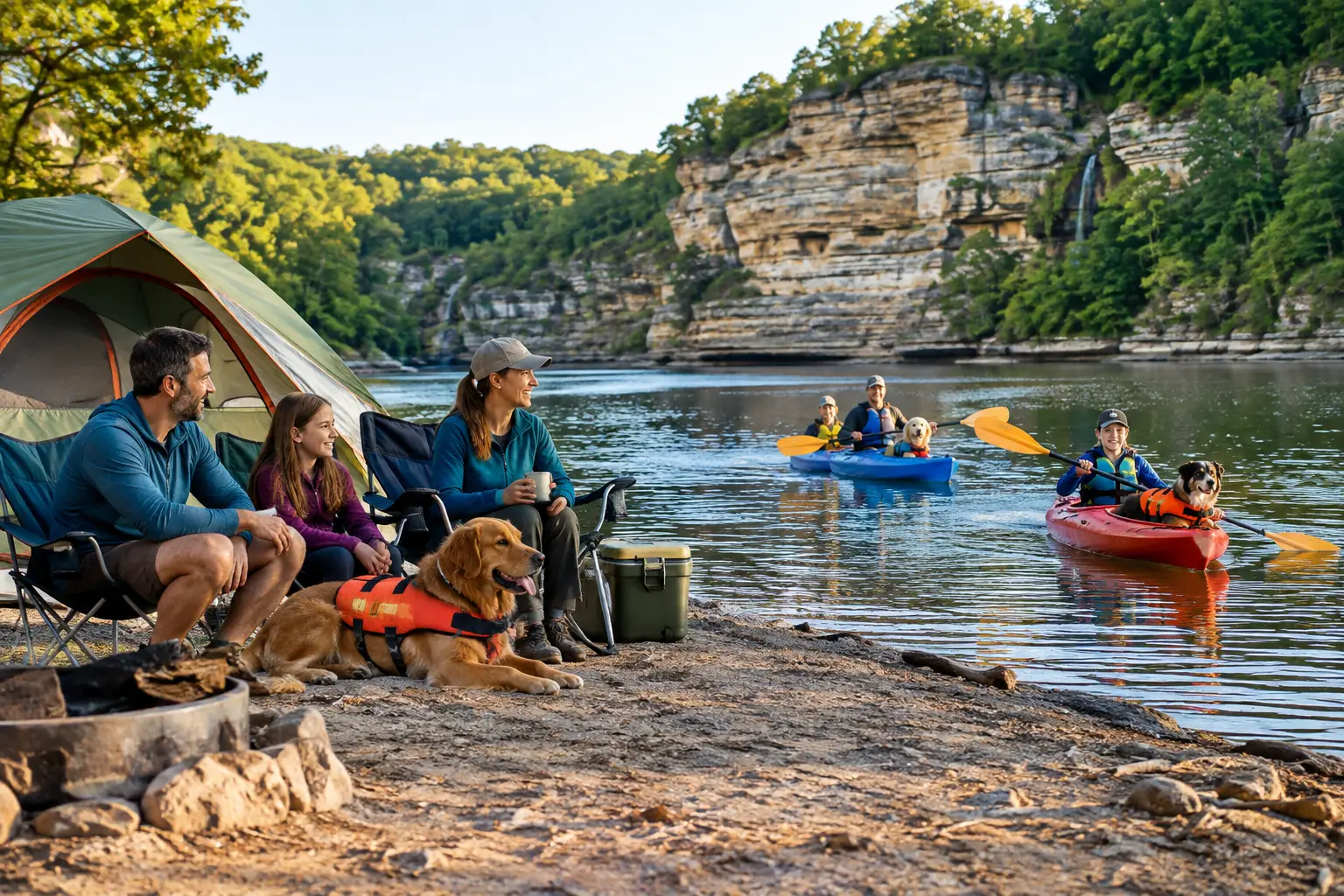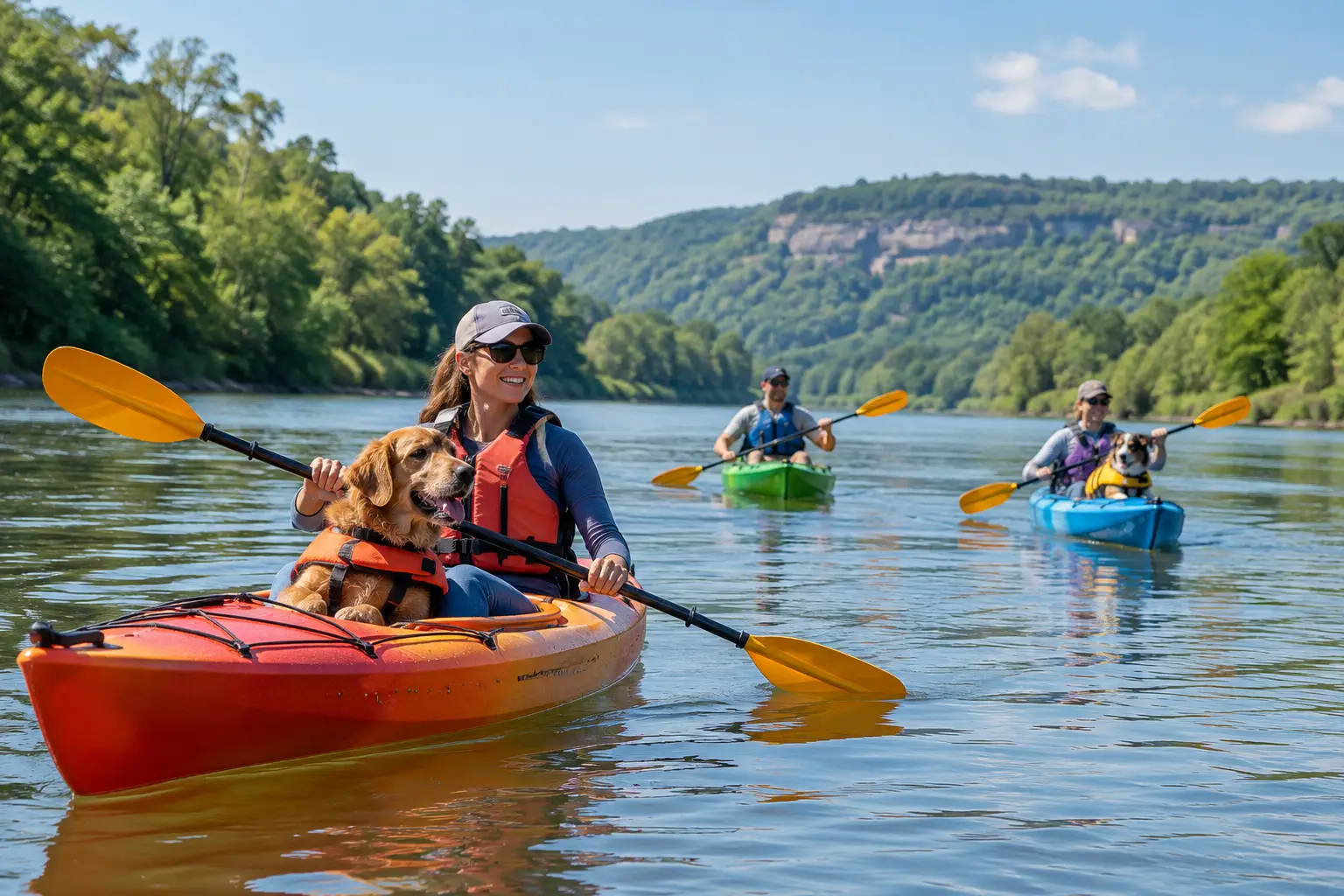
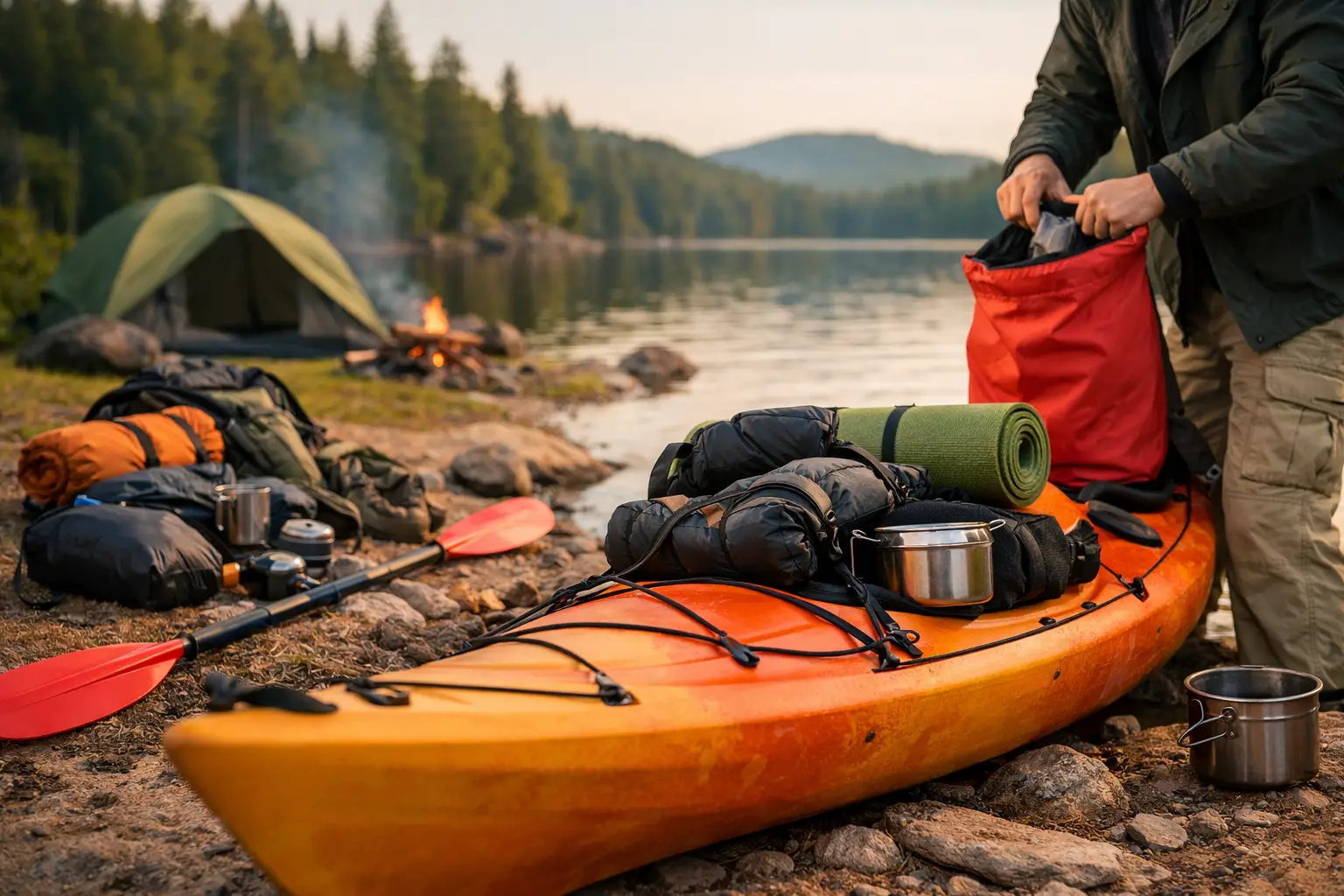
You do not need expedition-level gear or a garage full of fancy bins to figure out how to pack for a kayak camping weekend. You do need a smarter system than tossing everything into one giant duffel and hoping for the best. Kayak camping is part road trip, part paddle day, part campground hangout – and the people who enjoy it most are usually the ones who pack light, pack dry, and pack in a way that makes setup feel easy.
That matters even more if this is your first overnight paddle trip near Starved Rock or your first camping weekend near Chicago in general. On flatwater, beginner-friendly trips, the goal is not to suffer for nature. The goal is to show up organized, stay comfortable, and spend more time enjoying the river, the bluffs, the campfire, and your crew.
How to pack for a kayak camping weekend without overpacking
The biggest mistake first-timers make is packing for a car campsite and a kayak trip as if they are two separate vacations. That is how you end up with six bags, loose shoes, random snacks rolling around, and no idea where your rain jacket went.
A better approach is to pack in zones. Think of your gear in four categories: on-water essentials, camp setup, clothing, and food. Once you group things that way, it gets much easier to decide what belongs within reach during the paddle and what can stay packed away until camp.
Soft bags work better than hard coolers or stiff plastic totes in most kayaks because they fit the shape of the boat more easily. Dry bags are your best friend here. A few smaller dry bags are usually more useful than one huge one because you can spread the weight around and find what you need without unpacking half the boat.
There is a trade-off, though. Too many tiny bags can get annoying fast. For a weekend, most people do well with one bag for camp gear, one for clothes and sleep items, one small one for food, and one quick-access bag for things they may need on the water.
Start with the gear you need during the paddle
If you have to land the kayak and unload half your setup just to grab sunscreen or a water bottle, your packing system is working against you. Keep your daytime essentials accessible.
Your PFD belongs on you, not buried in a bag. The same goes for any safety items required for your paddle. Beyond that, the smart quick-access setup usually includes water, sunscreen, sunglasses with a retainer, a hat, a phone in a waterproof case, bug spray, and a light layer in case the breeze picks up.
A small dry bag or deck bag works well for these items. If you are paddling with kids or bringing your dog, this is also where convenience matters. Keep wipes, treats, an extra leash, or a small towel where you can grab them without turning the kayak into a floating yard sale.
If you are joining a guided trip or launching at a beginner-friendly flatwater spot, that takes some pressure off the technical side. You still want your basics close at hand so the day feels relaxed instead of chaotic.
Keep your valuables simple
Bring fewer valuables than you think you need. One phone, one wallet, one set of keys. Put them in a waterproof case or dry pouch and give them one permanent home for the weekend. The less you shuffle them around, the less likely you are to spend sunset asking who saw your car key last.
Pack camp gear for comfort, not for a survival contest
A kayak camping weekend should feel like a fun reset, not a gear endurance test. That means bringing the basics that make camp actually enjoyable while leaving behind bulky extras that eat space fast.
Your sleep setup is the biggest item group to think through. If you are tent camping, pack your tent, sleeping bag or quilt, sleeping pad, and a compact pillow. If you booked a more convenient setup like a pop-up, teardrop, or tent rental, your packing list gets easier right away because part of your shelter system is already handled.
That is one reason waterfront camping packages appeal to a lot of Chicago-area weekend travelers. You get the outdoor escape without having to own every piece of camping gear on earth.
Bring one headlamp per person, even if you think your phone flashlight will be enough. It usually is not. Campground nights are easier when you can see what you are doing while setting up, cooking, or walking to the restroom.
A camp chair is one of those depends-on-space items. If you can fit a compact one, great. If your kayak is loaded tight, it may be the first comfort item to cut.
Clothing: pack for getting a little wet
If you are wondering how to pack for a kayak camping weekend, clothing is where people often overdo it. For a two-night trip, you do not need a fresh outfit for every mood.
You do need clothing that handles splashes, sun, and changing temperatures. Start with one set of clothes for paddling, one dry set for camp, sleepwear, and one backup layer. Quick-dry fabrics help a lot more than heavy cotton if you get wet or sweaty.
Shoes matter too. Bring one pair that can get wet and stay on your feet around the launch, and one dry pair for camp. That is usually enough. Packing three or four pairs for a weekend is how space disappears for no good reason.
Weather can shift quickly on the river, especially in spring and fall. A lightweight rain jacket earns its spot every time. Even if the forecast looks friendly, it is still worth bringing.
What not to bring too much of
Jeans, full-size bath towels, giant toiletry kits, and heavy hoodies take up more room than they are worth. Swap them for quick-dry layers, a compact camp towel, and travel-size toiletries. You will have more space and a much easier time loading the boat.
Food and water for a weekend on the river
Weekend kayak camping food should be easy, compact, and low drama. This is not the time to attempt a gourmet menu with six ingredients per meal unless camp cooking is the whole point of your trip.
Think simple breakfasts, easy lunches, and one or two satisfying dinners. Sandwich supplies, wraps, pasta salad, fruit, trail mix, oatmeal, and grill-friendly basics all work well. Prepping some food at home saves time and cuts down on trash at camp.
A small soft cooler can work if you truly need perishables, but it depends on your boat space and your menu. For many weekend campers, shelf-stable foods are just easier. If you do bring a cooler, keep it compact and pack it with a plan instead of filling it with random drinks.
Water deserves more attention than snacks. Bring more than you think you will need, especially in summer. Refillable bottles are easier to manage when each person has one assigned bottle instead of everyone sharing from a mystery stash.
A smart dry bag system makes everything easier
The simplest answer to how to pack for a kayak camping weekend is this: pack by use, then waterproof by category.
Put sleep gear in one dry bag. Put tomorrow’s clothes in another. Put food in a clearly separate bag. Keep hygiene items together. Label bags if you are paddling with family or a group and want setup to go faster.
This system helps in two ways. First, your weight stays distributed better in the kayak. Second, camp is easier to set up because you know exactly where everything lives.
Try to avoid loose items shoved into open spaces just because they fit. A water bottle clipped somewhere secure is one thing. A bundle of socks, a lantern, and a bag of chips stuffed beside your seat is another.
The little things that save the weekend
Some of the most useful items are not the biggest ones. Bring a phone power bank, a small first aid kit, bug spray, sunscreen, lip balm, medications, and a trash bag or two. If you are camping with kids, a change of clothes in an easy-to-reach dry bag can feel like a genius move by mid-afternoon.
For dog-friendly camping and kayaking, bring extra water for your pup, a collapsible bowl, leash, waste bags, and a towel. Dogs do great on relaxed flatwater trips when their humans pack for them as thoughtfully as they pack for themselves.
If you are the planner in your group, give everyone one job before launch. One person handles food, one checks water, one keeps personal gear consolidated. That five-minute reset can save a lot of confusion at the shoreline.
Your final pack check before launch
Before you head out, ask three questions. Can I keep the important stuff dry? Can I reach what I need during the paddle? Can I carry this without turning setup into a circus?
If the answer to any of those is no, cut something or repack it. A well-packed weekend feels lighter before you even get on the water.
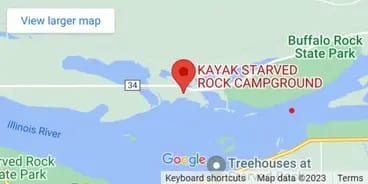
That is really the sweet spot with kayak camping near Starved Rock and along the Illinois River. You want enough gear to stay comfortable, safe, and happy, but not so much that packing becomes the hardest part of the trip. When you get that balance right, the whole weekend opens up – less fuss, more river, more campfire, and a lot more fun.