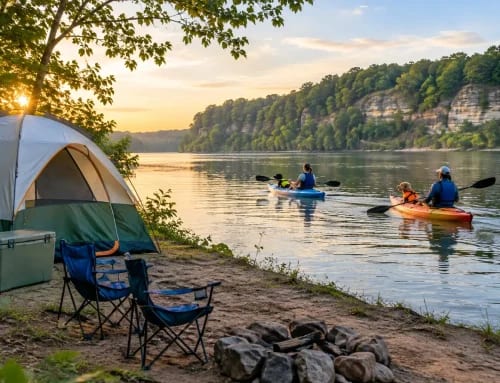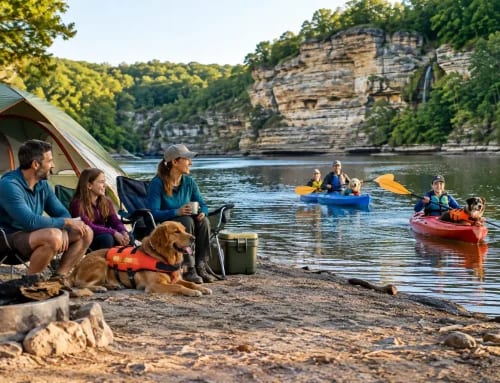
Most office team bonding falls apart for one simple reason – it feels like work in a different room. If you want corporate team building that people actually look forward to, the setting matters as much as the activity. Get your group outside, give them something shared to do, and suddenly the usual office roles soften a little. People talk more. They laugh more. They show up differently.
That is why outdoor experiences keep beating conference-room icebreakers. A flatwater paddle, a waterfront campsite, or a simple overnight near Starved Rock gives teams what they rarely get during a normal workweek – fresh air, real conversation, and just enough challenge to make the day memorable without making it stressful.
Why corporate team building works better outdoors
When coworkers leave the office, they also leave behind a lot of the pressure that shapes how they interact. Titles matter less on the water. So do departments, meeting habits, and whoever always dominates the Friday Zoom. People start responding to the moment instead of the org chart.
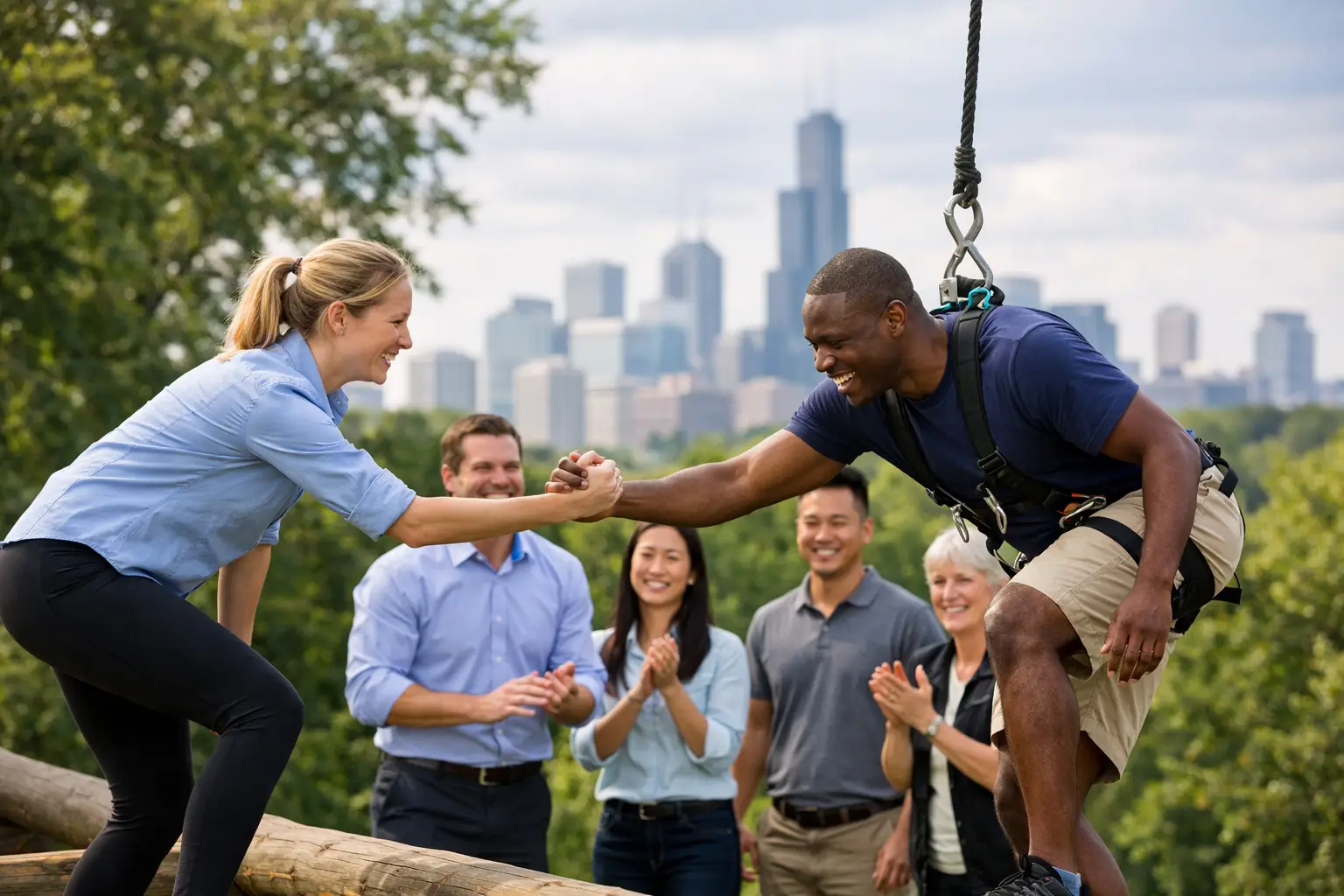
That shift is especially useful for teams made up of different personalities and comfort levels. Not everyone wants a high-adrenaline challenge course. Not everyone wants to stand in a circle and share fun facts. Outdoor corporate team building can meet in the middle. It feels active and social without becoming overly intense.
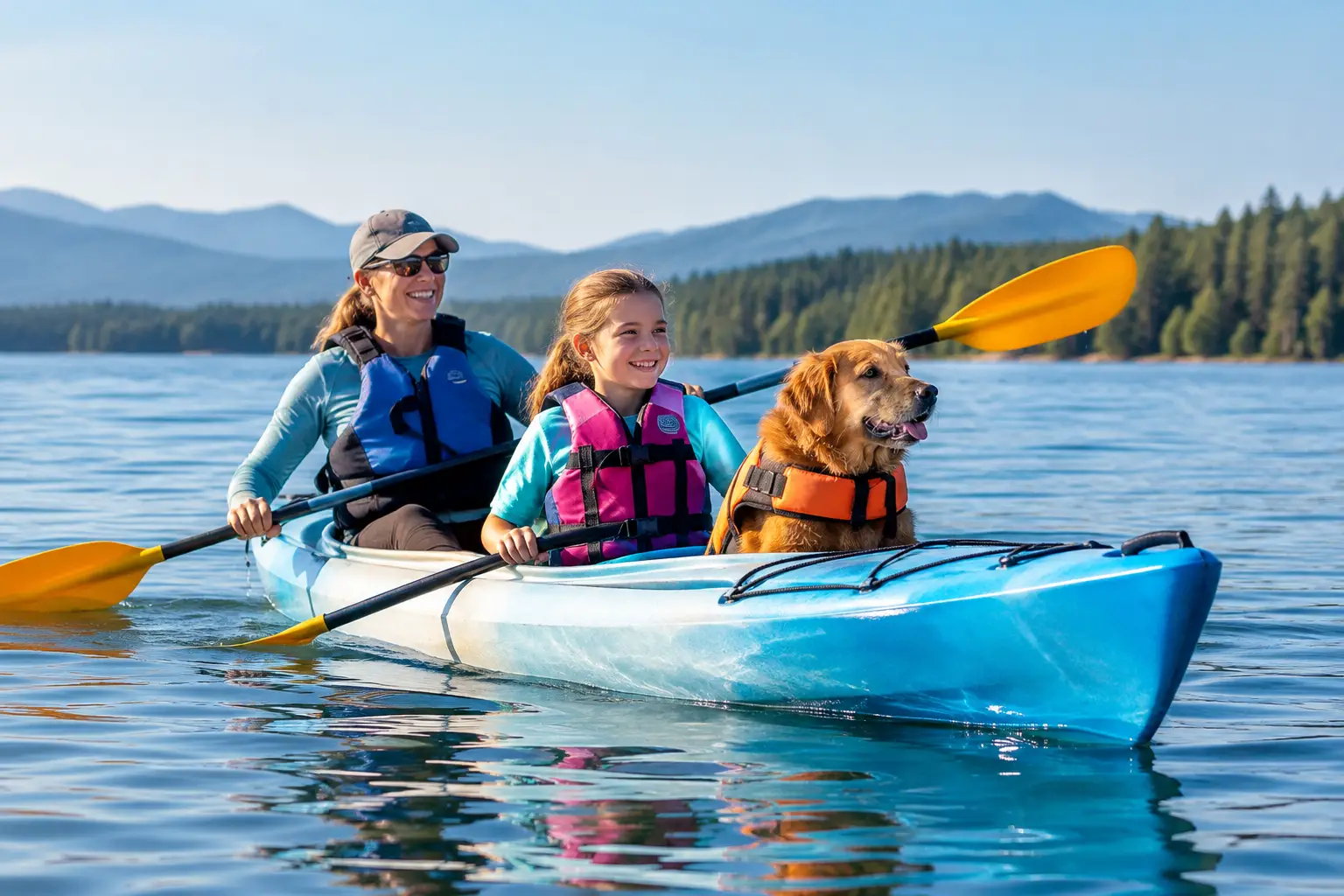
The right environment makes a big difference here. Beginner-friendly flatwater is a lot more inviting than rough conditions or technical paddling. Teams can focus on being present, learning something new, and enjoying time together instead of worrying about whether they are “good” at kayaking. That confidence boost matters. When people feel safe and supported, they participate more fully.
What makes a good corporate team building activity
The best team outing is not always the most ambitious one. It is the one your group will actually enjoy.
For most Chicago-area companies, that means choosing something close enough for an easy day trip or short overnight, simple enough for first-timers, and structured enough that nobody has to spend weeks planning every detail. A great event should feel organized without feeling rigid.
That is why kayaking works so well for mixed groups. It gives people a shared experience and a natural conversation starter. There is a built-in sense of progress, but it is still relaxed. Some teams want a guided outing with instruction and on-water leadership. Others want to pair paddling with camping, a cookout, or a low-key evening by the river. Both can work. It depends on your group, your timeline, and whether your team needs energy, connection, or both.
Corporate team building near Chicago without the hassle
One of the biggest reasons companies put off planning outings is logistics. If an event sounds great but requires complicated travel, special skills, or a full day of wrangling details, it starts losing appeal fast.
That is where a near-Chicago outdoor destination has a real advantage. Teams can leave in the morning and be on the water the same day, or turn the trip into a one-night reset without needing flights, long drives, or complicated gear lists. For managers and office coordinators, that lowers the planning burden. For employees, it makes attendance feel realistic.
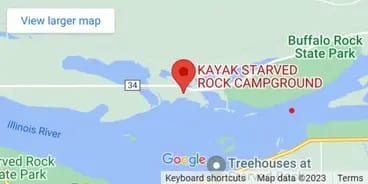
A location near Starved Rock adds something extra. It feels like a true getaway, but not a major expedition. You get scenic river views, sandstone bluffs, open sky, and that instant sense of being away from emails and traffic. For a company trying to create a meaningful break, that mix is hard to beat.
Why kayaking fits mixed-skill teams
Every workplace has a range of comfort levels. Some people are outdoorsy. Some have never held a paddle. Some are all-in the second they hear “group adventure,” and some quietly worry they will be the reason the day gets awkward.
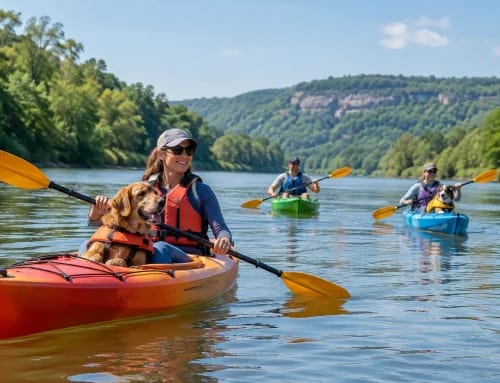
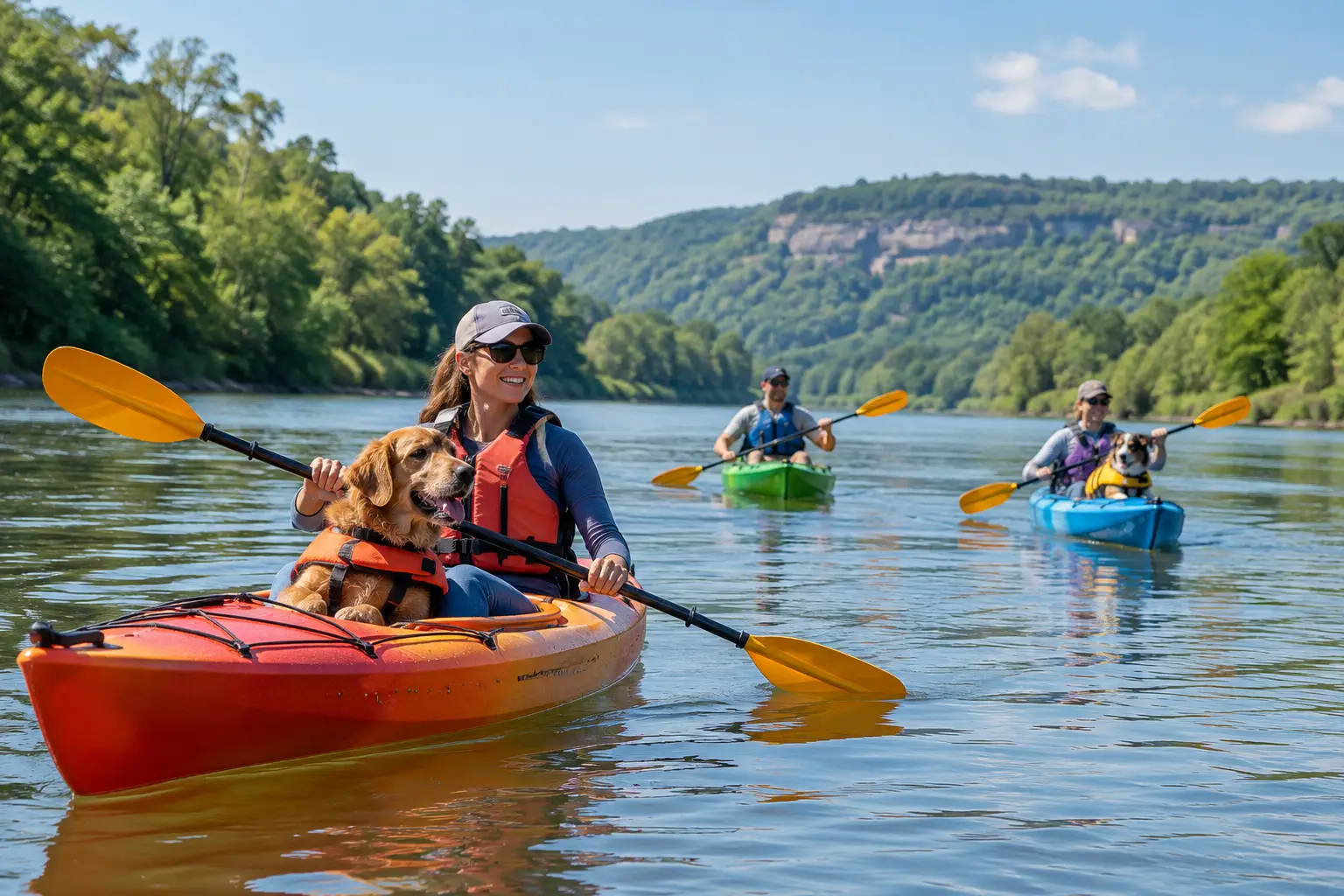
A beginner-friendly paddle removes a lot of that tension. Clear instruction helps first-timers feel steady from the start. PFDs are required, which keeps safety expectations simple and non-negotiable. Calm, shallow, no-current water is a huge plus because it lets people settle in quickly instead of feeling like they have to prove something.
That matters for team morale. A corporate team building event should not reward only the loudest or most athletic people. It should give everyone a way in. Kayaking does that better than many group activities because people can engage at their own pace while still sharing the same experience.
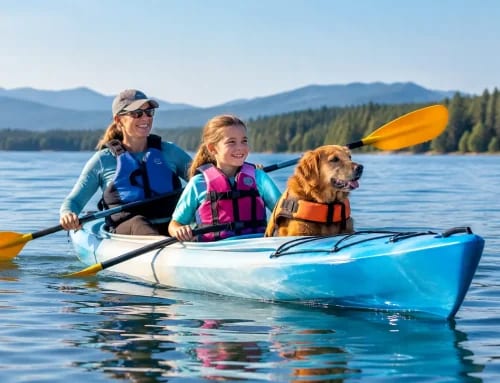
Tandem kayaks can also be useful for some groups. They create natural collaboration, especially for coworkers who do not normally spend much time together. But singles have their place too, especially for people who prefer a little independence. The right setup depends on the size and personality of the team.
Add camping if you want the real reset
A day trip can do a lot. An overnight can do more.
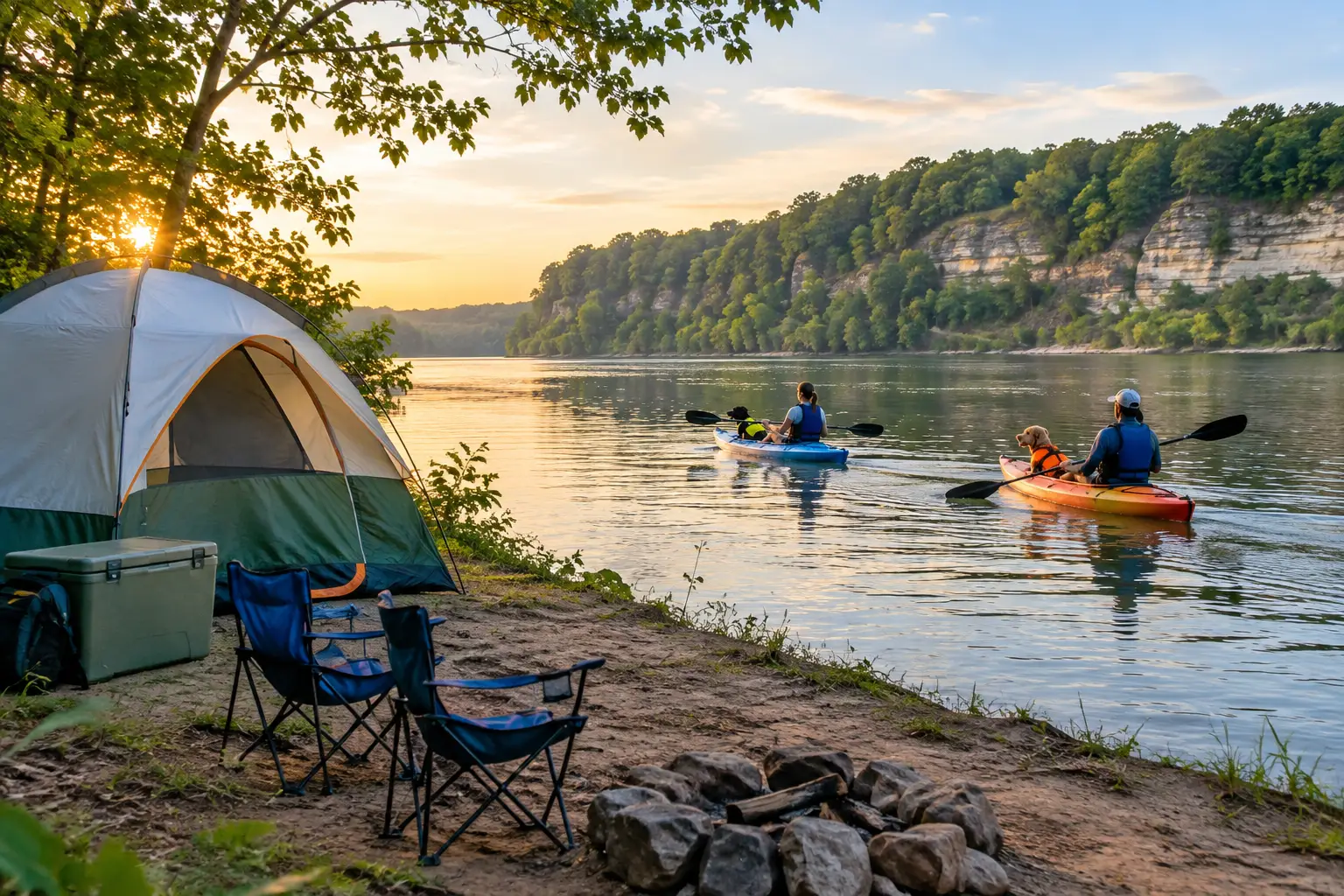
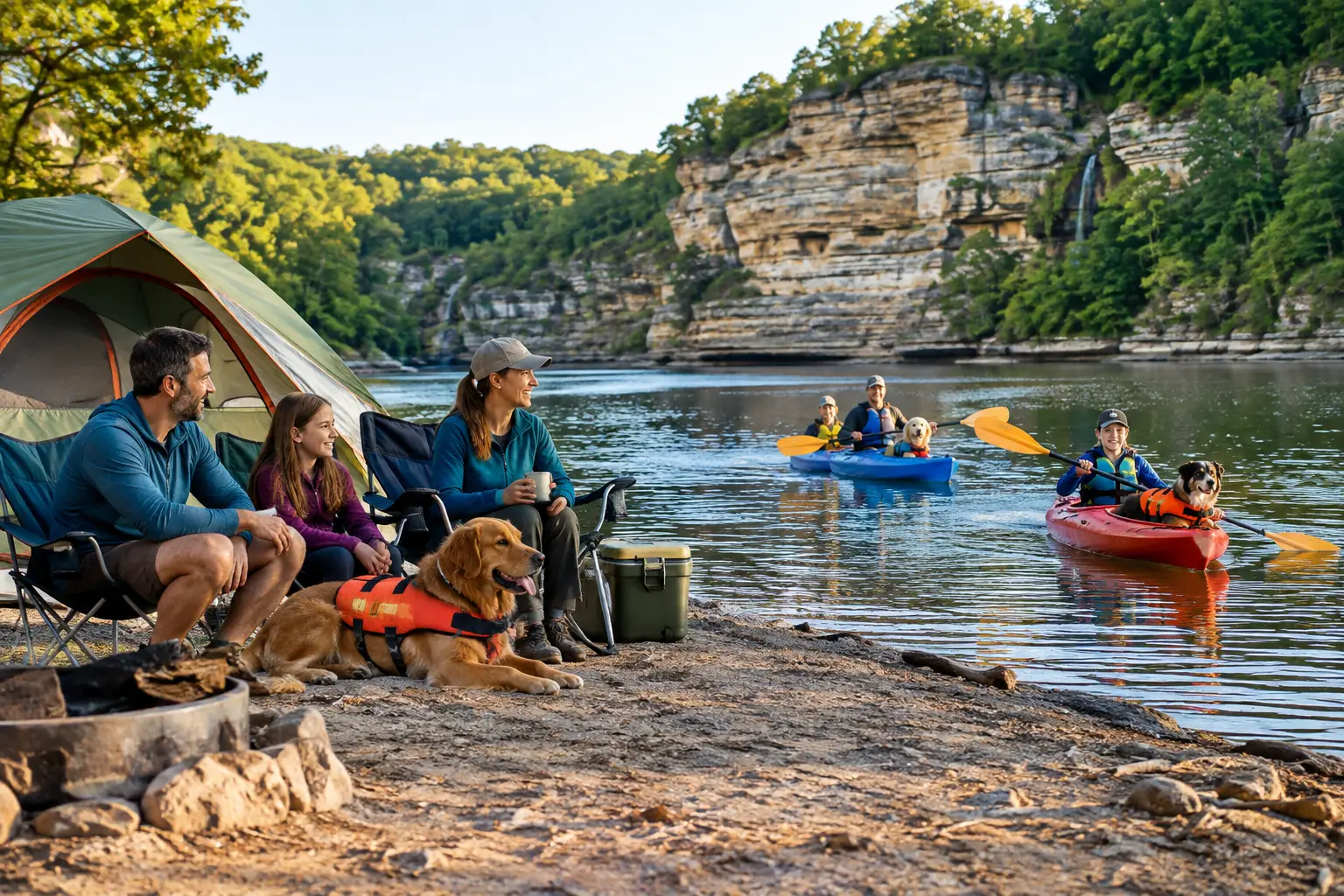
If your group wants more than a quick outing, waterfront camping adds a different kind of value. Once the paddling is done, people keep talking. They eat together, sit around a fire, and have the kind of easy conversations that almost never happen between back-to-back meetings. Those quieter moments are often where teams bond most naturally.
This does not have to mean roughing it. That is an important distinction, especially for companies with a wide range of comfort levels. Some teams may prefer tent camping and love the classic outdoors feel. Others may be more interested in pop-up or teardrop camping, where the setup feels a little easier and the experience stays comfortable. If you are planning for a group with mixed expectations, that flexibility matters.
For some companies, camping works best as an optional add-on rather than a requirement. That can be the smart move if you want broad participation. The goal is not to force everyone into the same version of fun. The goal is to create an experience people feel good saying yes to.
Planning corporate team building that people actually attend
A good event starts with honesty about your team. If your group is busy, tired, and juggling family schedules, choose the simpler format. A half-day or day-trip paddle may outperform a bigger overnight plan simply because more people can join.
If your team is craving a stronger reset, make it easy. Pick a turnkey experience with clear booking, clear timing, and clear expectations. People are far more likely to commit when they know what is included, when to arrive, and what the day will feel like.
It also helps to communicate the tone correctly. Do not position the outing like mandatory trust-fall camp. Frame it as what it is – a chance to get outside, enjoy the river, and spend time together in a way that feels human again. That message lands better with both enthusiastic joiners and skeptical coworkers.
Food, timing, and comfort are worth thinking through early. So is weather. Outdoor events always come with a little unpredictability, and that is part of the charm, but teams still need structure. The best experiences balance flexibility with clear guardrails.
A better way to think about team connection
A lot of companies chase big team-building outcomes when what they really need are smaller, realer moments. Two coworkers helping each other launch a kayak. A manager laughing with the intern instead of presenting to them. A group dinner after a day outside where nobody checks the clock every five minutes.
That is the hidden strength of outdoor corporate team building. It does not force connection. It creates conditions where connection happens more easily.
For companies near Chicago, a paddle-and-camp outing near Starved Rock hits a sweet spot. It feels different enough to be exciting, easy enough for beginners, and close enough to pull off without turning planning into a second job. Kayak Starved Rock is the kind of place that fits that balance well – approachable, scenic, structured, and built for people who want fun without guesswork.
If you are choosing your next team outing, skip the forced fun and pick something that gives people room to relax, move, and surprise each other a little. The best team days are the ones that feel less like a corporate exercise and more like a good story people still talk about on Monday.