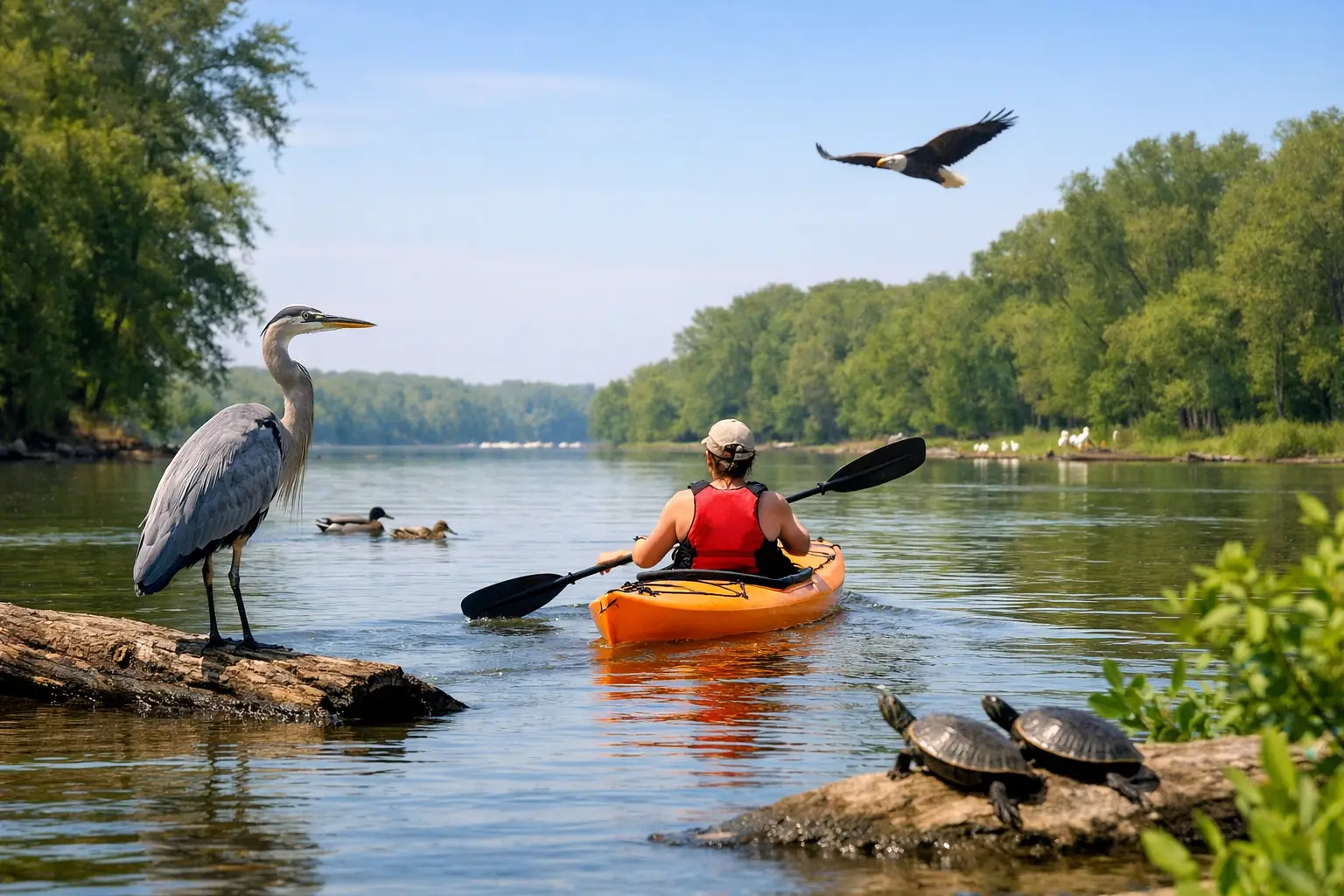
The best wildlife moments on the Illinois River usually happen when everybody in your boat finally stops talking for a second. A great blue heron lifts off the shoreline, turtles stack up on a sun-warmed log, and someone whispers, “Did you see that?” That is the sweet spot this Illinois River wildlife kayaking guide is built for – easy paddling, low stress, and more chances to notice what is happening around you.
If you are planning a paddle near Starved Rock and want more than just exercise, wildlife watching is one of the biggest reasons to get on the water here. The river gives you a front-row seat to birds, fish, turtles, and shifting shoreline habitats, but the experience depends a lot on timing, noise level, weather, and where you launch. For beginners, families, and casual paddlers coming from Chicago or Northern Illinois, that is good news. You do not need expert skills to have a memorable wildlife paddle. You just need the right expectations.
What makes Illinois River wildlife kayaking so good
This stretch of river works especially well for newer kayakers because the conditions are more approachable than many people expect. Flatwater matters. When you are not battling current or worrying about technical maneuvers, you have more attention left for the fun part – scanning the banks, looking into overhanging trees, and catching movement in the shallows.
The scenery helps too. The Illinois River near Starved Rock brings together broad water, wooded shoreline, pockets of quieter habitat, and dramatic bluffs nearby. That variety creates more opportunities to see different species in a single outing. One minute you are watching swallows sweep low over the water, and the next you are drifting past a muddy edge where tracks, shells, or sudden splashes tell you something just slipped away before you arrived.
There is also a practical advantage for first-timers. A controlled, beginner-friendly paddling environment makes wildlife viewing less intimidating. Instead of thinking, “Can I handle this river?” you get to think, “Was that an eagle?” That is a much better vacation mindset.
Illinois River wildlife kayaking guide to what you might see
Wildlife is never a guaranteed checklist, and honestly that is part of the fun. Still, there are a few regular stars worth looking for on an Illinois River paddle.
Birdlife tends to steal the show. Great blue herons are common crowd-pleasers because they are huge, prehistoric-looking, and impossible to miss once they take off. You may also spot egrets, cormorants, ducks, geese, kingfishers, red-winged blackbirds, and seasonal songbirds moving through shoreline cover. Bald eagles are the high-five moment. You cannot promise one on every trip, but this region is well known for them, especially in cooler months.
Turtles are another favorite, especially with kids. On warm days they gather on logs and rocks to bask, then launch into the water the second they hear a paddle knock or a boat drift too close. If your group has children, turtle spotting turns into a game fast.
Fish are less dramatic from a distance but still part of the experience. Look for flashes in shallow water, surface ripples, or feeding activity near calmer edges. Frogs, dragonflies, and other small riverbank life often fill in the quiet moments between bigger sightings.
Mammals are a little more hit or miss. You may catch glimpses of deer near the shoreline, muskrat activity, or raccoon tracks in muddy areas. Usually, the smaller signs of animal life are more common than a full posed photo-op. That is normal. Wildlife kayaking is more about noticing than chasing.
Best times to paddle for wildlife
Early morning is usually the winner. Light is softer, boat traffic is lower, and many animals are more active before the day heats up. If you like quiet water and a better chance of seeing birds along the banks, morning paddles are hard to beat.
Late afternoon can also be excellent, especially on warm days when the sun starts dropping and the river feels calmer again. Midday is still beautiful, but it is not always the best for wildlife activity. You may see plenty of turtles and birds, but many animals settle down during the hottest hours.
Season matters too. Spring brings migration, nesting activity, and that fresh green shoreline look that makes everything feel alive. Summer is ideal for families and beginners because conditions are comfortable and wildlife is still active, especially early and late in the day. Fall adds cooler air, changing leaves, and a different rhythm on the river. Winter can be incredible for eagle watching, but kayaking conditions depend on weather, temperatures, and seasonal operations.
The trade-off is simple. The prettiest time for photos is not always the easiest time for beginners, and the easiest time for scheduling may not be the absolute peak wildlife window. If your group wants the best mix of comfort and sightings, a calm morning from late spring through early fall is a very safe bet.
How to see more wildlife without acting like a documentary crew
The biggest mistake new paddlers make is moving too loudly and too quickly. Wildlife notices that. If you want to see more, paddle at an easy pace and let the boat glide whenever possible. You do not need to sneak around like a spy, but you do want to lower the volume.
Keep conversation light when you enter quieter shoreline sections. Watch edges, not just open water. Birds perch in dead branches, turtles line up on partial logs, and fish activity often shows up where shallow and deep water meet. The middle of the river can be scenic, but the shoreline is usually where the action is.
Binoculars help if you already own them, though they are not required. For most casual paddlers, the best tool is simply slowing down enough to notice movement. A phone camera works fine for quick shots, but if photography becomes the main mission, people tend to miss what is happening in real time.
One more thing – do not crowd wildlife. If a bird looks alert, stretches its neck, or keeps shifting away from you, you are too close. The goal is a good view, not a forced encounter.
Safety and wildlife watching go together
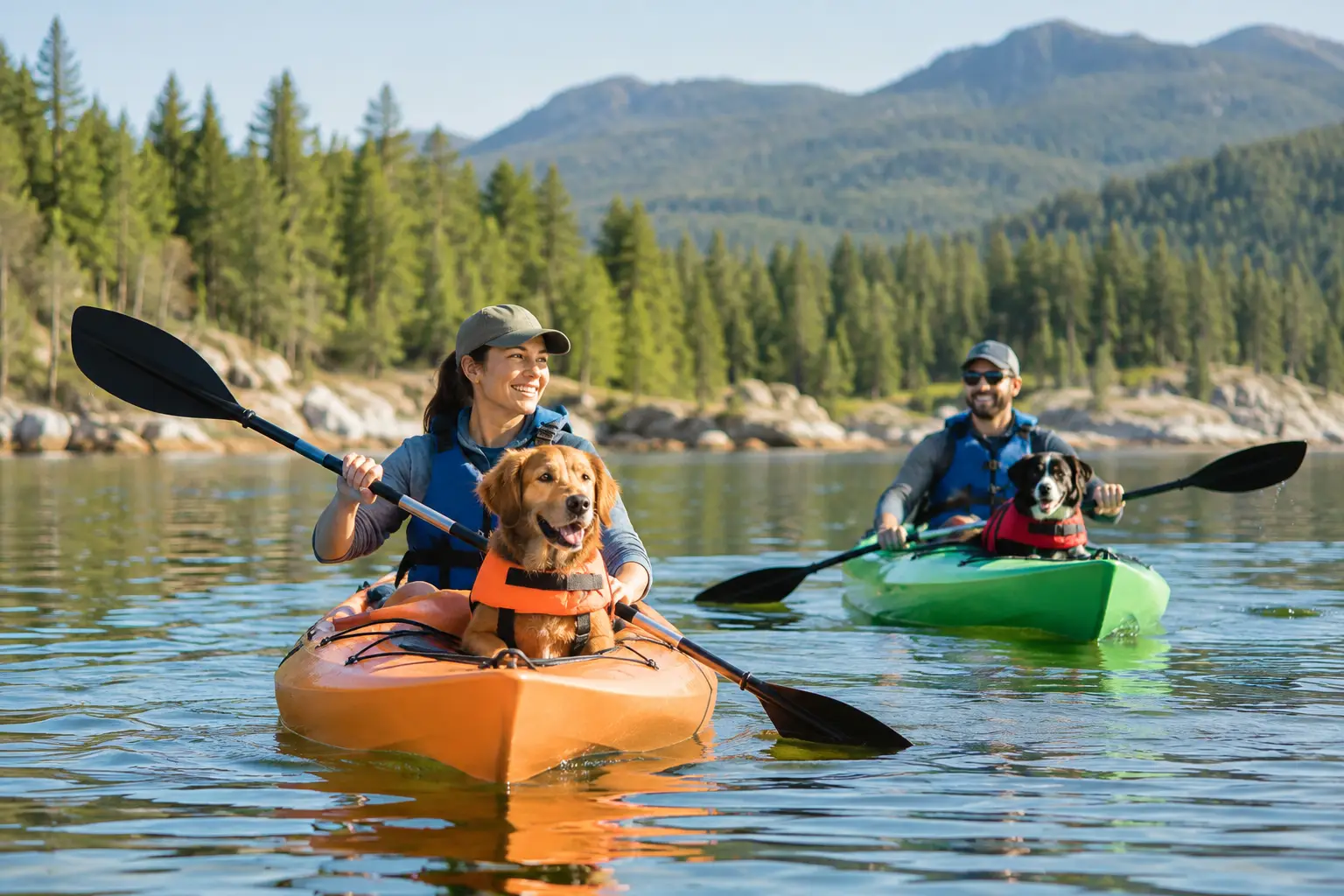
A good wildlife paddle still starts with the basics. Wear your life jacket or PFD the whole time. That is non-negotiable, and every image of kayakers on the water should show life jackets on for the same reason. Safe paddlers are more relaxed paddlers, and relaxed paddlers notice more.
It also helps to choose a route and launch setup that matches your comfort level. Beginners enjoy wildlife more when they are not worried about navigation, difficult current, or a complicated shuttle plan. Guided outings can be especially helpful for first-timers because you get safety instruction, local insight, and somebody else keeping the day moving smoothly.
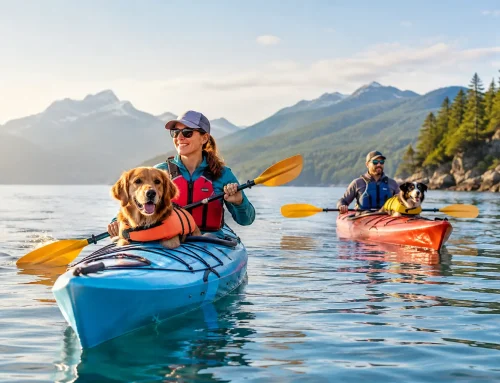
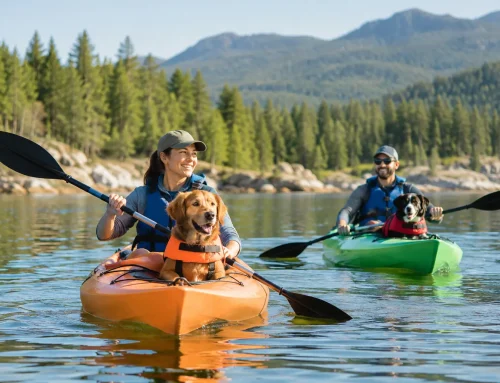
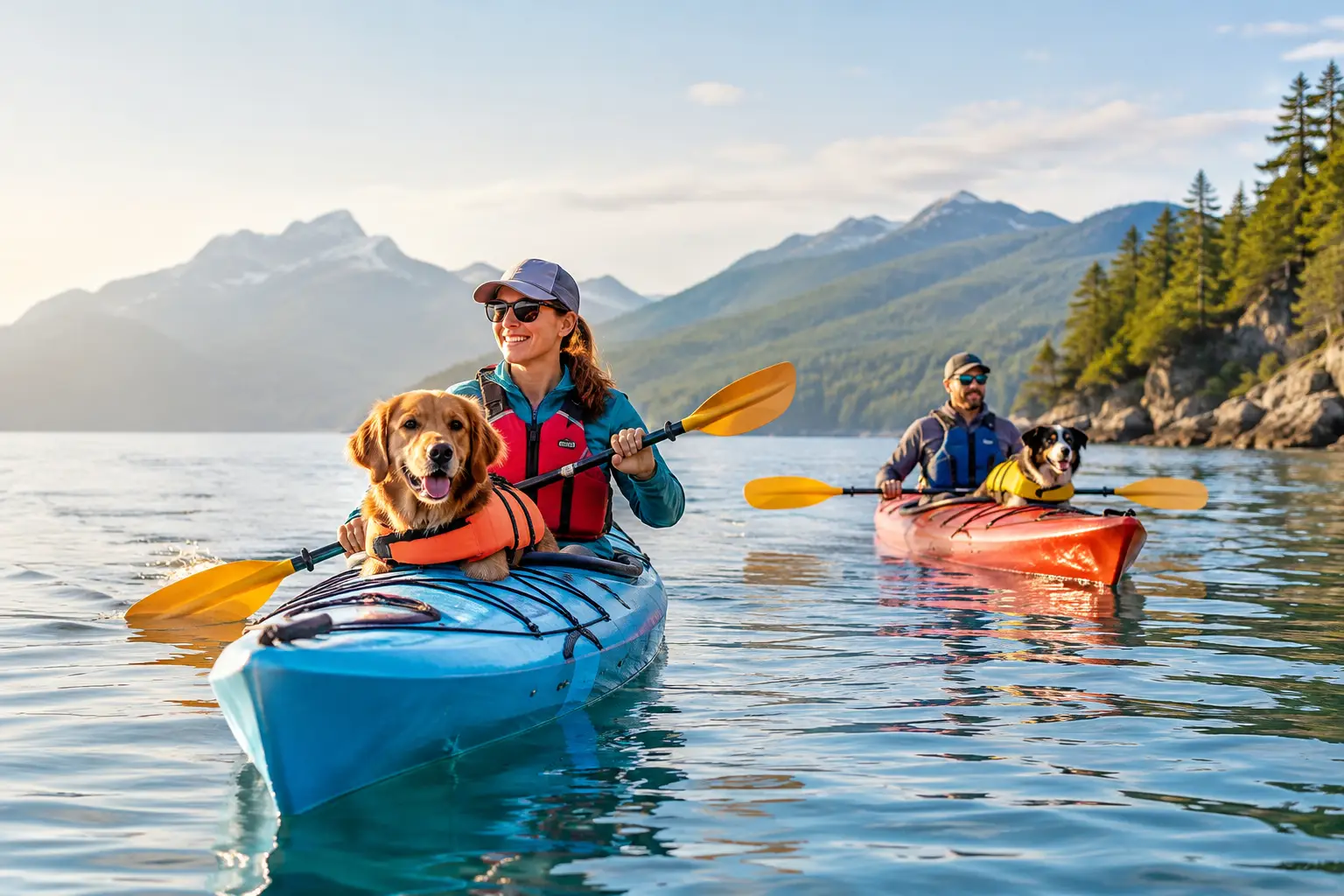
Families and dog owners should think about energy level too. A shorter paddle often produces better wildlife watching than a long one where everybody gets tired, hungry, and distracted. Dogs can absolutely be part of the fun, but the best dog-friendly kayaking trips are the ones where your pup is comfortable, secure, and not turning every bird sighting into a barking announcement.
Planning a beginner-friendly wildlife paddle near Starved Rock
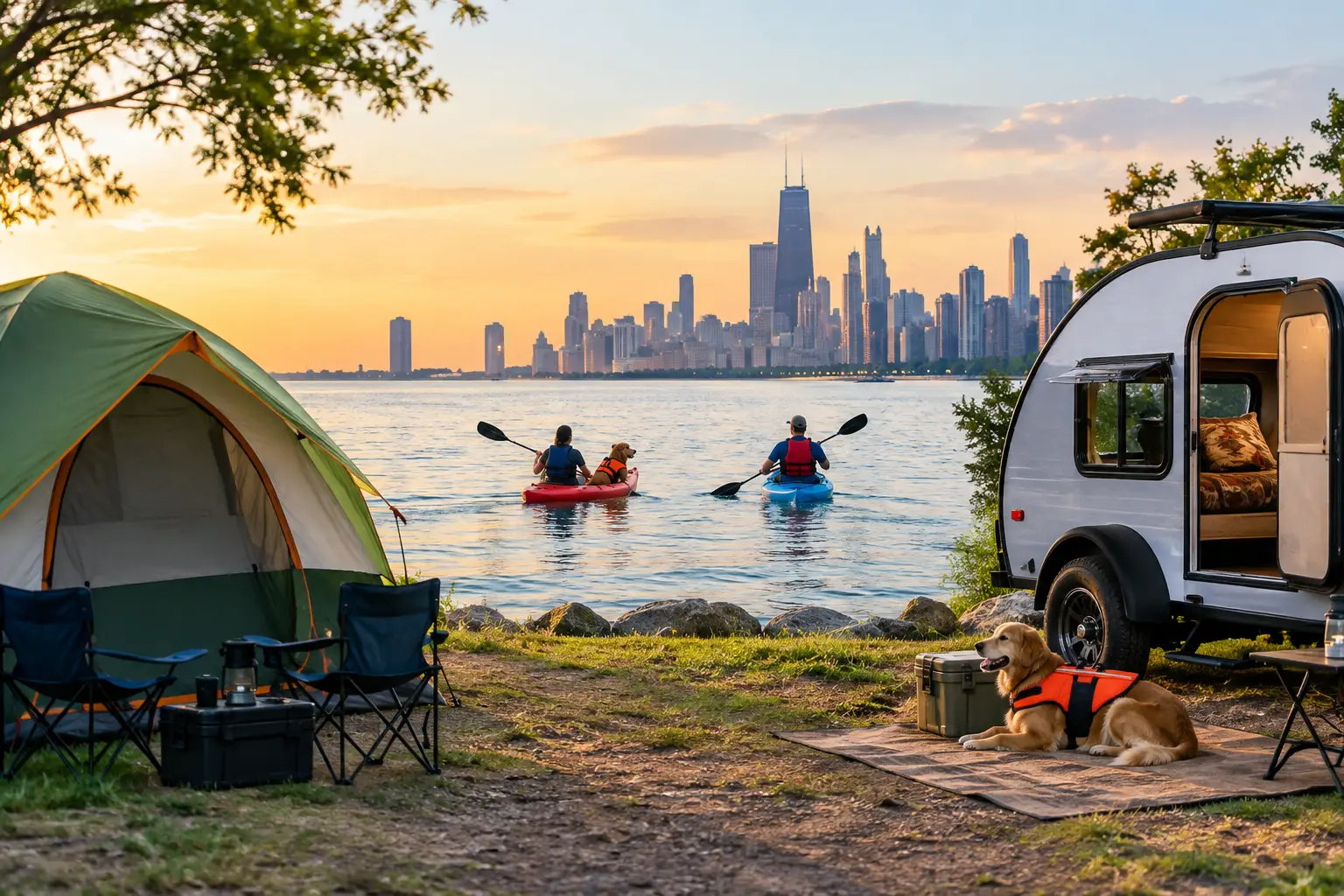
For Chicago-area visitors, this is one of the easiest ways to trade city noise for actual bird calls without committing to a huge expedition. You can come out for a day trip, or turn it into a weekend with waterfront camping and give yourself more than one shot at catching the river at the right hour.
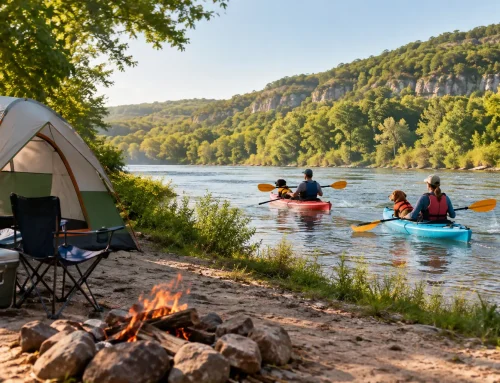
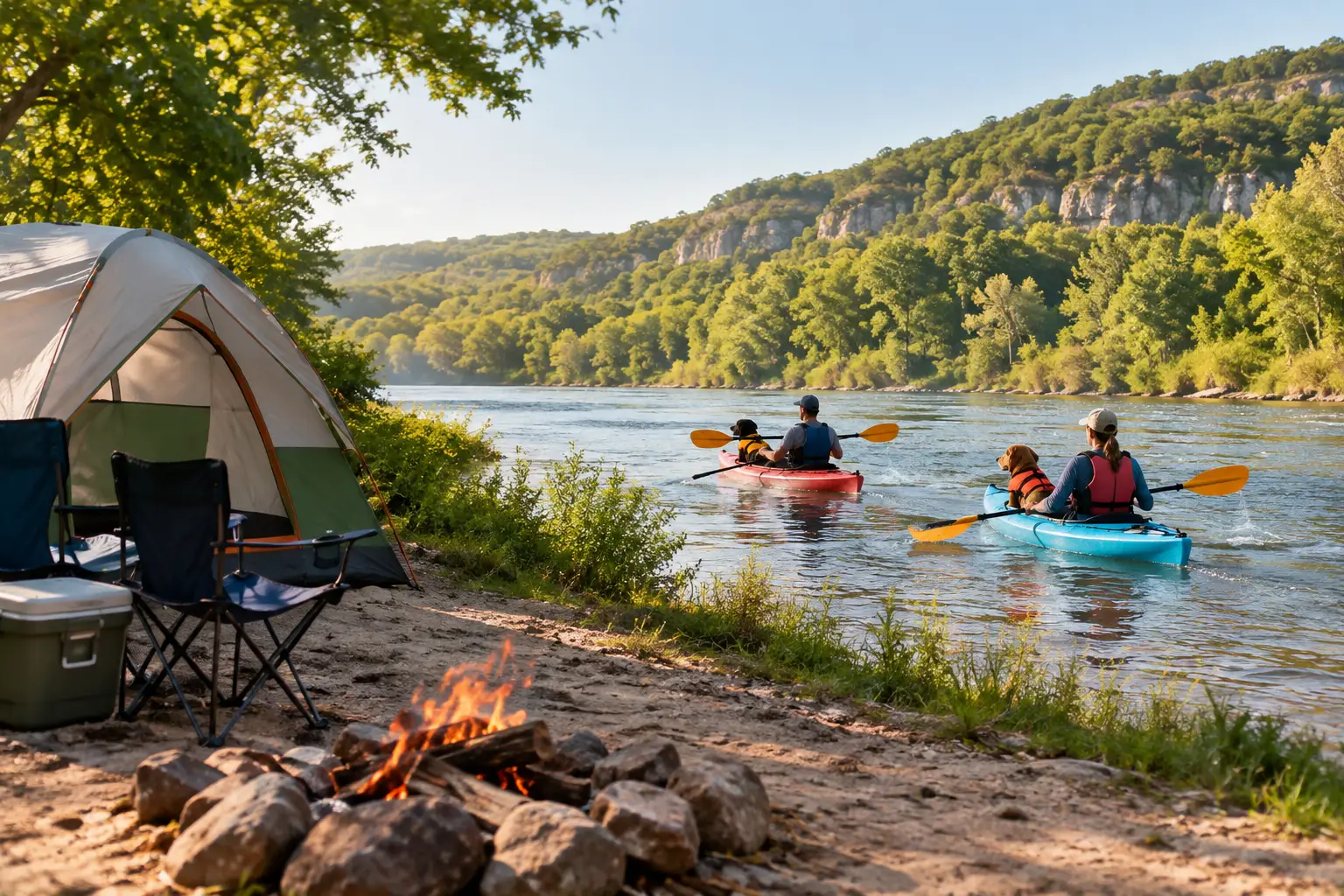
That second option is underrated. Camp nearby, paddle in the morning, explore the area, then head back out later when the light changes. If you are staying in a tent, pop up, tear drop, or glamping-style setup, the whole trip feels less rushed. Wildlife viewing gets better when you are not trying to cram every outdoor activity into one narrow afternoon.
This is also why the area works so well for couples, families, and friend groups. The paddle itself is approachable, but it still feels like a real getaway. You get sandstone bluffs nearby, open river views, and enough nature to make your phone mysteriously less interesting for a while.
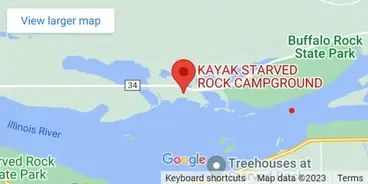
If you want support without the stress, Kayak Starved Rock Campground is a smart fit for exactly this kind of trip – especially for first-timers who want premium gear, clear direction, and easy access to beginner-friendly water near Starved Rock.
A few expectations that make the day better
Wildlife kayaking is not a zoo and not a race. Some days the river feels full of movement. Other days the magic is quieter – one heron, a few turtles, good light on the water, and the weirdly satisfying sound of paddles dripping back into the river.
That does not make the trip less successful. It usually makes it better. When people stop trying to force a big moment, they start noticing dozens of smaller ones.
Show up early if you can. Dress for the weather. Keep your PFD on. Let the river set the pace a little. The Illinois River tends to reward that kind of patience with exactly the kind of wildlife experience people were hoping for when they booked the trip in the first place.