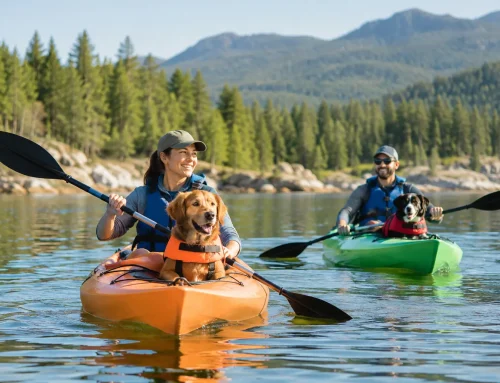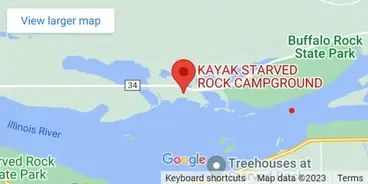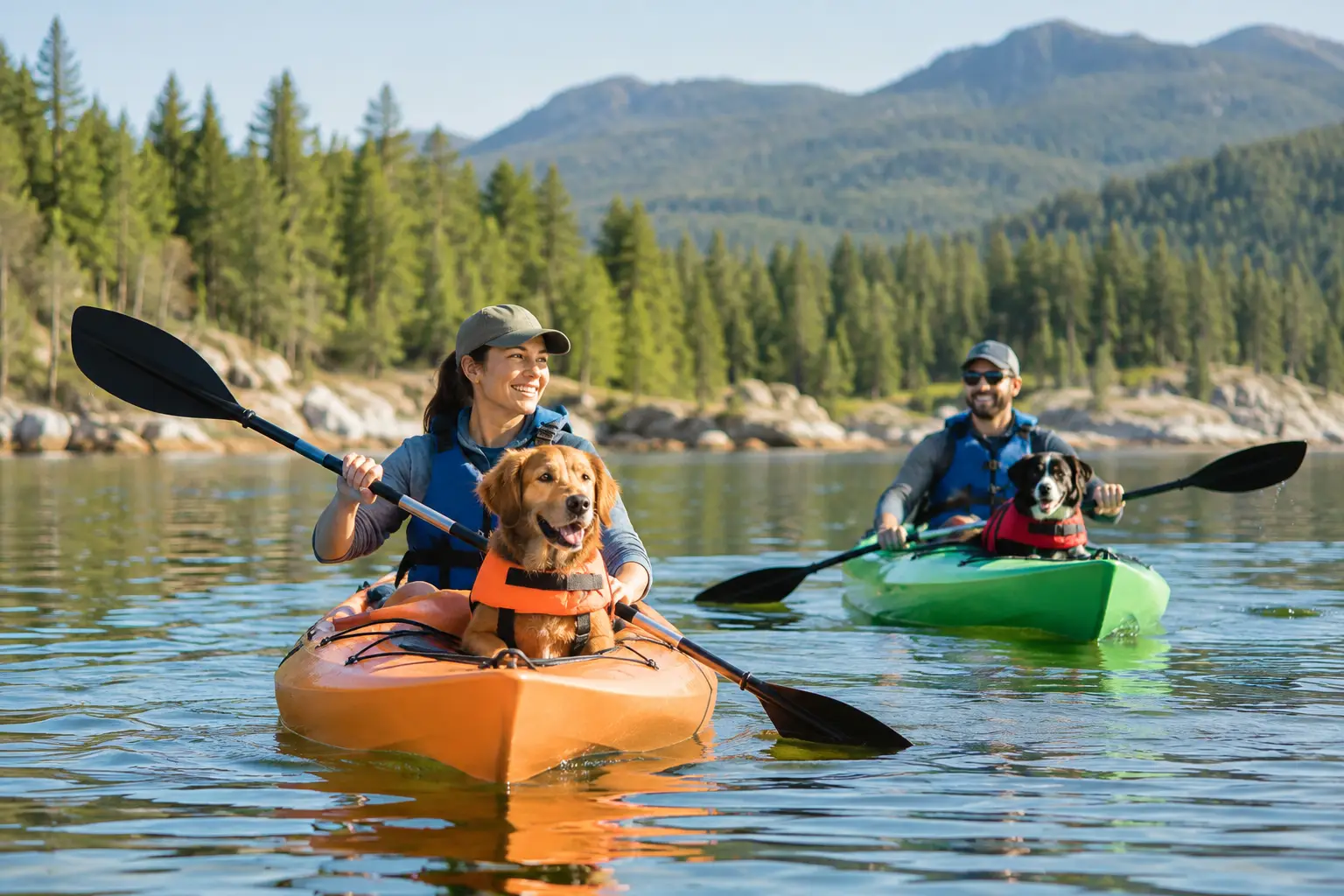
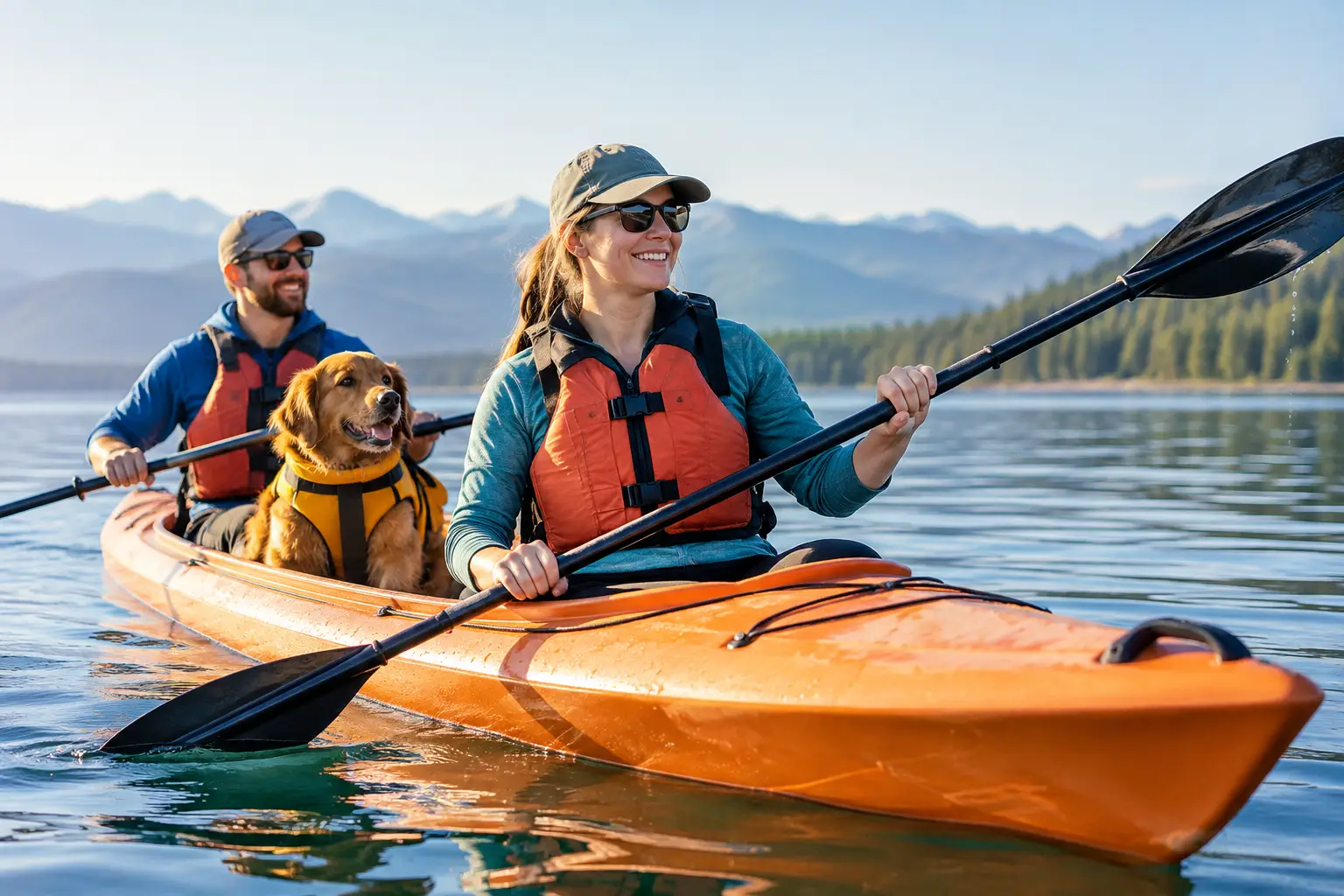
A PFD tossed in the bottom of a kayak is not safety gear. It is extra cargo. Knowing how to secure kayak PFDs means getting every life jacket fitted to the person wearing it before the boat ever touches the water. That takes a few minutes, but it makes a huge difference when you are paddling with kids, bringing a dog, trying kayaking for the first time, or simply hoping to relax and enjoy the views near Starved Rock.
On the calm, dam-controlled Illinois River, the goal is not to make things complicated. It is to make the safe choice the easy choice: wear your PFD, adjust it correctly, and keep it on from launch to landing. Then you can focus on sandstone bluffs, good company, and that rare feeling that Chicago is very far away.
How to Secure Kayak PFDs on Every Paddler
Start with the right size. Adult and youth PFDs are sized by chest measurement and weight range, not by whether the vest looks like it should fit. A PFD that is too large can ride up around the wearer’s ears in the water. One that is too small may not provide the buoyancy it is designed to deliver.
Put the PFD on over the clothes you will paddle in, then buckle and zip it completely. Snug the shoulder straps first, followed by the side straps. Most paddlers make the mistake of pulling every strap as tight as possible right away. Instead, make small, even adjustments until the vest sits firmly against your torso without pinching your ribs or making it hard to take a full breath.
The quick test is simple. Have a friend gently lift the PFD at the shoulder straps. If it slides up toward your chin or ears, tighten the straps and test again. A properly fitted life jacket should stay low on the body. It should feel secure, not restrictive.
For kids, this check matters even more. Children should wear a properly sized youth PFD with a crotch strap if the model includes one. The crotch strap helps prevent the vest from lifting over a child’s head. Never size up because you expect them to grow into it next season. Water safety is not a hand-me-down guessing game.
Keep It On, Even on Flatwater
Flatwater can feel wonderfully low-stress, especially for beginners. That is exactly why people are tempted to unbuckle their PFD once they are comfortable in the kayak. Do not.
A calm river still has unexpected moments: a wobbly boat entry, a dropped paddle, a surprising wake, a child reaching for something in the water, or a dog deciding this is the exact moment for a swim. Wearing the PFD properly means you are ready before any of those things happen.
At Kayak Starved Rock Campground, PFDs are required on the water for a reason. The river is approachable, shallow in many areas, and friendly for first-timers, but a life jacket only works when it is worn and secured. Keep it buckled from the launch area until your kayak is fully back at shore.
Adjust for the Kind of Kayak You Are Using
The best PFD fit is secure, but it also has to work with your seat and paddle stroke. A bulky vest can bunch behind a tall-backed seat, while a PFD designed for paddling often has a higher back panel that sits more comfortably above the seatback.
Sit in the kayak after adjusting the vest. Rotate your upper body as if you are paddling. Reach forward, then lift your arms. If the PFD rubs under your arms, presses into your neck, or catches on the seat, make small adjustments before launching. Do not loosen it enough to slide around. Try repositioning the vest slightly lower on your torso or adjusting individual straps instead.
Tandem kayak crews should check one another before pushing off. It is easier to spot a twisted strap, missed buckle, or vest riding too high when you are standing on shore. This is especially helpful when one paddler is focused on getting everyone organized, snacks packed, kids loaded, and phones tucked into dry storage.
Secure Spare PFDs in the Kayak Without Creating a Problem
Every person in a kayak needs a wearable PFD. If you are carrying an extra life jacket, secure it so it does not blow away, drift out, or interfere with your feet and gear.
The key is to keep spare PFDs accessible without tying them so tightly that they cannot be used. A loose PFD can catch wind or float away if it falls overboard. A PFD buried beneath a cooler, dry bag, and beach towel is not useful when someone needs it quickly.
If your kayak has bungee deck rigging, slide the folded spare PFD beneath the cords and make sure it lies flat. Do not stretch bungees across a PFD in a way that could snag a buckle or make the gear difficult to remove. In a tandem kayak, an extra vest can also be placed in a dry storage area or behind a seat if it stays clear of the paddler’s back and the cockpit.
Avoid clipping a PFD to the outside of the boat with a carabiner alone. It may seem secure at the launch, but a loose strap can trail in the water, snag on shoreline branches, or come free. If you need to transport PFDs between the campground and the launch, put them in a mesh bag, tote, or gear bin rather than hanging them off the kayak.
Do Not Use a PFD as a Seat Cushion or Gear Holder
It is common to see people sit on a life jacket for extra padding. It is also a bad trade. Sitting on a PFD compresses the foam, can damage the buckles and straps, and leaves you without flotation if you unexpectedly end up in the water. Bring a dedicated seat cushion if you want one.
The same goes for using PFD pockets and straps as a catch-all for water bottles, sandals, phones, or a heavy camera. A whistle and a small safety item are reasonable additions if the vest is designed with attachment points. Heavy or dangling gear is not. It can pull the PFD out of position and create something else to catch on the kayak.
Keep your phone in a waterproof case secured to your person or stored in a dry bag. Keep snacks, sunscreen, and extra layers in the boat. Your PFD has one main job, and it does that job best when it stays unobstructed.
Check PFDs Before a Camping Weekend
A waterfront camping trip near Starved Rock can involve kayaking one day, hanging around the campsite the next, and maybe repeating the whole thing because the weather is too good to leave. Before the trip, give each PFD a quick inspection.
Look for cracked buckles, frayed straps, torn fabric, mildew, compressed foam, or sun-faded material that feels brittle. Buckle and unbuckle every closure. If the vest has foam panels that are hard, misshapen, or permanently flattened, replace it. PFDs work hard, especially when they are regularly packed into cars, tossed in tents, and left in hot garages.
After paddling, rinse muddy or sandy PFDs with fresh water and let them air dry in the shade. Do not leave them baking on a dock, packed damp in a plastic bag, or hanging near direct heat. Once dry, store them in a cool, ventilated spot where mice, moisture, and heavy gear cannot crush them.
Paddling With Dogs
Dog-friendly kayaking is more fun when the people and pups both have the right flotation. Your dog should wear a well-fitting canine life jacket with a sturdy top handle. That handle is useful for helping a dog into the kayak, but do not rely on it as a way to haul a squirming dog long distances.
For human paddlers, a dog in the boat is one more reason to keep your own PFD snug. Dogs can shift their weight quickly, leap at birds, or decide that the water looks refreshing. Stay seated, keep your paddle controlled, and give your dog a stable spot in the kayak. A calm pup and a secured life jacket make for a much happier ride.
Make the PFD Check Part of the Fun
Before launch, take thirty seconds for a group check: zipped, buckled, adjusted, comfortable. Parents can turn it into a quick game for younger kids. Friends can check each other’s shoulder straps. Couples can make it part of the pre-paddle photo routine, because every on-water photo should show paddlers wearing their PFDs.
The best kayaking days feel easy because the basics are already handled. Secure the life jacket, get comfortable in the boat, and let the Illinois River do the rest. Your campsite, your crew, and those Starved Rock views will still be there – only now you can enjoy them with a little more confidence.