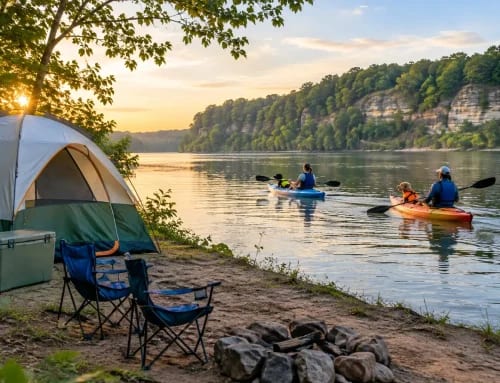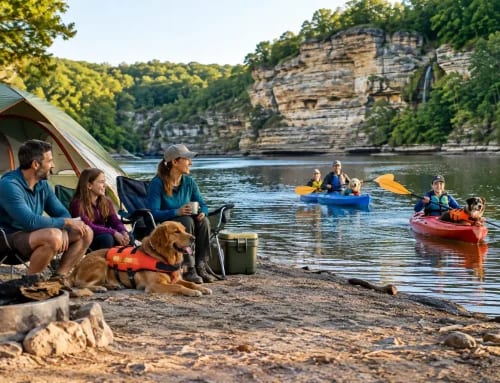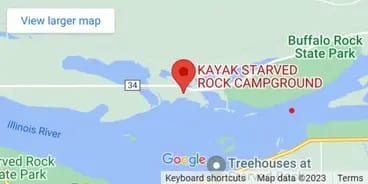

Friday at 5 p.m. can feel like a race against traffic, dinner, laundry, and the familiar question: “What are we doing this weekend?” Here is a family camping weekend example that trades all that noise for river views, campfire snacks, and an easy paddle near Starved Rock. It is close enough for a Chicago-area getaway, but it feels wonderfully removed from the usual routine.
The best part is that this kind of trip does not require a garage full of outdoor gear or a family meeting about wilderness survival. A waterfront campground, a ready-to-go campsite, and beginner-friendly kayaking turn one weekend into a real reset. Kids get room to roam, parents get a break from planning every second, and even the dog can join the adventure.
A Family Camping Weekend Example, Friday Through Sunday
This itinerary is built for families who want camping near Chicago without spending half the weekend driving or setting up complicated gear. Adjust the timing for your crew, the season, and your children’s ages. The goal is not to cram in every possible activity. The goal is to leave with everyone pleasantly tired, a little sun-kissed, and already talking about coming back.
Friday: Arrive, Settle In, and Let the Weekend Start
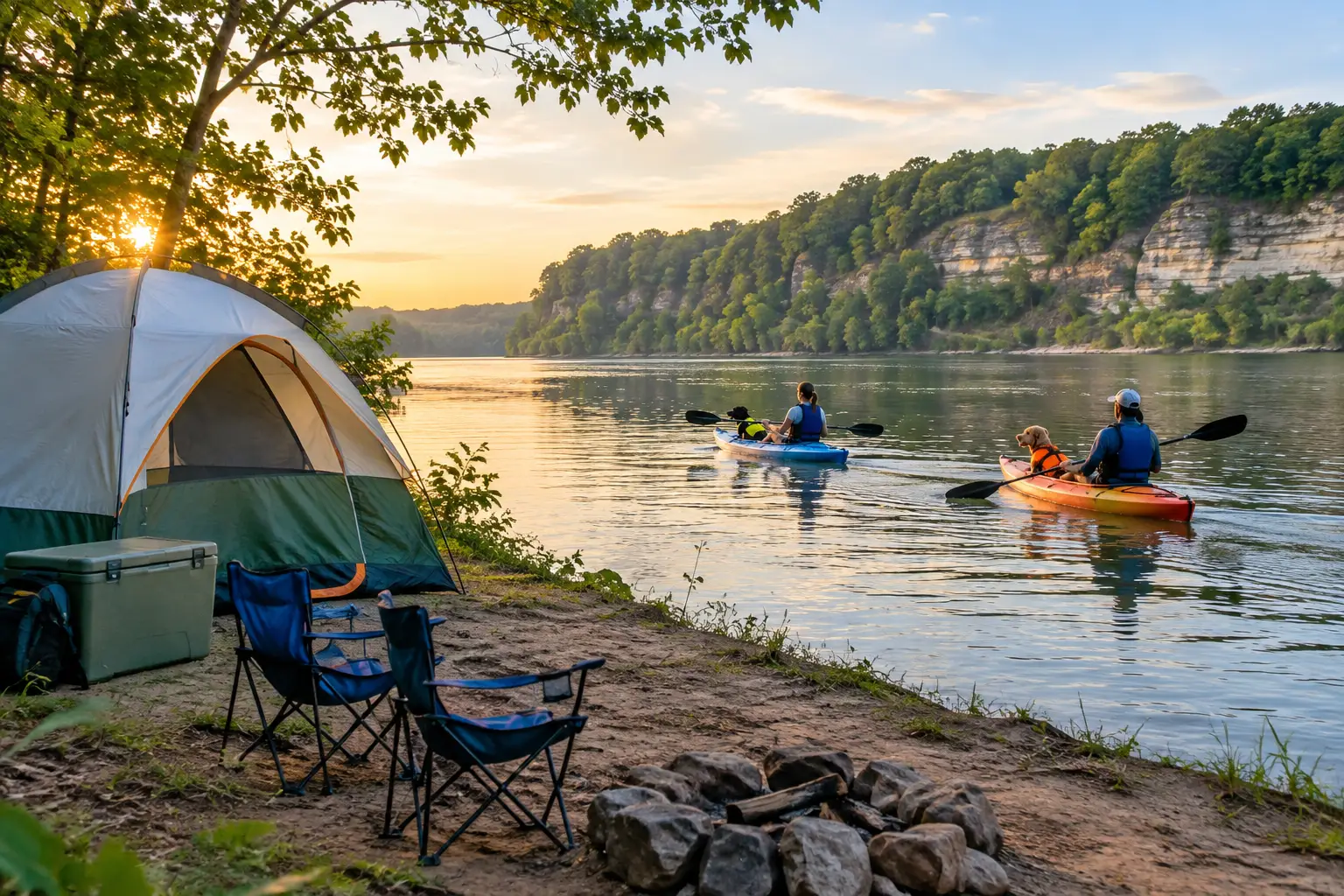
Aim to arrive in the late afternoon or early evening. That gives you time to check in, see the campground in daylight, and get your sleeping setup sorted before the fireflies take over. If you are bringing your own tent, this is your moment to claim your family’s temporary backyard. If you prefer a lighter packing list, choose a tent rental or a pop-up camping option so you can skip the wrestling match with poles and rain flies.
A tear drop camper can be a smart pick for families who want a little more comfort while still sleeping close to the outdoors. It depends on your group size and how you like to camp. A tent is classic and spacious; a pop-up setup is quick and simple; a tear drop gives you a cozy, compact base camp. None of them are wrong. The right choice is the one that gets your family outside with the least amount of stress.
Keep Friday dinner easy. Bring sandwiches, grab something on the way, or cook one familiar campsite meal. This is not the night to debut a five-step Dutch oven recipe while everyone is hungry. After dinner, take a short walk along the waterfront, point out the first stars, and make room for the main event: s’mores. A weekend’s success rate rises dramatically when marshmallows are involved.
Before bed, lay out tomorrow’s clothes, water bottles, sunscreen, and dry bags. It takes five minutes and makes the morning feel much more like vacation.
Saturday Morning: Slow Coffee, Big River Views
Camping mornings have their own schedule. Kids may wake early because a bird has announced itself at full volume outside the tent. That is okay. Make coffee, heat up breakfast, and let the day begin without a rush.
For a full Starved Rock-area weekend, Saturday is a great time to pair your Illinois River camping trip with a nearby hike. Starved Rock State Park is known for sandstone bluffs, canyon trails, and overlooks that make even a short hike feel like an occasion. Choose a route that matches the smallest legs in your group. A scenic walk with time to notice leaves, bugs, and rock formations often works better than a long, forced march to a viewpoint.
Bring water, snacks, and shoes with decent traction. Trail conditions can change with weather, and some routes are more demanding than others. If you have a toddler, a stroller may not be the best fit for many natural-surface trails. A carrier or a shorter, flatter walk can save everyone from a mid-hike meltdown.
Head back to camp for lunch and a little downtime. This is the secret ingredient of a good family trip. Let younger kids nap, let older kids read or play cards, and let adults sit still for ten minutes without calling it “doing nothing.” You earned it.
Saturday Afternoon: A Kayak Adventure Everyone Can Enjoy
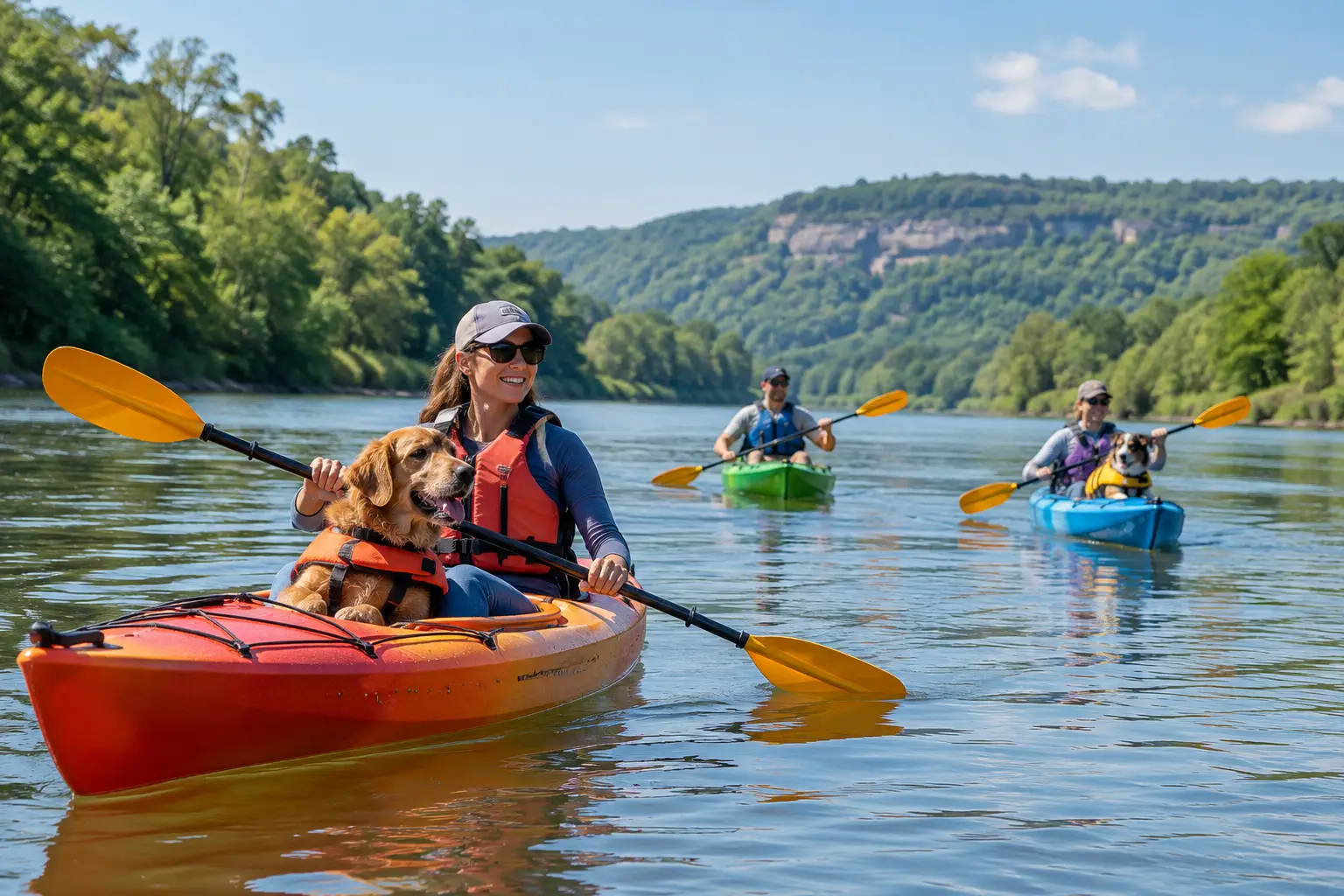
The afternoon is where the trip turns from nice camping weekend to family story material. Kayaking on the Illinois River gives your crew a new angle on the landscape, with open water, shoreline scenery, and the satisfying feeling of getting somewhere under your own power.
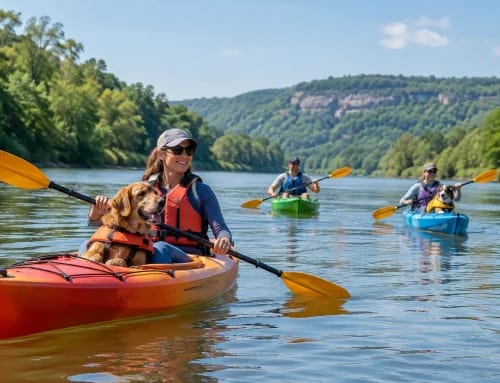
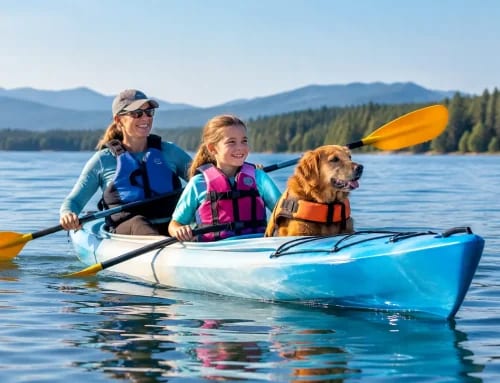
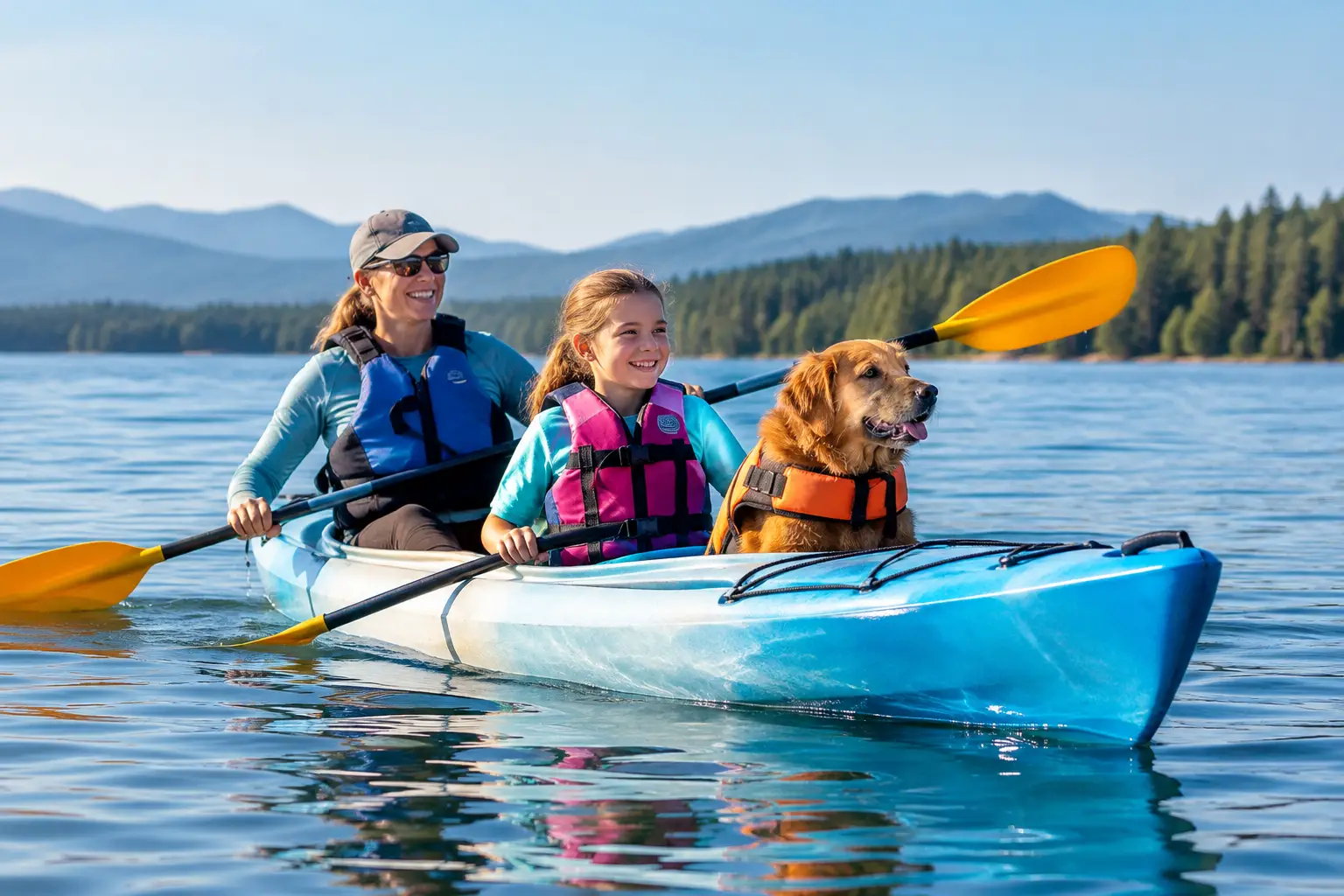
First-time paddlers do not need to pretend they know what they are doing. A good kayak experience begins with clear instruction, properly fitted equipment, and a route suited to the group. At Kayak Starved Rock Campground, paddlers receive safety direction before heading out, and personal flotation devices are required for everyone on the water. Kids and adults alike should wear their PFDs properly from launch to return. Life jackets are not the photo-op accessory you take off once the camera is away. They are part of the fun plan.
The local dam-controlled environment helps create accessible flatwater conditions, with no current to fight and shallow areas that feel less intimidating for many beginners. Conditions still matter, of course. Wind, weather, water temperature, and each child’s comfort level should shape your plan. A guided tour is often the best fit for a first family paddle because a guide handles the on-water leadership while you focus on paddling, looking around, and hearing your child say, “I’m doing it!” approximately 47 times.
For younger children, a tandem kayak with an adult can be the more relaxed option. Confident older kids may enjoy their own boat when age, size, and conditions allow. Ask questions before booking and be honest about your group’s experience. There is no prize for choosing the most ambitious plan. The win is a safe, happy paddle that leaves everyone excited for the next one.
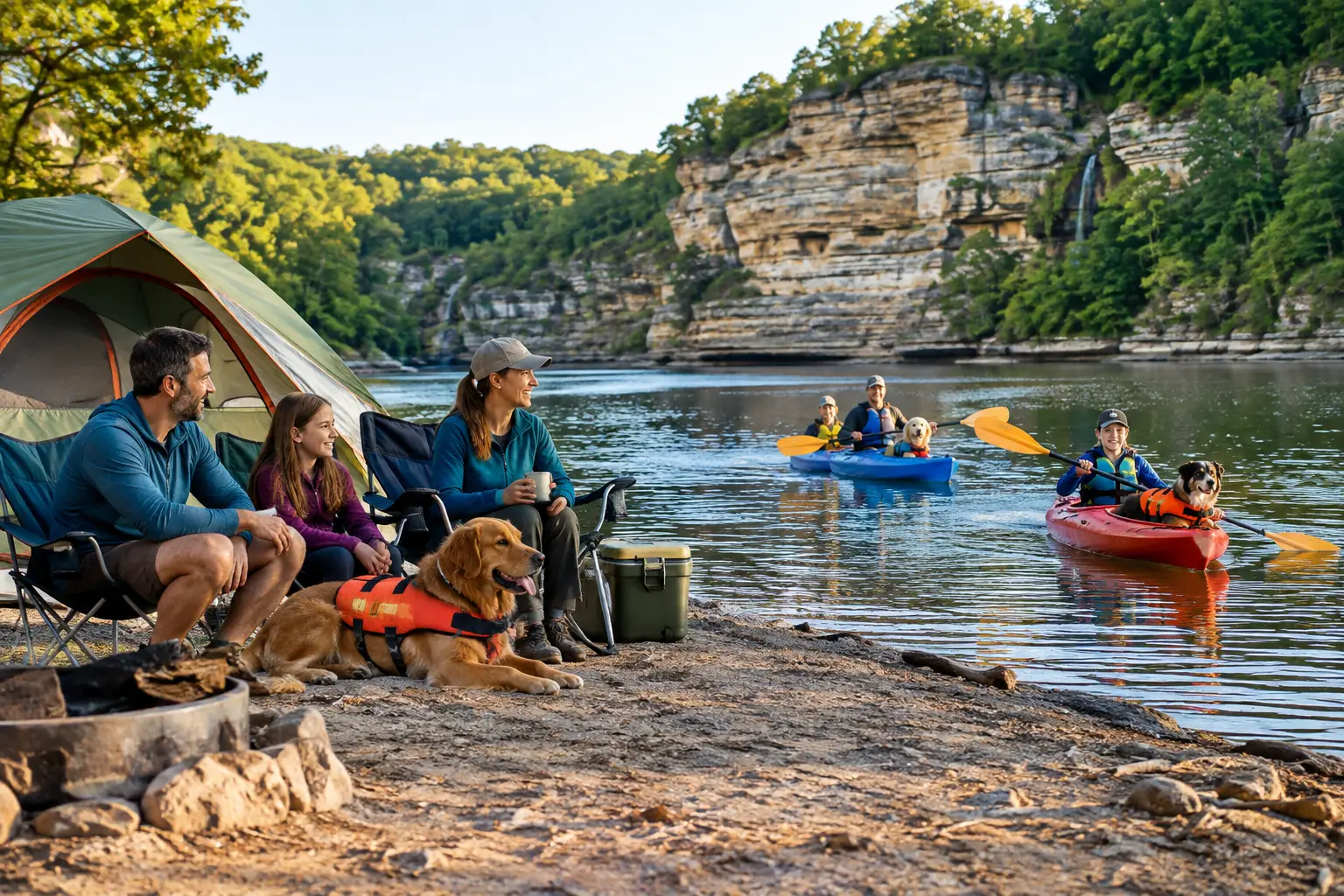
Dog-friendly camping and kayaking can also make the trip feel complete for families who hate leaving a four-legged family member behind. Confirm current pet guidelines before arrival, bring a leash, water bowl, waste bags, and a dog PFD for time on the water. Not every dog loves kayaking, and that is perfectly fine. Some are born paddlers; others would rather supervise camp from a shady spot.
Saturday Night: Campfire Food and Zero Pressure
After paddling, there is no need to overproduce the evening. Make a simple dinner at camp, tell everyone to change into dry clothes, and let the river day settle in. Campfire tacos, foil-packet meals, grilled hot dogs, or a big pot of chili all work because the setting does much of the heavy lifting.
This is also a good night for the low-tech stuff: cards, glow sticks, a flashlight scavenger hunt, or stories around the fire. Keep devices tucked away when possible. You do not need to ban screens with a dramatic speech. Just give everybody something better to look at.
Quiet hours and campground rules are part of being good neighbors, especially when families, couples, and other campers are sharing the same waterfront escape. A little consideration keeps the campground peaceful and makes the outdoor experience better for everyone.
Sunday: One Last Look Before Heading Home
Sunday morning can be as simple as breakfast, packing up, and taking one final riverside walk. If your family still has energy, fit in a short local stop or another easy nature stroll. If everyone is ready for home, that is fine too. A successful camping trip does not need a dramatic finale.
Pack wet gear separately, check your campsite for snack wrappers and tiny socks, and make sure the dog has had water before the drive. Leaving a site clean is one of the easiest ways to show respect for a place your family may want to visit again.
For families trying camping for the first time, this weekend format works because it balances structure with breathing room. You have a place to sleep, a clear activity, beautiful scenery, and plenty of flexibility if the kids need a slower day. Book your camping and kayak plans early for popular weekends, watch the weather, and remember that the best memory may be the one you did not schedule: a bald eagle overhead, a perfectly toasted marshmallow, or your child falling asleep before the car reaches the highway.