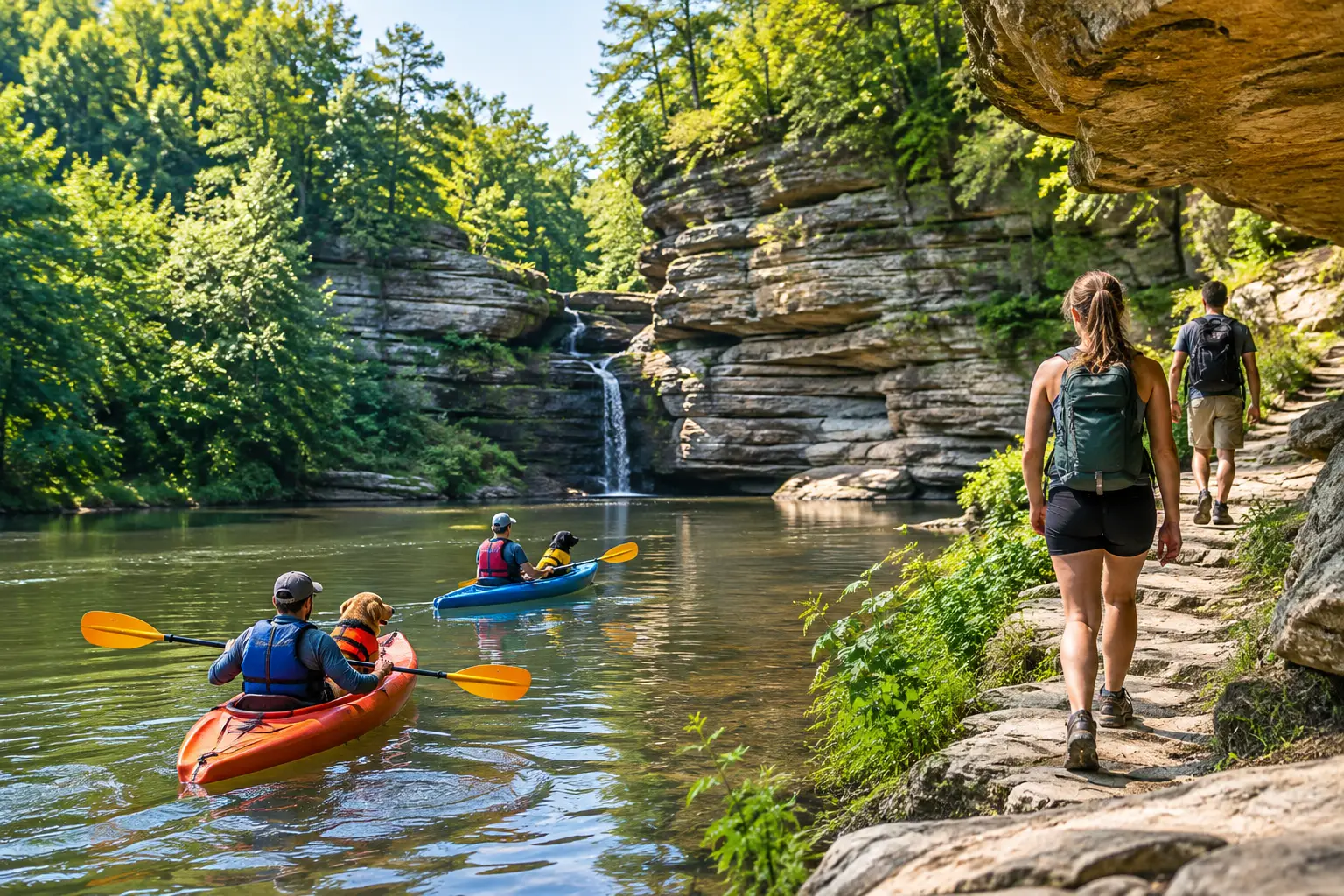

Your dog knows the difference between a quick walk around the block and a real adventure. The second the cooler comes out and the camp chairs hit the driveway, they are already emotionally packed. That is why dog friendly camping can be such a win for a weekend near Starved Rock – you get the fresh air, the reset, and the joy of bringing the family member who is always the most excited to go.
The trick is choosing a camping trip that actually feels relaxing once your dog is part of the plan. Not every outdoor getaway is built for that. Some places make you feel like your dog is technically allowed but not exactly welcome. A better setup is one where the pace is easy, the environment is manageable, and you are not juggling a complicated itinerary before you have even unzipped the tent.
For Chicago-area campers, that matters. Most people are not looking for a six-hour road trip, a backcountry sufferfest, or a weekend that turns into a logistics puzzle. They want a simple escape with water, trees, room to breathe, and enough structure that first-timers, kids, and dogs can all have a good time.
What makes dog friendly camping actually work
The best dog friendly camping is not just about pet rules. It is about the full experience. You want a campsite where your dog can settle in, where walks are easy, and where the day has enough built-in fun that everyone is happy without constant car rides and repacking.
Waterfront camping has a big advantage here. Dogs usually love the sights and smells of a river setting, and people do too. There is something about waking up near the water, making coffee outside, and letting your dog sniff around while the campground comes to life that feels like an instant mood reset. It is active without being hectic.
That said, dog friendly does not mean dog chaotic. A good camping setup still depends on boundaries. Some dogs are happy to lounge under a picnic table all afternoon. Others need more movement, more structure, and a closer eye on every squirrel-related decision they make. Knowing which dog you have helps you plan a better trip from the start.
Dog friendly camping near Starved Rock
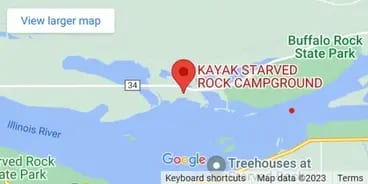
Camping near Starved Rock has obvious appeal – scenic bluffs, river views, and a quick drive from Chicago that makes a one-night or two-night trip feel worth it. Add a dog to the mix, and convenience becomes even more important. The less time you spend in traffic or figuring out where to go next, the more energy you have for the parts your dog will actually care about, like exploring new smells and being wherever you are.
This area works especially well for people who want nature without a steep learning curve. If you are new to camping, or trying it for the first time with a dog, you do not need your opening weekend to feel like a survival test. You need a destination that feels approachable. That can mean a tent site for traditional campers, a pop-up for a little more ease, or a teardrop setup if you want camping to feel a bit more comfortable and less like you are starring in a gear commercial.
There is also a real difference between a campground that is just a place to sleep and one that gives you something to do during the day. When you are near the Illinois River, the trip can be bigger than the campsite without becoming more complicated.
Pairing dog friendly camping with kayaking
This is where the weekend gets really fun. For a lot of people, the sweet spot is combining dog friendly camping with an easy paddle. You camp by the water, wake up slow, then spend part of the day on the river before heading back to your site. It feels like a full getaway without requiring serious outdoor credentials.
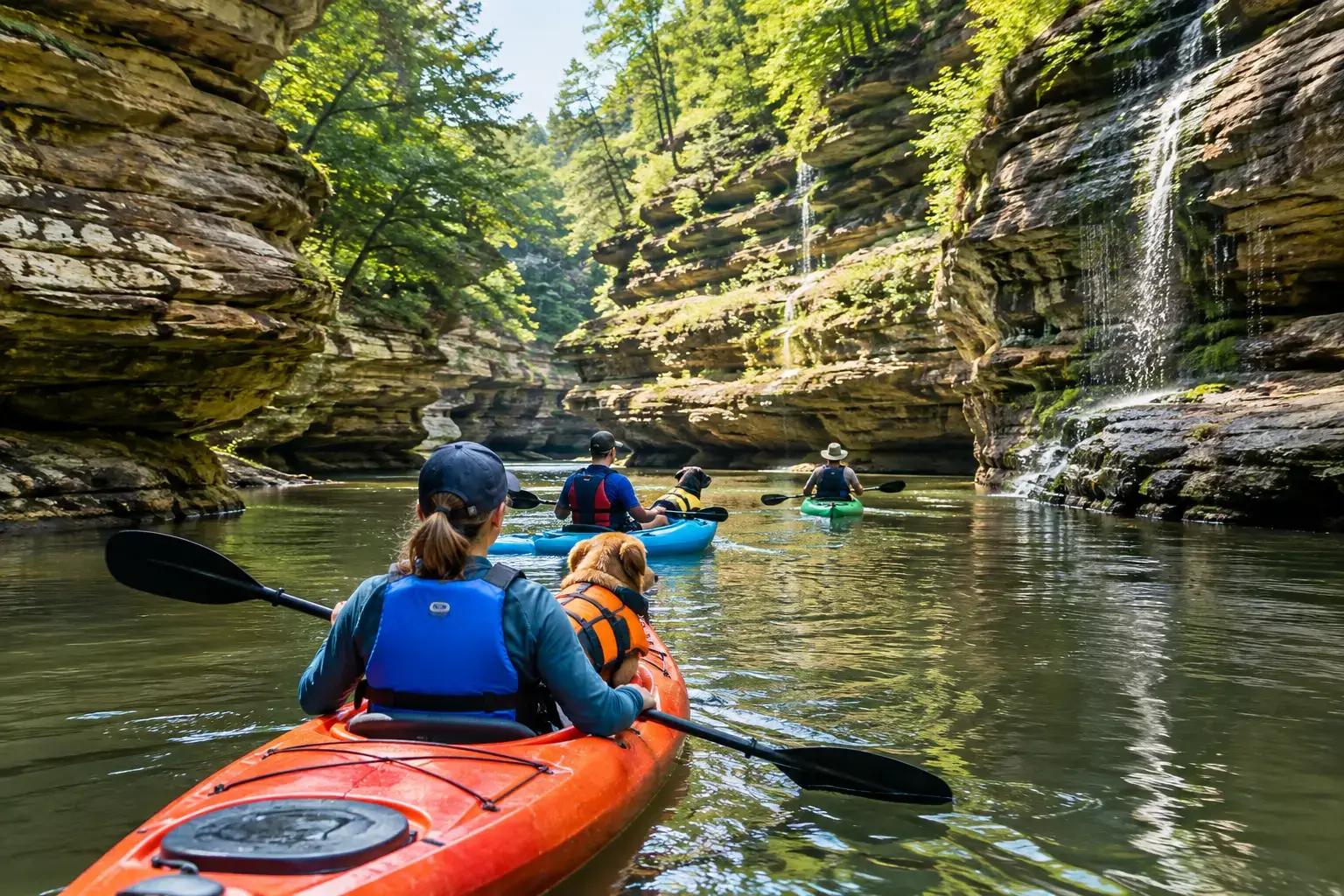
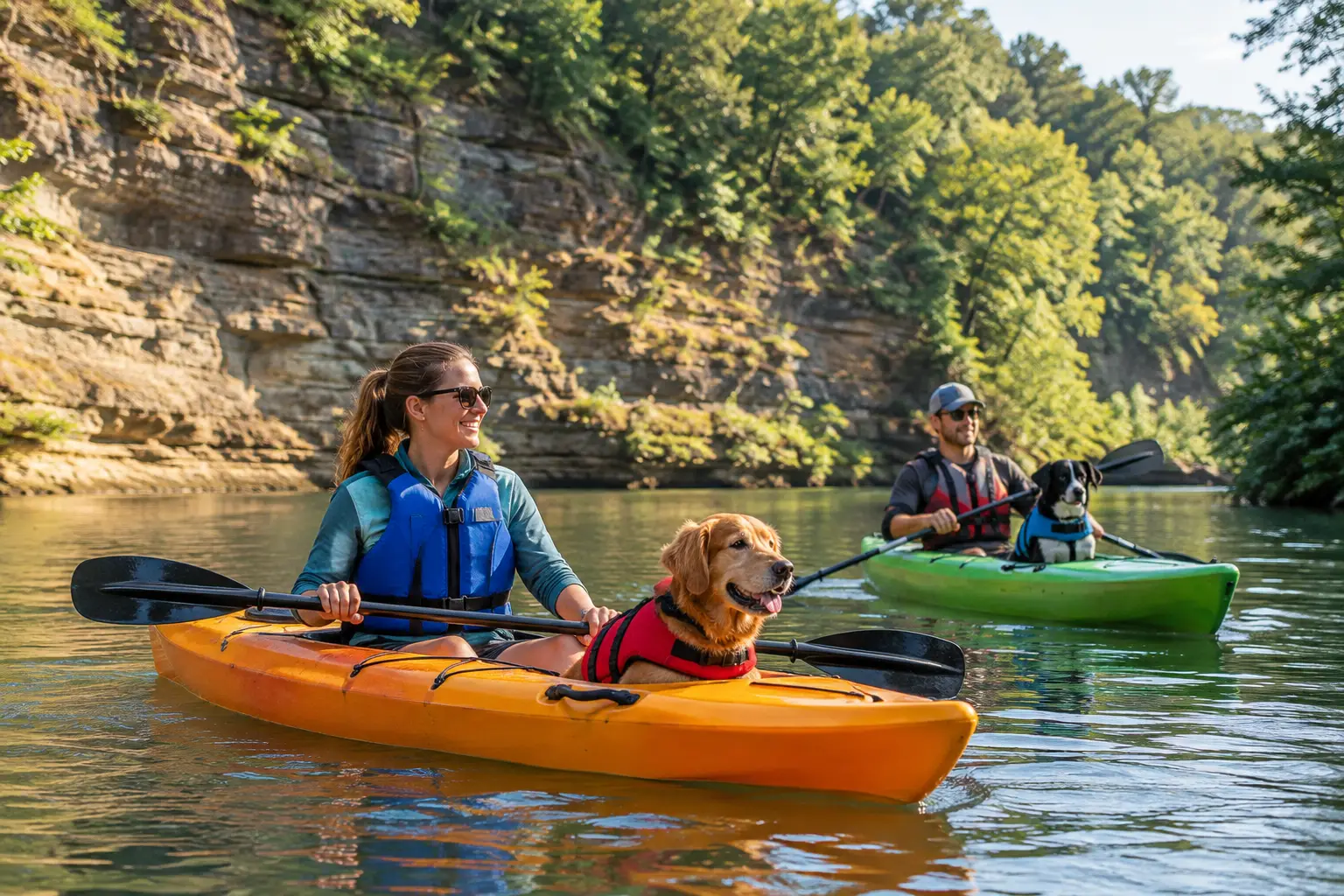
Of course, kayaking with dogs is a very specific kind of optimism. Some dogs are natural boat dogs. They sit up front, sniff the breeze, and act like they have done this for years. Others hear one paddle splash and decide this was a terrible family decision. It depends on your dog, their comfort around water, and how calm they can stay in a small space.
If your dog is new to kayaking, shorter is smarter. Controlled, beginner-friendly water matters too. A flatwater environment is a lot more forgiving than a route with current, tricky landings, or conditions that leave you stressed before you even push off. For first-timers, that confidence piece is huge. When the humans feel relaxed, the dog usually follows.
And yes, safety still runs the show. People need PFDs on the water, full stop. Dogs should have a properly fitted life jacket too, especially if they are joining a paddle instead of hanging back at camp. The goal is fun, not freestyle problem solving halfway across the river.
Picking the right camping style for your dog
Not every dog camps the same way, and not every human wants the same level of roughing it. That is good news, because the right setup can make the difference between a great trip and one where nobody sleeps.
Tent camping is often the most immersive option. You hear the river, feel the night air, and keep things simple. For calm dogs who settle well, a tent can be perfect. The trade-off is that every sound is everybody’s business. If your dog alerts the whole campsite every time a zipper moves, a tent may feel a little less peaceful by 2 a.m.
Pop-up camping lands in a nice middle ground. You still get the camping feel, but with more structure and comfort. For families or couples bringing a dog with a lot of gear – crate, bed, extra towels, backup leash, favorite toy they somehow cannot live without – the added space helps.
Teardrop camping is great for people who want the outdoor experience without turning setup into a group project. It can feel especially appealing on quick weekend trips from Chicago, where the goal is to arrive, relax, and get outside fast. For dogs that do best with a defined sleeping space and a predictable routine, that extra coziness can really help.
What to pack without overpacking
Most dog camping stress starts at home, usually while someone is asking whether the dog really needs three blankets. Probably not. But a little planning saves headaches later.
Bring the basics your dog actually uses every day – food, water, bowls, leash, waste bags, medications, and a place to sleep. Add a towel because river dogs become muddy dogs with impressive speed. If your dog is crate trained and relaxes better in one, that can be worth the car space.
The smart extras are the ones that protect the vibe. A long lead can make downtime easier at camp. A familiar bed helps nervous dogs settle. High-value treats are useful when you need your dog to choose you over every thrilling campground distraction. You do not need to pack like you are crossing a continent. You just need enough to keep your dog comfortable, clean, and easy to manage.
The campground etiquette that keeps it fun
Everybody loves dog friendly camping until somebody else’s dog is doing a full opera during quiet hours. Good campground manners are what make pet-friendly places enjoyable for everyone.
Keep your dog leashed unless you are in a clearly designated space that allows otherwise. Pick up after them right away. If your dog gets overstimulated by bikes, kids, other dogs, or new noises, do not assume they will magically settle because the setting is pretty. Step in early, redirect, and give them a break when they need one.
This is also where honesty matters. If your dog hates crowds, a packed holiday weekend may not be the best test case. A quieter weekday or shoulder-season stay might be a much better fit. There is no prize for forcing your dog into the busiest possible version of the trip.
Why this kind of trip is worth repeating
The best part about a dog friendly camping weekend is how easy it is to make it your thing. It does not need to be elaborate. One night by the water, one paddle, one long walk, and one camp chair with your dog curled up nearby can feel like a full reset.
For people near Chicago, that kind of escape matters because it is close enough to do without weeks of planning. You can leave the city, trade traffic noise for river sounds, and get back home feeling like you actually went somewhere. That is a pretty great return on a short drive.
If you choose a spot near the Illinois River with beginner-friendly recreation, a welcoming camping setup, and enough structure to keep the weekend low-stress, bringing your dog stops feeling like extra work and starts feeling like the obvious move. Kayak Starved Rock Campground fits that style well for campers who want waterfront camping, easy access to paddling, and a near-Chicago weekend that keeps the fun high and the hassle low.
Your dog will not care whether your gear is fancy or your camp dinner is impressive. They will care that you brought them, that the air smells different, and that for one whole weekend, everybody stayed outside a little longer.
Frequently Asked Questions
What makes dog friendly camping actually work near Starved Rock?
Is kayaking with a dog a good idea for first-timers?
What camping style is best if my dog gets anxious at night?
What should I pack for dog friendly camping without bringing too much stuff?
What do people get wrong about bringing dogs to campgrounds?
Last reviewed: 11/12/2026
Key Takeaways
- Kayak Starved Rock Campground fits near-Chicago weekend trips with waterfront camping, easy access to paddling, and a low-hassle setup near the Illinois River.
- Waterfront camping near Starved Rock gives dogs river sights and smells, plus easy walks and a calmer pace than a complicated itinerary.
- Tent camping, pop-up camping, and teardrop camping each match different dog needs, from calm sleepers to dogs that do better with more structure and comfort.
- Kayaking with dogs works best on short, beginner-friendly flatwater routes, and both people and dogs need PFDs or a properly fitted life jacket.
- Campground etiquette keeps dog friendly camping enjoyable by keeping dogs leashed, picking up after them right away, and choosing quieter weekdays or shoulder-season stays for dogs that hate crowds.
About the Author
Equal parts adventure seeker and fresh-air enthusiast, I’m happiest when there’s a paddle in my hands, a campfire nearby, and absolutely no cell service. Whether kayaking across a peaceful lake, pitching a tent under the stars, or exploring somewhere new, I’m always up for a little adventure. I believe the best stories come with muddy boots, unforgettable views, and maybe a few questionable decisions involving a campfire meal. Life’s too short to stay indoors!