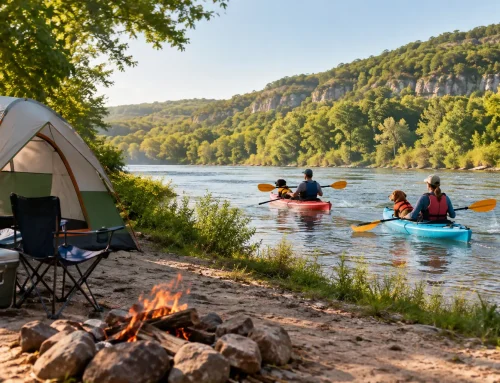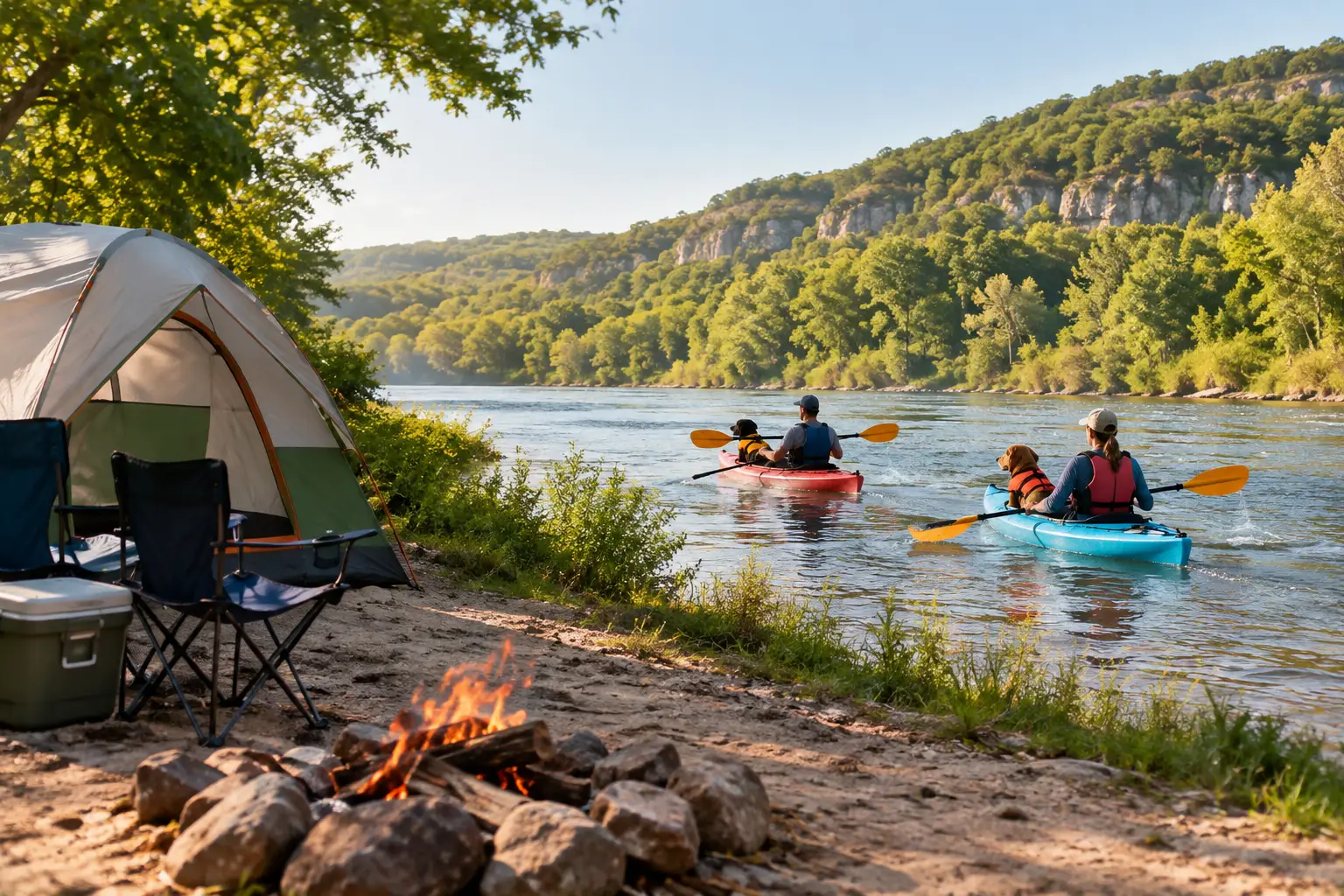
A great campground weekend should feel easy: coffee by the river, kids looking for the next adventure, your dog snoozing outside the tent, and a kayak waiting for tomorrow’s paddle. This campground rules guide helps make that happen. Rules are not there to flatten the fun. They protect the peaceful parts of camping that everyone came for, especially at a busy waterfront campground near Starved Rock.
Start With the Rules for Your Specific Campsite
Every campground has its own setup, and details matter. Before packing the car, review the property’s check-in window, parking instructions, campsite occupancy limits, quiet hours, pet policy, fire rules, and checkout time. A primitive tent site, a pop-up camper site, and a teardrop camping setup may have different space, power, and vehicle requirements.
This is also where a little planning beats a long debate in the parking lot. Know how many tents or vehicles are allowed, whether visitors are permitted, and what gear is included if you reserved a tent rental or glamping-style package. If you are camping near Starved Rock State Park, reserve early for popular warm-weather weekends and arrive with enough daylight to set up safely.
The best campers are not rule lawyers. They are good neighbors who read the details, ask questions before arrival, and leave room for everyone else to enjoy the same view.
Quiet Hours Mean Better Mornings
Sound carries across water and through a campground after dark. That includes music, laughing, generators, barking dogs, and the classic late-night attempt to inflate an air mattress. Most campgrounds set quiet hours so families can get children to sleep, early hikers can rest, and fellow campers can hear the river instead of someone else’s playlist.
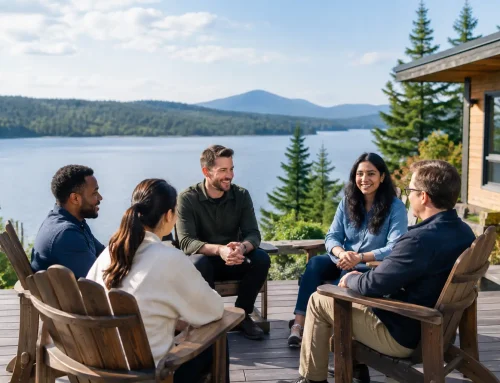
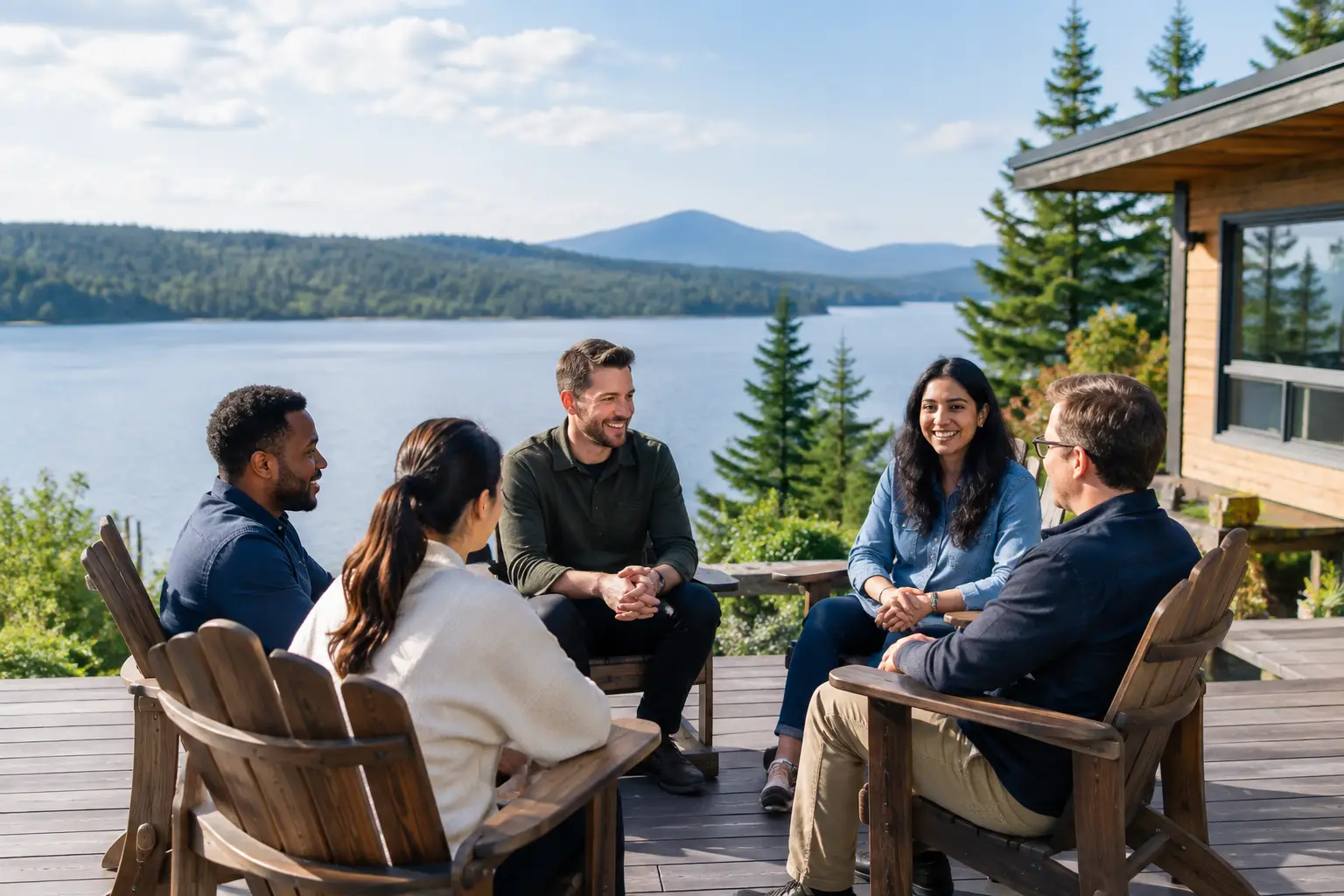
Keep your site conversation-level after quiet hours, lower music before anyone has to ask, and use headphones for movies or games. If your group is planning a bigger social weekend, give everyone a heads-up that campfire stories are welcome but shouting across sites is not.
Morning manners count, too. You do not need to whisper while making breakfast, but slamming car doors at sunrise is a fast way to become the campsite everybody remembers for the wrong reason.
Campfire Rules Protect More Than the Vibe
A fire ring is for fires. It is not a trash can, a place to burn cans, or a shortcut for getting rid of food scraps. Only use designated fire rings and only burn permitted firewood. Local restrictions can change with dry conditions, so check for burn bans or fire advisories before you strike a match.
Keep the fire manageable, never leave it unattended, and make sure it is fully out before going to bed or leaving the site. Ashes should be cool to the touch, not merely free of visible flames. Waterfront camping can feel humid, but that does not eliminate fire risk in dry grass, leaves, or nearby woods.
Food deserves the same attention. Store it securely, clean up crumbs, and do not leave coolers or trash open overnight. A tidy campsite is safer for wildlife, easier for staff to maintain, and much nicer for the next group.
Leave the Illinois River Better Than You Found It
Illinois River camping is special because the water is part of the experience, not just scenery from a distance. That makes every wrapper, bottle cap, fishing line, and loose piece of plastic more consequential. Wind can move trash quickly, and wildlife does not need our snack leftovers.
Pack out what you bring in. Use designated trash and recycling areas, and never toss waste into a fire ring, the woods, or the river. If you see a stray piece of litter on the way back from the restroom, grabbing it is a small move with a big payoff.
Respect natural spaces beyond your campsite, too. Stay on established paths, avoid disturbing plants and nesting areas, and do not move rocks, branches, or shoreline habitat for a better photo. The sandstone bluffs, river edges, and wooded scenery around Starved Rock are the reason people drive out from Chicago in the first place. Keep them looking like a getaway, not a post-party cleanup.
Water Rules Are Non-Negotiable
A calm-looking river can still deserve serious respect. Flatwater conditions make kayaking approachable for beginners, but a waterfront campground is not a free-for-all swimming pool. Follow the designated launch areas, pay attention to posted conditions, and keep children within active adult supervision near the shoreline.
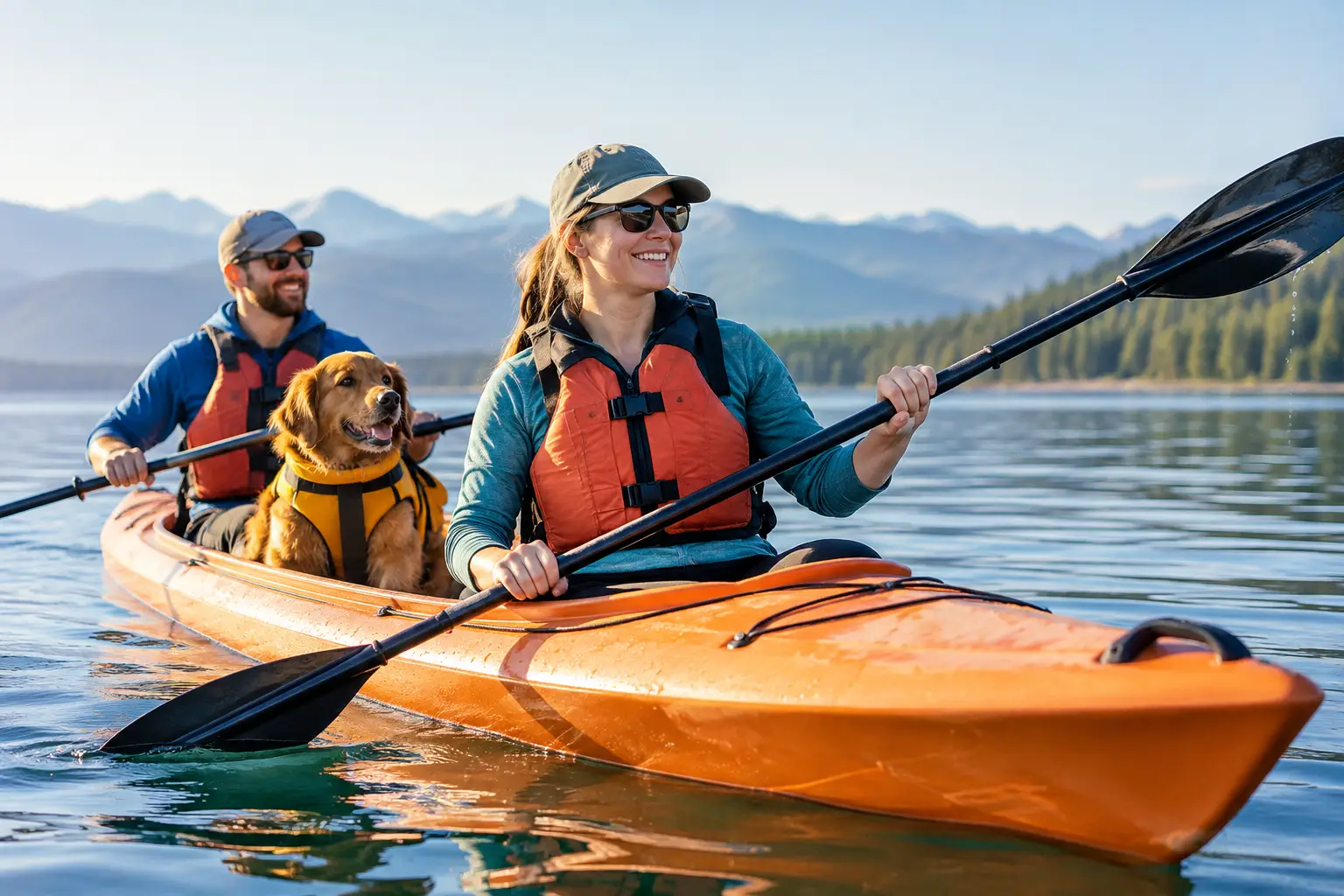
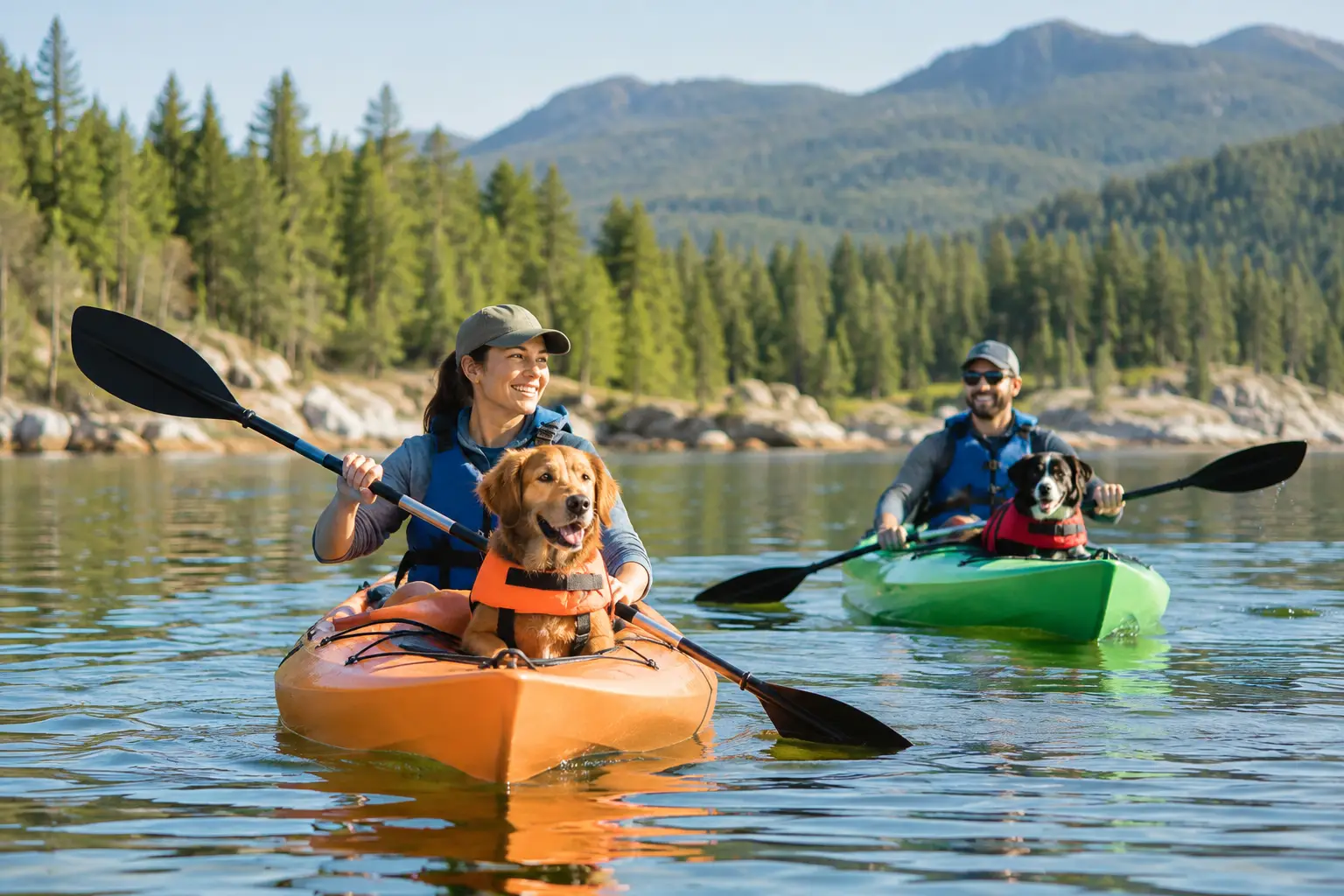
For kayaking, a properly fitted life jacket or PFD is required. Wear it, do not just strap it to the back of the boat. This applies to confident adults, first-time paddlers, and kids alike. A PFD is the least glamorous piece of paddle gear and the one that matters most.
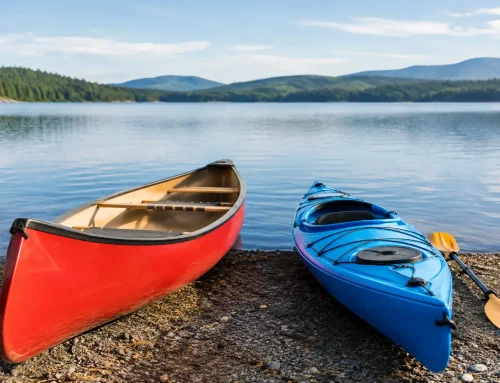
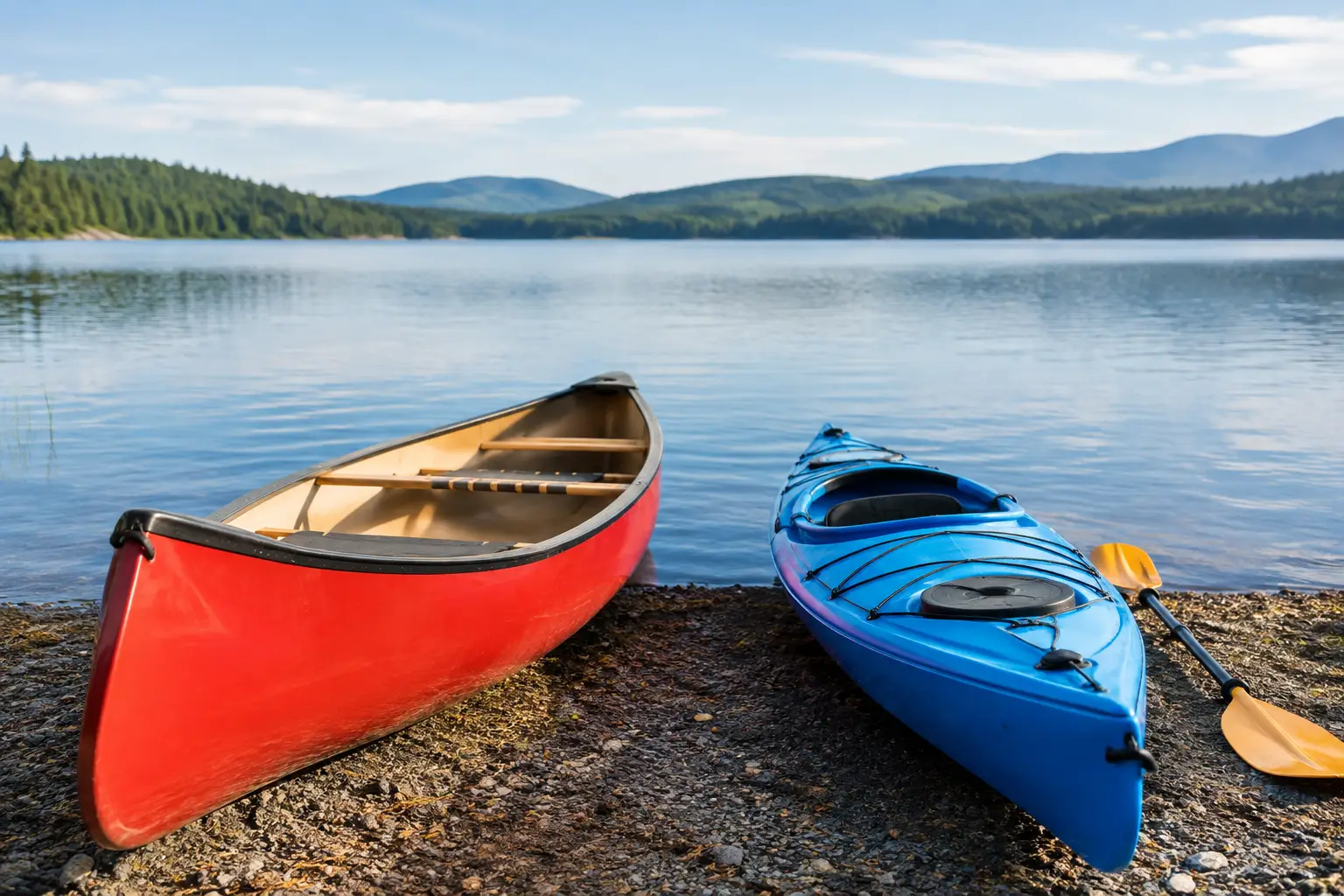
If you are bringing your own kayak, canoe, or paddleboard, confirm launch procedures and any day-access requirements ahead of time. If you are renting or joining a guided trip, listen to the safety briefing from start to finish. Guides cover the practical stuff that keeps the day fun: how to fit your PFD, how to paddle efficiently, where to go, and when to return.
A few water habits make a major difference:
- Stay within the approved paddling area and return by the stated last-launch or return time.
- Do not paddle under the influence of alcohol or drugs.
- Keep a close eye on weather, especially wind, lightning, and sudden temperature changes.
- Bring water, sun protection, and a dry place for your phone and keys.
This is the good kind of structure. It gives first-timers the confidence to enjoy the river without turning their weekend into an outdoor survival show.
Dog-Friendly Camping Still Requires Dog Etiquette
Dog-friendly camping near Chicago is a gift for people who hate leaving their adventure buddy at home. It also works best when every dog owner handles the basics. Keep your pup on the required leash, clean up immediately, and do not assume every camper, child, or other dog wants a greeting.
Bring a water bowl, waste bags, a tie-out only if the campground allows it, and a familiar bed or blanket. A new campsite comes with new smells, squirrels, boats, and neighboring tents, which can make even a normally relaxed dog a little extra enthusiastic.
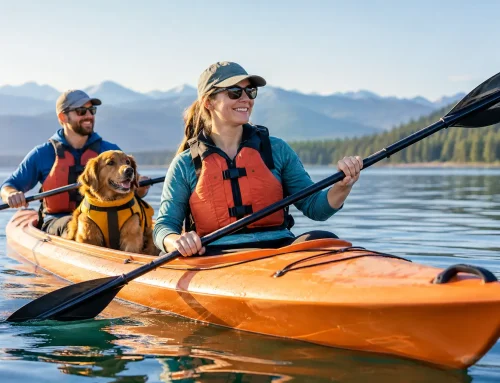
Do not leave a dog unattended at the campsite or in a vehicle. Barking can disrupt the campground quickly, while summer heat can become dangerous faster than expected. If your dog joins you on the water, use a canine PFD and make sure they can safely get in and out of the boat. Not every dog loves kayaking, and that is okay. Their ideal vacation may be napping in the shade while you take a turn on the river.
Choose the Camping Setup That Fits Your Group
Tent camping is the classic choice for travelers who want a simple, close-to-nature weekend. It is flexible, affordable, and plenty comfortable when you bring a good sleeping pad, weather-ready layers, and a rain plan.
Pop-up and teardrop camping can be a better fit for guests who want a faster setup or a more sheltered place to sleep. These options are especially handy for couples, families with younger children, or Chicago-area visitors who want the camping experience without turning Friday night into a three-hour tent assembly project.
If you are booking a furnished tent or glamping-style stay, confirm what is supplied and what you still need to bring. Bedding, cooking equipment, lighting, and climate comfort vary by package. The goal is not to overpack every gadget you own. It is to arrive prepared enough that you can spend your time outside.
The Easiest Way to Be a Great Camping Neighbor
Keep your site contained, your gear organized, and your plans considerate. Do not cut through occupied campsites. Park only where directed. Use restrooms and shared facilities as you would hope the next person uses them. If your group has kids, give them clear boundaries before they scatter toward the water, woods, or next campsite.
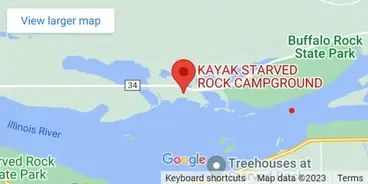
At Kayak Starved Rock Campground, the best weekends often pair a relaxed campsite with an easy paddle on beginner-friendly water. That only works when campers respect launch times, safety directions, and the shared waterfront.
Camping rules may sound like the least exciting part of your getaway, but they create the space for the exciting parts: the first successful paddle, the campfire laugh that does not keep anyone awake, and the quiet morning when the river is all yours for a minute. Pack thoughtfully, be kind to your neighbors, and let the weekend do what it came to do.