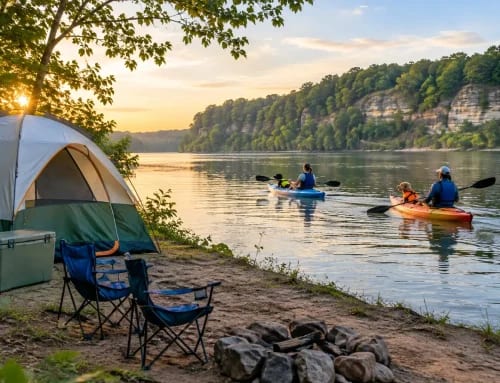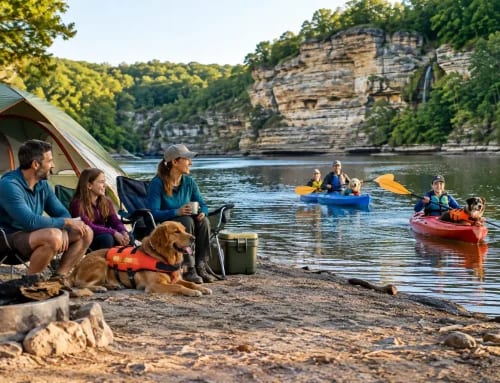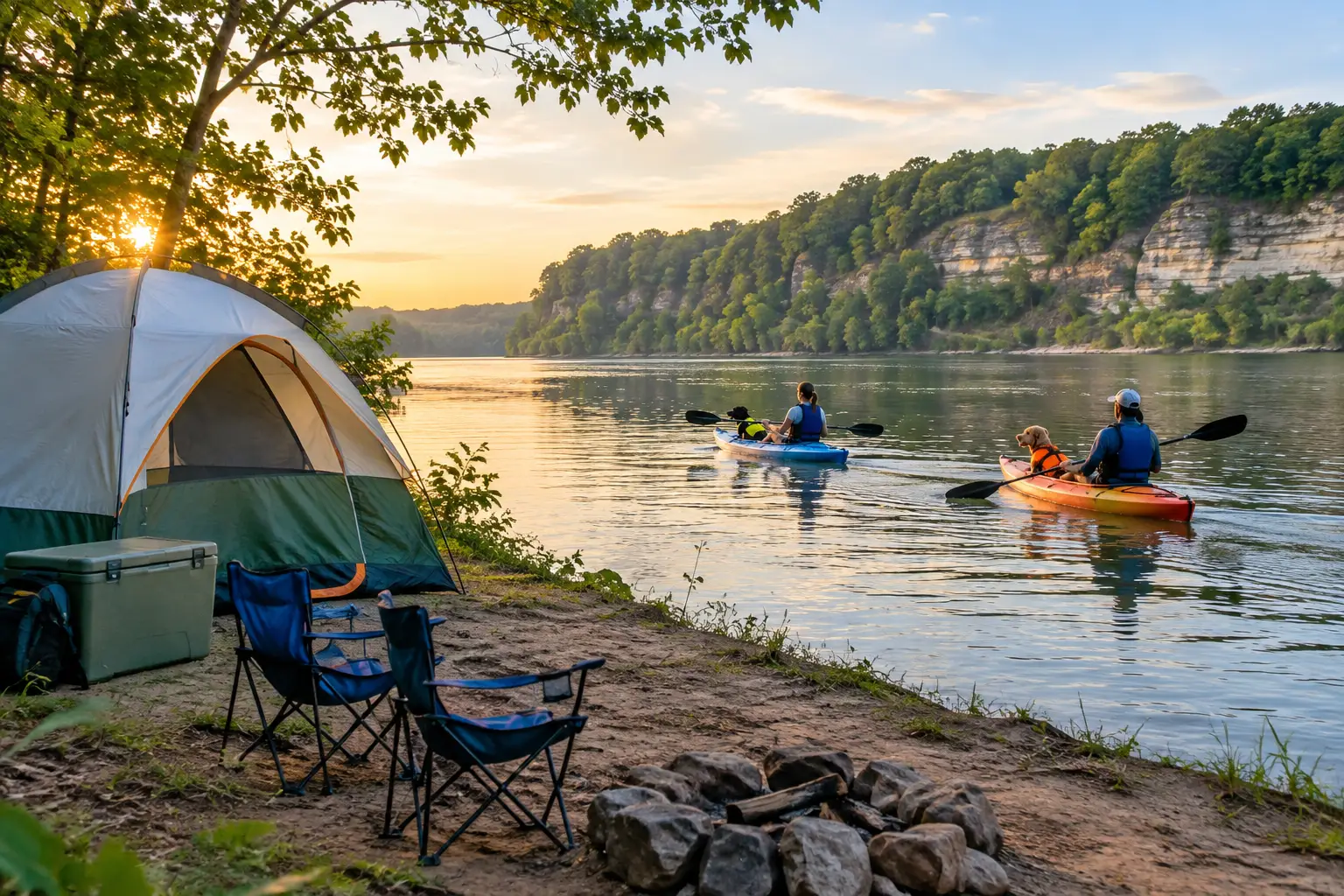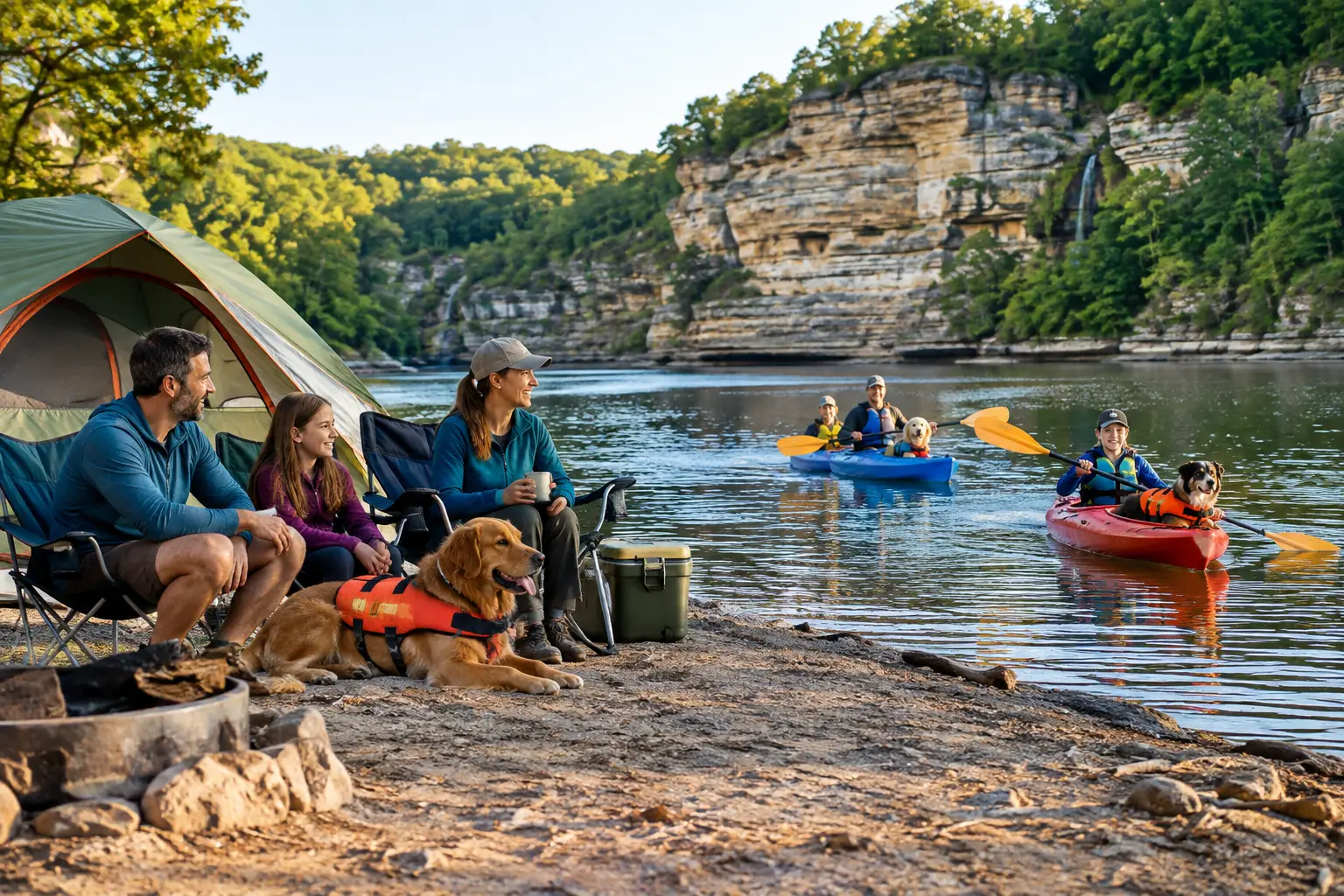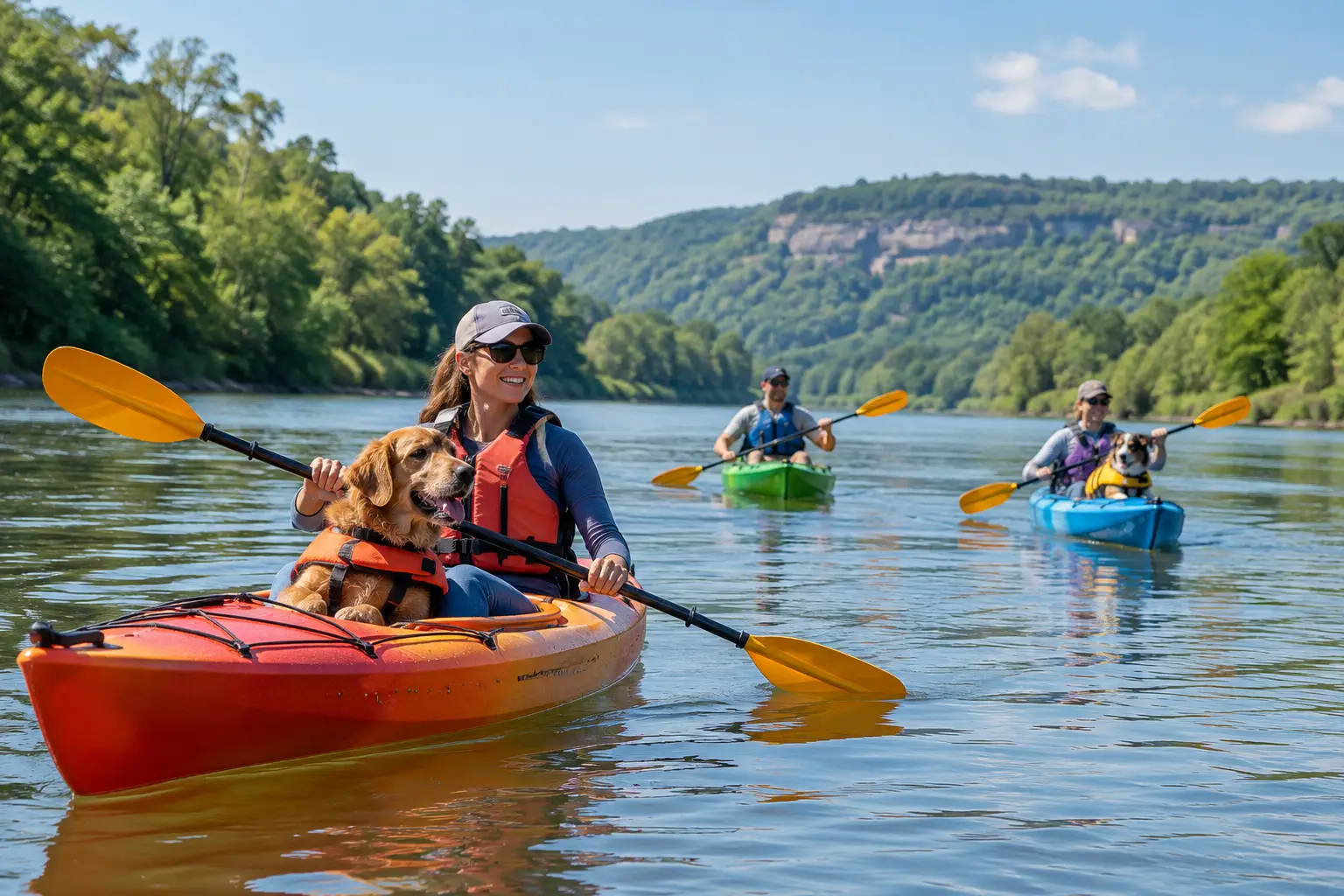
When people search for “boy scouts of america william d boyce,” they are usually looking for more than a name and a date. They are looking for the beginning of an American outdoor tradition: kids learning practical skills, families getting outside, and groups discovering that a little fresh air can build a lot of confidence. That idea still feels right on an Illinois River campsite, especially when the plan includes a campfire, a tent, and a paddle beneath the sandstone bluffs near Starved Rock State Park.
Who Was William D. Boyce?
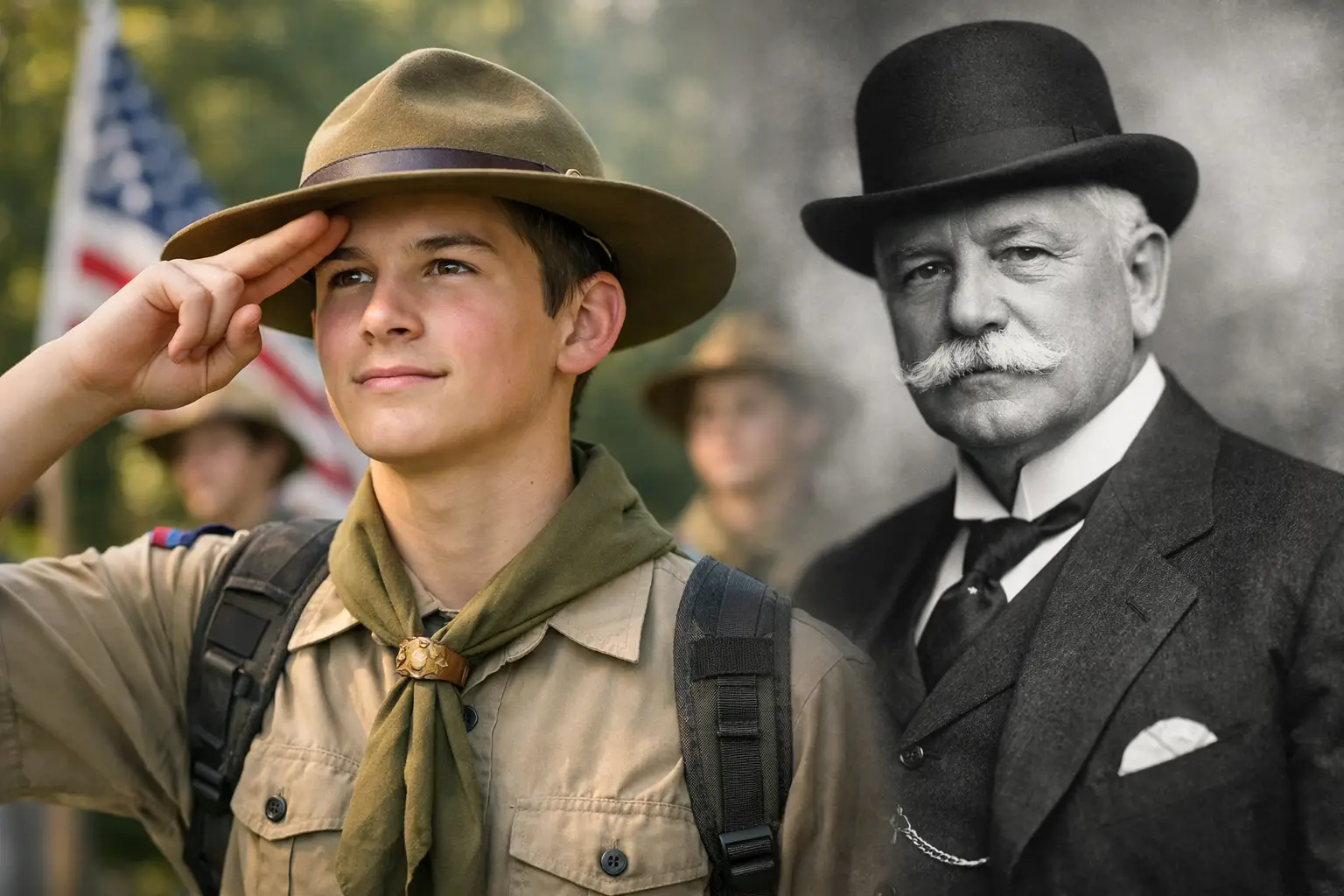
William D. Boyce was a Chicago newspaper publisher, entrepreneur, Ottawa, Illinois resident and adventurer at heart. He built a career creating publications that reached everyday Americans, and he understood the power of a good idea put into action. In 1910, Boyce incorporated the Boy Scouts of America, helping establish an organization that would introduce generations of young people to camping, service, leadership, and the outdoors.
The popular origin story says Boyce was lost in London in 1909 when an unidentified Scout offered to help him find his way. The Scout reportedly refused a tip because doing a good turn was simply part of being a Scout. Inspired, Boyce brought the concept back to the United States.
It is a memorable story, and it captures the spirit Scouts came to represent. Historians have also pointed out that details of the “Unknown Scout” story are difficult to verify. What is certain is that Boyce moved quickly once he saw the potential. On February 8, 1910, he incorporated the Boy Scouts of America in Washington, D.C. He helped give a growing youth movement a national home.
That distinction matters. Boyce did not create every part of American Scouting alone, and leaders such as Daniel Carter Beard, Ernest Thompson Seton, and James E. West made enormous contributions to the organization’s early direction. But William D. Boyce was the founder who took the formal step that put the Boy Scouts of America on the map.
Boy Scouts of America William D. Boyce and the Outdoor Idea
The original appeal of Scouting was not complicated. Young people needed chances to be capable. They needed to learn how to read a map, pitch a tent, cook outside, care for equipment, help a friend, and stay calm when the weather changed its mind.
Those lessons are still useful, even if your group arrives with a packed cooler, a phone full of photos, and a campsite reservation already handled. Camping gives people room to participate. One person gathers firewood, another inflates sleeping pads, another becomes unexpectedly serious about the perfect s’more. Everyone has a role.
For scouting groups, the value is especially clear. A weekend near Starved Rock can turn a meeting-room friendship into a real team experience. Setting up camp together and planning a simple paddle requires communication without making the trip feel like homework. The goal is not to create an extreme expedition. The goal is to give campers enough challenge to feel proud when they handle it.
That is also why the outdoors works so well for families and first-time campers. Kids get a little independence within a clear, supervised plan. Adults get a break from coordinating every minute of the day. And everyone gets a better story than “we stayed home and watched another show.”
Why Starved Rock Is a Strong Basecamp for Scout Groups
Starved Rock State Park is one of Northern Illinois’ best-known outdoor destinations, and it is close enough for a realistic weekend trip from Chicago. The park is known for its wooded trails, sandstone canyons, seasonal waterfalls, and views above the Illinois River. It is a state park, not a national park, but its scenery earns the big reputation.
Camping near Starved Rock State Park makes it easier to build a flexible itinerary. A troop or family can hike in the morning, relax at camp in the afternoon, and gather around the fire at night. If rain changes the plan, the trip does not have to be ruined. A shorter trail, camp games, a cooking competition, or time under a canopy can still make the day feel like a getaway.
Illinois River camping adds another layer to that experience. Water changes the pace. A kayak trip offers a different view of the bluffs and forested shoreline, and it gives beginners a chance to try something new without committing to whitewater skills or complicated logistics.
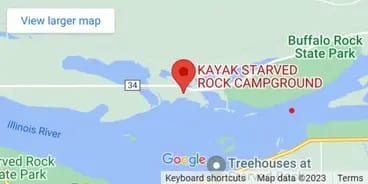
At Kayak Starved Rock Campground, the dam-controlled river setting is designed to keep paddling approachable. The water is flat, shallow in many areas, and has no current, which is a big confidence booster for newer kayakers. That does not mean safety gets casual. Every paddler needs a properly fitted PFD, and groups should follow launch times, weather guidance, and the instructions provided by staff or guides.
A Camping Plan That Works for Different Comfort Levels
Not every Scout, parent, or group leader wants the same style of overnight trip. The best camping plan is usually the one that gives people options while keeping the group together.
Tent camping is the classic choice for Scouts and campers who want the full experience. There is real satisfaction in setting up your own shelter, organizing gear, and waking up to birds instead of an alarm. It is also a budget-friendly way to bring a larger group outside.
Pop-up camping can be a smart middle ground for weekend travelers who want to spend less time wrestling with poles and more time hiking, paddling, or hanging out by the fire. For newer campers, a quicker setup removes one of the most common barriers to trying an overnight trip.
Teardrop camping and glamping near Chicago appeal to groups that want nature without giving up every creature comfort. This can be a great fit for parents, grandparents, or friends joining a scouting weekend who want a more comfortable place to sleep. It is not “cheating” at camping. It is simply a different way to make the outdoors accessible.
The trade-off is straightforward: more comfort usually means less of the traditional gear-building experience. For a troop working on camping skills, tents may be the better centerpiece. For a mixed-age family gathering, a combination of tents and more comfortable accommodations can keep everyone happy.
How to Build a Safe, Fun Paddle-and-Camp Weekend
A good outdoor trip has structure, but it should not feel overplanned. Start with a simple rhythm: arrive with time to set up camp, paddle while everyone is fresh, eat a relaxed dinner, and leave room for the unplanned moments that make camping memorable.
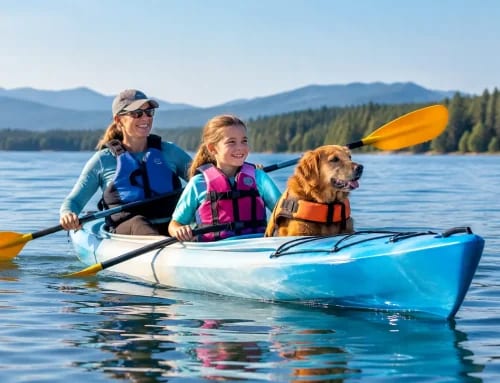
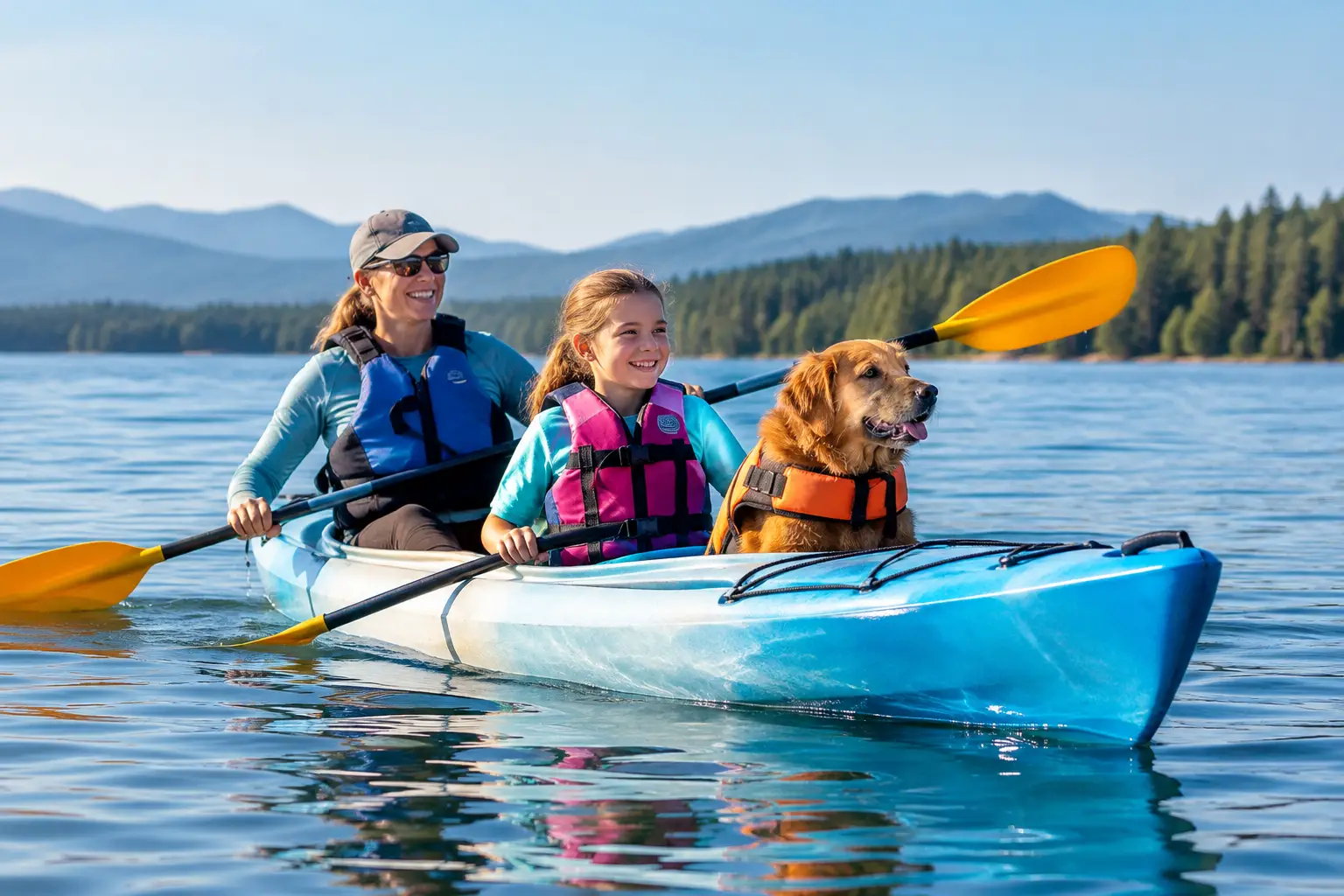
For a group kayak outing, choose boats based on confidence and crew. Tandem kayaks are often a great choice for a younger paddler with an adult, a first-timer who wants reassurance, or friends who can laugh when their steering gets a little creative. Single kayaks give more independence to paddlers who are ready for it.
Before launching, make sure every person knows the basics: how to wear and adjust a PFD, how to hold the paddle, how to get in and out of the kayak, where the group is headed, and what to do if they need help. A professionally guided tour can be especially helpful for scouting groups and families with mixed experience levels because instruction and on-water leadership are built into the outing.
Bring water, sun protection, weather-appropriate layers, and a dry bag for anything that should stay dry. Keep footwear practical for a shoreline launch. Most importantly, respect the schedule. Last-launch cutoffs exist so paddlers have enough daylight and staff support to enjoy the water safely.
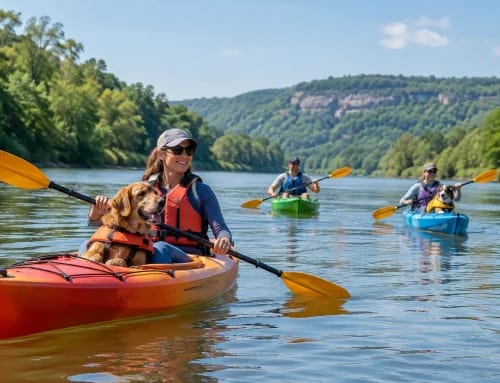
If dogs are part of the family, dog-friendly camping and kayaking can make the trip even better, but only if your pup is comfortable around people, gear, and water. A dog PFD is a smart choice, even for dogs that swim well. Keep pets leashed in camp when required, pack waste bags, and remember that not every dog enjoys a busy group paddle.
The Original Good Turn Still Works
William D. Boyce helped create an organization built around service and self-reliance, but the enduring lesson is surprisingly simple: outdoor confidence grows through experience. It grows when a first-time camper figures out a tent clip, when a young Scout helps carry gear, when a nervous paddler realizes they can steer a kayak, and when a group looks out for one another.
For your next Chicago-area escape, make room for that kind of moment. Pick a campsite, pack the snacks, put on the PFD before launching, and let the Illinois River and Starved Rock scenery do what they do best: make a regular weekend feel like a real adventure.