A canoe versus kayak decision can feel bigger than it needs to be when you are planning your first paddle near Starved Rock. Both boats can get you outside, away from Chicago traffic, and into that happy, slightly sun-kissed state where your phone stays in your dry bag. The best choice comes down to who is paddling, how much gear you have, and whether you want a relaxed day on the water or a boat that feels more connected to every stroke.
For many first-timers, a kayak is the easy answer. It is straightforward, comfortable once adjusted, and great for exploring calm water at your own pace. A canoe still has plenty to offer, especially for families, fishing trips, and campers hauling more than a water bottle and a sandwich. Here is how to choose without turning a fun outdoor plan into a research project.
Canoe Versus Kayak: The Big Difference
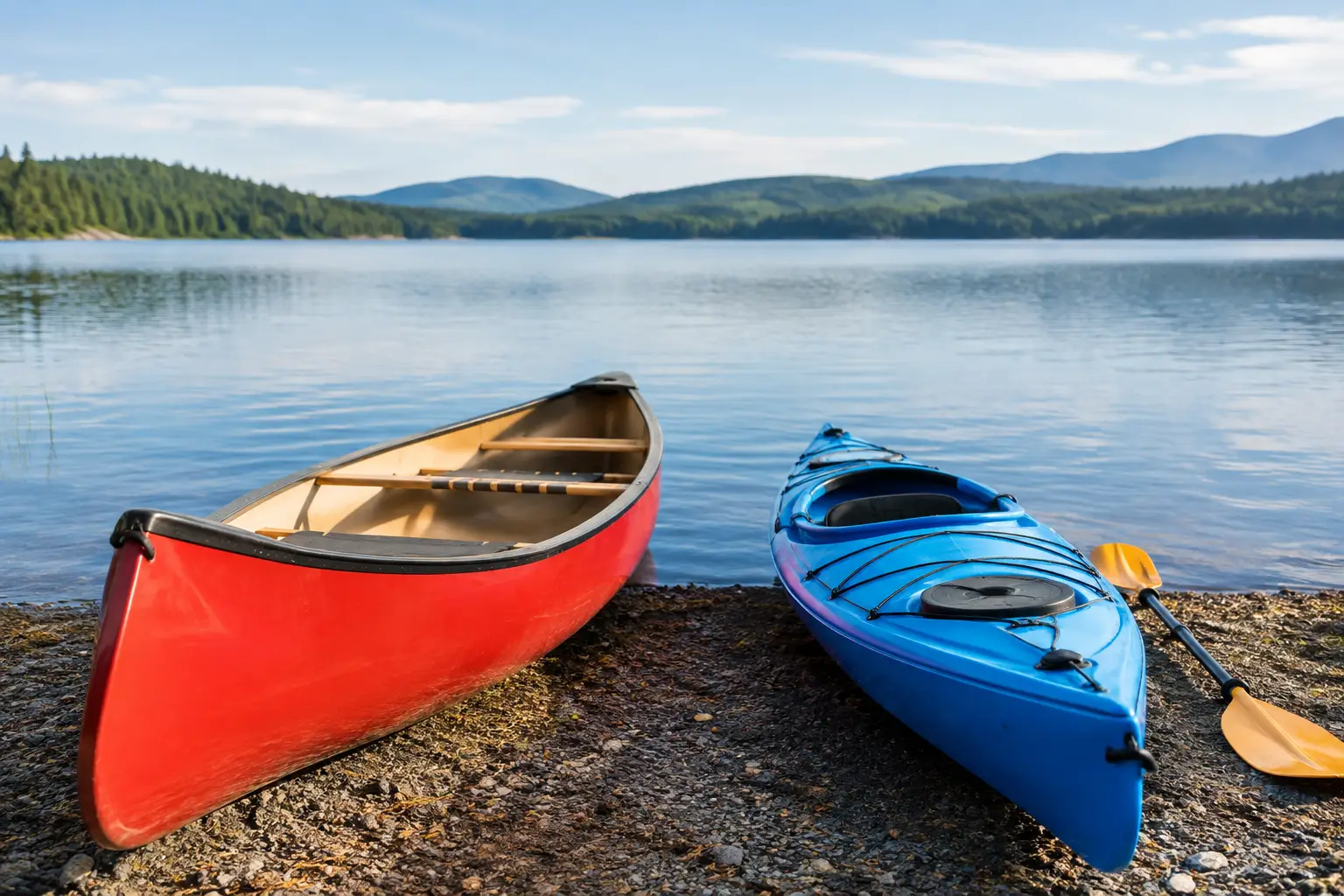
A canoe is typically open on top, with raised sides and room for one or more paddlers to sit on benches or seats. Canoe paddlers use a single-bladed paddle, switching sides as they travel. There is open space for coolers, camping bags, kids, and the kind of picnic that somehow requires three kinds of chips.
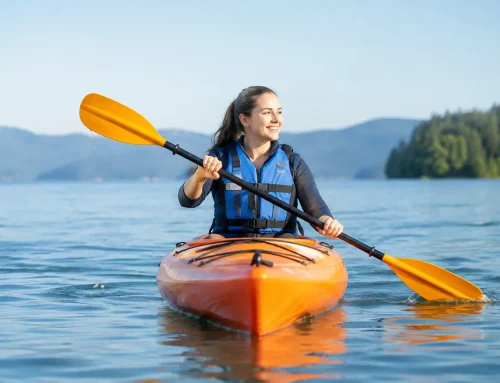
A kayak has a more enclosed cockpit, although sit-on-top styles are fully open. Most recreational and touring kayaks use a double-bladed paddle. That design gives each paddler a steady rhythm: stroke on one side, then the other. It is easier for many beginners to keep the boat moving in a straight line without constantly thinking about switching paddle sides.
Neither boat is automatically better. A canoe is built for carrying capacity and flexibility. A kayak often feels more responsive, personal, and efficient for a solo outing or a couple’s day on flatwater.
Why Kayaks Work So Well for First-Time Paddlers
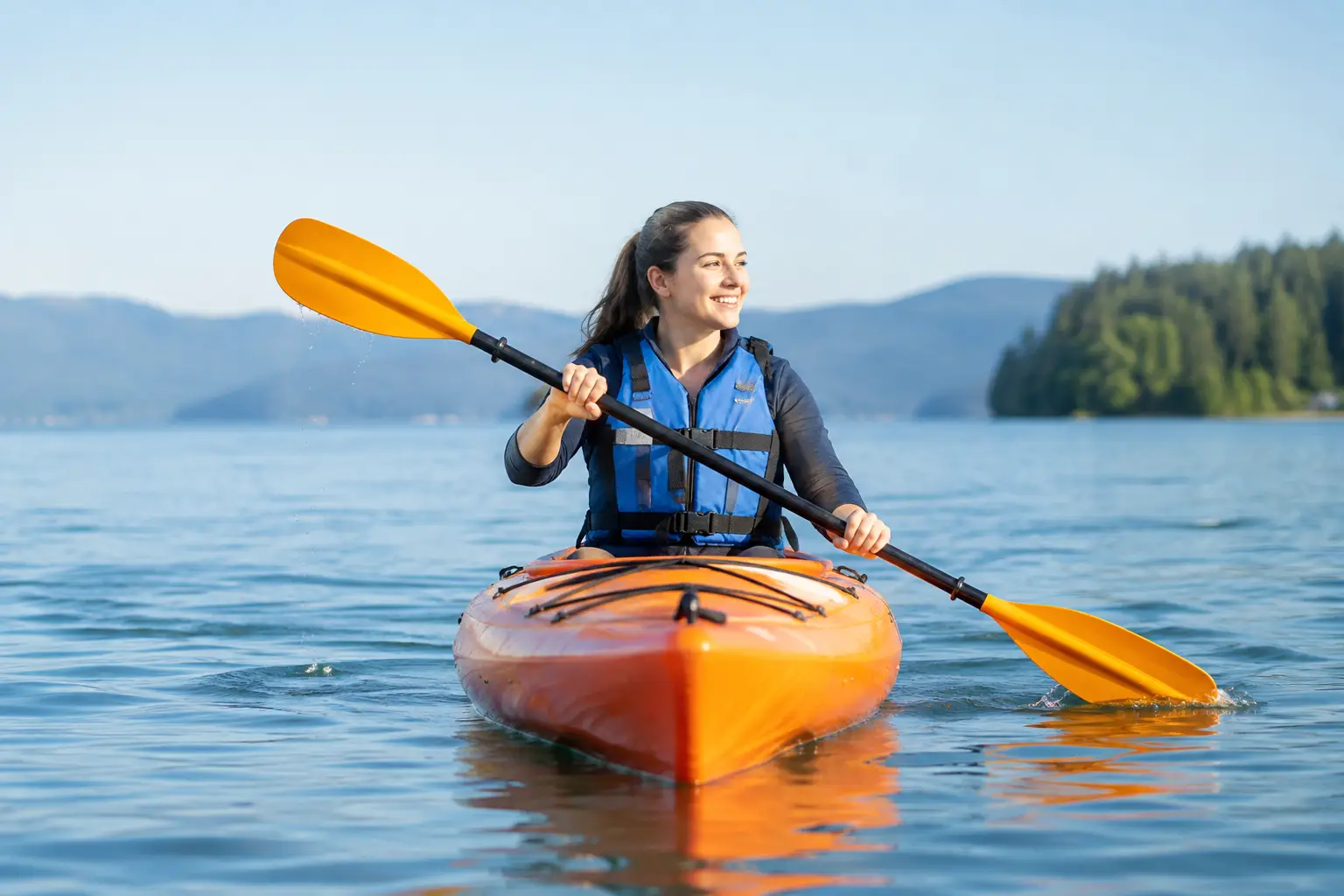
A beginner-friendly kayak removes several common worries. You are seated low in the boat, your legs are supported, and a double-bladed paddle helps create a natural left-right rhythm. With a little safety instruction, most people quickly learn how to go forward, stop, turn, and recover when the boat points somewhere other than where they intended.
Kayaks are also a strong match for calm, shallow, dam-controlled water like the Illinois River area near Starved Rock. You do not need whitewater experience or a serious athlete’s upper body. You need a properly fitted PFD, a few basic techniques, attention to your surroundings, and enough time to enjoy the ride.
Single kayaks are ideal when everyone in your group wants to paddle independently. Tandem kayaks are a favorite for couples, parents with a child, and friends where one person is more confident than the other. The key is communication. If the person in front paddles like they are in a race and the person in back is trying to photograph every heron, expect some friendly zigzagging.
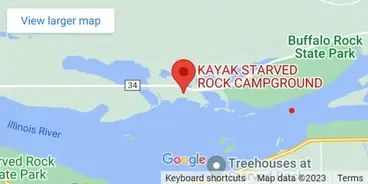
At Kayak Starved Rock Campground, guided tours and rentals are designed around that confidence-building first experience. Clear instruction, quality equipment, maps, and on-water support make the day feel like an adventure, not a test.
Kayak advantages at a glance
Kayaks tend to be easier to maneuver alone, and they generally track well with basic paddling technique. They also feel secure to many newcomers because the paddler sits lower to the water. Premium touring kayaks add comfort and glide, which matters when you want to spend a few unhurried hours looking at sandstone bluffs, wildlife, and the shoreline instead of fighting your boat.
The trade-off is storage. A kayak has room for the essentials, but it is not the first choice for a giant cooler, a pile of camping equipment, or four people who all pack as if they are leaving civilization forever.
When a Canoe Makes More Sense
A canoe earns its place when gear is part of the plan. If you are heading out with fishing equipment, a larger cooler, extra layers, camp chairs, or young kids who need room to shift around, the open layout is very useful. Families often appreciate the ability to bring a child or two aboard without making everyone feel tucked into a separate cockpit.
Canoes can also be easier for getting a dog settled, depending on the dog’s size and temperament. A calm, water-comfortable dog may enjoy the open floor space and the view. That said, dog-friendly kayaking can work beautifully too, particularly with a stable tandem setup and a pup that can sit patiently. Your dog should wear a properly fitted canine life jacket, just as every person on the water needs a PFD.
The main learning curve in a canoe is steering. Solo paddlers may need more practice to keep the canoe traveling straight, while two paddlers need to coordinate their strokes. That does not make canoeing difficult. It just rewards teamwork and a willingness to laugh when the boat briefly chooses its own route.
Canoes shine on gear-heavy trips
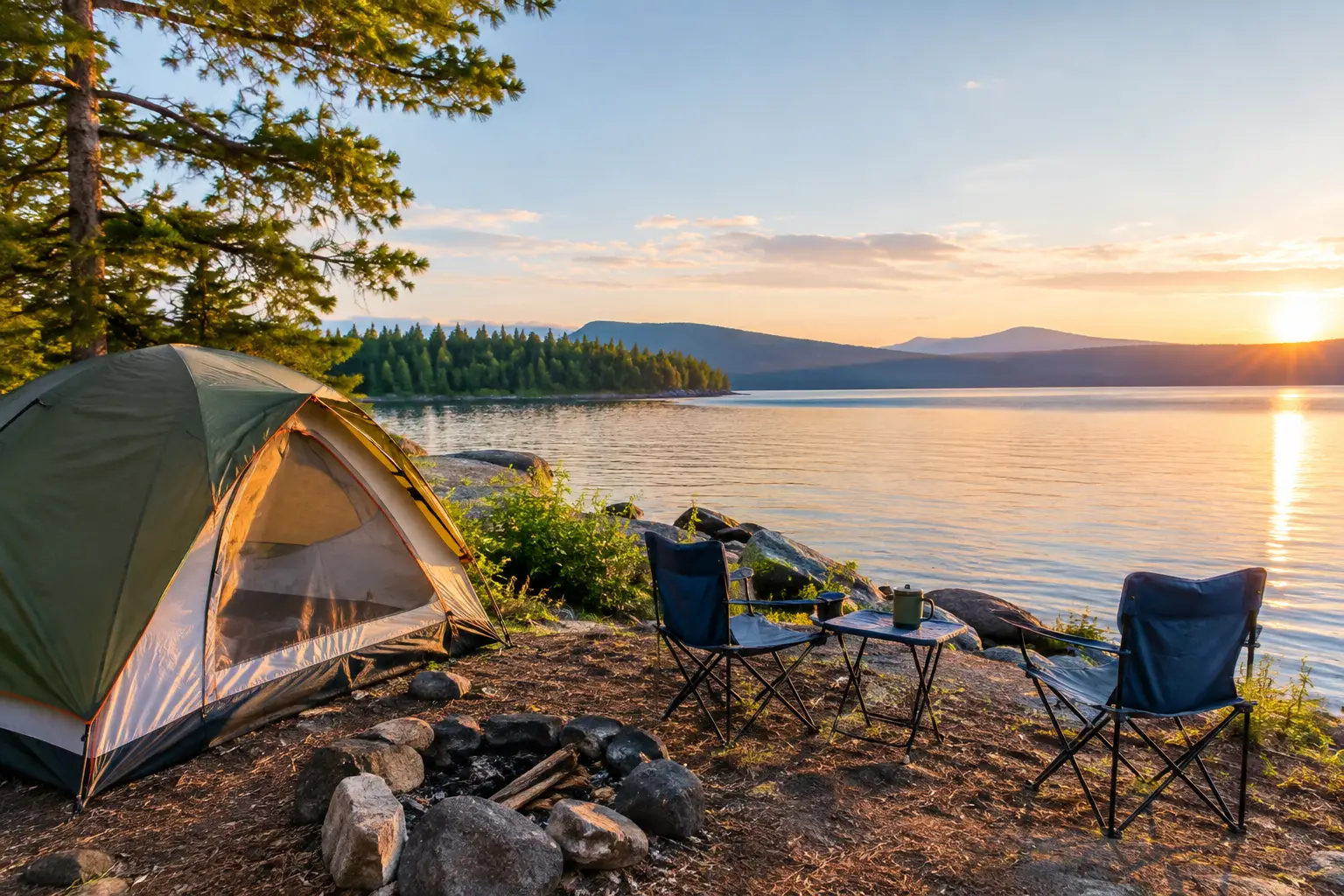
For Illinois River camping, a canoe’s cargo room is appealing. It can carry tent bags, sleeping pads, food, and extra comfort items more easily than a typical recreational kayak. If your plan includes a waterfront campsite, a pop-up tent, or a tear drop camper waiting back on shore, though, you may not need to haul everything by boat. In that case, a kayak can still be the better daytime adventure boat, while your campsite handles the overnight comfort.
Stability: What People Usually Mean
When someone says they want a “stable” boat, they usually mean they do not want to tip over. Fair request. But stability comes in two forms: how steady a boat feels at rest and how confidently it handles movement and turns.
Wide recreational kayaks and wider canoes both offer good initial stability on calm water. They feel reassuring when you climb in, adjust your seat, or reach for a water bottle. A narrow touring kayak may feel livelier, but it can paddle more efficiently over distance.
Your own behavior matters more than most people expect. Sudden standing, leaning far over the side, grabbing docks awkwardly, or letting everyone shift at once can make any boat feel less stable. Stay centered, keep movements smooth, and wear your PFD from launch to landing. Those simple habits do a lot for a relaxed day.
Comfort, Weather, and What You Want From the Day
Kayaks put you closer to the water, which many paddlers love on a warm day. You may get a little splash from your paddle, especially while learning. Quick-dry clothing and a change of clothes in the car are smart calls.
Canoes feel roomier and can be easier to enter and exit for some people. They also allow more freedom to shift position during a longer outing. On the other hand, the higher seating position can catch more wind, and a canoe may require more correction if breezes pick up.
If your group wants a low-stress date, a scenic day trip, or a first paddle near Chicago, a tandem kayak is often a sweet spot. If you are bringing a lot of gear, several family members, or a dog that needs a little floor space, a canoe deserves a serious look.
Choose the Boat That Fits Your Actual Plan
Forget the idea that experienced outdoors people always choose one type of boat. The right answer changes by trip. A solo paddler who wants a peaceful workout may prefer a single kayak. Two friends looking for a memorable afternoon near Starved Rock may have a blast in separate kayaks. A family building a full camping weekend may value a canoe’s open cargo space.
Also consider the water conditions. Flat, protected water is forgiving for both canoes and kayaks. Moving water, wind, boat traffic, and longer distances raise the importance of skill, route planning, and proper instruction. A guided experience is a great way to learn the basics in a supported environment before planning a bigger trip on your own.
Bring drinking water, sun protection, and clothes that can get wet. Arrive early enough that you are not rushing through the safety briefing or trying to launch at the last possible minute. Most of all, choose an outing that lets everyone in your group feel capable, included, and excited to get back on the water.
The boat is only the beginning. Pick the one that makes your crew say yes to the next paddle, then save time afterward for a campfire, a good meal, and the satisfying feeling of finding a real escape not far from home.