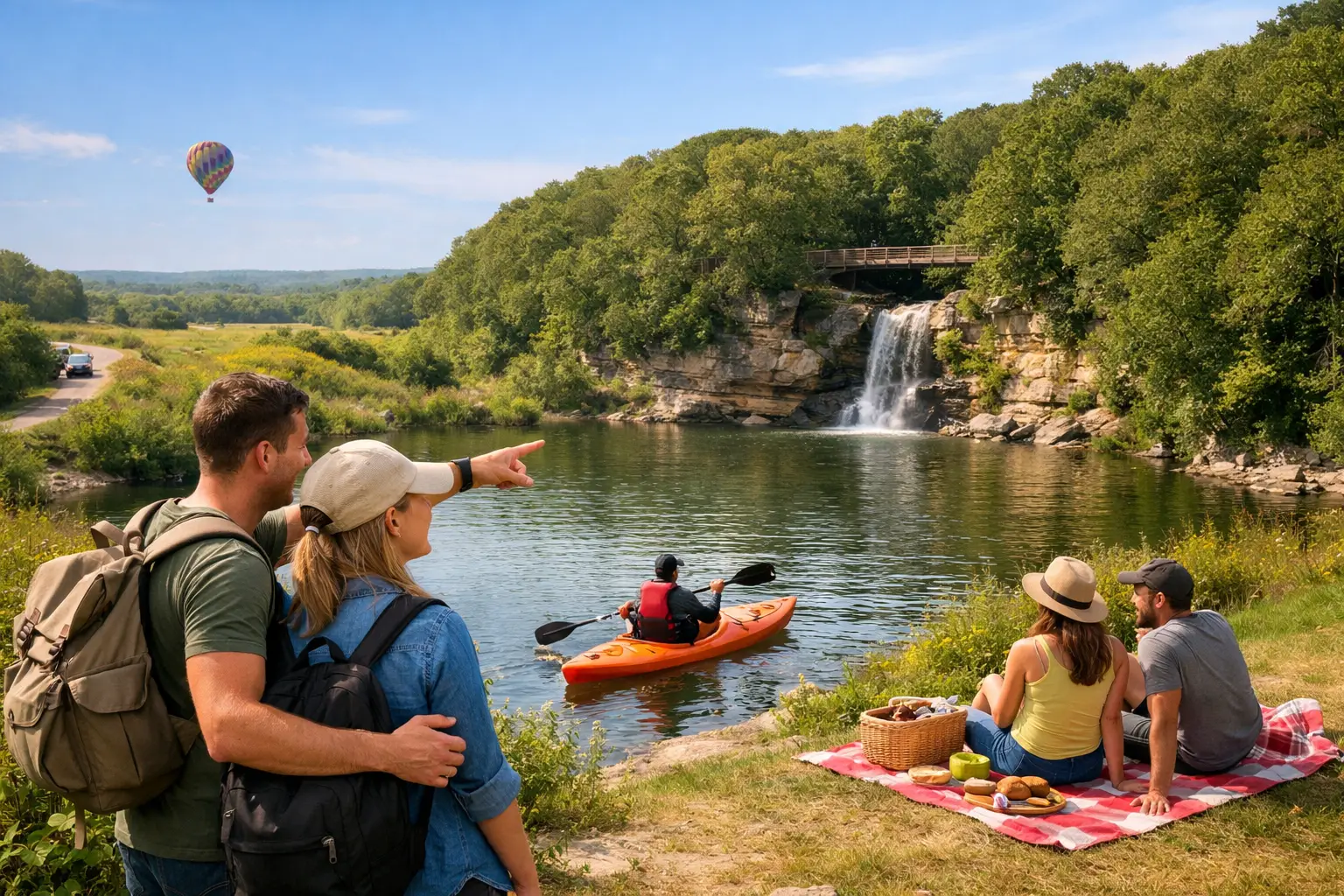
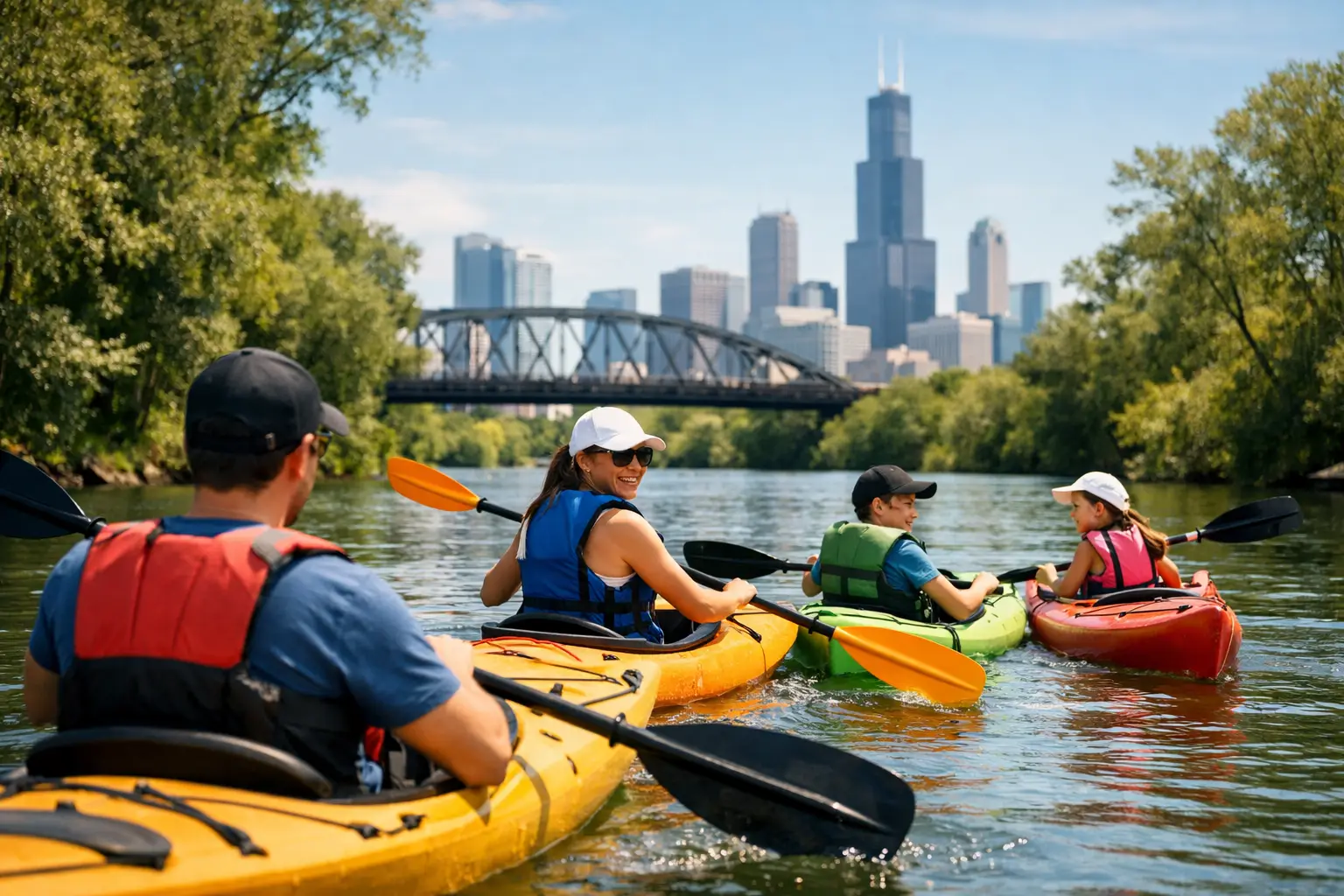
A great family day outside does not need a color-coded itinerary, a three-hour drive, or a kid who suddenly develops Olympic-level enthusiasm for hiking. This family kayak day trip example is built for Chicago-area families who want water, scenery, snacks, and a little screen-free bragging rights – all without turning the day into an expedition.
The sweet spot is a relaxed flatwater paddle near Starved Rock State Park, followed by a picnic, a short stretch of shore time, and an easy drive home before everyone gets overtired. Think fresh air and sandstone-bluff views, not whitewater heroics. The Illinois River setting near Starved Rock is especially appealing for first-time paddlers because dam-controlled conditions help create a predictable, beginner-friendly place to learn.
The Family Kayak Day Trip Example
Here is what a low-stress, high-fun day can look like for two adults and one or two kids. Adjust the timing around your reserved launch time, current operating hours, and your family’s particular relationship with mornings.
9:00 a.m.: Pack light and leave room for snacks
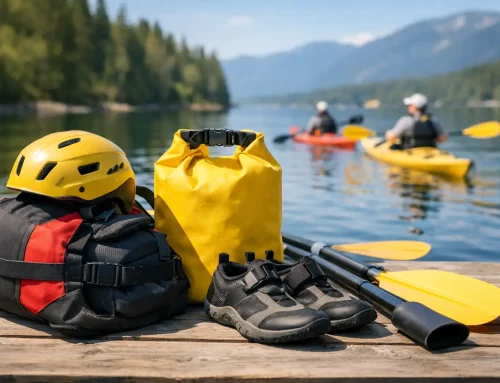
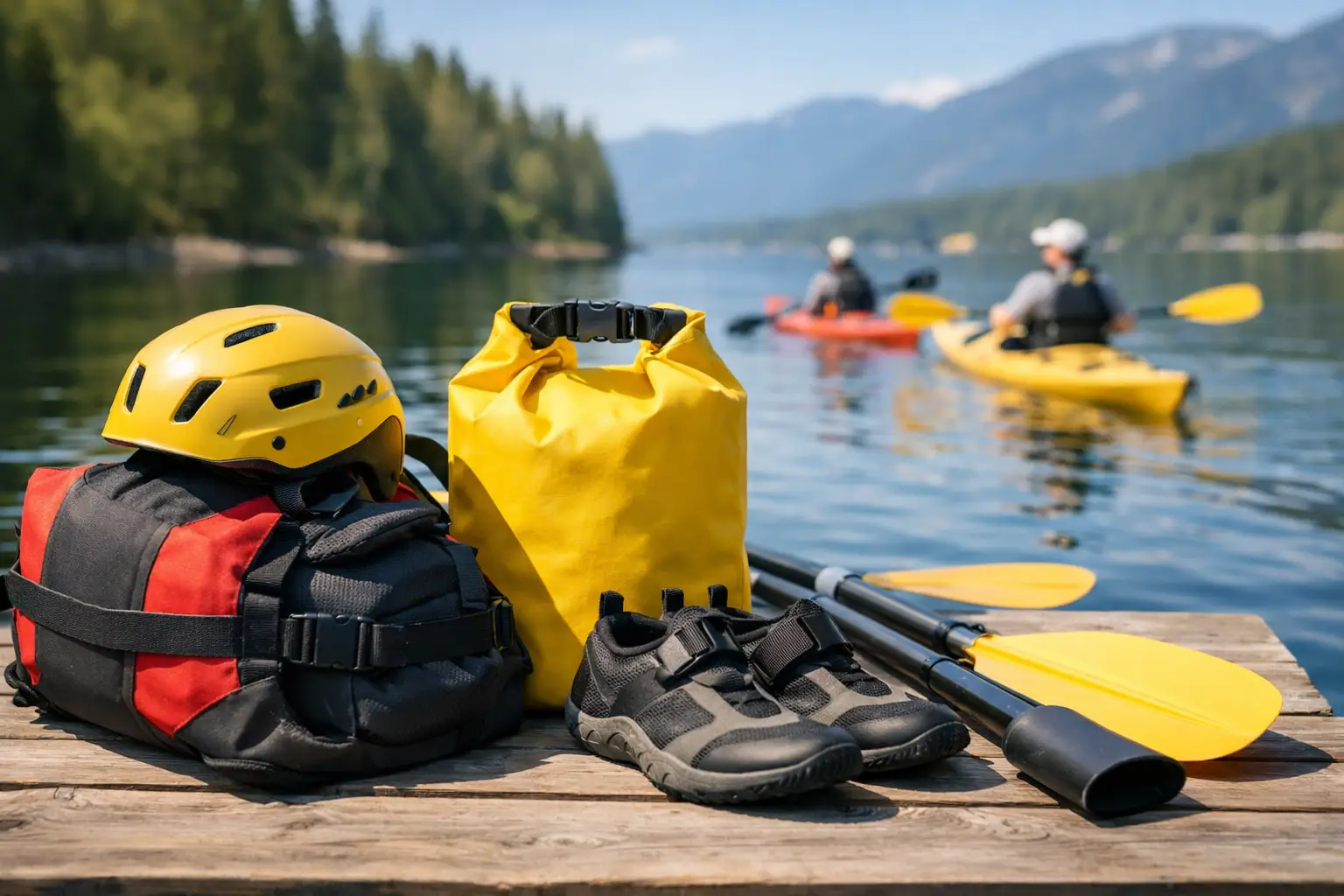
Start with a simple bag, not a camping-store explosion in the trunk. Bring water, sunscreen, hats, sunglasses with retainers if possible, a dry change of clothes for every child, and a towel. Pack easy picnic food that can handle a warm car: sandwiches, fruit, trail mix, crackers, and a treat for the ride home.
If your kids are old enough to paddle, closed-toe water-friendly shoes are a smart choice. If they are younger, they may ride in a tandem setup with an adult, subject to the outfitter’s seating and safety requirements. A dry bag or zip-top bags will protect your phone, keys, and the snack that somehow becomes the most important snack of the day.
10:30 a.m.: Arrive early enough to settle in
The best family paddles begin before anyone feels rushed. Arrive with time to park, use the restroom, apply sunscreen, and let the kids look at the boats without hearing, “Come on, we have to go right now.”
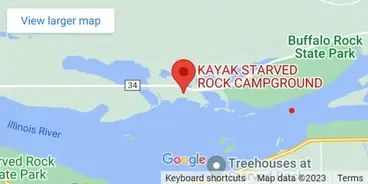
At Kayak Starved Rock Campground, rentals and guided experiences are designed to make the first-timer questions feel normal, because they are normal. Where do we put our phones? What if my child gets nervous? Which way do we paddle? A good launch briefing answers those questions before the boat leaves shore.
Every person on the water wears a properly fitted life jacket or PFD. That includes confident swimmers, reluctant swimmers, and the family member who says they “basically grew up on boats.” A PFD is not a prop for the photo. It stays on and buckled for the whole paddle.
11:00 a.m.: Learn the basics, then get on the water
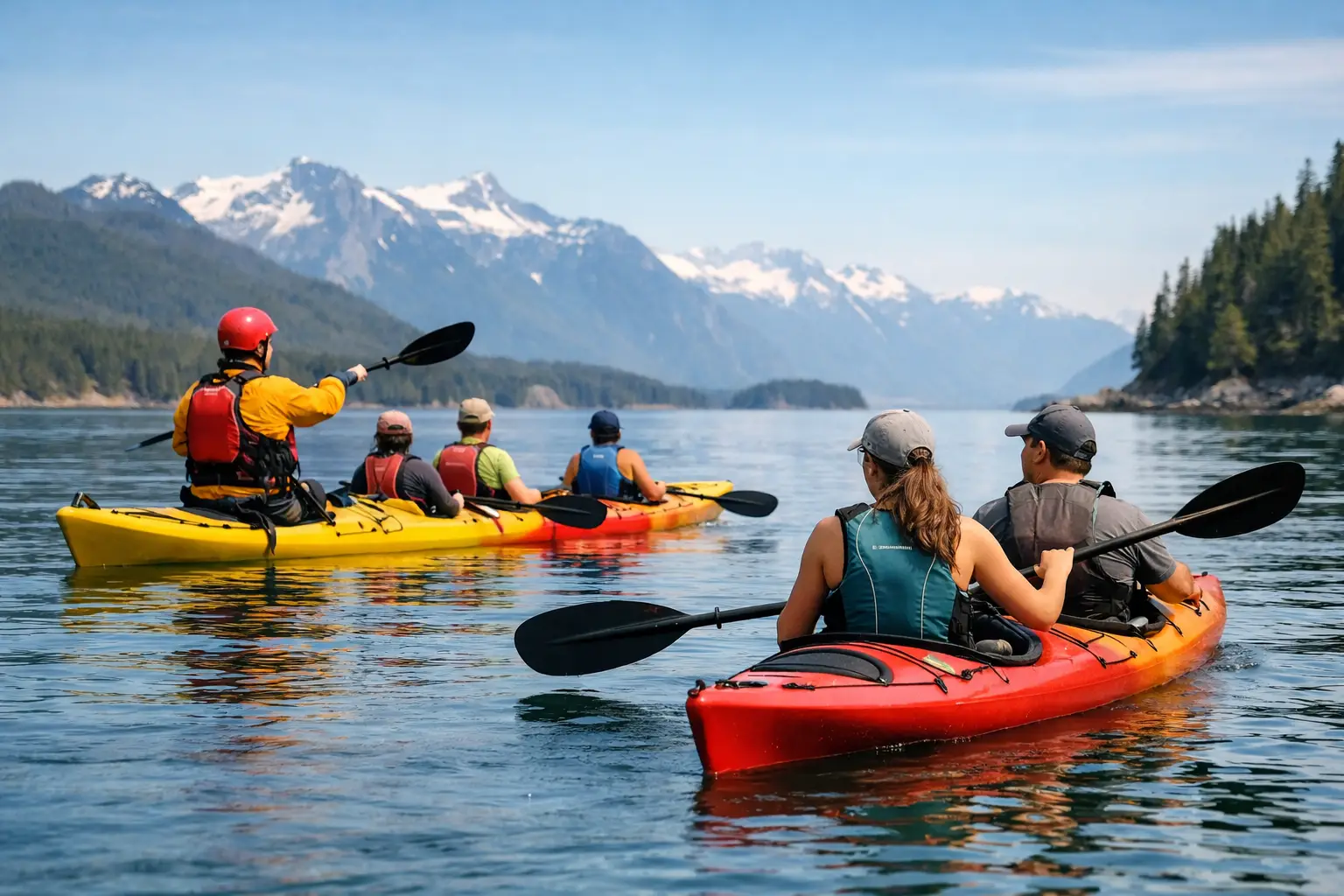
For a first family outing, the goal is comfort, not distance. During safety instruction, listen for the simple stuff: how to hold the paddle, how to turn, how to stop, where to stay, and what to do if someone needs help. Kids often feel much more confident once they know there is a clear plan.
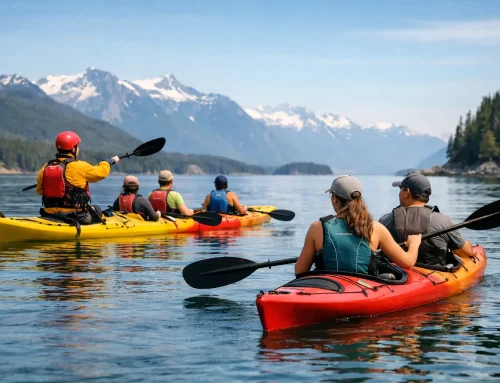
A guided kayak tour can be the easiest option for families who would rather follow a friendly on-water leader than study a map. A rental works well, too, for families who want to move at their own pace after receiving directions and route guidance. The trade-off is simple: guided trips add structure and storytelling, while self-guided rentals offer more flexibility for snack breaks and lingering near the shoreline.
Flatwater does not mean “no rules.” Stay together, follow the designated route, give other boats room, and keep an eye on changing weather. If a child is tired, cold, cranky, or no longer having fun, that is useful information – not a challenge to push through. Turn around early and call it a successful family paddle.
What the Paddle Feels Like for Kids
The first ten minutes can be wonderfully chaotic. One kid may paddle backward, another may announce they are captain, and somebody will ask when lunch is. Then the rhythm starts to happen.
On a calm Illinois River paddle, families can look for birds overhead, fish movement near the surface, interesting driftwood, and the big sandstone scenery that makes Starved Rock country feel farther from Chicago than it really is. Give children small jobs: spot the next landmark, count turtles, hold the map when appropriate, or call out when the group needs a water break.
Avoid making the outing a forced nature lesson. A few fun facts are great; a 45-minute speech about river ecology is probably not. Let the day have some quiet in it. For many kids, floating beside a parent in a kayak is the rare kind of time when conversation happens without a schedule attached.
12:30 p.m.: Pull In for a Picnic and Reset
A picnic after paddling tastes better. This is science, probably.
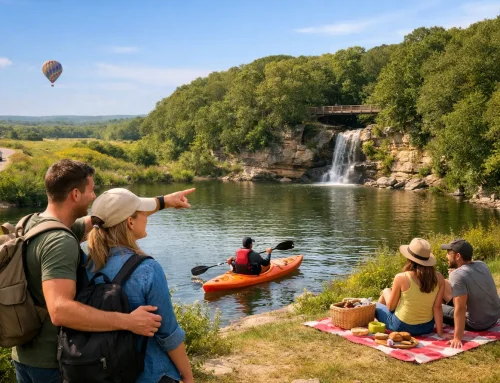
Choose a comfortable spot after your paddle where the family can eat, reapply sunscreen, and change out of damp clothes if needed. Keep the meal easy. The point is to recharge, not to build a charcuterie board on a riverbank.
This is also the moment to ask the useful question: does everyone want more adventure, or is everyone happiest heading toward ice cream and air conditioning? Both answers are perfectly respectable. The best day trips leave kids wanting to come back, not swearing off outdoor activities until adulthood.
Add a short land adventure, not a second major event
If the crew still has energy, add a short walk or scenic stop near Starved Rock State Park. Keep expectations realistic, especially in summer heat or with younger children. A brief overlook, a shaded stroll, or time to skip rocks can be plenty after being on the water.
Trying to squeeze a long hike, a full paddle, a complicated restaurant meal, and a museum into one day is how a family trip becomes a logistics contest. Pick one main adventure – kayaking – and let the rest of the day support it.
A Few Choices That Make the Day Easier
Book ahead, particularly for weekends, holidays, and larger family groups. It gives you a better chance of getting the boat setup you need and lets the team prepare for your group. Before leaving home, confirm current launch times, weather policies, age or seating guidelines, and any last-launch cutoff.
Dress for getting a little wet. Kayaks are fun, but they are not a promise that everyone’s shorts will stay perfectly dry. Quick-drying clothes beat heavy cotton, and a spare outfit in the car is one of those parent moves that feels unnecessary right up until it is genius.
Bring only what you can secure. A phone, keys, medication, water, and a small snack are usually enough for the boat. Save the giant cooler, extra toys, and seven outfit changes for the campground or car.
If your dog is part of the family, check current dog-friendly policies before booking and be honest about whether your pup can relax in a kayak. A calm, water-comfortable dog with a canine life jacket may have a fantastic day. A dog who considers every squirrel a personal emergency may be happier enjoying a different kind of outing.
When a Day Trip Should Become an Overnight
Sometimes the kids step off the water glowing, nobody wants to drive back yet, and the idea of rushing home feels like a mistake. That is when waterfront camping earns its keep.
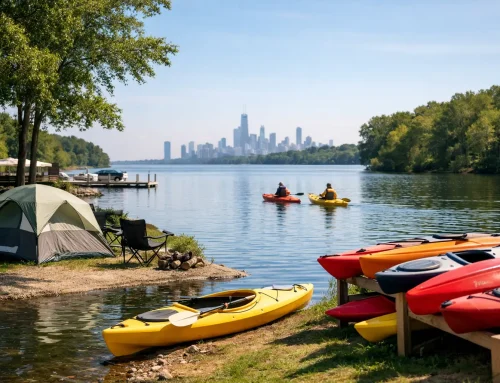
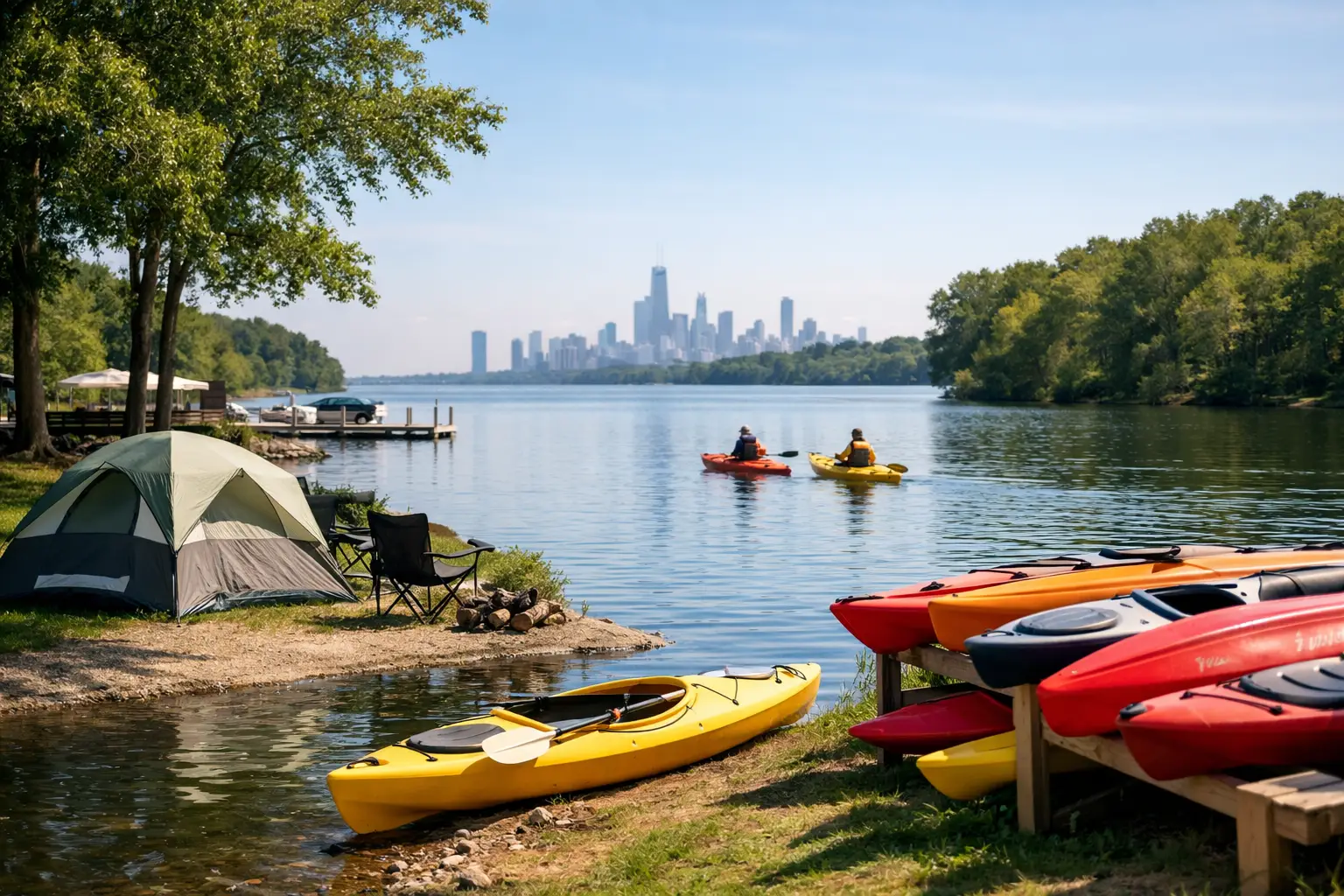
Families can turn a paddle into an easy weekend escape with tent camping, a pop-up camper, or a teardrop camper setup. It is a particularly good fit for families traveling from near Chicago who want more nature time without committing to a huge road trip. Camp after the kayak, make dinner, listen for evening birds, and wake up already at the destination.
Glamping-style options and tent rentals can also lower the gear burden for families that want the campfire part without buying and packing a garage full of equipment. The trade-off is less spontaneity, so reserve early when you know you want an overnight stay.
A family kayak day trip works because it gives everyone something real: kids get a boat adventure, adults get a breather, and the whole group gets a story that is better than “we went to the mall.” Start simple, keep the PFDs on, and leave a little space in the plan for the unexpected good stuff – a turtle sighting, a perfect sandwich, or a child asking when you can paddle again.