You know that moment when you’re standing at the water’s edge and the kayak looks both inviting and suspicious? Like, yes, you want the peaceful float, the photos, the “we did something outdoorsy” glow – but also you’re wondering if you’re about to flip in front of strangers.
That exact gap between “I want to try kayaking” and “I don’t want to become a TikTok” is why guided kayaking lessons for beginners exist. They’re not a lecture. They’re a confidence shortcut: someone sets you up right, keeps the vibe fun, and makes sure you spend your first outing paddling forward instead of stress-spiraling.
Why guided lessons feel easier than “just renting a kayak”
When you rent on your own, you’re also renting the responsibility of figuring everything out. How tight should the foot pegs be? Why is the kayak turning when you swear you’re paddling straight? Is that wind going to bully you the whole way back?
A good guide quietly removes a lot of that friction. You get real-time corrections before bad habits lock in, plus the kind of local knowledge that never shows up in your group chat: where it’s sheltered, which direction is easiest first, how to read the water, and when to turn around so you’re back well before you’re tired.
There’s also a safety difference that matters for first-timers. Beginners don’t usually get in trouble because they’re reckless – they get in trouble because they don’t know what they don’t know. Guided instruction gives you structure from the start: a clear plan, an easy pace, and someone who is actually paying attention.
What you’ll learn in guided kayaking lessons for beginners
Most beginner lessons have the same backbone, even if the scenery changes. You’ll start on land, then move to the water once you’ve got the basics.
The not-boring safety talk (the one you actually want)
You’ll hear about wearing a properly fitted life jacket (PFD) and why it’s non-negotiable – even on calm water. A guide should also cover what to do if you get startled, how to stay with your boat, and how to communicate if you need help. Done right, this doesn’t feel scary. It feels like someone turned the unknown into a checklist.
Getting in and out without the awkward wobble
Entry and exit are the most common “oops” moments for beginners, especially at a dock or shoreline. A guide will show you where to place your hands, how to keep your weight centered, and how to step in with control. This one skill alone eliminates a lot of first-time anxiety.
Paddle technique that saves your shoulders
Beginners tend to over-muscle the paddle. You’ll learn how to hold it, how to rotate through your torso instead of just pulling with your arms, and how to keep strokes smooth. The payoff is immediate: straighter tracking, less fatigue, and way more enjoyment.
Turning, stopping, and the secret of going straight
You’ll practice basic forward and reverse strokes, then simple turning. Most people are shocked by how much control you get from small adjustments, especially when a guide explains what the kayak is responding to. If your lesson includes edging or bracing, it should be gentle and confidence-building, not a pop quiz.
Reading conditions like a local
Even flatwater has personality. Wind direction, open stretches vs. protected areas, boat traffic, and sunlight can all change how a paddle feels. A guide helps you understand which conditions are “easy fun” and which are “maybe another day,” and that judgment is part of becoming a safe paddler.
Choosing the right place to learn: calm water is the cheat code
If you want your first kayaking experience to feel like 100% fun and 0% chaos, pick a beginner-friendly environment.
Flatwater is your friend. Slow, dam-controlled river sections and calm areas without noticeable current tend to be forgiving and predictable. Shallow zones are also reassuring because they remove the mental drama of “what if I fall in?” (Spoiler: you’ll be fine in a PFD, but your brain appreciates reassurance.)
Current, waves, and long open-water crossings can be great later, once you’ve built skills. For lesson number one, they’re just extra variables.
It also depends on who you’re bringing. Families with kids, first-time couples, and dog parents usually do best somewhere with simple launch access, clear boundaries, and a route that doesn’t require a shuttle or complicated logistics. Your goal is to learn – not to solve transportation puzzles.
What to bring to your first guided lesson (and what to skip)
You don’t need fancy gear to start. You need a few smart basics that keep you comfortable so you can focus on learning.
Wear quick-drying clothes and plan to get a little wet. Avoid heavy cotton if it’s cool out, and bring a light layer if the forecast is on the edge – water has a way of making air feel colder. Shoes that can get wet are a win, because shorelines are rarely as clean and dry as we pretend.
Bring water, sunscreen, and sunglasses with a strap if you have one. A hat helps too, especially on bright days when you’ll be reflecting sunlight off the water.
Skip anything you’d cry about dropping. Phones can come along if you have a secure, waterproof case, but if you’re the type who feels anxious about it, leave it behind and enjoy the rare moment of being unreachable.
Lessons with kids, partners, or friends: what changes
Guided lessons aren’t one-size-fits-all, and that’s a good thing.
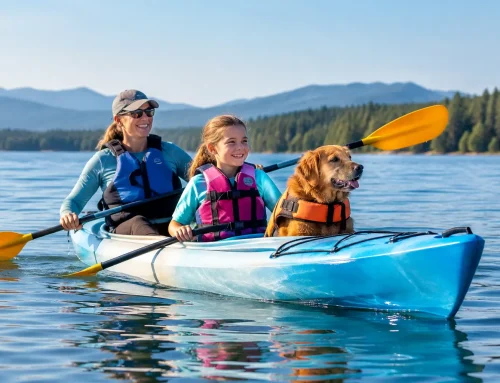
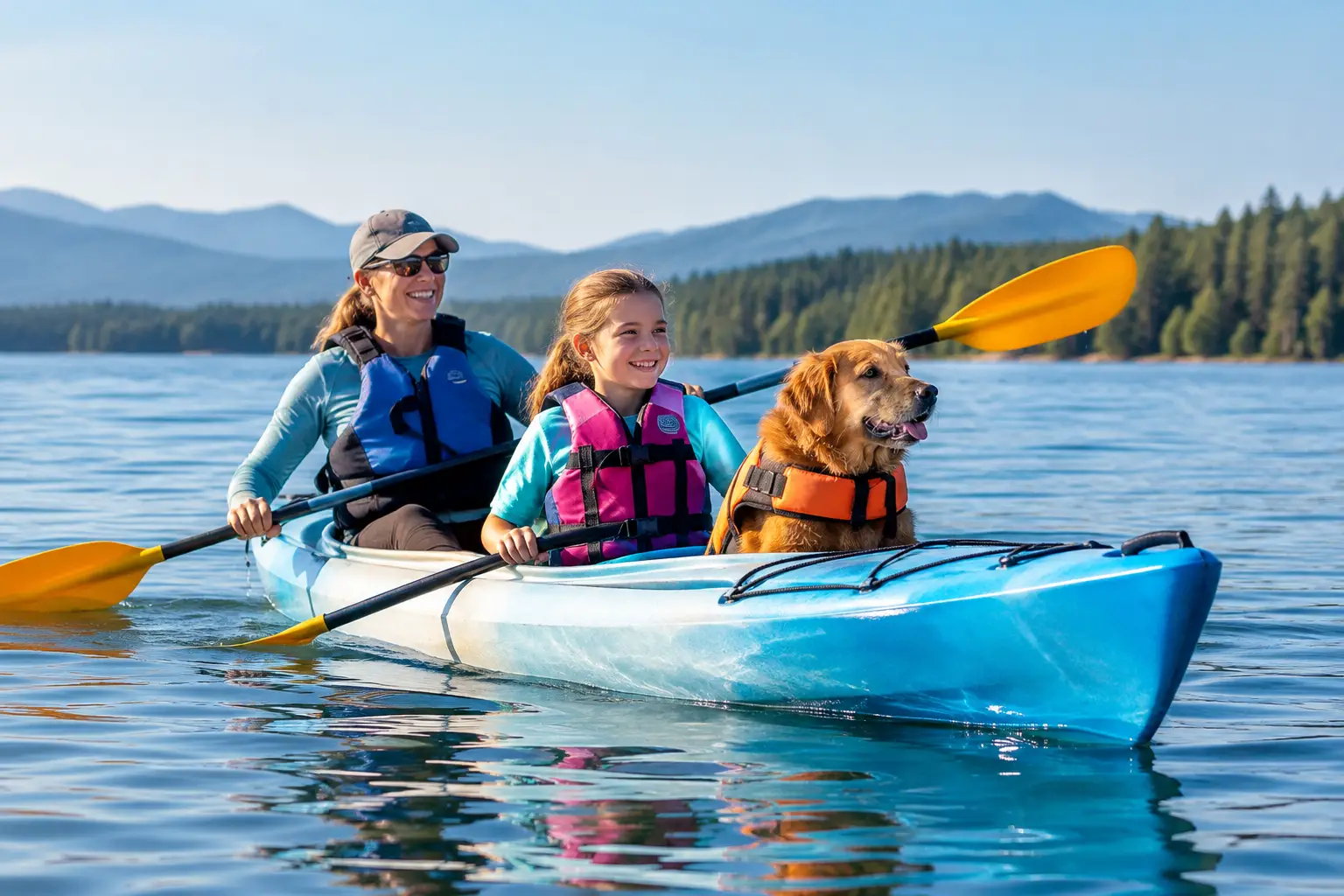
For families, the lesson often focuses on comfort and calm. Kids do best when the experience feels steady and predictable, with short goals like “let’s paddle to that point” instead of a long out-and-back that turns into a snack negotiation.
For couples, the big decision is usually single vs. tandem. Tandems can be hilarious and sweet, but they’re also a teamwork experiment. If one person is nervous, a tandem can feel safer. If both people want independence (or you both like being right), two singles are often more relaxing.
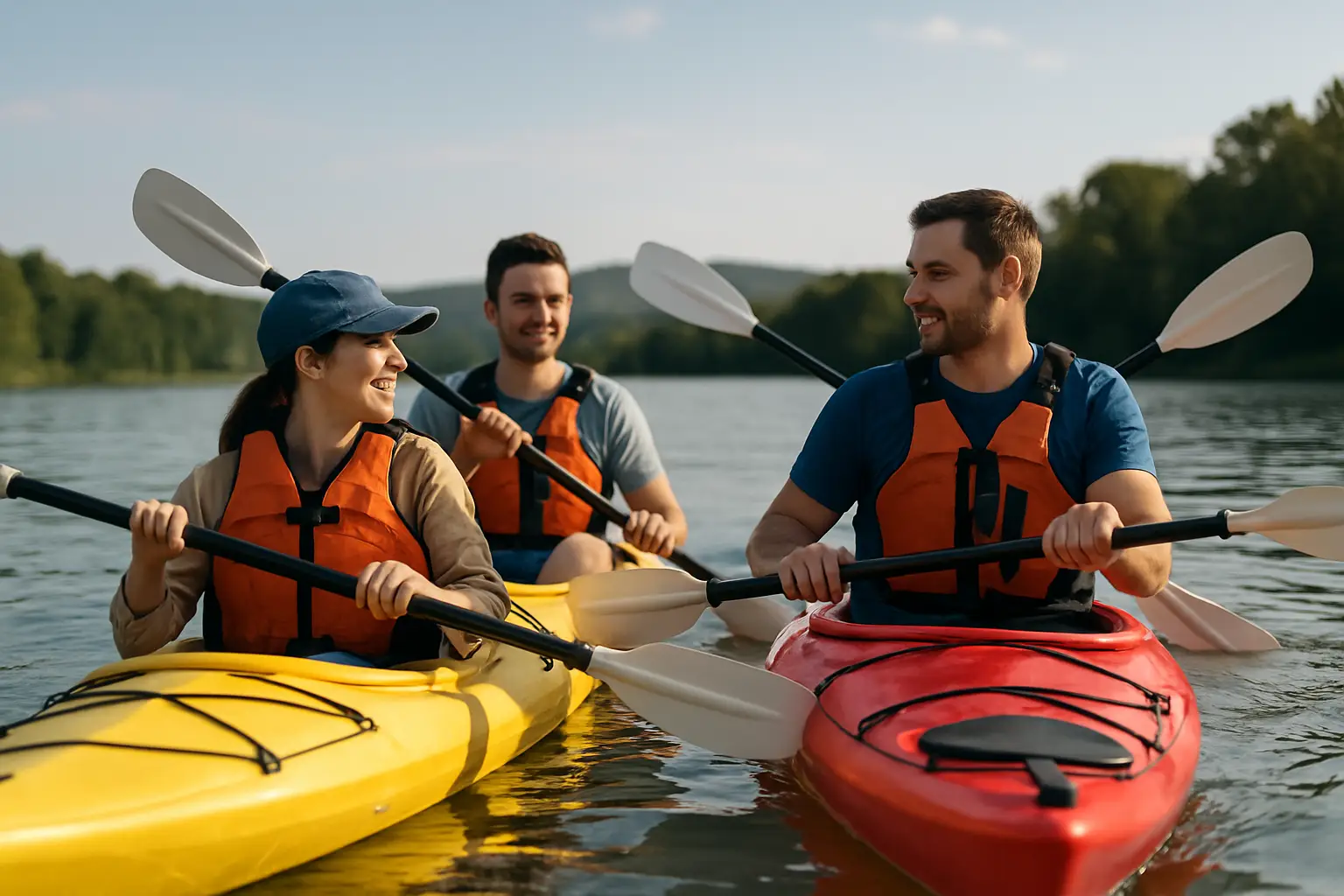
For groups of friends, the advantage of guided instruction is that everyone starts on the same page. It’s easier to keep a group together, and it cuts down on the classic dynamic where one confident paddler takes off and everyone else quietly panics trying to keep up.
Dog-friendly guided kayaking lessons: yes, but set it up right
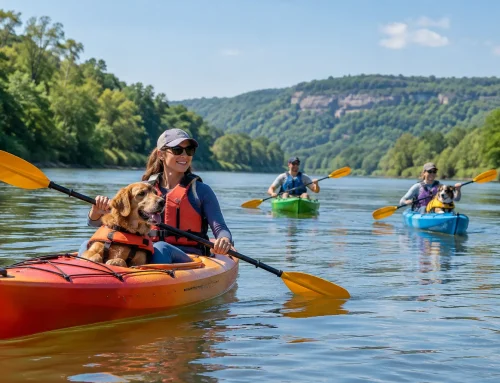
If your dog is part of your weekend plans, guided lessons can be a great way to introduce them to kayaking in a controlled, low-stress way. The key is honesty about your dog’s temperament.
A dog that’s calm around water and comfortable being handled by you in a new environment is usually a good candidate. A dog that panics when excited, launches itself at birds, or hates wearing gear might need a slower build-up.
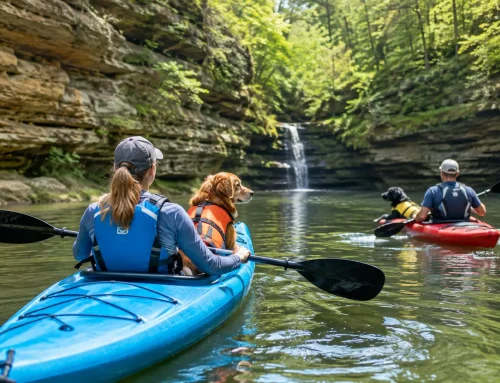
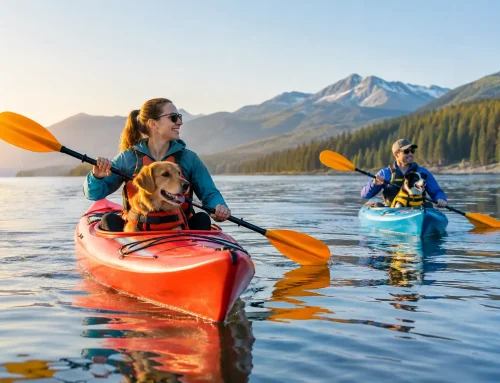
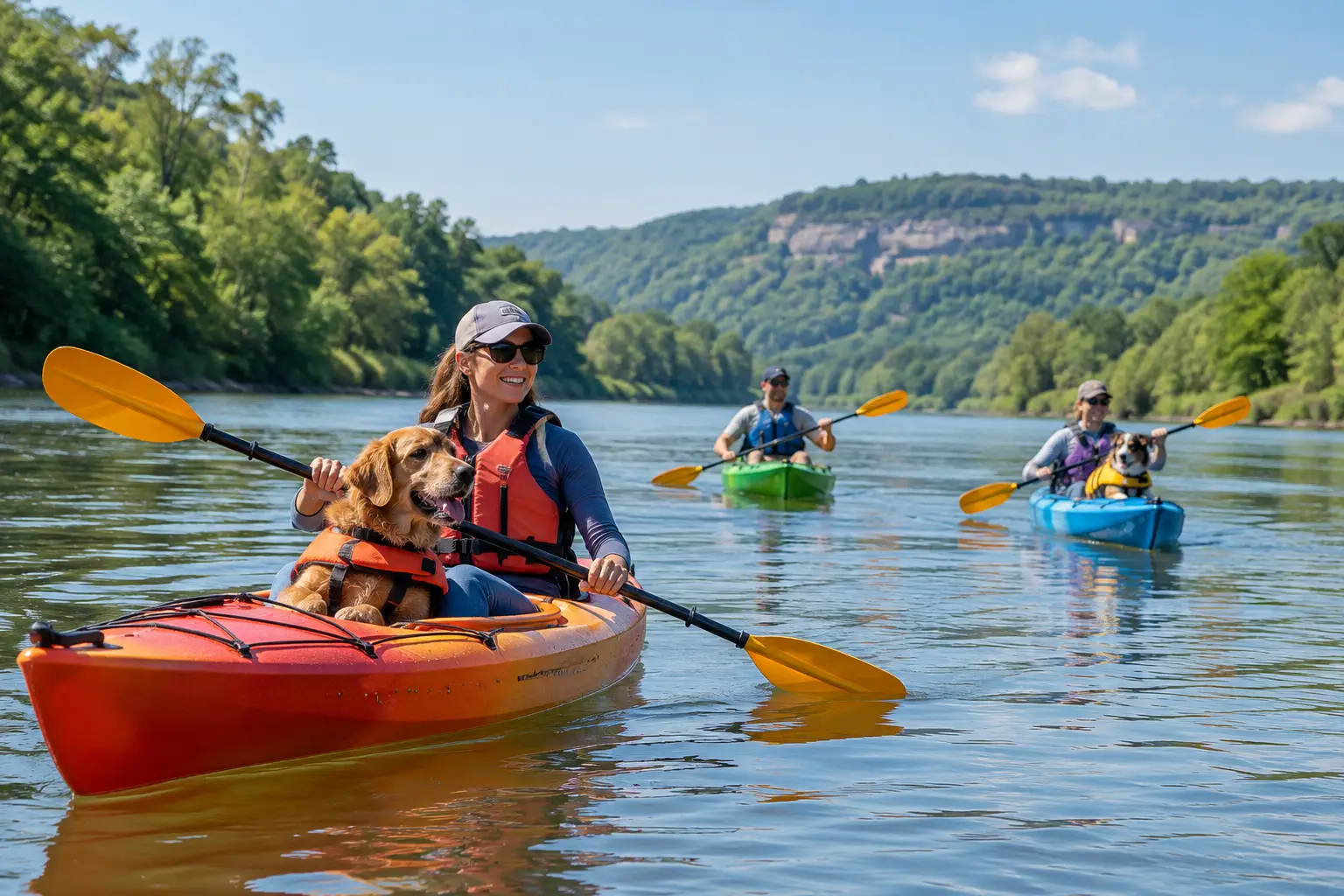
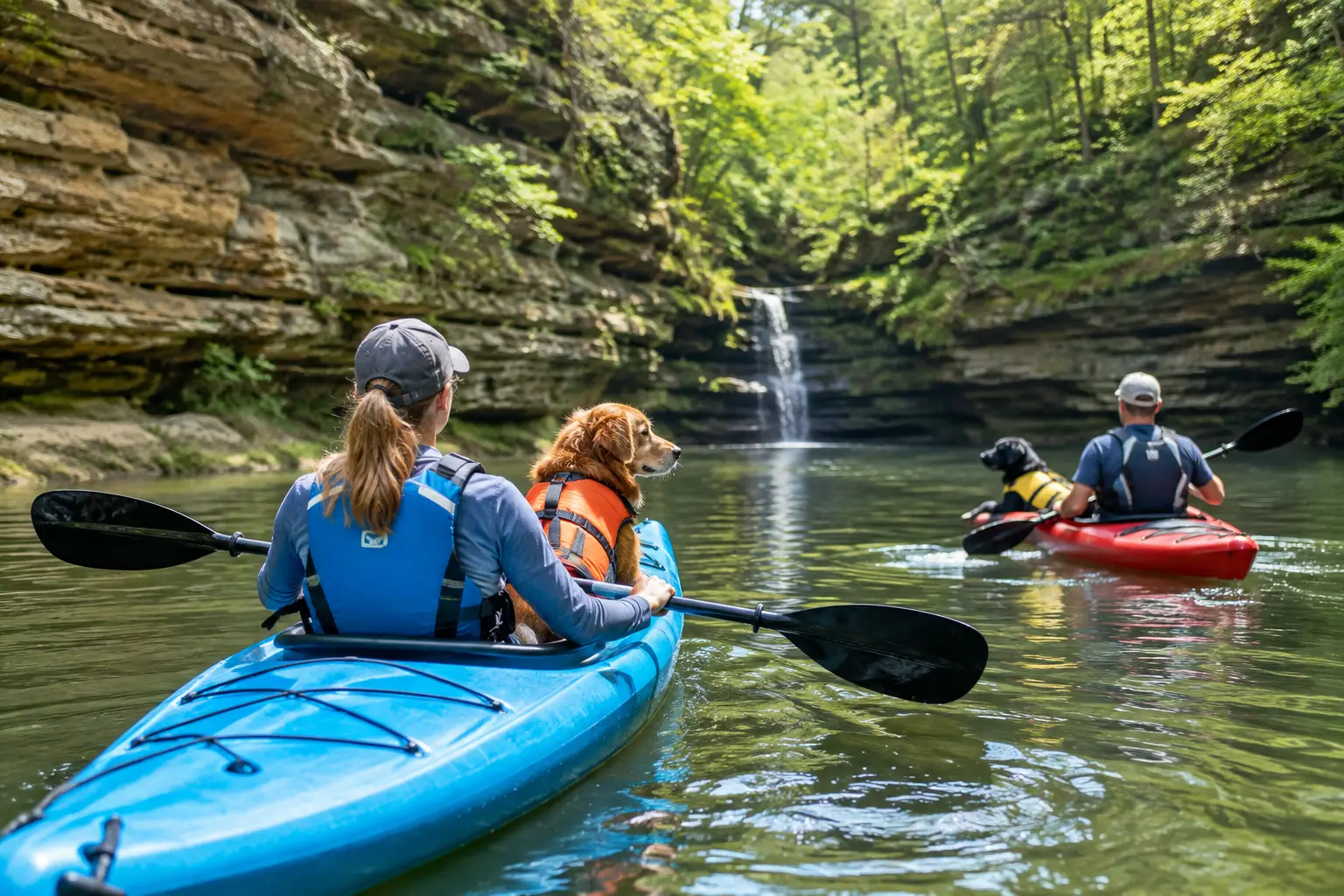
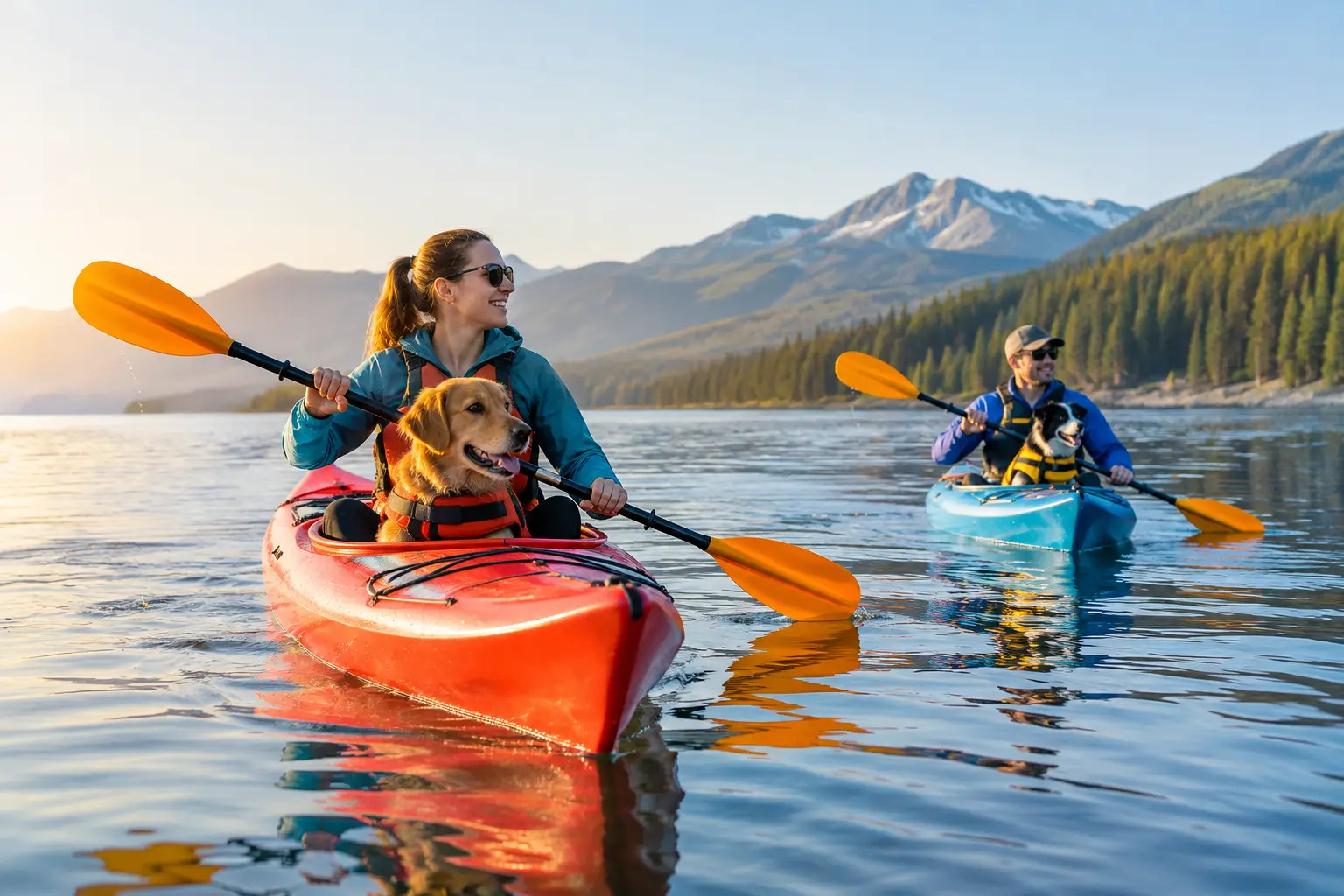
Use a properly fitted dog life jacket. Bring water and a towel, and expect a little trial and error as your dog figures out where to sit. A guide can help you choose a stable kayak and coach you through keeping the boat balanced when your co-pilot decides to reposition at the worst possible time.
How to tell if a guided lesson is actually beginner-friendly
Not every “tour” is a lesson, and not every lesson is designed for true first-timers. Here’s what to look for in the way it’s described.
You want clear mention of safety instruction, on-water guidance, and a calm route choice. You also want a provider that talks about structure: start times, launch cutoffs, what’s included, and how they handle weather. Those details aren’t buzzkills – they’re proof the operation is organized.
Pay attention to the vibe, too. Beginner-friendly doesn’t mean babying. It means guides who can keep it light while still being firm about basics like PFDs and staying together. If the messaging feels like “figure it out,” keep shopping.
What a first lesson feels like, minute by minute
Most first-timers are tense for the first five minutes on the water. Then the brain realizes, “Oh. We’re stable.” Your shoulders drop. You start noticing the scenery instead of your grip.
A good guide will keep you close at first, then give you space as you settle in. They’ll offer small corrections that make a huge difference – like adjusting how you’re holding the paddle or reminding you to look where you want the kayak to go.
Somewhere around the middle, you’ll hit the best part: quiet confidence. You’re moving. You’re steering. You’re not overthinking. That’s the moment people start planning their next trip before this one even ends.
Why lessons pair perfectly with a simple overnight plan
If you’re coming from the Chicago area, guided lessons are an easy anchor for a day trip – but they also fit beautifully into a low-effort weekend. Paddle first, camp after, and suddenly you’ve turned “we should do something outdoorsy” into an actual memory.
Waterfront camping makes it feel even more effortless because you’re not commuting back and forth. You paddle, laugh about who splashed who, eat something easy, and sleep near the river. Tent camping is classic. Pop-up camping is comfort with less fuss. Tear drop camping is for people who like their nature with a side of cozy.
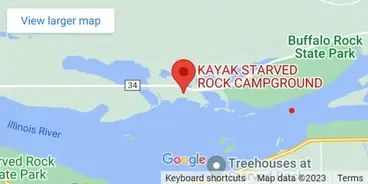
If you want an all-in-one option near Starved Rock that bundles calm-water paddling with on-site camping energy, Kayak Starved Rock Campground is set up for exactly that kind of first-timer weekend, with guided experiences and a beginner-friendly stretch of the Illinois River right across from the park (PFDs required – always).
The trade-offs: when guided isn’t necessary (and when it really is)
If you’ve paddled before, feel comfortable on calm water, and you’re in a familiar area with a straightforward route, you might not need a lesson every time. Rentals can be perfect for relaxed repeats.
But if any of these are true – it’s your first time, you’re bringing kids, you’re adding a dog, you’re nervous about water, the wind is up, or you just want the easiest possible experience – guided time is worth it. You’re not paying for someone to paddle next to you. You’re paying to remove stress and shorten the learning curve.
The best part is that the skills stick. One good beginner lesson can turn kayaking into your default warm-weather plan: quick drive, clear plan, calm water, and that rare feeling of being fully present.
Bring curiosity, wear your life jacket, let your guide do what they do, and give yourself permission to be new at something. The water doesn’t ask you to be perfect – it just asks you to show up.