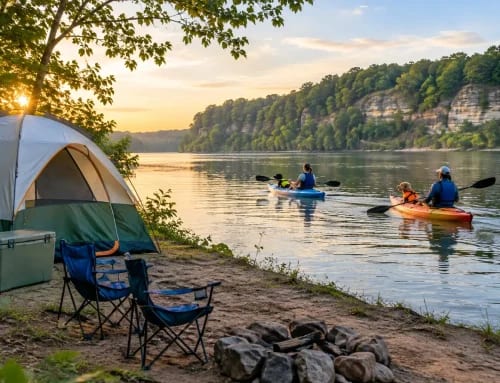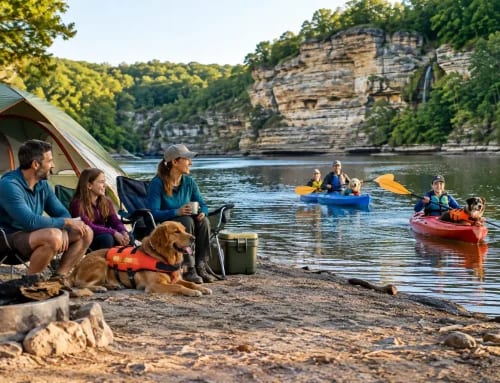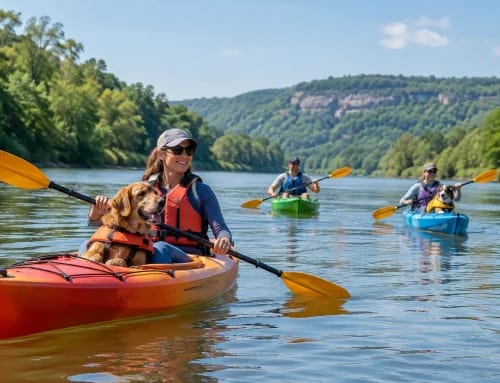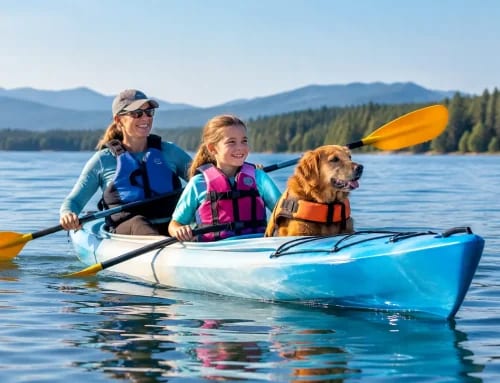
Friday at 5 p.m., the group chat gets bold. By Saturday morning, half the crew is asking who packed the lantern, whether anyone booked a site, and if kayaking is going to be “too much.” That is exactly why knowing how to plan a kayak glamping weekend matters. The best trips feel easy because someone handled the details before the first paddle hits the water.
A kayak glamping weekend should feel like a reset, not a field exercise. You want the fun parts – water, campfire, snacks, a cozy tent setup, maybe the dog curled up on a blanket – without turning the whole thing into a logistics marathon. If you are planning a weekend near Starved Rock or looking for camping near Chicago that still feels like a real getaway, a little structure goes a long way.
How to plan a kayak glamping weekend without overthinking it
The trick is to start with the right version of the trip. Not every group wants the same weekend. A couple might want a quieter waterfront stay with a relaxed paddle and a better-than-basic tent setup. A family may care more about shallow, beginner-friendly water, bathrooms nearby, and enough room for snacks, dry clothes, and a dog leash that is not tangled around a camp chair.
Before you book anything, decide what kind of weekend you are actually planning. Is this mostly a camping trip with a short kayak outing built in, or is kayaking the main event with glamping as the reward after? That answer shapes everything from your schedule to what kind of campsite makes sense.
For most first-timers, the sweet spot is one paddle session per day, not an all-day endurance plan. Flatwater is your friend. Calm conditions, easy launching, and a place with on-site support remove the two biggest stressors for beginners – worrying about skill level and figuring out transportation.
Pick a beginner-friendly paddling location
This is where a lot of people either set themselves up for a great weekend or a very long one. If your group includes first-time kayakers, kids, or anyone who says, “I am down, but I do not want rapids,” choose water that is controlled, calm, and forgiving.
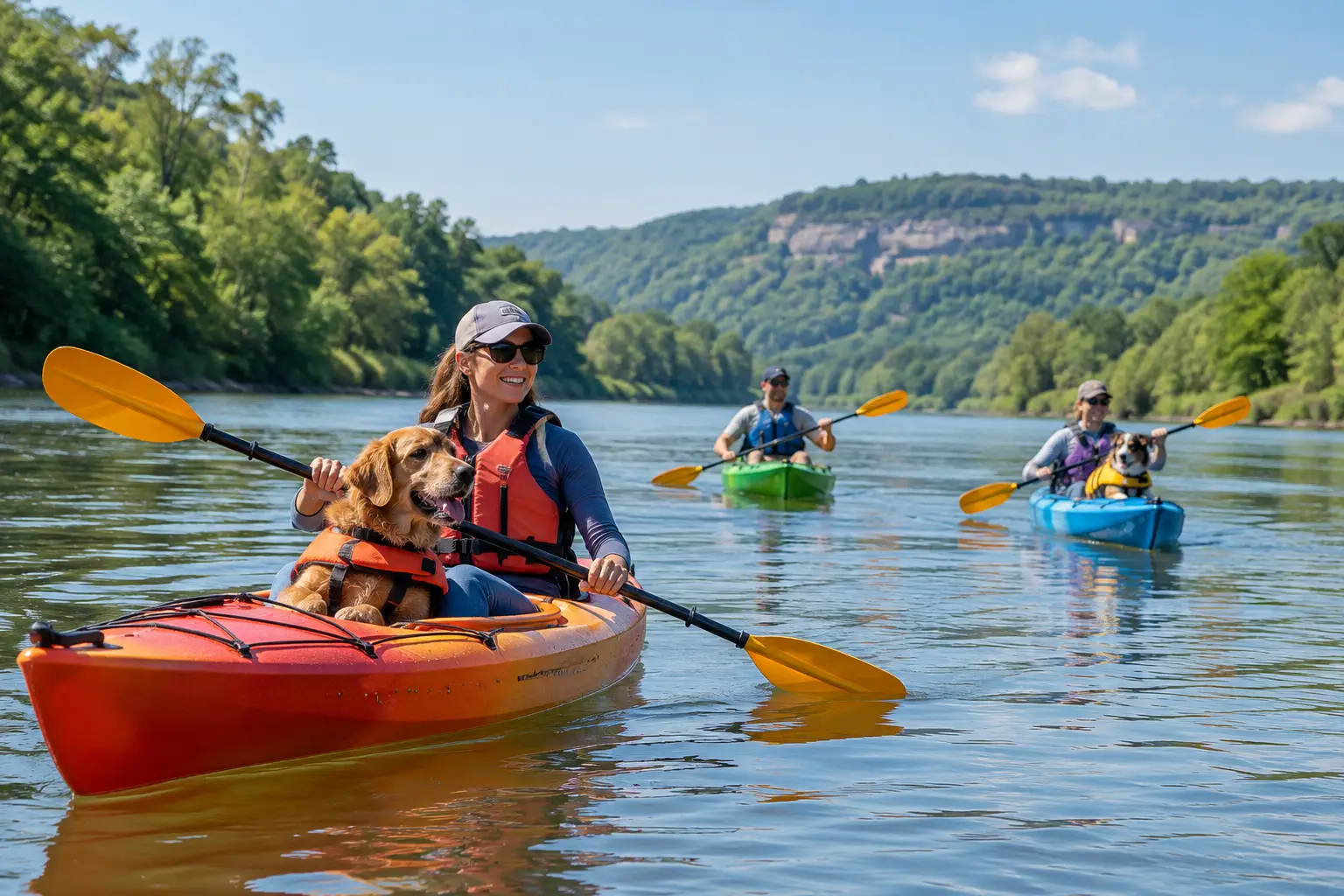
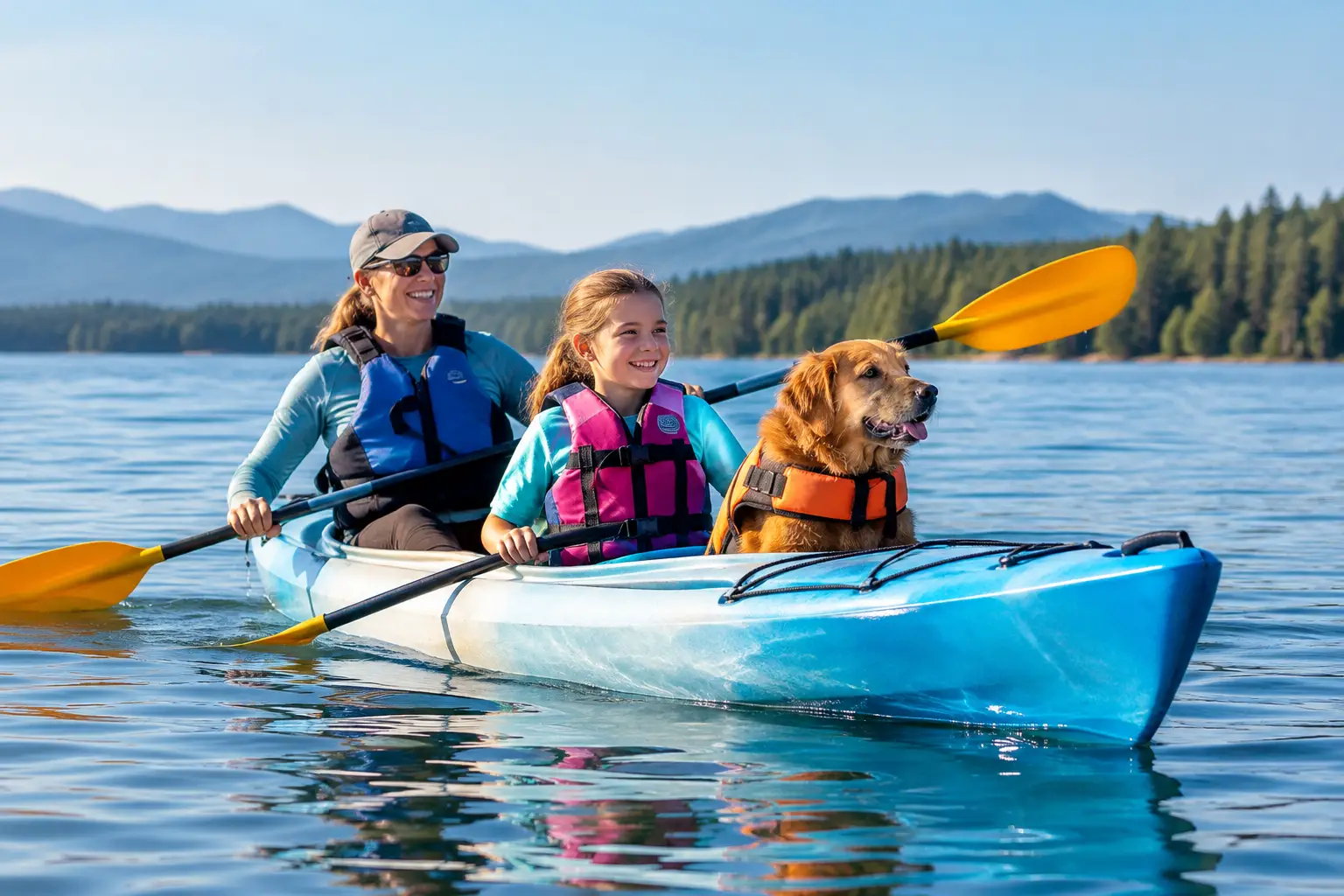
That means looking for flatwater kayaking, shallow areas, clear launch procedures, and an operation that provides safety instruction and requires PFDs. If you can camp right by the water, even better. It cuts out shuttles, keeps the day simple, and lets everyone ease into the experience instead of showing up frazzled.
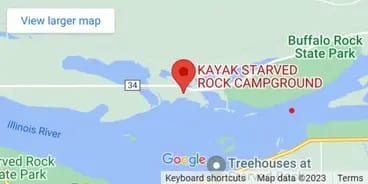
This is a big reason Illinois River camping near Starved Rock works so well for weekend trips. You get scenic bluffs and that outdoorsy escape people want, but without needing expert paddling skills to enjoy it. For Chicago-area travelers, it also hits the sweet spot of feeling far enough away to matter while still being realistic for a two-night trip.
Book the campsite and kayak plan together
If you want glamping energy, do not leave the campsite to chance. The easiest way to lose the vibe is to spend two hours wrestling with gear after dark. A true kayak glamping weekend works best when your paddling and camping are planned as one experience, not two separate reservations that may or may not line up.
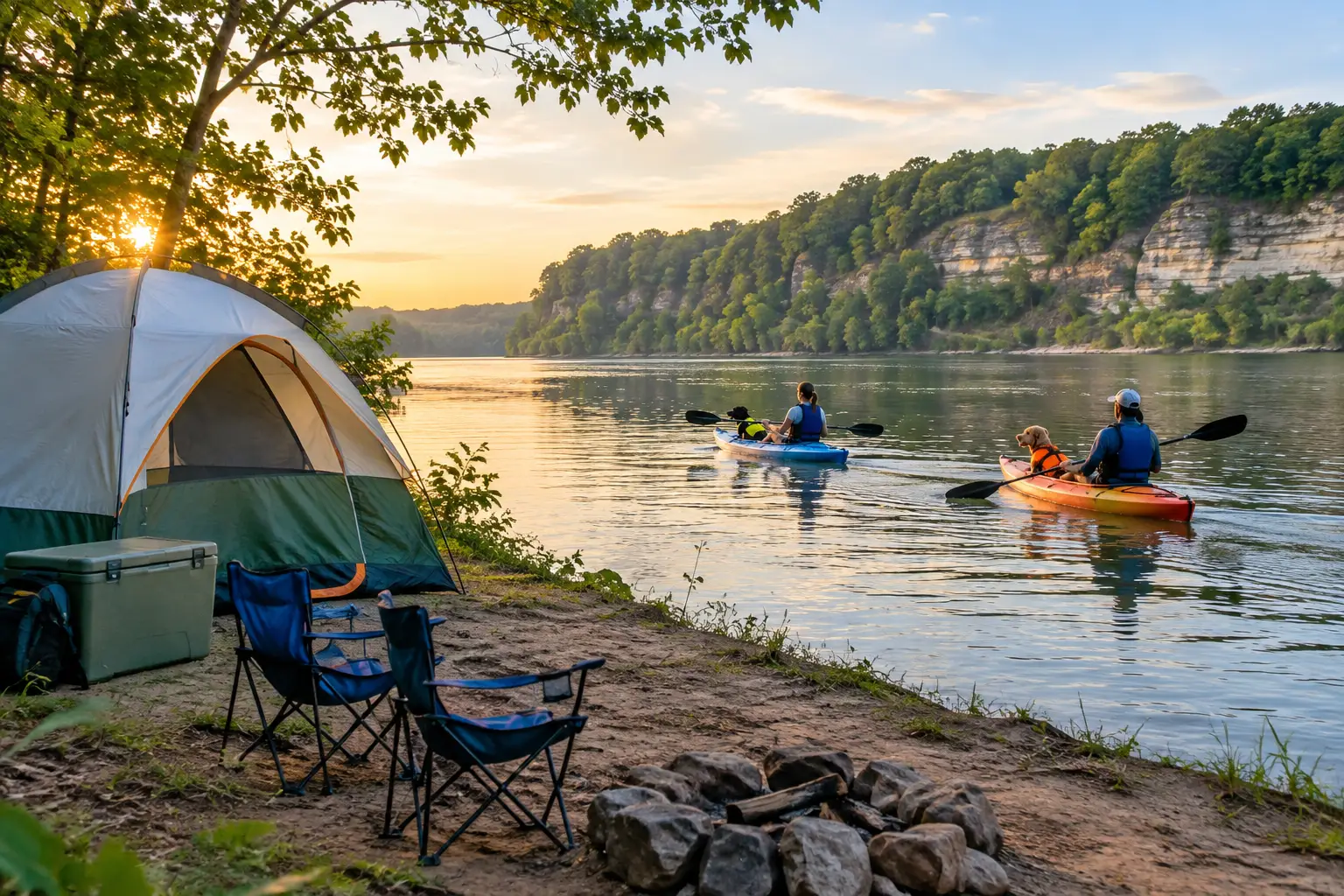
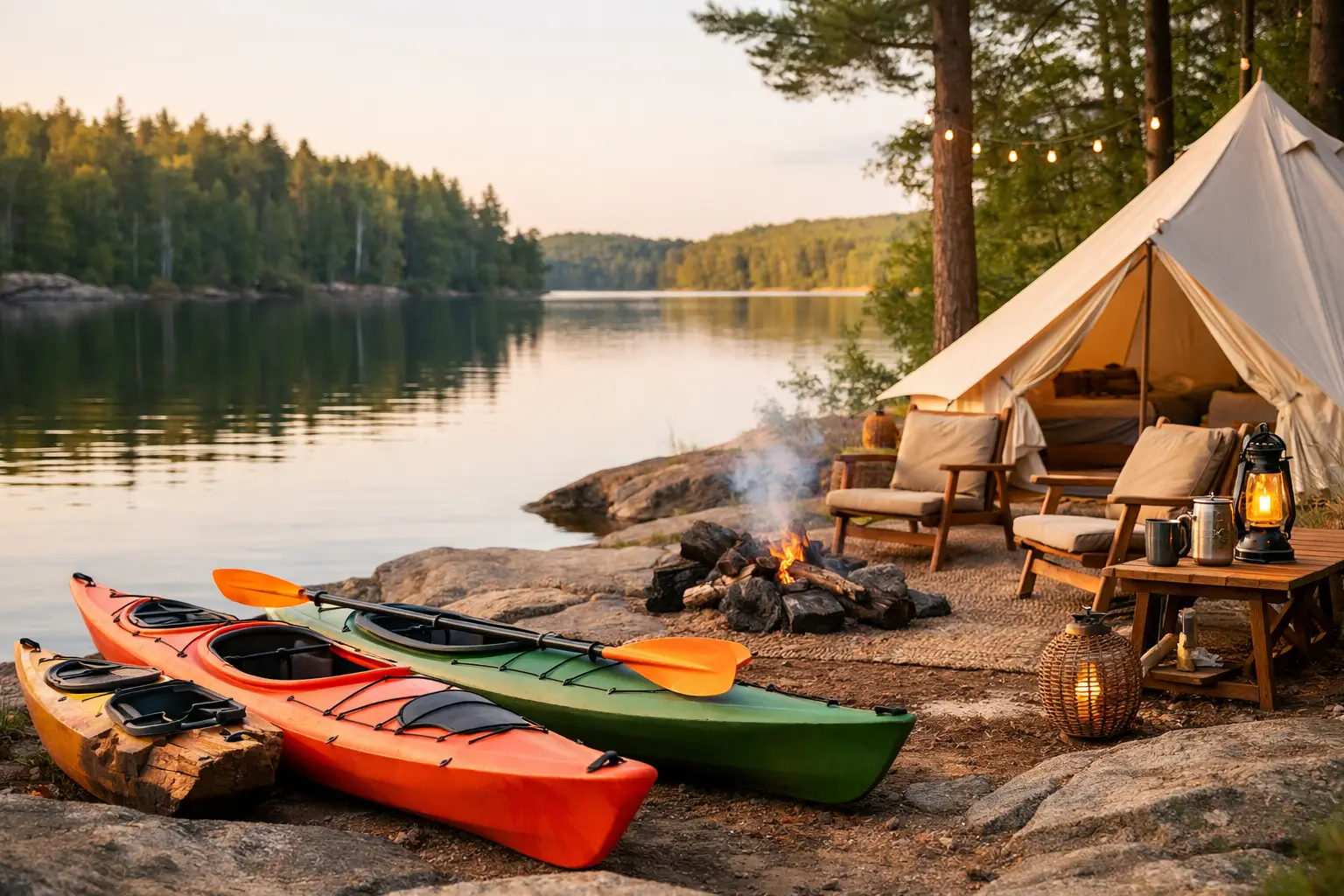
Look at what type of camping fits your group best. A tent setup is great if you want the classic camp feel with a little more comfort. A pop up can make sense for families who want easier sleeping arrangements and a bit more weather protection. A teardrop setup usually appeals to couples or anyone chasing a simple, cozy stay without hauling a lot of gear.
Think about arrival time too. If your crew is driving in after work, choose an option that keeps setup light. If you are arriving earlier and enjoy the ritual of camp life, a more hands-on setup can still feel fun. The point is not to prove how rugged you are. The point is to spend more time enjoying the riverfront and less time arguing over tent poles.
Build a realistic weekend schedule
The best kayak weekends have some breathing room. You do not need every hour planned, but you do need a loose shape for the trip.
A simple Friday to Sunday flow works well. Arrive Friday evening, get camp settled, eat something easy, and go to bed before everyone gets too ambitious around the fire. Paddle Saturday morning or late afternoon when the sun is a little kinder, then leave the middle of the day open for hiking, exploring the Starved Rock area, relaxing at camp, or doing absolutely nothing useful. On Sunday, keep it light. Coffee, breakfast, maybe a short walk, maybe one more paddle if your group is feeling it.
This matters because kayaking is more fun when people are not rushed. Launch cutoffs, weather shifts, and daylight all matter. A good plan leaves room for real-life timing, especially if you are traveling with kids or coordinating multiple cars.
Pack for comfort, not survival points
Glamping has one job – make the outdoors feel easy enough that everyone wants to do it again. Your packing list should reflect that.
For kayaking, bring quick-dry clothes, sun protection, water shoes or sandals that stay on, and a dry bag for phones, keys, and anything that would ruin your mood if it got wet. For camp, prioritize sleep and simple comforts. That means decent bedding, layers for cool evenings, camp chairs, headlamps, and food that does not require a five-step cleanup process.
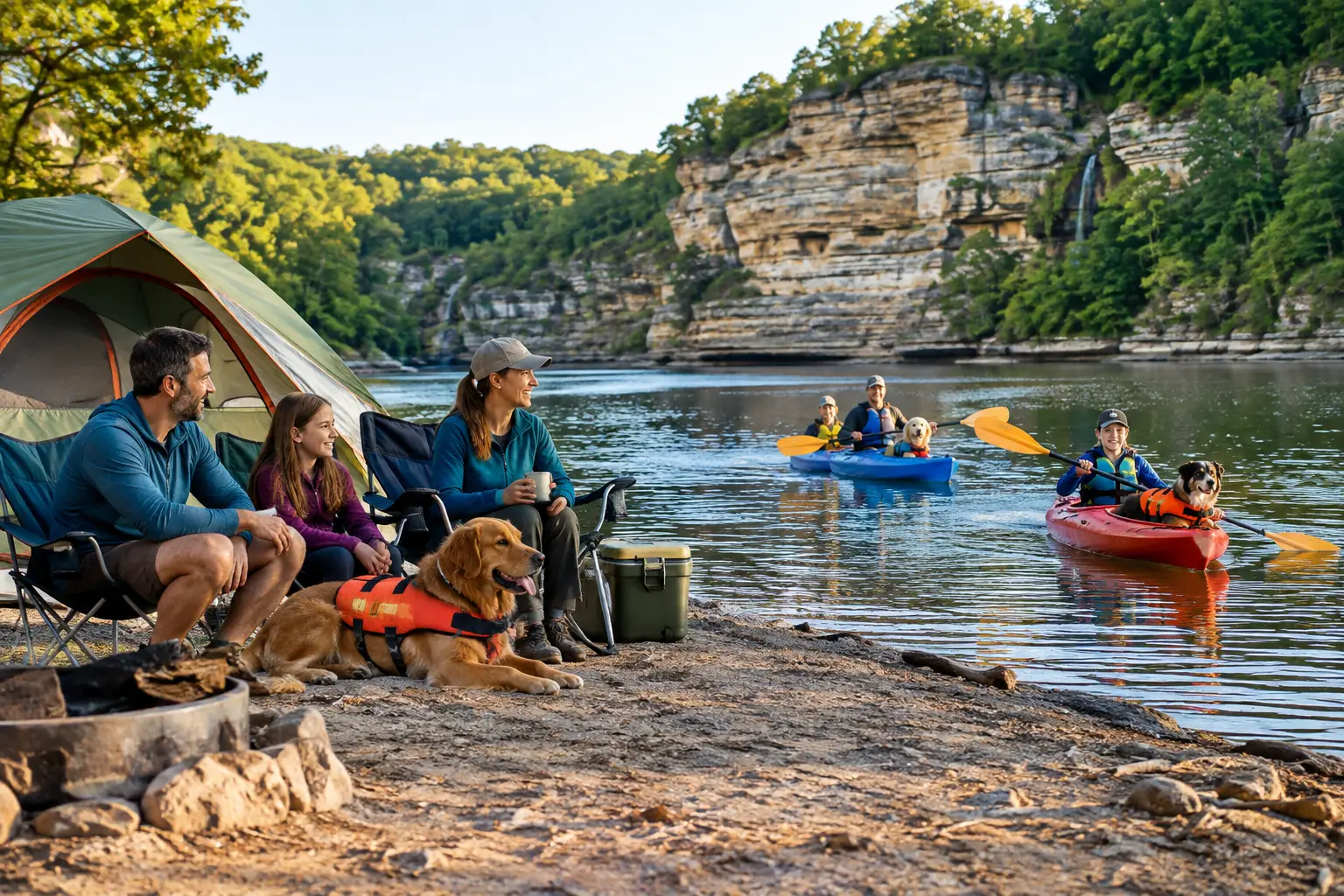
If you are bringing a dog, plan for that dog like it is a real member of the group, because it is. Bring water, a bowl, leash, waste bags, and a spot for them to settle at camp. Dog-friendly camping sounds dreamy until your pup is soaked, hungry, and trying to steal everyone’s hot dog.
A small note on style: the perfect glamping weekend is not about buying fancy enamel mugs and pretending you are in a catalog. It is about removing friction. If one extra blanket, a better cooler, or a rented tent makes the whole weekend easier, that is the smart move.
How to plan a kayak glamping weekend for families, couples, or friend groups
The same destination can feel totally different depending on who is coming. Families usually need shorter paddles, easier meals, and lower expectations about timing. Couples may want a quieter campsite, a sunset paddle, and fewer scheduled activities. Friend groups often benefit from assigning one person to booking, one to food, and one to the “did anyone actually check the weather” role.
This is also where guided versus self-guided becomes a real decision. If your group is new, a guided outing can take a lot of pressure off. You get instruction, local knowledge, and a smoother first experience. If everyone is comfortable on the water and the setup is straightforward, a rental may be enough.
Neither option is automatically better. It depends on your group, your confidence level, and whether you want the trip to feel more hands-on or more turnkey.
Keep safety simple and non-negotiable
Fun trips are built on boring good decisions. Wear your PFD. Check weather before launch. Know the last time you can get on the water. Do not assume every person in your group understands basic paddling just because they said, “Yeah, I have done this before.” Sometimes that means they once sat in a kayak for 14 minutes at summer camp.
Choose places that make safety easy to follow. Clear instructions, staff support, well-defined launch areas, and beginner-friendly conditions matter a lot more than chasing some extreme backcountry story you will be too stressed to enjoy anyway.
If you are planning a trip near Chicago, this is one reason Kayak Starved Rock Campground is such a strong fit for first-timers and casual paddlers. The combination of flatwater kayaking, waterfront camping, and on-site support takes a lot of uncertainty out of the weekend.
Leave room for the part people remember
People rarely come home raving about how efficiently the trunk was packed. They remember the quiet water in the morning, the group laugh around the fire, the dog refusing to go to bed, the first-time paddler who started nervous and ended up asking if there was time to go again.
That is the real answer to how to plan a kayak glamping weekend. Get the logistics solid enough that nobody has to think about them too much. Choose a place that is easy to enjoy, especially for beginners. Then let the weekend do what it is supposed to do – give everyone a little fresh air, a little confidence, and a very good excuse to stay off their phone for a while.