You know that moment right before you leave the house when you stare at the door and think, Wait – do I have everything?
Kayaking has a special talent for creating that feeling because it is half relaxing nature day, half water activity with real rules. The good news: once you pack the basics a couple times, you stop overthinking it. The better news: if you are paddling flat, dam-controlled water near Starved Rock, you can keep your kit simple and still feel wildly prepared.
This is the no-drama answer to what to bring on a kayaking trip – with a few honest trade-offs depending on weather, timing, and whether you are bringing kids, a dog, or turning your paddle into a paddle-and-camp weekend.
What to bring on a kayaking trip: start with the non-negotiables
There is “nice to have,” and then there is “you will not have fun without this.” Start here.
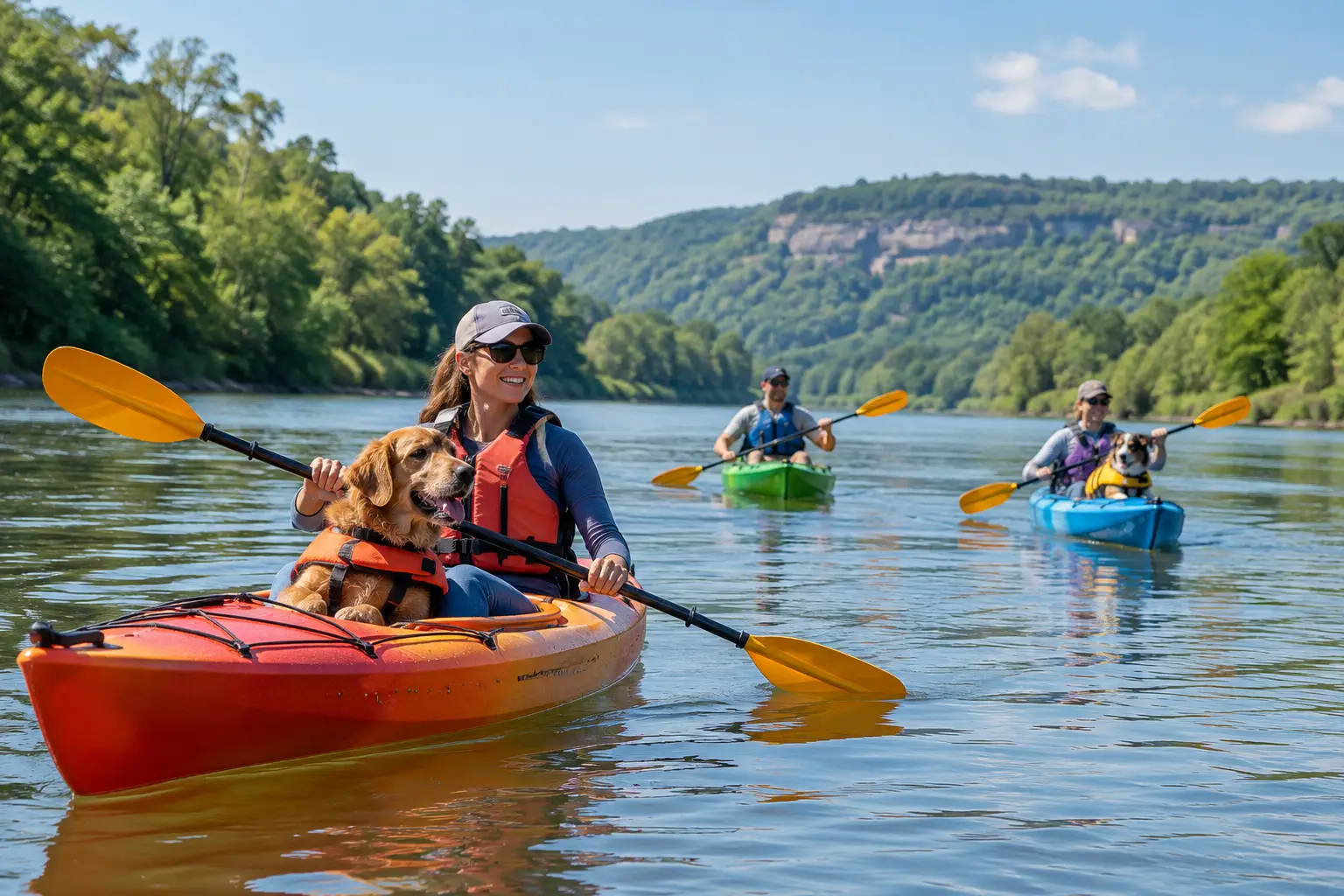
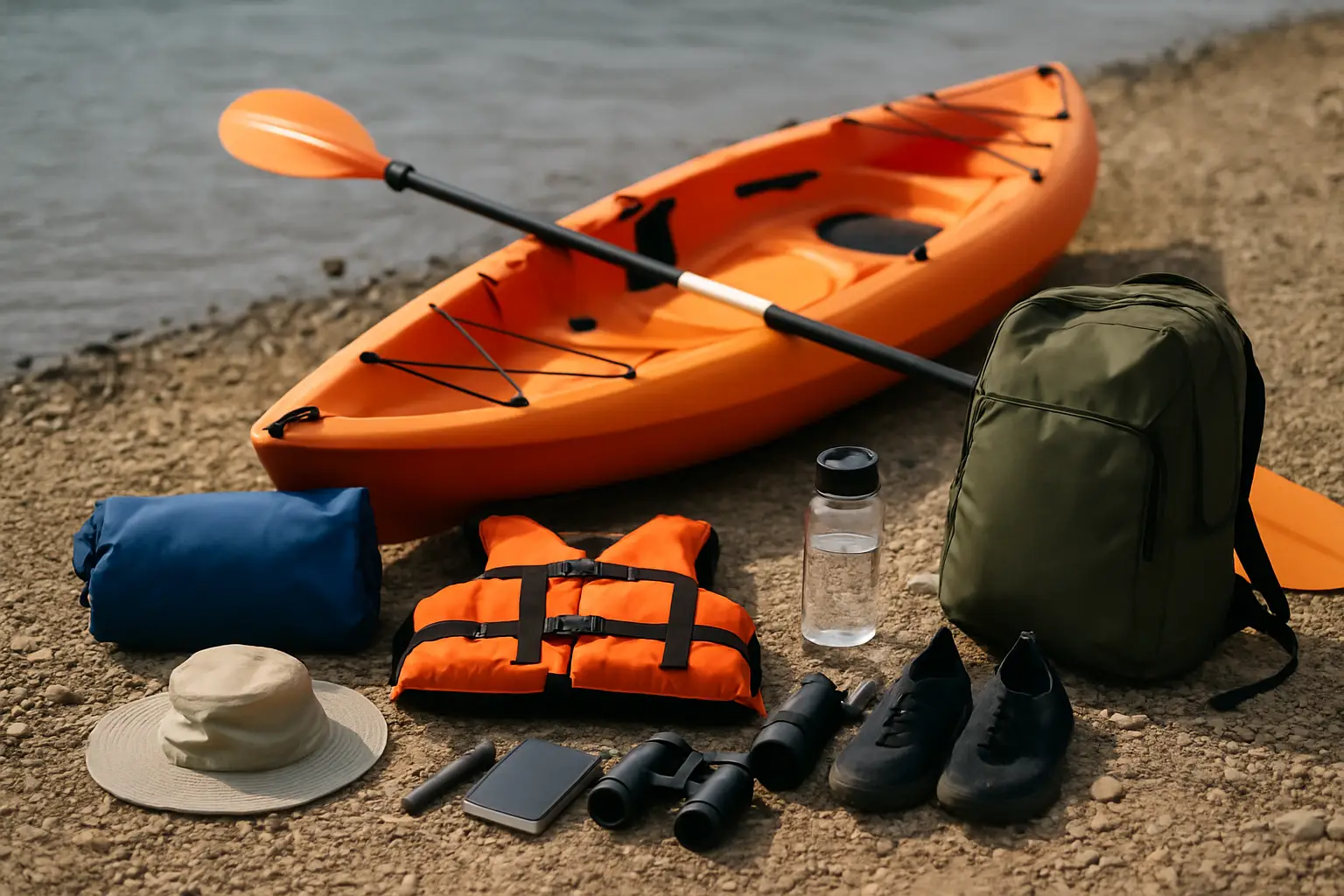
A properly fitting life jacket (PFD) is the big one. Even if you are a strong swimmer. Even if the water looks calm. Even if you are “just going along the shoreline.” Wear it on the water, not bungeed to the boat like a decorative pillow. If you are renting, your outfitter should provide one and help you get the fit right. If you are bringing your own, check the buckles and zippers at home and make sure it is comfortable enough that you will actually keep it on.
Next: a way to keep essentials dry. A small dry bag is perfect for a phone, car keys, and any meds you cannot replace. If you do not own a dry bag, a sturdy zip-top bag inside another zip-top bag is the budget version – it is not as reliable, but it beats a soaked key fob.
You will also want sun protection that works on the water. That means sunscreen you apply before you launch, plus something physical like a hat and sunglasses. Polarized sunglasses are not a flex – they reduce glare and help you see what is under the surface in shallower sections.
Finally, bring water. Not “we will grab something after.” On hot days, paddling is sneakily dehydrating because the breeze makes you forget you are sweating.
Dress like you might get splashed (because you will)
If you are used to hiking outfits, kayaking clothes feel almost too easy. The goal is comfort when wet, plus enough warmth if the wind kicks up.
For warm days, quick-dry layers win. Think athletic shorts or leggings and a synthetic shirt. Cotton is the classic mistake. It gets wet, stays wet, and turns into a chilly blanket the moment the sun dips or a breeze shows up.
For cooler days, add a light insulating layer and a windbreaker. On flatwater, you are not fighting rapids, but you are exposed. If the air is 60 degrees and overcast, you can get cold faster than you expect.
Shoes matter more than people think. Flip-flops are fine until you step into mud or shallow water at launch. Water shoes, sandals with a heel strap, or old sneakers you do not mind getting wet are all solid. If you are doing a guided tour with planned stops, assume you will step out at least once.
One more thing that sounds fussy and ends up saving the day: a full change of clothes in the car. Even if everything goes perfectly, you will be happier driving home in something dry.
Food, snacks, and the art of not bonking
A kayaking trip feels mellow until you realize you have been paddling for two hours and your brain is running on vibes.
Bring snacks that survive heat and bouncing around: trail mix, protein bars, fruit that is not easily bruised, or a sandwich in a reusable container. If you are paddling with kids, double whatever you think they will eat and add one “peace offering” snack for later.
If you are packing lunch, keep it simple and low-mess. On-water picnics are fun. Mayo explosions are not.
For drinks, water is the baseline. If it is hot, toss in an electrolyte option. If you are out for a sunset paddle, a warm drink in a thermos can be surprisingly cozy in the shoulder seasons.
Phone, photos, and keeping the important stuff un-drowned
Yes, you can bring your phone. No, you should not trust your pockets.
A waterproof phone case is great if you like taking pictures on the water. If you just want your phone for emergencies, put it in a dry bag and leave it there. Either way, use a leash or lanyard so it cannot do the classic slow-motion slip into the river.
Car keys deserve their own plan. Many modern key fobs do not handle water well, and replacing them is a special kind of expensive. Dry bag, zipped closed, clipped to the boat or tucked deep in the bag. This is also why that spare set of keys back at camp or in the car can be a hero move when you are with a group.
If you are bringing a camera, keep it small and secure. The best photos come from relaxed paddlers, not from someone juggling gear like they are filming a documentary.
Comfort add-ons that feel like cheating
Once the basics are covered, a few extras make the whole day smoother.
A small towel is underrated. You will use it for wet hands, wet seats, wet dog, and the inevitable mystery splash.
Bug spray depends on the day. If it is a calm evening near the shoreline, you will appreciate it. If it is breezy midday, you might never think about bugs at all.
A lightweight rain jacket can be the difference between “we should head in” and “we are fine.” Weather near the river can shift quickly, and getting wet is not the issue – getting cold is.
And if you are someone who gets sore easily, padded paddling gloves or simple athletic tape on your thumbs can prevent blisters. You do not need to look like a pro. You just need hands that still like you tomorrow.
If you are kayaking with kids
Kids are amazing on the water because they treat everything like a discovery mission. They also need more structure than adults, especially on a first trip.
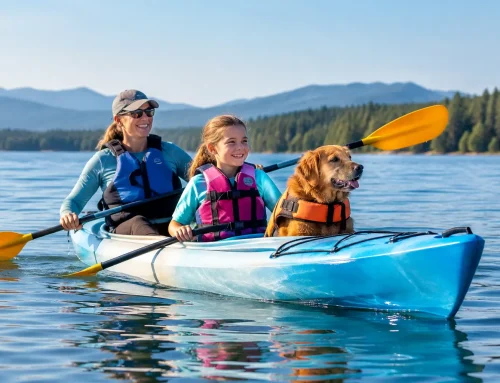
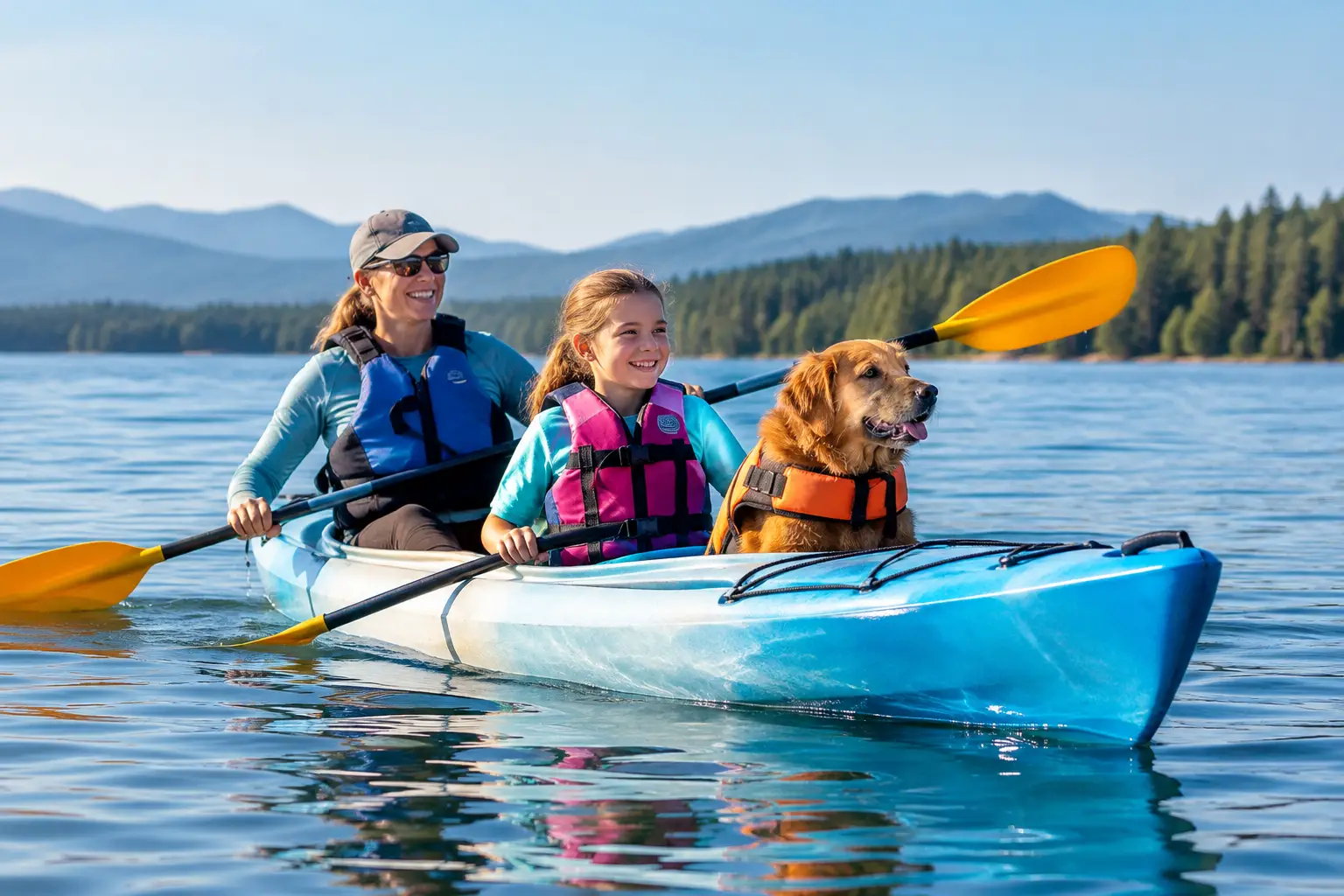
Bring properly sized kids PFDs and make sure they are snug. Pack extra snacks and a warm layer even on nice days. A small comfort item can help too – something that fits in the boat and does not mind getting damp.
Plan around bathroom breaks. If you are doing a shorter paddle, it is easier. If you are doing a longer outing, talk through the plan before you launch so no one is panicking later.
Most importantly, set the tone: this is not a race. It is a floating adventure.
If your dog is coming (dog-friendly and actually enjoyable)
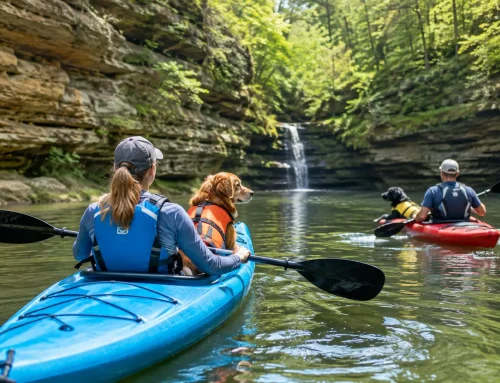
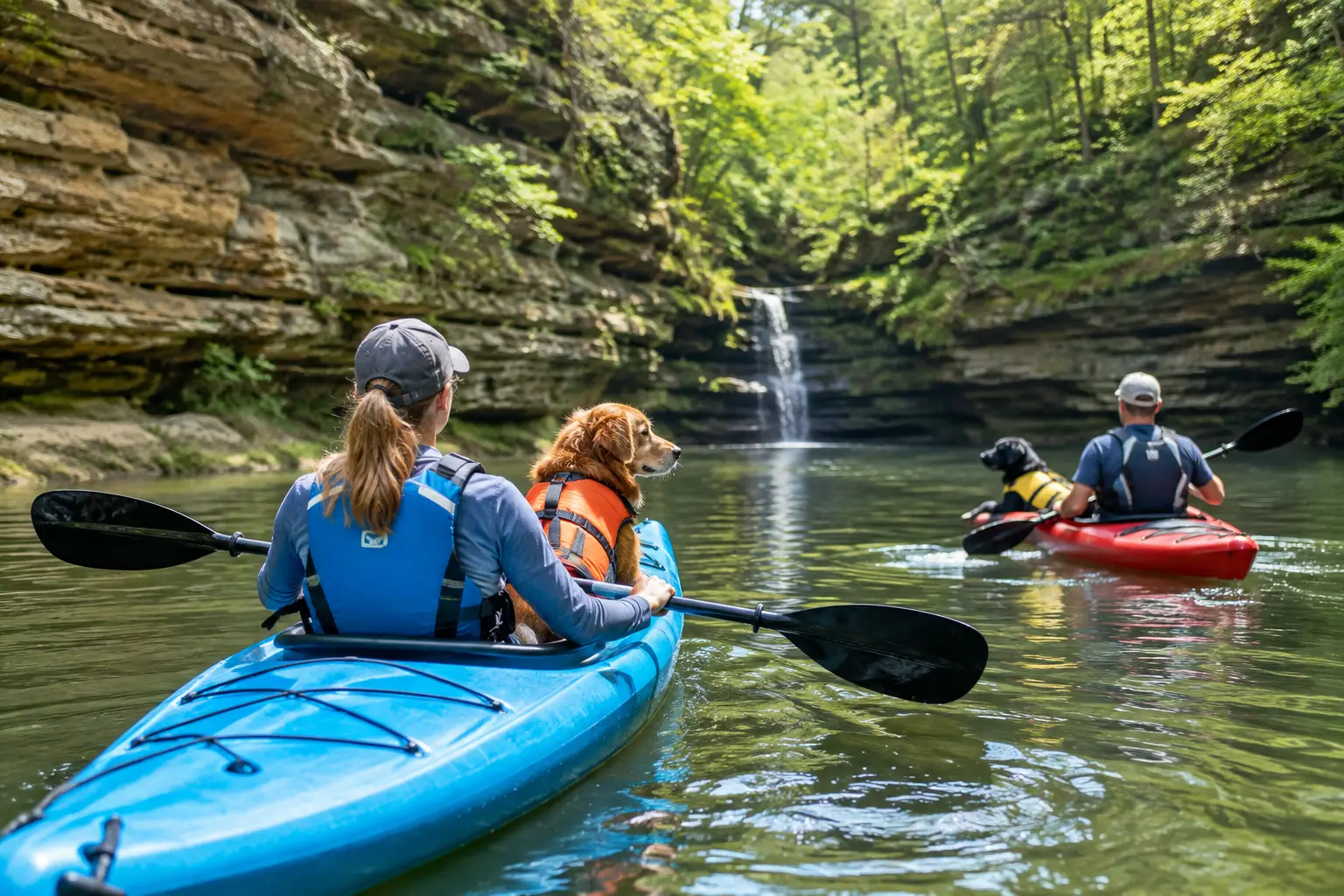
Dog-friendly kayaking is one of the most fun ways to spend a day, and also one of the easiest ways to end up soaked if you are not prepared.
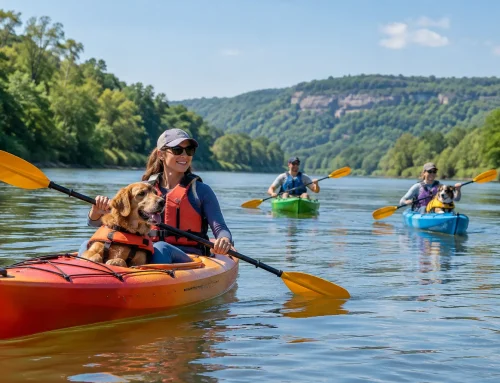
Your dog should wear a dog life jacket, even if they swim like a champ. It gives them buoyancy, a handle for helping them back in, and peace of mind for you.
Bring fresh water for your dog and a bowl. River water is not a sports drink. Pack a leash, waste bags, and a towel you are willing to sacrifice. If your dog gets anxious, a familiar mat or small blanket can help them settle on the kayak floor.
It also depends on your dog’s personality. Some dogs sit like statues. Some dogs try to greet every passing paddle like it is a long-lost cousin. If your dog is in the second category, choose a calmer time of day, stay closer to shore, and keep your first outing shorter.
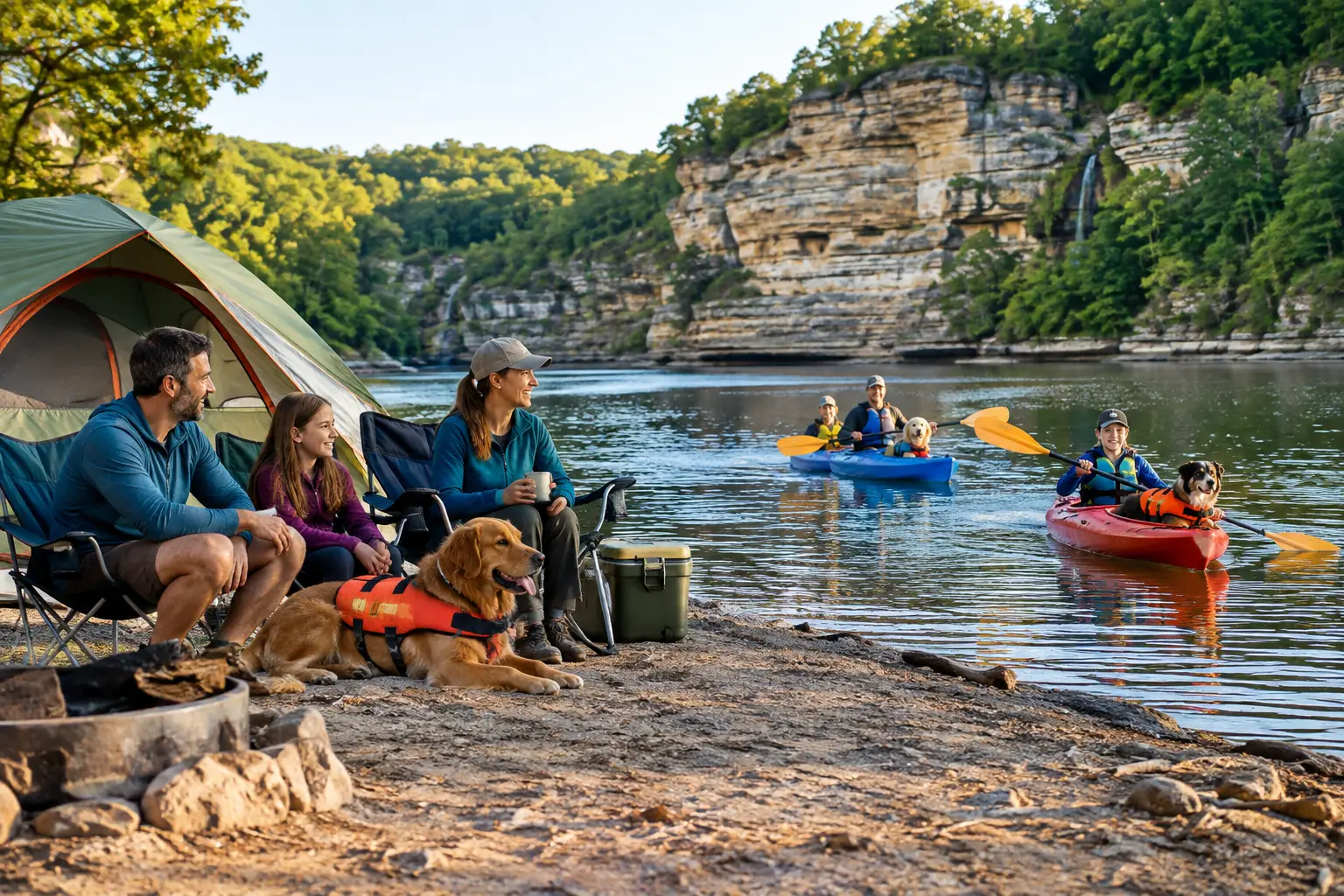
If you are camping after you paddle
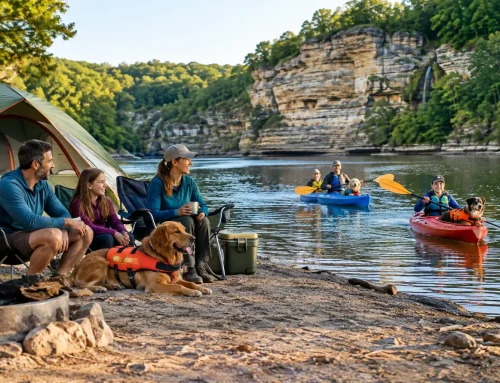
Turning a day trip into a weekend is the cheat code for feeling like you went far, even when you stayed near Chicago.
For a paddle-and-camp plan, think in two bags: a small dry bag for on-water essentials, and a larger bin or duffel that stays dry at camp or in the car.
If you are tent camping, bring a headlamp, warm layers for night, and a sleep setup that matches the forecast. Even in summer, nights by the river can cool off.
If you are doing pop up or teardrop camping, you get the comfort boost without the full gear puzzle. You will still want camp shoes, a cozy layer, and an easy breakfast plan for the morning.
Glamping is the “I want outdoors, not chores” option. You can pack lighter, but do not skip the basics: bug protection, a warm layer, and something dry to change into after your paddle.
What not to bring (aka how to keep kayaking simple)
The fastest way to make kayaking stressful is to overpack.
Skip anything you would be heartbroken to lose. Leave expensive jewelry at home. Bring one payment method and an ID, not your entire wallet.
Avoid glass containers. They are heavy, risky, and not river-friendly.
And unless you have a secure system, do not bring loose gear that can roll around the boat. A kayak feels stable until something shifts at the wrong moment.
Rentals vs Guided Kayak Tours: How Your Packing List Changes
If you are renting, a lot of the technical stuff is handled for you. You are not hauling boats, not guessing about paddle size, and not playing “is this river runnable?” That frees you up to pack like a normal human going outside: clothes, sun protection, water, snacks, and a dry plan for your valuables.
If you are joining a guided tour, you can pack even lighter because your guide is the built-in adult in the room – teaching strokes, managing the group, and keeping the route smooth. You still need the basics, but you do not need to bring your entire garage.
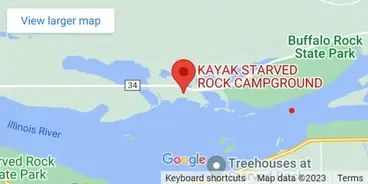
If you want a beginner-friendly, near-Chicago setup on calm flatwater with rentals, tours, and waterfront camping all in one place, that is exactly what Kayak Starved Rock Campground is built for.
The last thing to bring is a plan that matches your day
Your packing list should reflect your real trip, not an imaginary expedition.
If it is a two-hour sunny paddle, pack light and prioritize sun, water, and dry storage. If it is a shoulder-season evening paddle, bring warmth and a wind layer. If you are bringing kids or a dog, assume you will want extra snacks, extra patience, and one extra towel.
Bring what helps you relax, and leave the rest at home. The river is good at reminding people that fun is usually the simple version.