Some kayaks look great on a rack and feel awful after 45 minutes on the water. That is why a real Perception touring kayak review has to go past specs and get into what casual paddlers actually notice – comfort, stability, tracking, and whether the boat makes a day outside feel easy or like work.
For most people planning a flatwater day trip near Starved Rock, a touring kayak is not about chasing speed records. It is about covering more water without feeling twitchy, keeping your legs and back happy, and having enough storage for a dry bag, snacks, and the extra layer you swore you would not need. Perception has built a strong reputation in that lane, especially for paddlers who want something a little more refined than a short rec boat but not so technical that it turns every launch into a gear seminar.
Perception touring kayak review – what stands out first
The first thing most paddlers notice in a Perception touring kayak is the balance. These boats usually feel more efficient than short recreational kayaks, but they do not instantly punish beginners for every small movement. That matters more than people think.
A true touring shape tends to be longer and narrower, which helps the kayak glide farther with each stroke. Perception generally tunes that formula for everyday paddlers, not expedition racers. The result is a boat that tracks better and carries speed more easily, while still offering enough initial stability that first-timers are not white-knuckling the cockpit.
Comfort is another strong point. Perception seats are often one of the biggest reasons people remember the boat positively. A decent seat does not sound exciting until you are an hour into a paddle and your hips are arguing with your lower back. Better seat padding, back support, and adjustable foot braces can turn a maybe-we-should-head-in moment into one more cove, one more bluff, one more quiet stretch of shoreline.
How Perception touring kayaks feel on flatwater
If your paddling happens mostly on calm rivers, small lakes, and protected water, Perception touring models make a lot of sense. They are typically at their best when you want a smooth, efficient ride without a huge learning curve.
On flatwater, the glide is the obvious upgrade over a stubby recreational kayak. You do not have to work quite as hard to keep the boat moving, and it usually holds a straight line better. For casual paddlers, that means fewer correcting strokes and less zig-zagging. It also means a more relaxed day, especially if you are paddling with friends or family and want to enjoy the scenery instead of constantly fixing your course.
They also tend to handle light chop better than basic rec boats. That does not mean every Perception touring kayak feels rock solid in rough conditions. Longer boats can feel livelier under beginners at first. But in controlled, beginner-friendly conditions, that extra length often translates into a calmer ride once the boat is moving.
For day-trip paddlers, this is the sweet spot. You get enough performance to notice the difference, but not so much that the kayak feels intimidating.
Stability vs speed
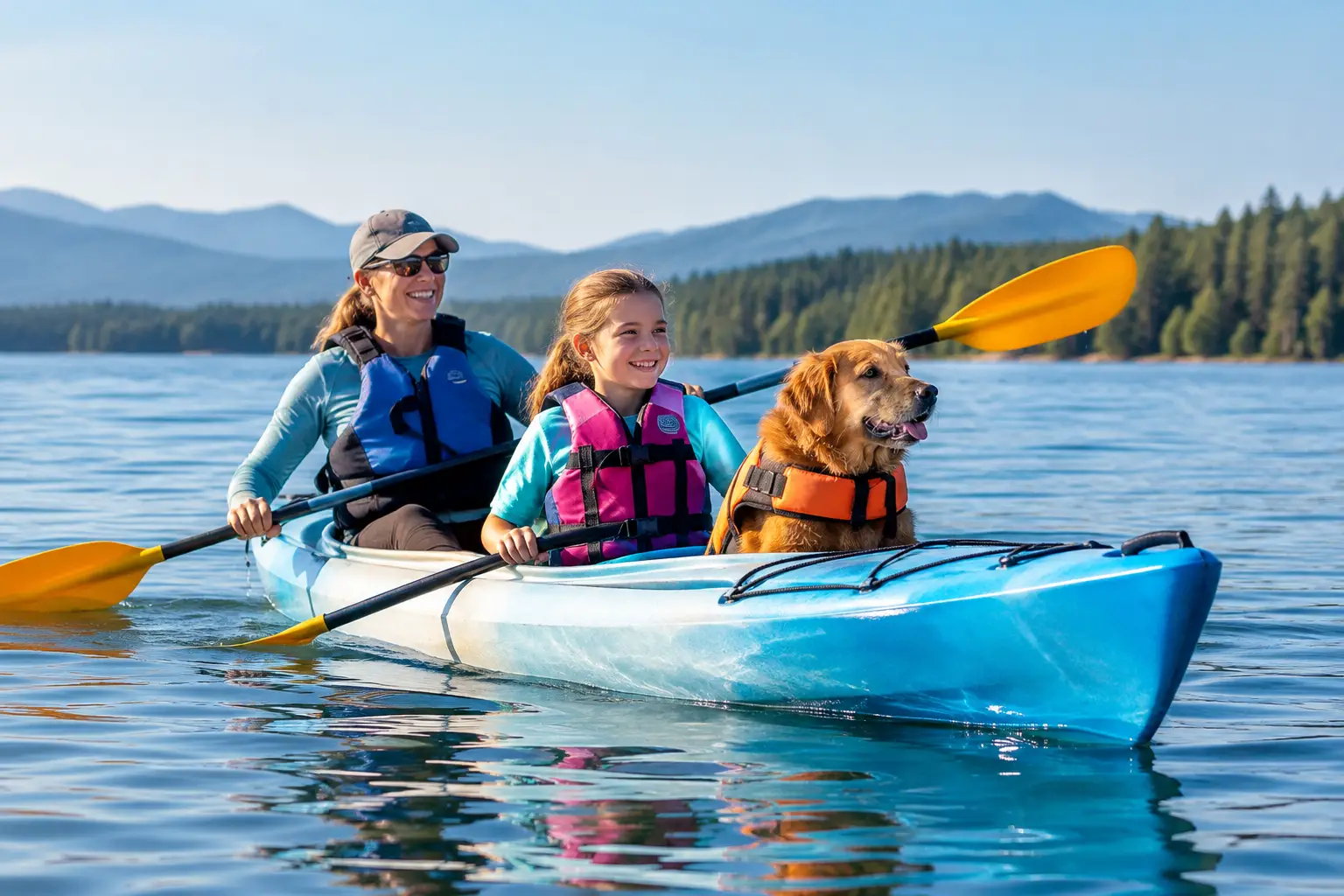
This is where expectations matter. A touring kayak will rarely feel as instantly stable as a wider recreational model. If your top priority is maximum steadiness for fishing, taking pictures, or bringing a wiggly dog that treats the bow like a stage, a shorter and wider boat may still win.
But Perception usually does a good job softening that trade-off. Many of their touring designs offer reassuring primary stability with enough secondary stability to feel secure when the boat tips a little. Translation: it may feel a touch narrower at first, then surprisingly supportive once you settle in.
For beginners, there can be a short adjustment period. After 10 to 15 minutes, most people stop noticing and start appreciating how much easier the kayak is to paddle efficiently.
Cockpit comfort and entry
Another reason Perception appeals to casual users is cockpit friendliness. Touring kayaks can range from roomy and approachable to snug and technical. Perception often lands in the more approachable camp.
That helps at launch time. Getting in and out matters, especially for new paddlers, older adults, and anyone who does not want to perform a yoga sequence on a muddy shoreline. A reasonably sized cockpit, supportive seat, and simple adjustments make the experience less stressful before the fun even starts.
This is one of those details people skip in reviews and then remember forever on the day of the trip.
Storage, features, and day-trip practicality
Most paddlers shopping for a touring kayak are not packing for a week in the wilderness. They are bringing lunch, water, sunscreen, a phone case, maybe a towel, and a dry layer. Perception touring kayaks usually handle that kind of load well.
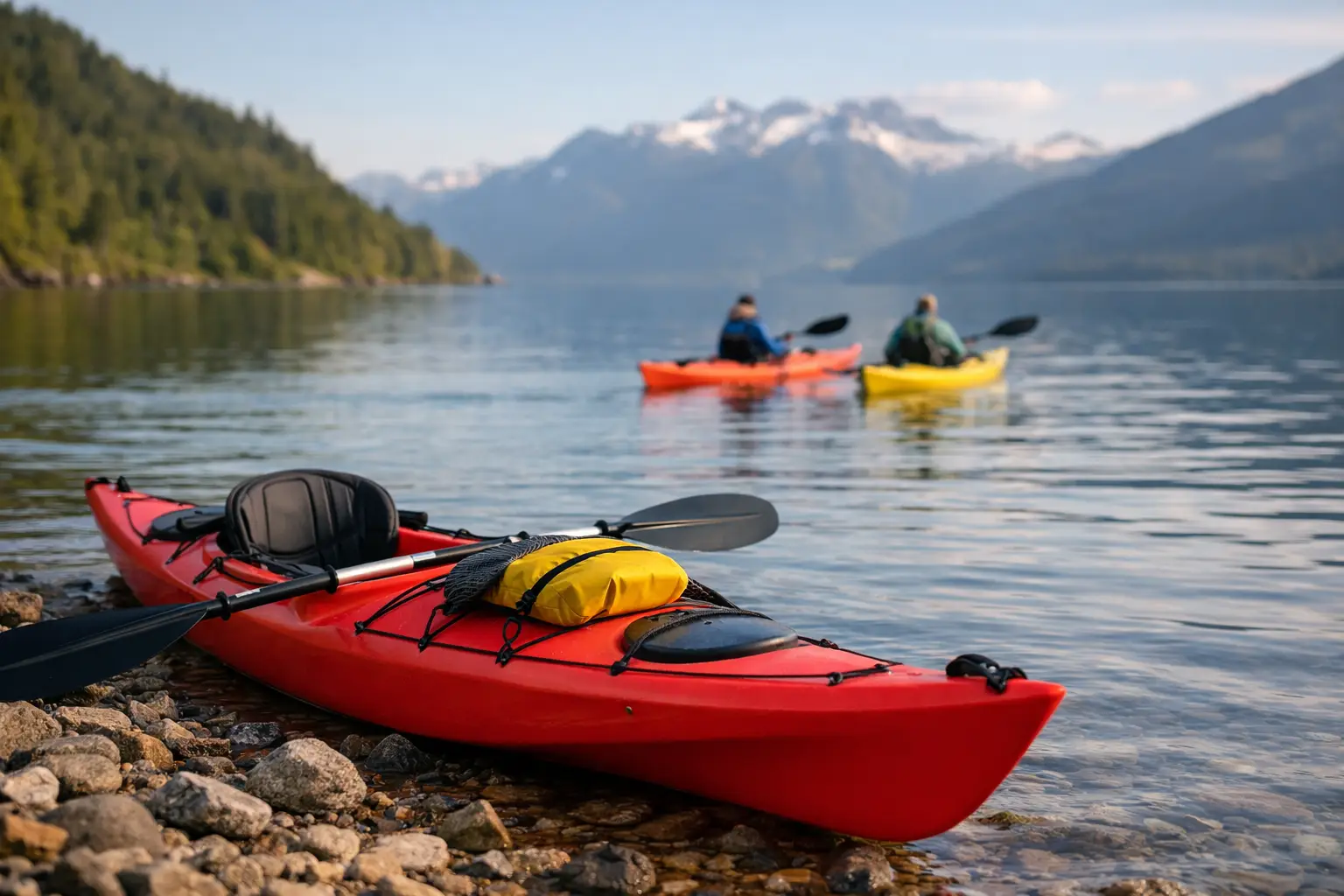
Deck rigging and storage hatches vary by model, but the day-trip practicality is usually there. You get more usable storage than in a basic rec boat, which is helpful for weekend escapes, longer scenic paddles, or a paddle-and-camp setup where every bag needs a place. If you are the kind of paddler who likes having room for the just-in-case items, this category makes life easier.
The outfitting is usually sensible, not flashy. Foot braces, bulkheads, hatch access, perimeter lines, and seat adjustments are there to support the paddle, not to show off in a product photo. That fits Perception well. These are boats designed to be used, not admired from the parking lot.
Who should buy one and who probably should not
A Perception touring kayak is a strong fit for paddlers who want to graduate from entry-level recreational boats without stepping into a high-maintenance performance kayak. If you paddle a few times each season, enjoy covering some distance, and want a boat that feels efficient and comfortable, this is a very reasonable upgrade.
It is also a good match for people planning scenic day trips near Chicago who want gear that supports a longer outing. Couples doing weekend camping, families with older kids, and casual paddlers who like calm, controlled water will usually appreciate what these kayaks do well.
But there are some maybe-not cases.
If you only paddle for 30 minutes at a time on tiny ponds, you may not get enough benefit from a touring design to justify the extra length. If storage space at home is tight, that longer hull can be a headache. And if your number one concern is maximum stability for kids, dogs, or photography, a wider recreational model may still feel more confidence-inspiring.
That is not a knock on Perception. It is just the usual truth with kayaks: the best boat depends on the kind of day you want to have.
Perception touring kayak review – the trade-offs to know
No honest review should pretend there are no compromises. Perception touring kayaks are better at some jobs than others.
The biggest advantage is efficiency. The main cost is that you are dealing with a longer, sometimes narrower boat. That can affect transport, storage, and beginner confidence at first. You may also notice that touring kayaks reward better paddling form more than short rec boats do. You do not need to be an expert, but sloppy strokes are a little more obvious.
Weight can also be a factor depending on the model. Some are manageable solo, while others are easier with a second set of hands. If you are loading onto a car after a long day outside, that matters.
Price is another consideration. Touring kayaks often cost more because you are paying for better hull design, more storage, and improved outfitting. For paddlers who go often, that can be money well spent. For once-a-year users, renting premium equipment first is usually the smarter move.
Best use cases for casual paddlers
Where a Perception touring kayak really shines is the easy adventure category. Think half-day paddles, full scenic loops, calm river stretches, and low-stress exploration where you want a little more glide and comfort than a basic rental fleet boat.
This is exactly why many paddlers fall in love with touring models during a weekend getaway. The boat helps the trip feel smoother. You spend less energy fighting the kayak and more time noticing the bluffs, the trees, the quiet water, and whoever you came with.
For newer paddlers, guided experiences and controlled flatwater are still the best place to try this style of boat. If you are curious but not ready to buy, paddling a premium touring model in beginner-friendly conditions can tell you more in one afternoon than hours of spec comparisons. Around Starved Rock, that kind of test drive can be part of the fun, not a chore.
One quick safety note that never goes out of style: no matter how stable or comfortable the kayak feels, wear your life jacket or PFD every time. Good gear makes paddling better. Safe habits keep it that way.
Final take
Perception touring kayaks earn their reputation by being practical, comfortable, and pleasantly efficient without demanding expert skills. They are not the right answer for every paddler, but they are a very good answer for a lot of real-world trips.
If your ideal day is a relaxed paddle, decent mileage, and enough comfort to stay out longer without complaint, this category is worth serious attention. And if you are still unsure, try one before you buy – the right kayak should make you want one more hour on the water, not one more excuse to head back to the car.