A great scout trip should feel like an adventure, not a logistics puzzle. The best scout group trip ideas give kids real responsibility, plenty of fresh air, and a little room to get muddy or laugh at a tent that went up sideways. Near Starved Rock, groups can combine flatwater kayaking, waterfront camping, trail time, campfire skills, and team challenges without turning the weekend into a marathon of driving.
For Chicago-area troops, packs, crews, and families, the Illinois River area makes an especially easy escape. It is close enough for a Friday arrival or a full Saturday day trip, but it feels far enough away to trade screens and schedules for sandstone bluffs, river views, and a proper campfire.
Scout Group Trip Ideas That Build Real Skills
The strongest trip plans mix a few structured activities with unhurried time at camp. Scouts need a reason to work together, but they also need the simple joy of sitting by the water, spotting birds, and figuring out which patrol forgot the marshmallow bag.
1. Start with a flatwater kayak session
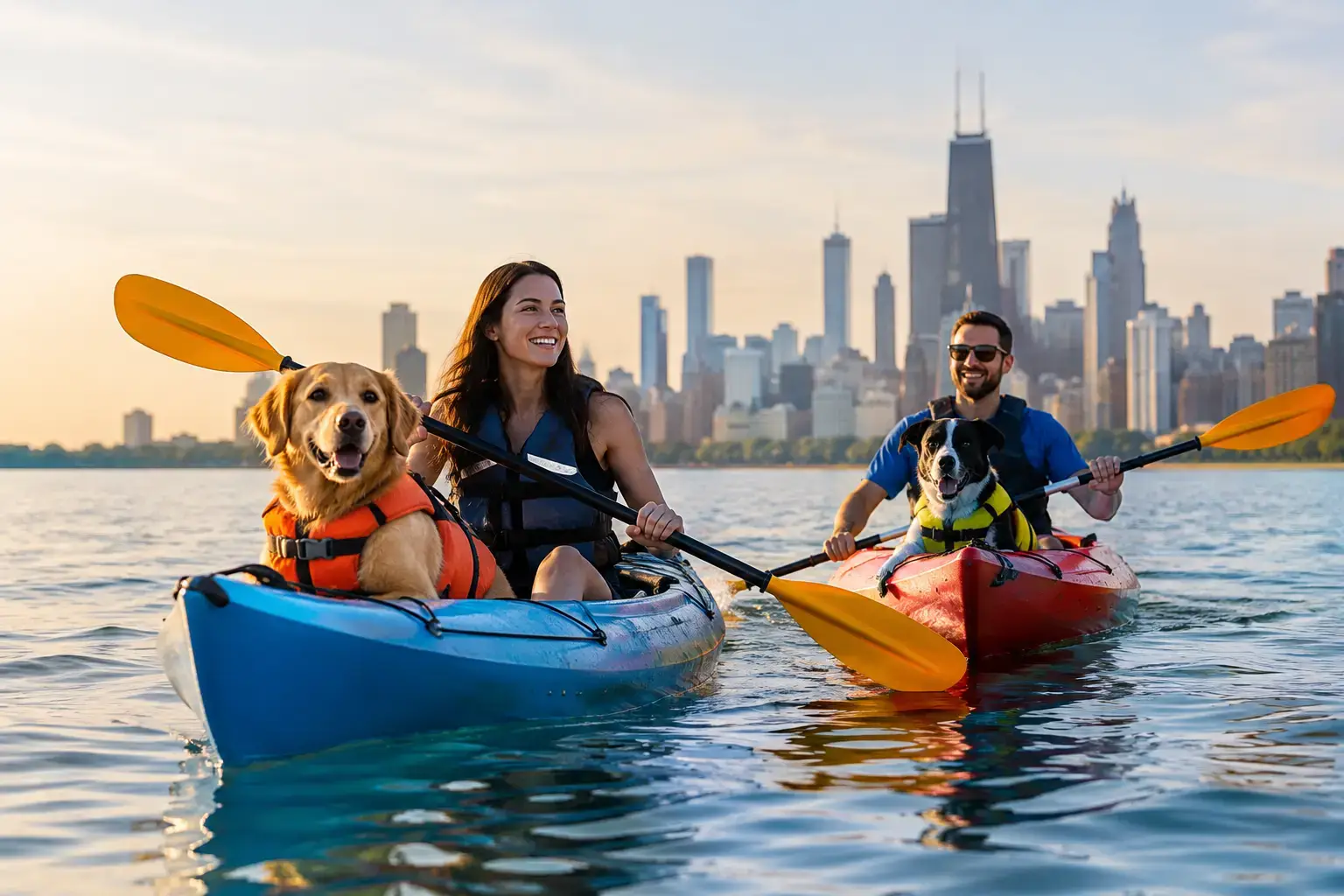
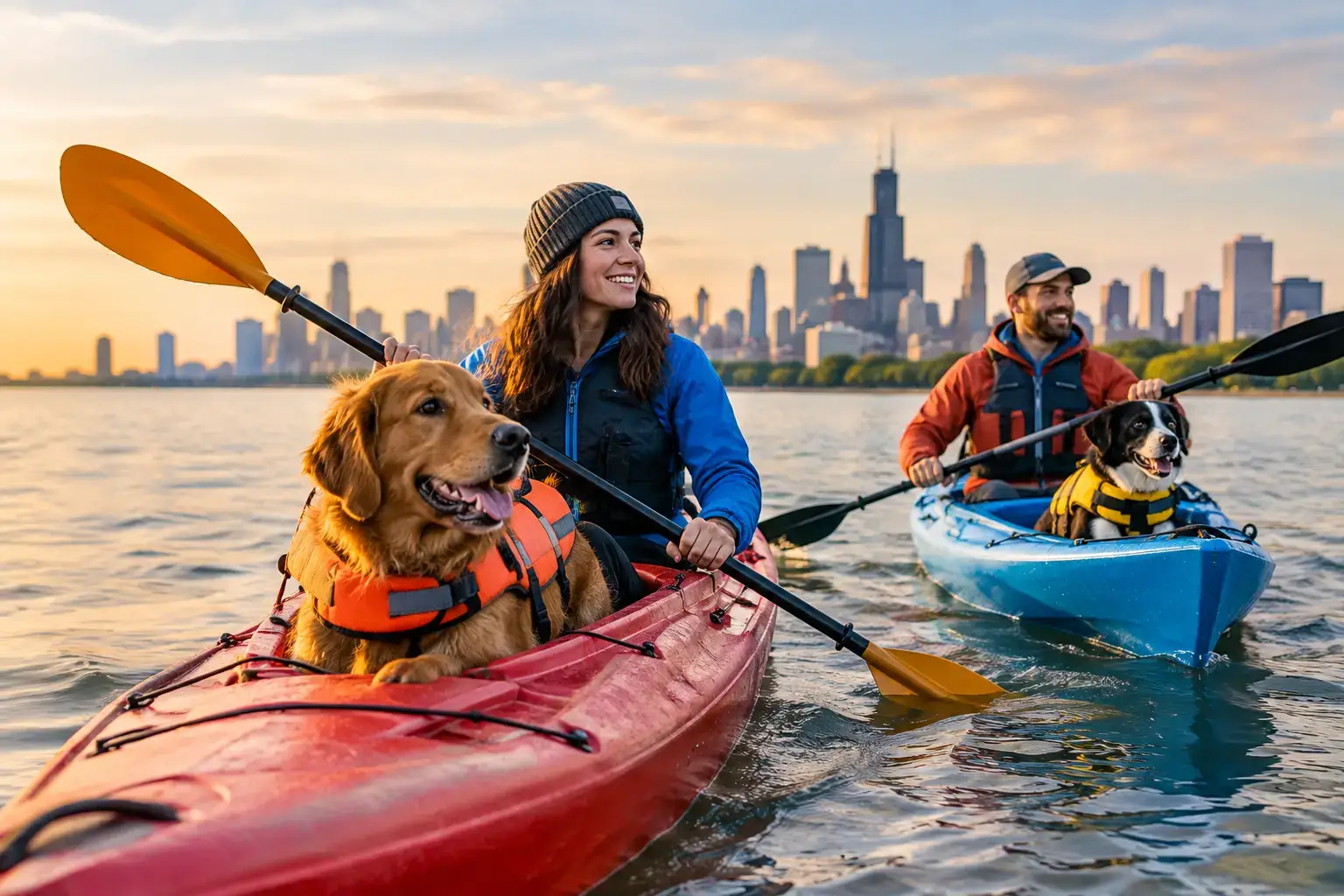
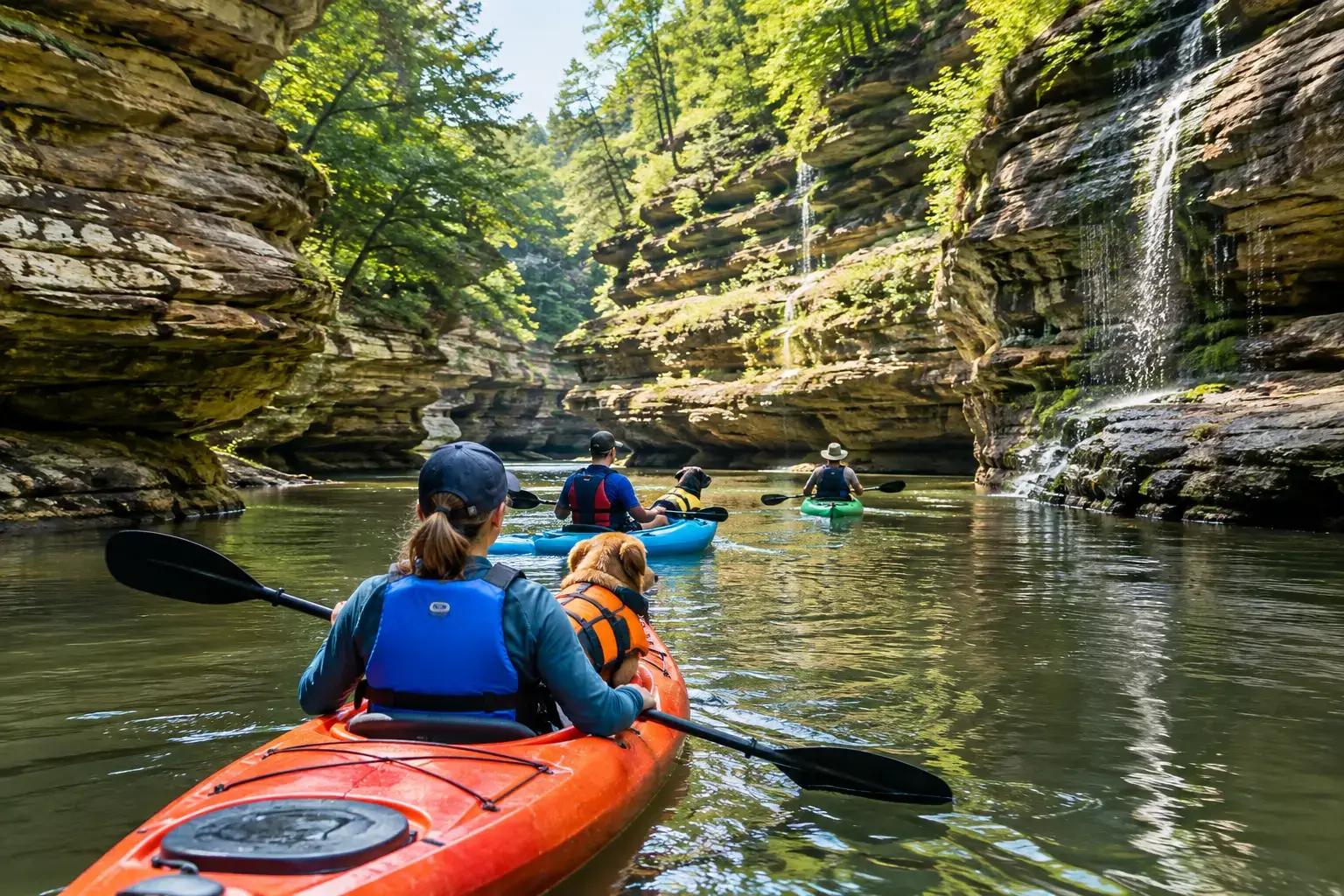
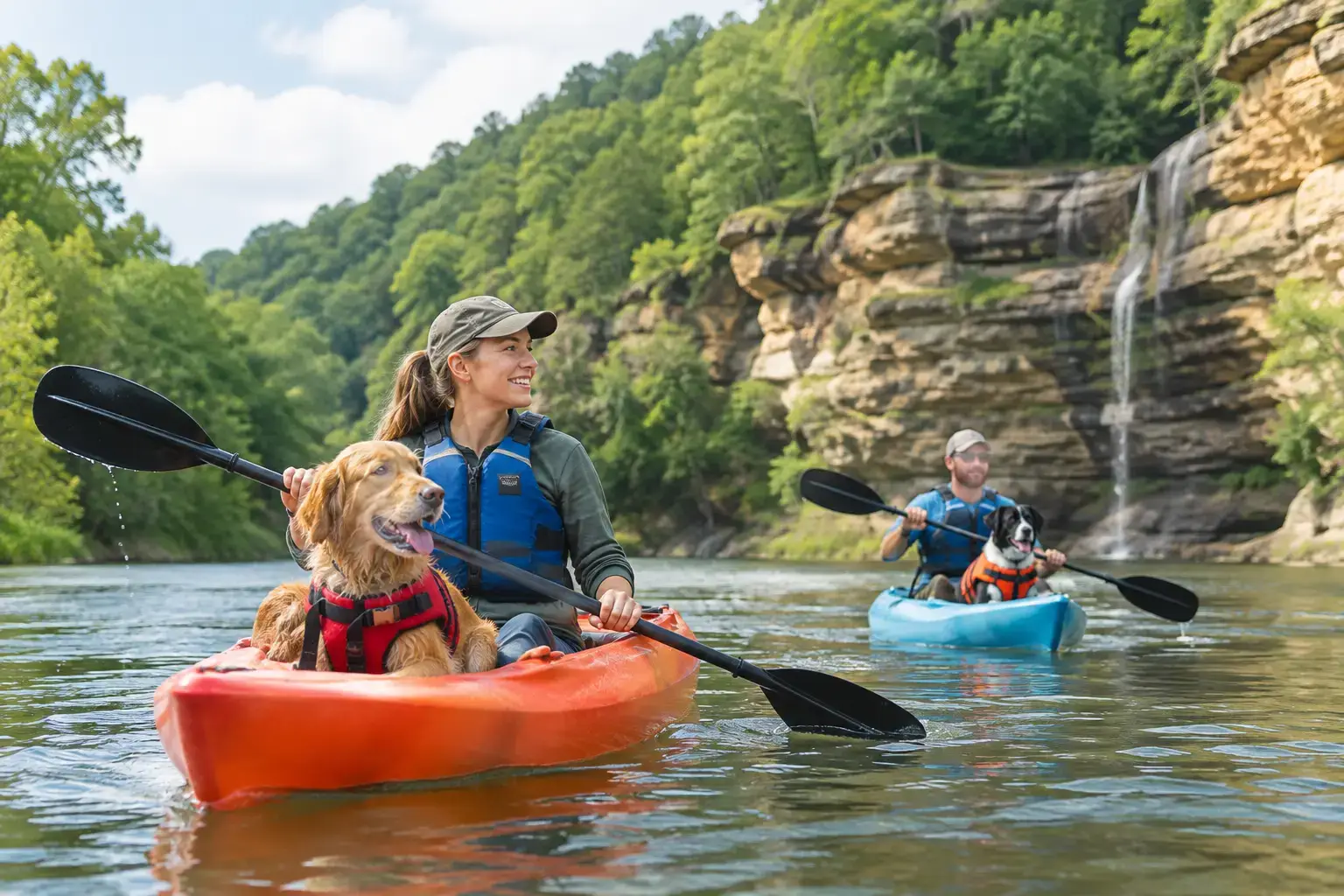
Kayaking is a big-win activity for mixed-experience groups because everyone is doing something memorable from the first paddle stroke. On a dam-controlled, flatwater section of the Illinois River, beginners can focus on steering, communication, and confidence rather than fighting current.
A guided session is often the right call for larger youth groups or first-time paddlers. Professional instruction gives everyone the same foundation before launching: how to wear and adjust a PFD, enter a kayak, hold a paddle, turn safely, stay with the group, and respond if something feels off. PFDs should be properly fitted and worn at all times on the water – no exceptions, even for strong swimmers.
Tandem kayaks can be a smart option for younger scouts, a nervous first-timer, or a scout and adult who need to practice communication. Single kayaks offer more independence. The best fit depends on the group’s ages, confidence, adult leadership, and any program rules you need to follow.
2. Make camp setup a patrol challenge
Camping does not have to mean dropping bags and hoping for the best. Give each patrol a defined setup zone and a few shared goals: tents up, sleeping gear dry, water station organized, and a clean cooking area ready before dinner.
Waterfront camping near Starved Rock adds a special reward to the work. After the tents are up, scouts can settle into a riverfront sunset instead of loading back into cars. Groups who want a lighter packing list can consider tent rentals or pop-up camping options. These can reduce setup time and make a first campout feel less intimidating.
For troops that include families, leaders, or adults who prefer a little more comfort, tear drop camping is a useful middle ground. It keeps the group together while giving some campers a cozy, weather-protected place to sleep. That can be especially helpful on a multi-age outing, where one accommodation style does not fit everyone.
3. Run a no-tech navigation mission
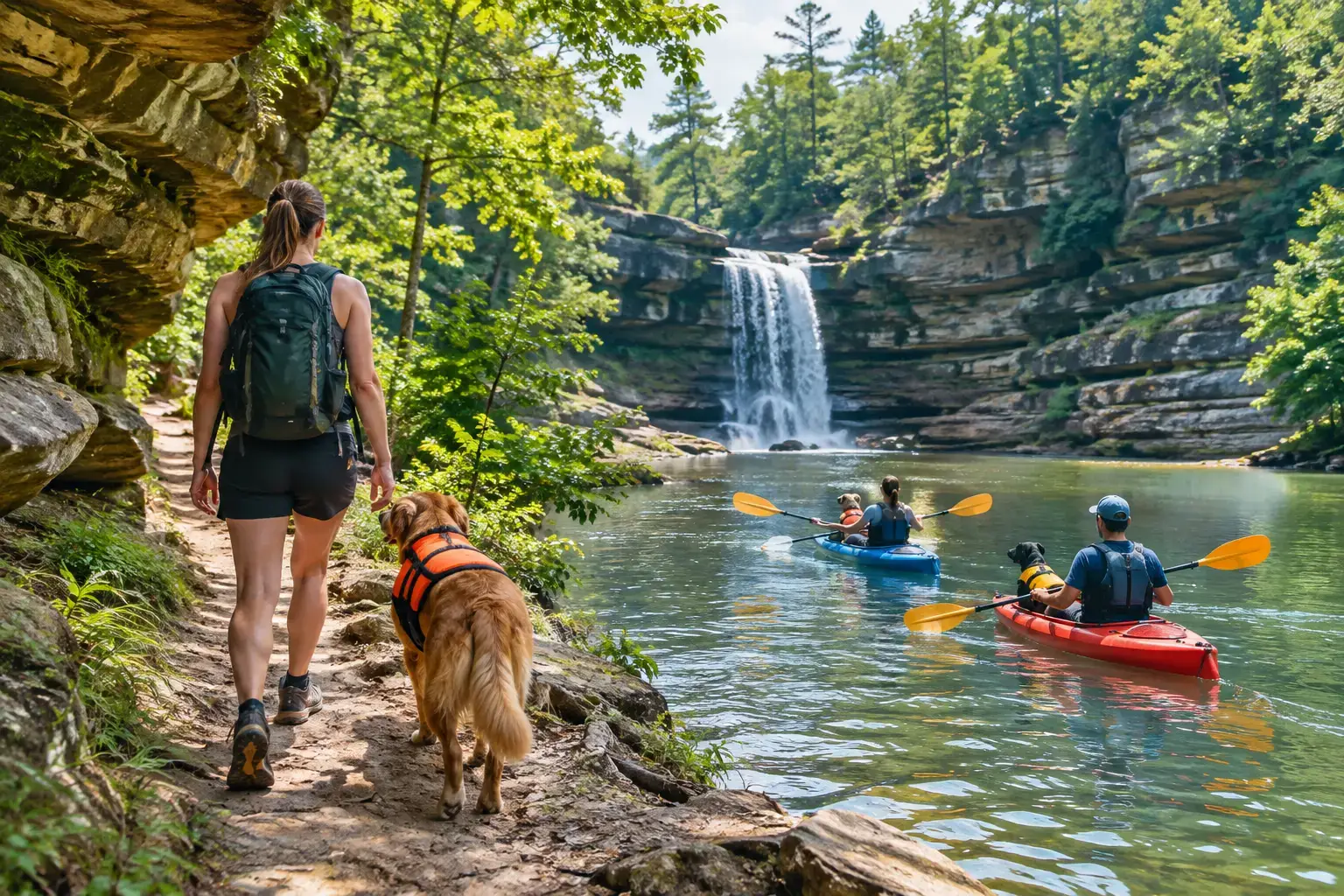
Starved Rock’s trails and overlooks provide a natural setting for map skills. Before heading out, assign small teams a simple route, a set of landmarks to identify, and a handful of observation prompts. Ask them to note trail junctions, changes in terrain, evidence of wildlife, and safe places to pause as a group.
Keep the mission practical. The goal is not to rush through the hike or make a complicated scavenger hunt. It is to teach scouts to notice where they are, communicate their plan, and move together. Adult leaders should choose routes appropriate for weather, group size, and the youngest participants.
4. Cook one meal that requires teamwork
A campsite meal is one of the easiest ways to create real leadership moments. Put scouts in charge of a breakfast burrito station, foil-pack dinners, or a Dutch oven dessert, then give each person a clear role. One handles ingredients, one manages cleanup, one checks the fire area, and one keeps time.
The meal does not need to be fancy to be a success. In fact, a simple menu usually works better for youth groups. Plan for dietary needs ahead of time, bring enough water, and make food storage and cleanup part of the activity rather than an adult-only chore.
5. Add a leave-no-trace campsite inspection
Before your group leaves, turn cleanup into a final challenge. Each patrol inspects another patrol’s area for micro-trash, food scraps, misplaced gear, and signs that the site has been treated with respect. A clean campsite is not just a nice finish – it is a lesson that the outdoors is shared.
This works well because it gives scouts a visible standard. The goal is for the next visitor to have no clue that a whole troop camped there the night before, aside from perhaps a few excellent campfire stories carried home.
A Simple Weekend Plan Near Chicago
A two-night itinerary gives groups enough time to relax, but a one-night trip can work beautifully, too. The key is not packing every hour. Kayaking, hiking, cooking, and camp life already fill a weekend faster than most leaders expect.
For a Friday-to-Sunday outing, arrive Friday afternoon, get camp established, eat an easy dinner, and keep the evening low-key with a fire circle or skit night. Saturday can be the anchor day: kayaking in the morning, lunch, a Starved Rock hike or navigation activity, then patrol cooking and a campfire program. On Sunday, break camp carefully, complete the campsite inspection, and finish with one short group reflection before heading home.
For a Saturday day trip, choose one major activity rather than squeezing in everything. A guided kayak outing followed by a picnic and a short hike feels complete. Trying to paddle, hike every overlook, cook a full meal, and race home before dark is how a fun day becomes a tired one.
Planning Details That Keep the Fun High
Large groups do best when the trip leader confirms logistics early. Reserve kayaks, tours, campsites, rentals, or camping packages ahead of time, especially for spring and fall weekends. Ask about group size limits, launch times, age guidelines, adult supervision expectations, weather procedures, and the latest acceptable launch time.
Build a packing list around comfort and safety: closed-toe water shoes, quick-dry layers, a refillable water bottle, sunscreen, bug spray, rain gear, a warm layer for evening, and dry clothes for after paddling. Keep phones and valuables in appropriate waterproof storage while on the water. Adults should have a clear head count system for trailheads, launches, meals, and every transition in between.
Dogs may be welcome at dog-friendly camping and kayaking locations, but a scout trip is not always the right setting for every pet. If families bring dogs, make sure the group understands leash rules, cleanup expectations, camp etiquette, and how dogs will be managed around food, tents, and water activities.
Weather deserves its own plan. A cool, breezy paddle can be fantastic with the right layers, while thunderstorms, high winds, or unsafe water conditions call for flexibility. Have a land-based backup activity ready, such as outdoor skills instruction, a nature journal session, knot practice, or a camp cooking competition. Good leaders do not fight the forecast – they adjust the adventure.
Why Waterfront Camping Changes the Trip
Camping near Starved Rock State Park is already a crowd-pleaser. Adding a waterfront home base makes the experience feel more connected. Scouts wake up near the river, carry their gear a short distance to the launch, and end the day around camp instead of commuting between separate activities.
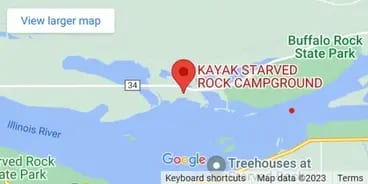
That all-in-one setup also helps leaders. Fewer moving pieces mean less time organizing carpools, checking directions, and wondering whether everyone made it to the next stop. Kayak Starved Rock Campground brings kayaking and Illinois River camping together in one near-Chicago destination, which is exactly the kind of simple plan that gives groups more time for the part they came for: being outside together.
The best trip is not necessarily the one with the longest checklist. Pick a few activities that let scouts paddle, contribute, explore, and rest. Give them responsibility, keep safety clear, and leave enough open time for the unexpected moments that become the stories everyone remembers.
Frequently Asked Questions
What’s the best scout group trip idea near Starved Rock for mixed-experience kids?
Do you need a guided kayak session for a scout group?
How do you keep a scout campout from turning into chaos?
What’s a good weekend plan for a scout troop near Chicago?
What should scouts pack for kayaking and camping near Starved Rock?
Last reviewed: 11/26/2026
Key Takeaways
- Kayaking on the dam-controlled, flatwater section of the Illinois River gives beginners a chance to practice steering, communication, and confidence without fighting current.
- Waterfront camping near Starved Rock lets scouts finish setup, then watch a riverfront sunset instead of loading back into cars.
- Starved Rock’s trails and overlooks support a no-tech navigation mission with landmarks, trail junctions, terrain changes, and wildlife observations.
- Kayak Starved Rock Campground brings kayaking and Illinois River camping together in one near-Chicago destination for a Friday-to-Sunday outing or a Saturday day trip.