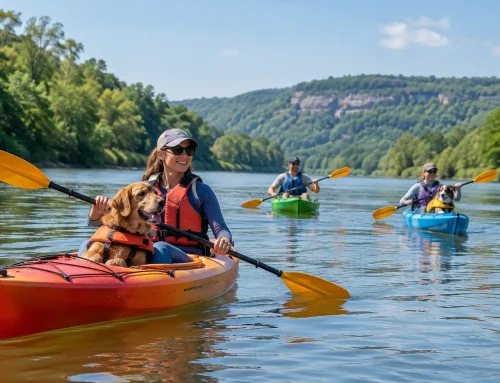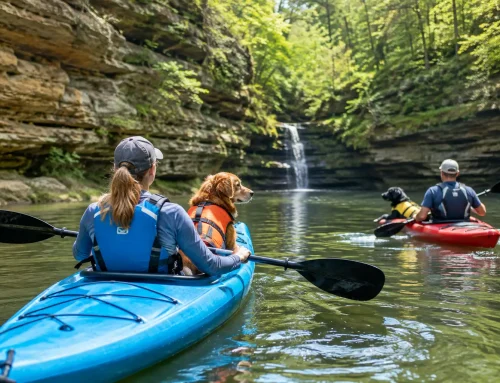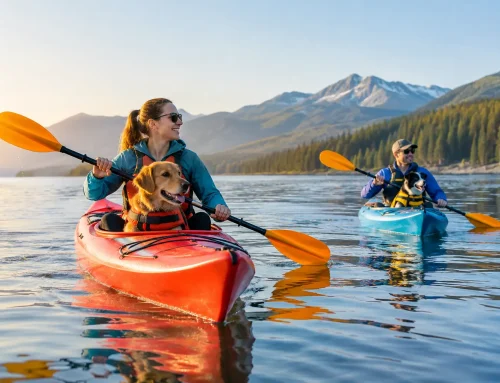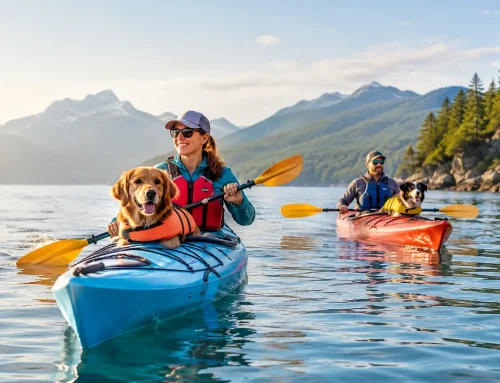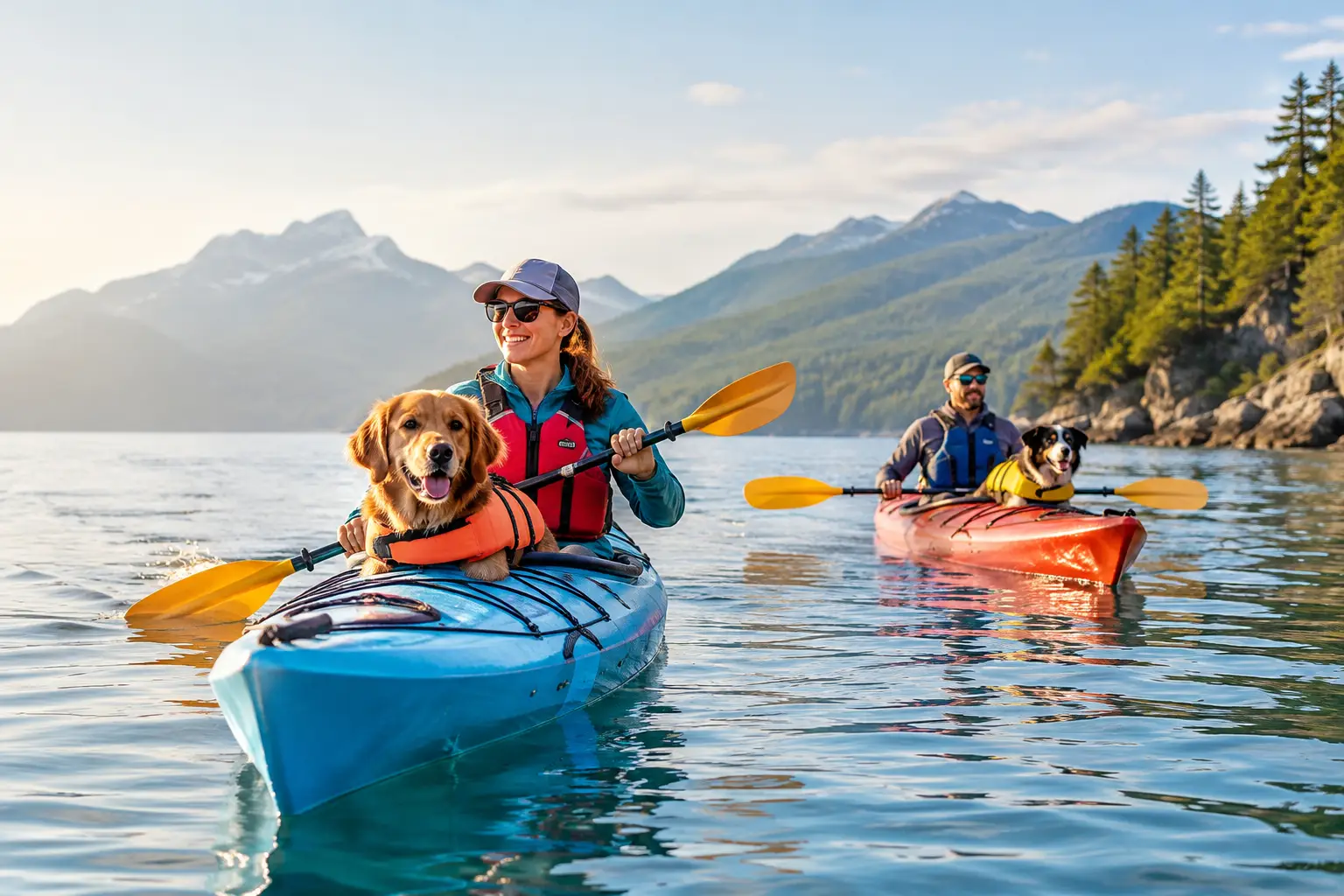
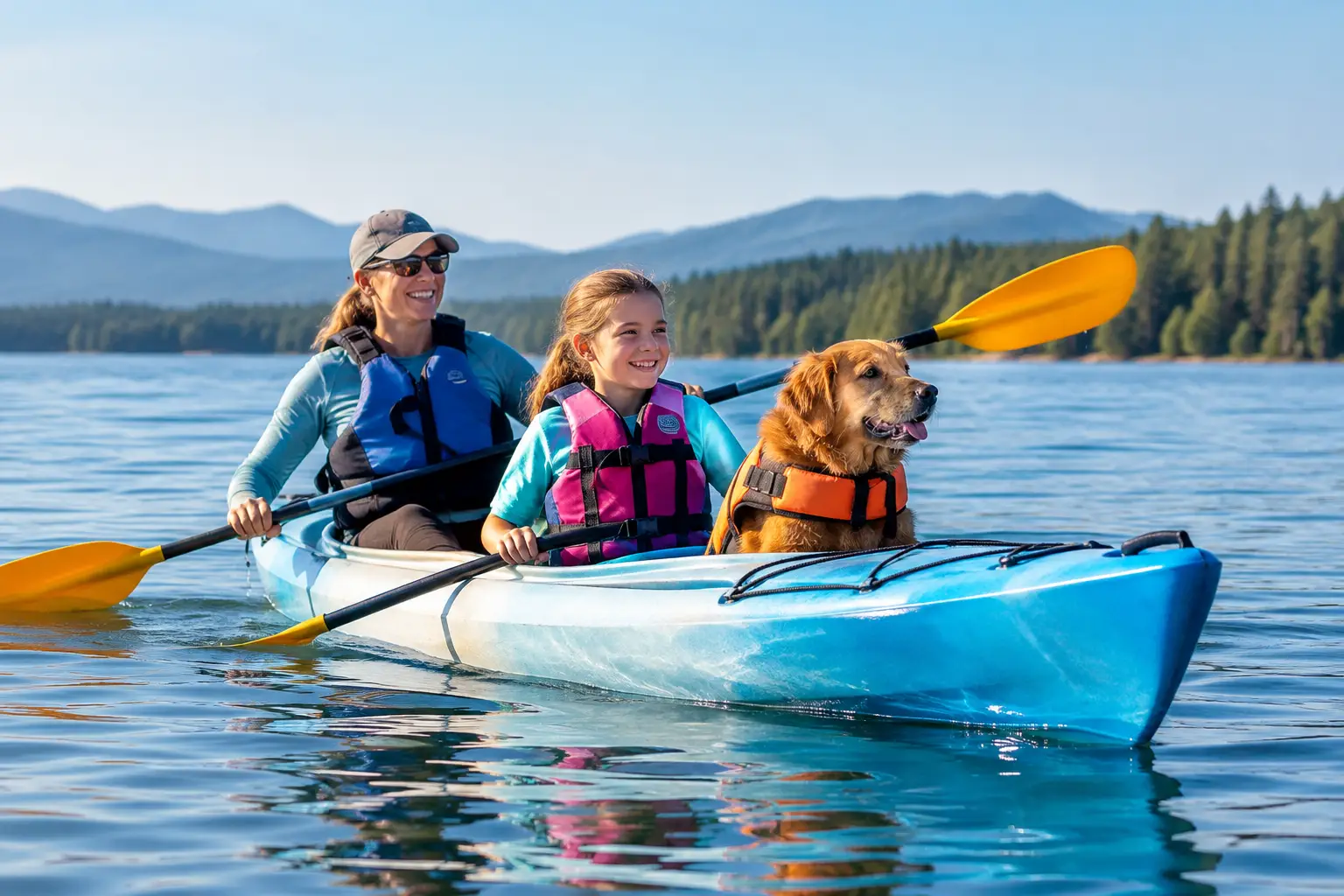
A child in the front seat, a parent in the back, a snack packed where it cannot get soggy – that is a pretty great recipe for a first family kayak day. But can children use tandem kayaks? Yes, often they can, provided the boat, water conditions, supervision, and child’s comfort level all line up. A tandem kayak can be one of the easiest ways to introduce a kid to paddling without expecting them to steer, navigate, or power the whole trip.
For families planning a paddle near Chicago, the goal is not to cover miles or perfect a paddle stroke. The goal is to make the water feel friendly. Choose calm conditions, make life jackets non-negotiable, and keep the first outing short enough that everyone still wants to go again.
Can Children Use Tandem Kayaks Safely?
A tandem kayak is generally a smart option for children who are not ready to operate their own boat. The adult has greater control over direction, pace, and what happens when the child gets distracted by a turtle, a great blue heron, or the urgent need for another granola bar.
That said, a tandem is not an automatic yes for every child. Age is only part of the picture. A child needs to be able to wear a properly fitted, U.S. Coast Guard-approved personal flotation device, sit comfortably in the cockpit, follow basic safety directions, and communicate if they are cold, tired, scared, or need a break.
Parents should also consider temperament. A curious, energetic seven-year-old may have a fantastic time in the front seat with a small paddle. A cautious teenager who dislikes splashing may prefer a guided tour, extra instruction, and a shorter route. Neither response is wrong. The best family paddles leave room for kids to warm up to the experience at their own pace.
Before booking or launching, check the outfitter’s current age, size, and seating policies. These can vary by kayak model, water conditions, and whether you are renting independently or joining a guided trip.
Why Tandem Kayaks Work So Well for Families
Tandem kayaks remove one big pressure point from a child’s first outing: being solely responsible for their boat. When a parent or trusted adult is in the rear seat, they can handle most of the steering and make small course corrections without turning every wobble into a family meeting.
The front seat gives children a real role without giving them the entire job. They can paddle when they feel like it, rest when they need to, help spot wildlife, and enjoy a close-up view of the shoreline. For many kids, that mix of participation and backup is exactly right.
A tandem also keeps family members close together. That is helpful for reassurance, conversation, sunscreen checks, and passing a water bottle forward. It can be especially useful for younger children who are strong swimmers but have little paddling experience, as well as children who are still building confidence around open water.
There is a trade-off. Tandem kayaks require some teamwork. If both paddlers dig in at opposite sides at the same time, the kayak may zigzag a little. That is normal, and it is usually more funny than frustrating once everyone understands that the rear paddler does most of the steering. A quick pre-launch lesson can save a lot of spinning later.
Choosing the Right Child-and-Adult Setup
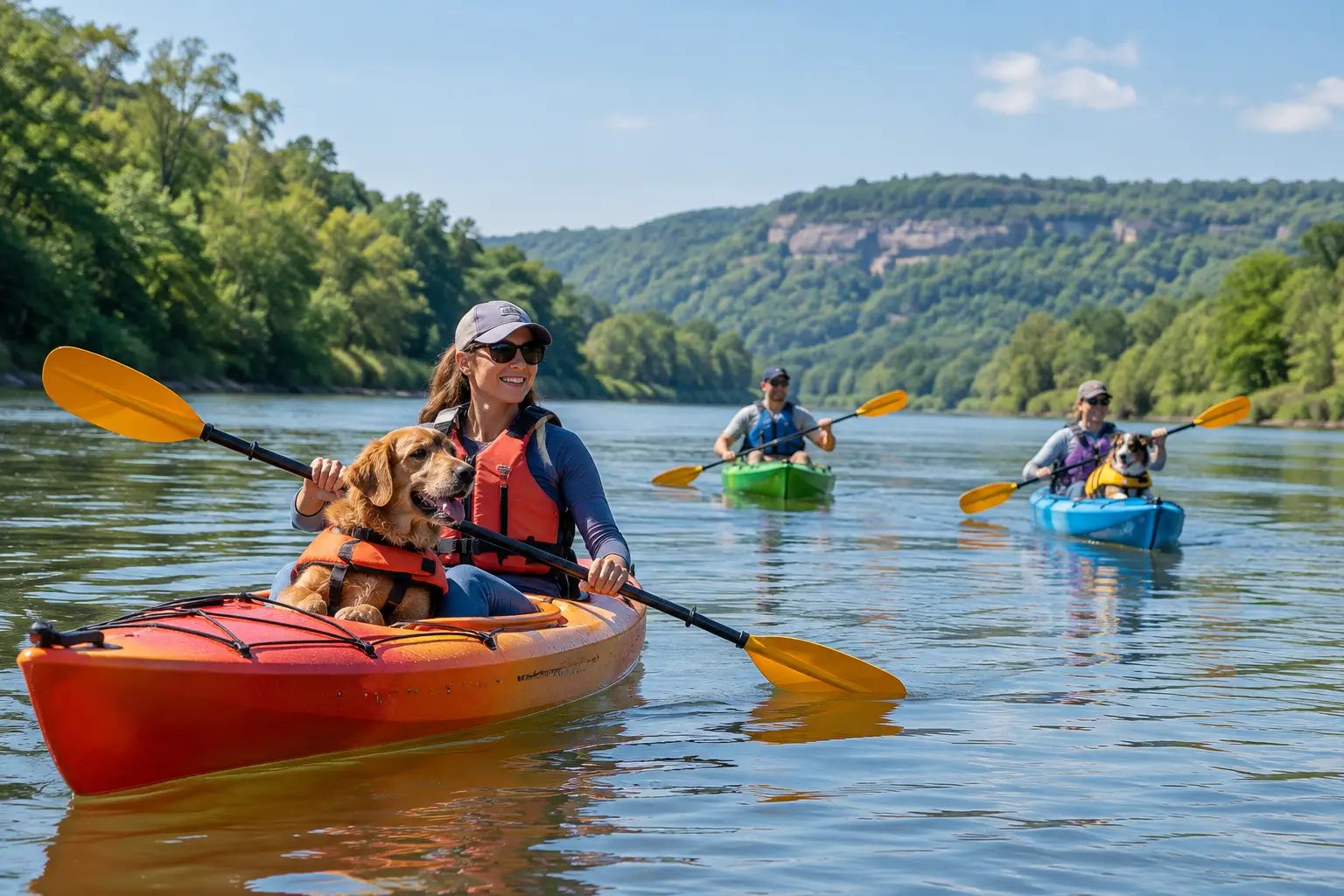
For most family pairs, the child belongs in the front and the adult in the rear. The rear paddler can see the full boat, steer more effectively, and respond quickly if the child needs help. The child gets the better sightseeing seat and a clear view of where the kayak is going.
The fit matters more than parents sometimes expect. A child who slides around in the seat or cannot reach the foot braces comfortably will tire faster and feel less secure. Ask staff to help with seat adjustments and to choose a kayak that fits the combined size and weight of both paddlers.
A child-sized paddle can make a huge difference, too. Adult paddles are often too long, too heavy, or too awkward for smaller hands. A lighter paddle lets kids participate without overreaching their shoulders or getting frustrated after five minutes. If they decide their paddle is mostly a very expensive splash-maker, that is fine. The adult can still keep the boat moving.
For a first outing, skip the pressure to bring every possible item. Water, sunscreen, a secure phone case, and a simple snack are usually enough. Extra gear crowds the cockpit, and crowded cockpits make it harder for kids to get comfortable.
The Non-Negotiable Safety Basics
The family-friendly part of a kayak trip starts with structure. Every person on the water should wear a properly fitted PFD for the entire outing, not just while posing for the launch photo. It should be snug enough that it does not ride up around the child’s ears when gently lifted at the shoulders.
Children should also know a few simple rules before getting in the kayak: stay seated unless instructed otherwise, keep hands inside the boat near docks and shorelines, listen when the adult says to stop paddling, and tell someone immediately if they feel uncomfortable. Keep the talk calm and brief. You are setting expectations, not delivering a courtroom speech.
An adult should never treat a tandem kayak as a substitute for active supervision. Stay aware of changing weather, boat traffic, fatigue, and the child’s mood. Turn around before a child is completely worn out. A cheerful 45-minute paddle is a better first memory than a two-hour mission with a miserable final stretch.
Water conditions matter just as much as the boat. Beginners and children are best served by protected, flatwater environments without challenging current or complicated navigation. On the Illinois River, water levels and conditions can change, so listen to local staff, follow posted guidance, and respect launch cutoffs. If conditions are not right for a child that day, moving the outing is the confident choice, not a disappointing one.
Make the First Paddle Feel Like an Adventure, Not a Test
Set a small goal: paddle to a landmark, look for three kinds of birds, or stop at a quiet shoreline for a snack. Kids enjoy a sense of purpose, but they do not need a packed itinerary. Let the day have a little breathing room.
A guided outing can be a great fit for first-time families. Guides can explain how to enter and exit the kayak, demonstrate efficient paddling, point out what to expect on the route, and keep the group moving at an easy pace. That means parents can focus less on whether they are doing everything perfectly and more on sharing the experience.
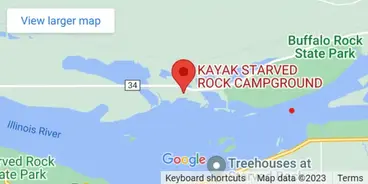
Kayak Starved Rock Campground is built around that kind of low-stress outdoor time, with beginner-friendly flatwater paddling, safety instruction, and waterfront camping across from Starved Rock State Park. Families can make kayaking the main event or turn it into part of a weekend that includes tent camping, pop-up camping, teardrop camping, or a little glamping near Chicago.
If you are camping with kids, a tandem paddle can be the ideal first activity after setting up camp. Everyone has energy, the day still feels wide open, and there is no rush to drive home afterward. Bring dry clothes for the post-paddle victory lap back at the campsite. They may not be necessary, but kids have an impressive ability to find water even on calm days.
When a Tandem May Not Be the Best Choice
Sometimes a tandem is not the right call, and that is okay. A child who is too small for the PFD and cockpit fit, has intense anxiety around water, cannot comfortably stay seated, or is having an off day may be happier enjoying the shore instead. Forcing the first experience can make the second one much harder.
A tandem can also be tricky if the adult paddler has shoulder pain, limited mobility, or little ability to manage the boat independently. Ask the outfitter about the most suitable option rather than assuming a tandem solves every family logistics question.
Older, experienced kids may eventually prefer their own single kayak, particularly on a guided route with close supervision. The progression should feel earned and exciting, not rushed. A tandem is often the confidence-building first chapter, not the final destination.
The best sign your child is ready is not a specific birthday. It is their ability to wear a PFD properly, listen to simple instructions, and feel curious about getting on the water. Start small, choose calm water, leave plenty of time for snacks and smiles, and let that first tandem trip become the story your family keeps telling around the campfire.