If you’re bringing your own boat, the Illinois River launch fee for private kayaks is usually the smallest part of the day and one of the most useful. It turns a muddy guesswork launch into a much easier start – especially if your goal is a fun, low-stress paddle near Starved Rock instead of wrestling with parking, access points, and river unknowns.
That matters more than a lot of first-time visitors expect. People often assume that if they own a kayak, the whole day should be free except for gas and snacks. Sometimes that’s true at rough public access points. But when you want a cleaner launch, straightforward parking, easier water access, on-site staff, and a setup built for casual paddlers, a private launch fee can be well worth it.
What the Illinois River launch fee for private kayaks usually covers
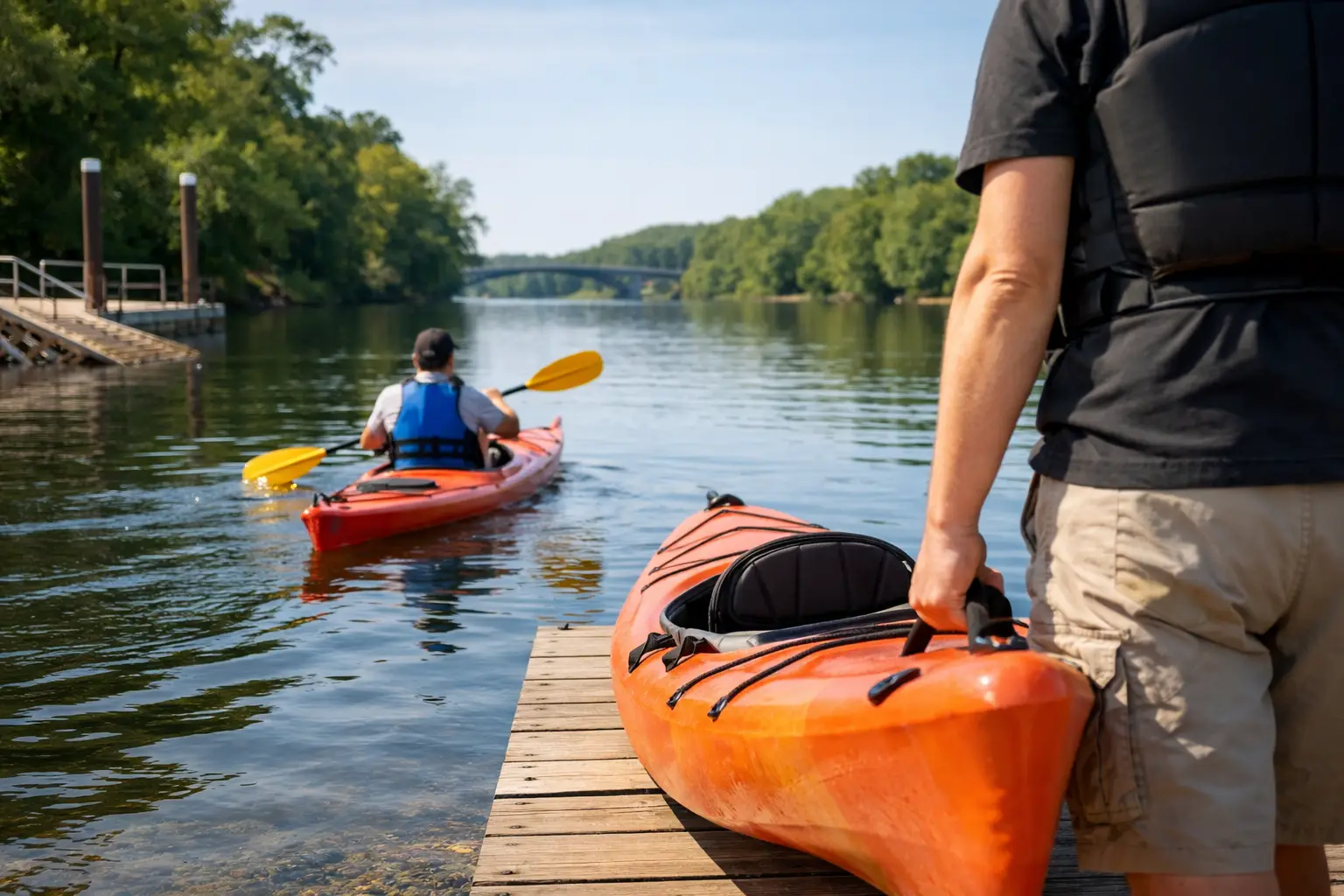
A launch fee is not just payment for touching the water. In practice, you’re usually paying for convenience, access, and a more predictable start to your trip. That can include parking close to the launch area, maintained waterfront access, check-in support, and a place designed around paddlers rather than around boat trailers or fishing traffic.
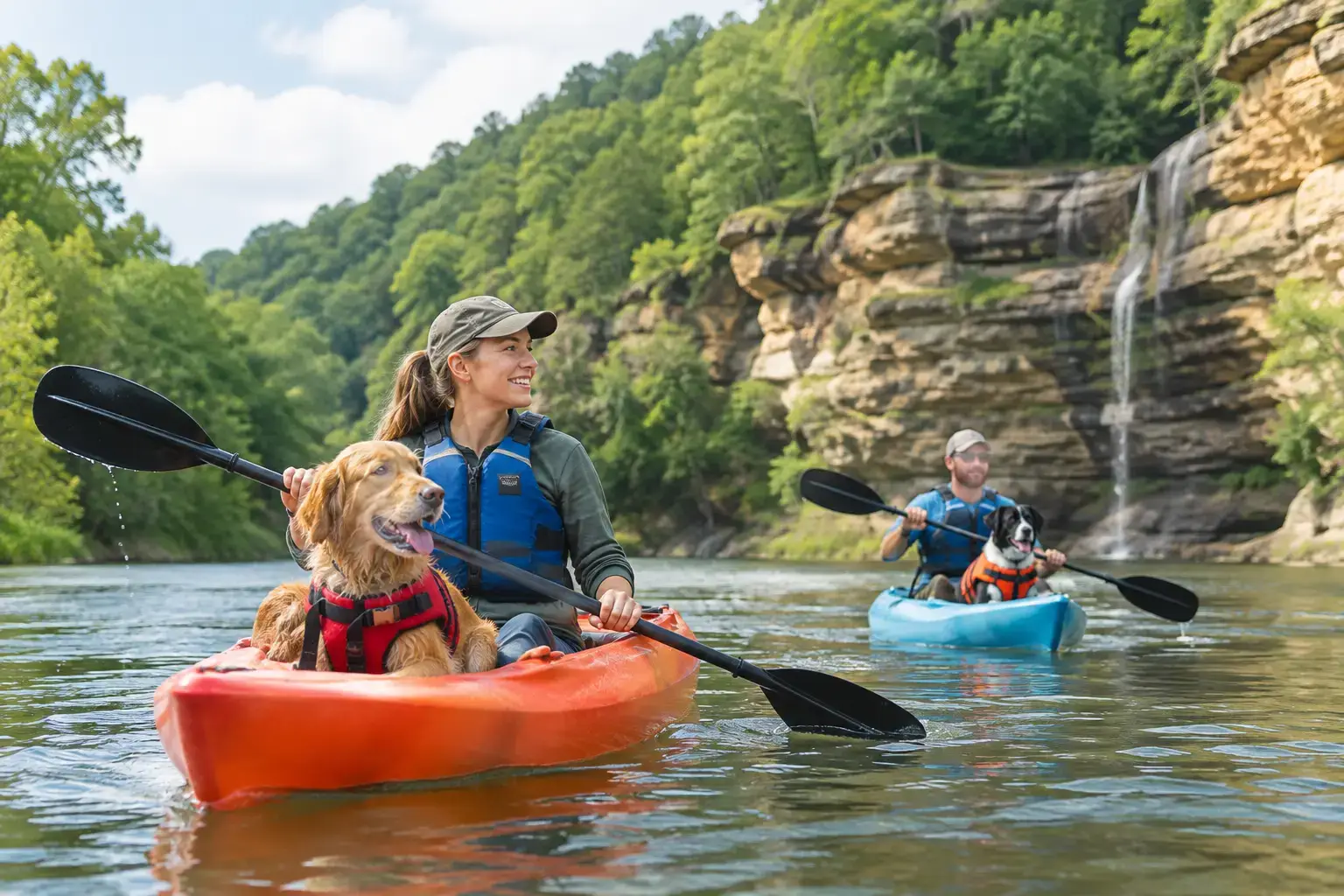
For beginners, families, and anyone trying to keep the day simple, that difference is huge. A private launch can mean less carrying, less confusion, and less time standing around wondering if you’re in the right place. If you’re paddling with kids, bringing a dog, or meeting friends who are not exactly expedition people, that convenience is the whole game.
At some locations, the fee may also support operational basics that make the experience better for everybody – staff oversight, launch area upkeep, bathrooms, directional help, and rules that keep the waterfront from turning into chaos. It’s not glamorous, but it’s the stuff that makes a day trip feel easy instead of annoying.
Why private kayak launches charge a fee
The short answer is that private access is different from public access. Public launches may be free, but they can come with trade-offs: longer walks, limited parking, inconsistent conditions, crowded ramps, and very little help if you’re unsure where to go.
A private site is charging for a more controlled experience. That’s especially appealing on a beginner-friendly stretch of river where people want flatwater paddling, simple logistics, and a confidence boost instead of a survival story for the group chat.
This is one of those cases where “free” and “better” are not always the same thing. If you’re an experienced paddler who likes scouting your own put-in and doesn’t mind carrying gear down an uneven bank, a public launch may be perfectly fine. If you want a near-Chicago paddle that feels easy from the minute you park, paying a launch fee often makes sense.
How much should you expect to pay?
There isn’t one universal Illinois River launch fee for private kayaks because each launch location sets its own pricing, access rules, and hours. Fees can vary by season, site amenities, and whether the property is geared toward day use, camping, rentals, or guided paddling.
That means the better question is not just, “What does it cost?” but, “What am I getting for that cost?” A low fee at a bare-bones access point may be fine if you want quick in and out. A slightly higher fee may be the better value if it includes easy parking, waterfront support, cleaner facilities, and a launch area that works well for first-timers.
If you’re planning around a specific date, it’s also smart to check for timing rules. Some waterfront businesses have last-launch cutoffs, seasonal schedules, or day-use windows. That structure is not there to be fussy. It helps make sure everyone gets on and off the water safely, especially later in the day.
The real value for Chicago-area paddlers
For a lot of people coming from Chicago or the suburbs, this is not just about the launch fee. It’s about whether the whole outing feels worth the drive.
That’s why a well-run private launch can be such a strong option. You leave the city, get on the water without a bunch of friction, paddle in a scenic area, and head home feeling like you actually had a break. No shuttle math. No guessing where to park. No wondering if your beginner friend is about to hate kayaking forever.
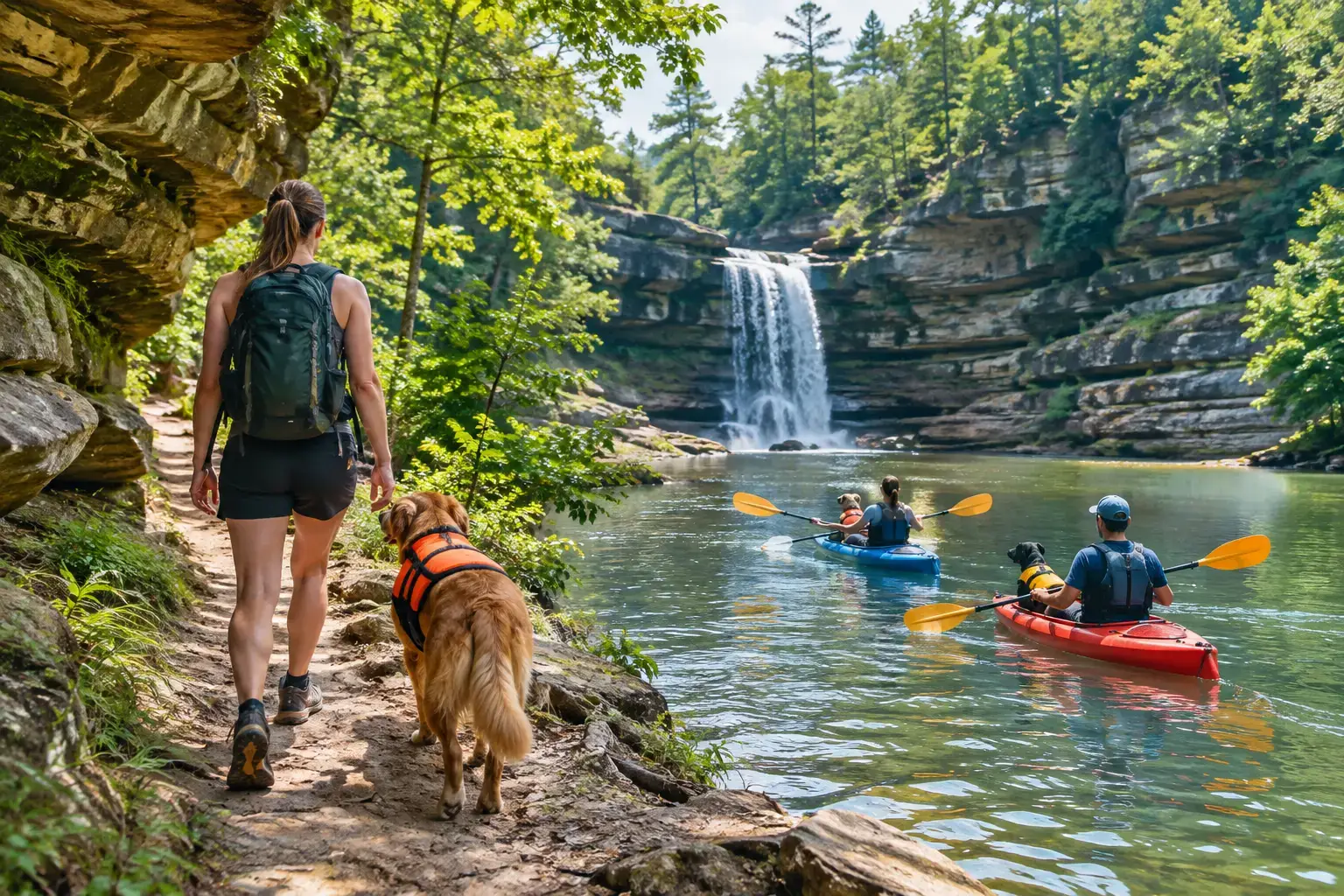
That convenience becomes even more valuable for weekend plans. If you’re turning the trip into camping near Starved Rock, meeting another family, or building a dog-friendly day outdoors, a launch site with structure makes everything easier. You can spend your energy on the fun part instead of the logistics.
Private launch versus rental – which is better?
It depends on your gear, your group, and how much simplicity you want.
Bringing your own kayak makes sense if you already have a boat you like, a way to transport it, and enough experience to handle setup without stress. You may save money compared with renting, and you get the familiarity of your own seat, paddle, and fit.
But rentals can still be the smarter choice, even for people who own boats. That surprises some paddlers. If loading and unloading your kayak feels like a workout before the trip even starts, or if your friends need boats anyway, renting can be the more relaxed move. Premium flatwater boats, straightforward check-in, and on-site support can make the whole day smoother.
There’s also the group factor. Mixed-experience groups often do better when everyone starts from the same simple plan. One person bringing a private kayak while others rent can work, but it helps to know the site’s policies in advance so launch timing, parking, and equipment flow stay easy.
Questions to ask before you go
Before choosing a launch site, think through the details that actually shape the day. Can you park close to the water? Is the launch friendly for beginners? Are there clear hours and last-launch times? Are dogs allowed? Are there bathrooms or places to regroup before heading out?
Also ask yourself what kind of paddle you want. Some paddlers want pure access and nothing else. Others want a place that feels welcoming, organized, and set up for leisure. Neither is wrong. They’re just different trips.
If you’re heading out with kids or first-time adults, the best launch is usually the one that removes uncertainty. Calm water, easy entry, and a staff-guided check-in process can do a lot for confidence before anyone even takes the first stroke.
Why this matters more for beginners
The Illinois River can be a fantastic place for casual kayaking, but beginners do best when access matches their skill level. A clean, managed launch with beginner-friendly conditions changes the entire vibe. Instead of feeling like you’re improvising, you feel like you’re set up to succeed.
That is a big reason private launches appeal to families, couples, and first-time paddlers. You’re not paying for intensity. You’re paying for ease. And ease is underrated.
At a place built around flatwater kayaking, that can mean shallow water, minimal current, maps, launch guidance, and support nearby if you have questions. For a lot of people, that’s the difference between “we should do this again” and “that was way more work than fun.”
When a launch fee is absolutely worth it
A private launch fee is usually worth it when convenience is the point. If you want a quick day trip near Chicago, if you’re paddling with children, if your dog is coming along, or if half your group is brand new, paying for a smoother launch is often money well spent.
It also makes sense if you’re pairing your paddle with camping. A waterfront setup where you can launch, paddle, and then settle into a tent, pop-up, or teardrop campsite creates a much better weekend than bouncing between disconnected locations. For people chasing that easy outdoor reset, that kind of all-in-one plan is hard to beat.
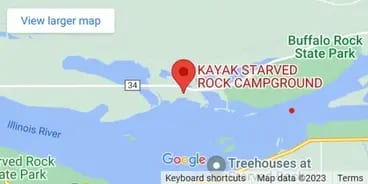
Kayak Starved Rock Campground is one of the places where that simplicity is the draw. You can bring your own kayak, pay a straightforward launch fee, and get access to a paddling-friendly environment that feels built for actual humans – not just expert boaters with a perfect roof rack system.
A smart way to think about the fee
Instead of treating the Illinois River launch fee for private kayaks like an annoying extra, treat it like a shortcut to a better day. You’re buying time, ease, and a more enjoyable start. For some paddlers, that won’t matter. For a lot of Chicago-area visitors, it’s exactly what makes the trip happen.
If your goal is less hassle and more water time, the right launch fee can be one of the best bargains in the plan. Pick the access point that fits your group, your comfort level, and your version of fun – then let the river do the rest.
Frequently Asked Questions
What does the Illinois River launch fee for private kayaks usually cover?
Why do private kayak launches charge a fee instead of being free?
How much should I expect to pay for a private kayak launch on the Illinois River?
Is a private launch worth it for Chicago-area paddlers?
Should I bring my own kayak or rent one instead?
Last reviewed: 11/12/2026
Key Takeaways
- Kayak Starved Rock Campground lets visitors bring their own kayak, pay a straightforward launch fee, and launch in a paddling-friendly environment near Starved Rock.
- Private launches often cover parking close to the water, maintained waterfront access, check-in support, and on-site staff, which reduces carrying and confusion for beginners and families.
- Illinois River launch fees vary by location, season, site amenities, and whether the property is geared toward day use, camping, rentals, or guided paddling.
- A private launch is often worth it for Chicago-area paddlers with children, dogs, or first-time friends because it removes parking guesswork and makes the day feel easier from the start.
About the Author
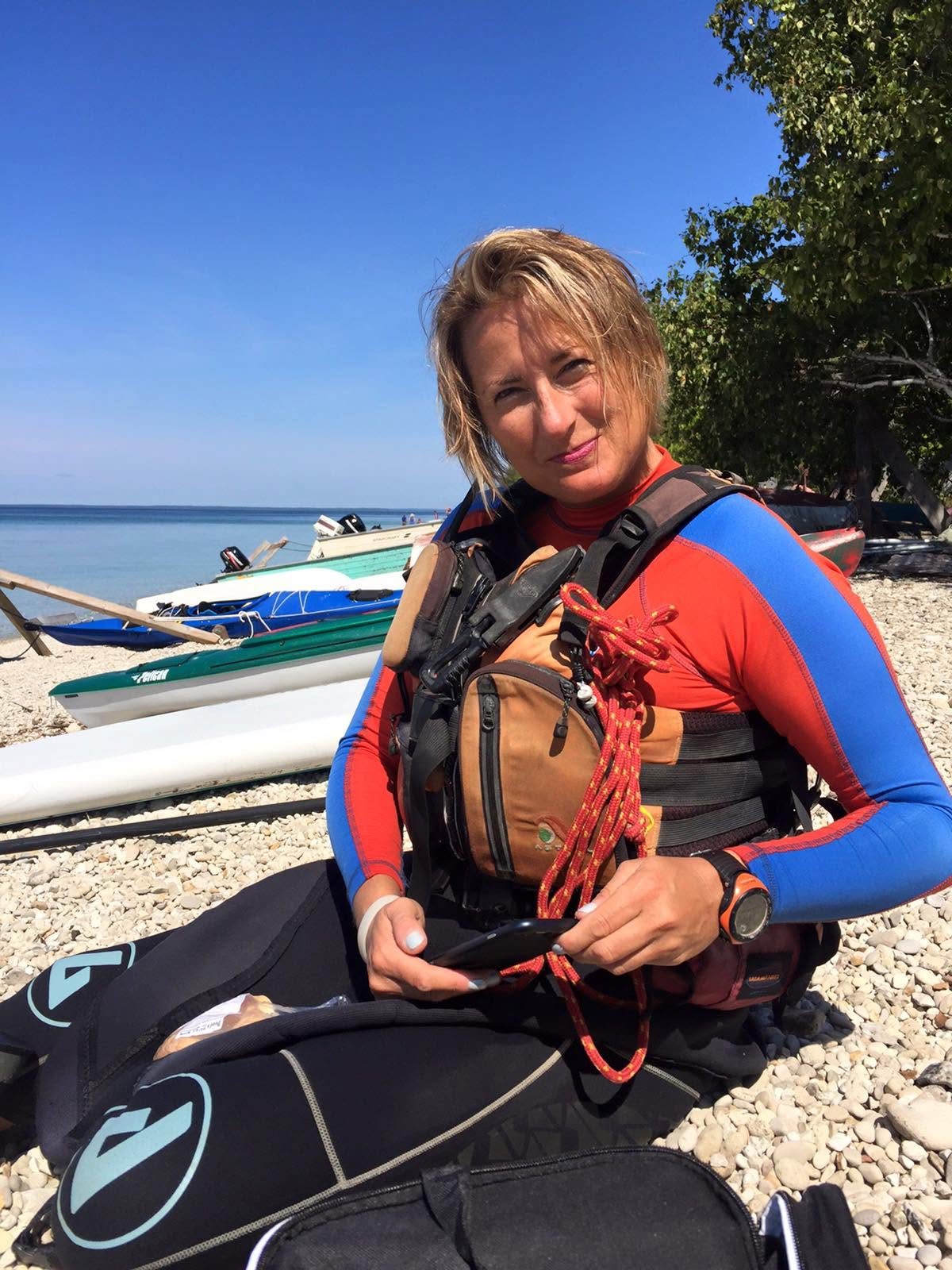
Equal parts adventure seeker and fresh-air enthusiast, I’m happiest when there’s a paddle in my hands, a campfire nearby, and absolutely no cell service. Whether kayaking across a peaceful lake, pitching a tent under the stars, or exploring somewhere new, I’m always up for a little adventure. I believe the best stories come with muddy boots, unforgettable views, and maybe a few questionable decisions involving a campfire meal. Life’s too short to stay indoors!