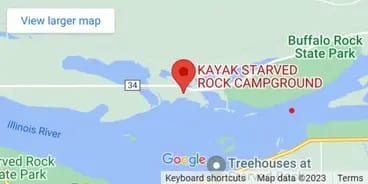
The best first paddle should not begin with a complicated route, a stressful shuttle, or a mystery current. It should begin with a life jacket, a stable kayak, a quick lesson, and that very satisfying moment when you realize, “Oh, I can do this.” Flatwater kayak rentals on the Illinois River across from Starved Rock State Park make that kind of day possible – close enough for a Chicago-area escape, scenic enough to feel like you left your calendar behind.
At Kayak Starved Rock Campground, the water is dam-controlled, shallow, and free of the fast-moving current that makes many new paddlers nervous. That means more time taking in sandstone bluffs, spotting birds, laughing with your crew, and figuring out which friend is secretly a kayak natural.
Why Flatwater Kayak Rentals Feel Better for Beginners
Kayaking is supposed to be fun, not a pop quiz. Flatwater gives first-timers, families, and casual paddlers room to learn without immediately managing rapids, river hazards, or a long point-to-point route.
The Illinois River setting here is especially friendly because the dam-controlled water keeps conditions consistently runnable through the season. You are not booking an outing only to find that the river is too low, too fast, or too unpredictable to enjoy. Water conditions can still change with weather, so staff direction always matters, but this is a deliberately low-stress place to get on the water.
That calmer environment also makes it easier to paddle at your own pace. Couples can drift along and trade photo duties. Parents can stay close to kids. Friends can turn a rental into a floating catch-up session. If you want more instruction and an on-water leader, a guided kayak tour adds that extra layer of support. If you would rather explore independently after a clear safety briefing, a rental keeps the day flexible.
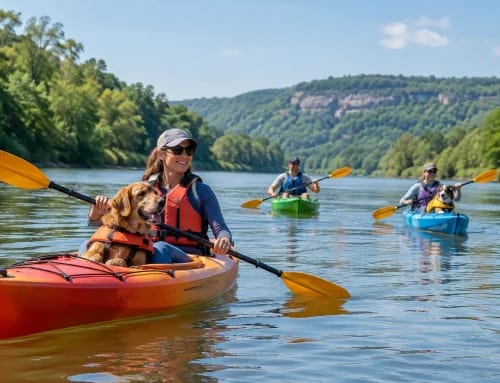
Every paddler wears a properly fitted PFD, also called a life jacket. It is required, it is non-negotiable, and it is part of having a great day. The goal is 100% fun and 100% stress relief – not pretending safety rules are optional.
What to Expect From Flatwater Kayak Rentals
A good rental should feel like an all-in-one plan, not a pile of gear and a shrug toward the water. Your experience begins with on-site direction, safety guidance, and the basics you need to feel comfortable getting in and out of your kayak. You will know where to paddle, what areas to avoid, and how to make the most of your time on the river.
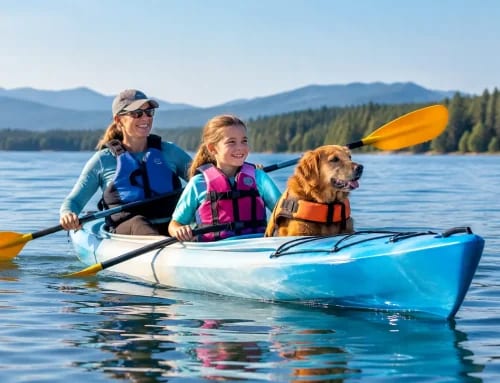
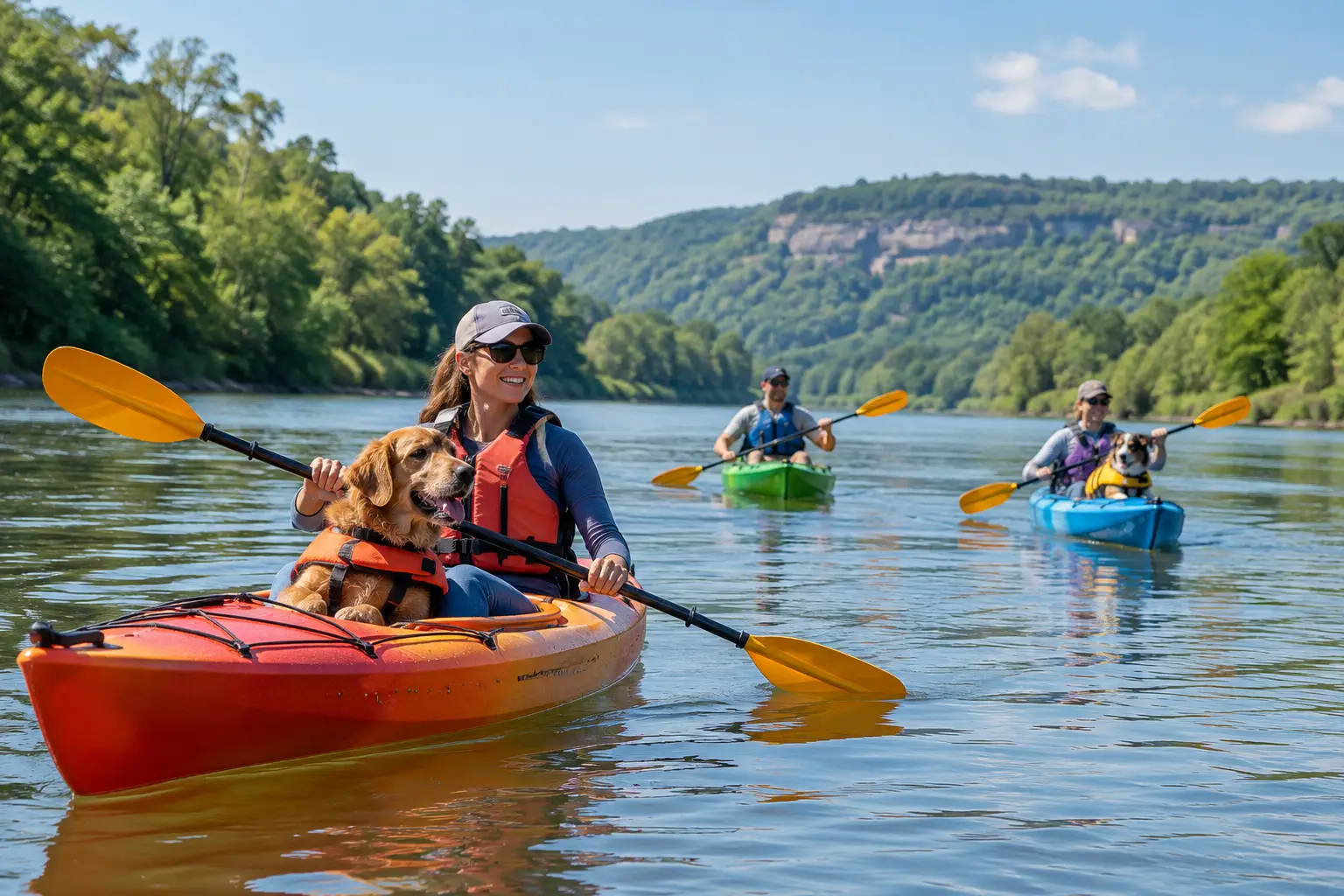
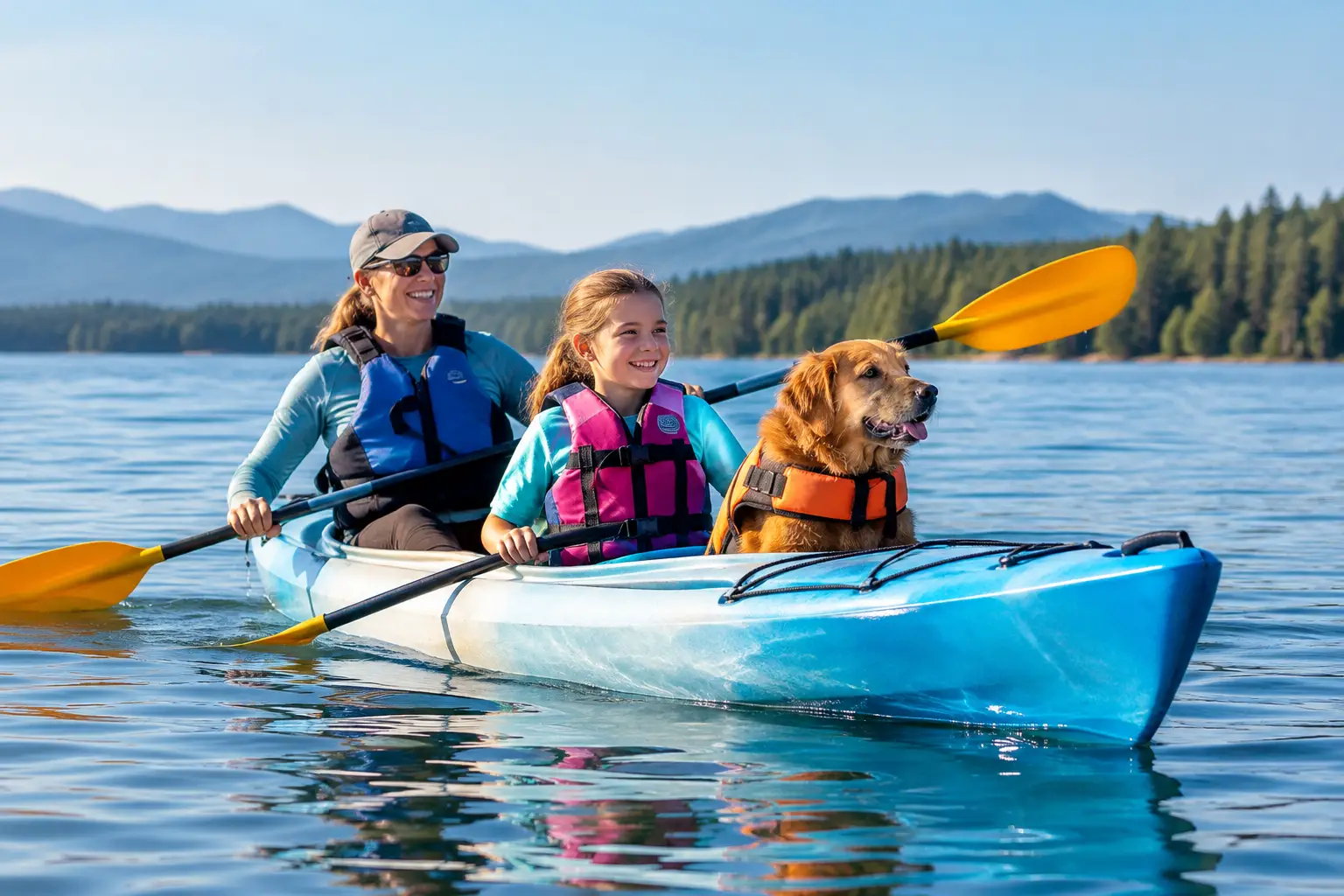
Single kayaks are a great choice for anyone who wants their own ride, including confident beginners who want to learn quickly. Tandem kayaks are popular with couples, parents paddling with younger children, and friends who would rather share the work. They are also a smart option when one person wants to paddle while the other person specializes in scenery, snacks, or morale.
Premium touring models offer a comfortable, capable way to spend more time on the water. You do not need to be an expert to appreciate a kayak that tracks well and feels stable. You just need to arrive ready to listen, wear your PFD, and have a little patience while you get the hang of the paddle stroke.
Plan to bring water, sun protection, weather-appropriate clothing, and shoes that can get wet. A dry bag or secure waterproof case is helpful for phones, keys, and small essentials. Do not count on loose items staying dry just because they are sitting near you. Kayaks have a sense of humor.
Rentals or Guided Tours: Which One Fits Your Group?
Choose a rental when your group wants freedom to paddle at an easy pace after receiving the safety orientation and local directions. It works well for repeat visitors, relaxed couples, families comfortable following instructions, and friends building a day around kayaking, hiking, or camping.
Choose a guided tour when you want a guide leading the way, more coaching on the water, and a bit more confidence from the first push off. Tours are especially helpful for nervous first-timers, larger groups, visitors who want to hear more about the area, and anyone who would prefer not to make decisions beyond “single or tandem?”
Neither option is a badge of honor. The best choice is the one that lets your group relax. A guided tour provides structure. A rental provides flexibility. Both put you on scenic, beginner-friendly water near Starved Rock.
Turn a Day Paddle Into Illinois River Camping
A day trip is great. Waking up near the water after a day of paddling is even better.
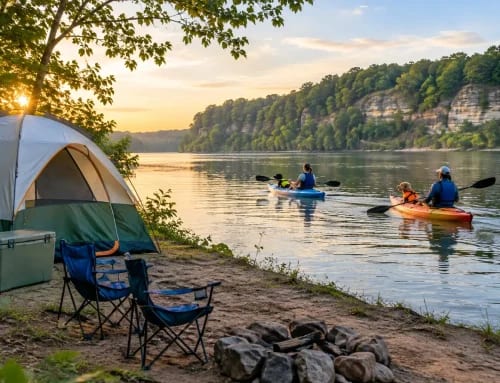
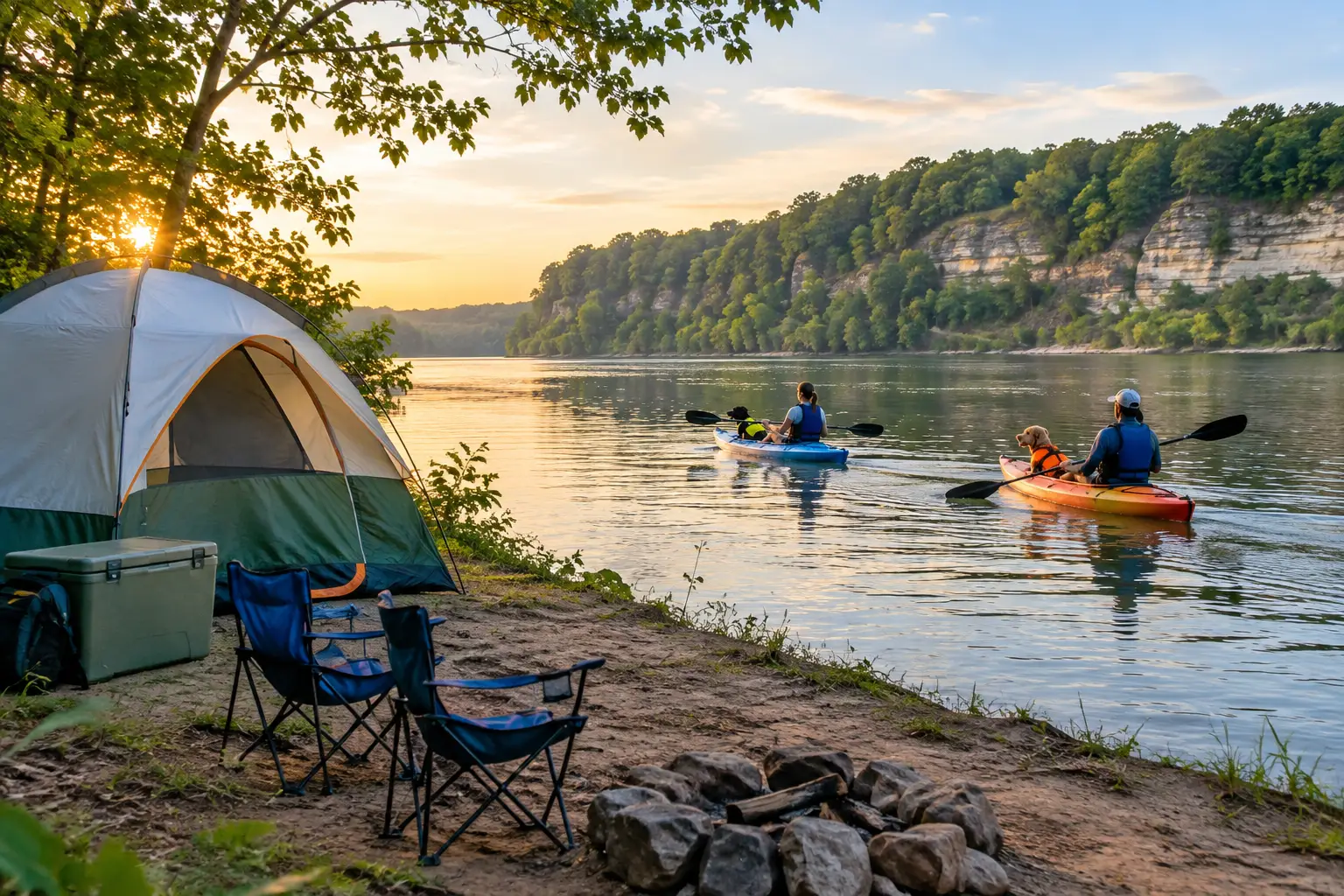
Waterfront camping lets you stretch a quick escape into a full weekend without adding a long drive home after your paddle. Set up a traditional tent, choose a pop-up camping option for a simpler arrival, or reserve a teardrop camping setup for a more comfortable, ready-to-go stay. For Chicago-area campers who want fresh air without hauling every piece of gear they own, those options can make the difference between “we should do this someday” and “we booked it.”
Tent camping is the classic choice for groups who like to make camp their own. Bring your favorite sleeping bags, camp chairs, and cooler, then settle into a waterfront setting with Starved Rock State Park nearby. Pop-up camping is a handy middle ground for guests who want less setup. Teardrop camping adds a cozy, elevated feel for couples or anyone who prefers a more polished overnight escape.
Camping also gives you time to enjoy the surrounding area without cramming everything into one afternoon. Hike the canyons and sandstone bluffs at nearby Starved Rock State Park, paddle while the light is soft, then return to camp for dinner and a well-earned night outdoors. It is a simple formula: less driving, more outside.
Camping Near Chicago Without the Big Production
For many people, camping near Chicago sounds great until they picture packing, traffic, finding a site, and getting home late Sunday. A waterfront campground paired with kayaking solves a lot of that friction. Your activity and your campsite are in one destination, roughly an easy 90-minute getaway from the Chicago area depending on where you start.
That setup works for anniversary weekends, friend-group resets, family adventures, scout outings, and spontaneous “we need trees immediately” plans. It also makes it easier to give the kids a real outdoor experience without choosing a remote campsite that feels difficult to navigate.
Check operating dates, camping availability, and last-launch times before you arrive. Launch cutoffs exist for a reason: staff need enough daylight and time to support a safe return for every paddler. Booking ahead is the easiest way to get the kayak type, tour time, and camping setup your group wants.
Dog-Friendly Kayaking and Camping Tips
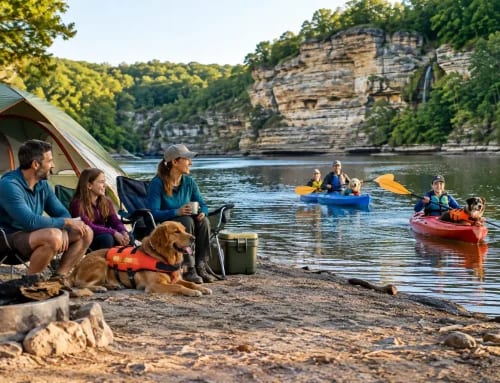
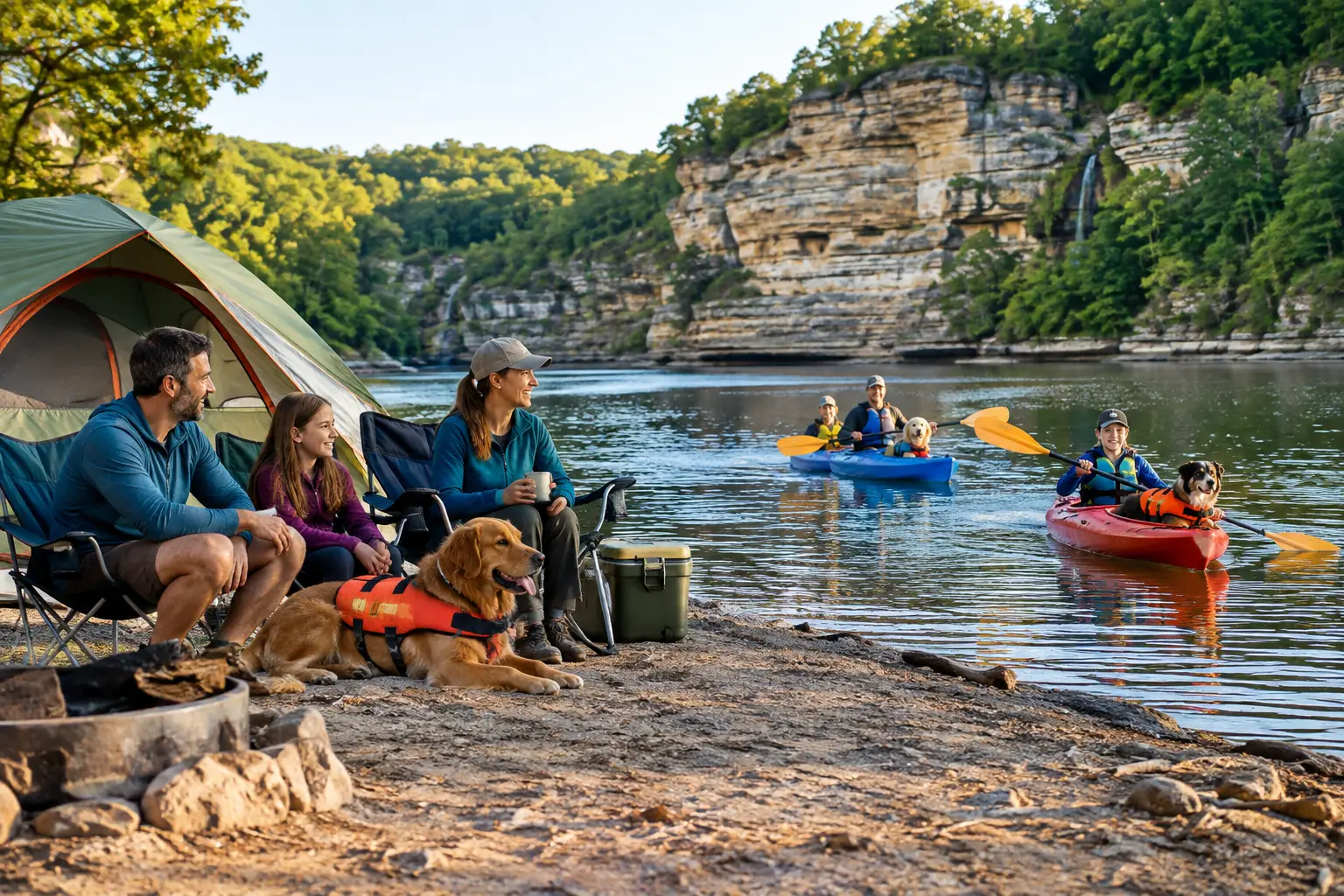
Dogs deserve a weekend out too, and a dog-friendly camping and kayaking trip can be a big win for the whole crew. The key is being realistic about your dog’s temperament around water, people, and new sounds. A calm dog who can settle in a boat and follow basic commands will likely have more fun than a high-energy pup who believes every passing bird needs immediate investigation.
Bring a dog life jacket, even for strong swimmers. It gives you a handle if you need to help your dog back into the kayak and adds buoyancy if they fall in. Pack fresh water, a leash, waste bags, shade, and a familiar blanket or bed for camp. Keep your dog close at the launch area, respect other guests’ space, and never leave them unattended around the river.
Tandem kayaks can be a practical fit for some dogs because they offer more shared space, but it depends on the size of your dog and the comfort level of the paddlers. Ask staff for guidance before launching. A short, successful paddle is far better than forcing a long one with a dog who is clearly over it.
Make Your First Paddle a Good One
You do not need special skills, expensive gear, or an entire week off work to have an outdoor story worth telling. You need a clear plan, the right conditions, and a place that treats beginners like future paddlers instead of problems to manage.
Book the boat or camping setup that fits your crew, arrive early enough for a relaxed check-in, and listen to the safety briefing like it is part of the adventure – because it is. Then push off, paddle easy, and let the Illinois River do what a good weekend should do: make everything else feel a little farther away.