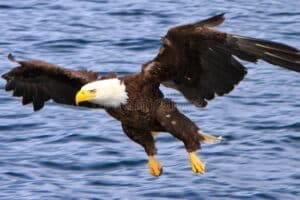
The bald eagle is a majestic bird. It has a white head and tail, with a brown body and wings. They can be found near large bodies of water.
Bald eagles mate for life. They build nests in tall trees near the water. The nests are huge, sometimes weighing over a ton.
The female lays one to three eggs. Both parents take turns incubating the eggs for about 35 days. When the eggs hatch, the parents feed the eaglets.
As the eaglets grow, they become more demanding. The parents must work hard to catch enough food to feed them. Eventually, the eaglets leave the nest and learn to hunt on their own.
Bald eagle nests are used year after year. The eagles will add new sticks and branches to the nest each year. Over time, the nest becomes very large.
Bald eagles were once endangered, but conservation efforts have helped the population recover. Today, they are a common sight near lakes and rivers. It is a joy to watch these beautiful birds soar through the sky.
Their strong and powerful wings allow them to fly great distances in search of food. They are skilled hunters, diving from high in the sky to capture fish from the water.
Bald eagles are a symbol of strength and freedom, inspiring awe and wonder. They are truly a remarkable species, and it is a privilege to witness their nesting habits.
Frequently Asked Questions
Why do bald eagles build such huge nests near water?
How long do bald eagle eggs take to hatch?
What do bald eagle parents do after the eaglets hatch?
Do bald eagles use the same nest every year?
Are bald eagles still endangered around lakes and rivers?
Last reviewed: 11/12/2026
Key Takeaways
- Bald eagles mate for life and build huge nests in tall trees near water, with nests sometimes weighing over a ton.
- The female lays one to three eggs, and both parents incubate them for about 35 days before feeding the eaglets.
- Bald eagle nests are used year after year, and the eagles add new sticks and branches each year until the nest becomes very large.
About the Author
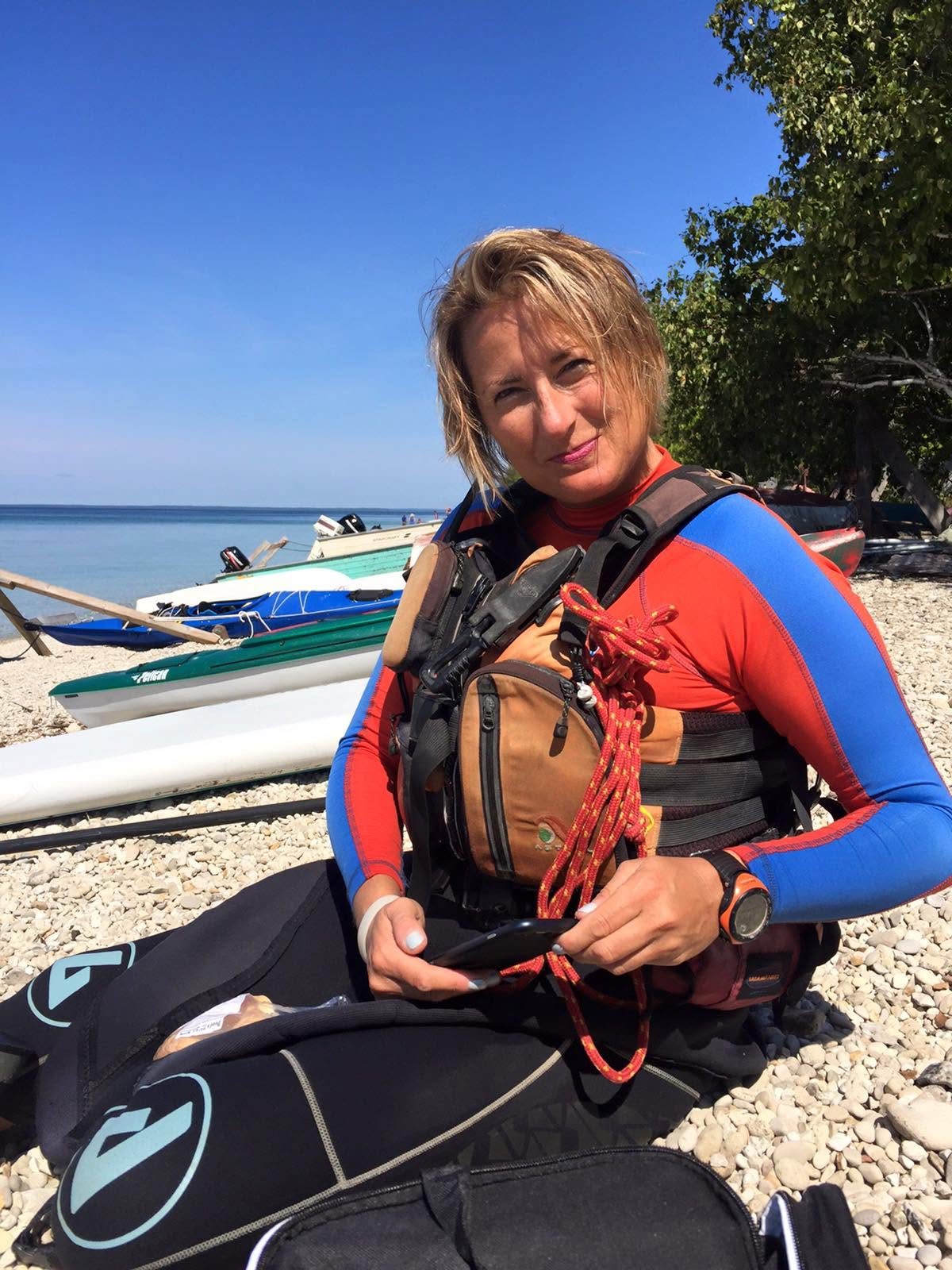
Equal parts adventure seeker and fresh-air enthusiast, I’m happiest when there’s a paddle in my hands, a campfire nearby, and absolutely no cell service. Whether kayaking across a peaceful lake, pitching a tent under the stars, or exploring somewhere new, I’m always up for a little adventure. I believe the best stories come with muddy boots, unforgettable views, and maybe a few questionable decisions involving a campfire meal. Life’s too short to stay indoors!