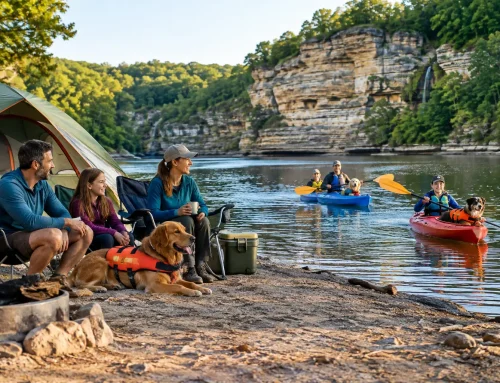
The good part of waterfront camping is waking up close to the water. The less glamorous part is realizing at 2 a.m. that your tent is sitting in a low spot, your cooler is nowhere near breakfast, and the bathroom run requires a full scavenger hunt in the dark. This waterfront tent camping setup guide is built for the better version: an easy Illinois River overnight near Starved Rock where your campsite feels relaxed, organized, and ready for a paddle.
For Chicago-area campers, that matters. You are not trying to spend half your weekend engineering a backcountry expedition. You want to arrive, set up without drama, get on the water, watch the light change over the river, and sleep comfortably enough to do it again tomorrow.
Start With the Right Waterfront Tent Camping Setup
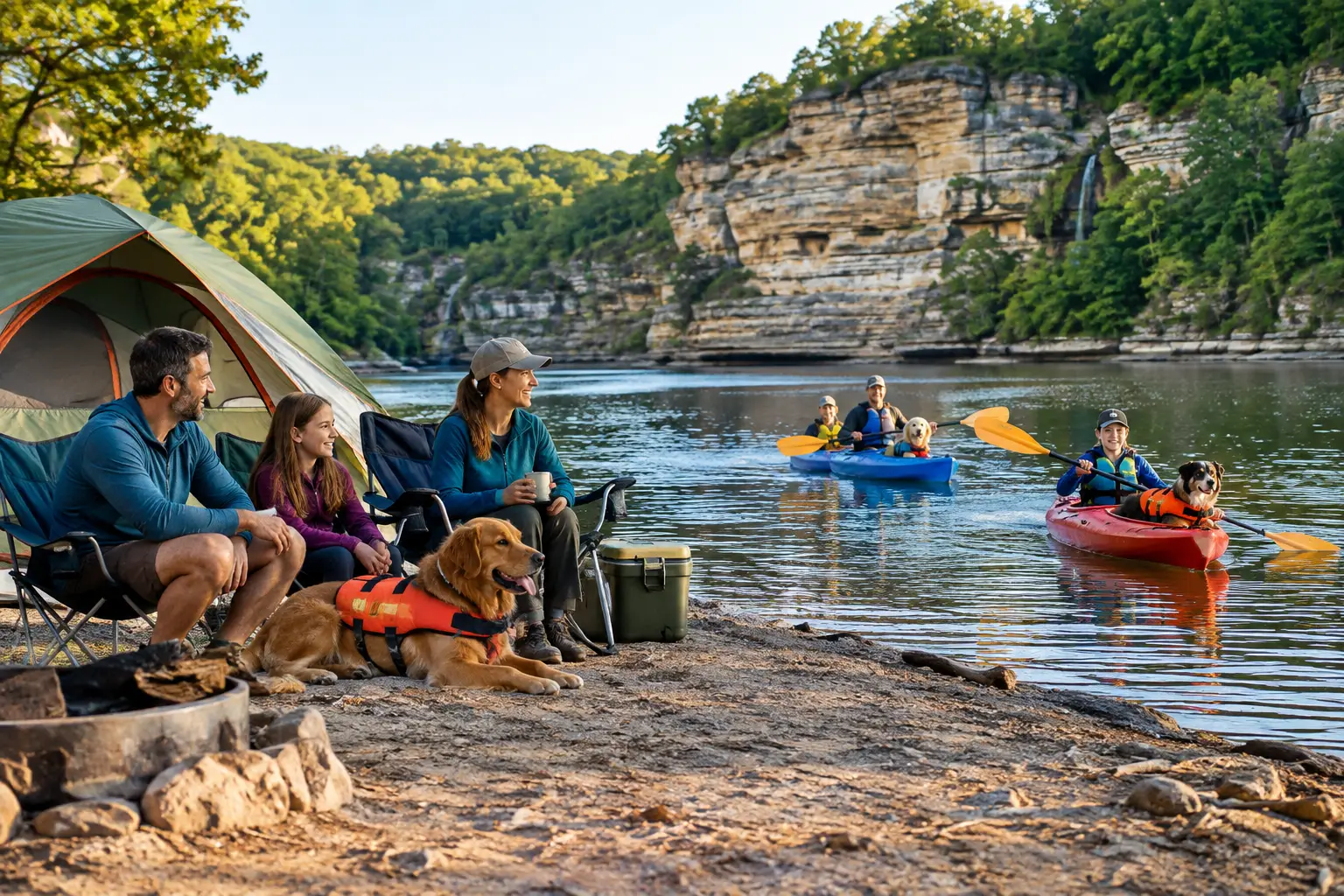
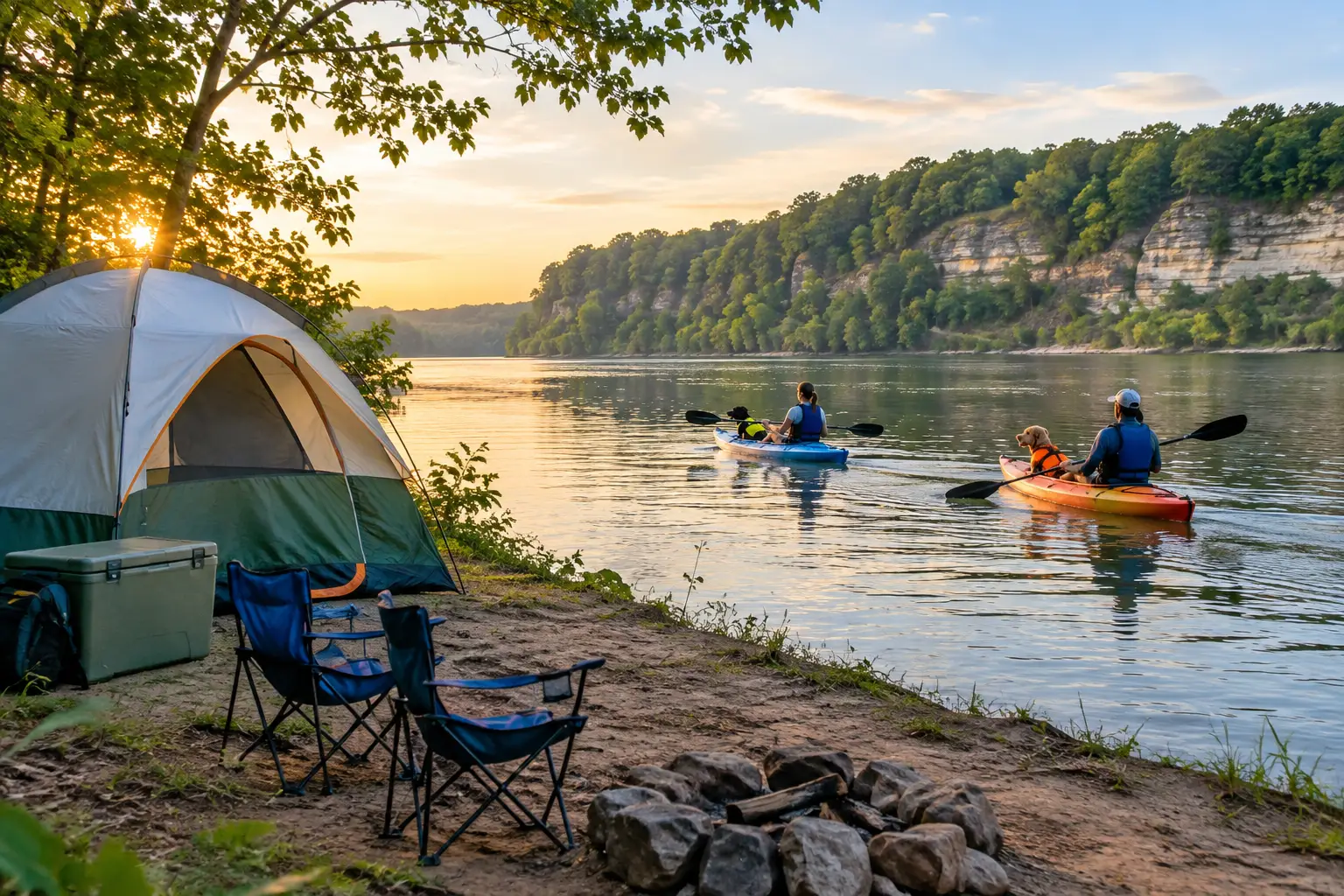
Waterfront does not mean waterside. The best tent location is close enough to enjoy the view and hear the river, but far enough back to stay out of low ground, splash zones, and heavy foot traffic. Look for a level, firm site with room for your tent, a small sitting area, and a clear path to your vehicle or campground facilities.
Before unrolling anything, take five minutes to look up. Avoid dead limbs, leaning branches, and spots directly under a tree that will drip on your tent long after a rain shower ends. Then look down. Roots, rocks, and little slopes can turn a perfectly good sleeping pad into a long night of rolling downhill.
Place your tent door facing the direction that makes camp life easier. Many campers like the door aimed toward the river for the morning view, but practical beats picturesque when needed. If the wind is pushing in from the water, angle the door away from it. If you are camping with kids or a dog, face the door toward your seating area so everyone stays within easy sight.
A ground tarp should sit completely beneath the tent footprint. Any tarp sticking out becomes a rain catcher, collecting water and sending it under your tent. It is a tiny setup detail with a huge payoff after an overnight shower.
Pick shelter that matches your weekend
A traditional tent is a great choice when you want the classic campground feel, extra room for gear, and a lower-cost overnight. Choose a tent rated for more people than are actually sleeping in it if you want elbow room. Two adults with bags, dry clothes, snacks, and a dog are usually happier in a four-person tent than a snug two-person model.
Pop-up camping is the shortcut for campers who would rather spend their arrival time taking a kayak lesson or getting dinner started. It still needs a level location and secure stakes, but it removes much of the pole-and-fabric puzzle. A pop-up shelter is especially handy for first-time campers, families arriving late, and groups whose chief goal is 100% fun and 100% stress relief.
Teardrop camping offers a more protected, ready-to-roll option. It can be a smart fit for couples, light sleepers, or anyone who wants a real mattress and a fast setup without giving up the campfire-and-river atmosphere. The trade-off is less flexibility in where you sleep and less outdoor living space unless you add chairs or an awning. It depends on whether your dream weekend is more tent-and-s’mores or cozy cabin-on-wheels.
Build Camp in Zones, Not Piles
The fastest way to make a small campsite feel chaotic is to unload everything in one heap. Give your camp a few simple zones from the start: sleep, kitchen, hangout, and gear storage. You do not need military-level organization. You just need to know where the headlamp, dry socks, and breakfast pan will be when you need them.
Keep sleeping gear inside the tent as soon as it is inflated or unrolled. Sleeping bags and pillows have an impressive ability to collect moisture, dust, and snack crumbs when left outside. Store food in closed containers and keep coolers shut, particularly overnight. Wildlife is part of the experience, but it does not need an invitation to sample your trail mix.
Set your chairs and camp table where people can relax without blocking the tent entrance. If you are paddling, make a designated landing spot for wet gear. A small towel, plastic bin, or waterproof bag near the tent door prevents damp life jackets, river shoes, and swimsuits from taking over your sleeping space.
For an Illinois River camping trip, bring a few items that earn their space every time: a headlamp for each person, a lantern for the table, a camp chair, insect repellent, sunscreen, a rain layer, and a compact first-aid kit. Add extra drinking water even if you are only staying one night. River views are refreshing. Hydration still takes effort.
Plan for Weather Before It Makes a Plan for You
Waterfront campsites can feel cooler and damper than a site farther inland. That is lovely during a hot summer afternoon, but it means warm layers deserve a place in your bag even when the forecast looks sunny. A hoodie, dry socks, and a light blanket can save a cool evening around the fire.
Rain does not have to wreck a camping weekend. Put on the rainfly before you need it, close tent windows if showers are likely, and keep a dry area for shoes just inside the door. Do not touch the tent walls from inside during rain. That can push moisture through the fabric and create a surprise drip exactly where you planned to sleep.
Wind deserves respect, too. Stake your tent properly, use all recommended guy lines, and secure loose items before leaving camp for a paddle. Camp chairs, towels, and lightweight gear can travel farther than expected when a river breeze picks up.
If severe weather is forecast, follow campground staff instructions and have a plan for getting to a safe shelter or vehicle. A great outdoor trip includes knowing when conditions call for a pause.
Make Paddling Part of the Camp Routine
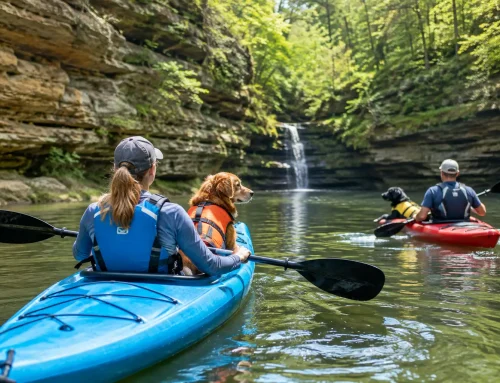
Camping near Starved Rock State Park gives you a rare upgrade over a standard tent weekend: your activity is right there. You can paddle before dinner, take an easy morning lap, or build a full kayak-and-camp getaway without adding another drive to the schedule.
Pack your paddling clothes separately from your sleep clothes. After time on the water, change into something dry before settling into camp. Your future self will be very grateful when temperatures drop after sunset.
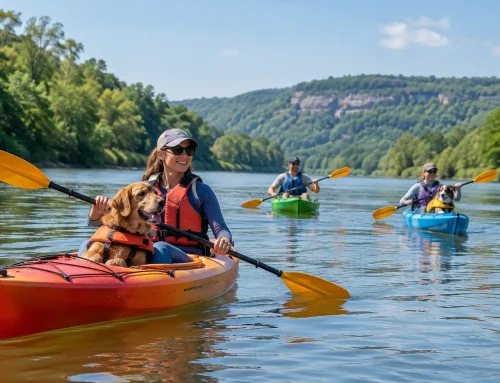
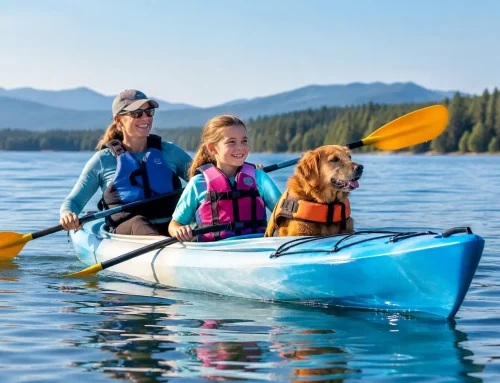
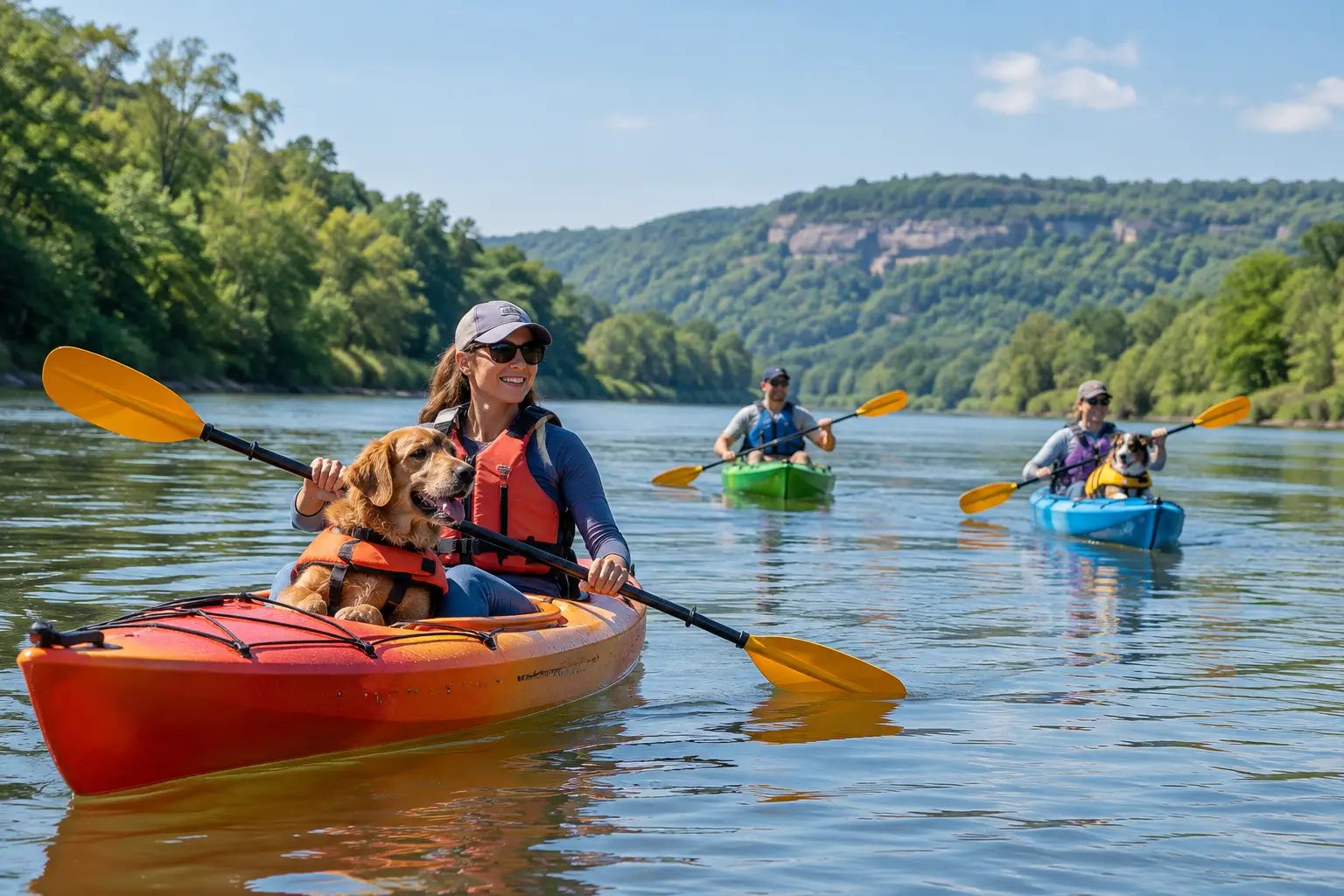
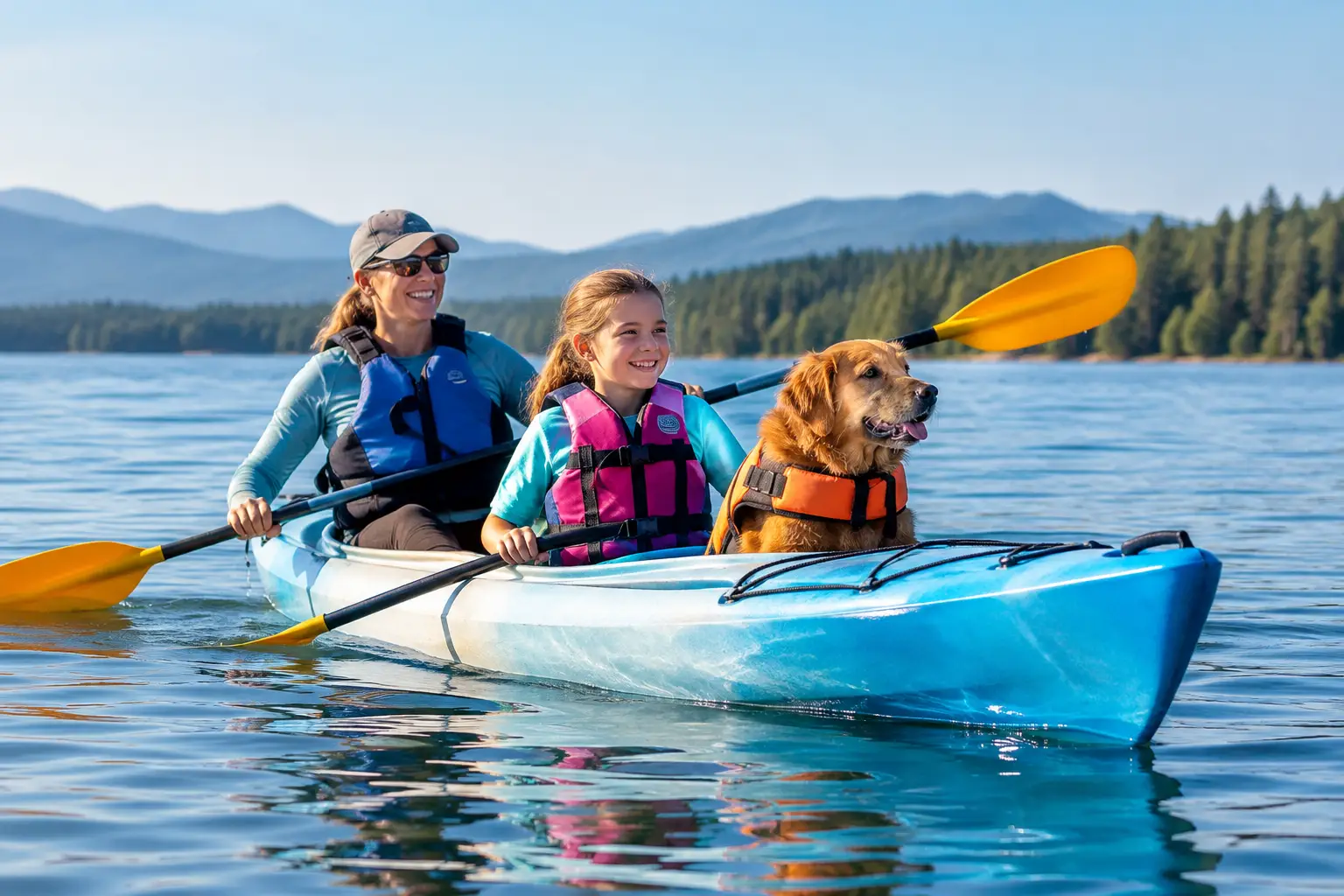
Every paddler needs a properly fitted PFD, period. Wear it on the water, not clipped to the kayak or tucked behind a seat. Flatwater conditions can be friendly for beginners, families, and first-time kayakers, but safe habits are part of the fun. Listen to staff guidance, respect launch cutoffs, and check that everyone in your group understands how to get in, out, and back to shore comfortably.
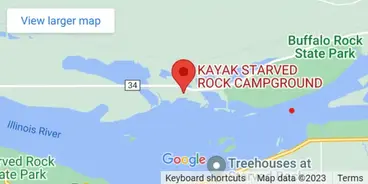
At Kayak Starved Rock Campground, the Illinois River setting is designed to make a paddle-and-camp weekend feel doable, not intimidating. The dam-controlled water and beginner-friendly environment let more of your group focus on the scenery, the laughs, and the inevitable photo where someone insists they are “definitely not posing.”
Camping With Kids and Dogs
Kids do best when camp has a few clear rules from the beginning: where they can roam, where the water boundary is, and where the flashlights live. Give them a job, too. They can arrange camp chairs, help zip sleeping bags, or be the official marshmallow counter. A little responsibility makes setup feel like part of the adventure.
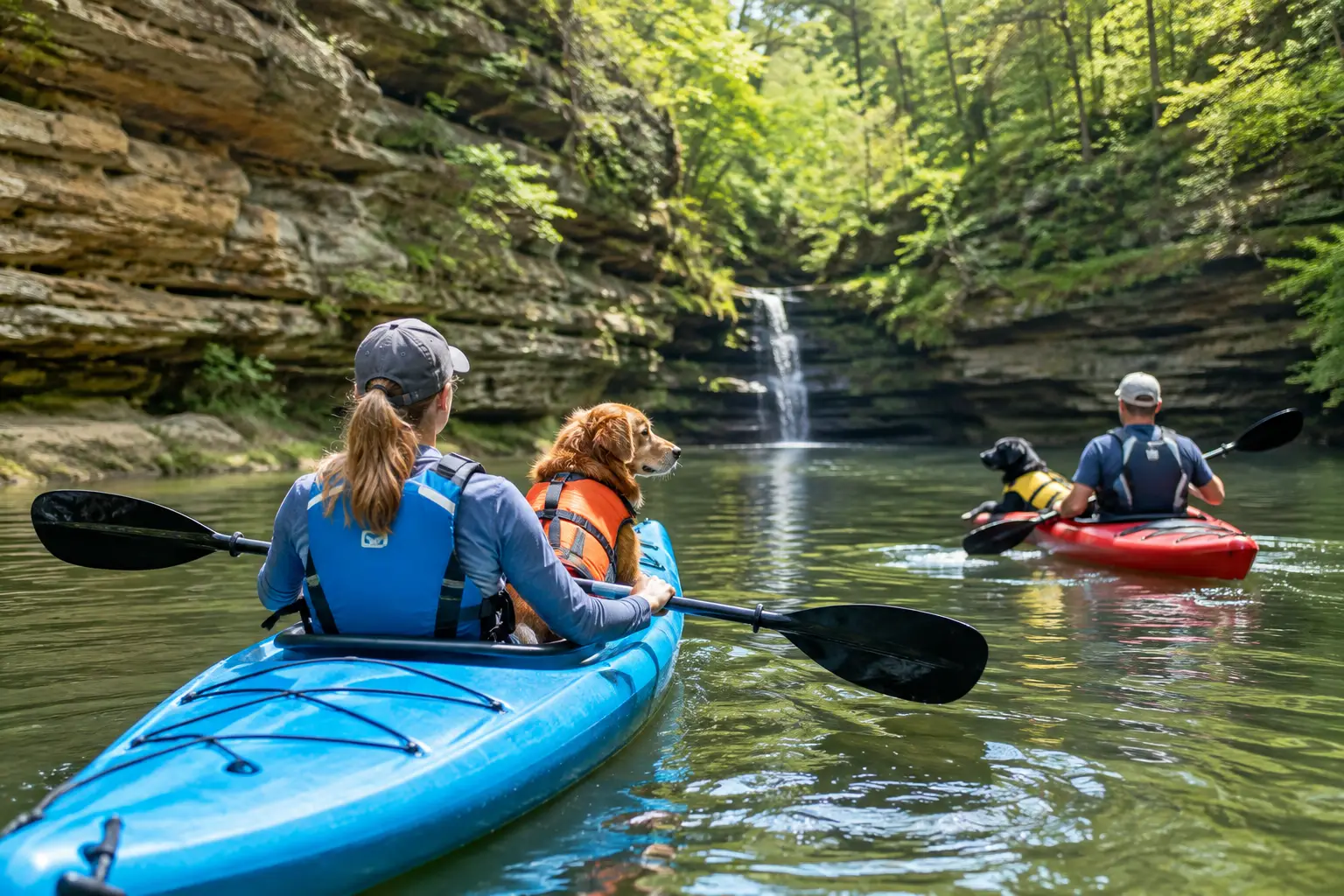
For dog-friendly camping, bring a leash, water bowl, waste bags, bedding, and a towel dedicated to muddy paws. Set up your dog’s bed inside the tent or under a protected area so they have a familiar spot to settle. If your pup is joining a kayak outing, confirm the rules ahead of time and make sure they are comfortable around water, boats, new people, and a properly fitted canine flotation device when appropriate.
The key is not packing every item your family owns. It is bringing the few things that help everyone stay dry, fed, rested, and cheerful. That is the real luxury on a weekend away from Chicago.
A Simple Arrival-to-Sunset Game Plan
Arrive with enough daylight to choose your site, pitch the tent, and get familiar with the campground before dark. Set up the tent first, then beds, then food and chairs. Once your sleeping space is ready, everything else feels easier.
If you are kayaking that day, ask about available launch times and plan your camp setup around them. Do not leave your tent build until after sunset just because the river looks too tempting. The river will still be beautiful after your stakes are in the ground.
As evening settles in, put food away, recharge phones or lights if needed, and lay out what you need for the morning. A quiet river breakfast is even better when you are not digging through a dark duffel bag for coffee supplies. Set the tent, keep your gear dry, wear your PFD on every paddle, and leave enough room in the schedule to simply sit by the water for a while.